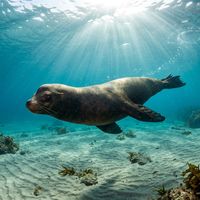
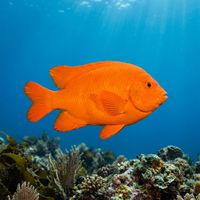
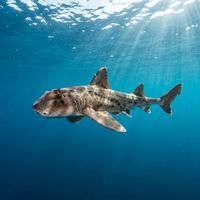
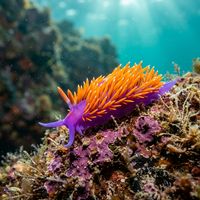
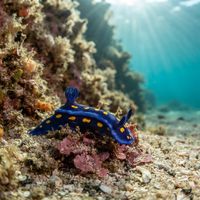
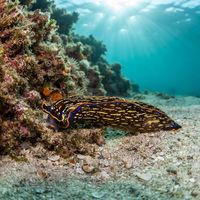
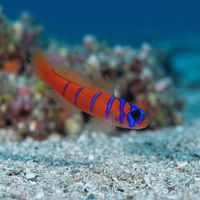
Catalina Island's diving is built on kelp forest, reef and pinnacle terrain, with two distinct hubs: Avalon to the east and Two Harbors to the west. Boat access is the norm across both areas. The marine life is characteristically Californian, with Garibaldi, Horn Shark, California Sea Lion and Spanish Shawl appearing consistently across sites. Deeper offshore structures, including wrecks and artificial reefs, add variety for advanced divers alongside shallower reefs suited to beginners.
Monthly water temperature across Catalina Island's sites, from satellite sea-surface data corrected for depth. The band shows the site-to-site spread.
Water stays cool to mild throughout the year, dipping to its coldest in late winter and warming gradually through summer into early autumn. The peak diving season runs from summer through autumn, when conditions and marine activity are at their best. Currents can be moderate at exposed offshore sites, so some locations suit more experienced divers regardless of season.
31 operators

Avalon, United States
Avalon, United States
Avalon, United States
71 more sites to explore
2 areas
Water temperature around Catalina Island ranges from about 14°C in March to 18°C in August, based on satellite sea-temperature data for its dive sites.
In the warm season (about 18°C) a 5mm suit is comfortable in Catalina Island; in the coldest months (about 14°C) step up to a 7mm or semi-dry suit.
Fin maps 83 sites in Catalina Island (82 scuba diving sites and 8 snorkelling spots, with some suited to both), organised into 2 areas.
Across Catalina Island's dive sites, July, August, September and October are most often reported as the best months to visit.
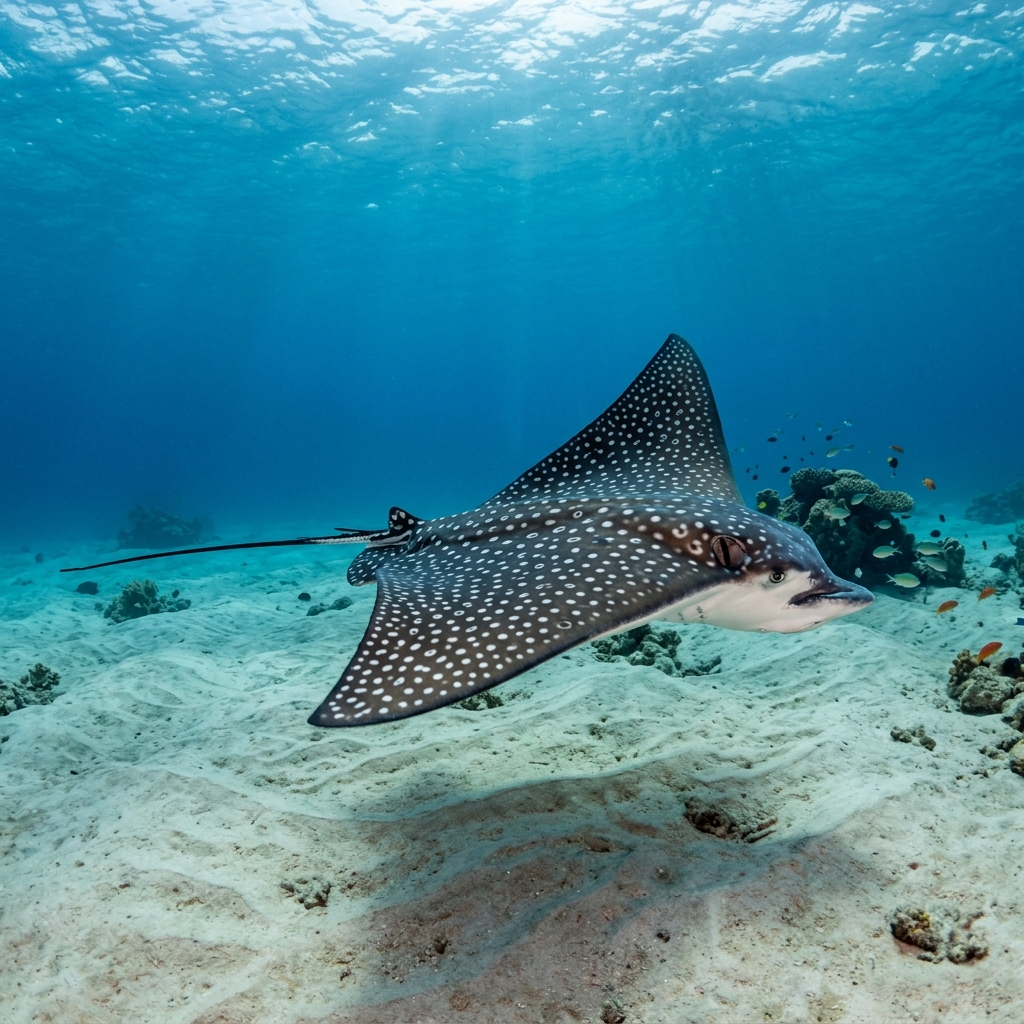
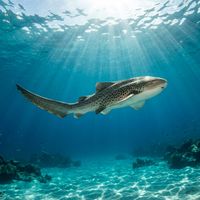
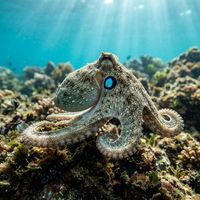
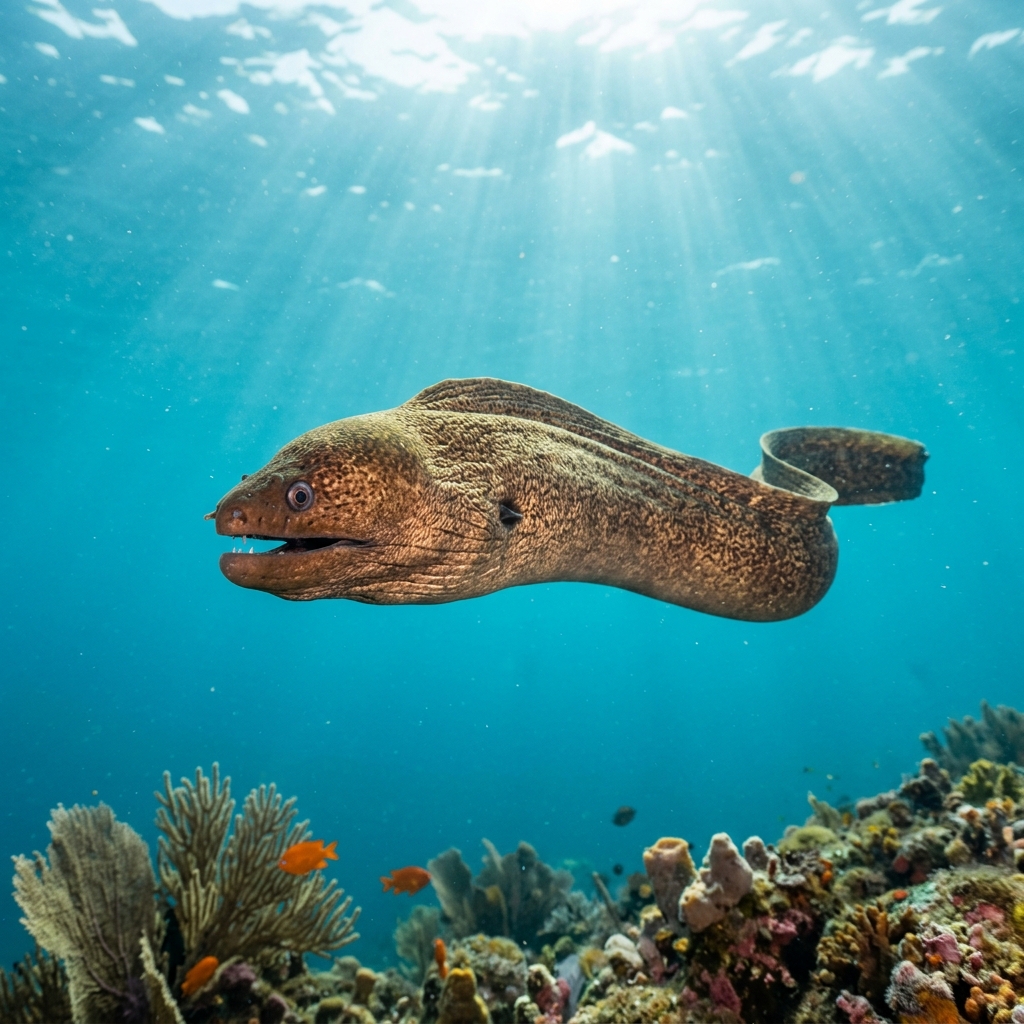
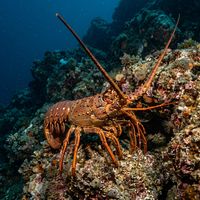
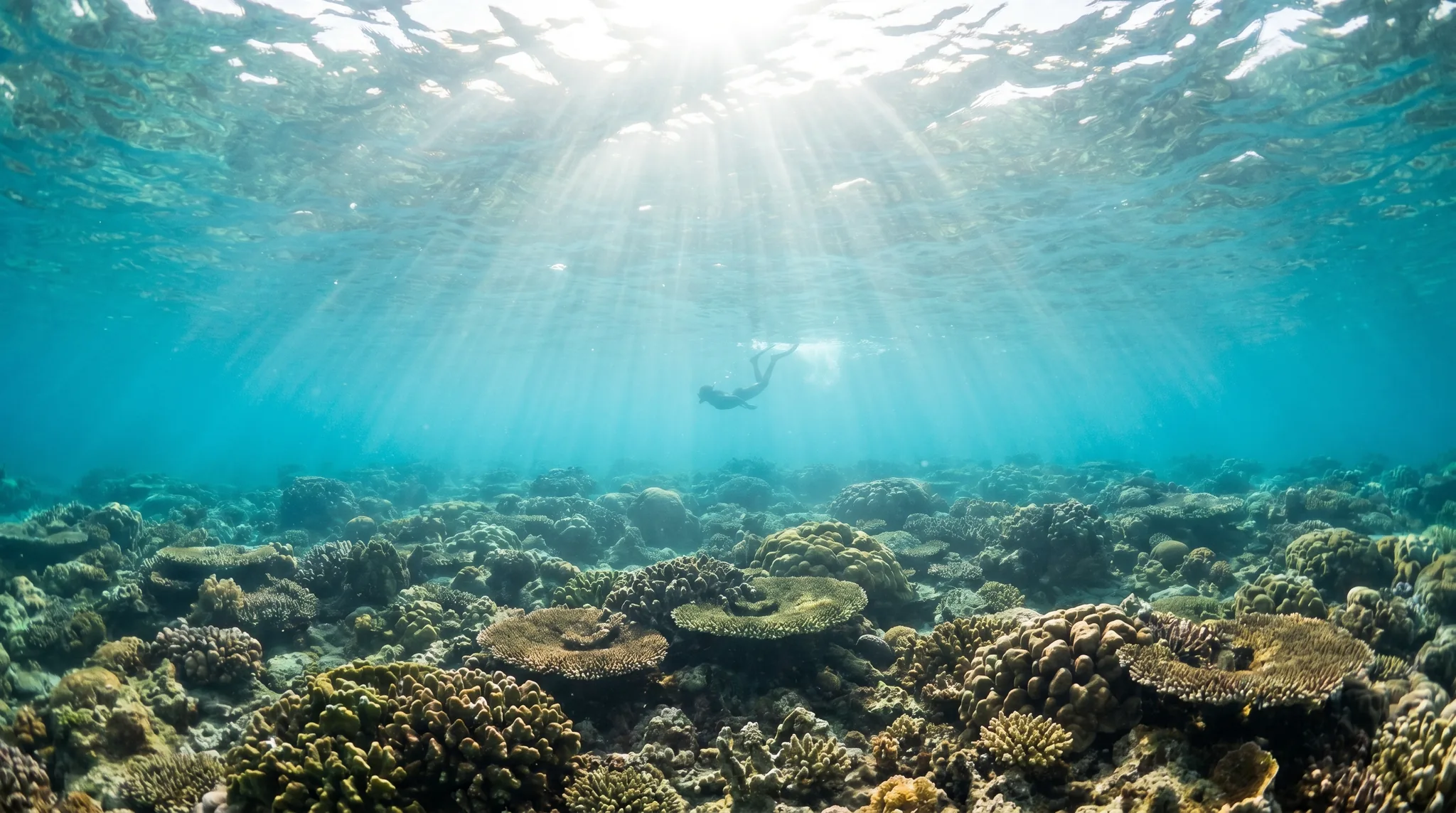
Catalina Island's sites consistently produce sightings of Garibaldi, Horn Shark, California Sea Lion and Spanish Shawl. Eagle Ray, Leopard Shark, California Moray, Lesser Two-spot Octopus and California Spiny Lobster are also commonly encountered. Nudibranch enthusiasts will find the Spanish Shawl and Felimare californiensis across many reefs.
A good number of sites are rated beginner level, including Harbor Reefs, Eagle Rock, Cherry Cove and Ribbon Rock, all of which feature accessible reef and kelp forest terrain. Intermediate and advanced sites are also well represented, particularly the deeper pinnacles and offshore structures. Most sites require boat access, so comfort on a dive boat is helpful regardless of experience.
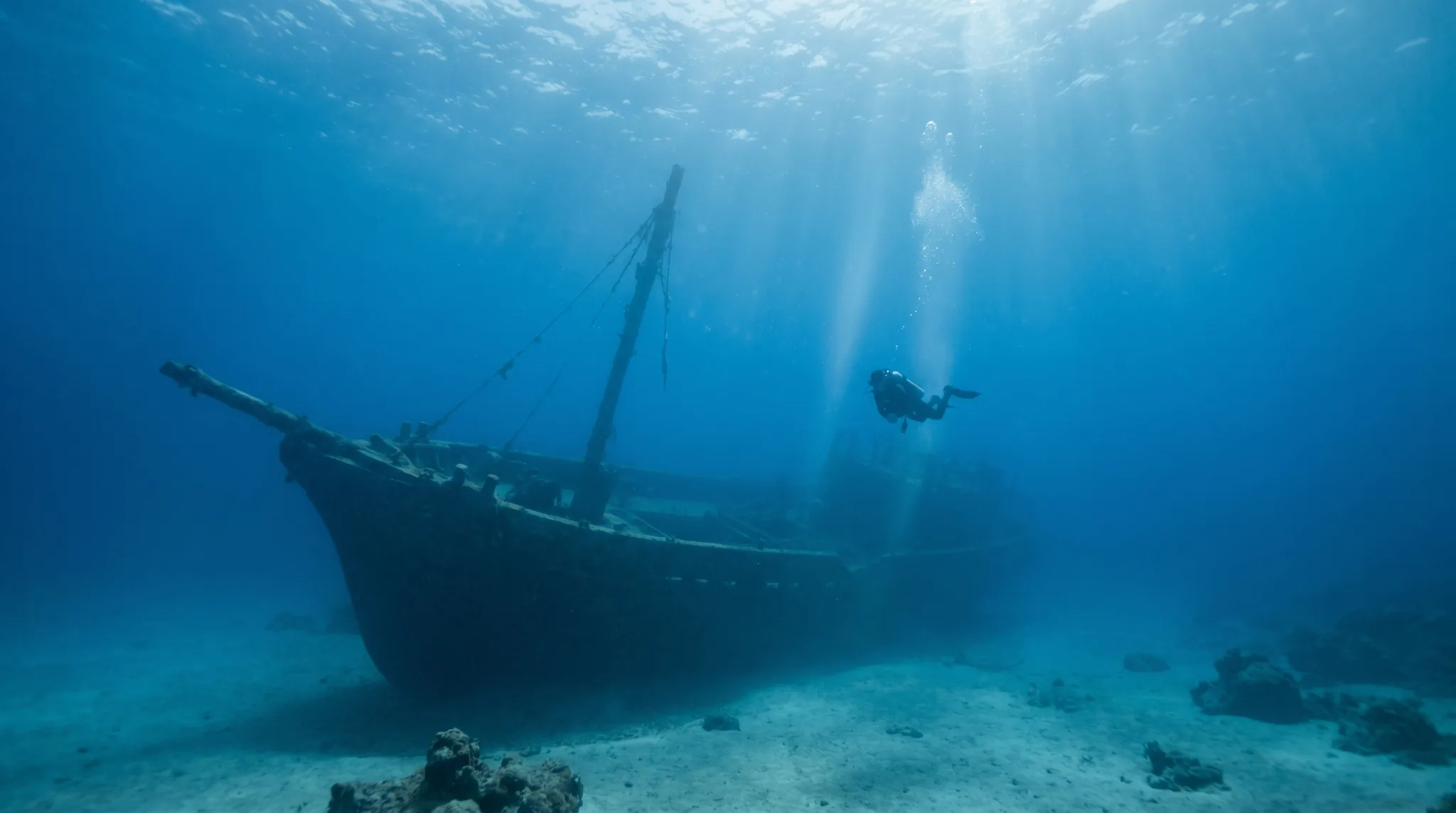
Two Harbors, on the island's western side, hosts the majority of dive sites and includes dramatic offshore terrain such as Farnsworth Bank, with its walls and drop-offs, alongside kelp-forest reefs and the Star of Scotland wreck. Avalon, to the east, offers its own reef, kelp and wall sites as well as the decommissioned Oil Rig Edith artificial reef. Both areas are boat-access only.
Virtually all sites at Catalina Island are reached by boat, so most divers go out with one of the local operators. Options include Catalina Divers Supply, Catalina Scuba, Diving Catalina, Dive and Photo and several others based in the area. Operators handle the logistics of reaching offshore pinnacles and wrecks that would otherwise be inaccessible from shore.