
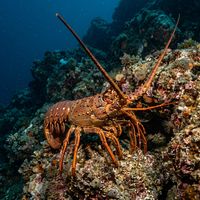
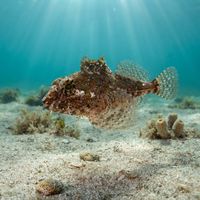
Orange County diving centres on kelp forest reefs, artificial structures, and offshore oil platforms that function as productive artificial reefs. Shore entries dominate the mainland sites, while Santa Catalina Island adds sheltered coves suited to beginners. The offshore platforms attract advanced divers seeking dramatic structure and depth. The Garibaldi, California Spiny Lobster, and Woolly Sculpin appear across almost every site, while nudibranch diversity is a consistent draw throughout the region.

Monthly water temperature across Orange County's sites, from satellite sea-surface data corrected for depth. The band shows the site-to-site spread.
Water temperatures climb from cool winter lows through to warmer conditions in late summer and early autumn, with September and October representing the peak of both temperature and diver-reported quality. Winter and spring diving remains viable but cooler, suiting those happy in a thicker wetsuit. Visibility tends to improve alongside the warmer months, making the summer-to-autumn window the most rewarding for longer dives.
14 operators
United States
United States
United States
9 more sites to explore
Water temperature around Orange County ranges from about 15°C in January to 20°C in August, based on satellite sea-temperature data for its dive sites.
In the warm season (about 20°C) a 5mm suit is comfortable in Orange County; in the coldest months (about 15°C) step up to a 7mm or semi-dry suit.
Fin maps 21 sites in Orange County (21 scuba diving sites and 4 snorkelling spots, with some suited to both).
Across Orange County's dive sites, July, August, September, October and November are most often reported as the best months to visit.
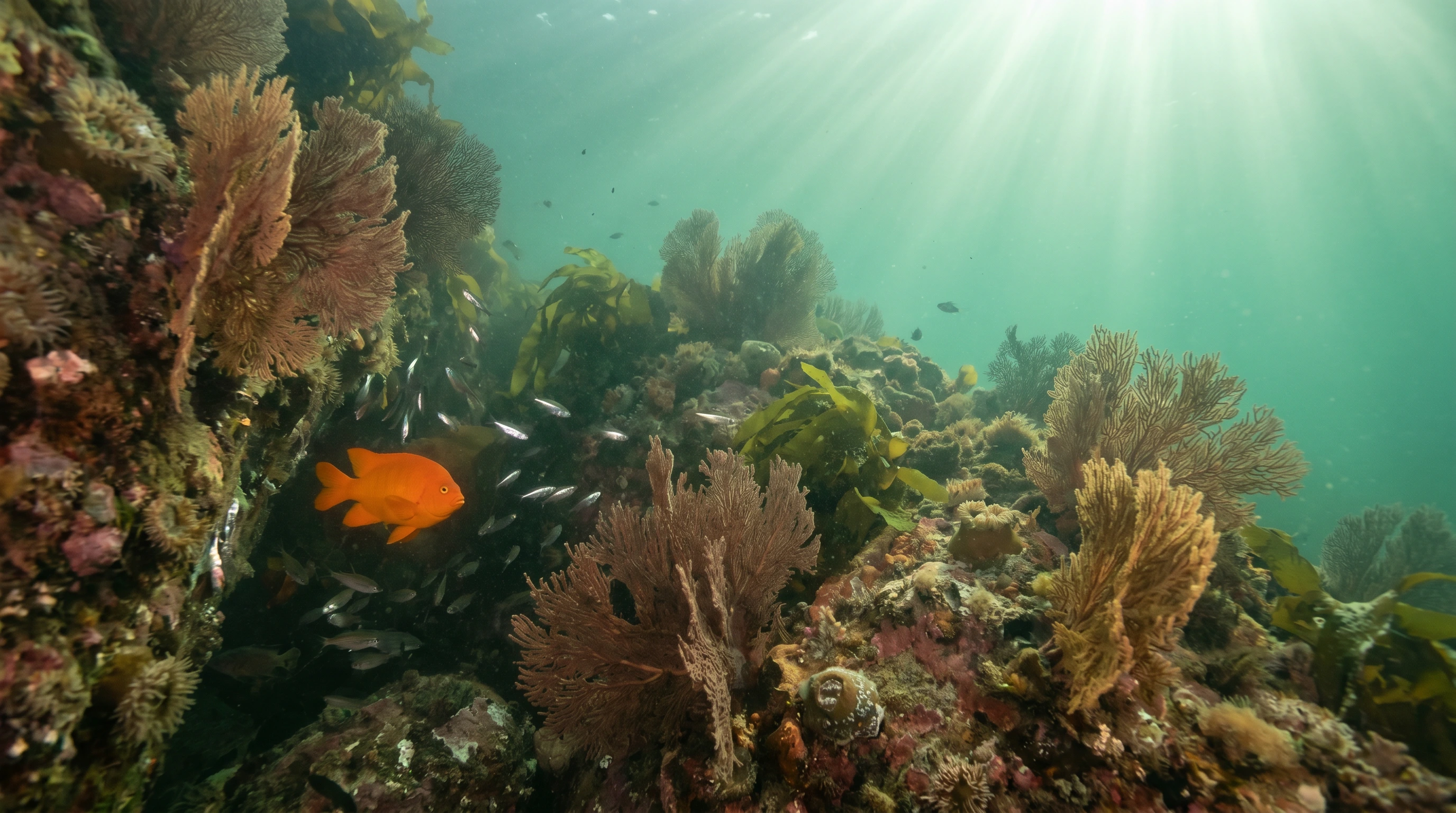
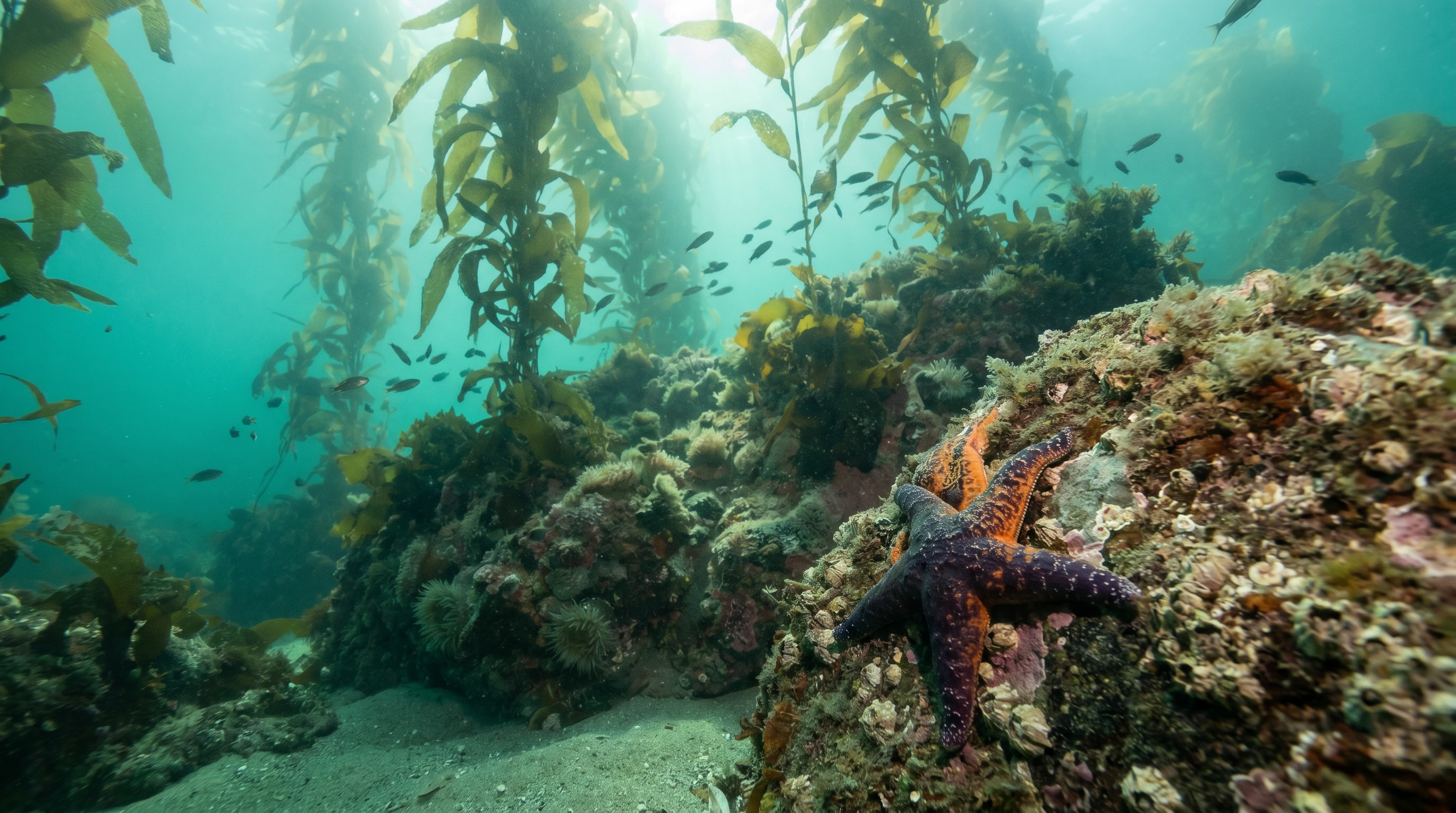
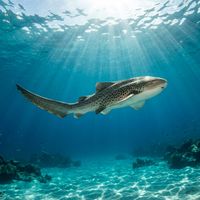
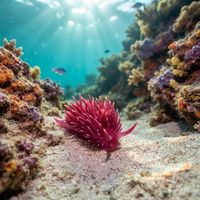
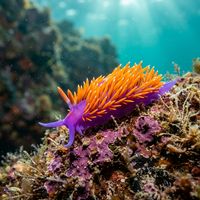
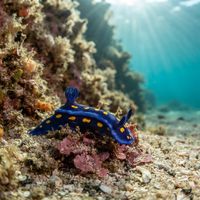
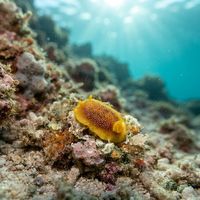
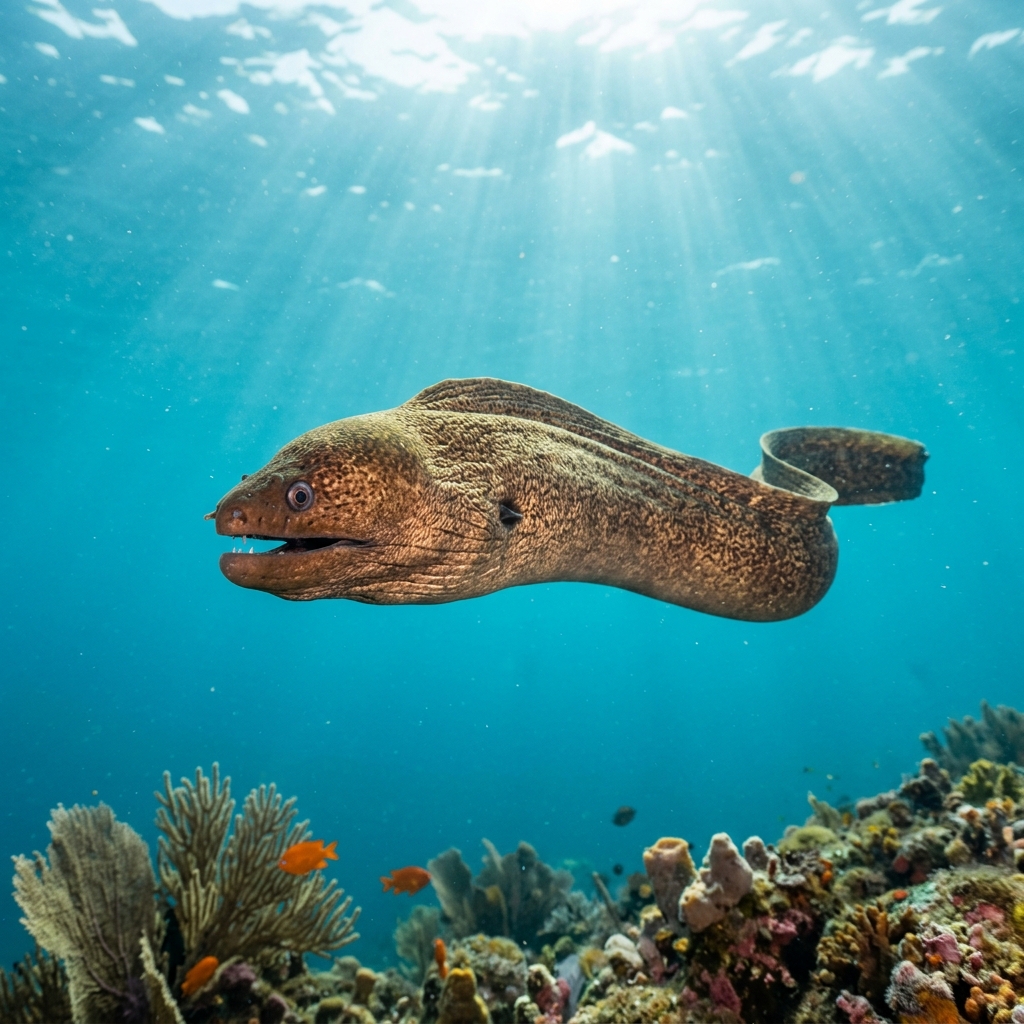
The Garibaldi and California Spiny Lobster are seen across the vast majority of sites. Leopard Shark, California Moray, and Opaleye are regularly observed, as is the California Sea Lion. Nudibranch enthusiasts will find species including the Spanish Shawl, Hermissenda, Sorcerer's Dorid, and White-spotted Sea Goddess on almost every reef dive.
A good portion of the sites are rated for beginners, particularly the sheltered coves on Santa Catalina Island such as Bourgeoisie Cove, Monument Point, and Horse Pastures. Many of these are shallow, shore-accessible, and relatively calm. Advanced divers are catered for by the offshore oil platforms, which are deep, boat-access only, and exposed to open-water conditions.
Shore entry is possible at many sites, including Shaw's Cove, Little Corona del Mar, and several Santa Catalina Island locations. The offshore oil platforms, Oil Rig Eureka and Oil Rigs Elly-Ellen, require boat access, and operators such as Selky Charters, Pacific Star Diving, and Waterhorse Charters serve the region. Some sites like Aliso and Fisherman's Cove offer both shore and boat entry.
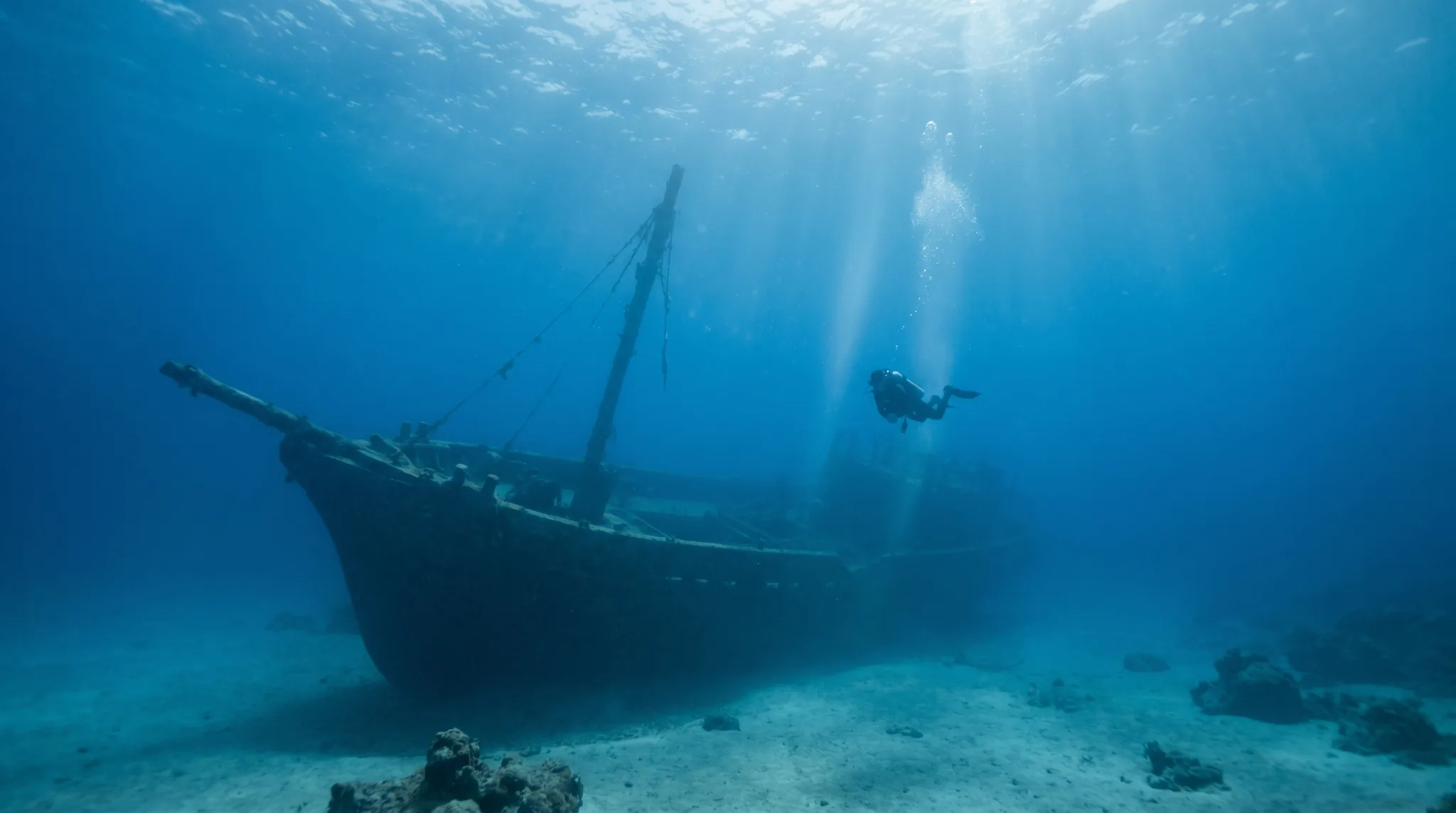
Santa Catalina Island sites tend to be sheltered coves with calm conditions and shallow to moderate depths, making them well suited to newcomers and relaxed reef dives among kelp. Mainland sites like Aliso and Crescent Bay mix natural reef with artificial structures and suit intermediate divers. The offshore oil platforms sit apart from both, offering complex man-made architecture at considerable depth for experienced divers only.