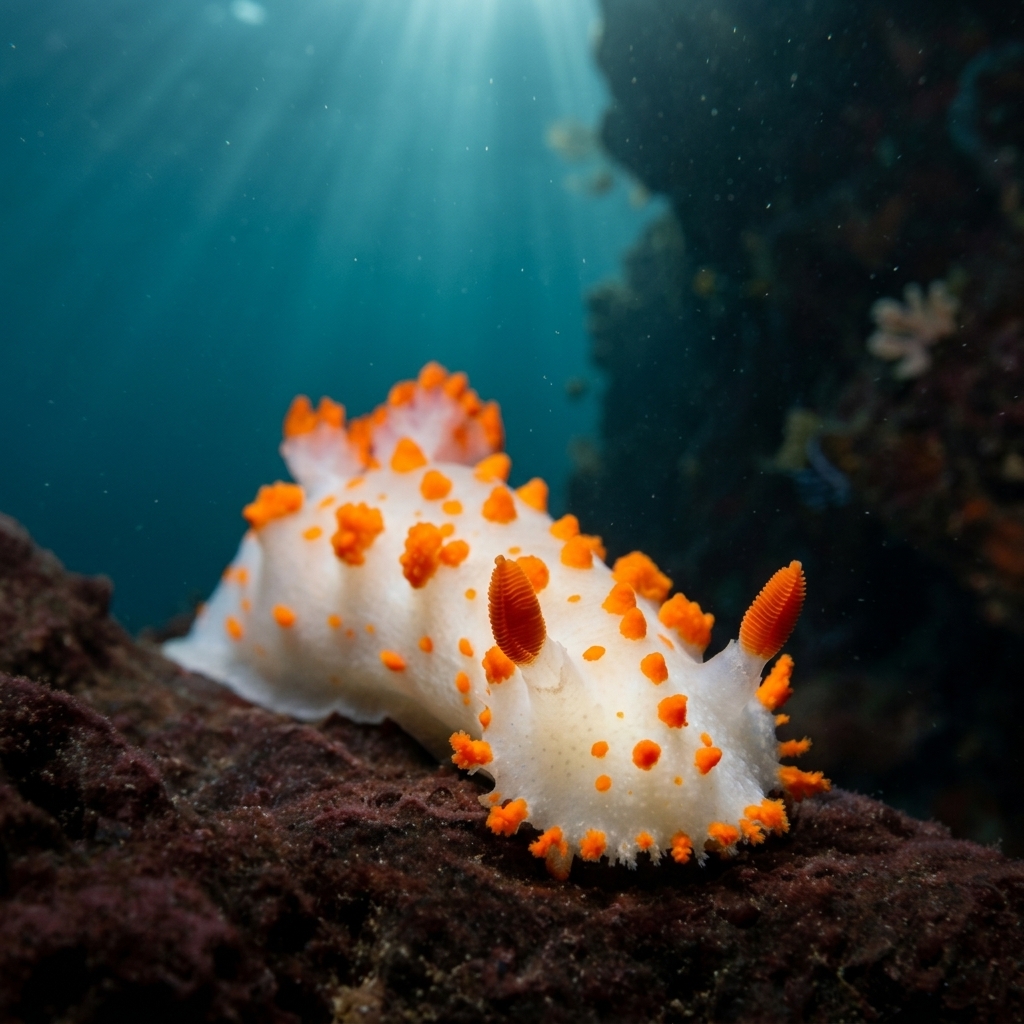
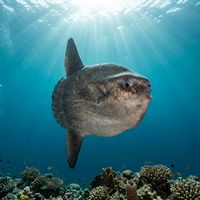
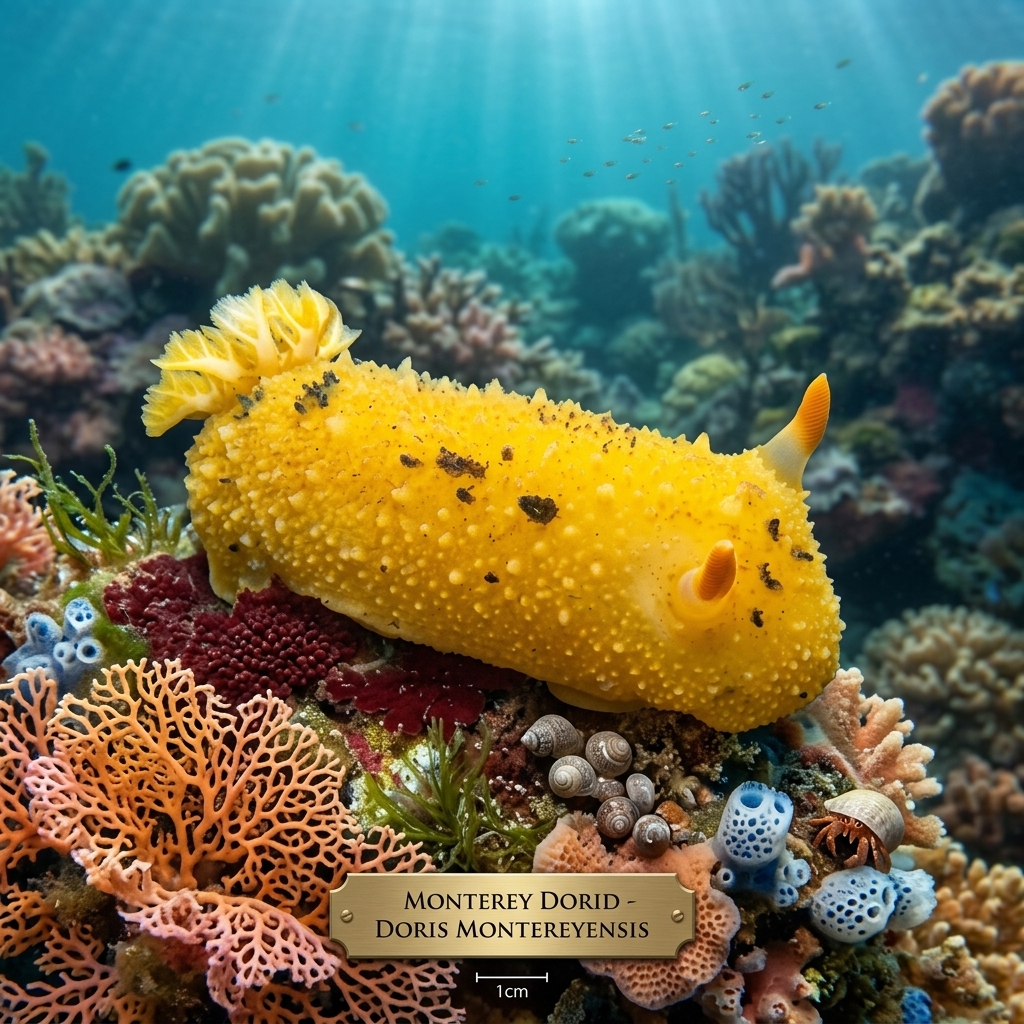
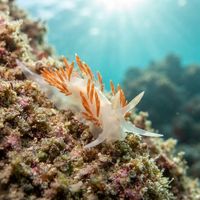
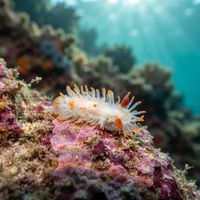
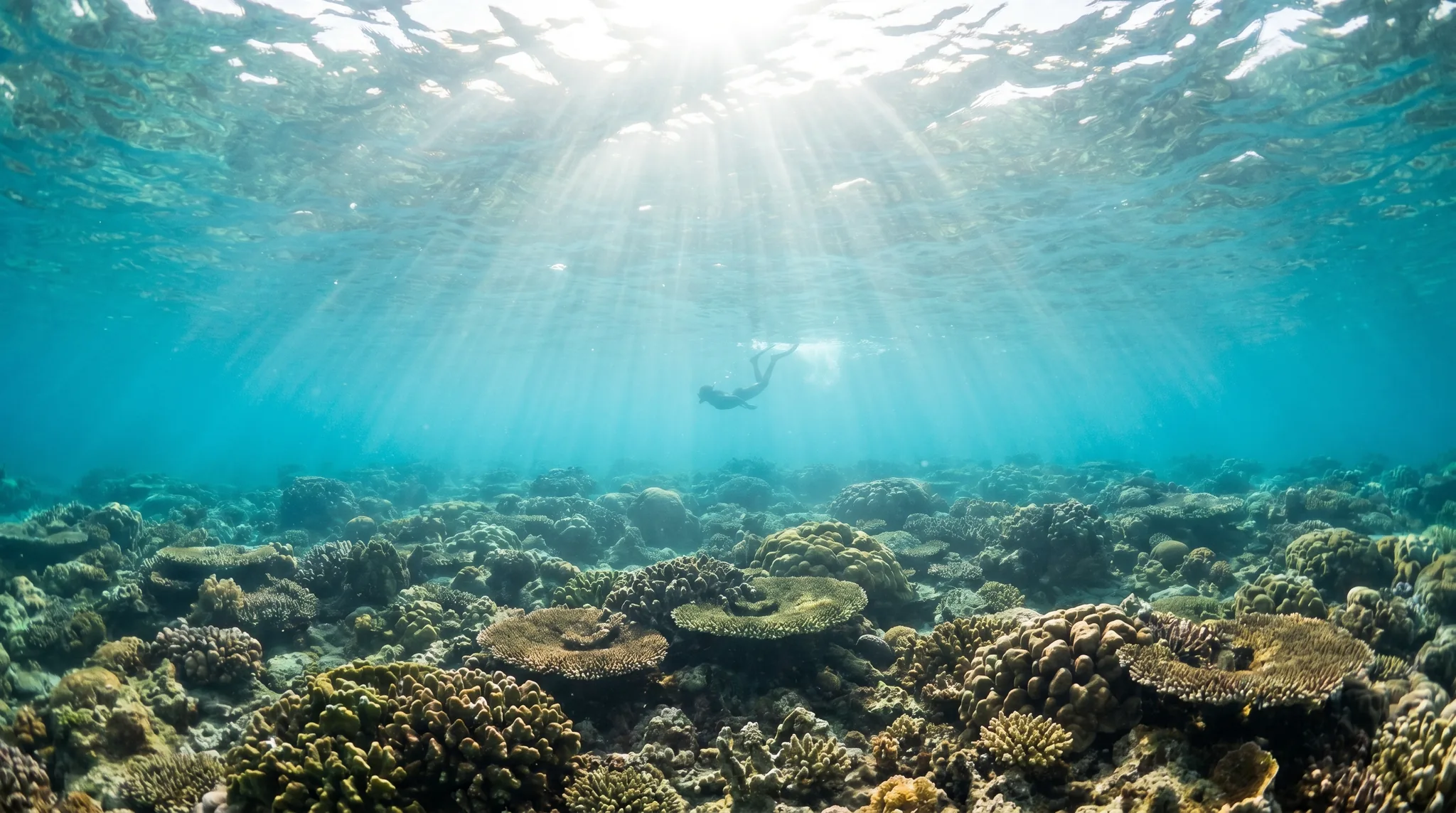
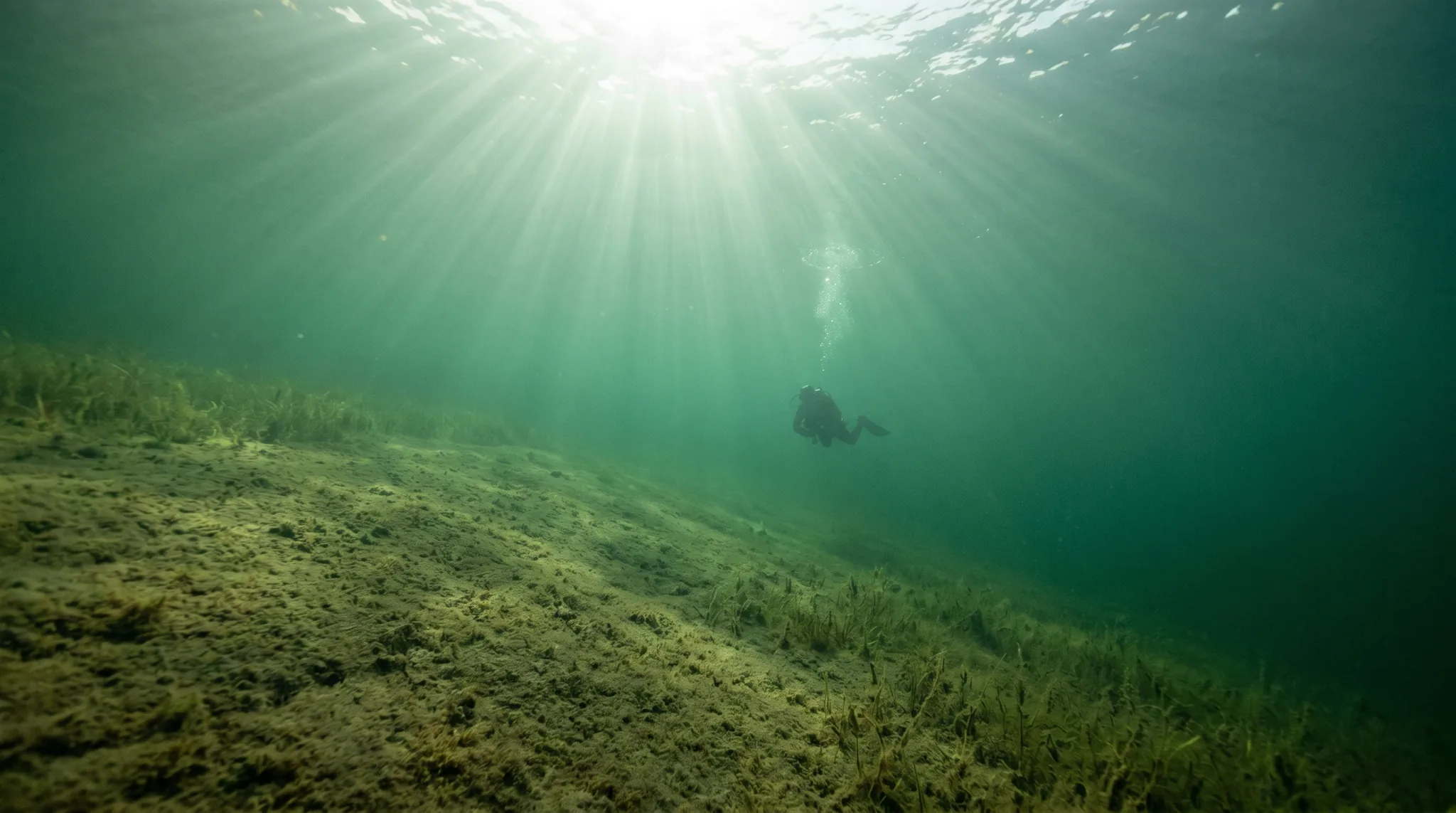
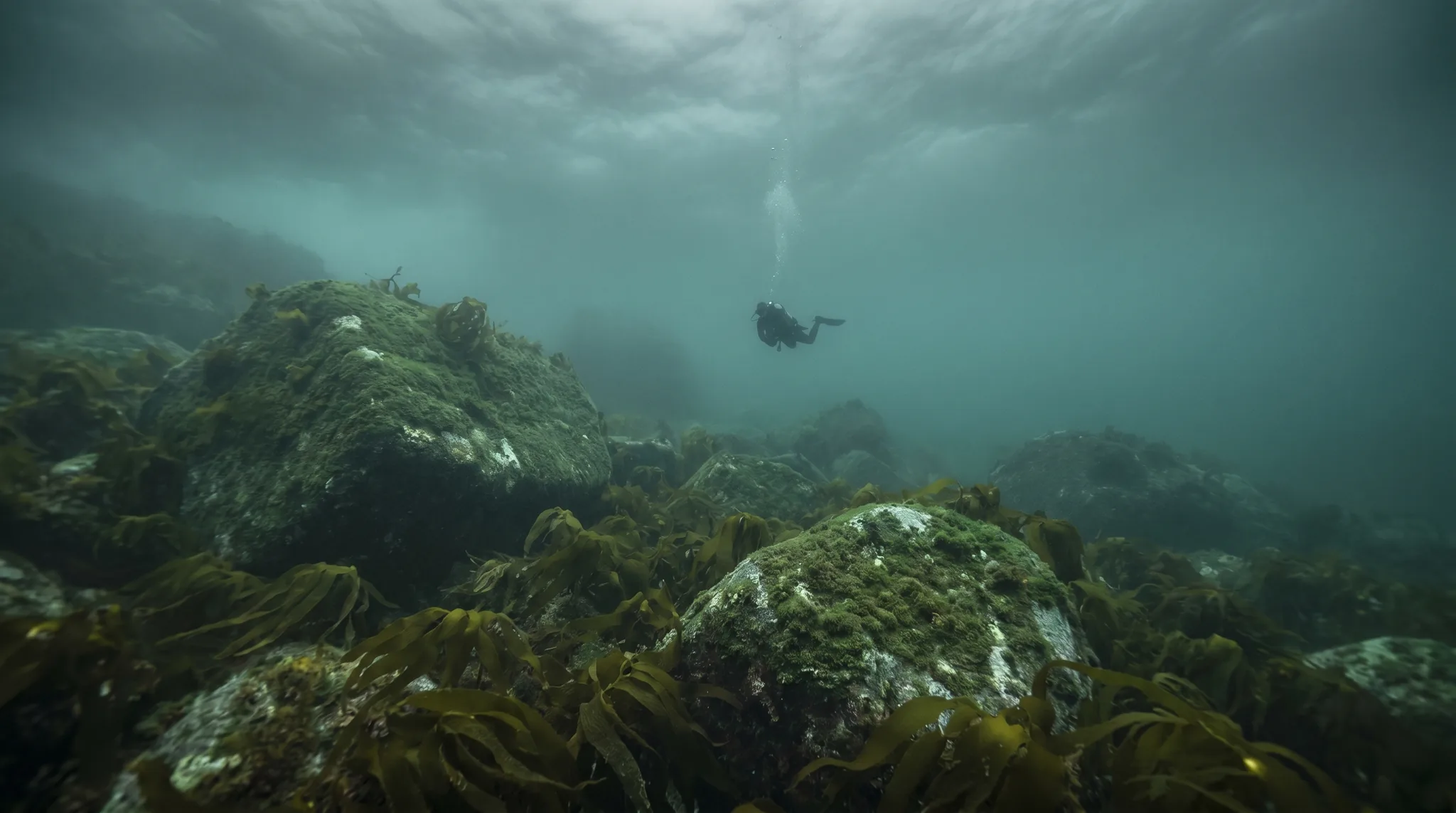
Central California diving is defined by dense kelp forest, cold clear water, and a remarkable variety of marine life concentrated almost entirely within Monterey Bay. Shore entries dominate, with many sites accessible to beginners alongside deeper pinnacles and walls that reward more experienced divers. Nudibranchs are a constant companion, with the Hermissenda, Clown Dorid, and Monterey Dorid observed across the great majority of sites. Harbor Seal and California Sea Lion are ever-present, while the East Pacific Red Octopus and occasional Ocean Sunfish add further character.
Monthly water temperature across Central California's sites, from satellite sea-surface data corrected for depth. The band shows the site-to-site spread.
Water temperature stays narrow and cool year-round, with the coldest conditions arriving in spring and a slight warming through autumn. Visibility varies considerably across the season, with late summer through November drawing the highest concentration of favourable dives according to site records. Swell and surge can affect exposed shore entries, so calmer autumn days often offer the most comfortable conditions for exploring the kelp.
29 operators


25 more sites to explore
1 areas
Water temperature around Central California ranges from about 11°C in April to 13°C in January, based on satellite sea-temperature data for its dive sites.
In the warm season (about 13°C) a 7mm or semi-dry suit is comfortable in Central California; in the coldest months (about 11°C) step up to a drysuit.
Fin maps 37 sites in Central California (35 scuba diving sites and 5 snorkelling spots, with some suited to both).
Across Central California's dive sites, September and November are most often reported as the best months to visit.
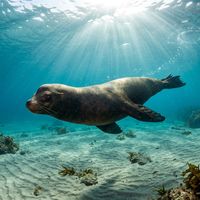
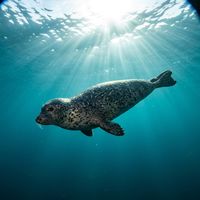
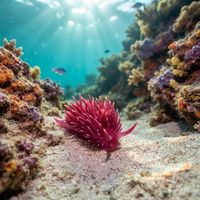
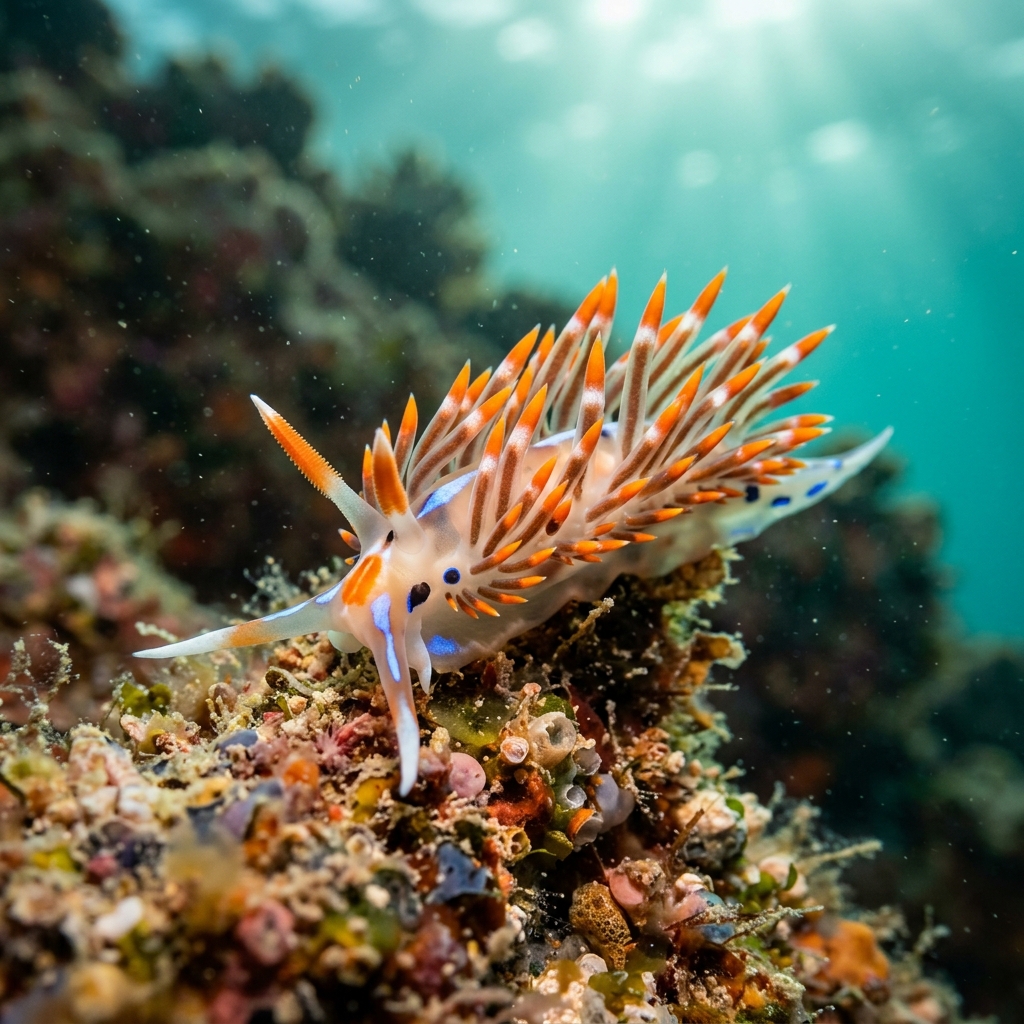
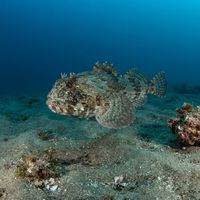
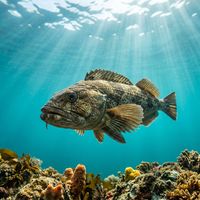
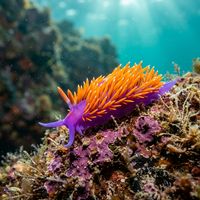
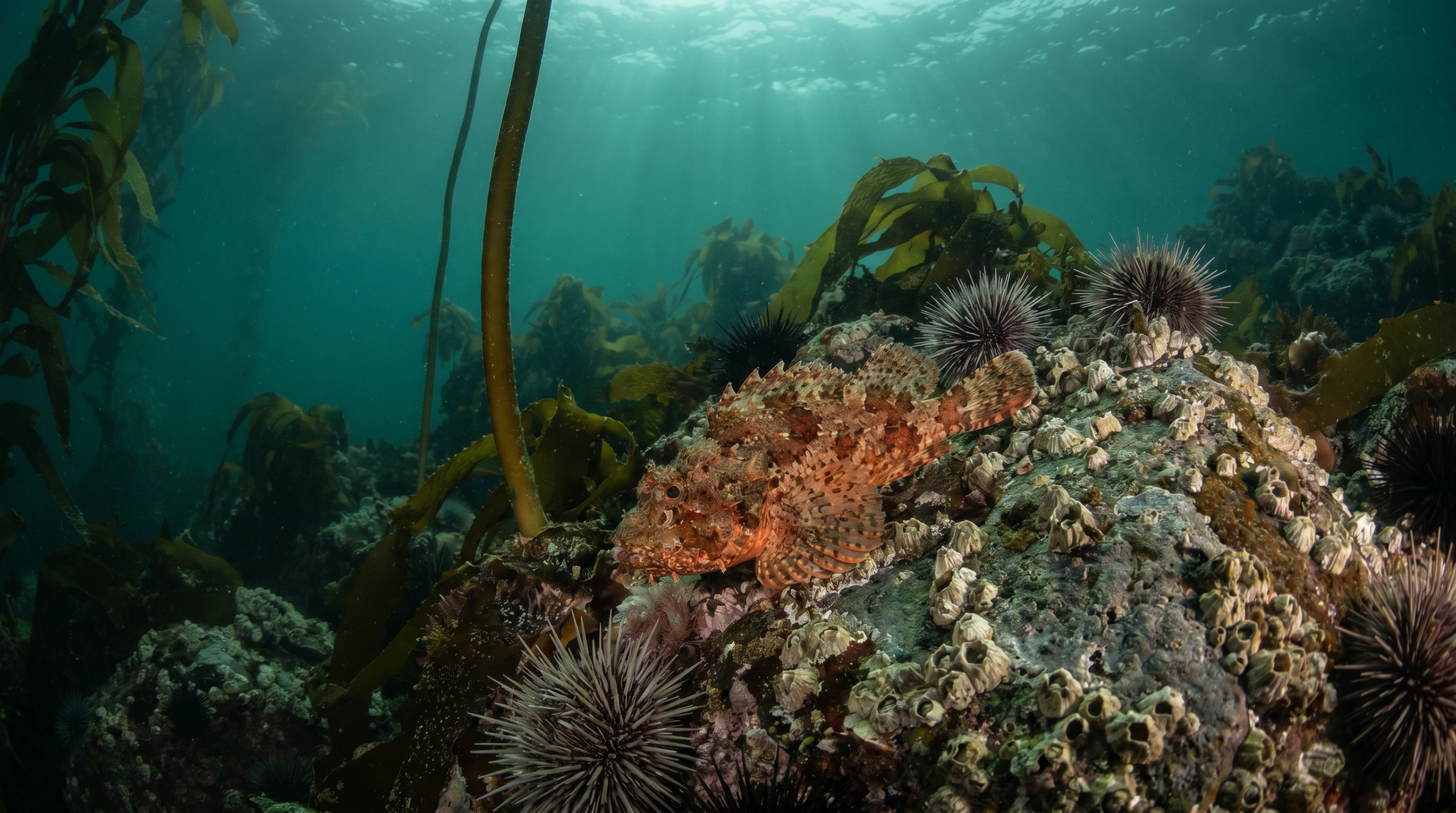
Nudibranchs are among the highlights, with the Hermissenda, Clown Dorid, Monterey Dorid, White-speckled Dorid, and San Diego Dorid all observed very commonly across sites. Harbor Seal and California Sea Lion are encountered on the vast majority of dives, and the Ling Cod and Scorpionfish are reliably present on rocky reef. The East Pacific Red Octopus and Spanish Shawl appear occasionally, and the Ocean Sunfish is a memorable if less frequent sighting.
A strong proportion of sites are rated for beginners, including popular shore entries such as Lovers Point, Otter Cove, Mill Creek, and The Breakwater in Monterey. These sites feature sheltered entries, shallow to moderate depths, and kelp forest environments that reward slow, observational diving. Operators including Monterey Bay Scuba and Aqua Safaris can help newer divers choose suitable conditions and locations.
The majority of sites in Central California are shore accessible, which makes independent diving straightforward at locations like San Carlos Beach, Coral Street, and Point Lobos. Boat entry opens up offshore pinnacles such as Buchon Reef and Ballbuster, which offer greater depth and are generally suited to intermediate and advanced divers. Shore sites tend to be shallower and more sheltered, while boat sites expose divers to more dynamic topography and potentially stronger conditions.
Kelp forest is the defining habitat and appears across nearly every site in the region, from shallow beginner reefs to deep pinnacles. Many sites layer reef and kelp together, while Point Lobos also offers walls and pinnacles within the same dive. Artificial reef structures at sites like San Carlos Beach and The Breakwater attract a different mix of encrusting life and are good spots for slower, detail-oriented diving. The muck habitat at Target Rock provides a contrast to the rocky reef character found elsewhere.