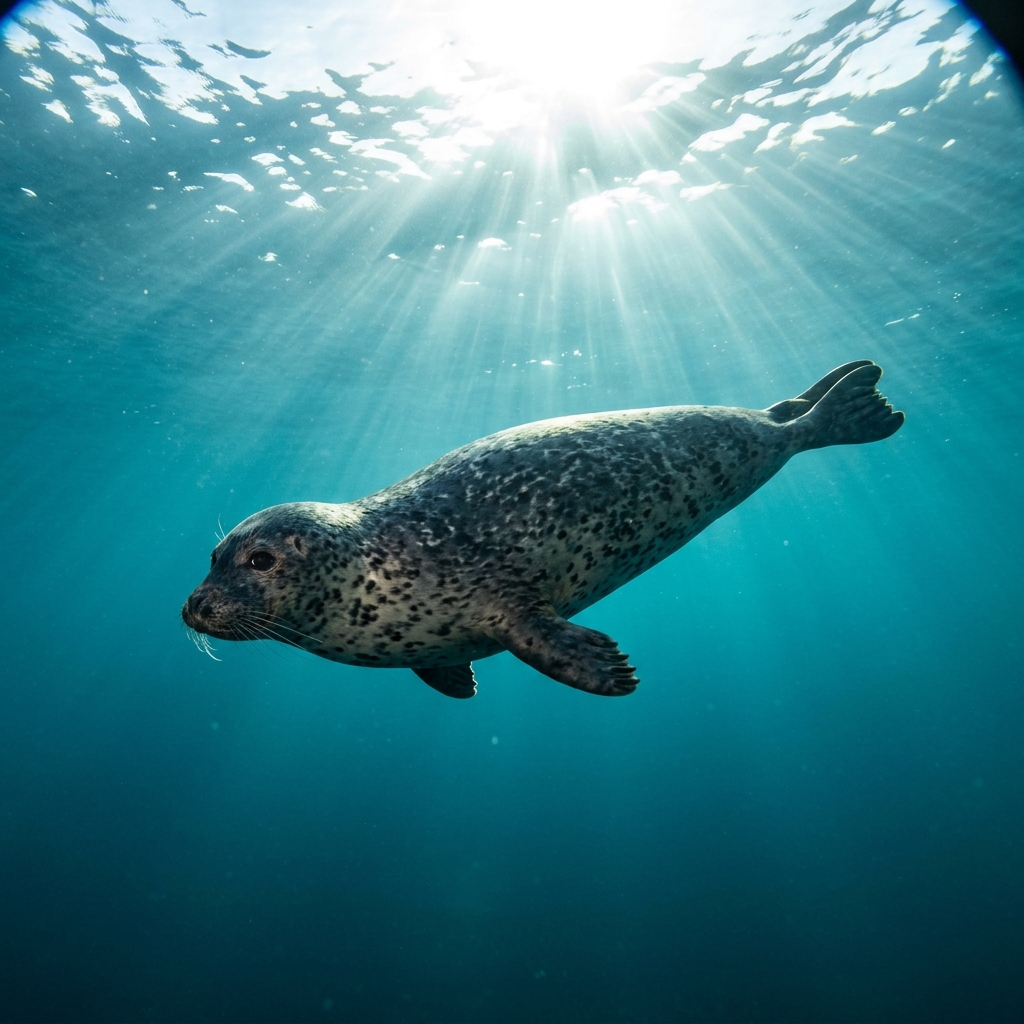
Phoca vitulina
Harbor seals are logged year-round along the Pacific Coast US, British Columbia, and UK waters. Here's where to find them and what to expect.
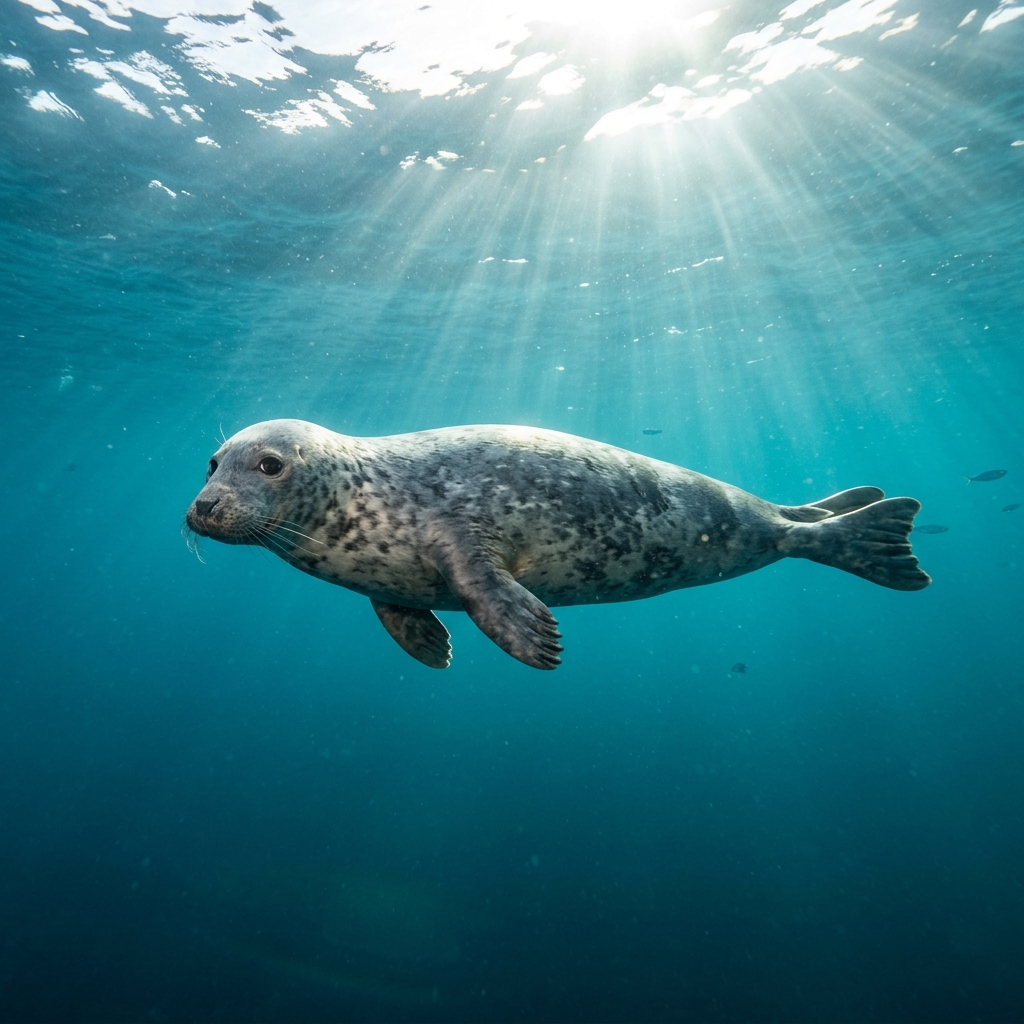
Compact and torpedo-shaped, harbor seals are noticeably smaller than most other seals you'll encounter, typically around 130 cm long. Their coat is pale grey or tan with a dense pattern of dark spots and rings, though some individuals appear darker overall. The face is dog-like with large, forward-facing eyes and no visible ear flaps (unlike sea lions). Underwater they move with fluid, undulating body strokes rather than using their front flippers for propulsion.
Encounter them most often near rocky reefs, kelp forests, and sandy haul-out sites where they rest and forage close to shore. In the water they are curious and will often circle divers at close range, making direct eye contact before darting off. At depth they are active hunters, so slow, non-threatening movement on the diver's part tends to produce longer, more relaxed interactions.
Harbor seals can slow their heart rate dramatically during dives, a reflex that conserves oxygen and allows them to forage at depth far longer than their small size might suggest.
Harbor seals are present year-round with no concentrated season, which matches their tolerance for a wide cool-water range of roughly 5 to 17 °C. You can plan a dive any month in the top regions without worrying about missing a peak window.
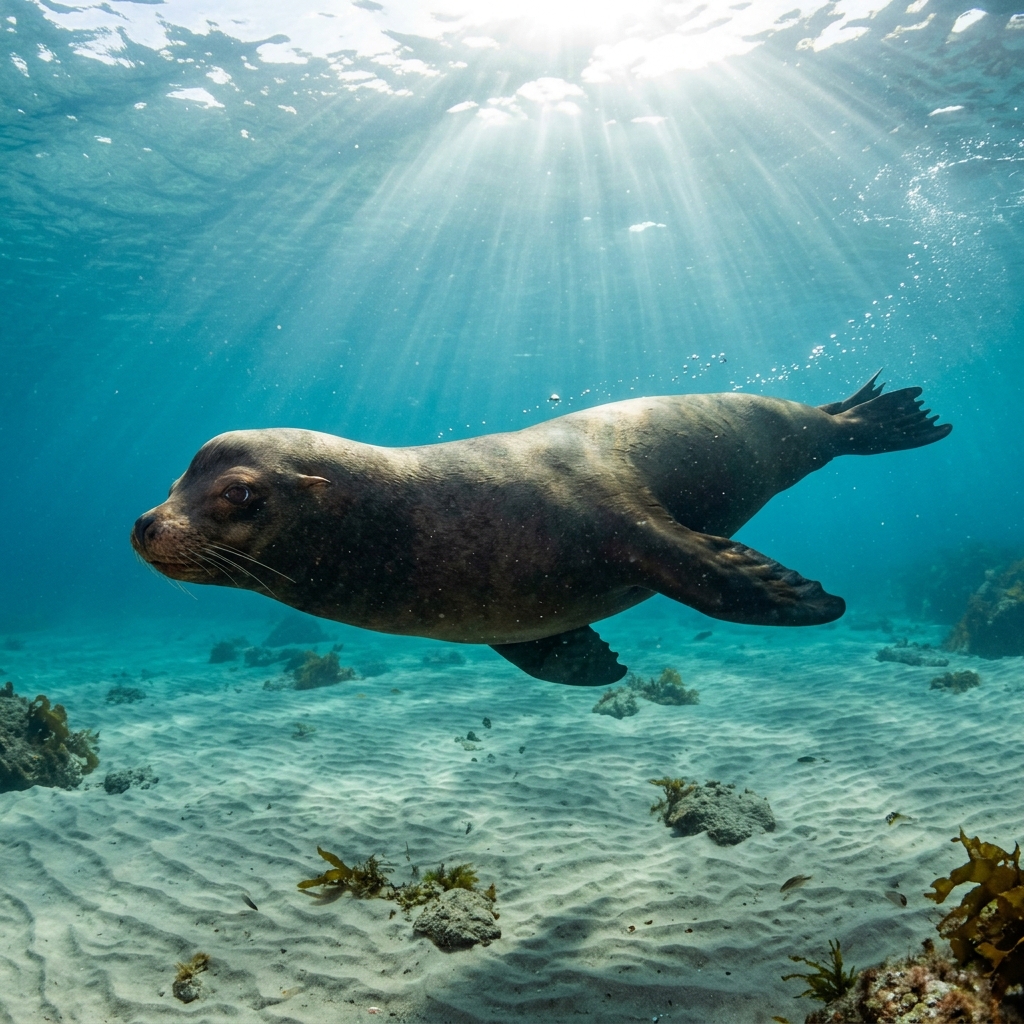
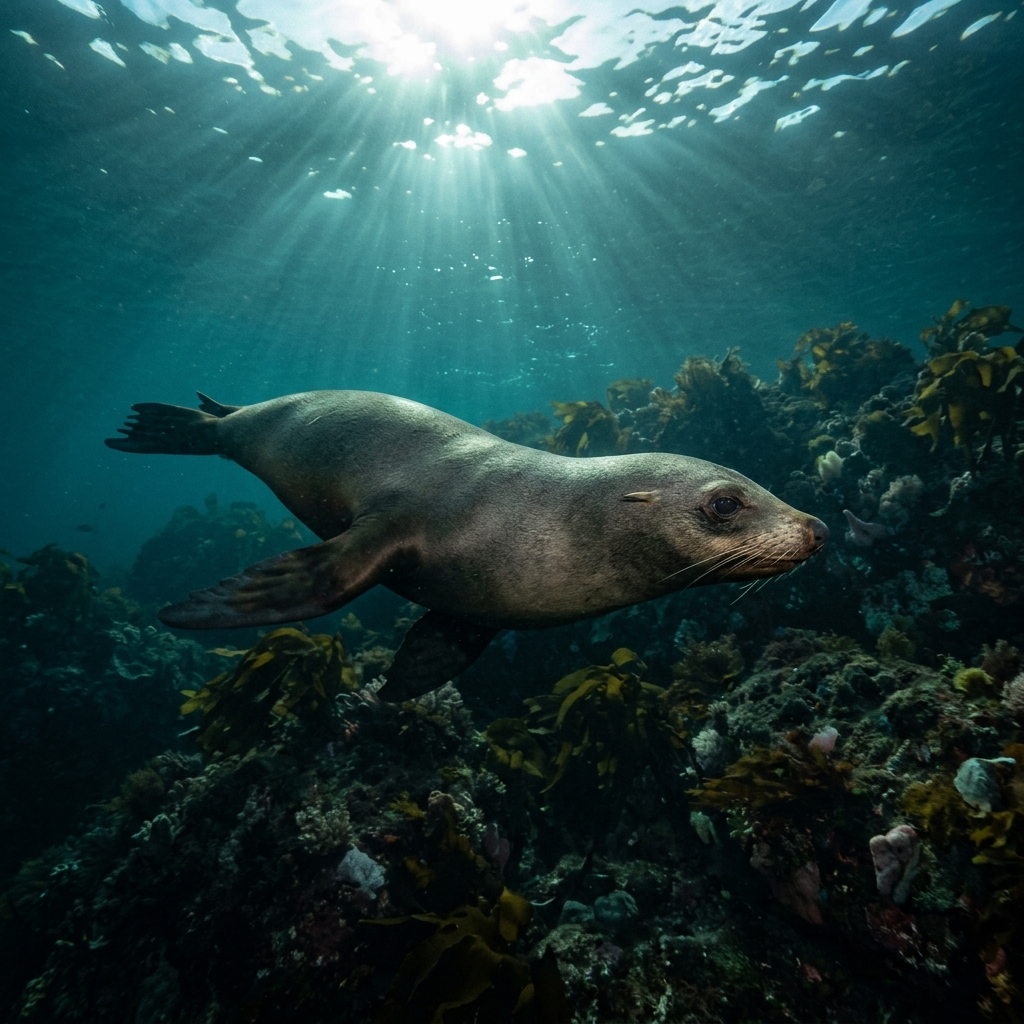
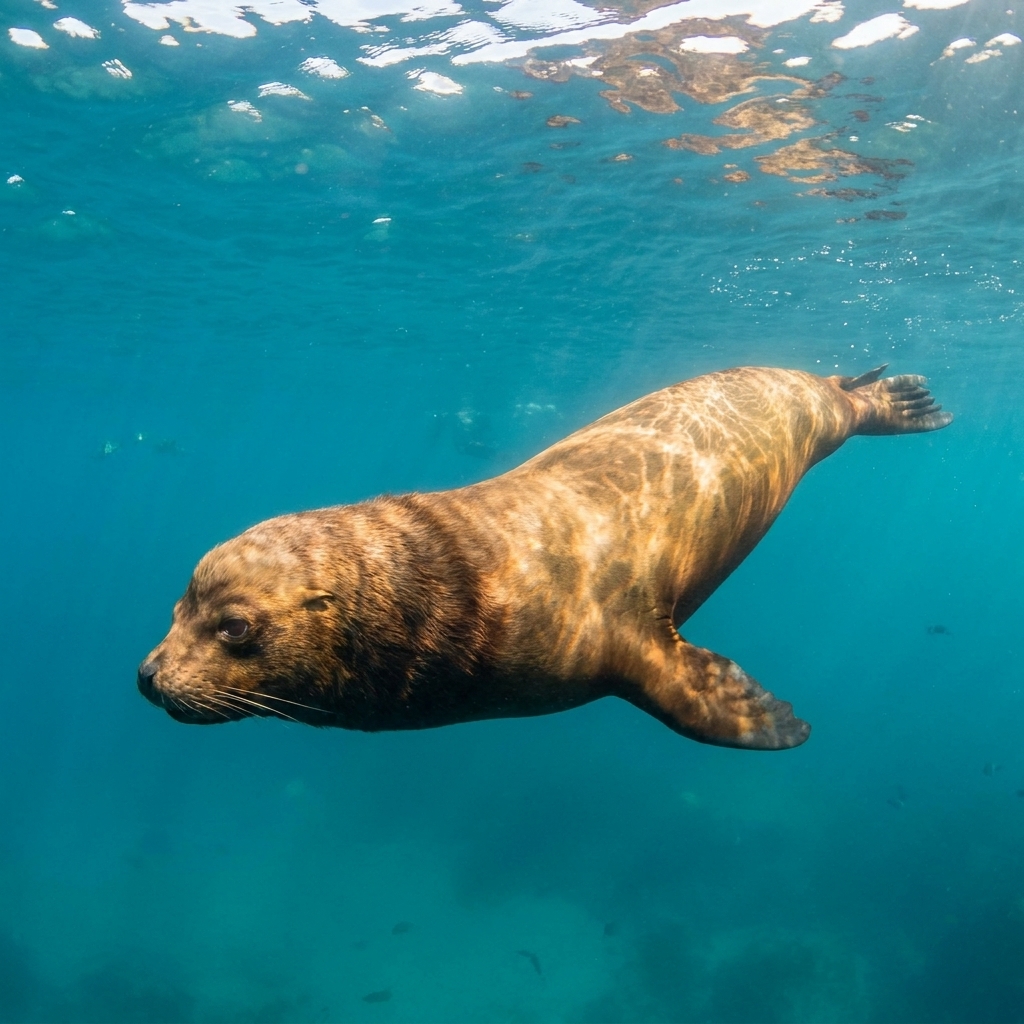
Reef neighbours a diver could mistake it for. Use the identification notes above to tell them apart.
Harbor seals are most commonly logged along the Pacific Coast of the United States and the British Columbia coast of Canada, making the northeast Pacific one of the most reliable places to encounter them. Strong populations are also recorded across the United Kingdom, the Netherlands (particularly Zeeland), Brittany and Normandy in France, and throughout the Atlantic Canadian provinces including Nova Scotia and the Bay of Fundy. Norway and Ireland round out the European hotspots.
Mapping where Harbor Seal is logged…
The most reliable regions are the Pacific Coast of the United States, the British Columbia coast of Canada, and UK waters. Zeeland in the Netherlands, Brittany and Normandy in France, and Nova Scotia and the Bay of Fundy in Canada also see regular sightings. They are logged across a wide spread of temperate northern hemisphere coastlines.
Harbor seals are present year-round in all their main ranges with no single peak season. Their preference for cool water between about 5 and 17 °C means they stay put through winter in temperate regions where many other species retreat.
Look for a compact, rounded body around 130 cm long covered in a spotted grey or tan coat. The face is large-eyed and dog-like with no ear flaps, distinguishing them immediately from sea lions. They swim with a sinuous full-body motion rather than rowing with fore-flippers.
Adults typically reach around 130 to 135 cm in length. They are one of the smaller true seals, noticeably more compact than gray seals or elephant seals you might encounter in the same regions.
Harbor seals are not considered dangerous to divers. They are inquisitive animals and will often approach closely, but aggressive encounters are extremely rare. Give them space, avoid blocking their exit route, and let them dictate the interaction.
Site and sighting data is aggregated from diver logs, iNaturalist and GBIF. For taxonomy and conservation status:
South American Fur Seal
305 sites