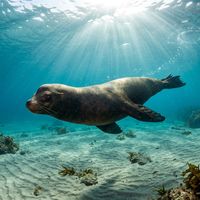
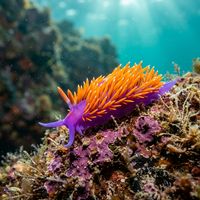
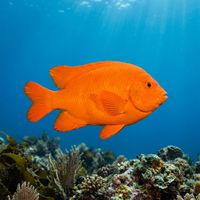
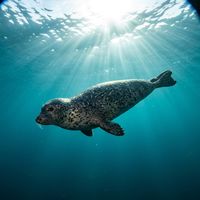
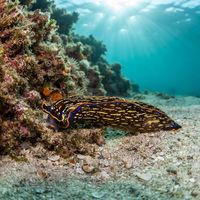
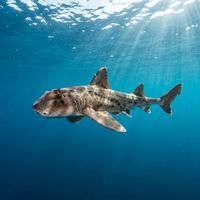
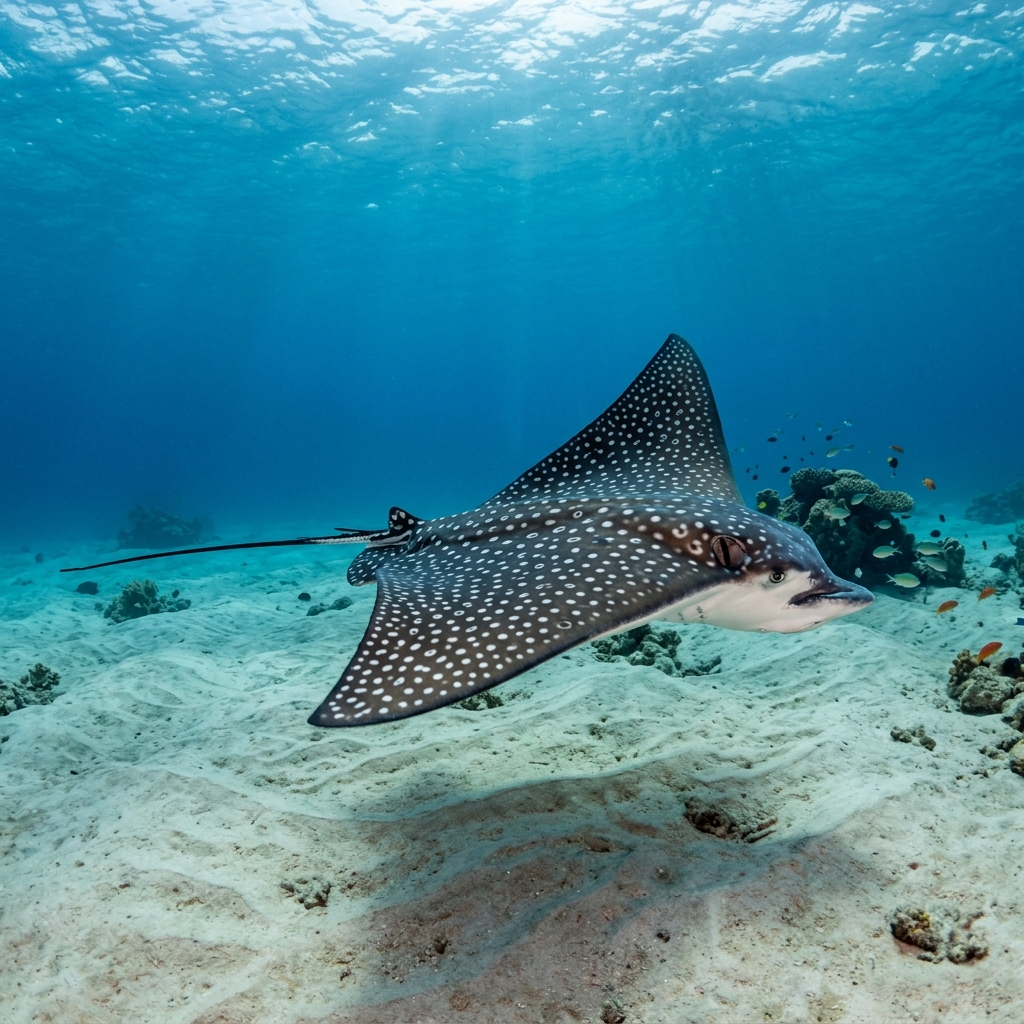
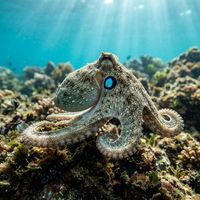
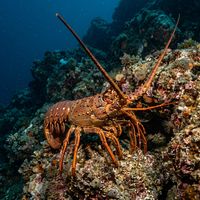
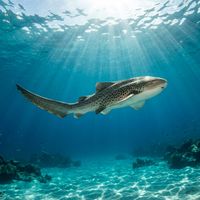
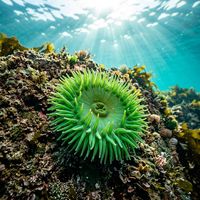
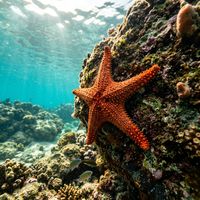
California diving is defined by kelp forest, a habitat that shapes nearly every site from Southern California's island chains through Central California's rocky headlands to the freshwater lakes of Shasta-Cascade. Shore and boat entries both feature heavily, with sites ranging from shallow reef and muck to deep offshore pinnacles, walls, and artificial reefs. Southern California holds the bulk of sites, while Point Lobos and Mill Creek anchor the central coast. The California Sea Lion, Garibaldi, Sea Star, and Spanish Shawl appear across the region, alongside Horn Shark, Leopard Shark, Eagle Ray, and a wealth of nudibranch life.
4 areas
 248
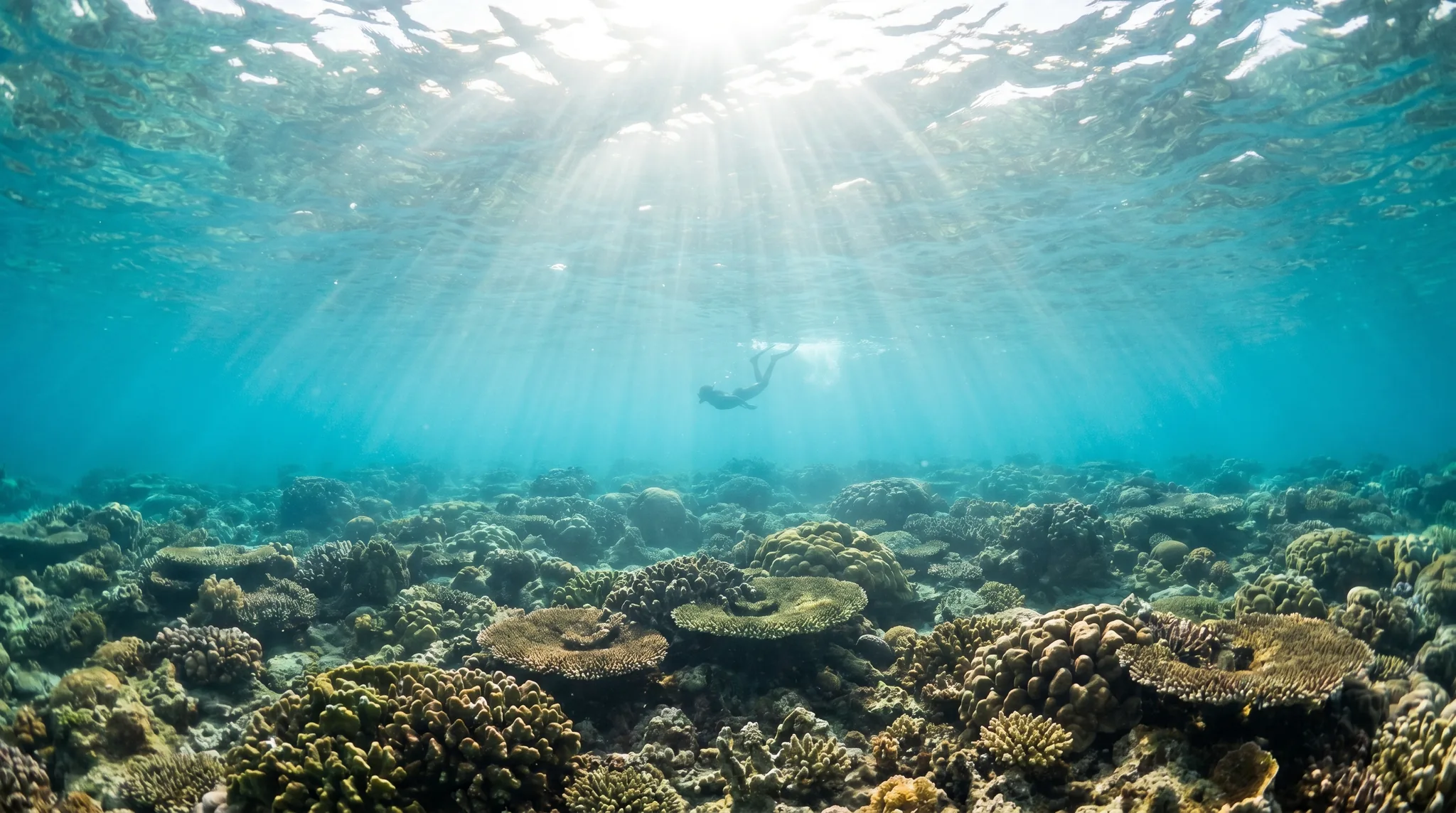
248Kelp forests, playful sea lions, and vivid Garibaldi across island and mainland sites suit divers of every level.
 43
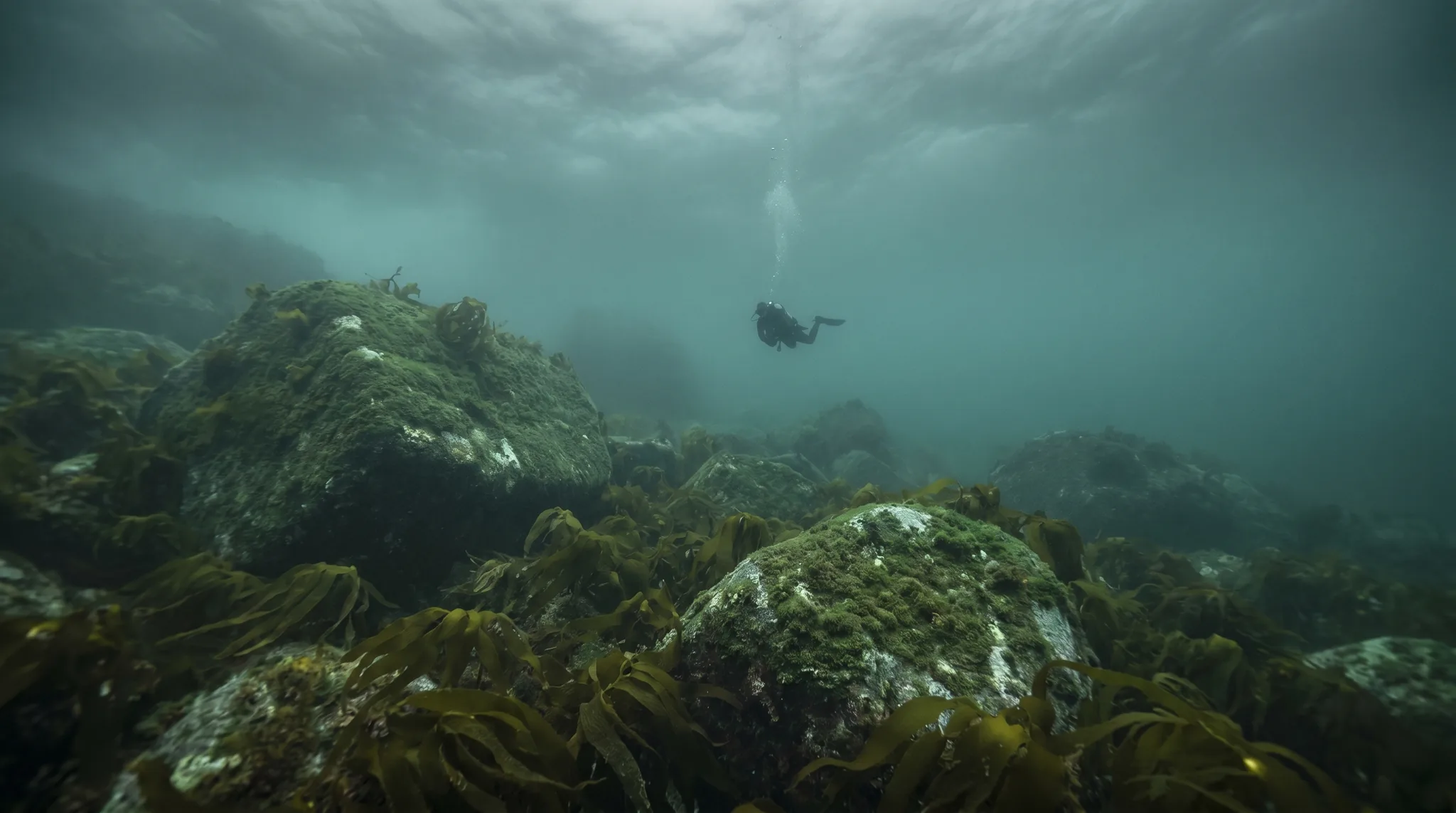
43Two worlds in one region: cold kelp-forest coastal diving with seals and sea lions, plus exceptionally clear freshwater sites at Lake Tahoe.
37Kelp forest diving with abundant nudibranchs, seals, and sea lions across a wide range of shore-accessible sites in Monterey Bay.
Monthly water temperature across California's sites, from satellite sea-surface data corrected for depth. The band shows the site-to-site spread.
Water stays cool year-round, warming slightly from mid-summer into early autumn and dropping back to its coolest through winter and spring. The histogram of preferred dive months peaks sharply from late summer into autumn, when calmer conditions and warmer water combine most favourably. Exposed sites can carry surge and current at any time of year, so conditions vary considerably between sheltered coves and offshore banks.
143 operators

Avalon, United States
Three cold, clear Northern California freshwater lakes near Mount Shasta offering beginner shore dives with trout and good visibility.
Water temperature around California ranges from about 14°C in January to 18°C in August, based on satellite sea-temperature data for its dive sites.
In the warm season (about 18°C) a 5mm suit is comfortable in California; in the coldest months (about 14°C) step up to a 7mm or semi-dry suit.
Fin maps 331 sites in California (315 scuba diving sites and 46 snorkelling spots, with some suited to both), organised into 4 areas.
Across California's dive sites, July, August, September and October are most often reported as the best months to visit.
The California Sea Lion and Harbor Seal are encountered across a wide range of sites, and the bright orange Garibaldi is one of the most recognisable residents of the kelp forest. On the reef, keep an eye out for Scorpionfish, Horn Shark, Leopard Shark, and Eagle Ray. Nudibranch enthusiasts will find the Spanish Shawl, Hermissenda, and Sorcerer's Dorid, while Sea Star and Brittle Star appear across virtually every site type.
Several California sites are rated beginner-friendly, including Eagle Rock, Shag Rock, Cat Canyon, Arch Reef, and the shore-accessible Mill Creek. Many of these feature kelp forest and reef at manageable depths with mild currents. However, the region also has truly demanding advanced sites such as Osborn Bank and Farnsworth Bank, so there is a broad spread of skill levels catered for.
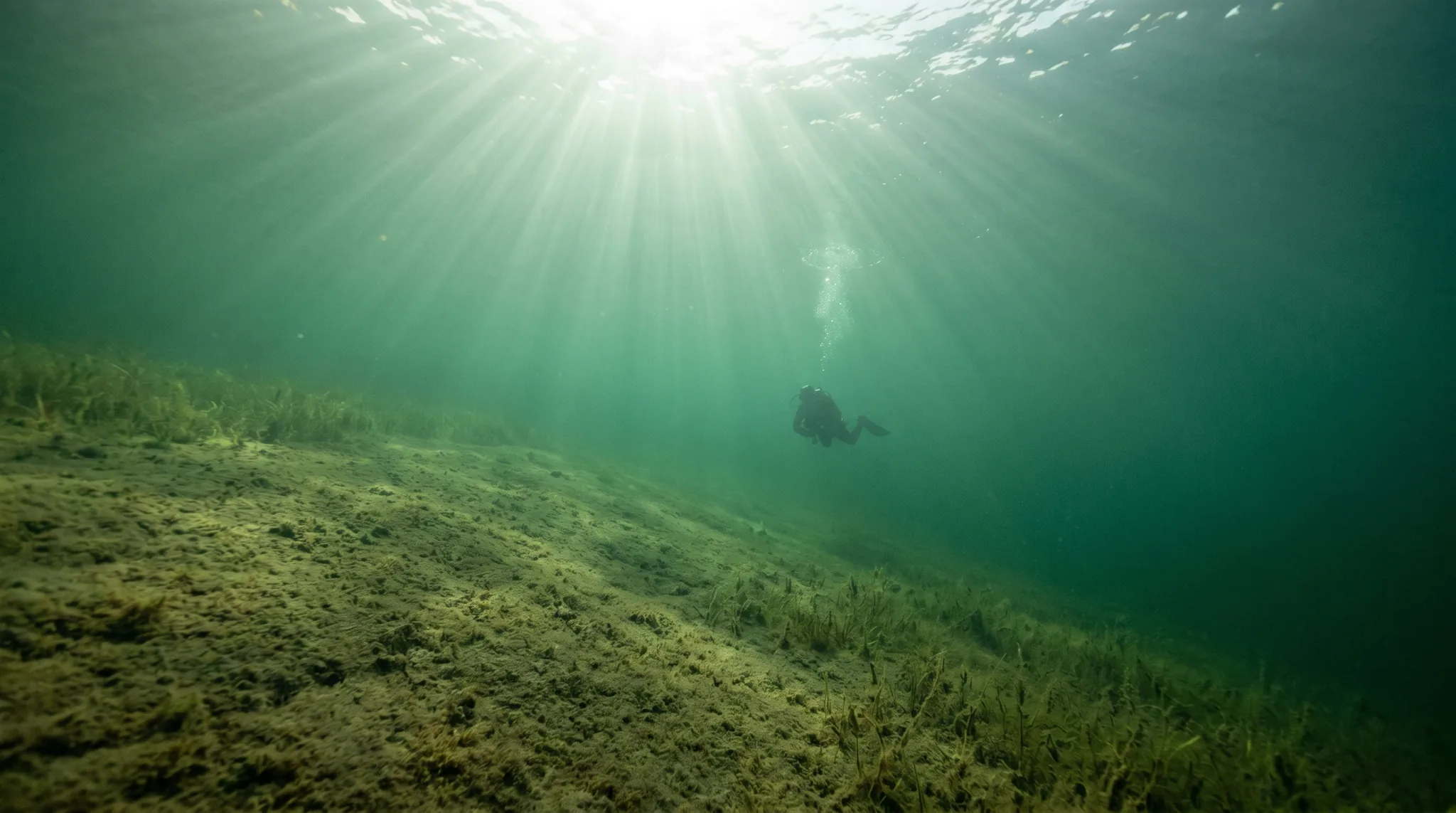
Southern California holds the vast majority of sites, including the offshore island diving around Two Harbors and Santa Barbara Island, plus artificial reef and wreck sites. Central California offers celebrated reef and kelp sites such as Point Lobos and Mill Creek in the Carmel Bay area. Northern California has a smaller but distinct set of sites, while Shasta-Cascade Lakes provides a freshwater diving option entirely separate from the coastal experience.
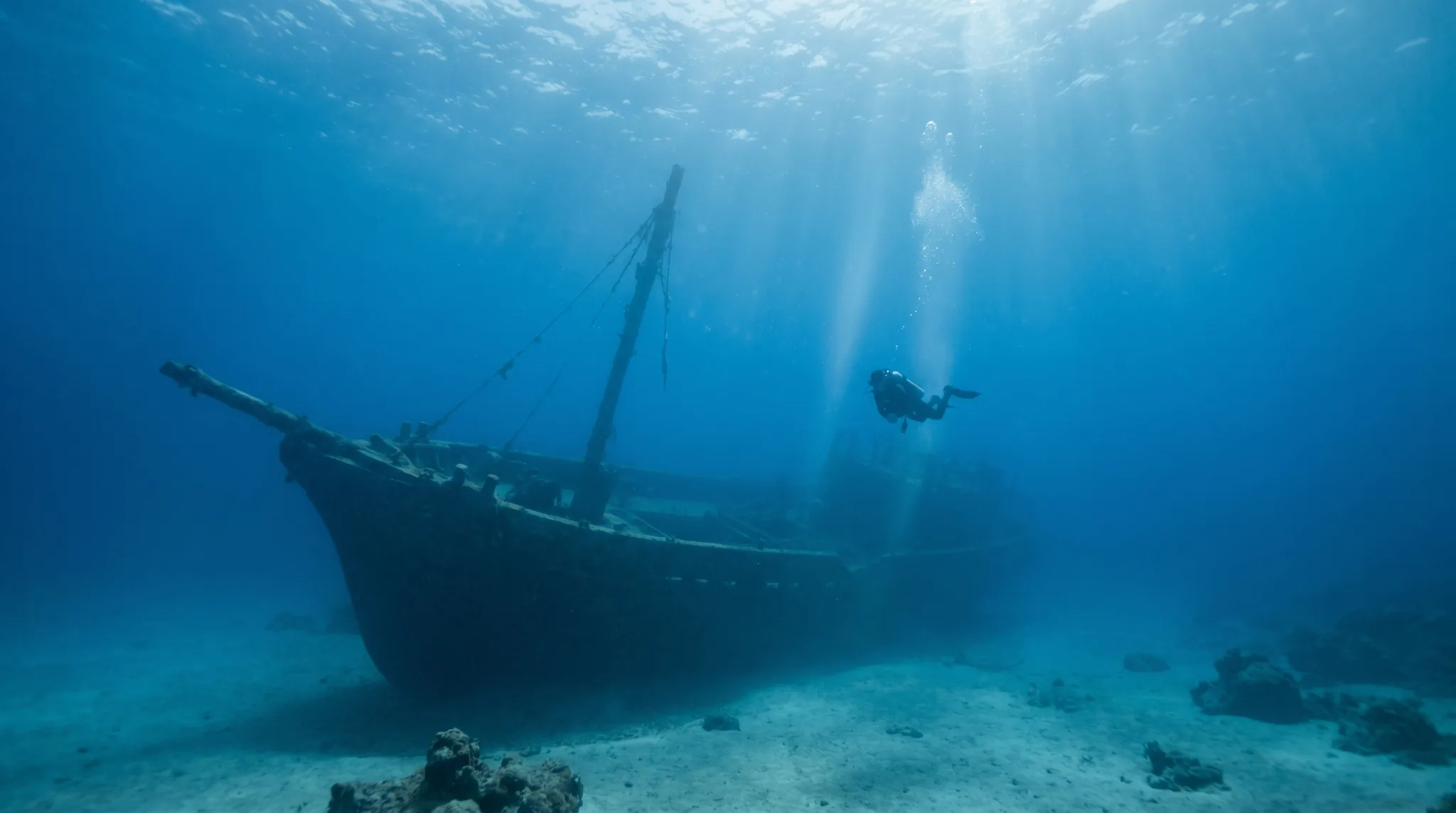
Both entry types are well represented. Shore entries include sites like Target Rock, Leo Carrillo, and Mill Creek, which are accessible without a charter. Boat access opens up offshore sites such as Eagle Rock, Emerald Bay, Farnsworth Bank, and Osborn Bank, which cannot be reached from land. Several operators across the region offer boat charters, including Santa Barbara Aquatics, Carmel Bay Divers, and Dive N Trips.