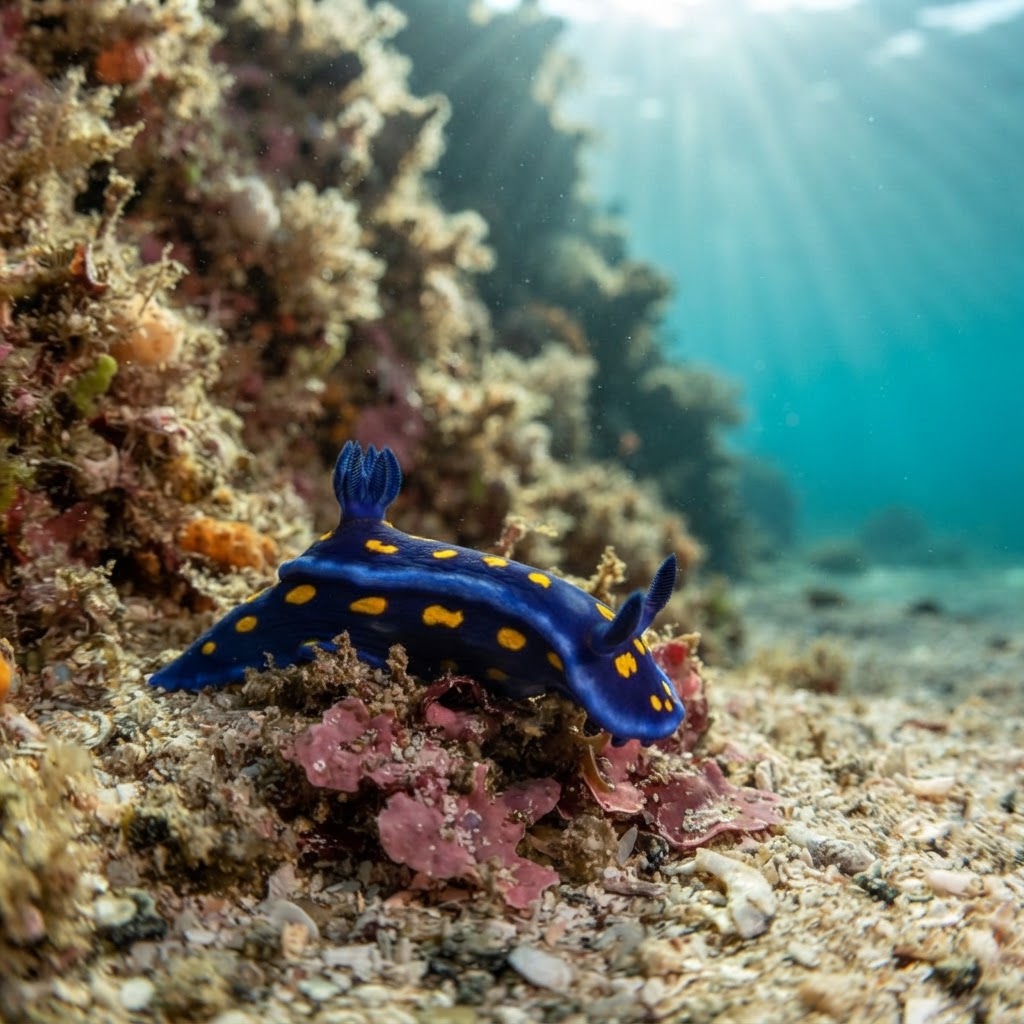
Felimare californiensis
Blue-and-yellow nudibranch found on California and Baja California reefs, mostly as an uncommon find year-round in 15-26°C water.
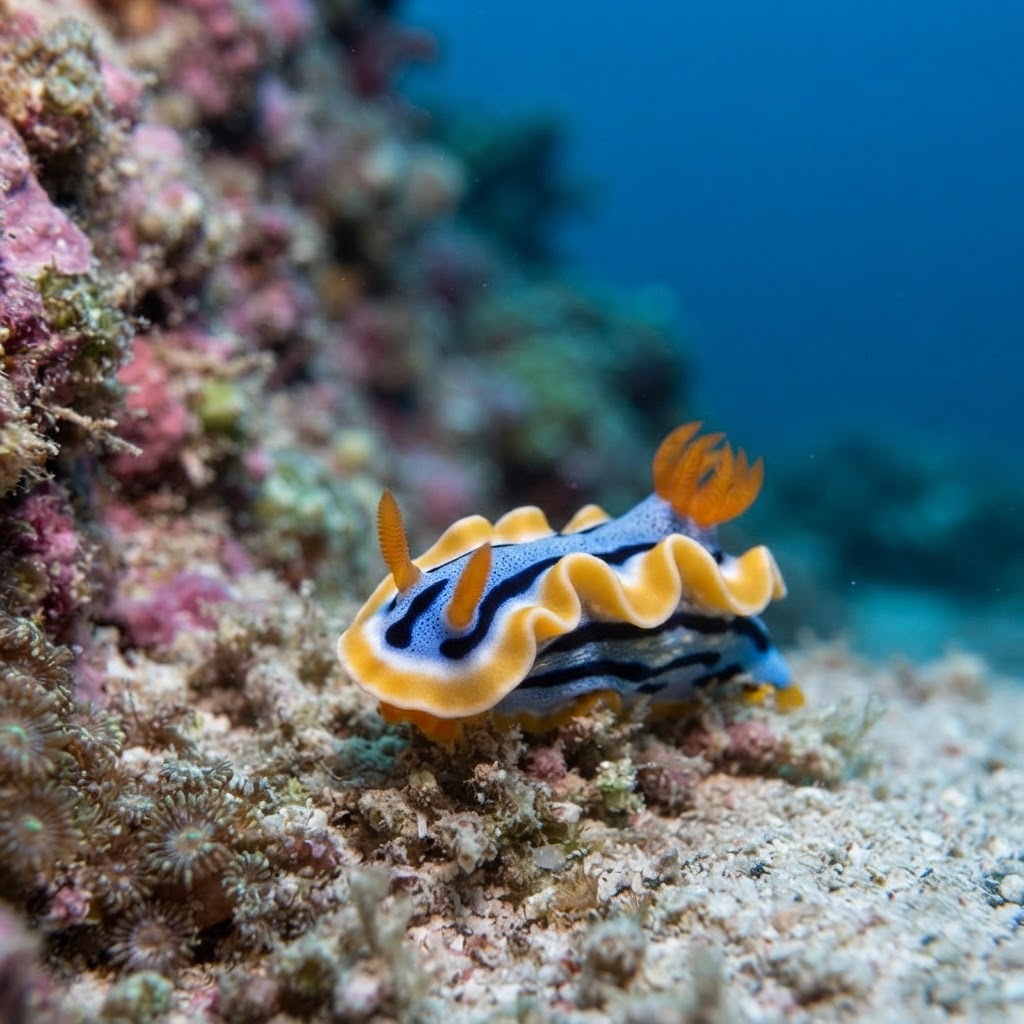
A vivid blue-bodied nudibranch with three to four bold yellow-orange longitudinal stripes running down the mantle, usually no more than a few centimetres long in the water. The rhinophores (paired sensory tentacles on the head) and gill cluster at the rear are typically tipped in the same orange-yellow as the stripes, giving a clean colour-coded look against the deep blue background. Its smooth, soft-bodied shape and slow crawl over rock and reef make it easy to distinguish once you spot the stripe pattern.
Divers typically find it slowly grazing over rock, reef structure, or encrusting growth rather than swimming or hiding, since like other nudibranchs it moves at its own unhurried pace regardless of nearby divers. It shows no avoidance behaviour when approached, which makes it a reliable subject for close-focus photography if you spot one against the blue-grey rock typical of California and Baja reefs. Most logs describe it as an uncommon rather than common find, so it rewards divers who slow down and scan rock crevices and reef walls rather than mid-water.
Like other chromodorid nudibranchs, its bright blue-and-yellow colouring is thought to be a warning signal (aposematism) to predators, since these slugs often store distasteful or toxic compounds absorbed from the sponges they feed on.
Sightings show no detectable seasonal pattern, so it is logged across the year wherever water sits within its observed 15.4 to 25.7 C range. Divers in California and Baja California can reasonably expect a chance of finding one on any dive within that temperature window rather than during a narrow window of months.
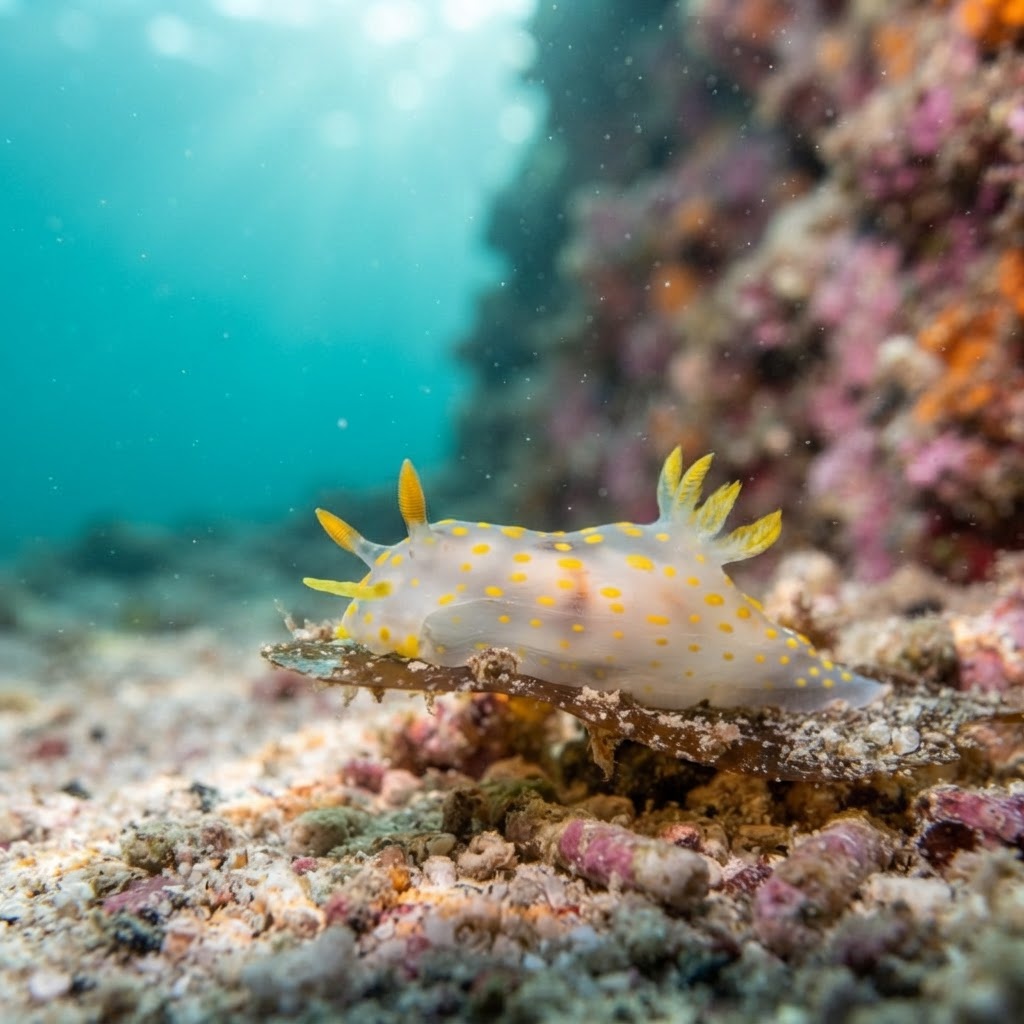
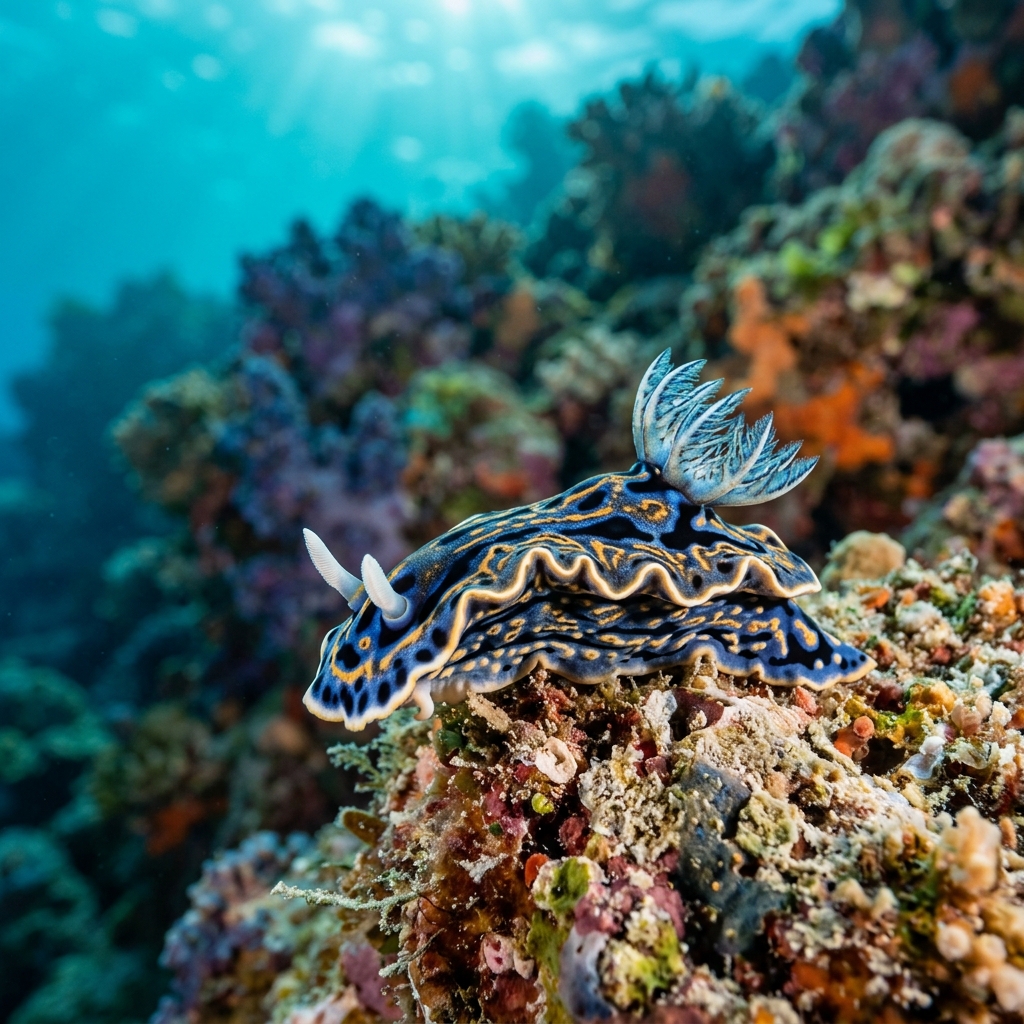
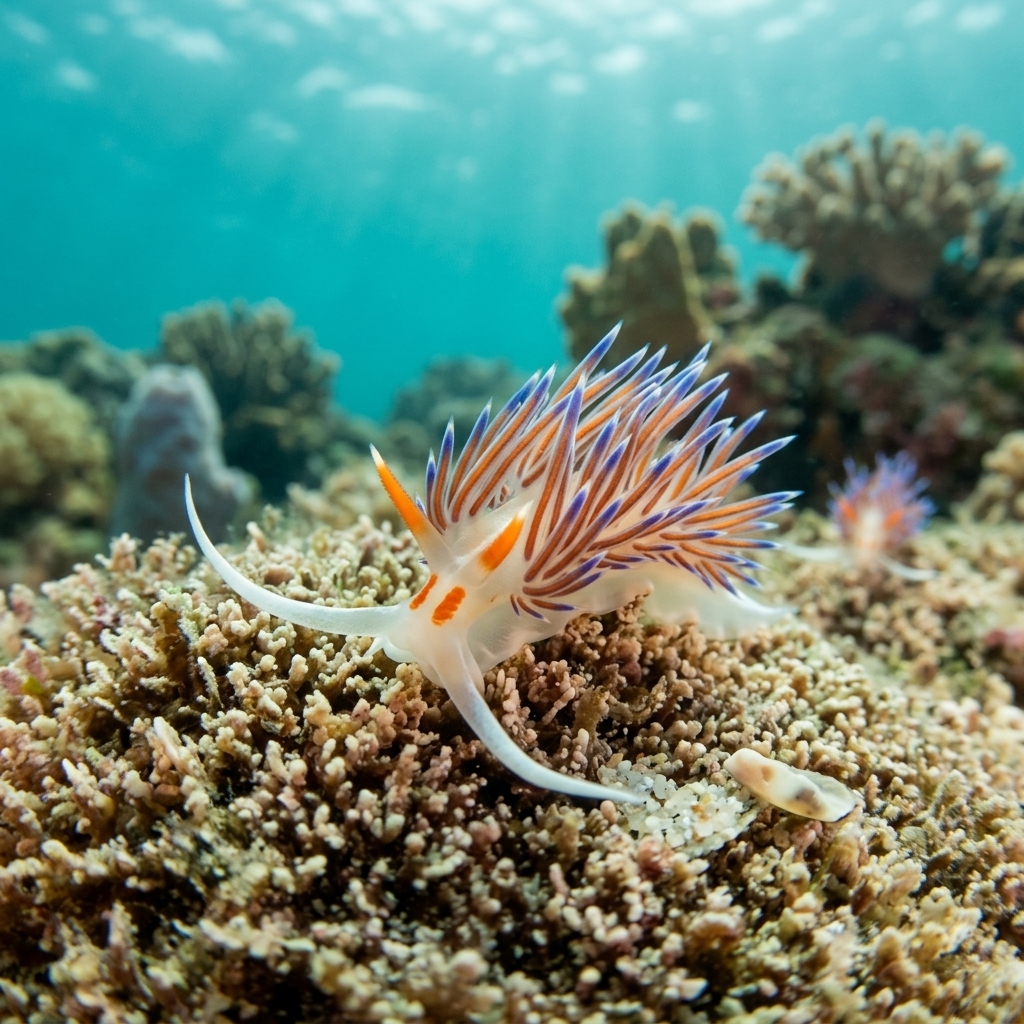
Reef neighbours a diver could mistake it for. Use the identification notes above to tell them apart.
Most reliably logged along the California coast in the United States and down through Baja California, Mexico, making the eastern Pacific from Southern California to the Baja peninsula the core range for this species. Within those two countries, California and Baja California are by far the strongest regions in diver logs, with sightings spread across a large number of sites rather than concentrated in just a few hotspots.
Mapping where Felimare californiensis is logged…
It is most consistently logged along the California coast in the United States and through Baja California in Mexico, with sightings spread across a wide range of sites in both regions rather than clustered at just a handful of famous spots.
There is no strong seasonal pattern in the sighting data, so it turns up year-round wherever water temperature sits in its observed 15.4 to 25.7 C range. Divers in California and Baja California have a chance of encountering it on any given dive rather than during one narrow season.
Look for a deep blue mantle with several bold yellow-orange stripes running lengthwise, plus orange-tipped rhinophores and gill cluster at the rear. It moves slowly over rock and reef rather than swimming, so a stationary blue-and-yellow striped slug on the substrate is the giveaway.
Exact size figures are not well documented for this species, but like most chromodorid nudibranchs it stays small, generally just a few centimetres long as seen in the water.
No, it poses no danger to divers. It has no means of harming a diver and will not react defensively to a close approach, making it safe to photograph up close.
Site and sighting data is aggregated from diver logs, iNaturalist and GBIF. For taxonomy and conservation status:
Nudibranch
3,168 sites