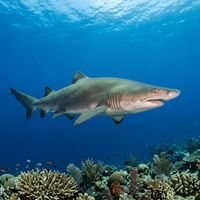
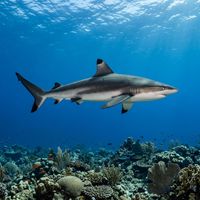
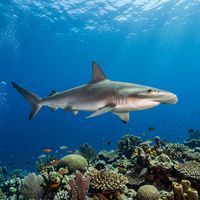
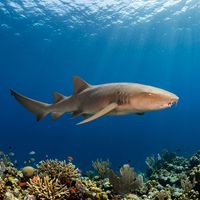
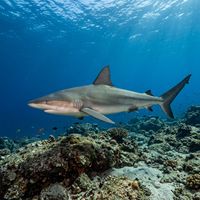
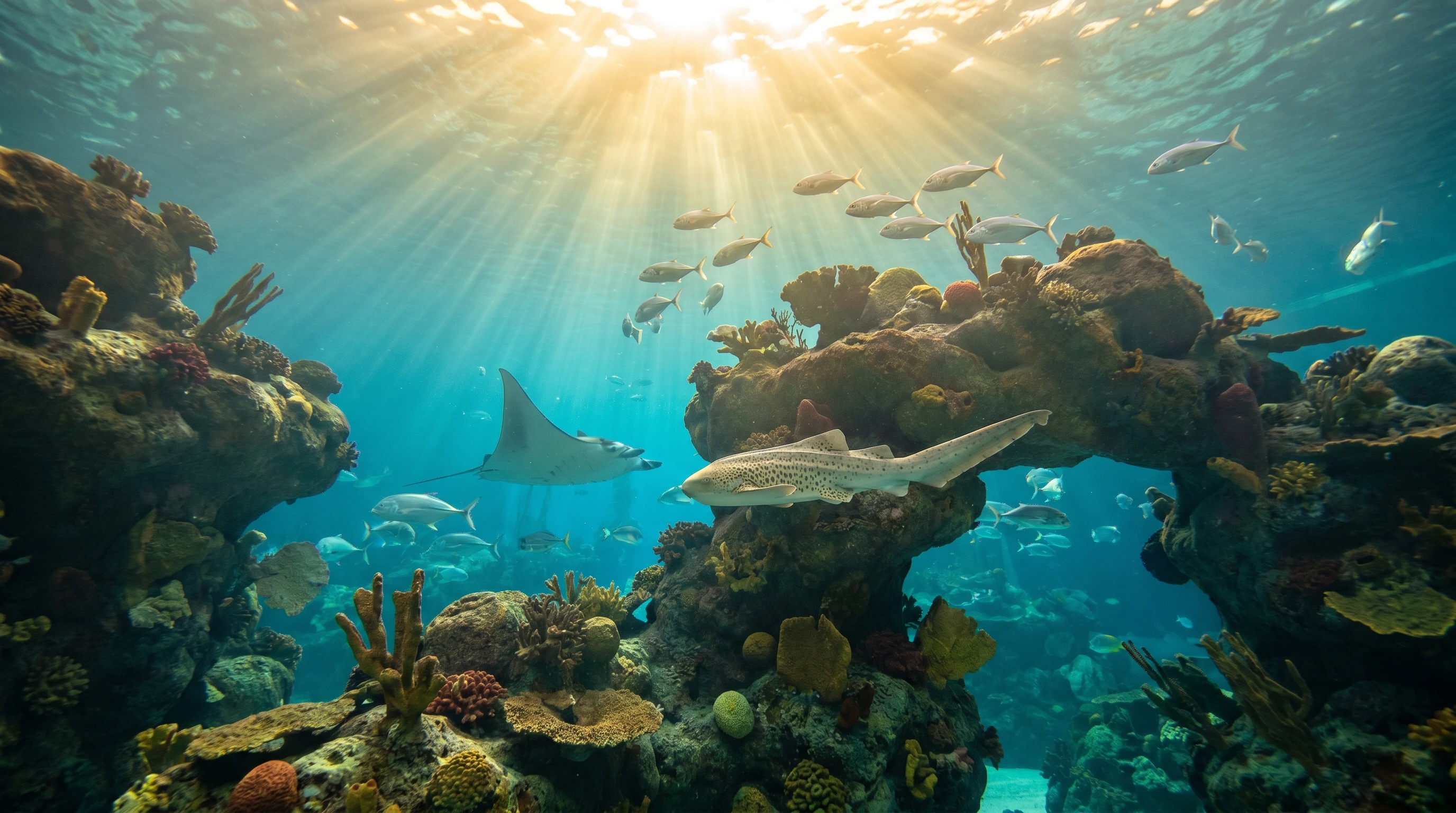
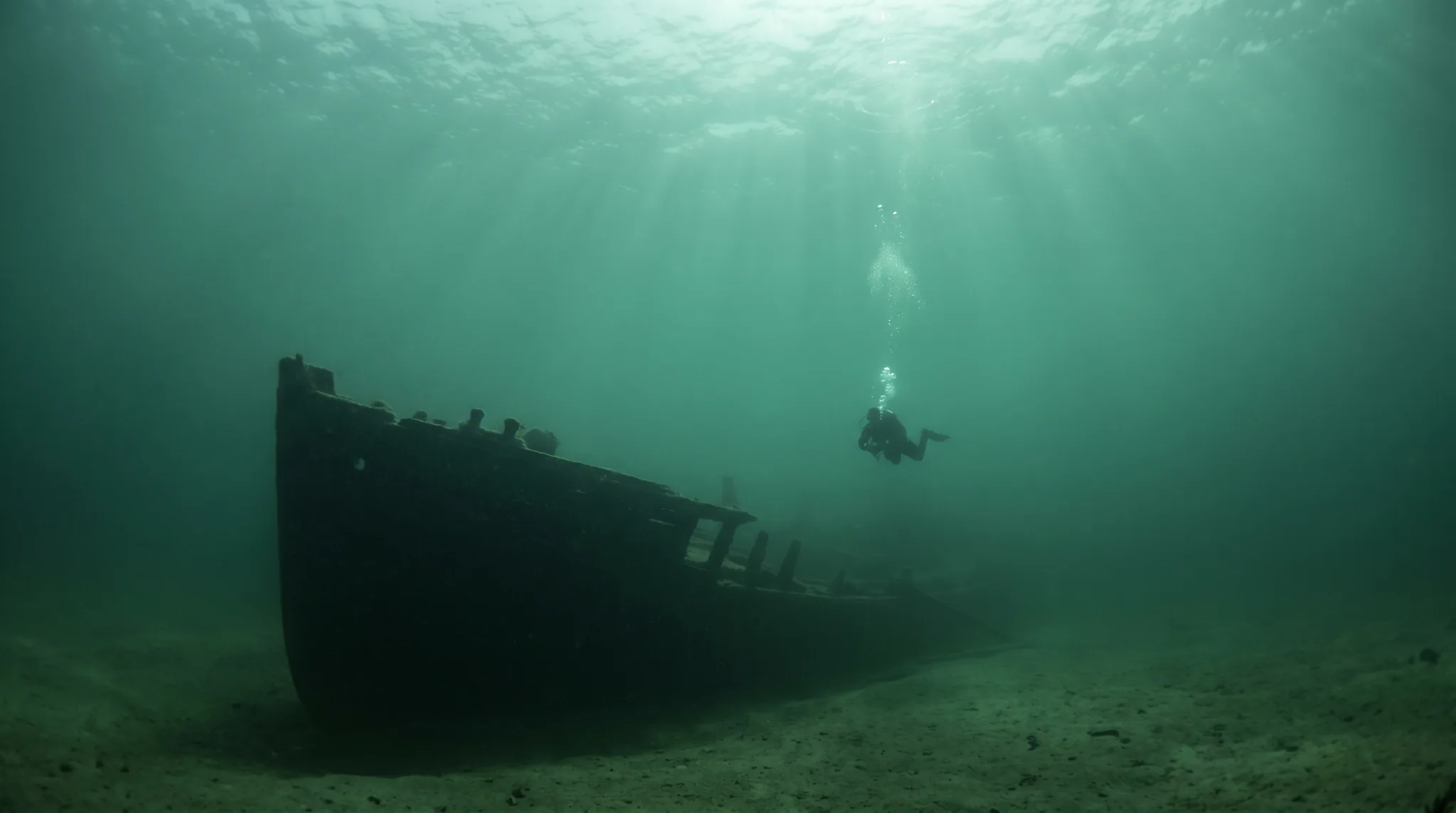
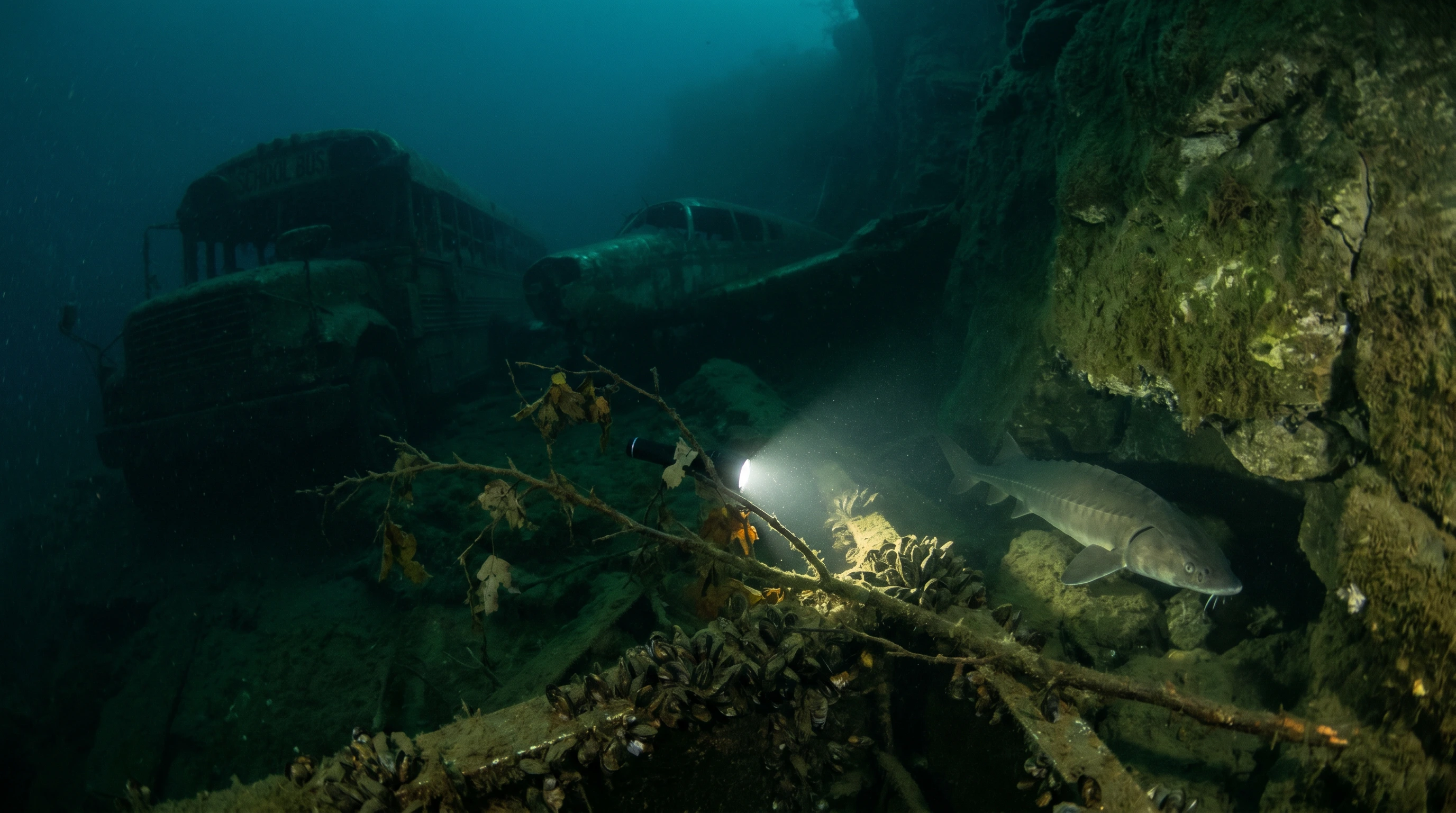
The Carolinas offer a striking range of underwater environments, from deep offshore wrecks and artificial reefs to freshwater lakes and quarries. Coastal sub-areas such as Morehead City, the Outer Banks, and Wilmington are defined by boat-access wreck diving, where Grey Nurse Shark, Common Blacktip Shark, and Sea Bass are regularly observed. Inland, Lake Keowee and Lake Norman provide accessible freshwater wall and reef dives. The Savannah Artificial Reefs and Grand Strand Reefs add further variety, with sites spanning beginner-friendly depths to demanding technical dives. Skill levels and site types vary considerably across sub-areas, making the region broadly suitable.
8 areas
 77
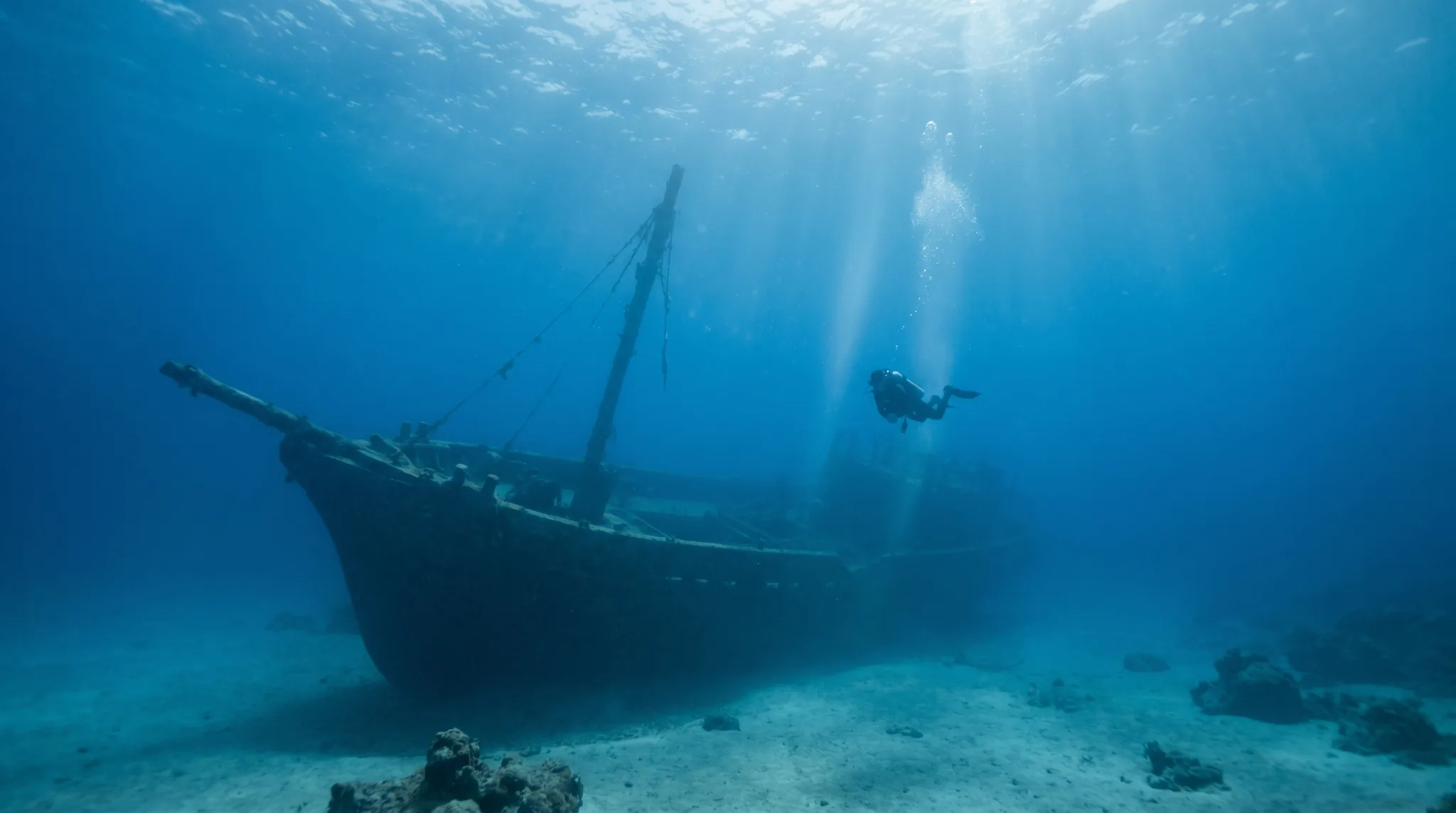
77A vast network of wrecks and artificial structures with exceptional shark diversity, from shallow barges to deeper offshore reefs.
 41
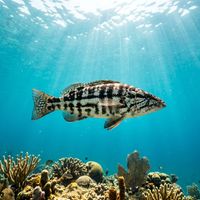
41A wreck-heavy dive region where Grey Nurse Shark and Sea Bass are regular sights across sites ranging from beginner-friendly artificial reefs to deep technical wrecks.
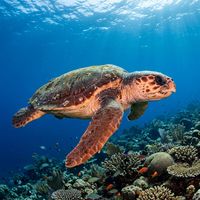
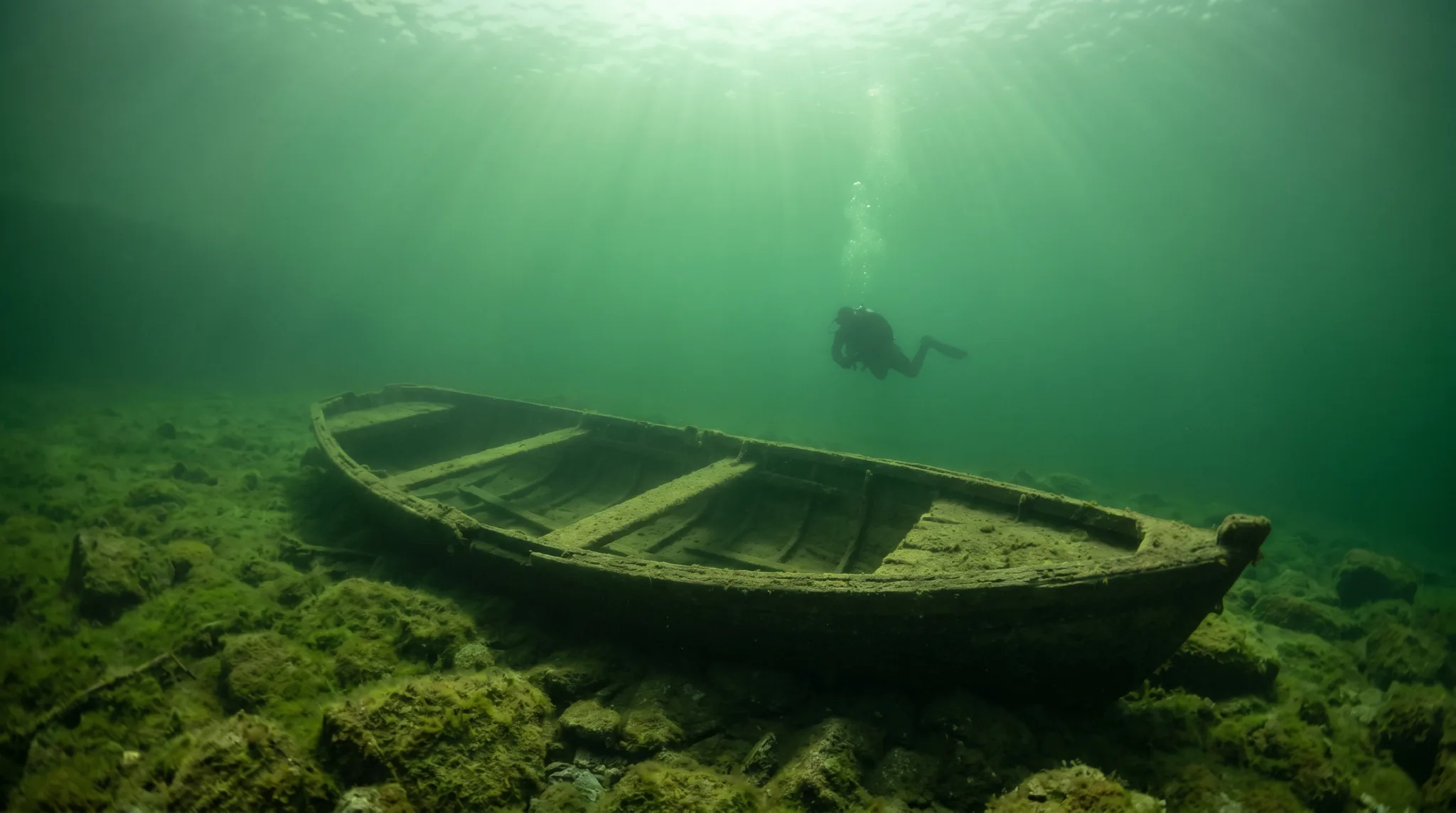
32A wreck-dominated dive destination where Grey Nurse Shark and Loggerhead Sea Turtle are regularly observed across boat-access sites ranging from shallow to advanced depths.

Monthly water temperature across The Carolinas's sites, from satellite sea-surface data corrected for depth. The band shows the site-to-site spread.
Water temperatures follow a clear seasonal arc, rising through spring and peaking in summer before cooling through autumn and dropping to their coldest in winter. The warmest months, from late spring through early autumn, coincide with the strongest diver activity and best conditions on coastal sites. Winter diving remains possible, particularly at freshwater sites, but cooler water and reduced visibility on offshore reefs make it a quieter period.
115 operators
A boat-diver's region built around artificial reefs and wrecks, with Grey Nurse Shark as the standout encounter.
Water temperature around The Carolinas ranges from about 14°C in January to 26°C in July, based on satellite sea-temperature data for its dive sites.
In the warm season (about 26°C) a 3mm full suit is comfortable in The Carolinas; in the coldest months (about 14°C) step up to a 7mm or semi-dry suit.
Fin maps 246 sites in The Carolinas (238 scuba diving sites and 26 snorkelling spots, with some suited to both), organised into 8 areas.
Across The Carolinas's dive sites, May, June, July, August, September and October are most often reported as the best months to visit.
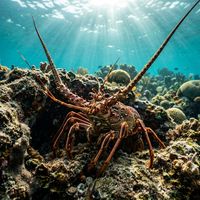
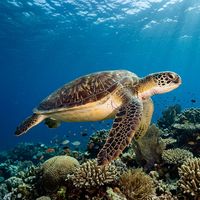
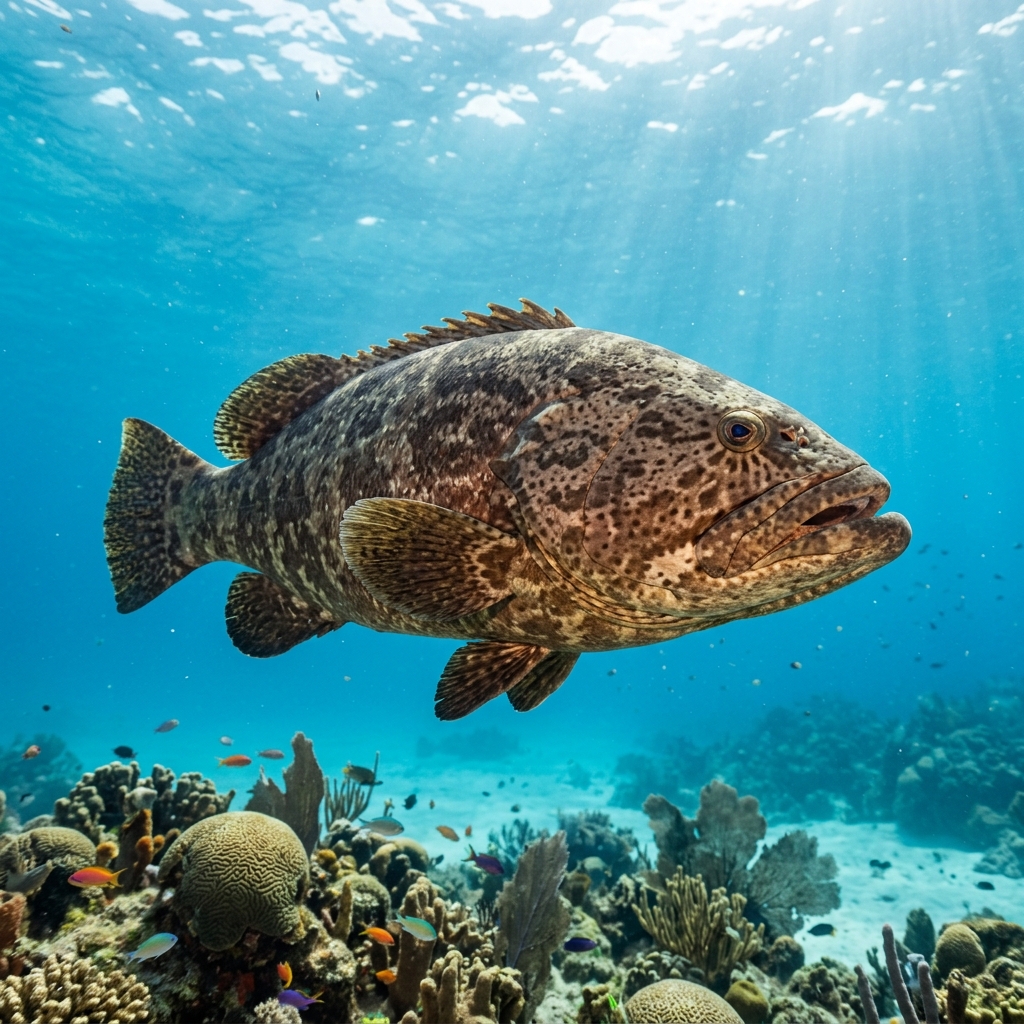
The Carolinas are particularly known for Grey Nurse Shark and Common Blacktip Shark sightings, both of which are frequently observed across coastal sites. Bonnethead, Nurse Shark, and Sandbar Shark are also recorded regularly. Divers may also encounter Loggerhead Sea Turtle, Green Sea Turtle, Atlantic Goliath Grouper, Spiny Lobster, and Scorpionfish, along with abundant reef fish such as Sea Bass, Pigfish, and Cardinalfish.
Yes, the region has a good number of sites rated for beginners. Freshwater options such as Lake Hollywood, Philadelphia Quarry, and Clarks Hill Dam offer calm, shallow conditions with shore entry, making them well suited to newly certified divers or those still building confidence. More demanding sites, including deep wrecks off Morehead City and the Outer Banks, are reserved for advanced and technical divers.
Coastal sub-areas such as Morehead City, the Outer Banks, Wilmington, and the Grand Strand Reefs are dominated by boat-access wreck and artificial reef diving, often at intermediate to advanced depths. Inland sub-areas, including Lake Keowee, Lake Norman, and the North Carolina Piedmont, offer freshwater diving with shore or boat access, generally shallower conditions, and a more structured environment suited to training and beginner progression.
The majority of top coastal sites, including the Dixie Arrow, Papoose, and USS Naeco, require boat access. Several operators across the region, including Olympus Dive Center, Discovery Diving Co Inc, and Coastal Scuba, run scheduled dive trips to offshore wrecks and reefs. Shore-entry options do exist, primarily at freshwater sites such as Lake Hollywood, Philadelphia Quarry, and Clarks Hill Dam.