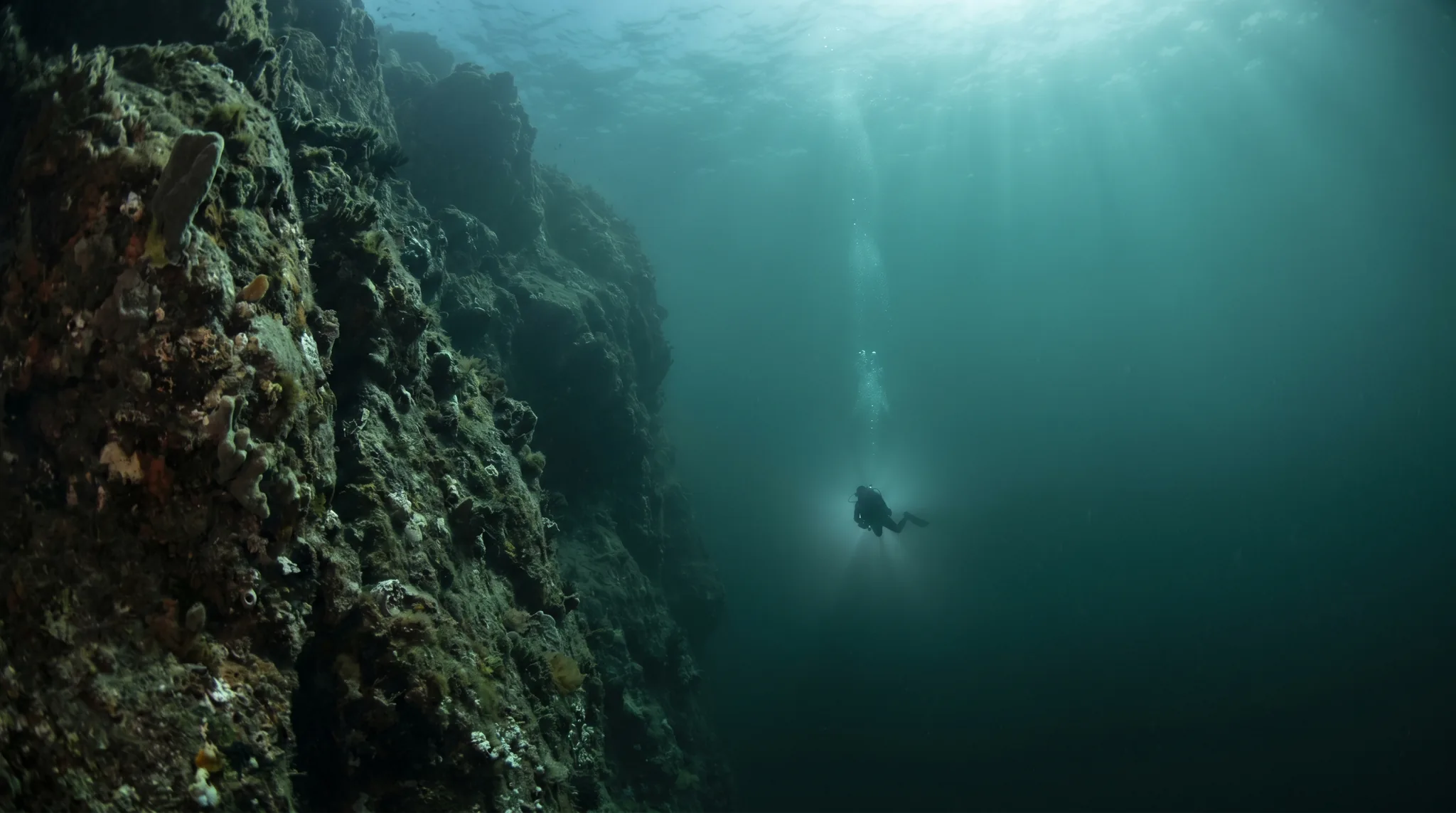
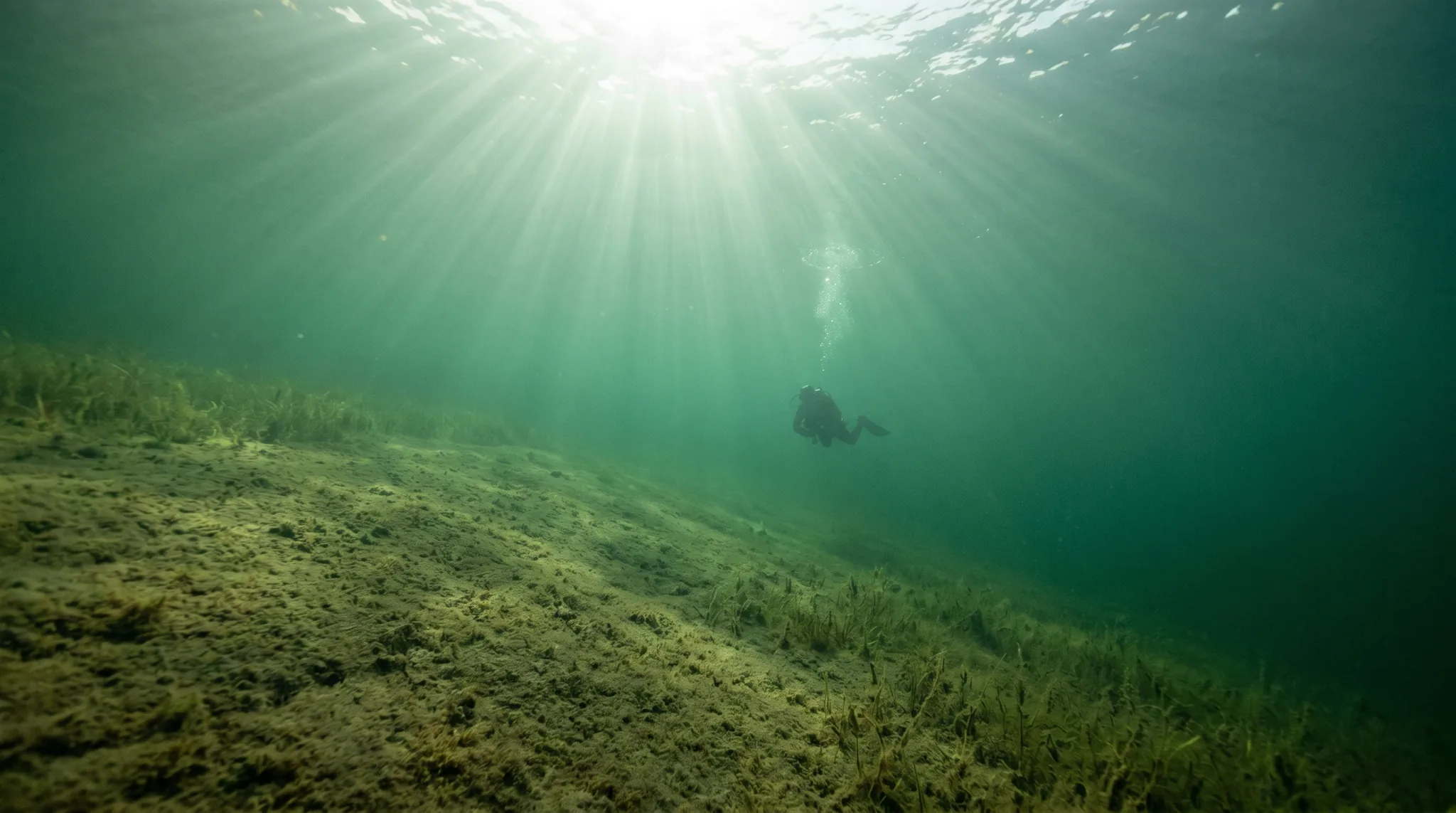
The Pacific Northwest delivers a remarkably varied underwater landscape, spanning saltwater walls and kelp forests in Puget Sound and the San Juan Islands, exposed coastal reefs along the Oregon Coast and Southern Oregon Coast, and entirely distinct freshwater diving in the Oregon Cascade Lakes, Columbia Basin, and Lake Chelan. Cold, temperate water runs through the year, keeping conditions brisk but rewarding. The signature animal is the Harbor Seal, observed across a wide range of sites, while nudibranch diversity, the Giant Pacific Octopus, and the Wolf-eel make this one of the most characterful cold-water destinations in the country. Site difficulty ranges from sheltered beginner shores to advanced walls and overhead environments.
8 areas
 62
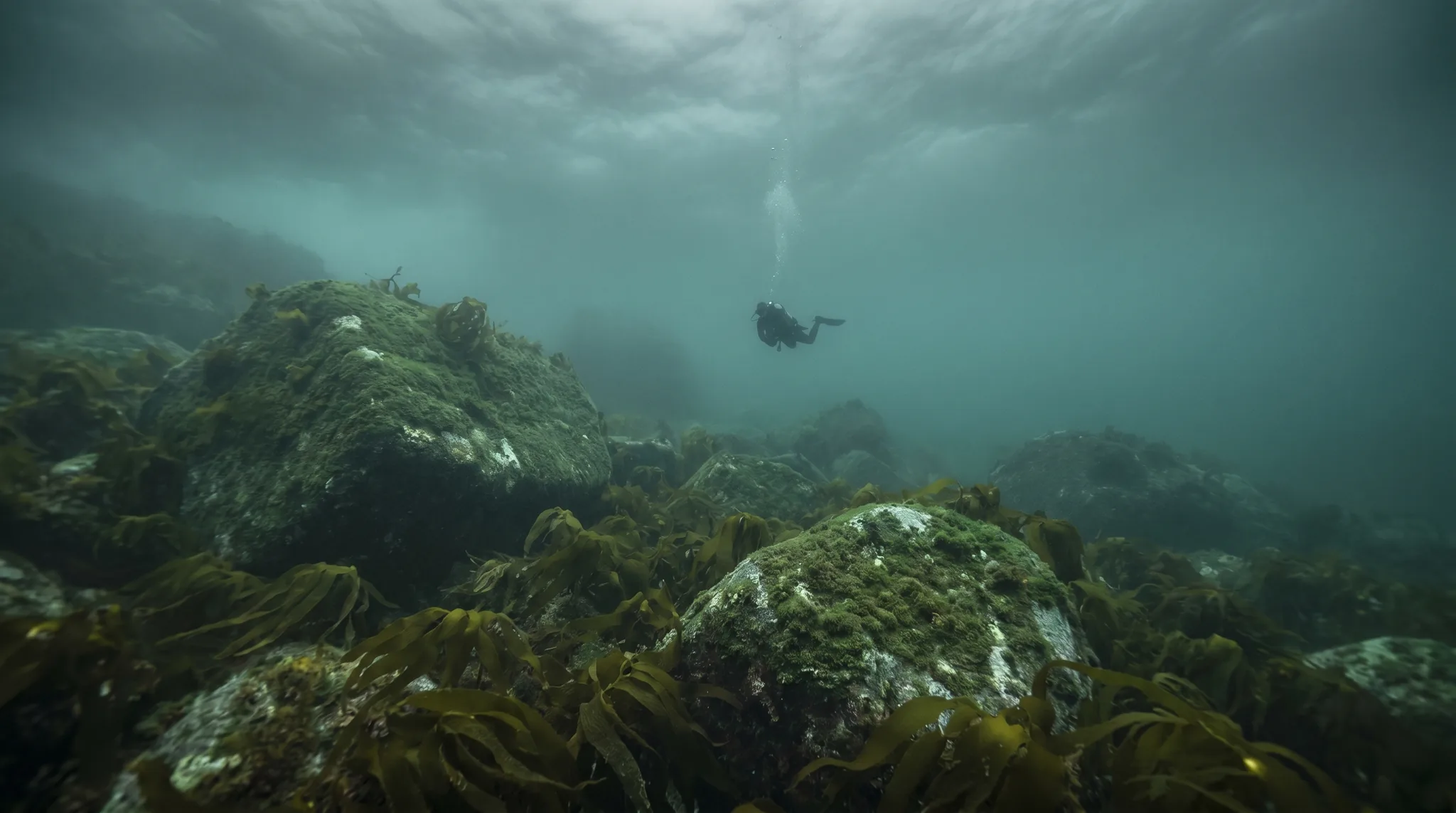
62Cool-water reef and muck diving with abundant nudibranchs, sea lions, and sea stars along the Pacific Northwest coast.
47Rocky reef sites along a cold, productive coastline where nudibranch diversity, crabs, and Harbor Seal sightings define the experience.
 32
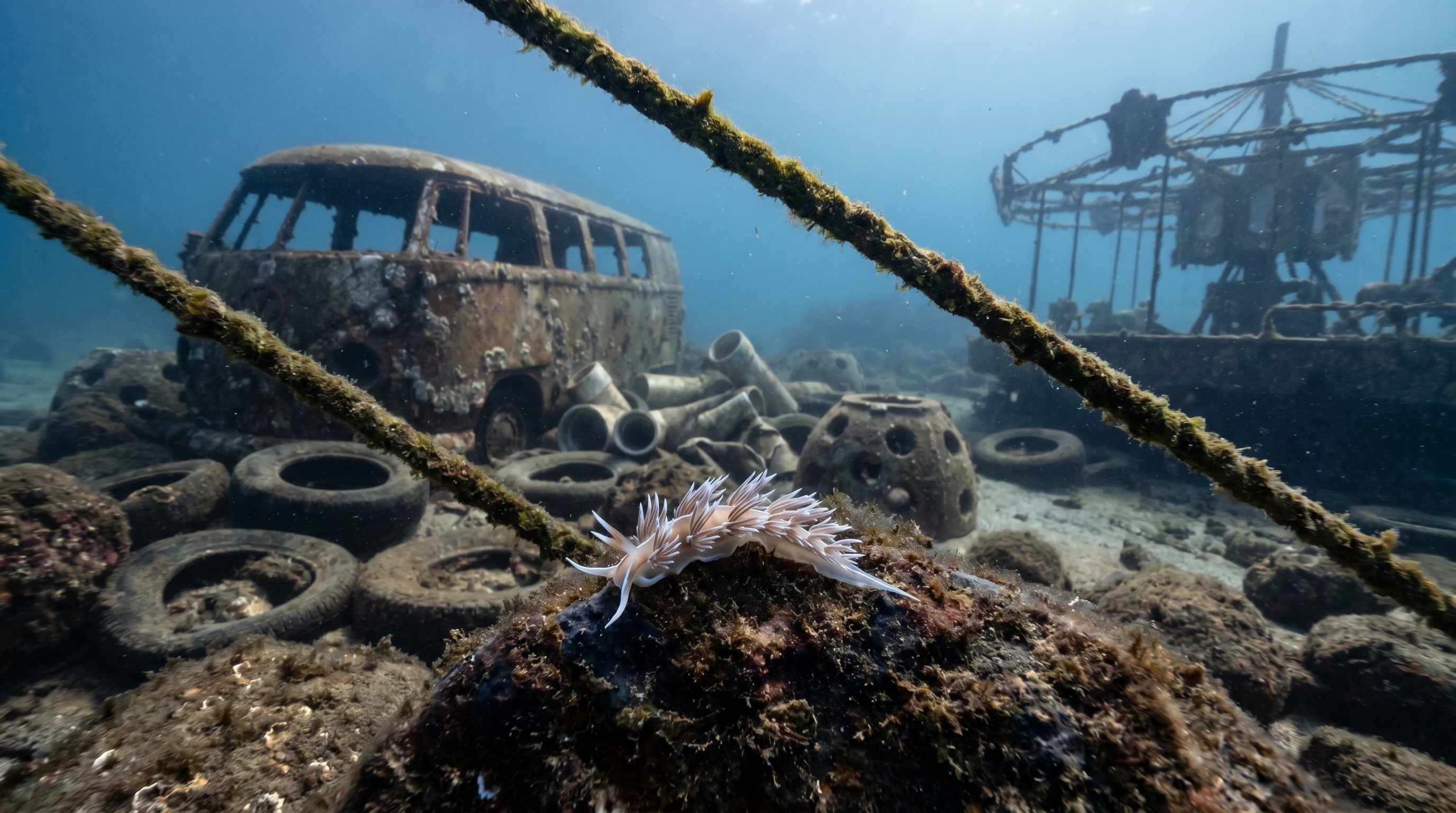
32Cold-water diving defined by Giant Pacific Octopus, Wolf-eel and an exceptional mix of walls, wrecks and artificial reefs across five distinct sub-areas.
Monthly water temperature across Pacific Northwest's sites, from satellite sea-surface data corrected for depth. The band shows the site-to-site spread.
Water temperature stays cool throughout the year, warming slightly through summer and peaking in late summer and early autumn, which aligns with the strongest diver activity. Conditions vary considerably by sub-area: Puget Sound sites can carry strong tidal currents that demand careful timing, while inland freshwater sites like Crater Lake Or and the Titan I Missile Silo present their own challenges through depth, overhead environments, or very cold water. Late summer through early autumn offers the best overall combination of conditions.
57 operators
Everett, United States
Salish Sea diving in the San Juan Islands with kelp forests, walls, nudibranchs, harbour seals, and sites from beginner reefs to advanced drop-offs.
Water temperature around Pacific Northwest ranges from about 9°C in February to 13°C in August, based on satellite sea-temperature data for its dive sites.
In the warm season (about 13°C) a 7mm or semi-dry suit is comfortable in Pacific Northwest; in the coldest months (about 9°C) step up to a drysuit.
Fin maps 168 sites in Pacific Northwest (112 scuba diving sites and 75 snorkelling spots, with some suited to both), organised into 8 areas.
Across Pacific Northwest's dive sites, June, July, August and September are most often reported as the best months to visit.
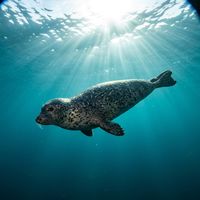
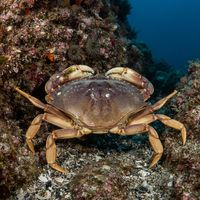
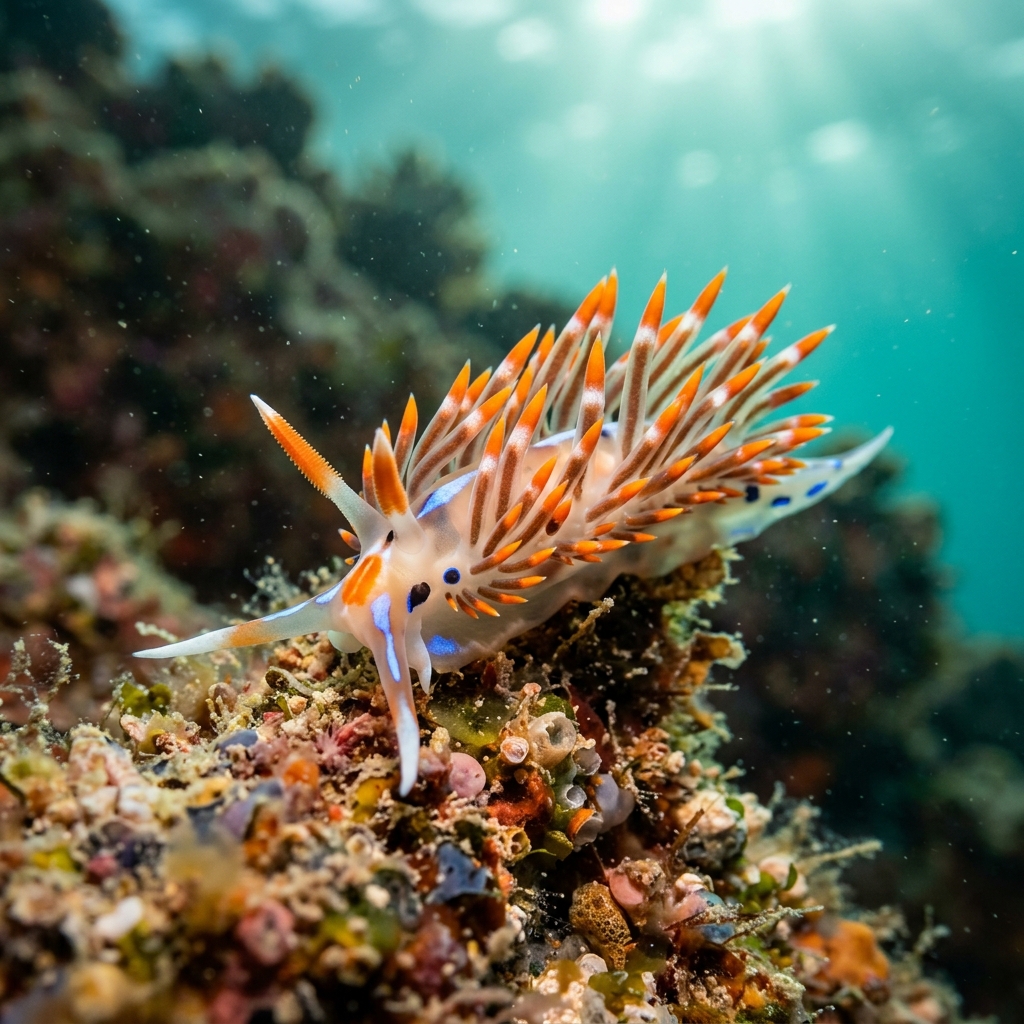
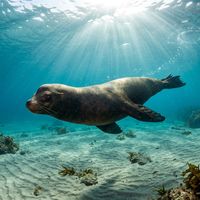
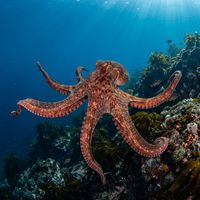
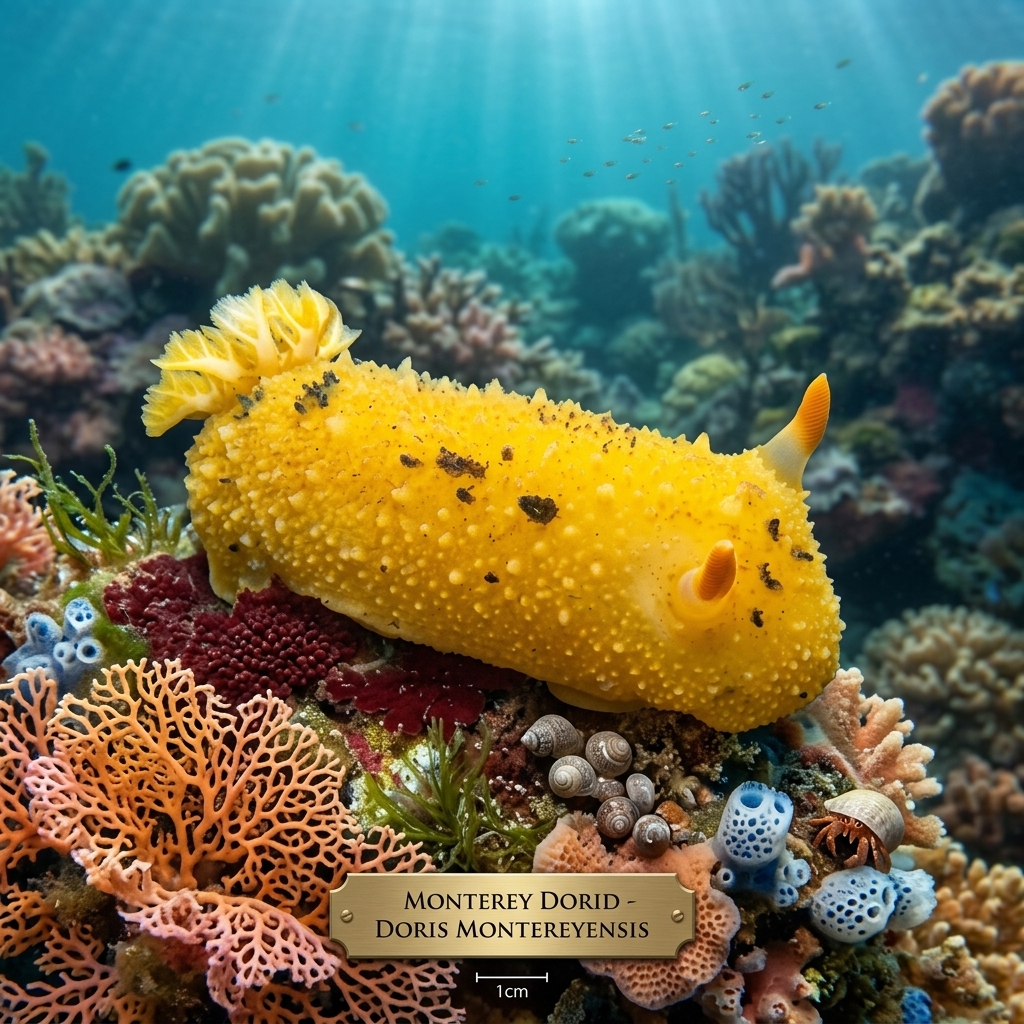
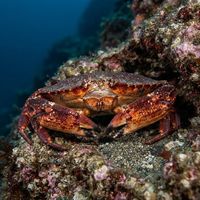
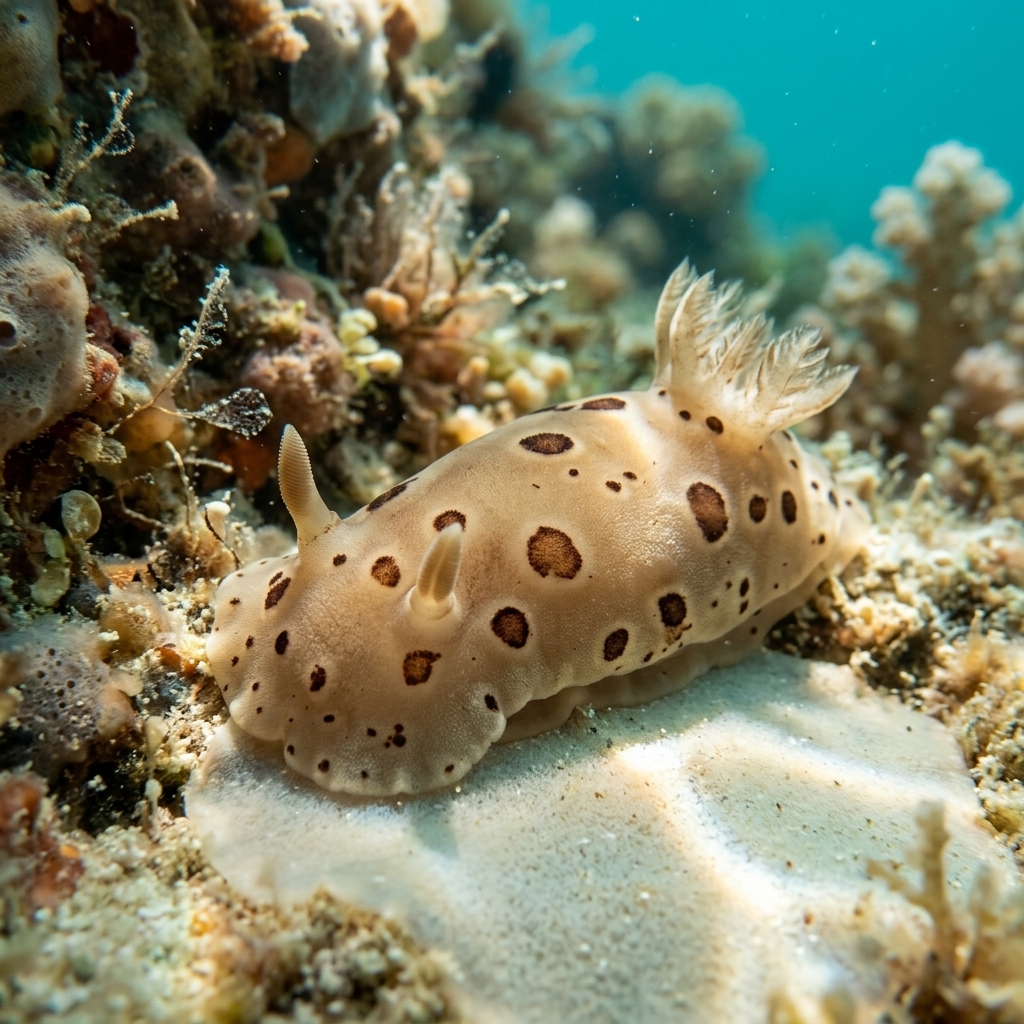
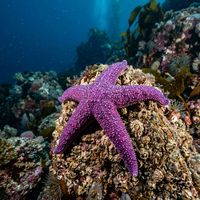
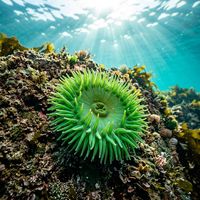
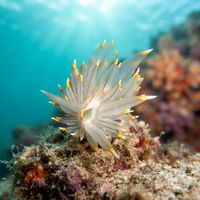
The Harbor Seal is the signature animal of the region and is observed across a broad range of sites. Rock Crab and Ochre Sea Star are encountered very commonly, and the nudibranch diversity is notable, with the Monterey Dorid, Hermissenda, Northern Leopard Dorid, and Nanaimo Dorid all recorded from observation. More sought-after encounters include the Giant Pacific Octopus, Wolf-eel, and King Crab, while California Sea Lion and Steller Sea Lion have also been observed.
The region spans the full skill range. Beginner-rated sites include Edmonds Underwater Park, Three Tree Point, Redondo Beach, and Fort Flagler Pier, all of which offer shore entry and relatively sheltered conditions. Intermediate divers have a large selection of reef and wall sites across Puget Sound and the Oregon Coast. Advanced divers can progress to strong-current walls like Day Island Wall or the unique overhead environment of the Titan I Missile Silo.
Shore entry is the dominant access style across the region, and many of the most popular sites, including Edmonds Underwater Park, Titlow Beach, and Skyline Wall, are reached directly from the beach or a park with parking nearby. Some Puget Sound sites such as Bell Island and Harney Toe require boat access, and a handful of sites offer both options. Operators including Lighthouse Diving Center, YSS Dive Tacoma, and Octopus Gardens Diving support those who prefer guided or boat-assisted trips.