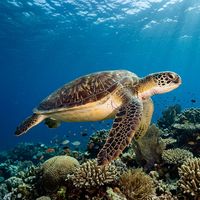
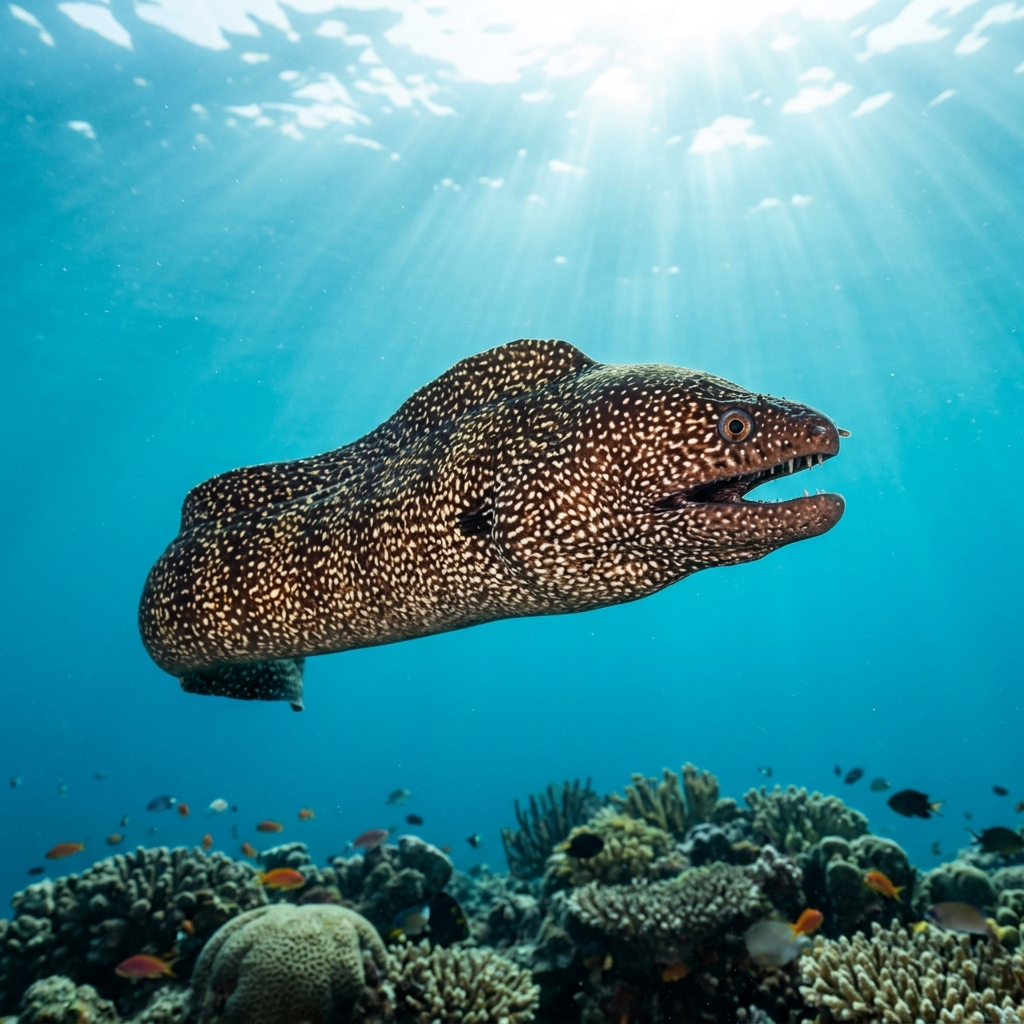
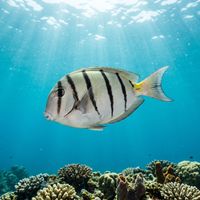
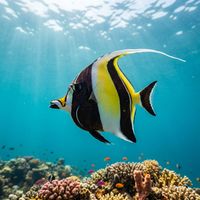
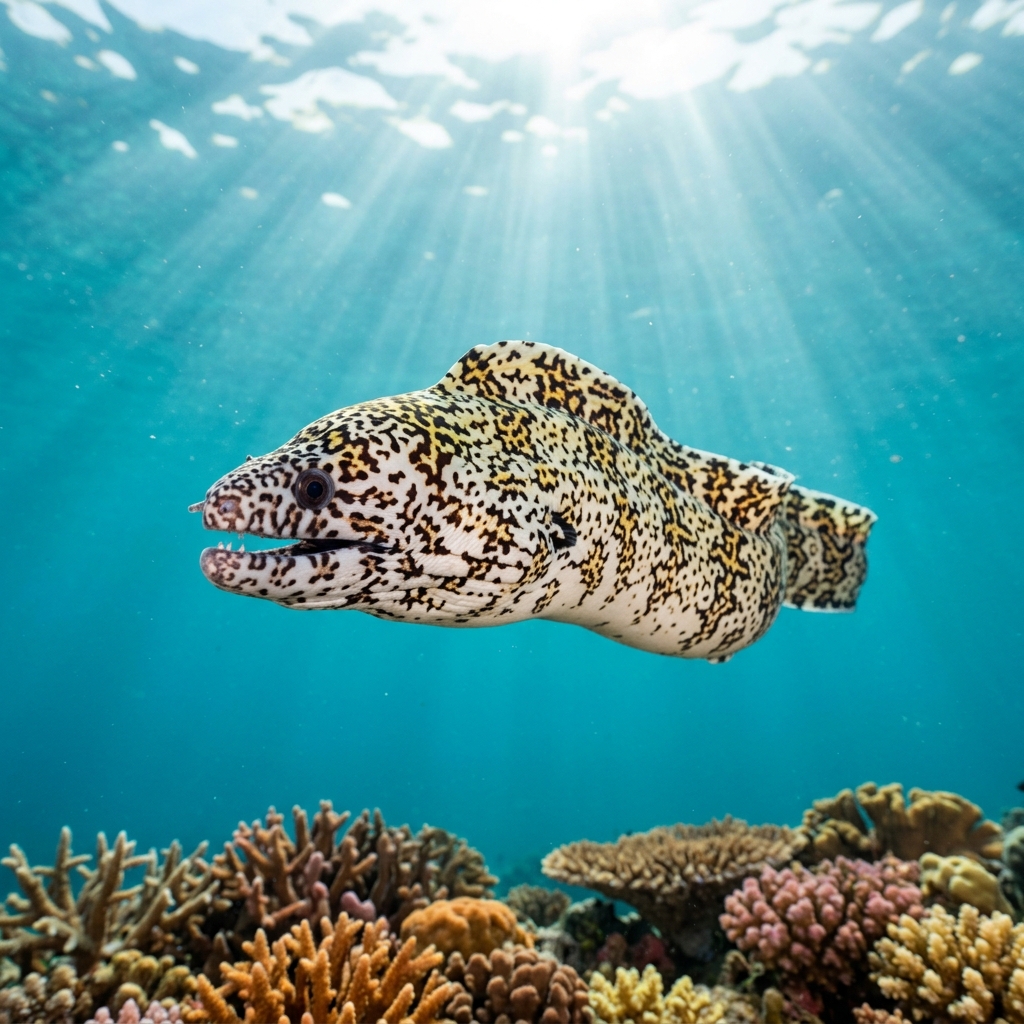
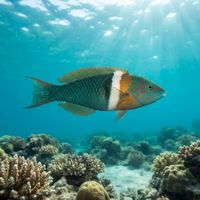
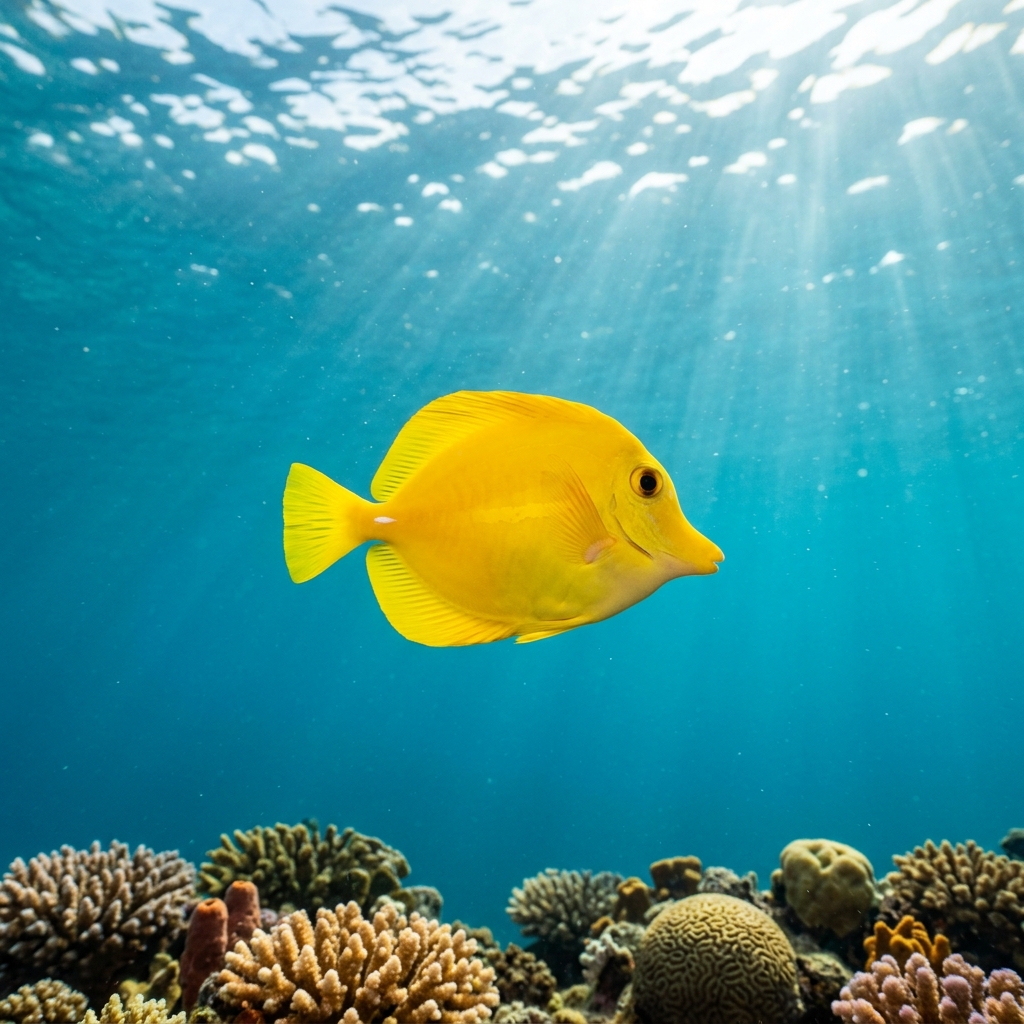
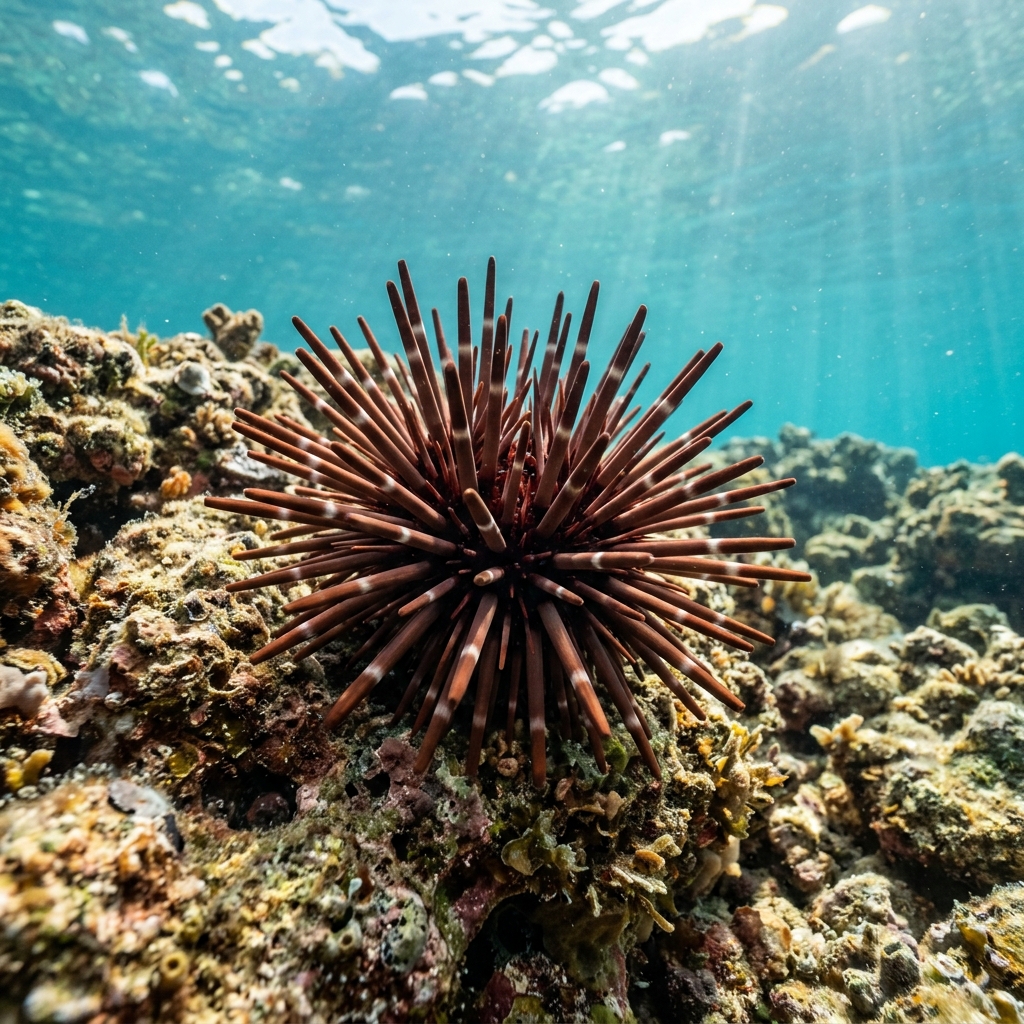
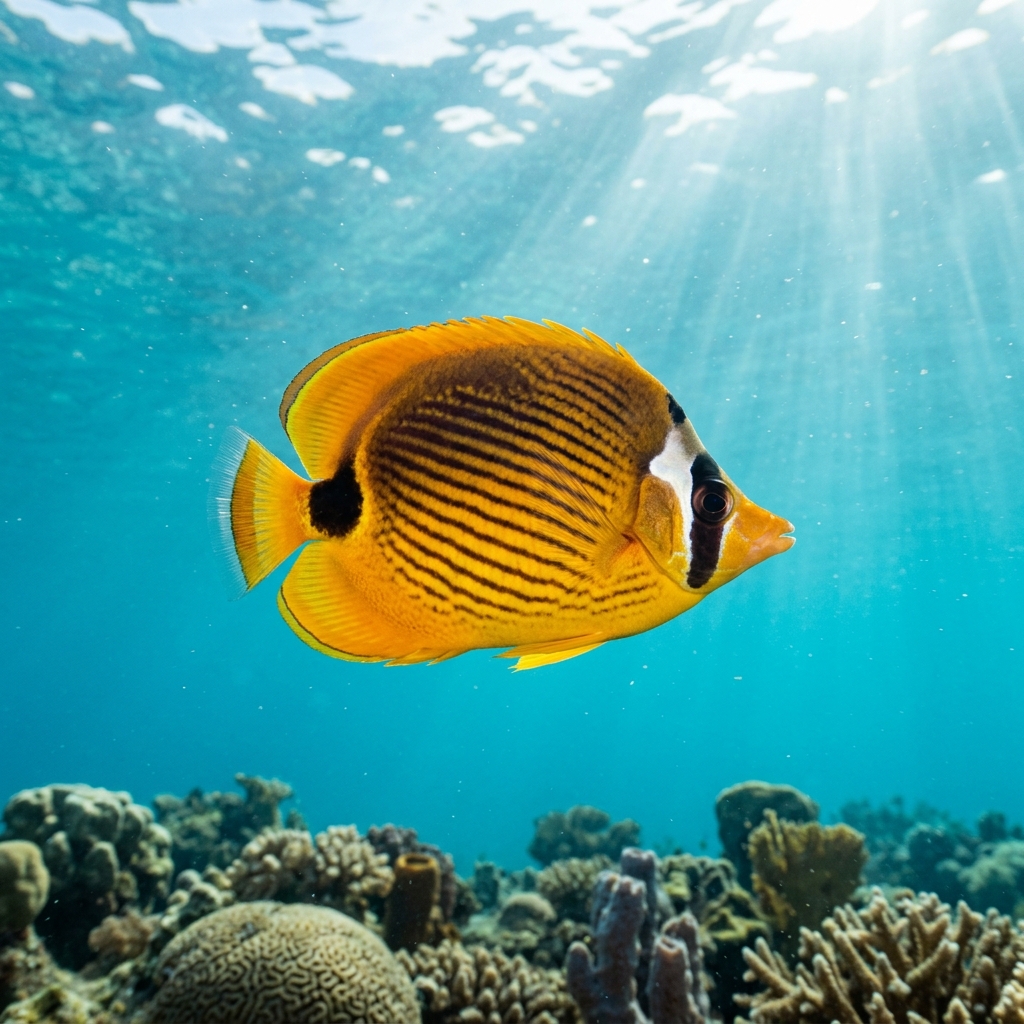
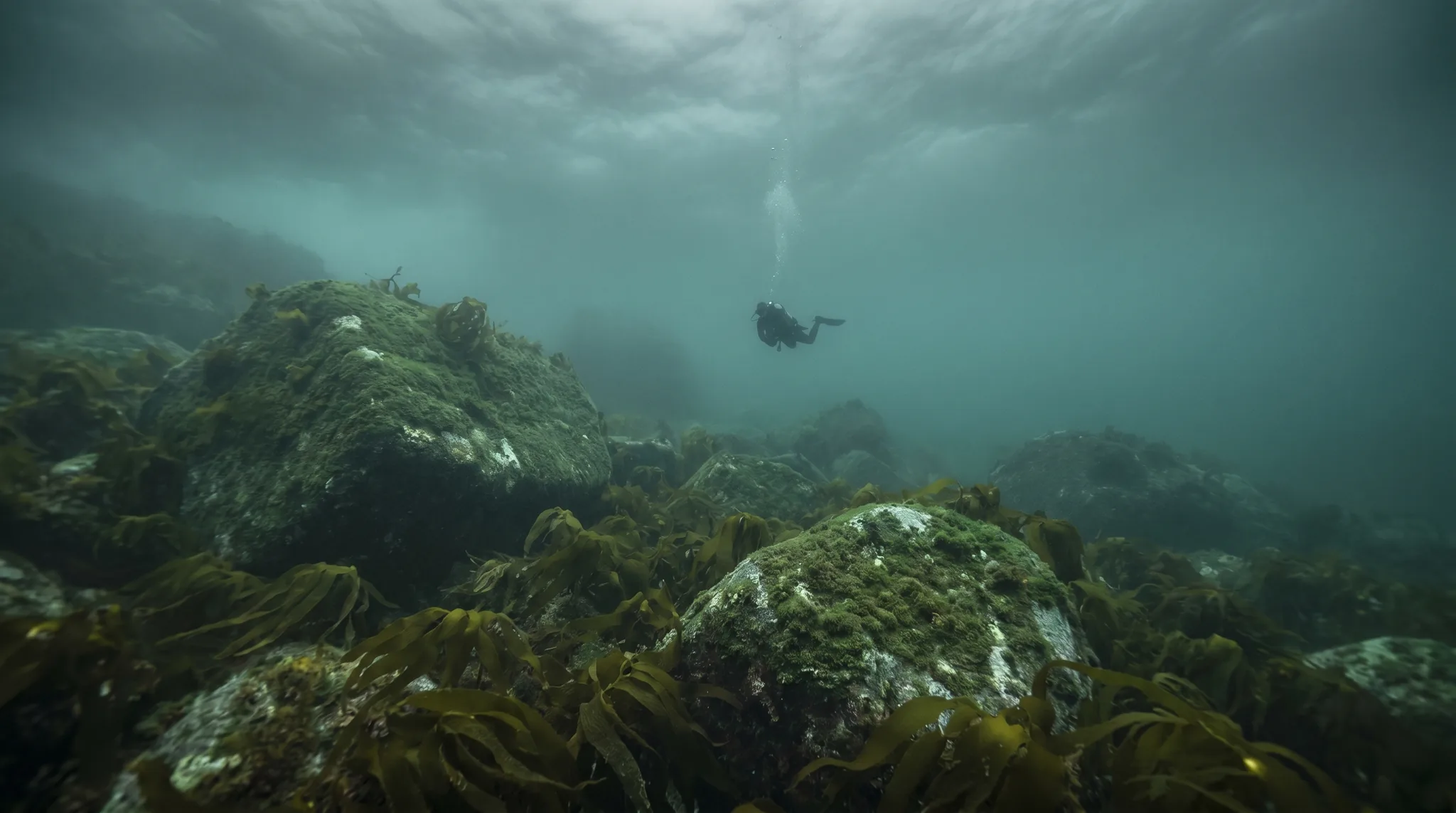
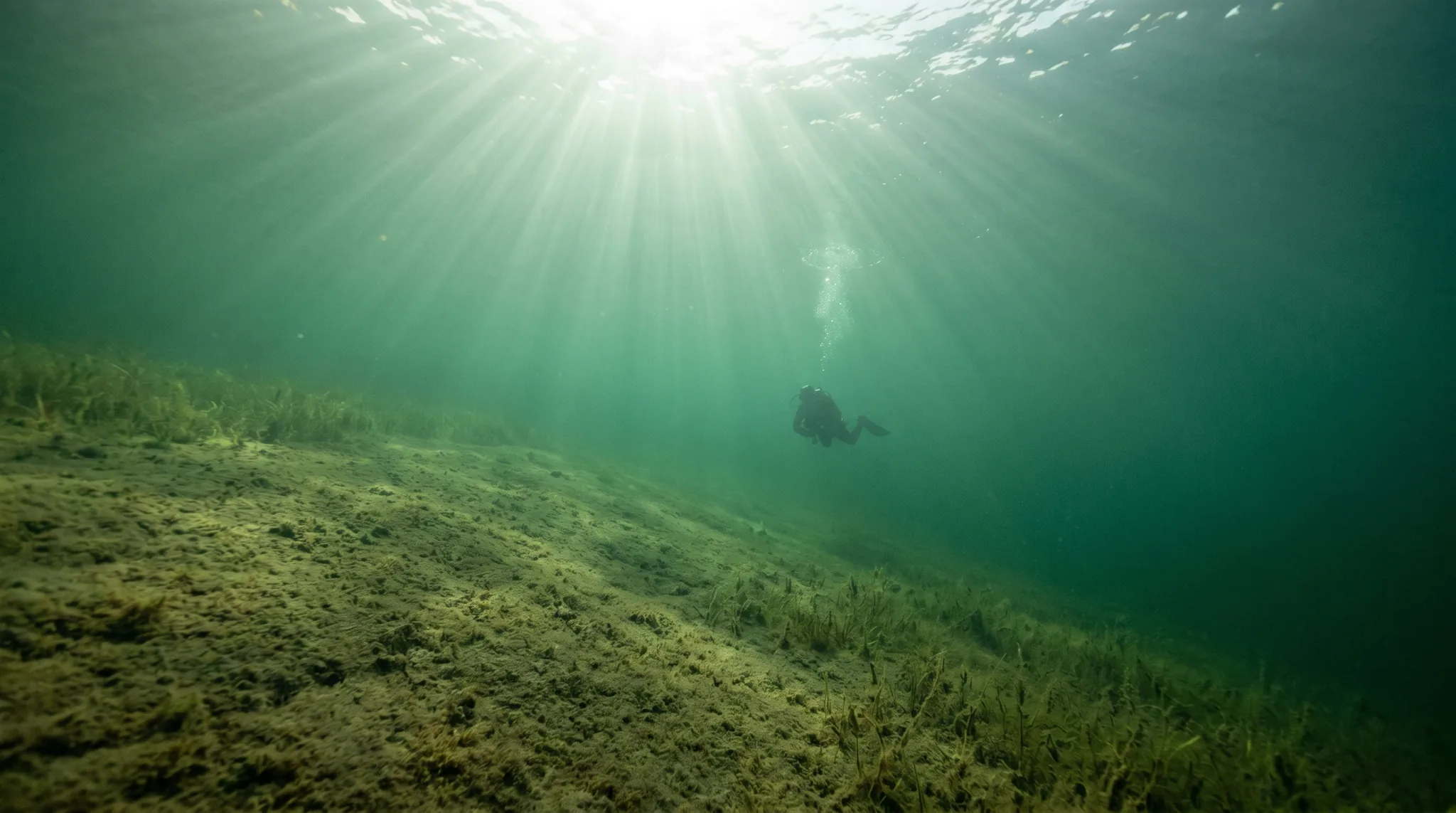
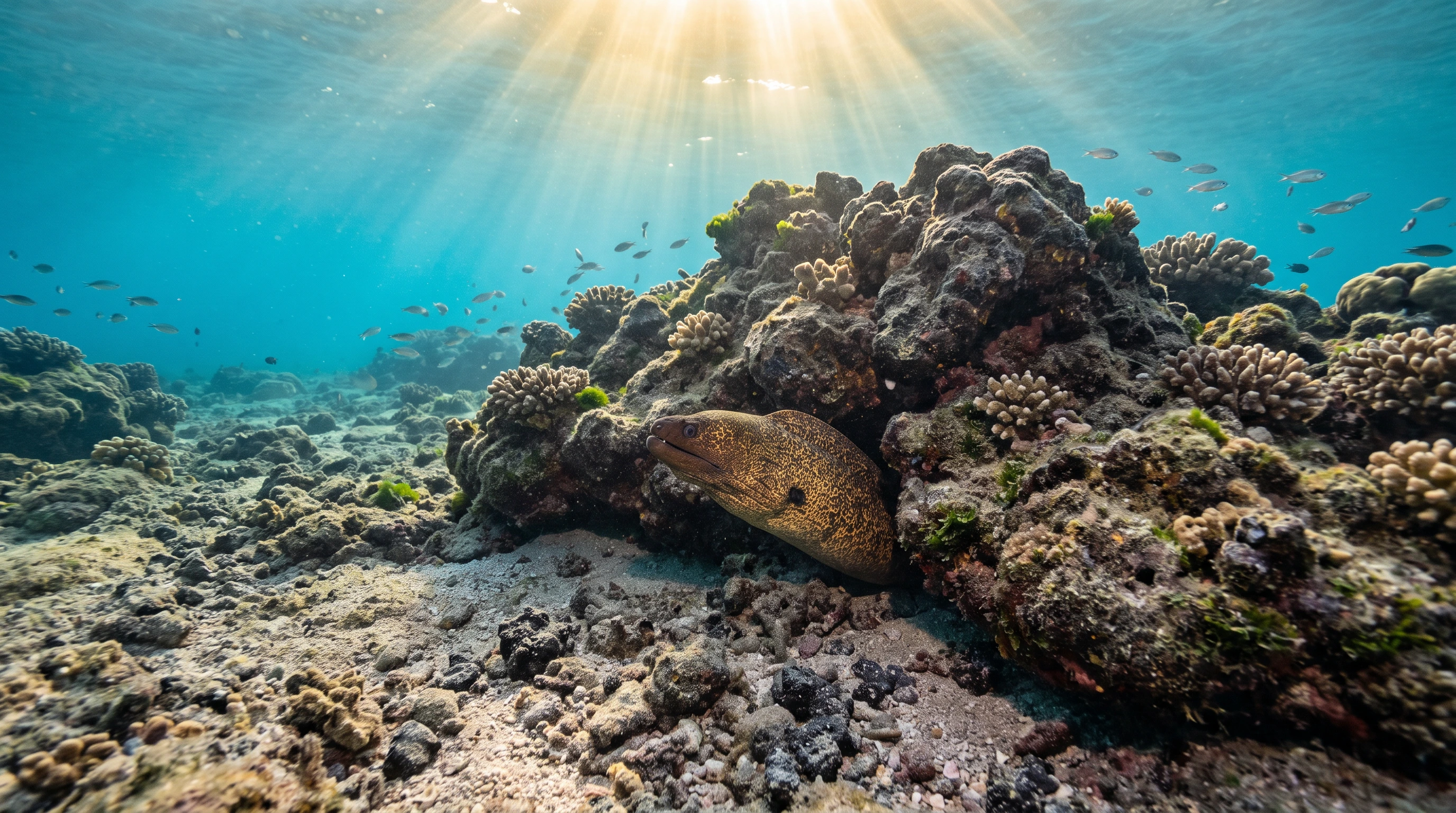
Hawaii's underwater landscape spans four distinct sub-areas, each with its own character. Kona is the heart of the diving scene, with manta ray encounters at sites like Manta Heaven and Manta Ray Madness, lava-formed topography, and consistent shore access at Two Step. Maui offers walls, shallow reefs, and the dramatic drop at Molokini Back Wall. Oahu and Kauai round out the archipelago with reef and wreck options. Green Sea Turtle, Turkey Moray, and Day Octopus are confirmed sightings across the region, alongside a rich cast of butterflyfish, surgeonfish, and the ever-present Wrasses. Conditions are warm year-round, with the most popular window running from late spring through early autumn.

4 areas
90Hawaiian reef diving anchored by Molokini Crater, lava caverns, wreck sites, and reliable Green Sea Turtle sightings across beginner to advanced levels.
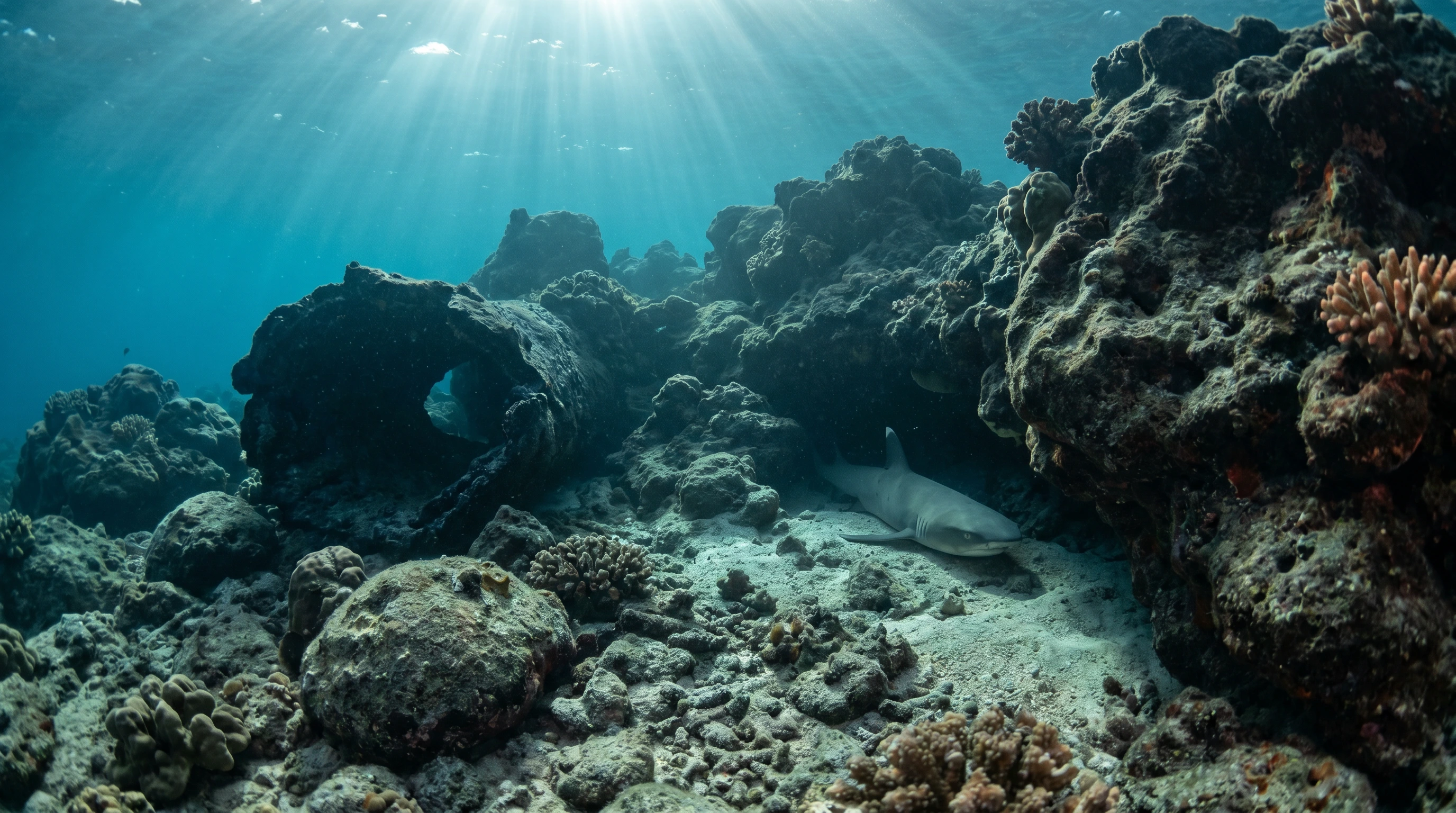
63Reef and lava topography with reliable manta ray diving, abundant Hawaiian reef fish and frequent Green Sea Turtle encounters.
 61
61Reefs, wrecks, and caverns with Green Sea Turtle, Whitetip Reef Shark, and Day Octopus observed across a wide range of sites and skill levels.
29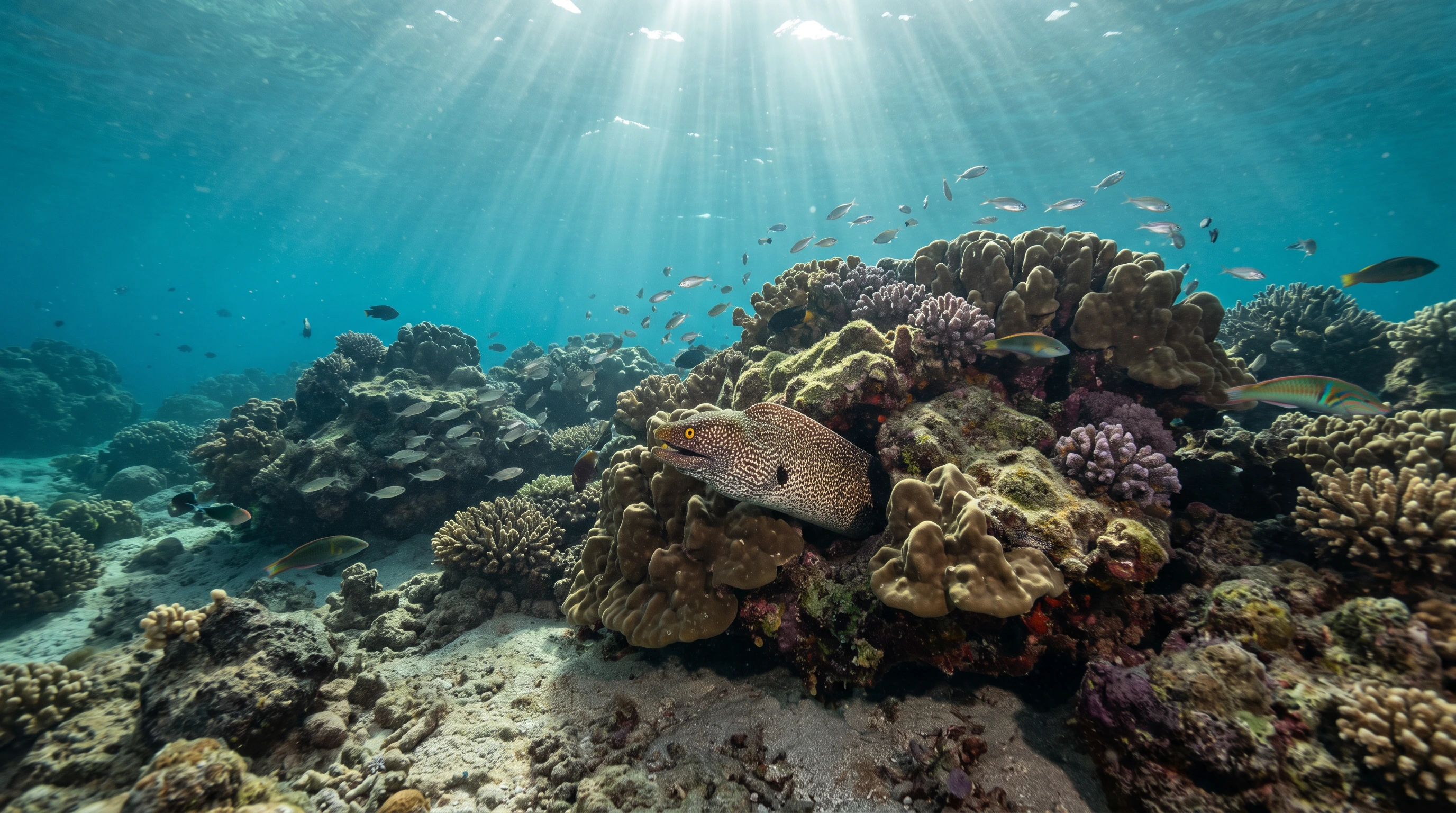
Monthly water temperature across Hawaii's sites, from satellite sea-surface data corrected for depth. The band shows the site-to-site spread.
Water temperature stays warm throughout the year with only a modest dip in late winter and early spring, making diving comfortable in a light wetsuit at any time. The most active diving period runs from late spring through early autumn, when conditions favour both reef and drift dives. Winter months see a quieter season, though sites remain accessible and the water never turns cold.
123 operators

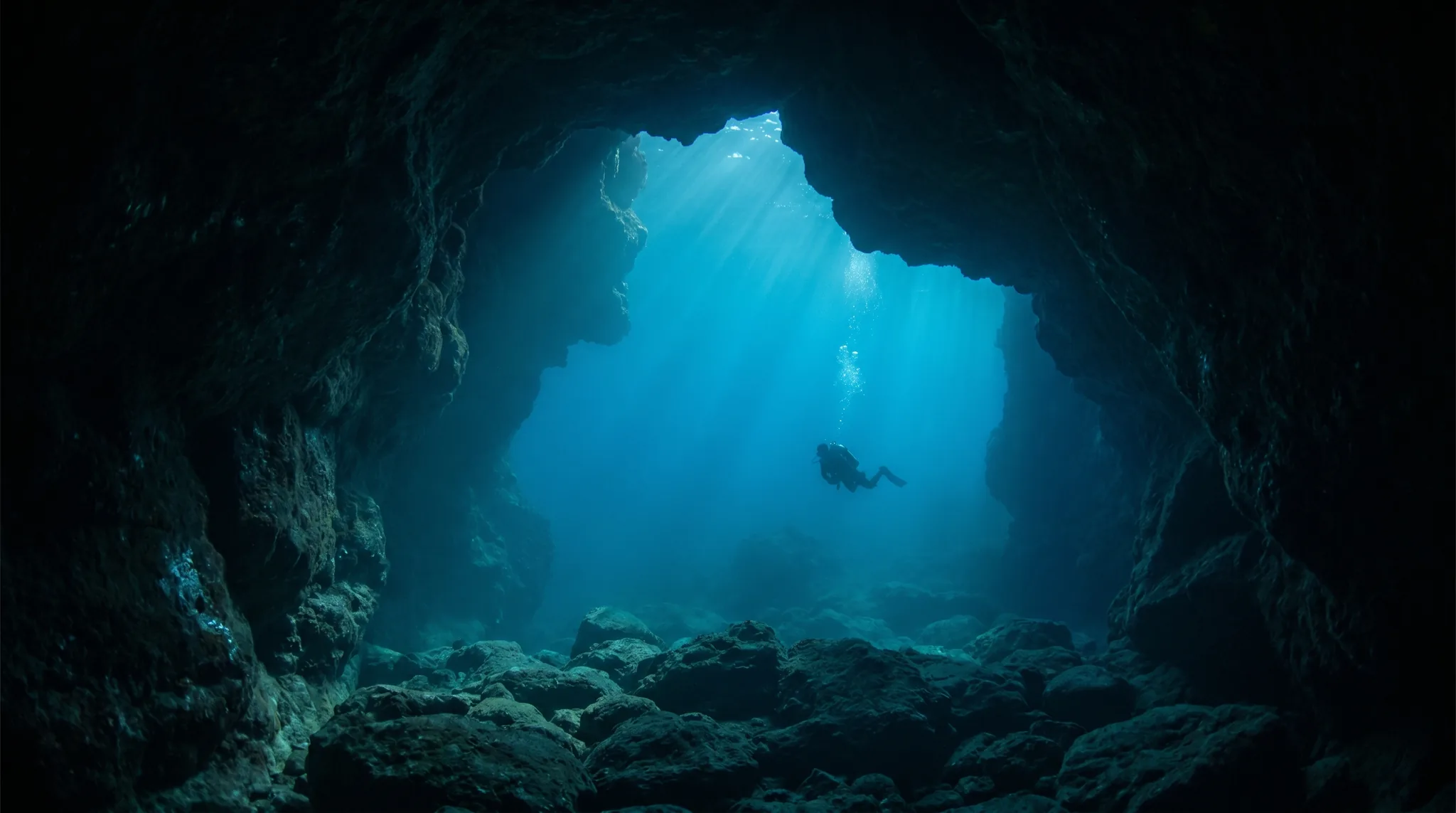
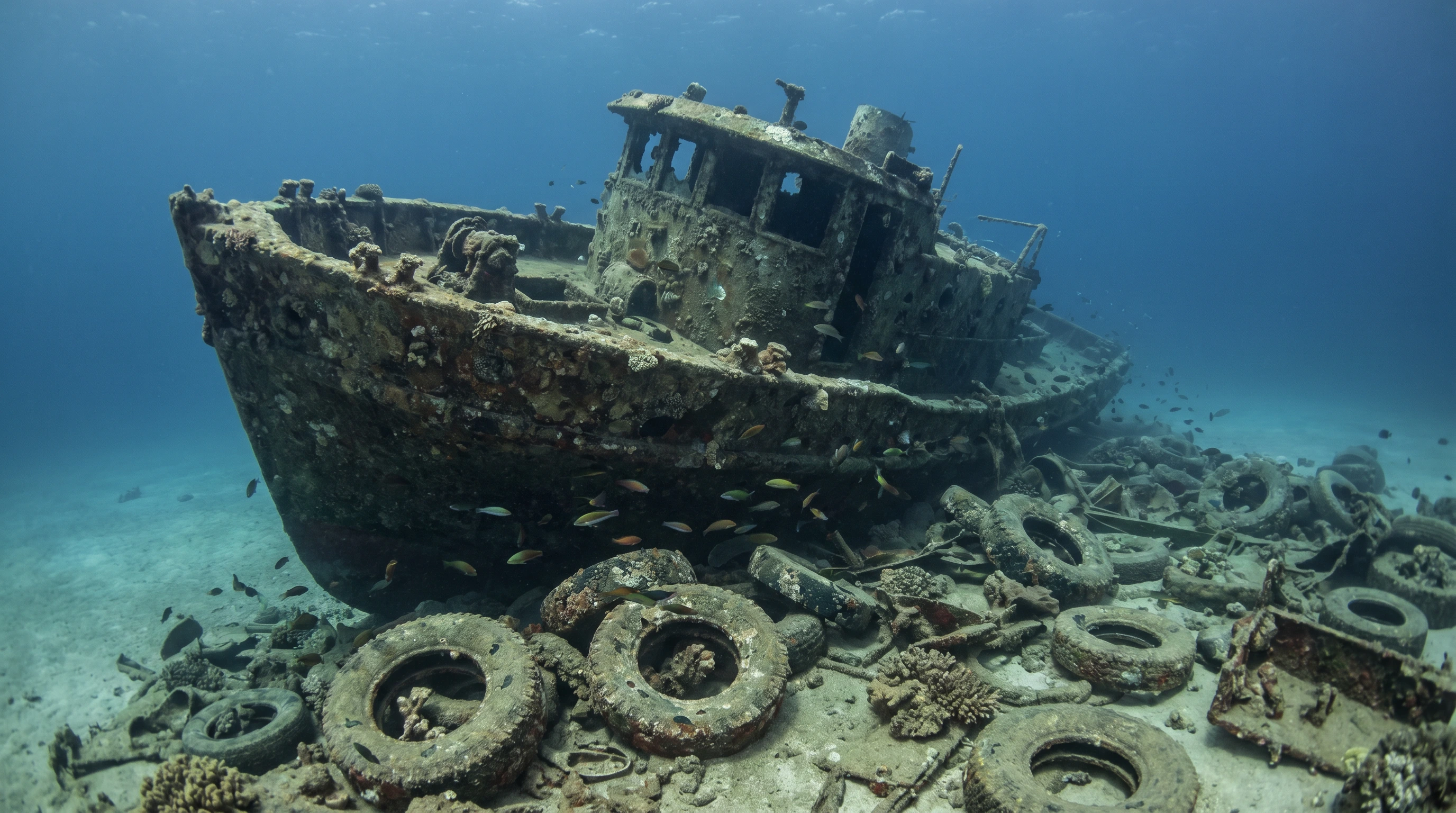
Shore and boat diving across reef, wall and cavern terrain, with Green Sea Turtle, moray eels and Hawaiian Monk Seal among the highlights.
Water temperature around Hawaii ranges from about 24°C in March to 27°C in September, based on satellite sea-temperature data for its dive sites.
In the warm season (about 27°C) a rash guard or 3mm shorty is comfortable in Hawaii; in the coldest months (about 24°C) step up to a 3mm full suit.
Fin maps 243 sites in Hawaii (221 scuba diving sites and 72 snorkelling spots, with some suited to both), organised into 4 areas.
Across Hawaii's dive sites, May, June, July, August and September are most often reported as the best months to visit.
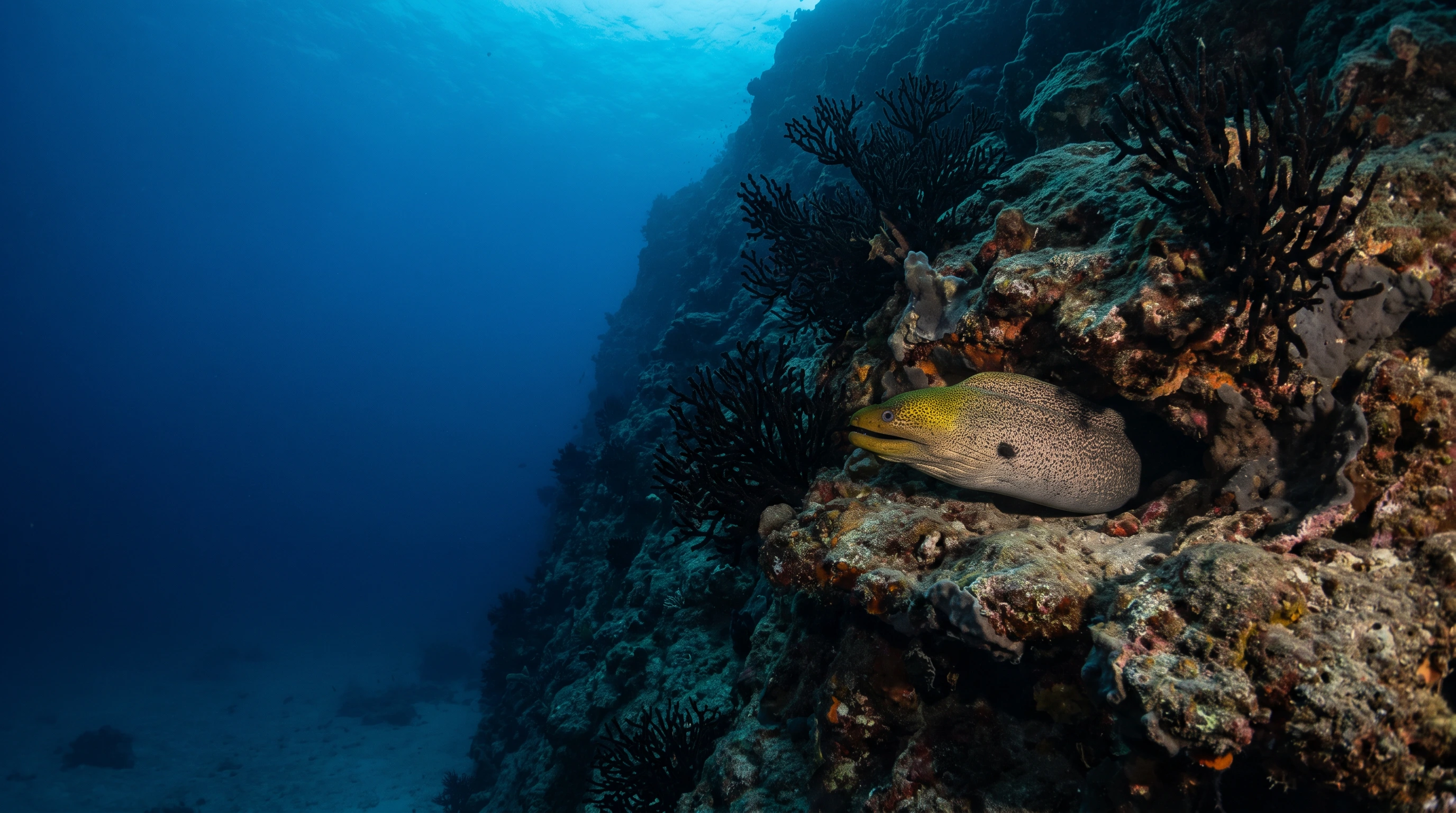
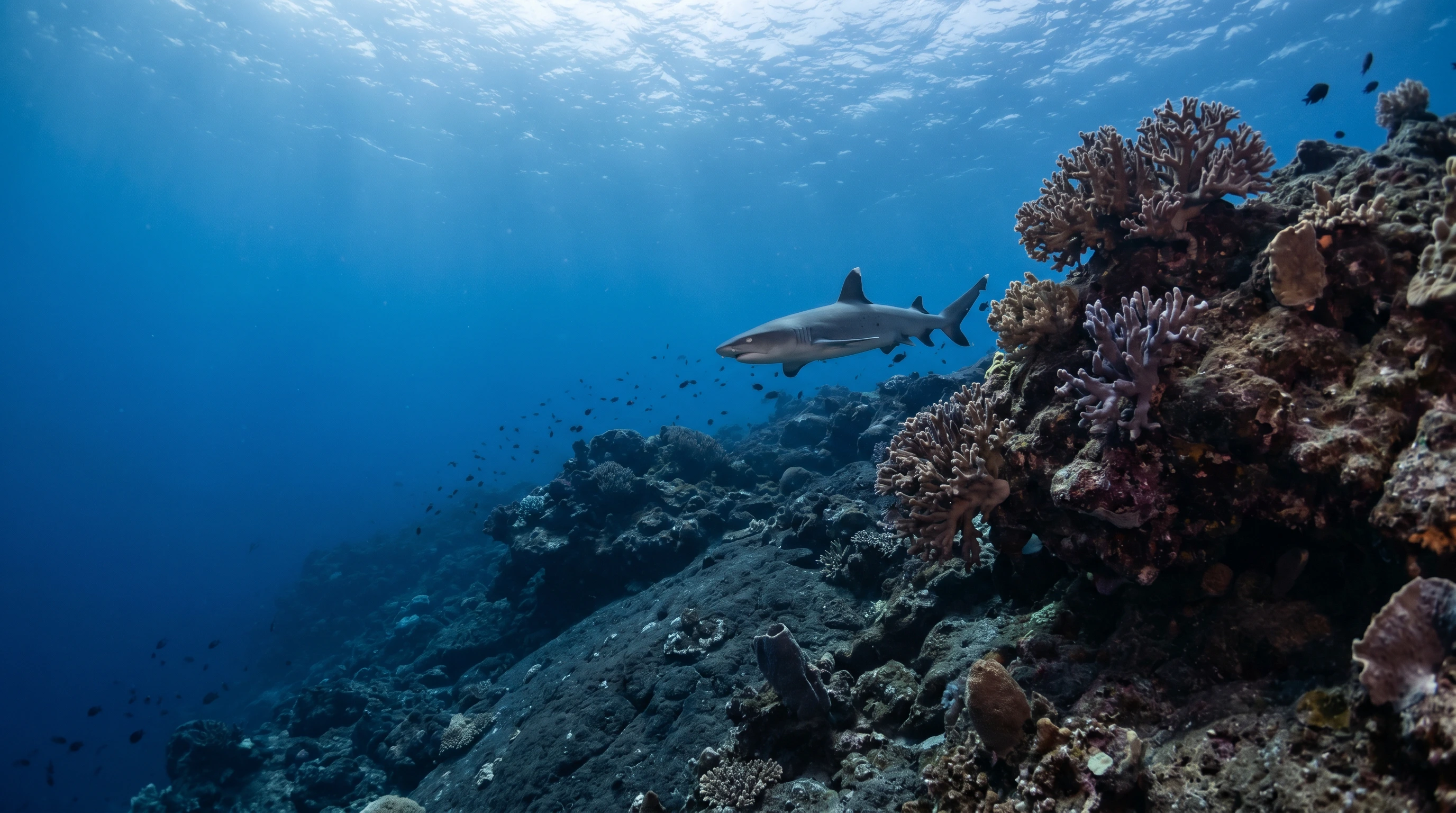
Green Sea Turtle and Turkey Moray are among the most frequently observed species across the region. Wrasses and Hawaiian Convict Surgeonfish are present at the vast majority of sites, while Day Octopus, Snowflake Moray, and Spotted Boxfish are reliable finds on most reef dives. Whitetip Reef Shark appears occasionally, and Manta Ray encounters are a defining feature of the Kona sites.
The region caters to a wide range of skill levels. Beginner-rated sites include Manta Heaven, Manta Ray Madness, Keauhou Bay, and Horseshoe Reef, all of which offer gentle conditions and modest depths. Intermediate divers have plenty of reef, drop-off, and wreck options such as Two Step and St. Anthony's Wreck. Molokini Back Wall is reserved for advanced divers comfortable with deep wall and drift diving.
Kona has the largest concentration of sites and is the focus for manta ray dives, lava cavern topography, and artificial reefs. Maui offers the widest variety of site types, from shallow shore reefs at Ahihi Kinau and Napili Bay to the deep wall at Molokini Back Wall. Oahu and Kauai have smaller site rosters but still offer meaningful reef and mixed diving for those exploring those islands.
Both access types are well represented across Hawaii. Shore-entry sites include Two Step, Captain Cook Monument, Keauhou Bay, Ahihi Kinau, Napili Bay, and Mala Wharf, giving independent divers and snorkellers flexible options. Boat access is required for sites further offshore, including Molokini Back Wall, Manta Heaven, and Manta Ray Madness. Several operators across Kona, Maui, Oahu, and Kauai run scheduled trips to boat-only sites.