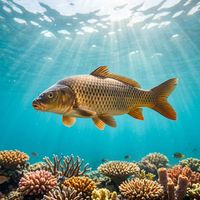
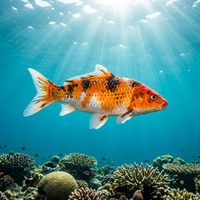
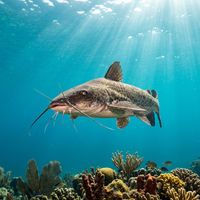
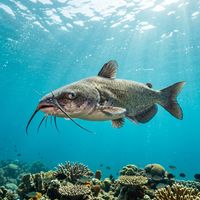
The Mountain West offers a landlocked diving and snorkelling scene built around high-altitude reservoirs, glacier-carved lakes, river systems and a handful of truly unusual geological sites. Artificial reefs anchor the experience across areas like Sand Hollow, Denver Metro Reservoirs and Grand Teton National Park, with submerged aircraft, purpose-built structures and natural reef topography sharing the same waters. Freshwater fish dominate encounters: Common Carp, Channel Catfish, Freshwater Shrimp and Sucker are observed across the broad majority of sites, while Trout, Pike and Kokanee appear at select locations. Sub-areas range from the calm, beginner-friendly ponds of the Denver Metro to the drift currents of Snake River Below Falls and the geothermal cave at The Homestead Crater.
14 areas
 22
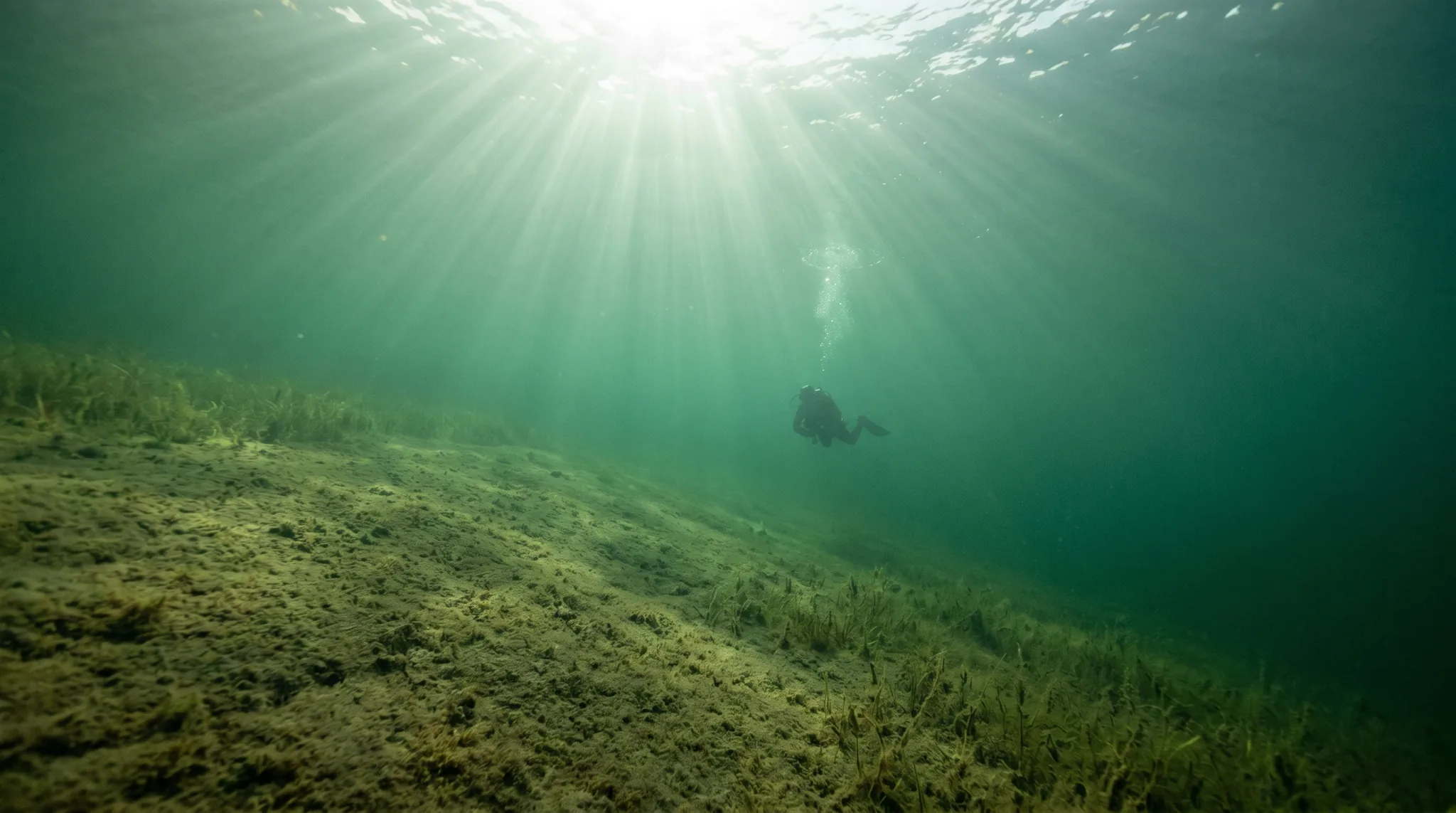
22Freshwater diving in mountain lakes and rivers, with drift sites, artificial reefs, and sightings of Trout and Carp.
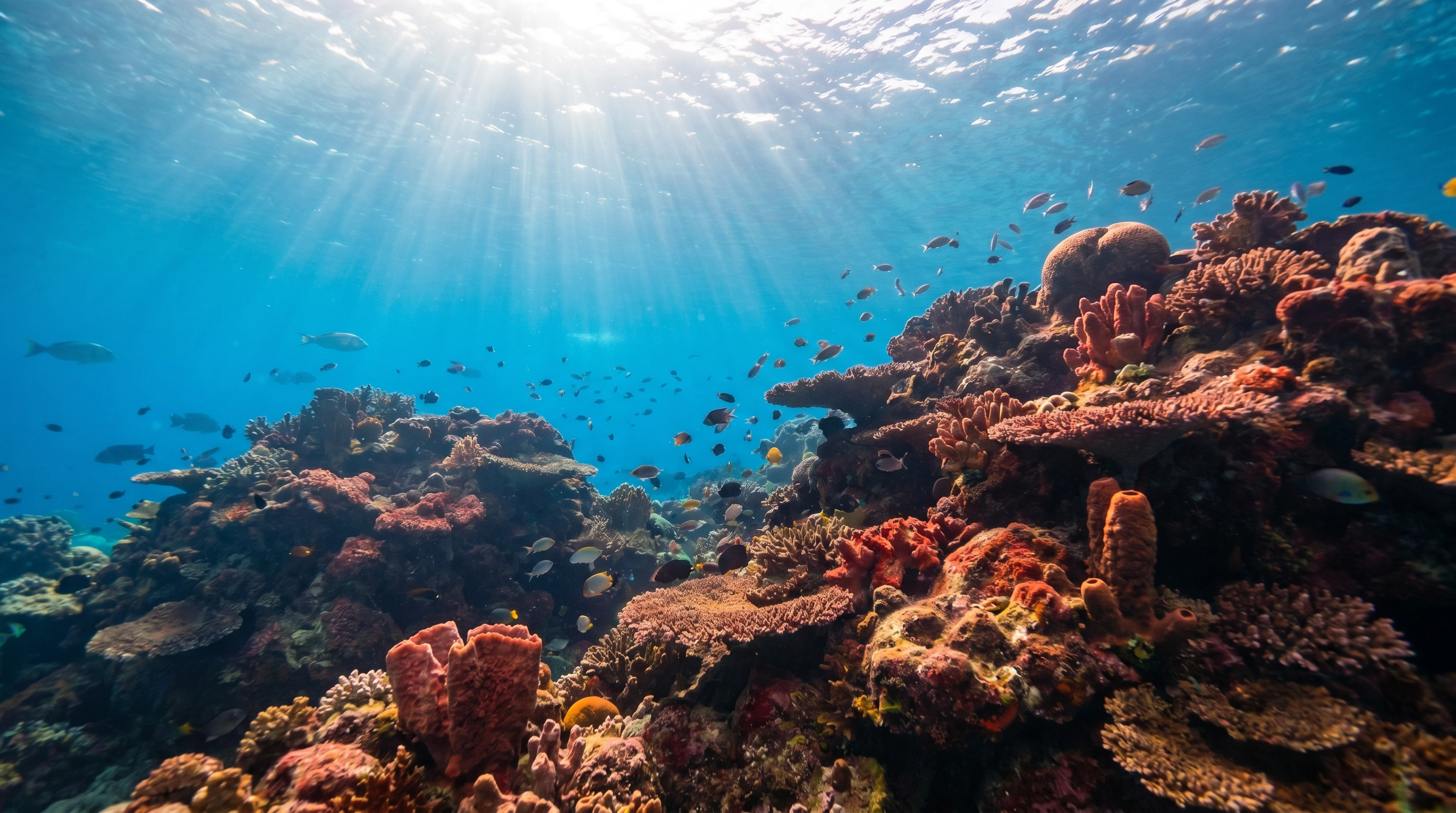
20A freshwater reservoir pairing an artificial reef with a geothermal cave, all accessible from shore and rich with freshwater fish life.
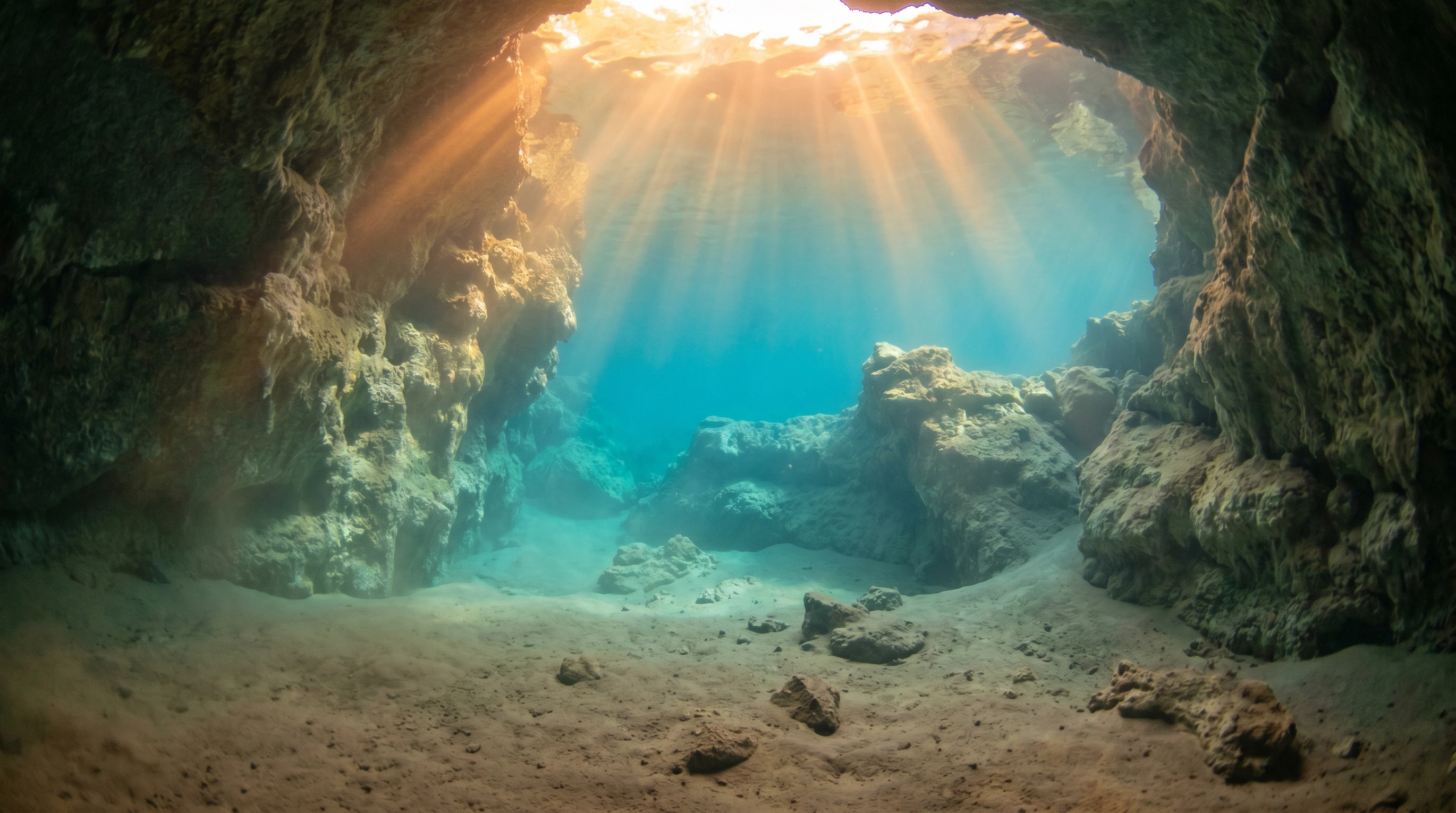
19A freshwater lake with reef, wreck, and artificial structures, plus confirmed sightings of trout, bass, and Kokanee.
82 operators
Freshwater diving and snorkelling with reliable Perch, Carp, and trout encounters across a wide spread of sites in the Mountain West.
Fin maps 189 sites in Mountain West (112 scuba diving sites and 111 snorkelling spots, with some suited to both), organised into 14 areas.
Across Mountain West's dive sites, June, July, August and September are most often reported as the best months to visit.
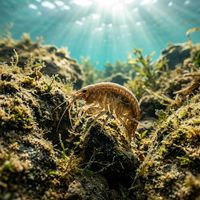
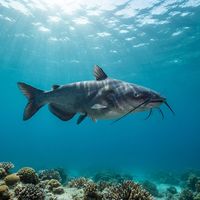
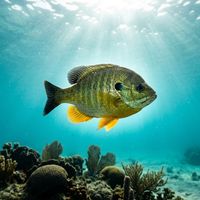
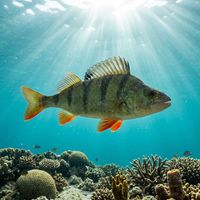
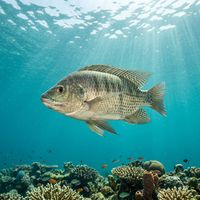
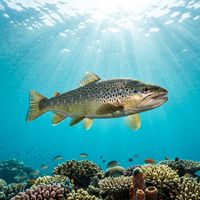
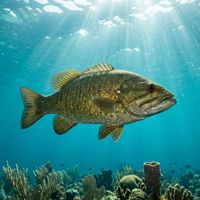
Common Carp, Channel Catfish, Freshwater Shrimp and Sucker are observed across the vast majority of sites and are your most reliable encounters. Blue Gill, Perch and Pike appear occasionally across the region, while Rainbow Trout, Brown Trout, Kokanee and Walleye have been recorded at select sites. The species mix varies by sub-area, with trout species more common in colder, clearer lake environments.
A good portion of the region's sites are rated beginner level, including well-known training spots like Sand Hollow Reservoir, Aurora Reservoir and Downtown Aquarium in the Denver Metro Reservoirs. These tend to be calm, shore-entry sites with shallow artificial reef structures that make ideal environments for building confidence. Intermediate and advanced sites are also well represented, so there is progression available within the same region.
Grand Teton National Park offers a mix of calm beginner lakes and deeper sites alongside artificial reef structures, while Denver Metro Reservoirs lean toward accessible, purpose-built training environments. Lake Coeur d'Alene includes sites like Landers Reef, which combines natural reef, wreck and artificial reef in a single dive. The Homestead Crater near Deer Creek Reservoir is a geothermal cave site that stands apart from anything else in the region.
The majority of sites are shore-entry, making the region very accessible without a boat. However, a handful of sites, including The Spires in Grand Teton National Park and Landers Reef in Lake Coeur d'Alene, require boat access. Operators such as Neptune Divers, Scuba Bozeman and Scuba Utah are among the local dive businesses that can assist with planning and access to boat-dependent sites.