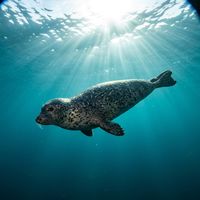
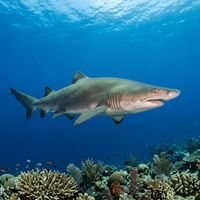
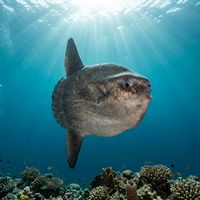
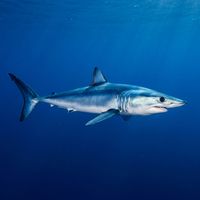
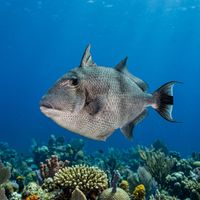
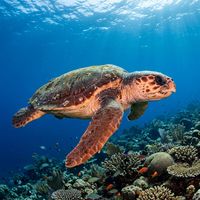
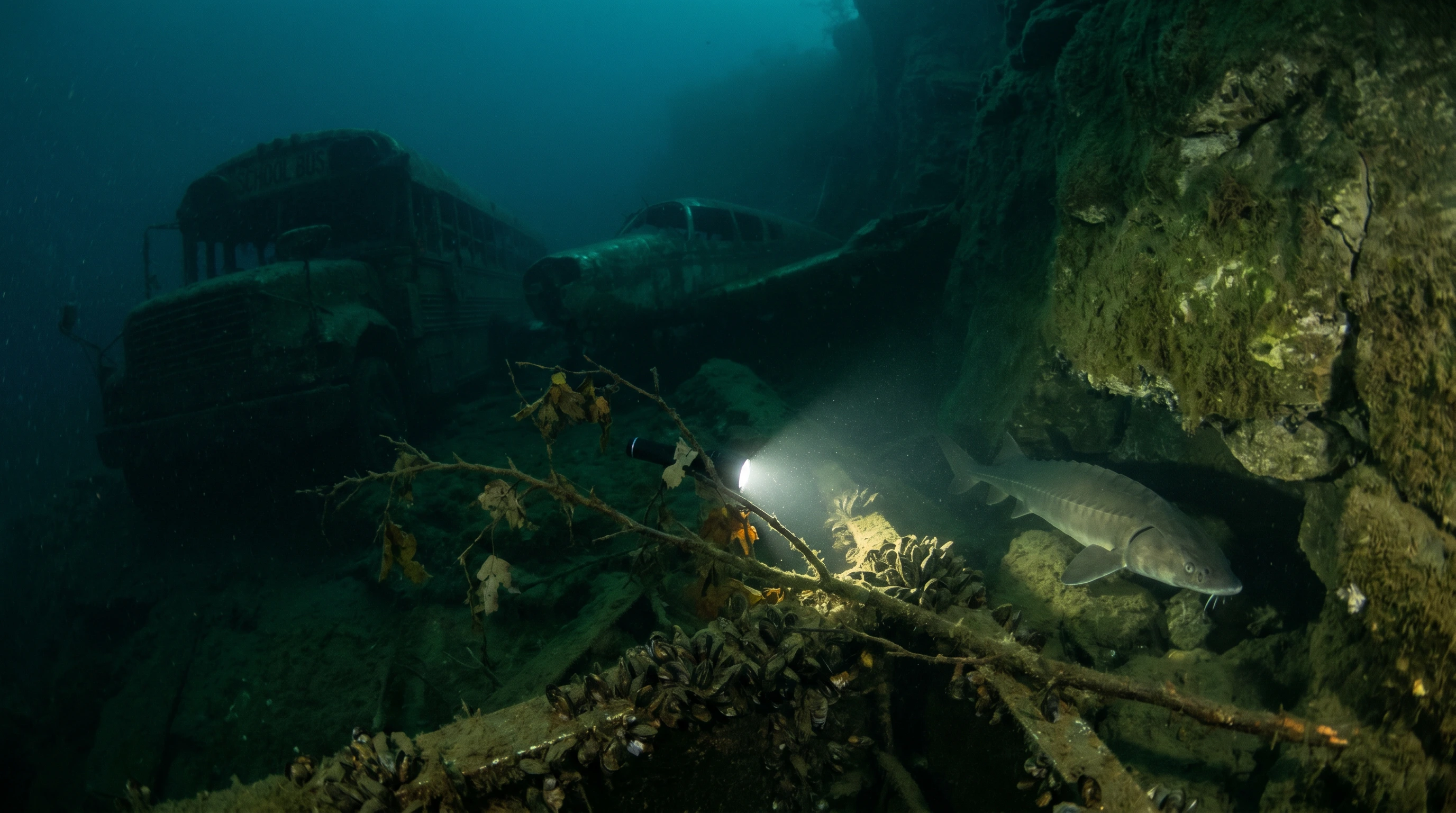
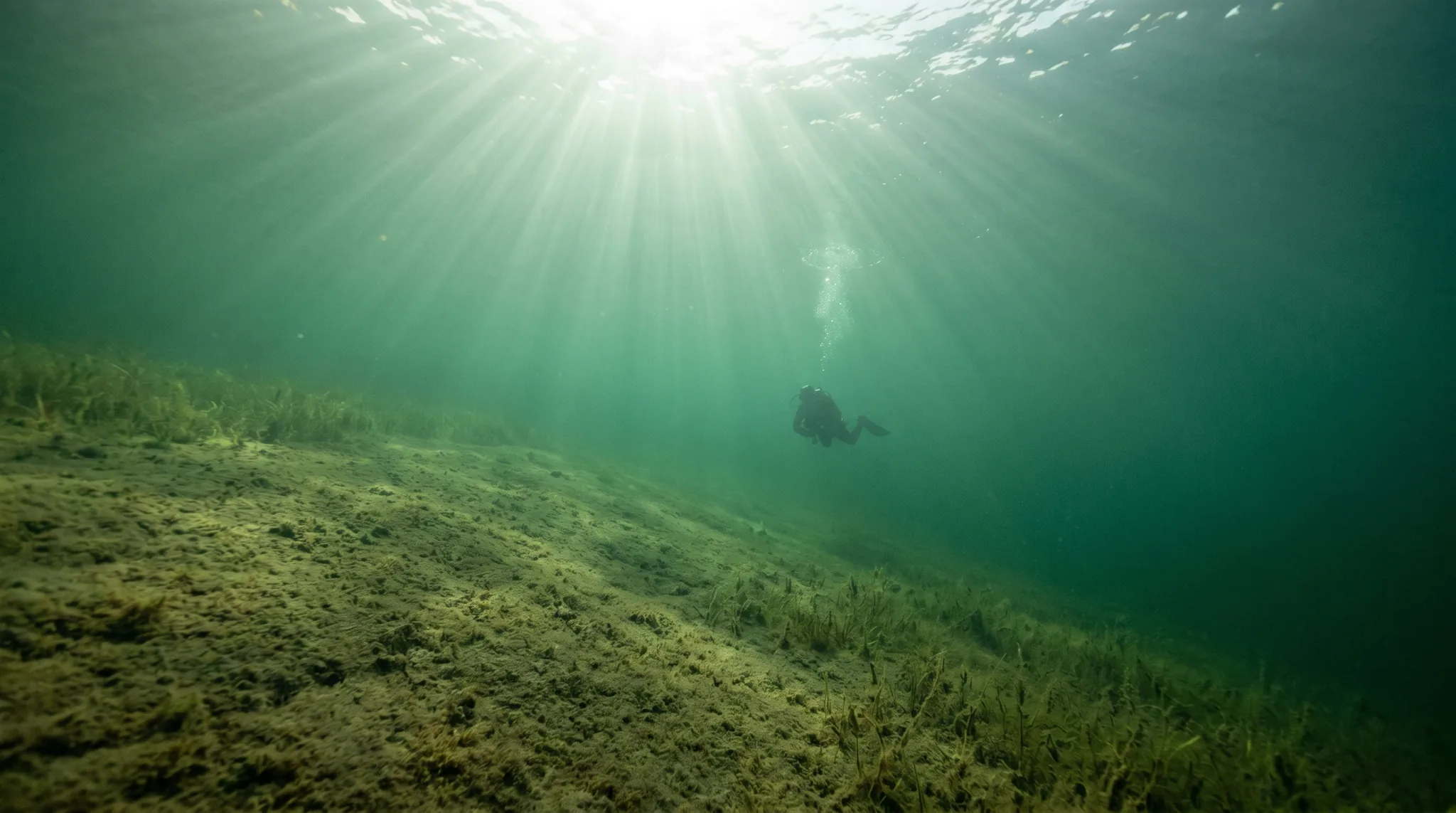
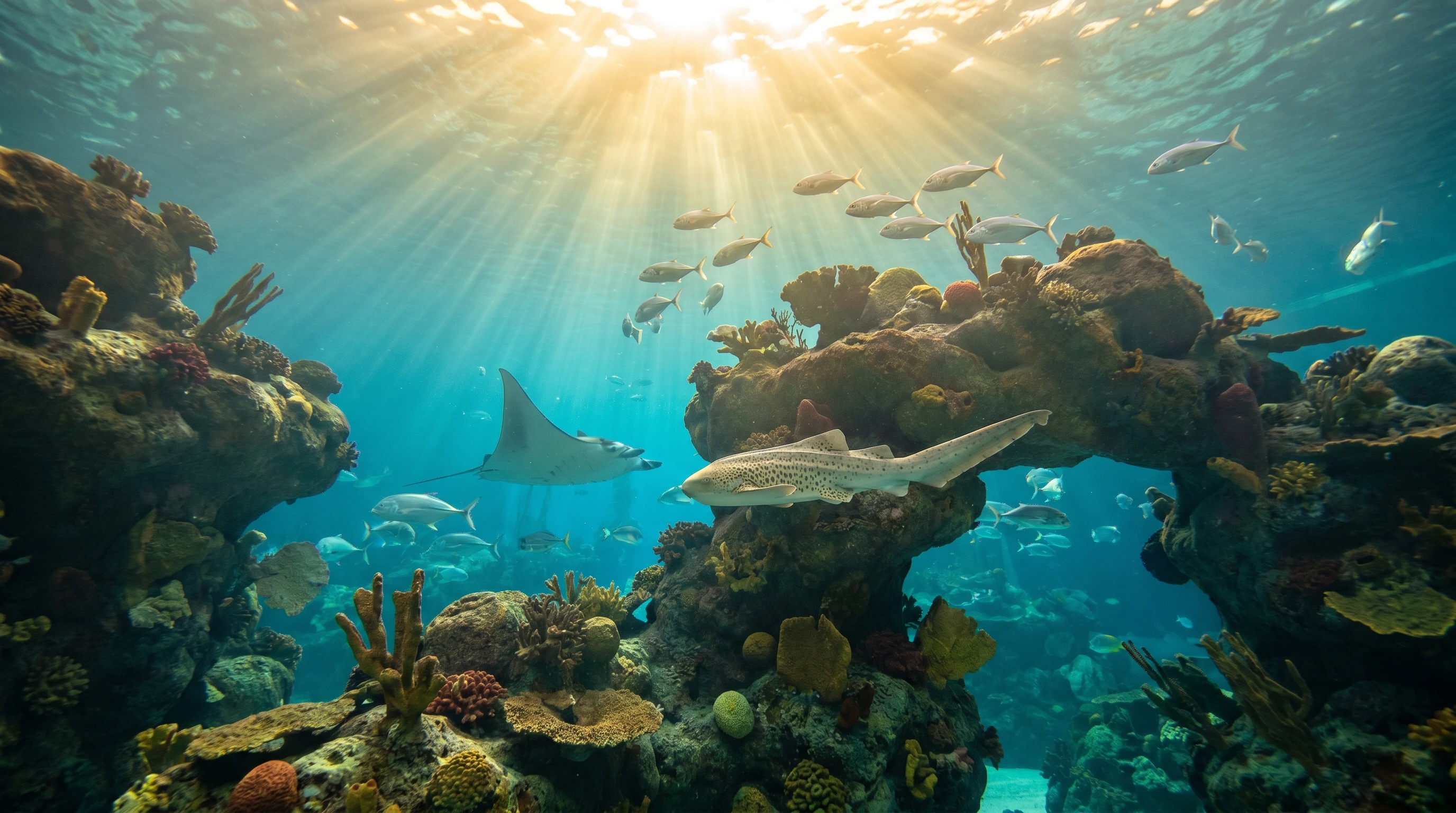
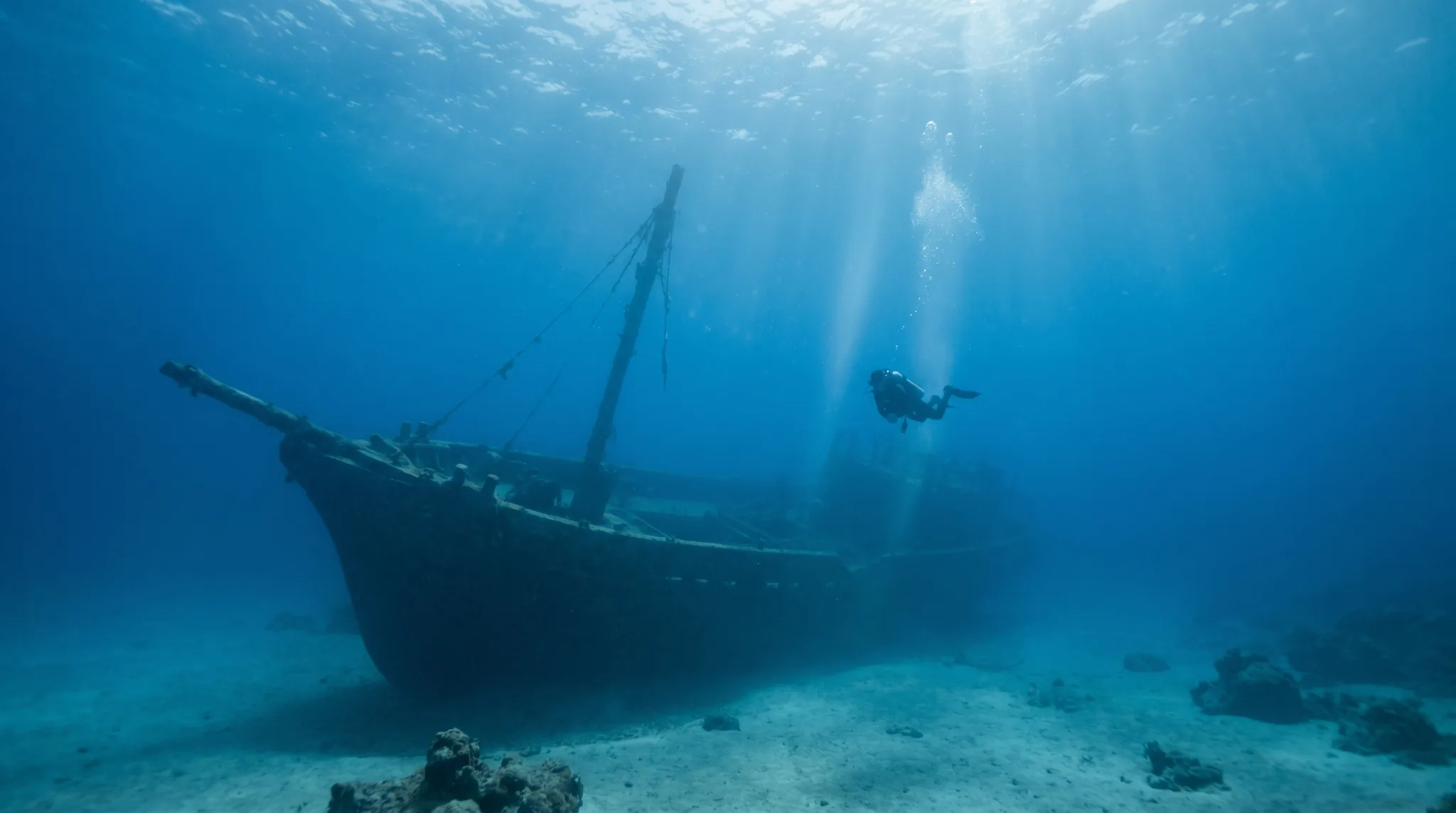
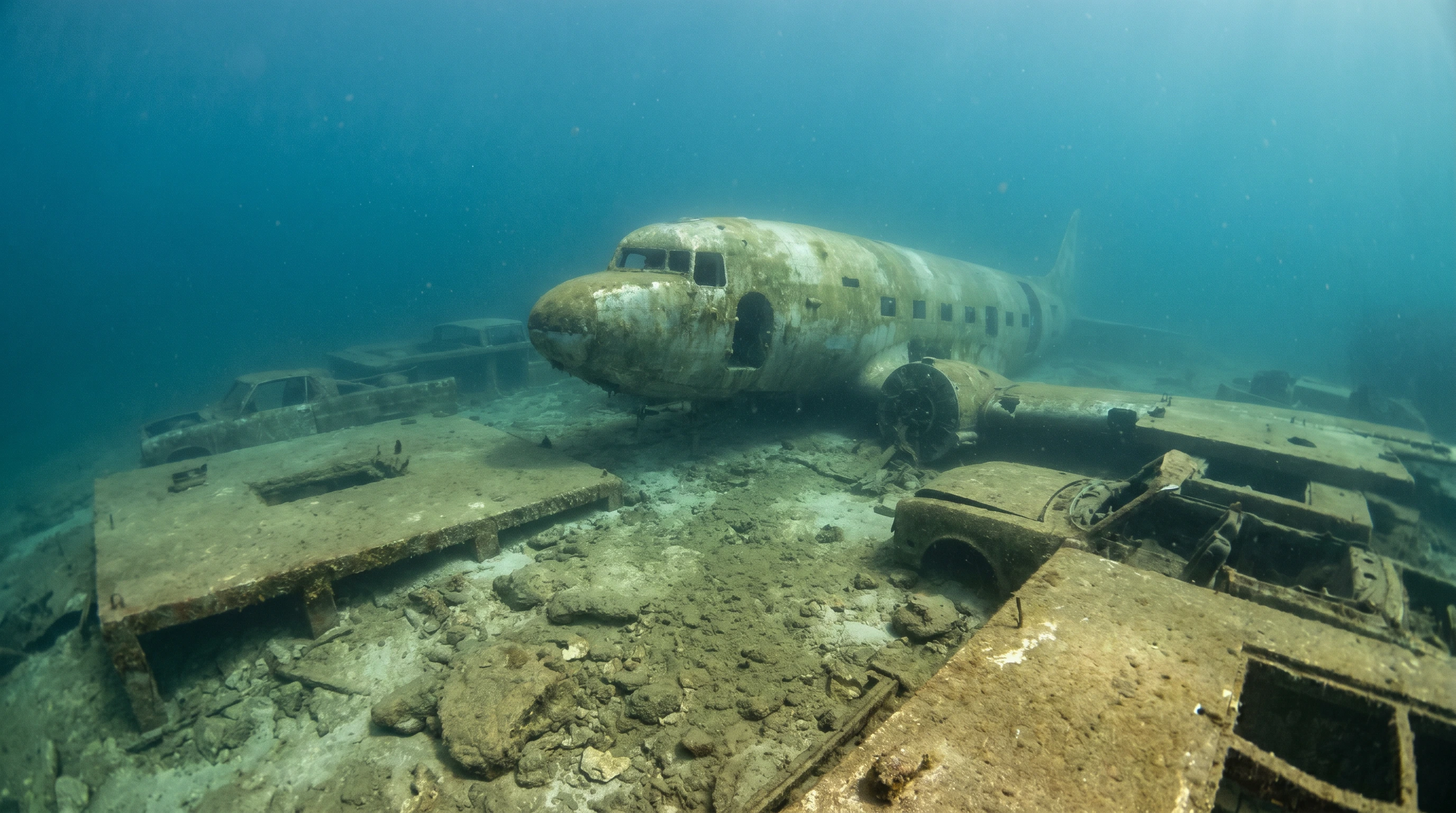
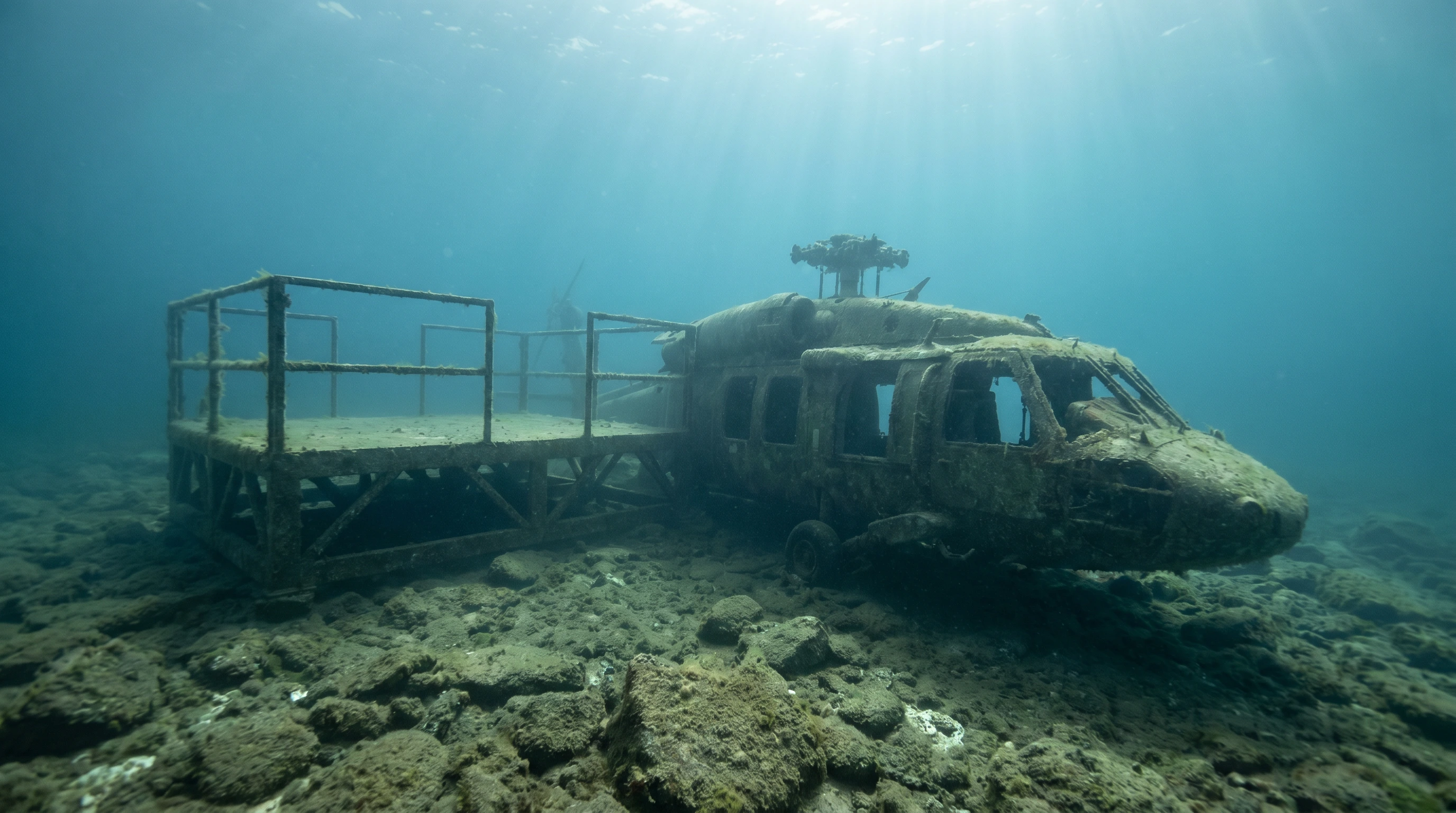
The Northeast offers a striking range of underwater environments, from the deep pinnacles and wrecks of Cape Ann to the freshwater sites of Lake Champlain and the Finger Lakes, and the sheltered waters of Chesapeake Bay and Long Island Sound. Cold, temperate conditions shape the experience year-round, with water warming through summer and dropping sharply through winter. That cold drives remarkable wildlife: Harbor Seal and Gray Seal are regularly observed, Temperate Bass and Righteye Flounder are common across sites, and encounters with Grey Nurse Shark and Ocean Sunfish are well documented. Site types range from kelp forest and reef to wreck and quarry, suiting everything from beginners to technical divers.
11 areas
 59
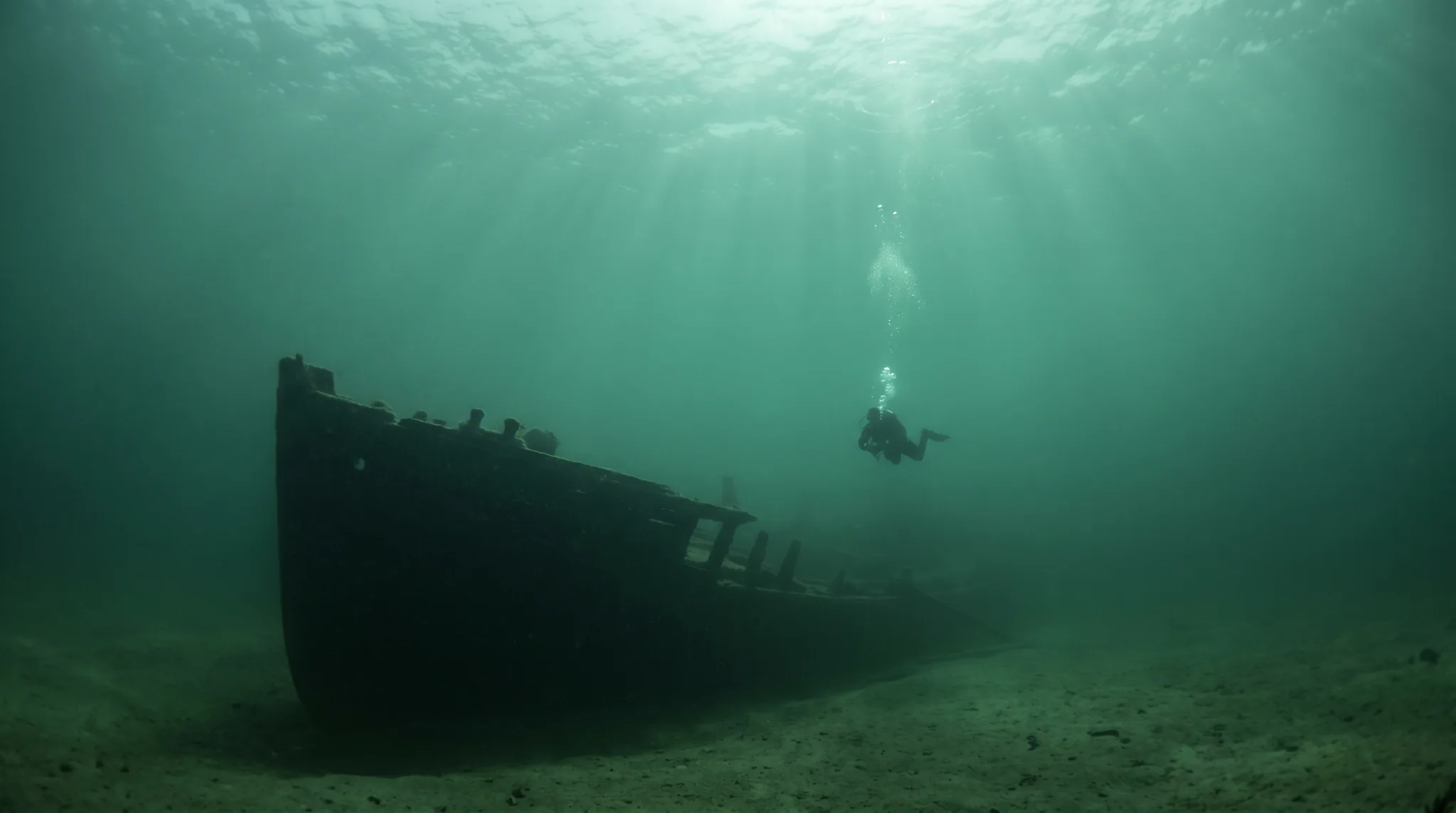
59Cold-water reefs, deep wrecks and offshore ledges, with seals as frequent dive companions along the Cape Ann coastline.
 51
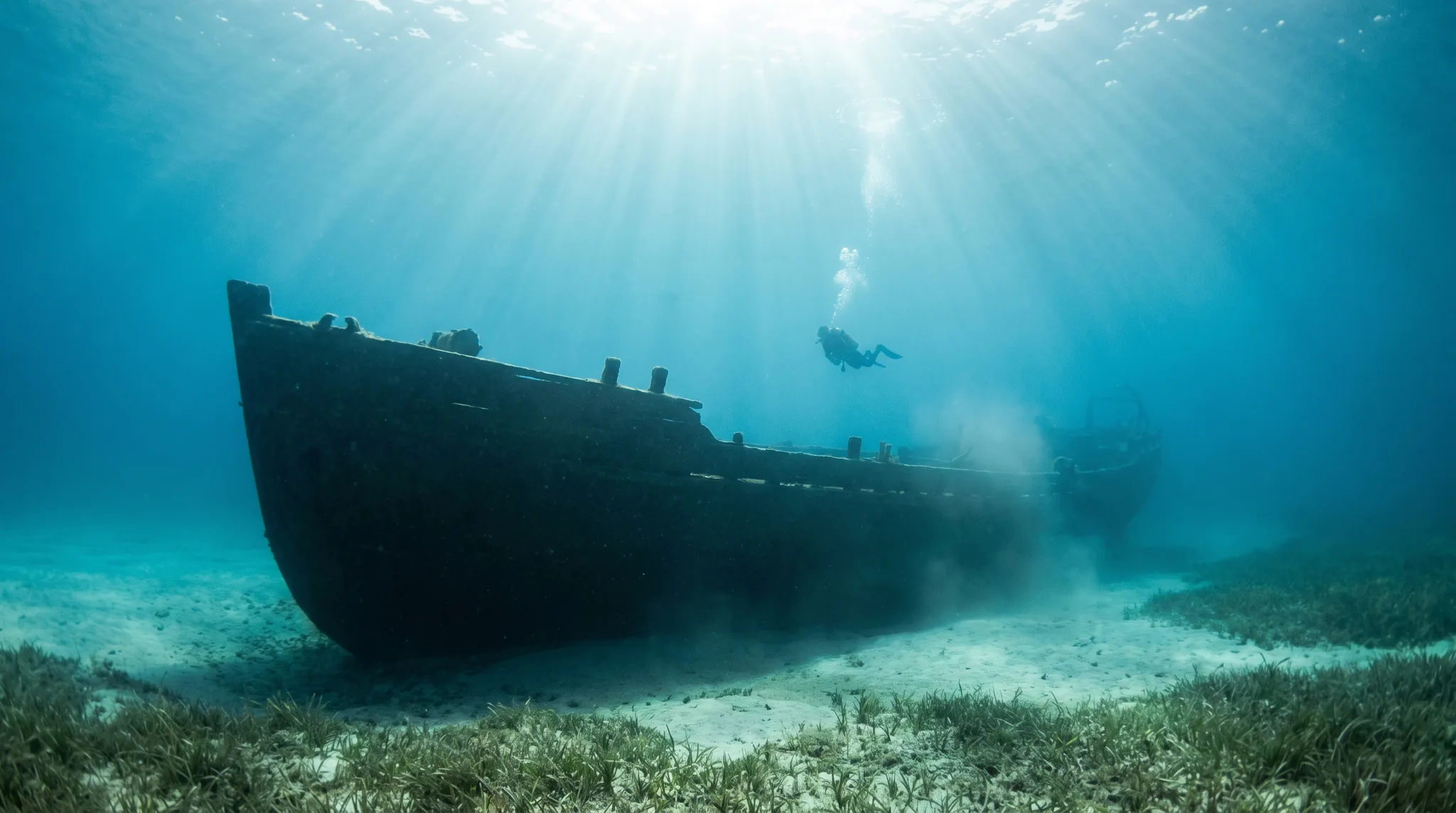
51A wreck-rich temperate diving destination with a wide skill range, from shallow artificial reefs to deep intact submarine wrecks.
 42
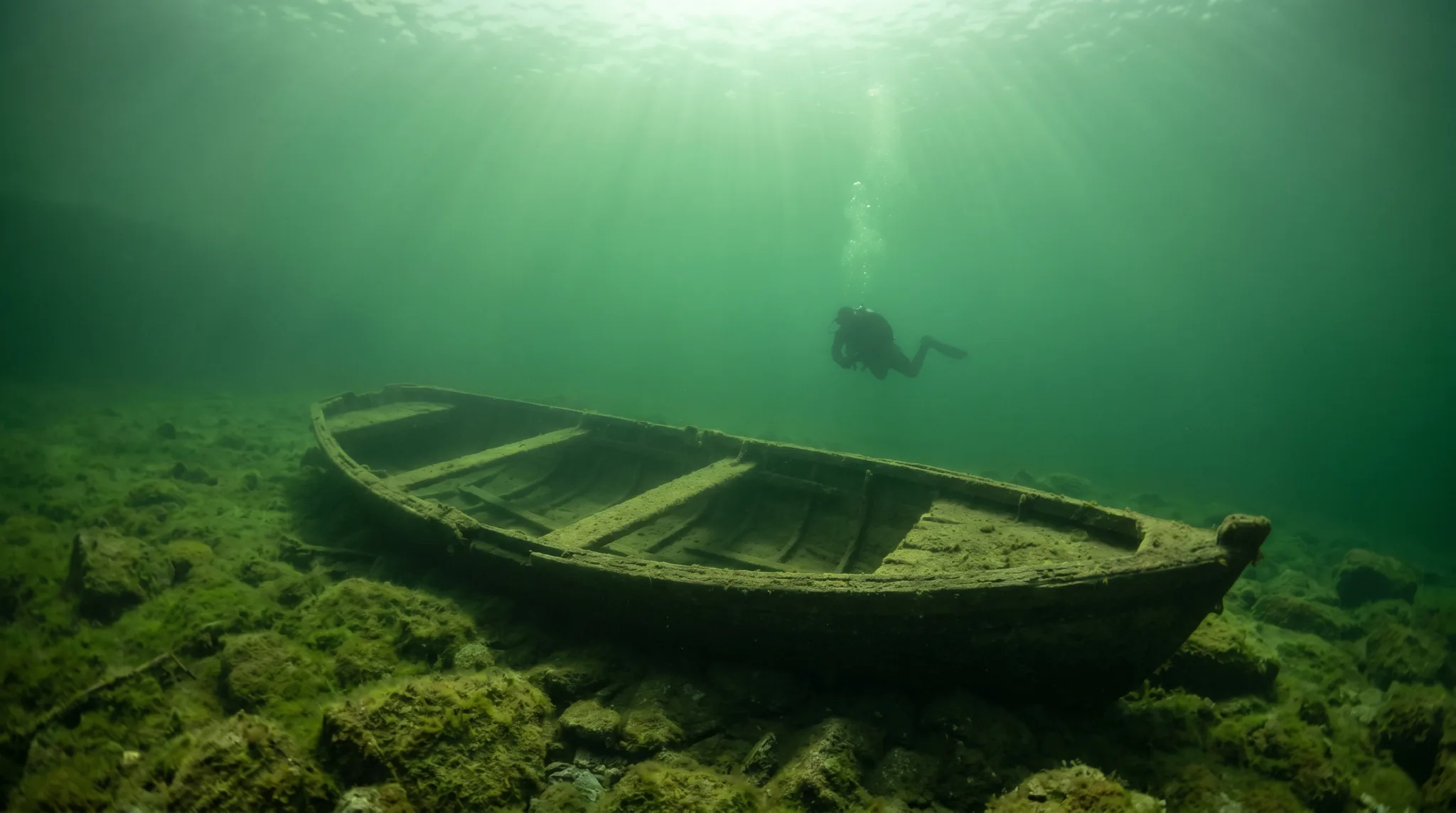
42Freshwater wreck diving on historic vessels, dramatic walls, and resident freshwater fish across a substantial site network.
39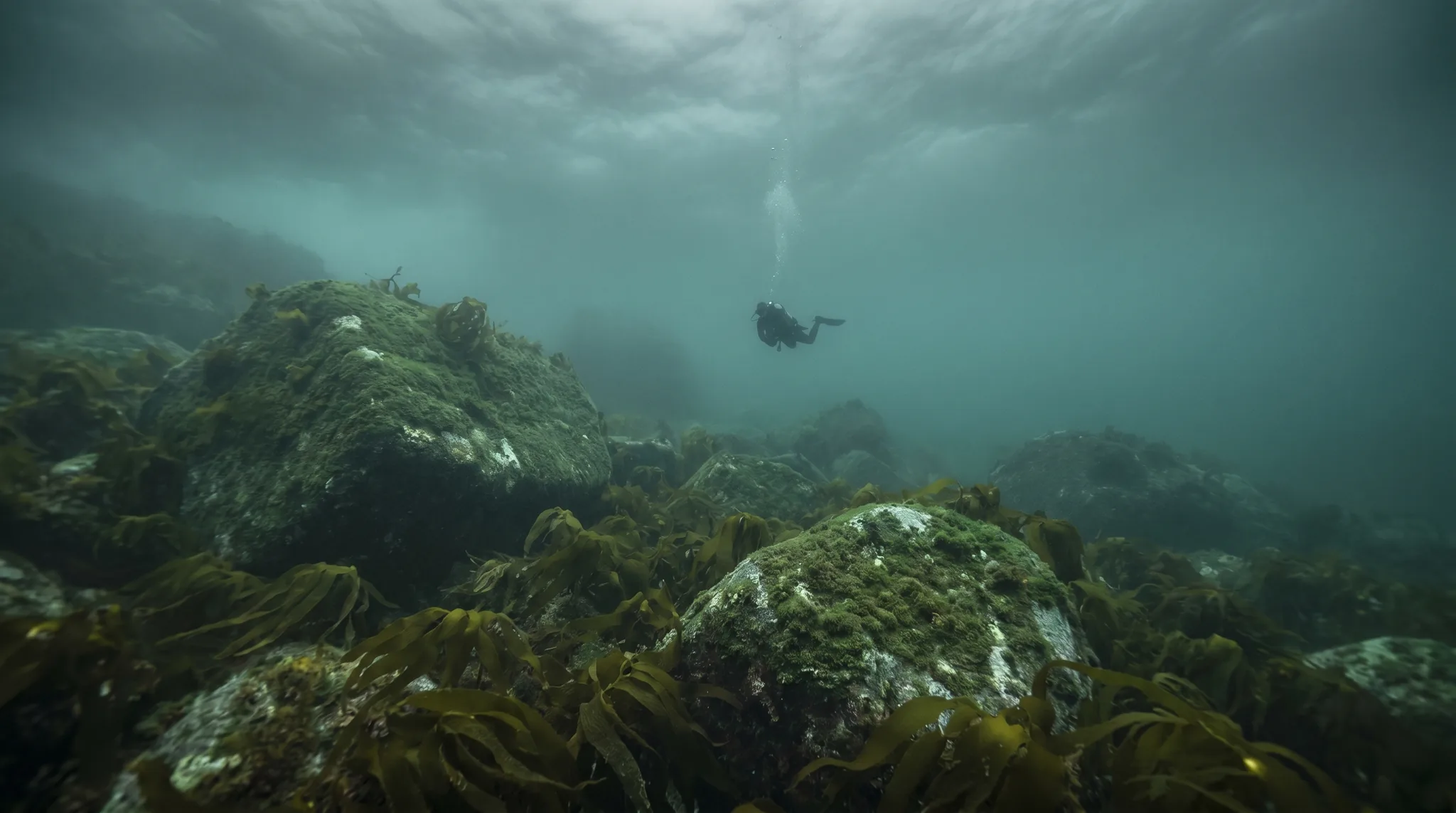
Monthly water temperature across Northeast's sites, from satellite sea-surface data corrected for depth. The band shows the site-to-site spread.
Water temperatures rise from their lowest point in late winter to a warm-season peak in midsummer, making the months from late spring through early autumn the most comfortable window for extended dives. The best-months data confirms June through September as the peak period, though spring shoulder months see strong uptake as conditions improve. Many offshore sites are exposed to significant currents, and visibility varies considerably between the sheltered inland lakes and the open coastal reefs.
192 operators
A wreck and artificial-reef destination with a wide depth range, from shallow beginner reefs to deep penetrable hulls, all accessed by boat.
Water temperature around Northeast ranges from about 5°C in February to 18°C in July, based on satellite sea-temperature data for its dive sites.
In the warm season (about 18°C) a 5mm suit is comfortable in Northeast; in the coldest months (about 5°C) step up to a drysuit.
Fin maps 319 sites in Northeast (266 scuba diving sites and 84 snorkelling spots, with some suited to both), organised into 11 areas.
Across Northeast's dive sites, June, July, August and September are most often reported as the best months to visit.
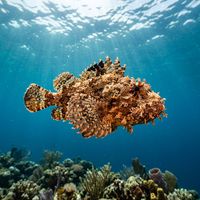
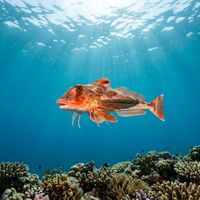
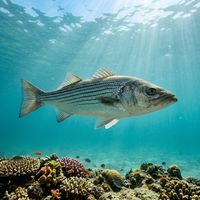
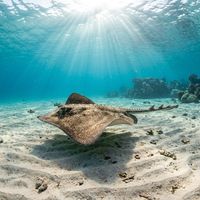
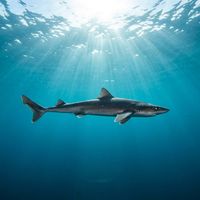
The region has a diverse temperate fauna built around species that thrive in cold, nutrient-rich water. Harbor Seal and Gray Seal are commonly observed across sites, while Temperate Bass, Righteye Flounder, Common Sea Star, and Cod are regularly encountered on reefs. Occasional sightings include Sea Raven, Gurnard, Skate, Torpedo Ray, Lumpfish, and Dogfish, and the region has documented observations of Grey Nurse Shark, Blue Shark, Mako Shark, and Ocean Sunfish.
The site mix covers all skill levels, though advanced divers have the widest selection. Beginner-rated shore entries like Old Garden Beach in Cape Ann offer gentle reef and kelp forest diving in manageable depths. Intermediate options such as Lanes Cove and Folly Cove provide more variety, while the deep offshore pinnacles, walls, and wrecks around Cape Ann and Stellwagen Bank are rated advanced and require solid buoyancy and current-handling skills.
Cape Ann concentrates the highest number of sites and ranges from accessible shore dives to deep offshore wrecks and pinnacles. Long Island Sound and Chesapeake Bay offer sheltered coastal diving, while Lake Champlain and the Finger Lakes provide freshwater diving with a very different character. Inland quarry areas such as Maryland-Virginia Quarries, Dutch Springs, and Lake Phoenix are popular for training and structured freshwater exploration. The Maine Coast and St. Lawrence River round out the mix with colder, more remote coastal conditions.
Both options are well represented across the region. Cape Ann alone has several quality shore entries, including Old Garden Beach, Lanes Cove, Folly Cove, Halibut Point, and Cathedral Rocks. Many of the deeper offshore sites, including the Josephine Marie Wreck, Chester Poling Wreck, and the deep reef systems, require boat access. Operators such as Coral Edge Adventures, Stingray Divers, and Eastern Watersports, among others, support boat-based diving across the region.