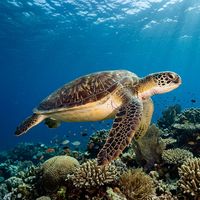
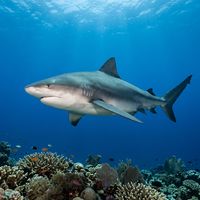
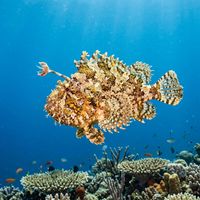
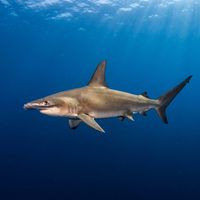
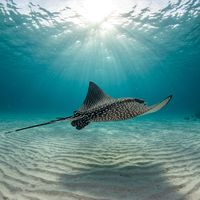
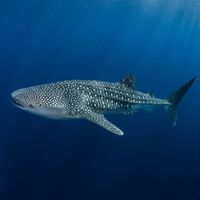
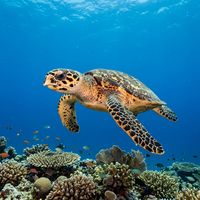
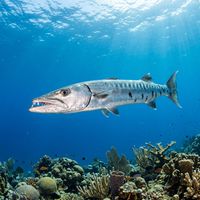
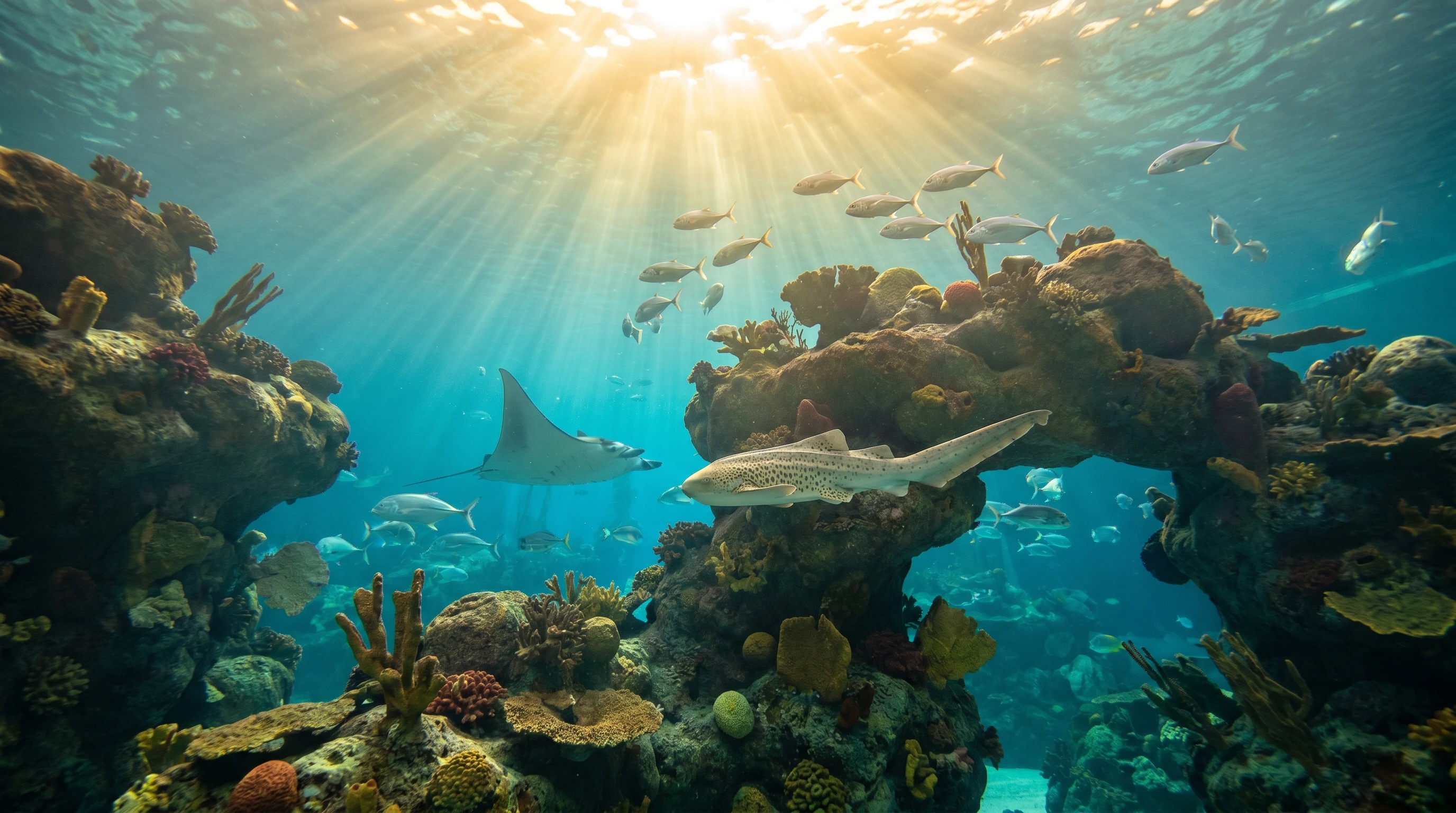
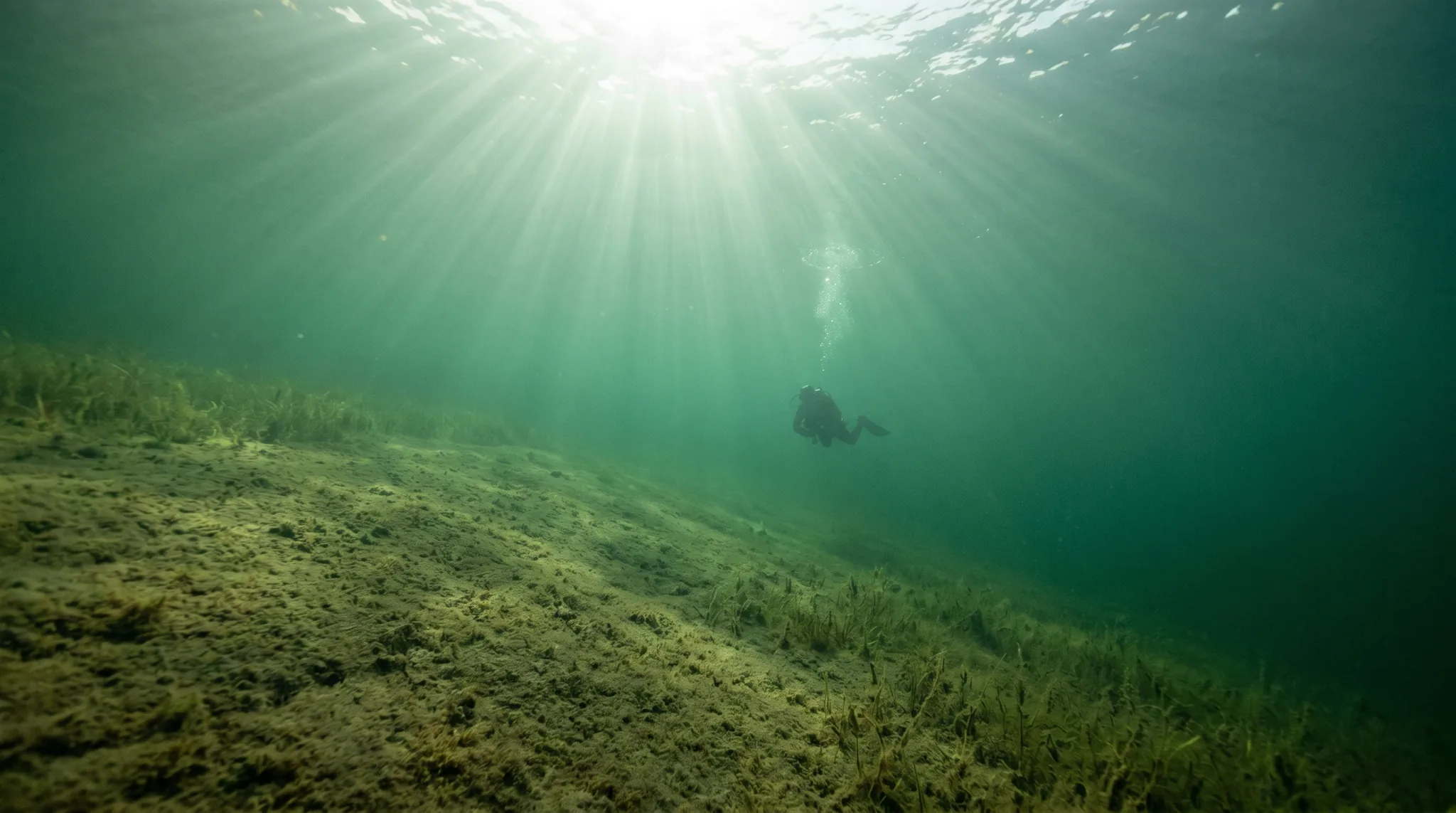
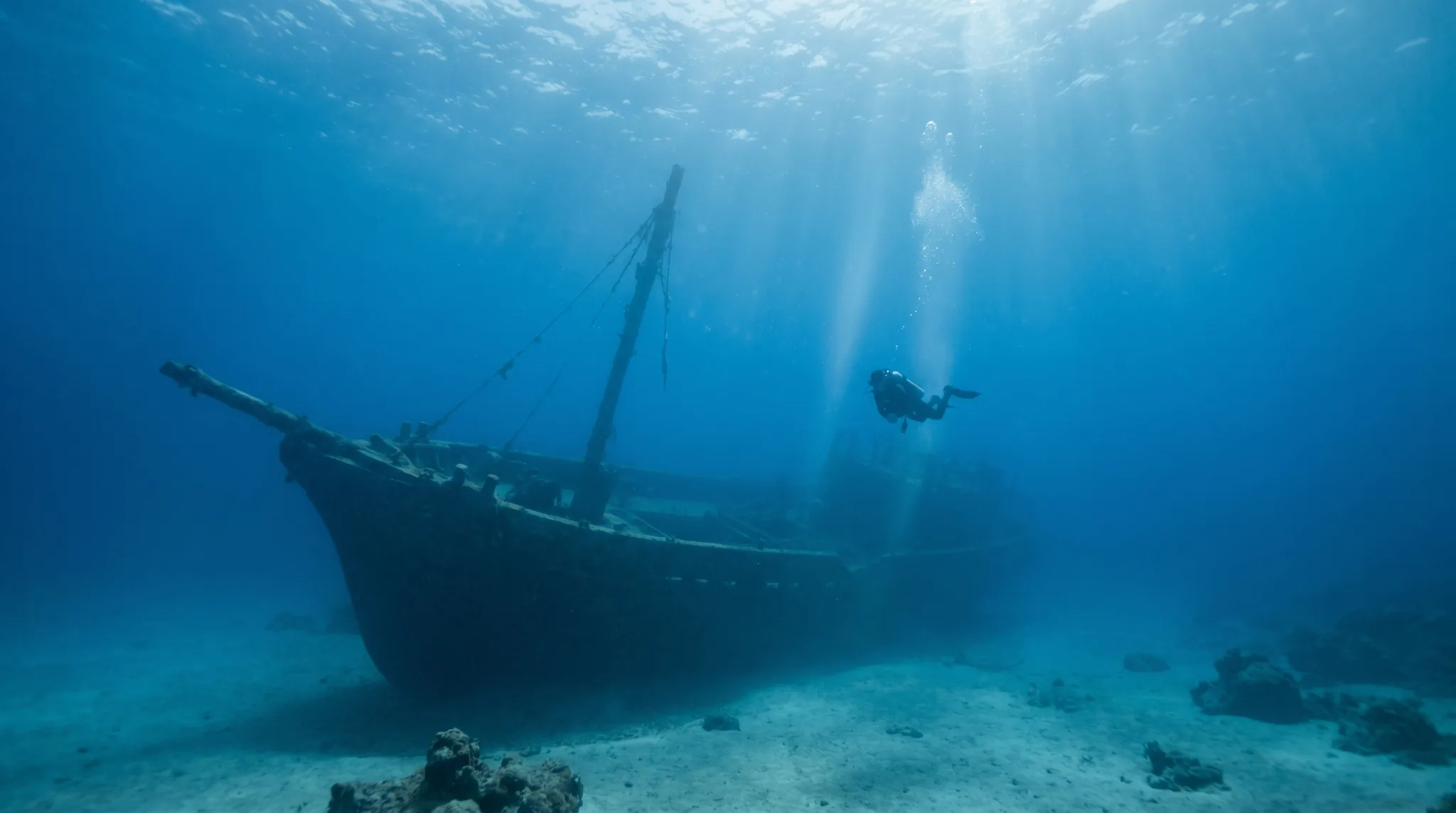
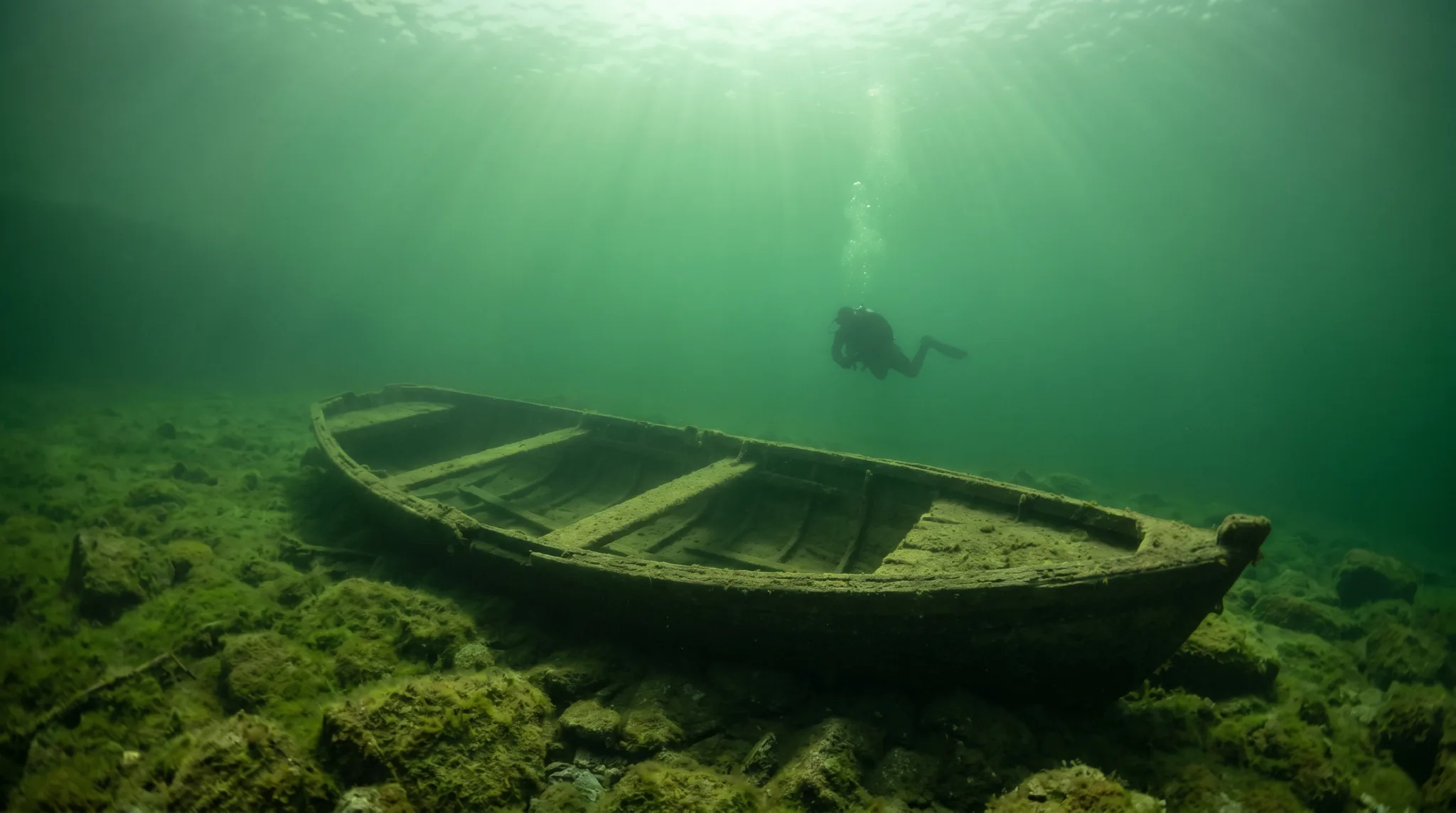
Texas divides into two distinct underwater worlds. Inland Texas accounts for the majority of sites, centred on freshwater quarries, reservoirs and spring-fed pools where beginners can work through artificial reefs, seagrass beds and wrecks in calm, controlled conditions. The Texas Gulf Coast offers something altogether different: offshore reef systems, oil-rig platforms functioning as large-scale artificial reefs, and sites like South Padre Island where natural reefs, wrecks and open-water species converge. Observed marine life spans Bull Shark, Whale Shark, Scalloped Hammerhead, Spotted Eagle Ray, Green Sea Turtle and Honeycomb Cowfish, making the coastal sites particularly rewarding for encounters with larger pelagic species.
2 areas
43 operators

Athens, United States
Fin maps 82 sites in Texas (70 scuba diving sites and 23 snorkelling spots, with some suited to both), organised into 2 areas.
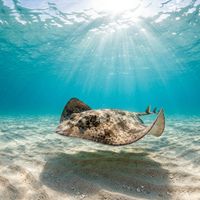
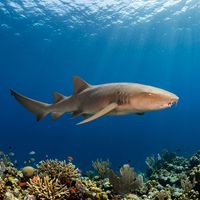
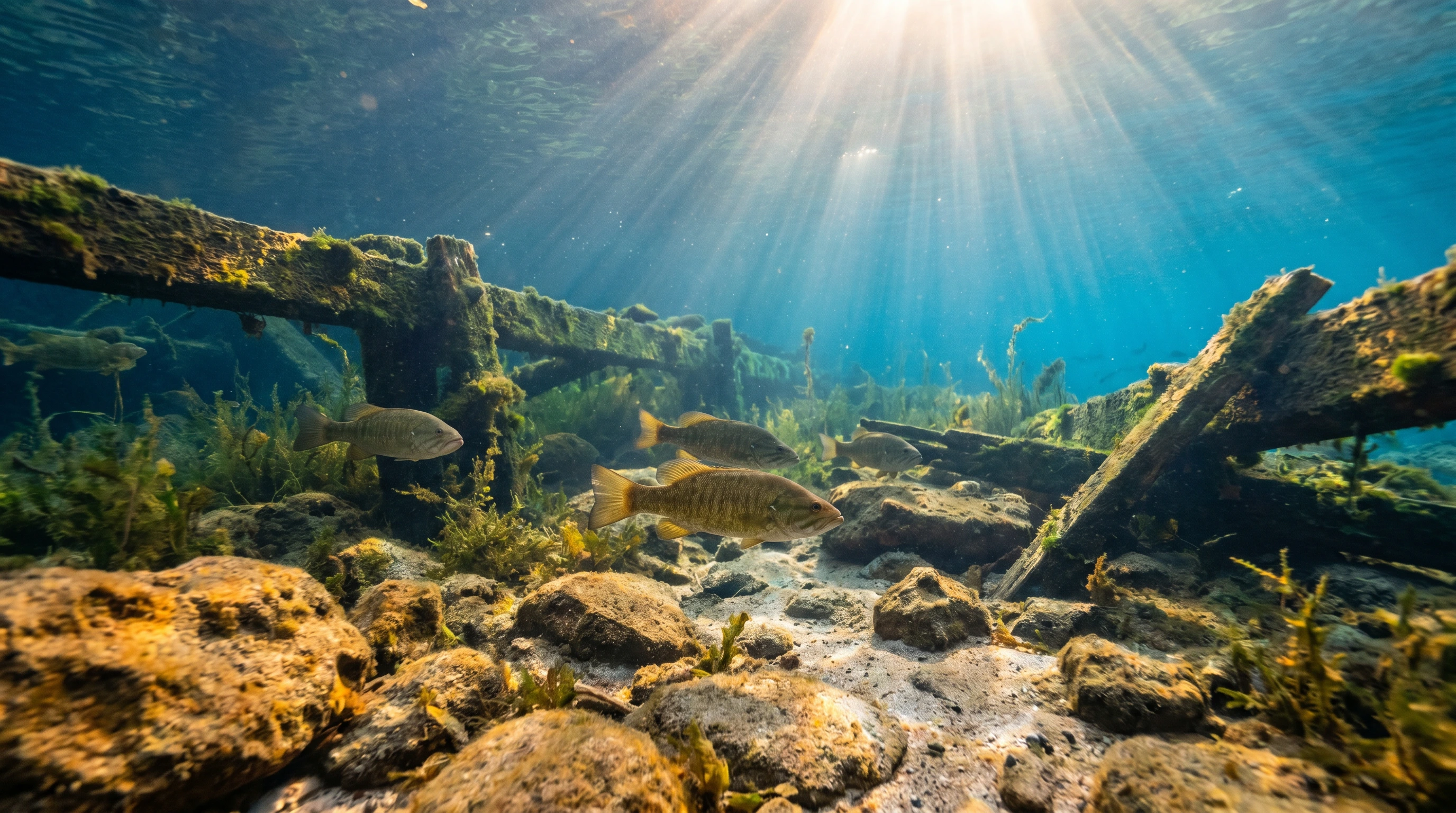
Texas coastal sites have produced observed sightings of Whale Shark, Scalloped Hammerhead, Bull Shark, Bonnethead, Nurse Shark and Grey Reef Shark, alongside Spotted Eagle Ray and Butterfly Ray. Green Sea Turtle and Hawksbill Sea Turtle are also regularly encountered. Inland freshwater sites offer a quieter experience focused on local fish species such as Temperate Bass and catfish.
A large proportion of Texas sites are rated beginner level, particularly across the inland quarries, spring pools and reservoirs such as Balmorhea State Park, Athens Scuba Park and the Houston Area Quarries sites. These offer shallow, shore-entry conditions in calm freshwater, making them well suited to newly certified divers building confidence. Coastal and offshore sites like East Flower Garden Banks step up to intermediate or advanced skill requirements.
Inland Texas is dominated by freshwater quarries, reservoirs and spring-fed pools, most with shore entry and shallow to moderate depths ideal for training and relaxed exploration. The Texas Gulf Coast brings saltwater diving with natural reefs, wrecks and offshore platforms that attract a much wider range of marine species including multiple shark species and large rays. Boat access is more common on the coast, and conditions are more variable.
Most of the notable Gulf Coast dive sites, including the offshore oil-rig platforms, East Flower Garden Banks and West Flower Garden Bank, require boat access. South Padre Island is an exception, offering both shore and boat entry. Operators such as Reef Encounters Texas and Texas Scuba Adventures organise boat charters to offshore sites, so connecting with a local operator is the practical route for anyone targeting the deeper coastal diving.