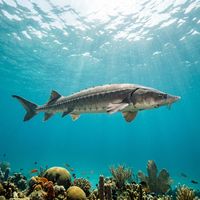
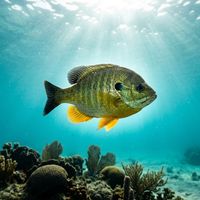
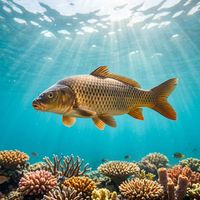
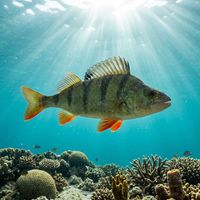
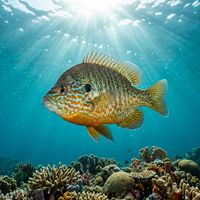
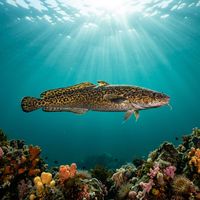
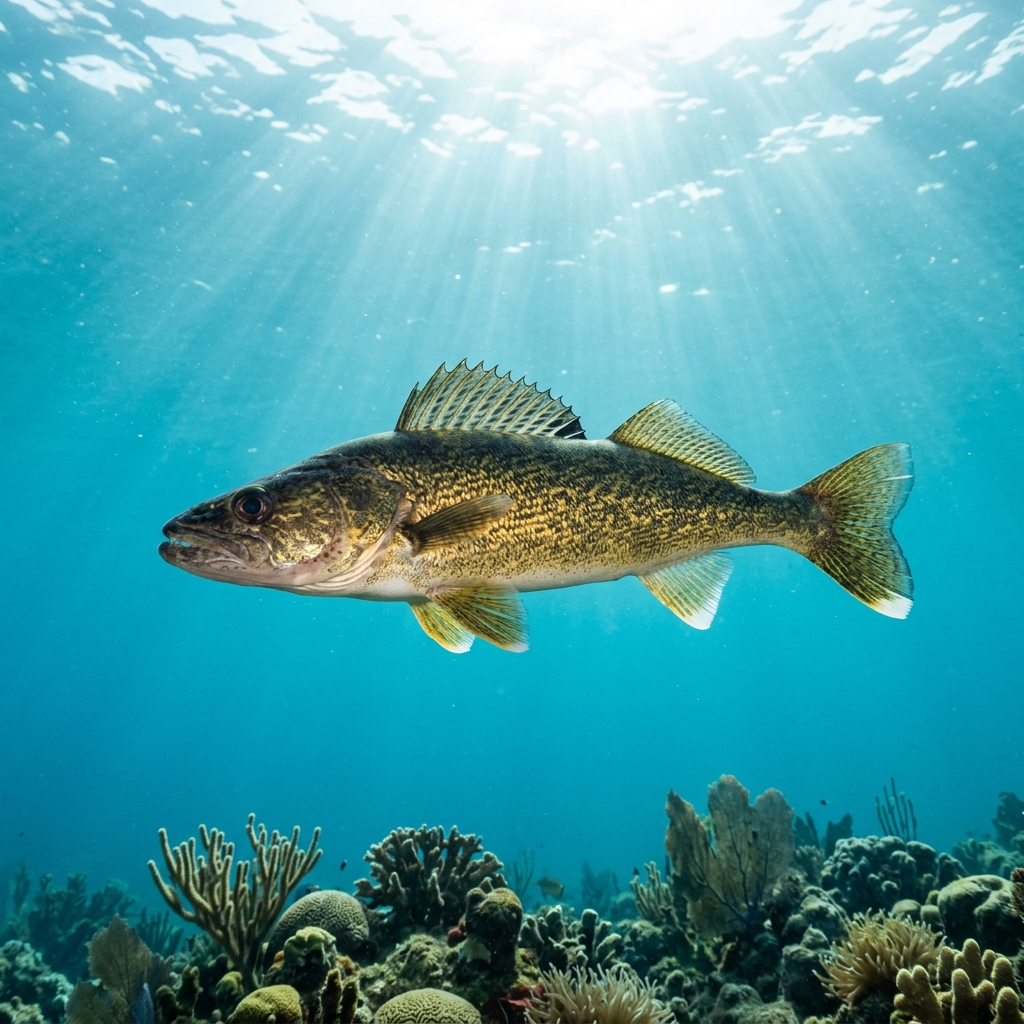
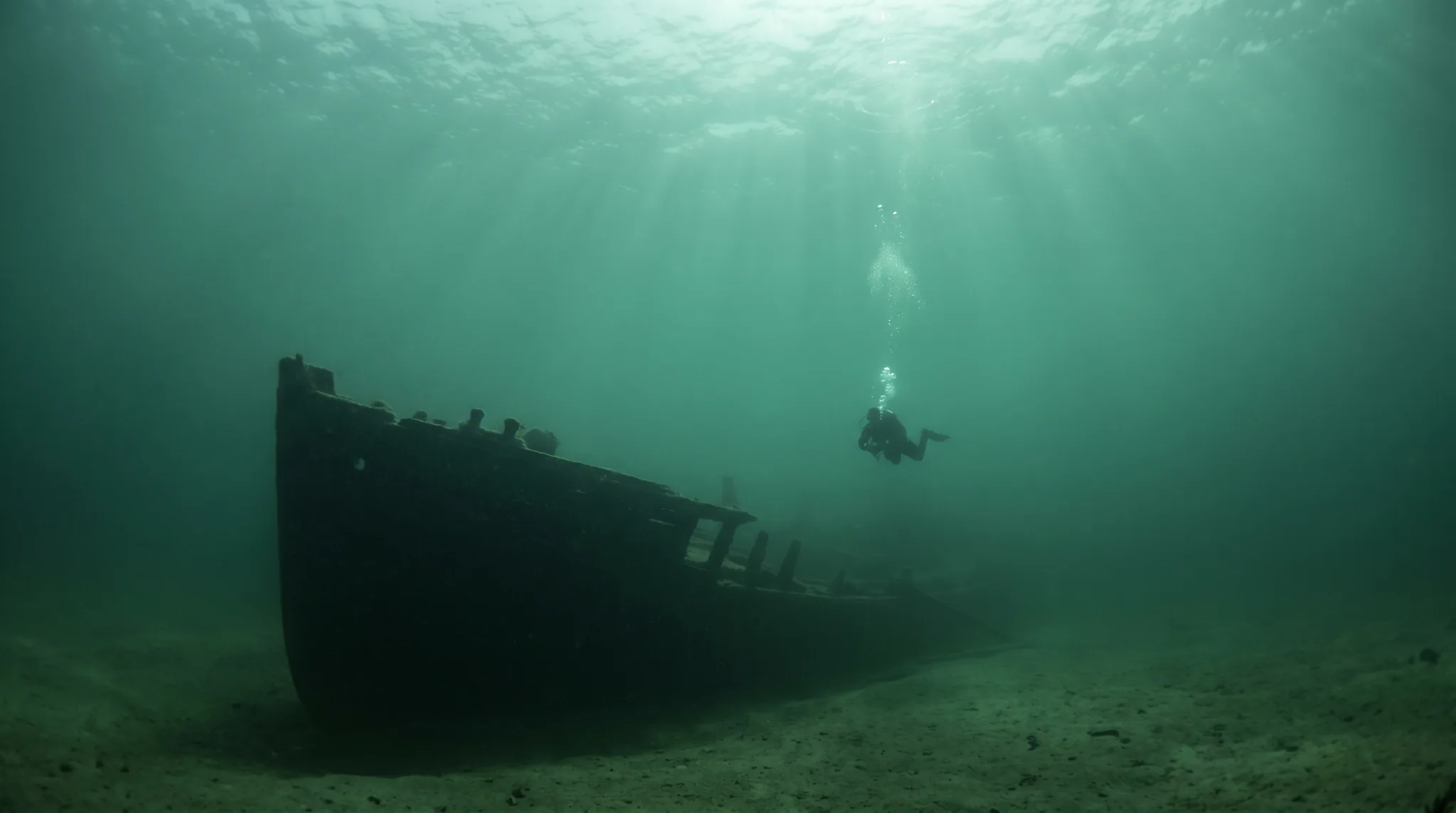
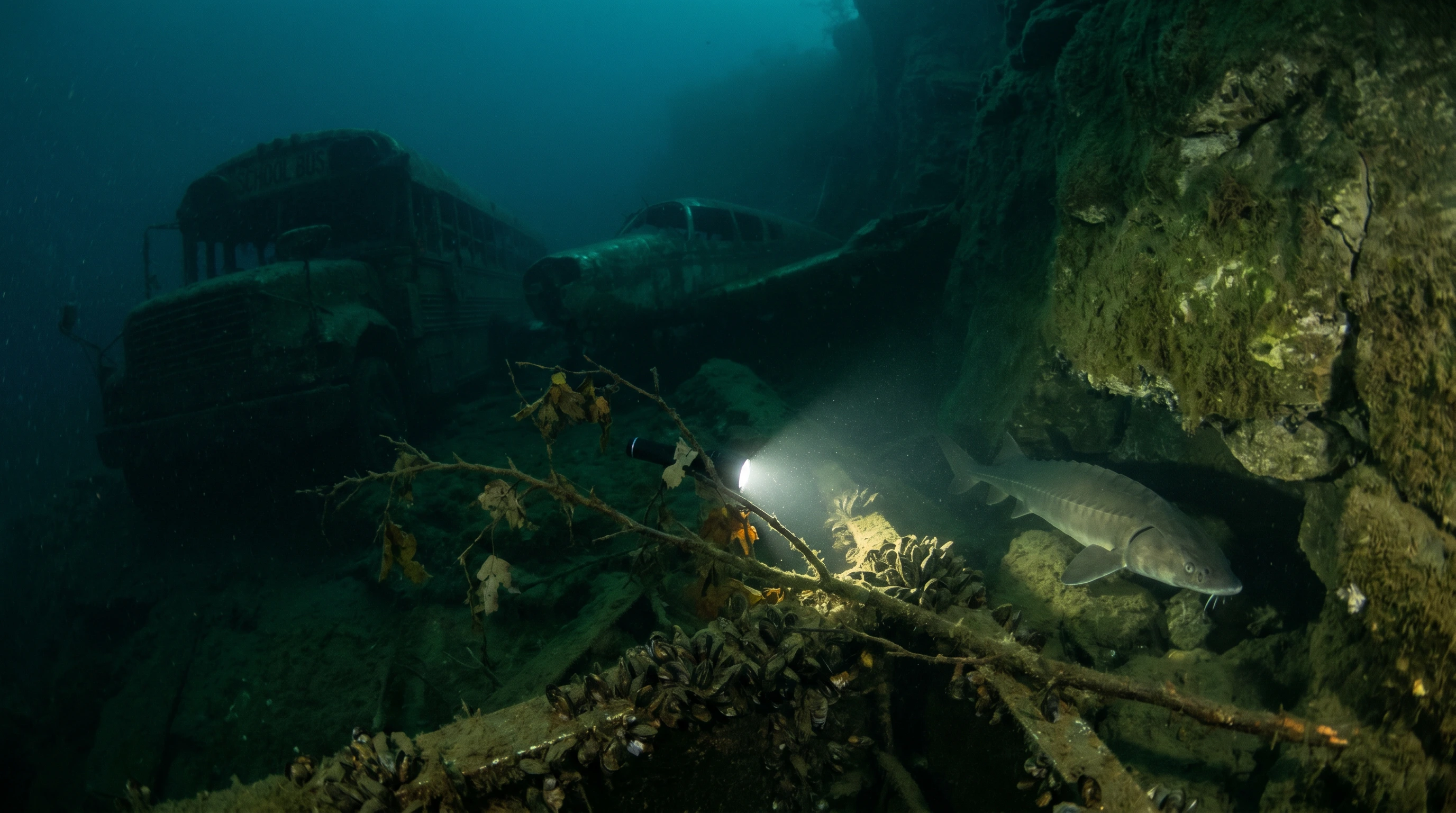
The Great Lakes region is defined by freshwater wreck diving on a remarkable scale, with shipwrecks ranging from shallow, beginner-friendly hulls to deep technical targets. Sub-areas vary considerably: the Straits of Mackinac holds a concentrated collection of cold-water wrecks, while the Detroit River offers shore-accessible sites, and inland venues such as Wazee Lake, Pearl Lake, and the Cuyuna Country Mine Lakes add quarry and lake diving to the mix. Water is cold for much of the year, rewarding drysuits and patient divers with excellent visibility and observed freshwater species including Sturgeon, Blue Gill, Pike, and Walleye.
11 areas
 36
36Freshwater wreck diving and rich fish life, from beginner-friendly quarries to current-swept river sites.
 35
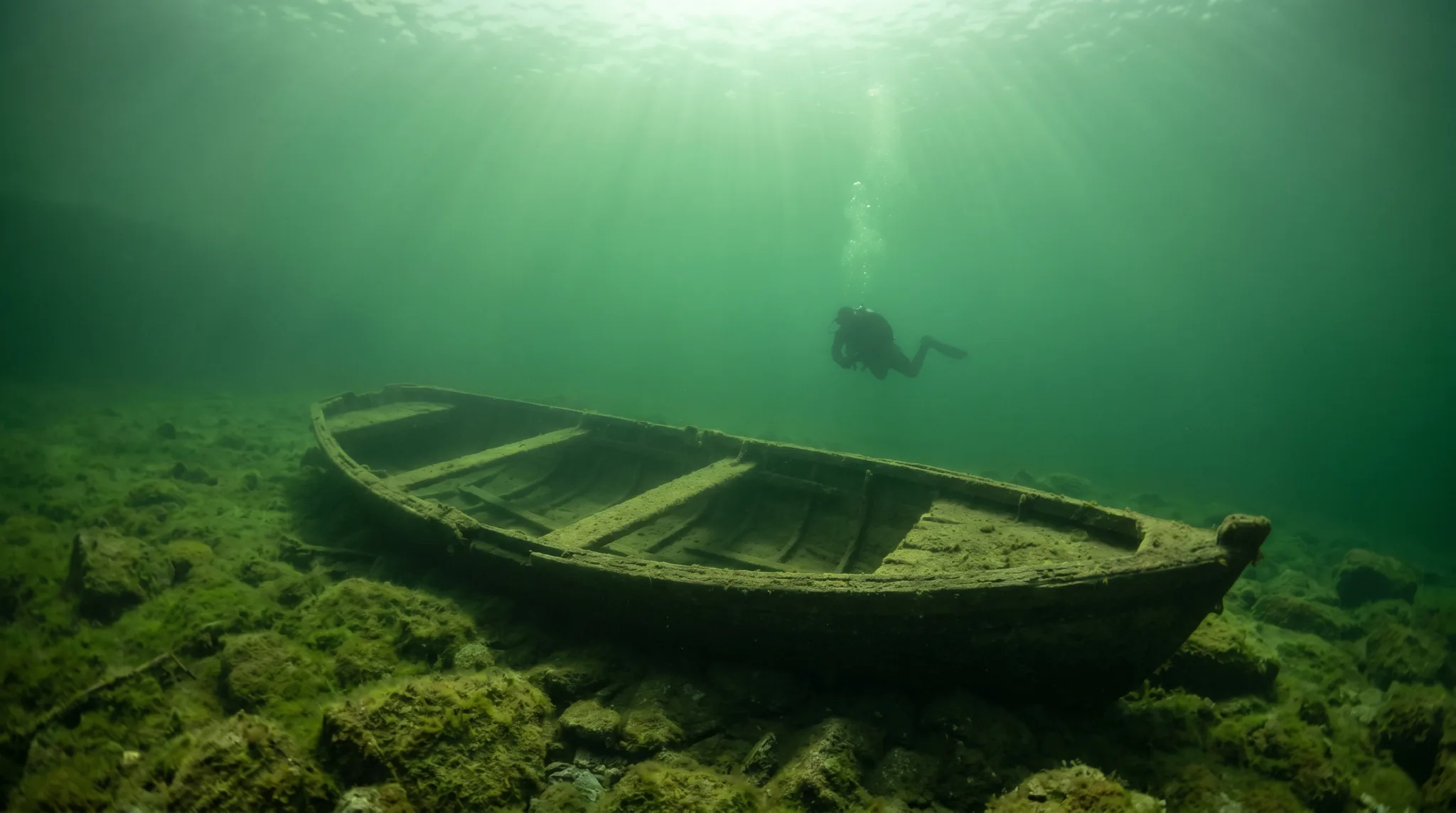
35A freshwater wreck diver's region where cold water preserves historic shipwrecks alongside thriving populations of Sturgeon and Lake Trout.
22Freshwater wreck diving ranging from shallow beginner hulls to deep technical sites, with rich fish life including Pike, Trout and Perch.
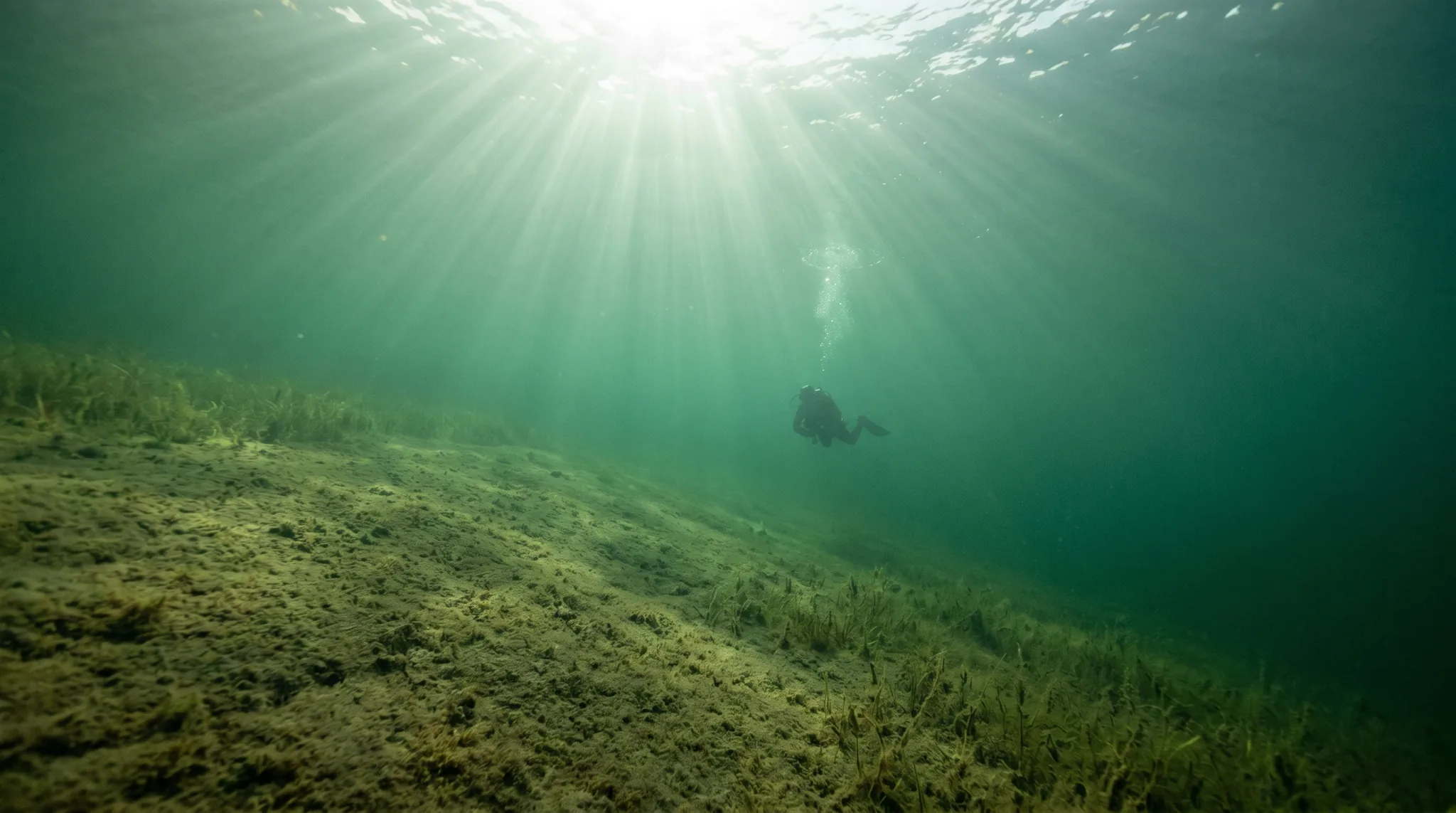
Monthly water temperature across Great Lakes's sites, from satellite sea-surface data corrected for depth. The band shows the site-to-site spread.
Water temperatures climb from near-freezing in winter to comfortably warm only in the height of summer, making thermal protection essential for most of the year. The peak season runs from late spring through early autumn, when temperatures rise enough for longer bottom times and conditions are most settled. Some sites, particularly those in deeper quarries and the Straits of Mackinac, remain cold at depth year-round regardless of surface conditions.
152 operators

Whiting, United States
A freshwater quarry diving area with artificial reefs, shore entries, and an impressive roster of observed freshwater fish species.
Water temperature around Great Lakes ranges from about 1°C in February to 20°C in August, based on satellite sea-temperature data for its dive sites.
In the warm season (about 20°C) a 5mm suit is comfortable in Great Lakes; in the coldest months (about 1°C) step up to a drysuit.
Fin maps 178 sites in Great Lakes (131 scuba diving sites and 64 snorkelling spots, with some suited to both), organised into 11 areas.
Across Great Lakes's dive sites, June, July, August and September are most often reported as the best months to visit.
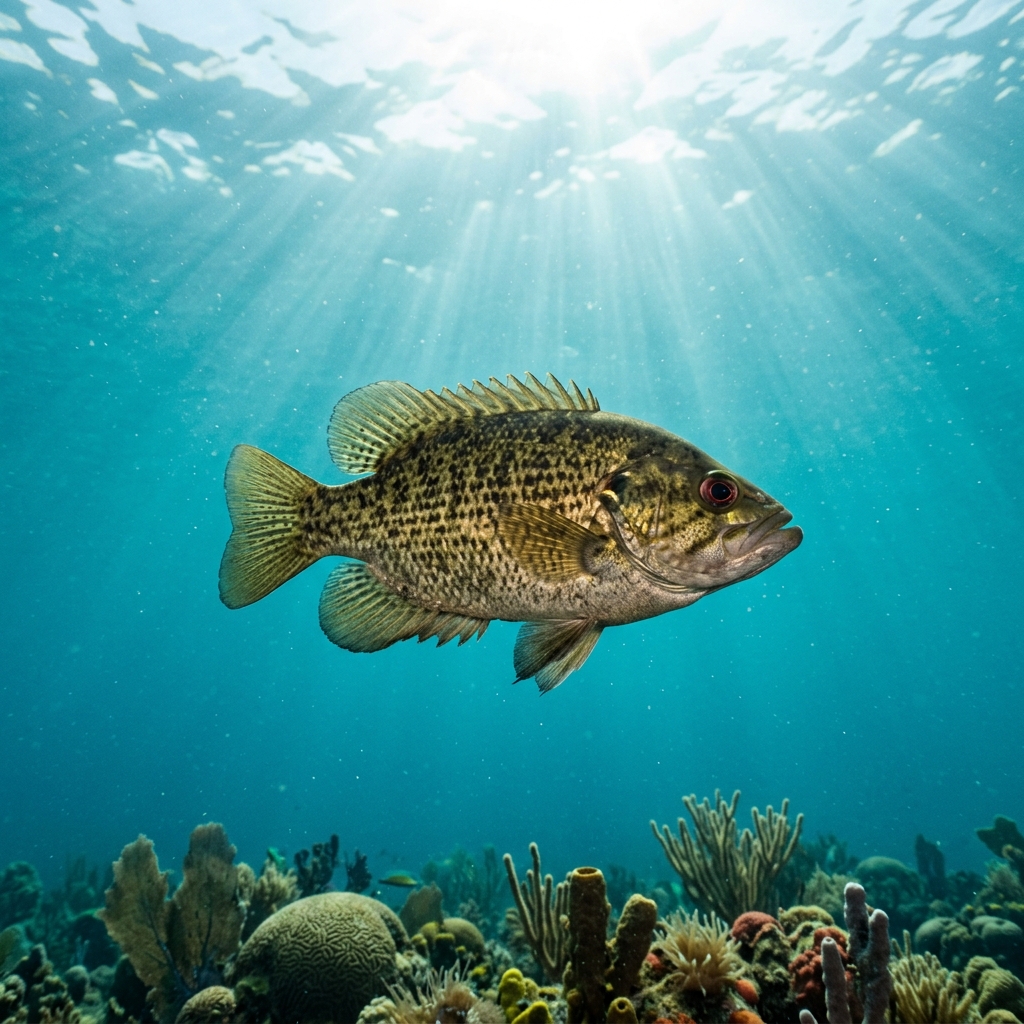
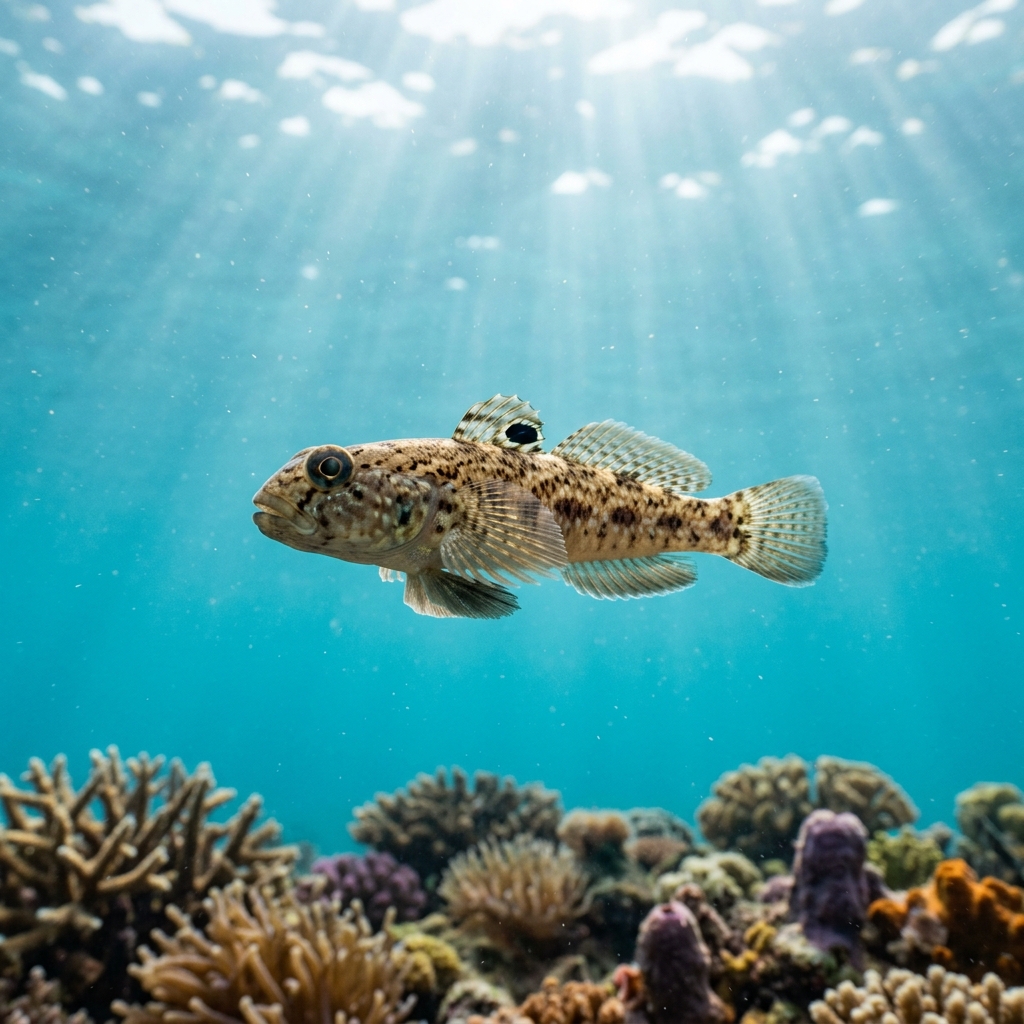
The region hosts a wide range of freshwater species, all observation-backed. Blue Gill and Perch are very frequently spotted, while Sturgeon, Pike, Walleye, Lake Trout, Brown Trout, and Burbot are commonly recorded across many sites. American Crayfish and Round Goby are also regularly seen, and rarer encounters with Paddlefish have been logged.
The Great Lakes caters to a broad range of skill levels. Beginners can start at shore-accessible sites like Gilboa Quarry or Crusty's, which offer shallow zones and controlled conditions. Intermediate divers have a large selection of wreck sites across the Straits of Mackinac and Detroit River, while advanced and technical divers will find deep targets such as the Ebar Ward, William Young, and New Orleans suitably challenging.
The Straits of Mackinac is the region's premier wreck-diving destination, with a dense concentration of preserved shipwrecks requiring boat access. The Detroit River offers shore-accessible wrecks in more sheltered conditions. Inland venues like Pearl Lake, Wazee Lake, and the Cuyuna Country Mine Lakes provide controlled quarry and lake environments, popular for training and leisurely dives. North Shore Lake Superior and Whitefish Point add more remote, cold-water experiences.
Many of the most notable wreck sites in the Great Lakes require boat access, particularly those in the Straits of Mackinac and open-lake locations. However, shore entry is available at several sites including Gilboa Quarry and Anita's Wreck in the Detroit River, making the region accessible without a charter for those seeking shallower or calmer conditions. Numerous local operators across the region offer boat charters and guided trips.