Limidae spp.
Rare but rewarding: file shells turn up wedged in rock crevices from Florida to Scotland, tentacles fringing a gaping shell.
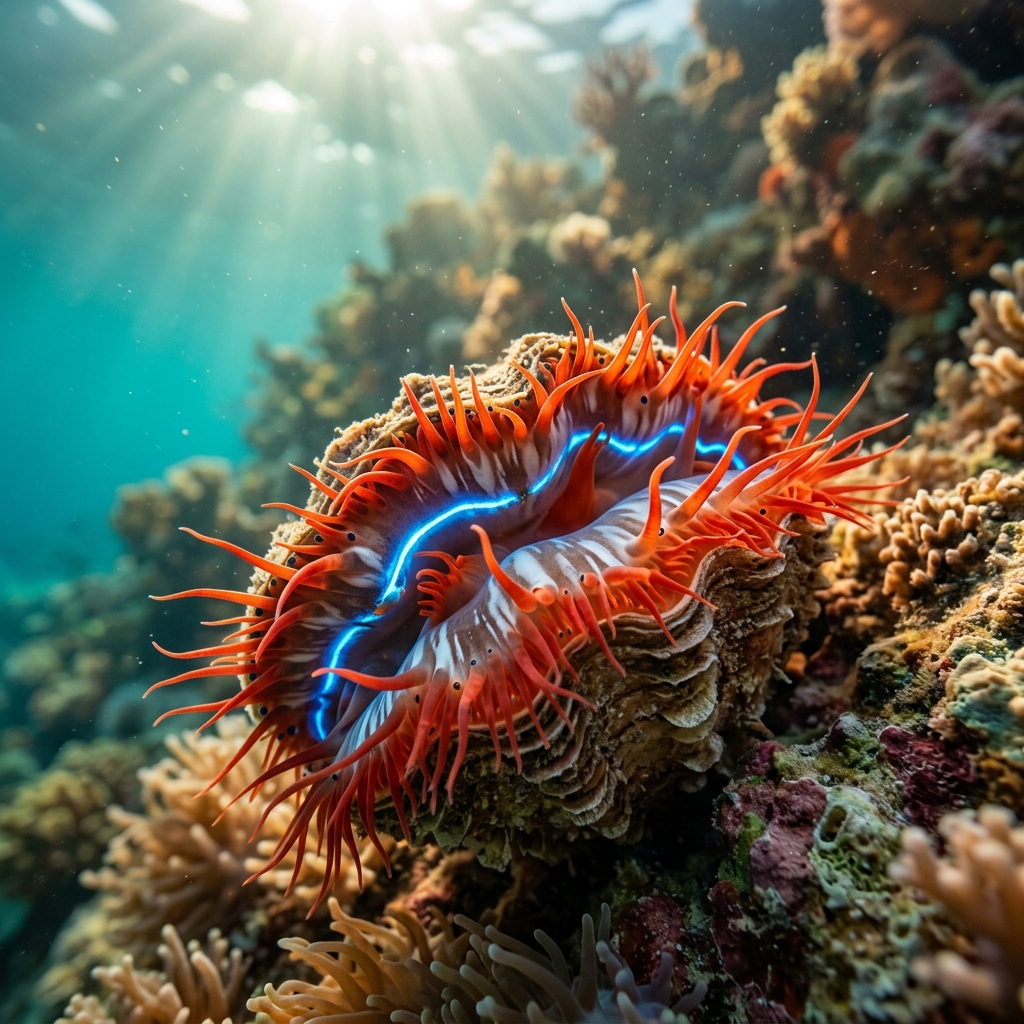
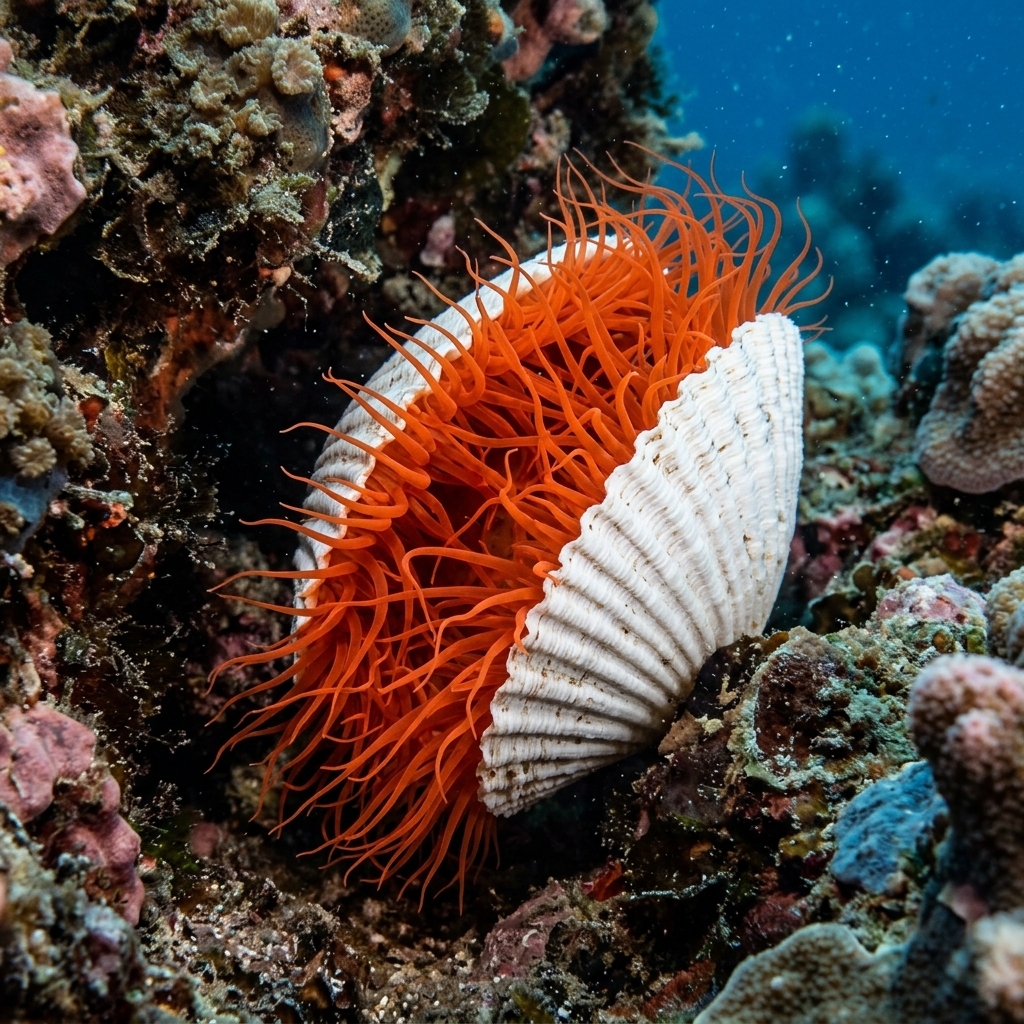
Look for a fan-shaped or oval shell, usually pale, ribbed, and gaping open to reveal a fringe of fine orange or white tentacles ringing the mantle edge. Sizes vary across the family but most divers spot ones sitting in the palm-sized range, wedged into rock crevices or nestled among rubble and sponges. The tentacle fringe is the giveaway: it looks almost anemone-like poking out from the shell gap, quite different from the smooth closed valves of most other bivalves. Some species spin fine byssal threads into a loose nest around themselves, which is worth scanning for if you spot the shell itself.
Mostly seen wedged into a crevice, under a ledge, or bound into a loose nest of byssal threads, tentacles fanned out into the current to feed. They do not move far or fast and barely react to a diver's presence, though the shell may snap shut if you get a torch or hand too close. Best found by slowing down and checking rock faces and rubble patches rather than mid-water scanning.
Several file shell species can clap their valves together to jet away from a threat, a surprising bit of mobility for an animal that otherwise looks glued in place.
No clear seasonal pattern shows up in the sightings, and the family tolerates a huge temperature range (6.8 to 27.8 C), so it is effectively a year-round find wherever it occurs. Treat it as a lucky spot on any dive rather than something to plan a trip around.
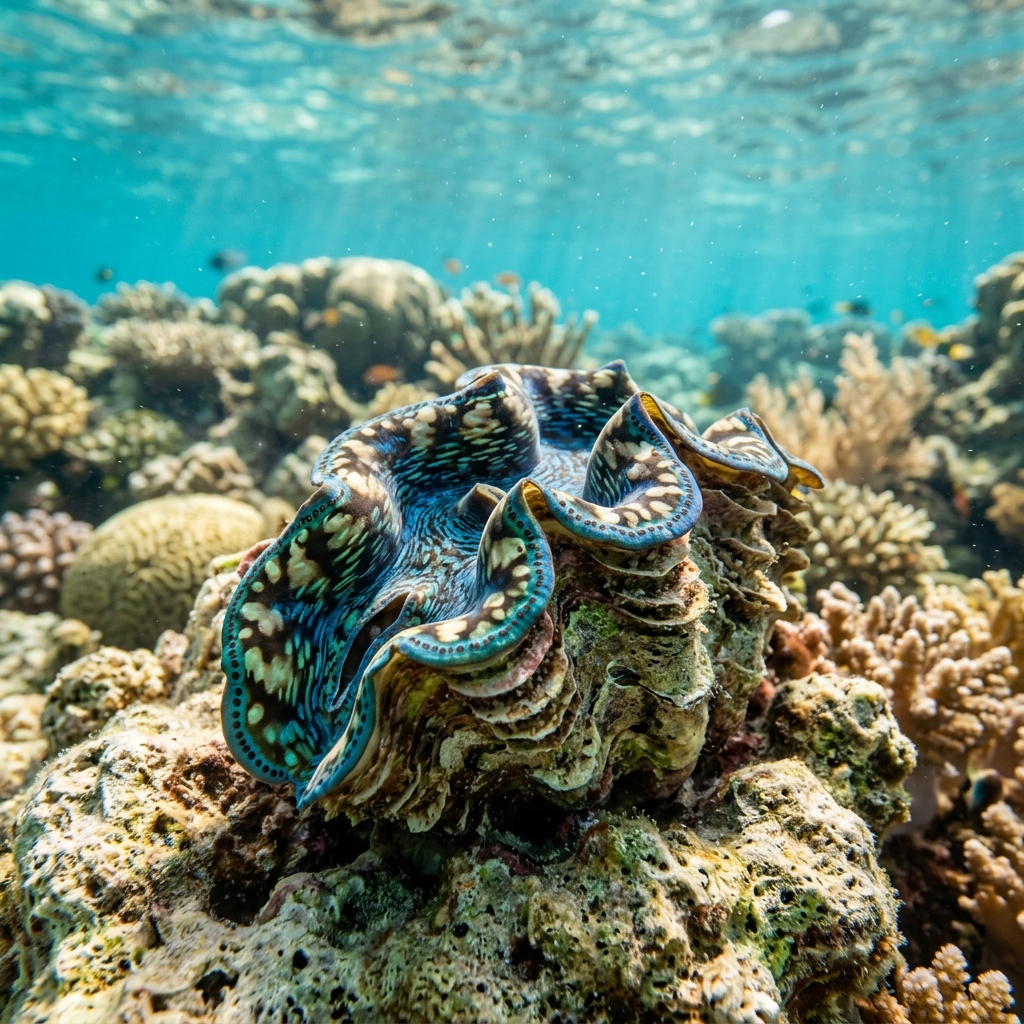
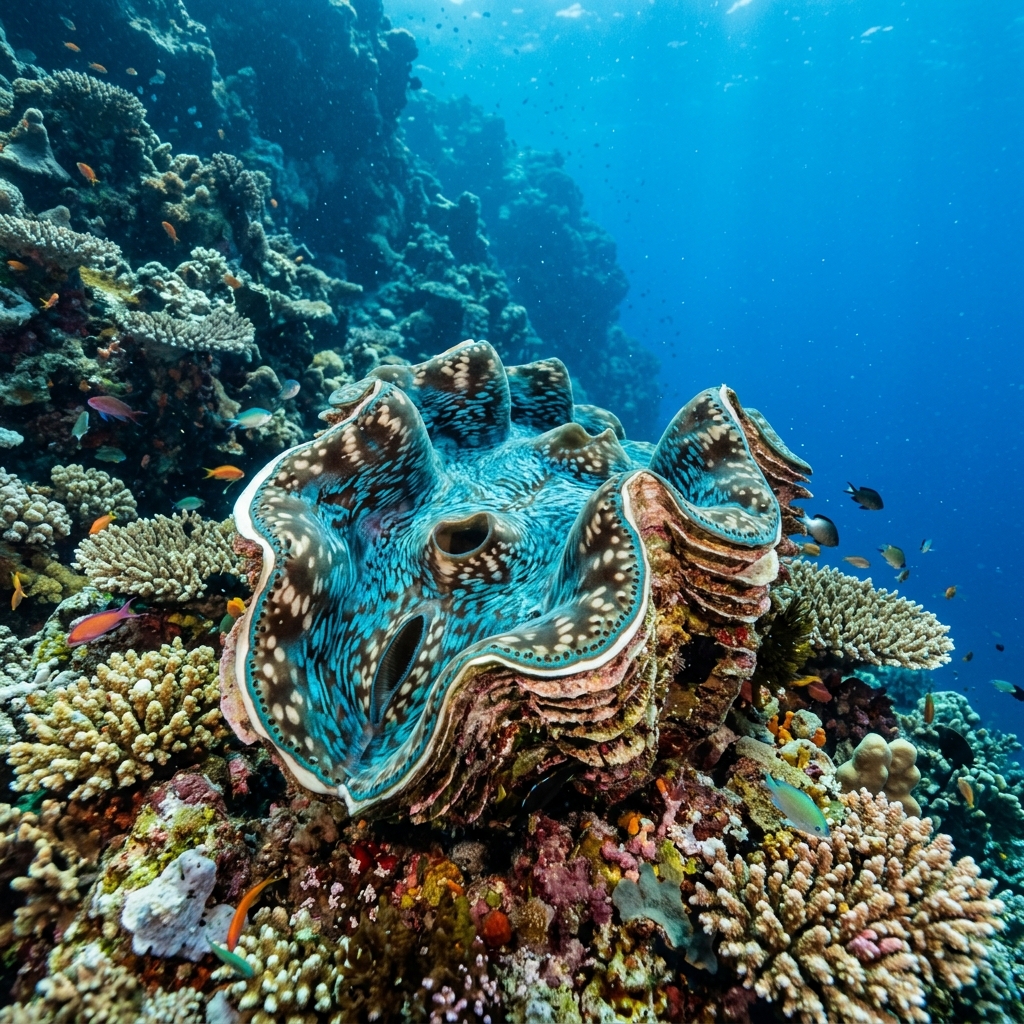
Reef neighbours a diver could mistake it for. Use the identification notes above to tell them apart.
Logged widely across temperate and subtropical dive regions, with strong numbers in the United States (Florida, the Carolinas and the Northeast), Australia (Western Australia and Queensland), and across the Mediterranean in Italy and Greece. Also a reliable if scarce find around Canada, the United Kingdom (Scotland and England), France and Central Japan, usually tucked into rocky crevices rather than open sand or reef flat.
Mapping where File Shell is logged…
Best logged in Florida and the Carolinas in the US, Western Australia and Queensland in Australia, and across Italy and Greece in the Mediterranean. Also found, less commonly, in Scotland, England, Canada and Central Japan.
There is no strong season in the sighting data, and the family copes with a wide range of water temperatures, so they can turn up on any dive year-round.
Look for a ribbed, fan-shaped shell gaping open with a fringe of orange or white tentacles trailing out, often tucked into a rock crevice or bound in a loose thread nest.
No. They are stationary or slow-moving filter feeders with no sting, bite or venom, completely harmless to divers.
Despite looking like a fixed shell in a crevice, some file shells can clap their valves shut to jet-propel themselves a short distance away from predators.
Site and sighting data is aggregated from diver logs, iNaturalist and GBIF. For taxonomy and conservation status:
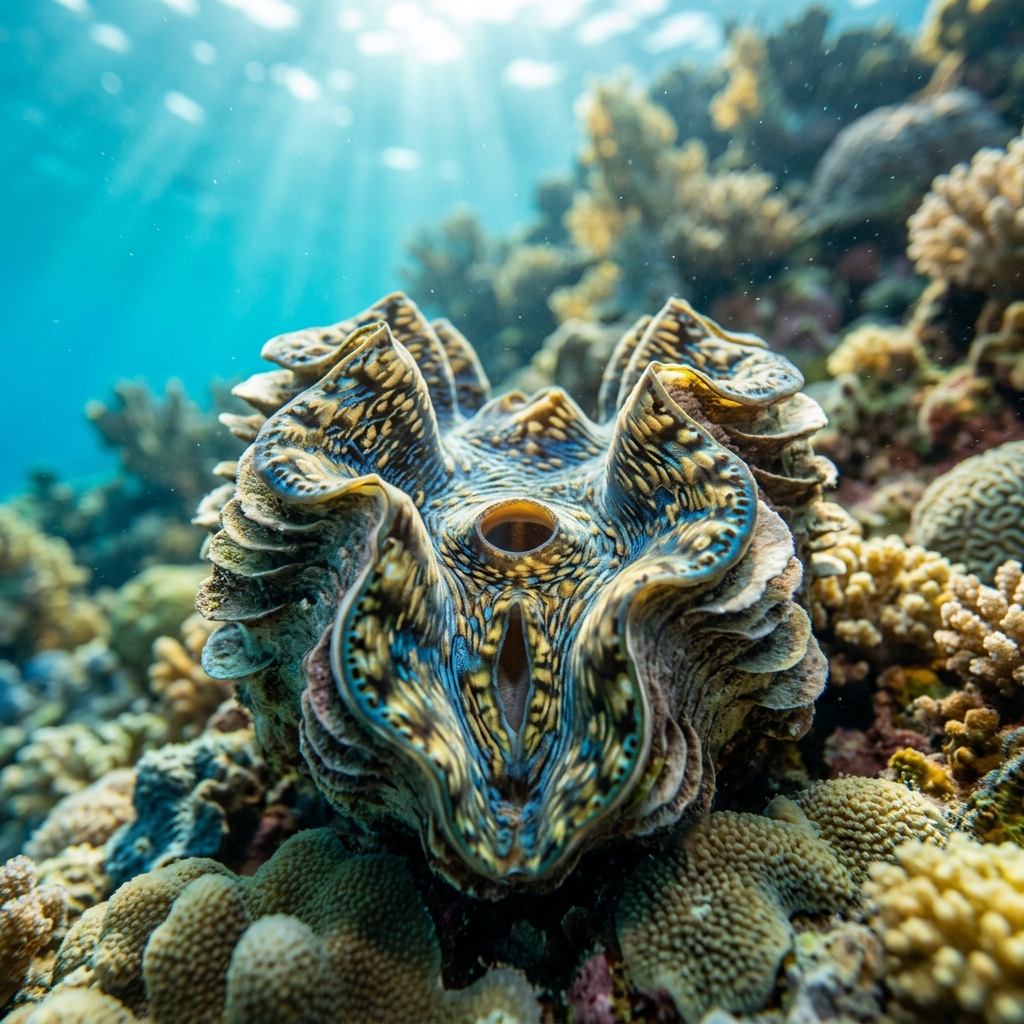
Fluted Clam
1,103 sites