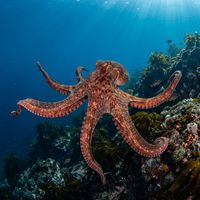
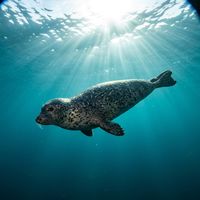
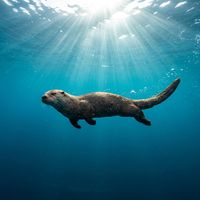
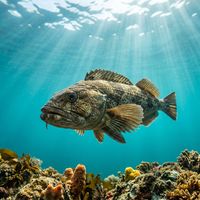
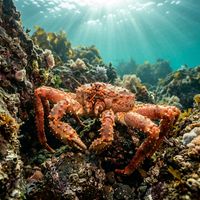
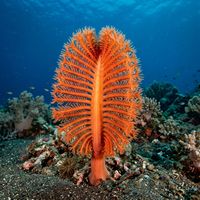
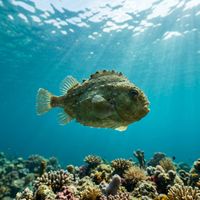
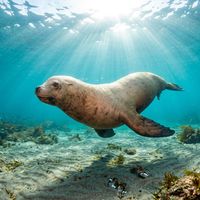
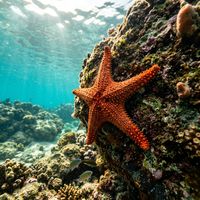
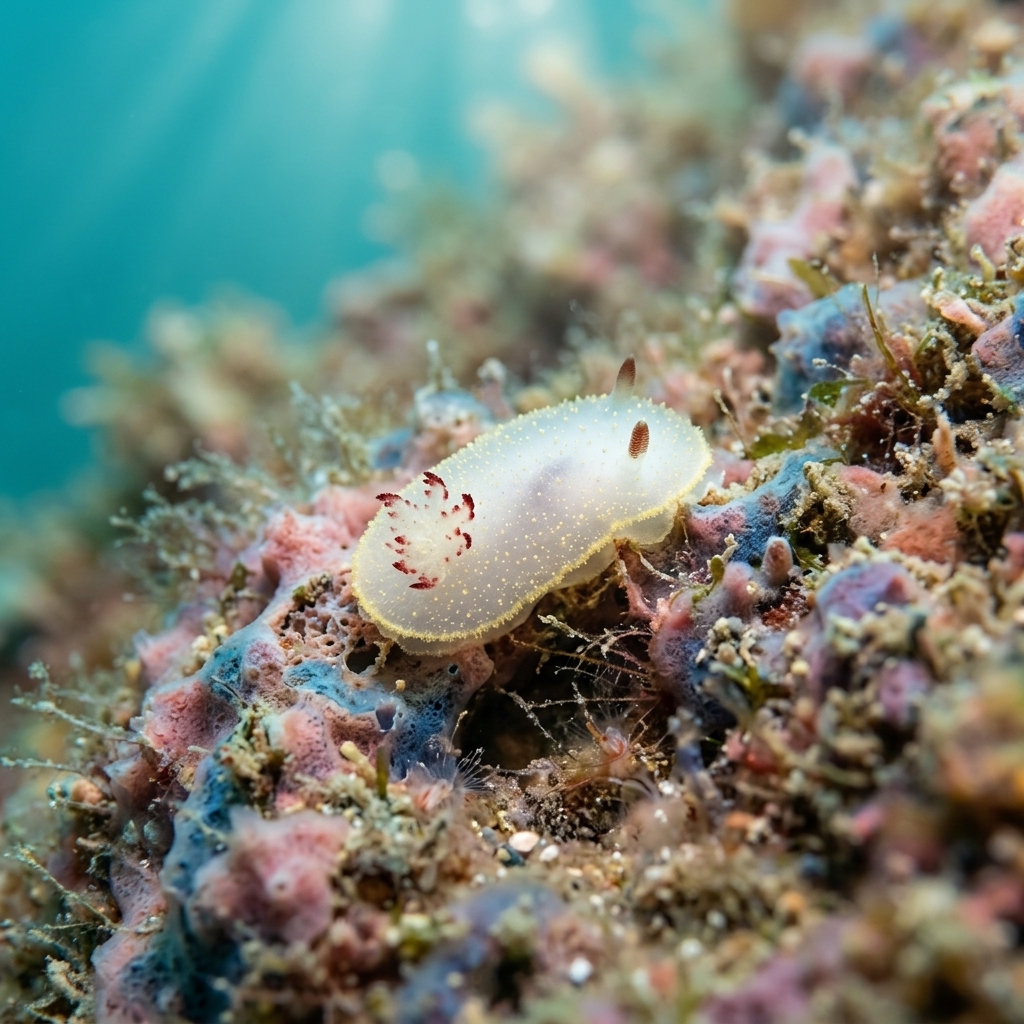
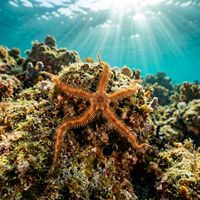
Alaska's underwater character is defined by cold, productive water and a striking mix of marine and freshwater sites. Saltwater locations in Southcentral Alaska and the Aleutian Islands offer kelp forest, reef, and wreck diving, while Interior Alaska contributes freshwater ponds and lakes suited to training and beginner exploration. Southeast Alaska adds further coastal variety. The Giant Pacific Octopus, Harbor Seal, and Sea Otter are consistently observed across the region, alongside King Crab, Ling Cod, and a colourful nudibranch fauna. Cold water keeps conditions sharp and rewarding for those dressed for it.
4 areas
 15
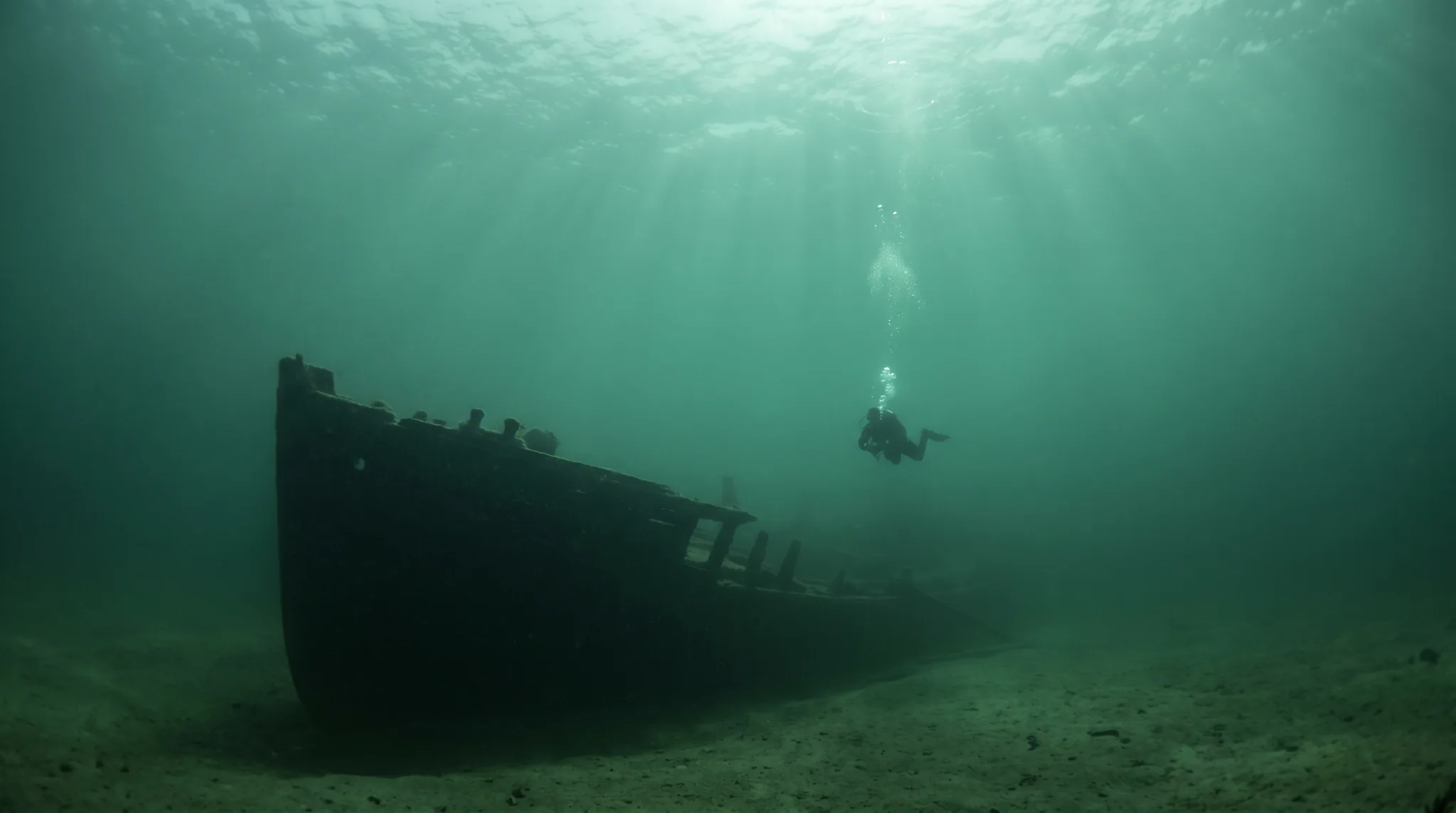
15Cold-water shore diving with kelp forests, wrecks, and regular sightings of Giant Pacific Octopus, Harbor Seal, and King Crab.
 8
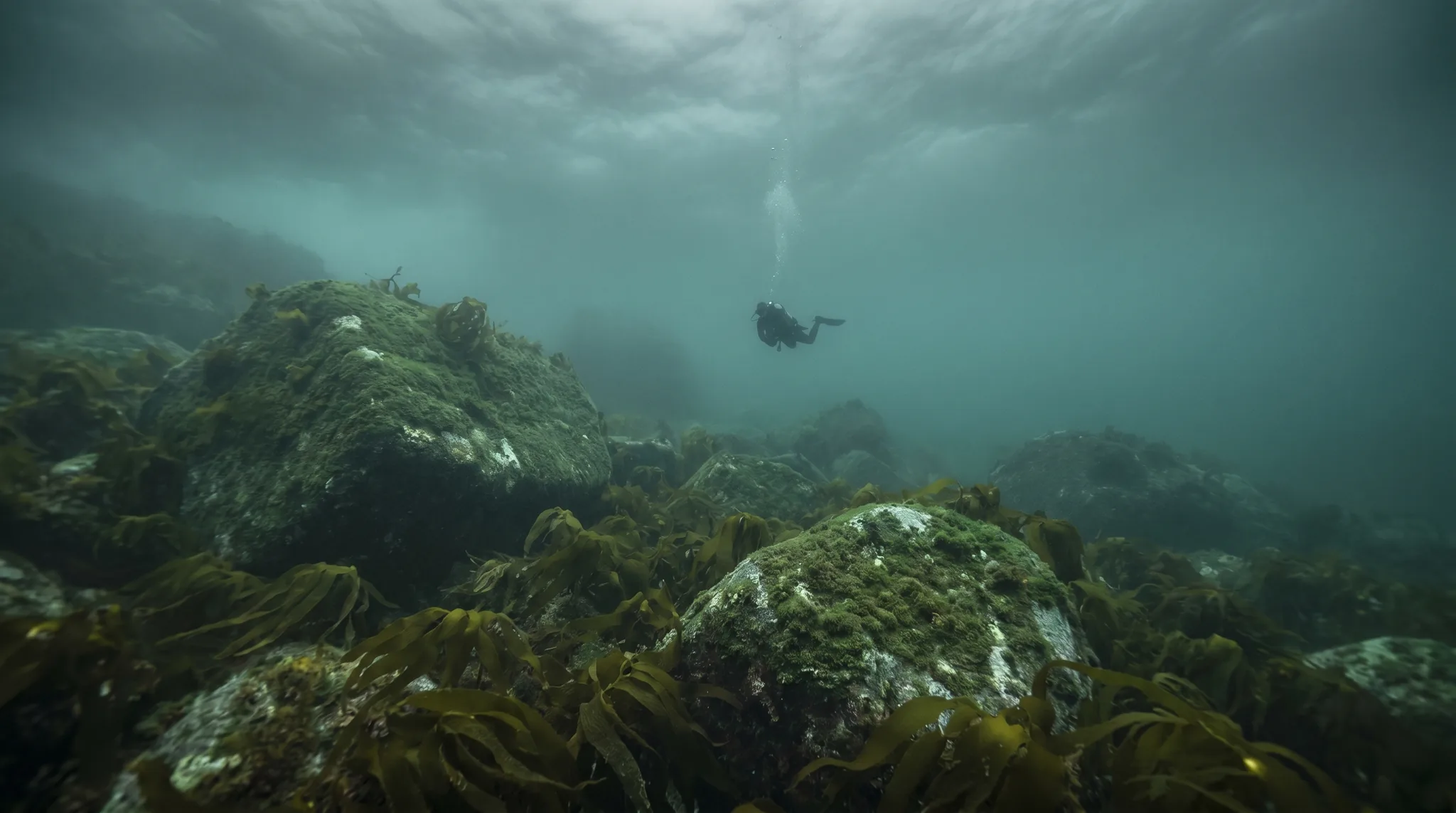
8Remote cold-water Pacific diving in the Aleutians with kelp forests, giant Pacific octopus, king crab, and sea lions across a range of habitats.
8Inside Passage ocean diving near Juneau and Ketchikan with rocky walls, kelp forests, harbour seals, nudibranchs, and gorgonians.
Alaska covers a wide stretch of coastline, so conditions vary by area. The band below shows the spread across its sites through the year.
Water stays cold through winter and into spring, then climbs gradually toward its warmest point in summer and early autumn, making July through October the most comfortable months for extended dives. Shore entry dominates across the region, and many sites are sheltered enough for year-round access in appropriate exposure protection. Currents are generally mild at most listed sites, though conditions at exposed coastal locations can change quickly.
12 operators
United States
United States
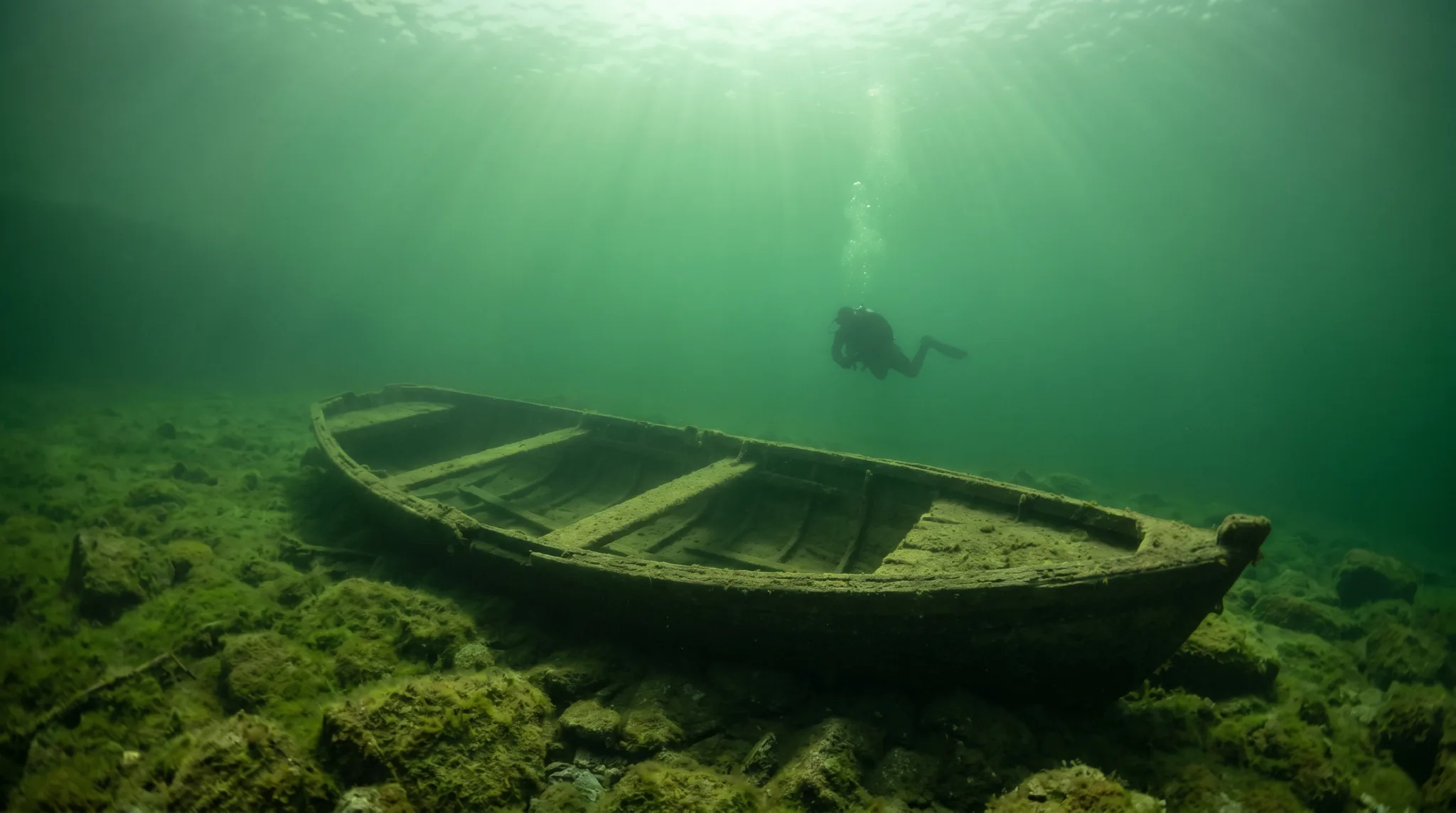
Shallow freshwater lake diving near Fairbanks with calm conditions, a submerged wreck, and sites suited to beginner and intermediate divers.
Alaska spans a wide latitude range, so water temperature varies a lot by area: roughly 3-14°C across its dive sites. Check the individual area pages for local conditions.
Fin maps 38 sites in Alaska (30 scuba diving sites and 14 snorkelling spots, with some suited to both), organised into 4 areas.
Across Alaska's dive sites, September are most often reported as the best months to visit.
Observed species across Alaskan dive sites include the Giant Pacific Octopus, Harbor Seal, Sea Otter, and King Crab, all of which appear regularly. Bottom-dwellers such as Ling Cod, Sculpin, Righteye Flounder, and Brittle Star are common, and nudibranchs including the Nanaimo Dorid, Northern Leopard Dorid, and White-lined Dirona turn up at coastal sites. Humpback Whale and Steller Sea Lion have also been observed, though less frequently.
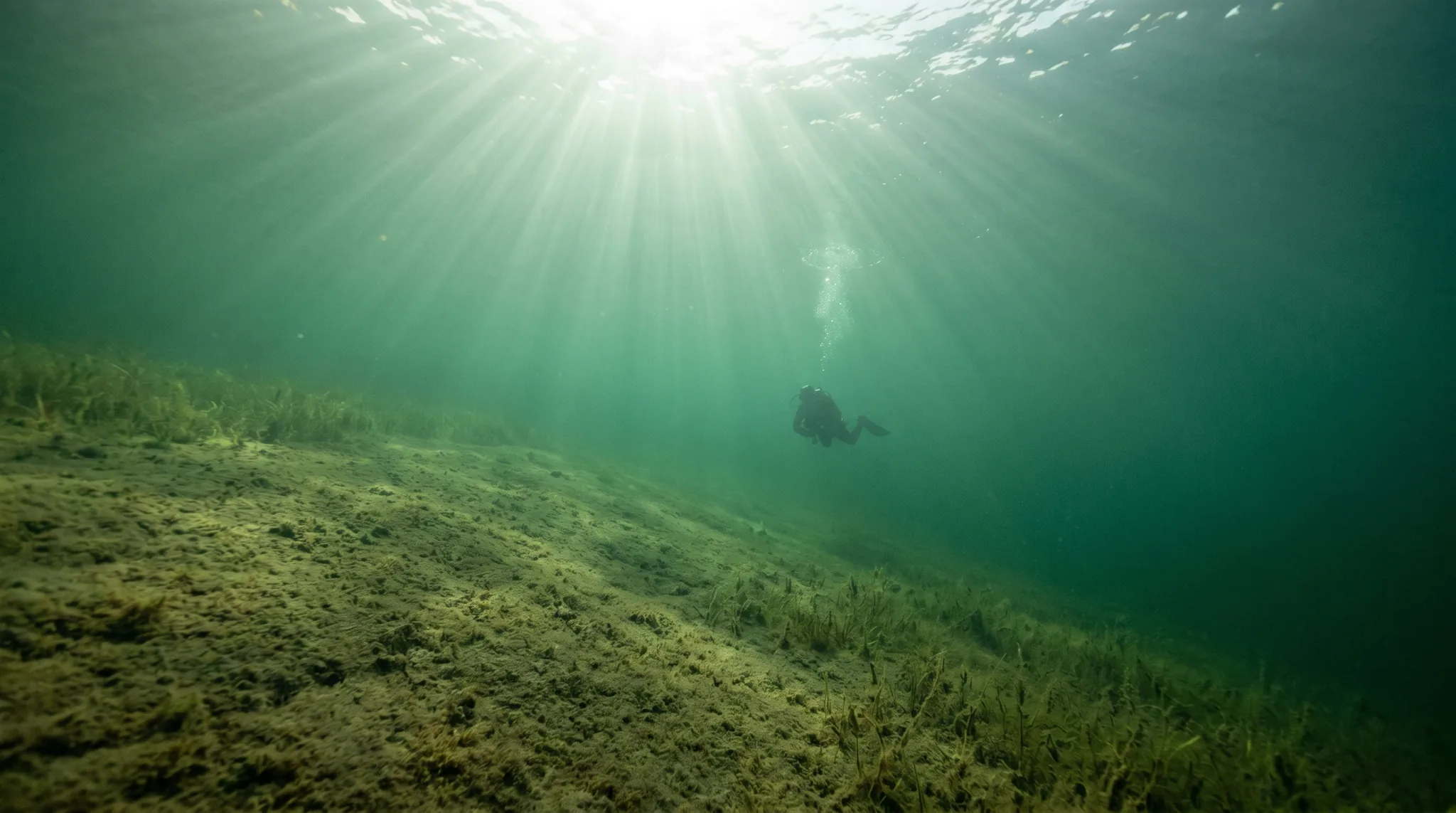
A good number of sites across the region are rated for beginners, particularly the freshwater lakes and ponds found in Interior Alaska, such as Tanana Lakes, Olnes Pond North, and Weigh Station Pond. These offer shallow, calm, shore-entry conditions that work well for newly certified divers or those practising skills. Coastal sites like Kasitsna Bay Laboratory are rated advanced due to cold water and more complex conditions.
Southcentral Alaska has the largest concentration of sites and includes both coastal marine diving and sheltered bays. The Aleutian Islands offer exposed coastal sites with strong marine life. Southeast Alaska adds further saltwater variety, while Interior Alaska is largely freshwater, with ponds and lakes that suit beginners and training dives. Each area has a distinct character, so the right choice depends on your experience level and preferred site type.
Yes, shore entry is the dominant access method across Alaska's listed dive sites, from freshwater ponds in the interior to coastal reef and kelp forest sites along the coast. There are currently no listed dive operators in the region's data, so independent planning is important. Most shore-entry sites have straightforward access, and several, including Summit Lake and Tanana Lakes, offer on-site parking.