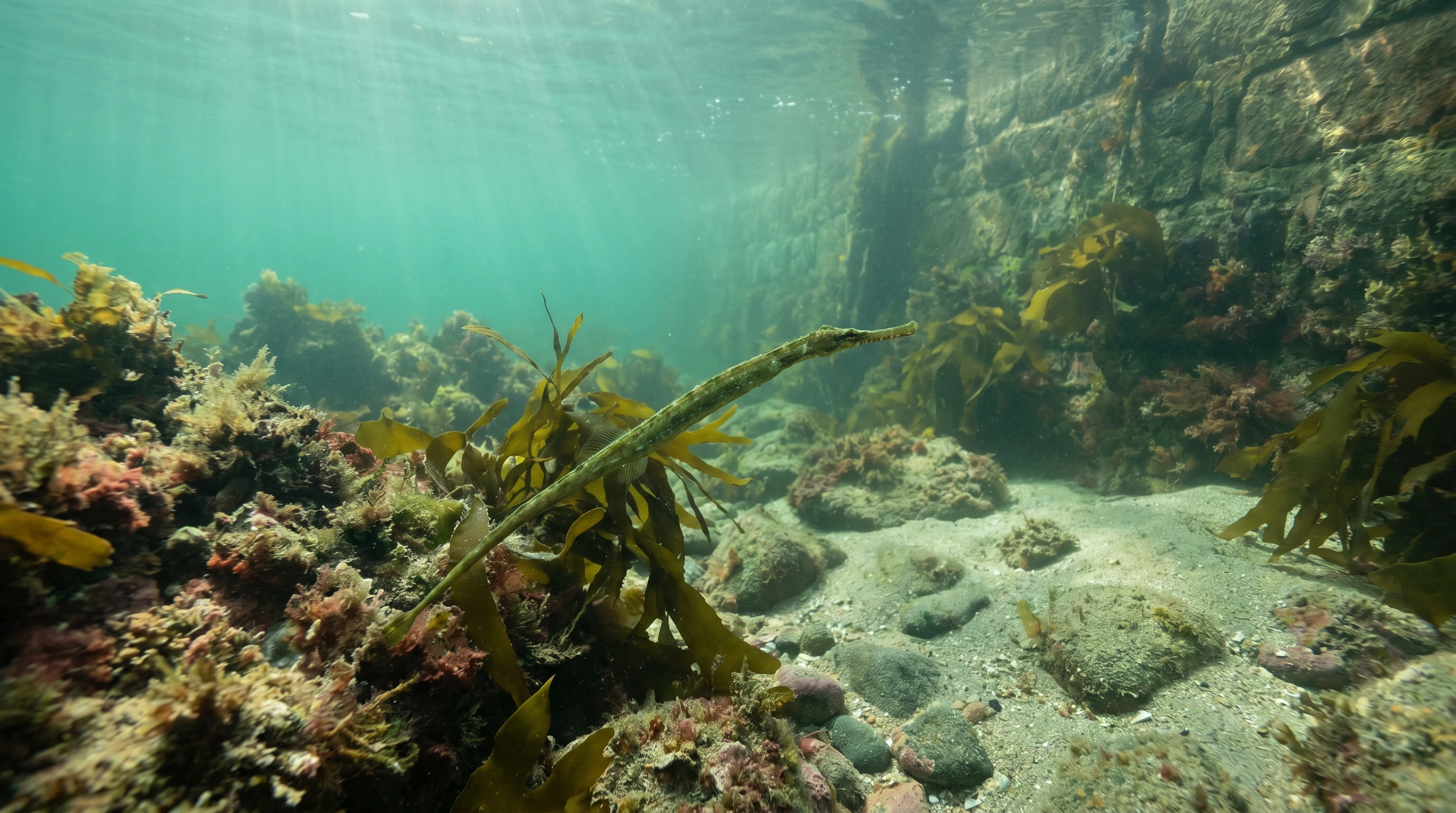
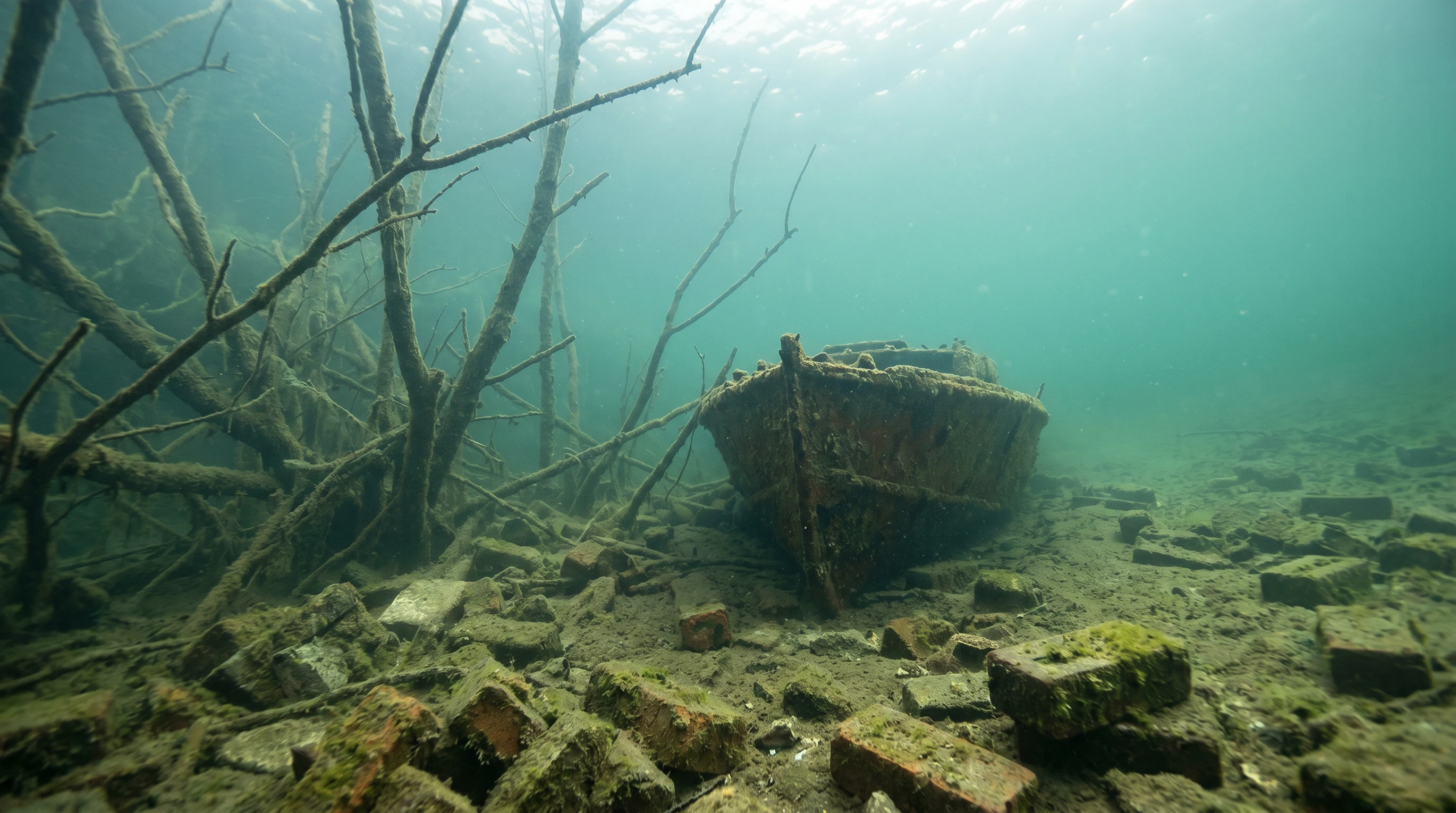
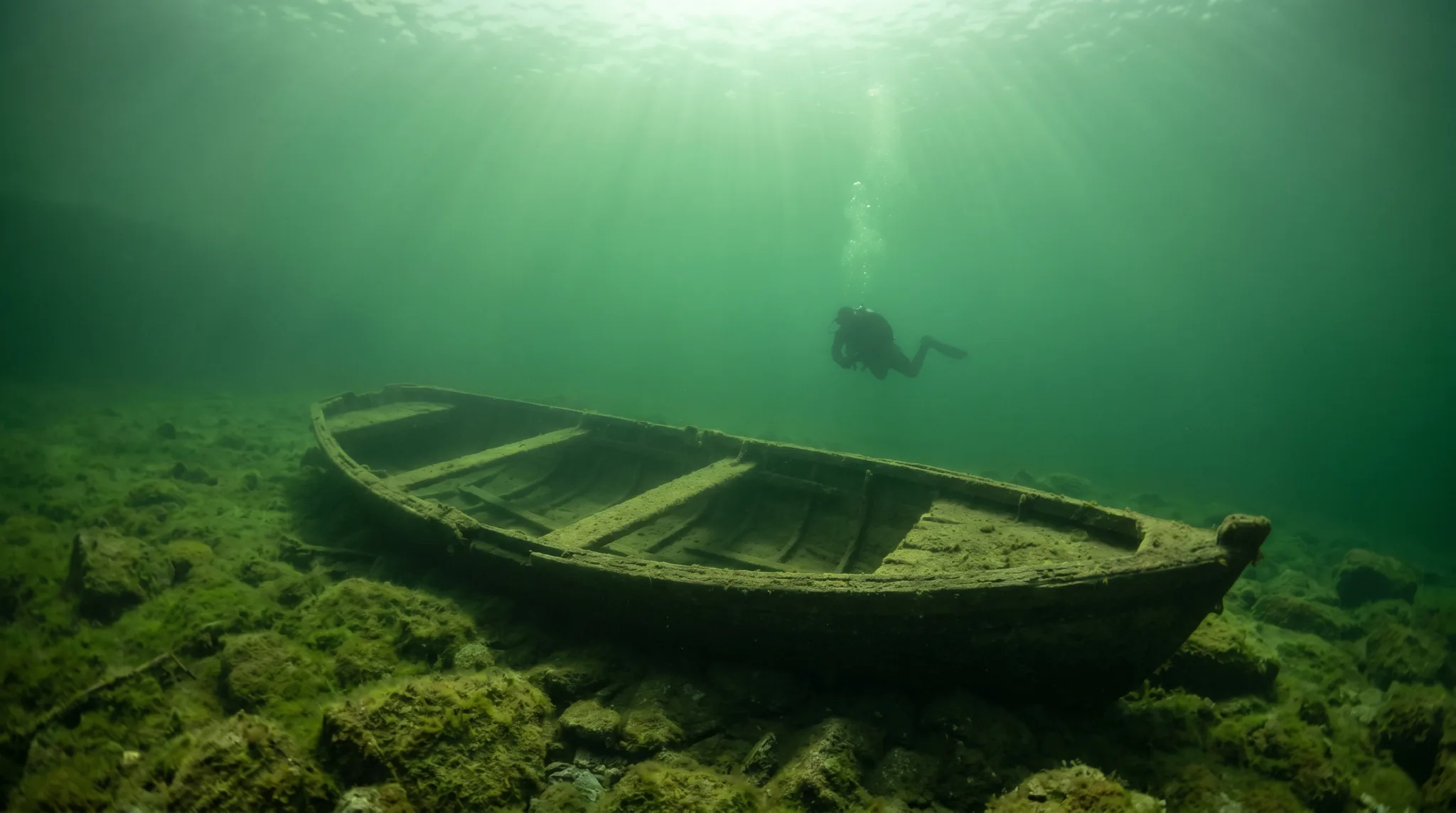
England offers a remarkably varied underwater landscape, from the kelp forests and seal encounters of the Farne Islands in the north-east to the deep pinnacles and historic wrecks of South West England, which holds by far the greatest concentration of sites. South-East England and the Solent and Isle of Wight add sheltered harbours, deliberate wrecks such as HMS Scylla, and accessible artificial reefs. Conditions are cool and temperate year-round, rewarding divers with European Common Cuttlefish, Brittle Star, Sea Slug and Catshark across a wide range of site types. Seagrass beds, drift dives, walls and offshore pinnacles all feature.
8 areas
 128
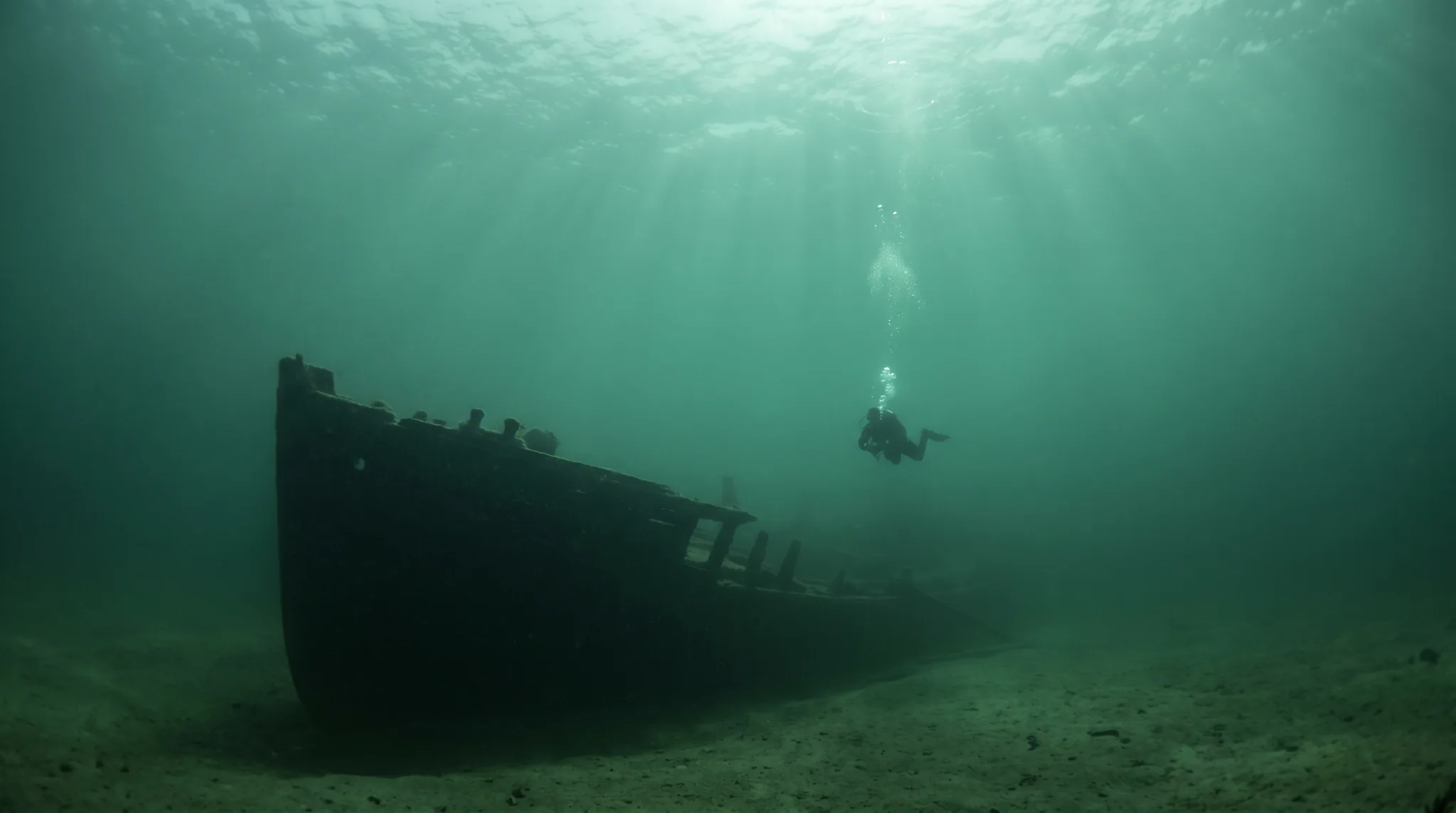
128Wrecks, reefs and pinnacles across Devon, Cornwall and Dorset, with European Common Cuttlefish and Gray Seal as the signature species.
 63
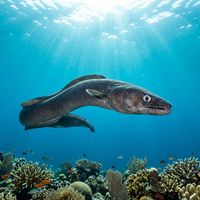
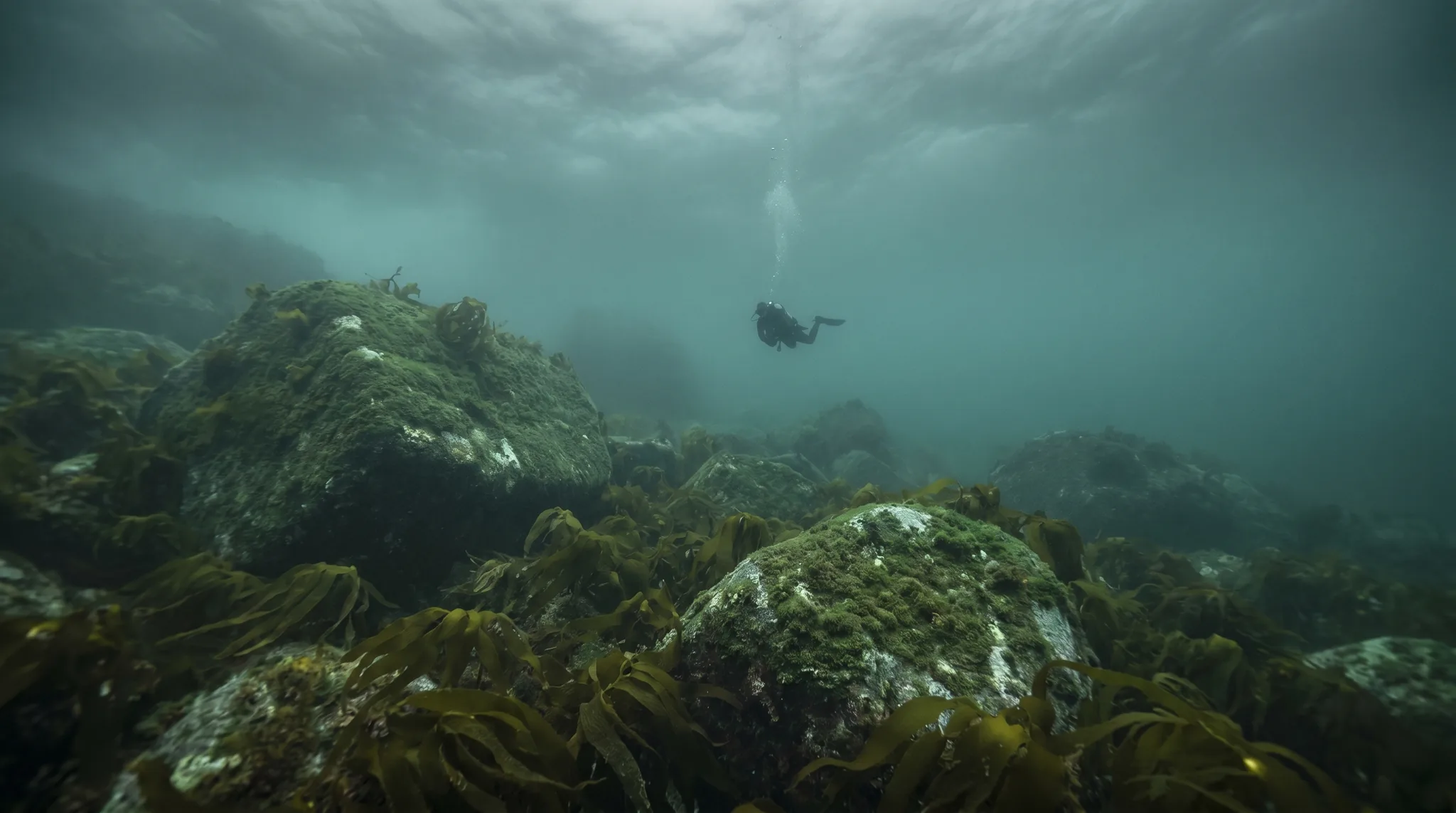
63A wreck-rich coastline where cuttlefish, catshark and Conger Eel patrol artificial reefs and sunken vessels ranging from shallow to deep.
 42
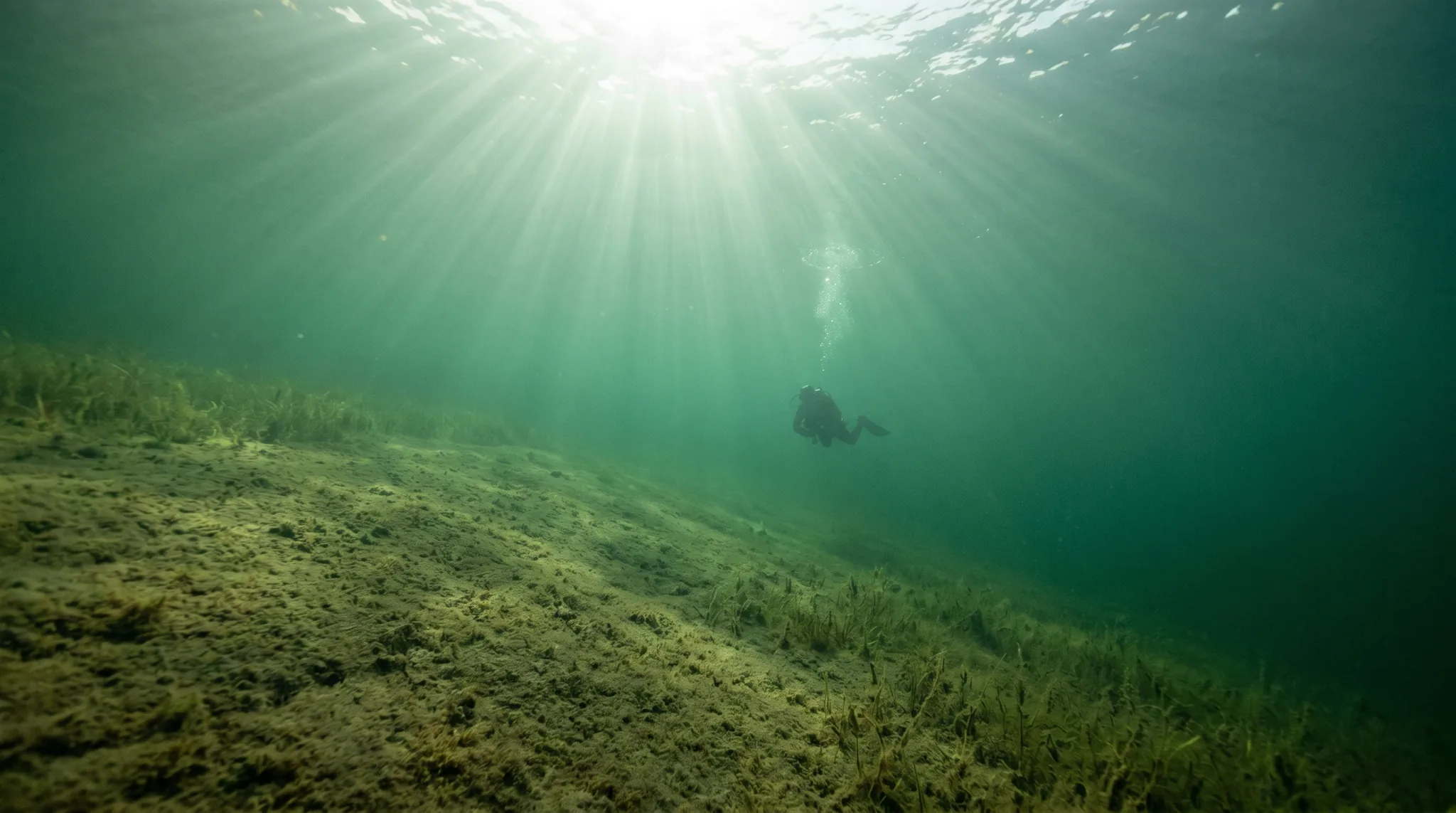
42Seal encounters, kelp forests and wrecks along the Northumberland Coast, with sites for beginners and intermediates alike.
Monthly water temperature across England's sites, from satellite sea-surface data corrected for depth. The band shows the site-to-site spread.
Water temperature follows a clear seasonal arc, coldest through late winter and rising to its warmest in late summer, making the period from late spring through early autumn the most comfortable for extended dives. Visibility varies with weather and tidal state, and many exposed offshore sites are best approached during settled summer conditions. Winter diving is possible and attracts dedicated photographers, but shorter days and rougher seas limit access to offshore boat sites.
236 operators



Freshwater quarry wrecks and lake walls alongside coastal sites where Catshark and Common Sea Star are regularly observed.
Water temperature around England ranges from about 9°C in February to 17°C in August, based on satellite sea-temperature data for its dive sites.
In the warm season (about 17°C) a 7mm or semi-dry suit is comfortable in England; in the coldest months (about 9°C) step up to a drysuit.
Fin maps 270 sites in England (246 scuba diving sites and 45 snorkelling spots, with some suited to both), organised into 8 areas.
Across England's dive sites, May, June, July, August and September are most often reported as the best months to visit.
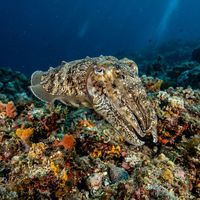
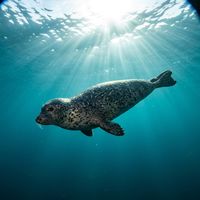
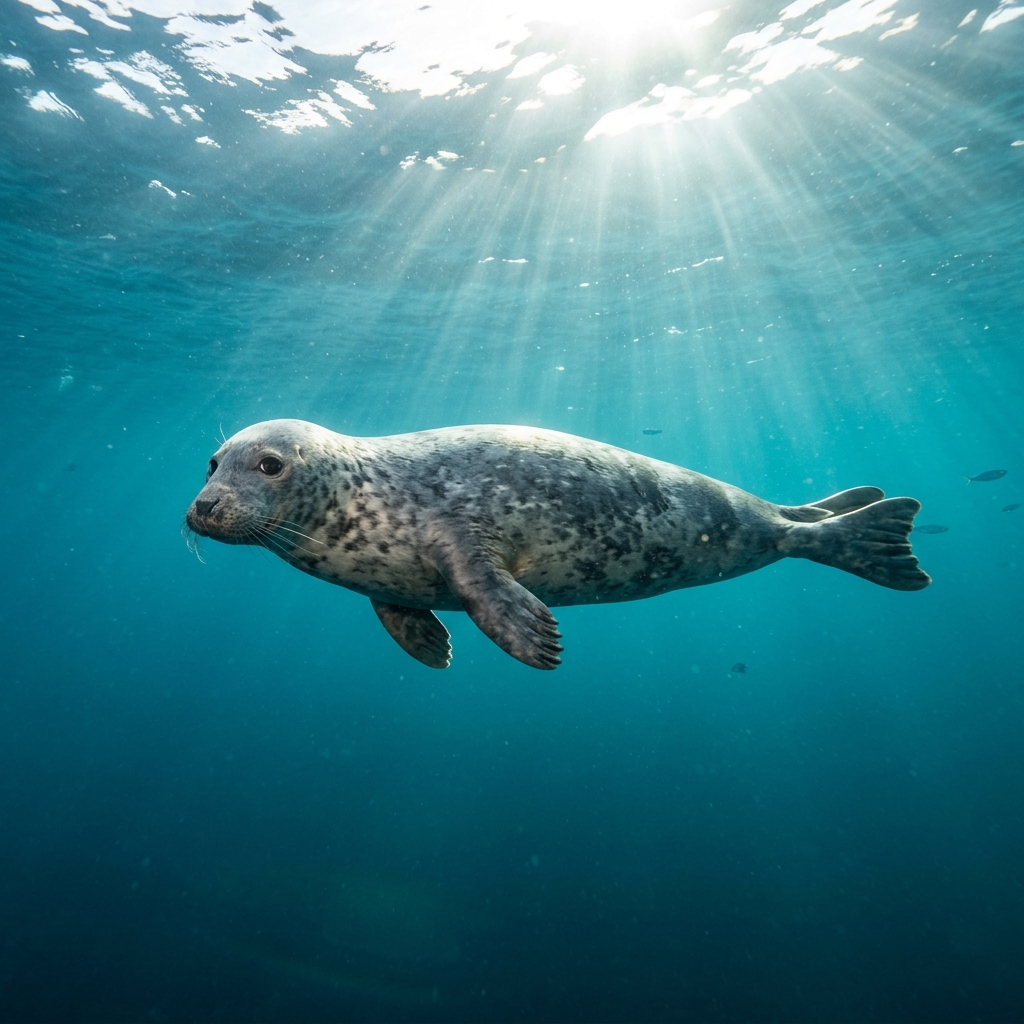
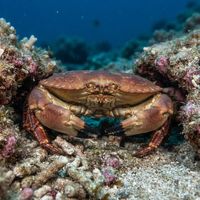
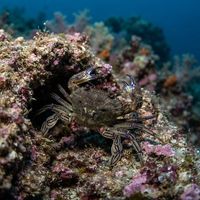
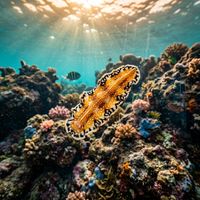
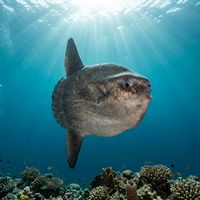
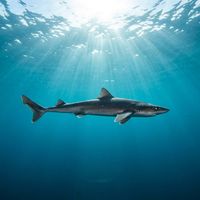
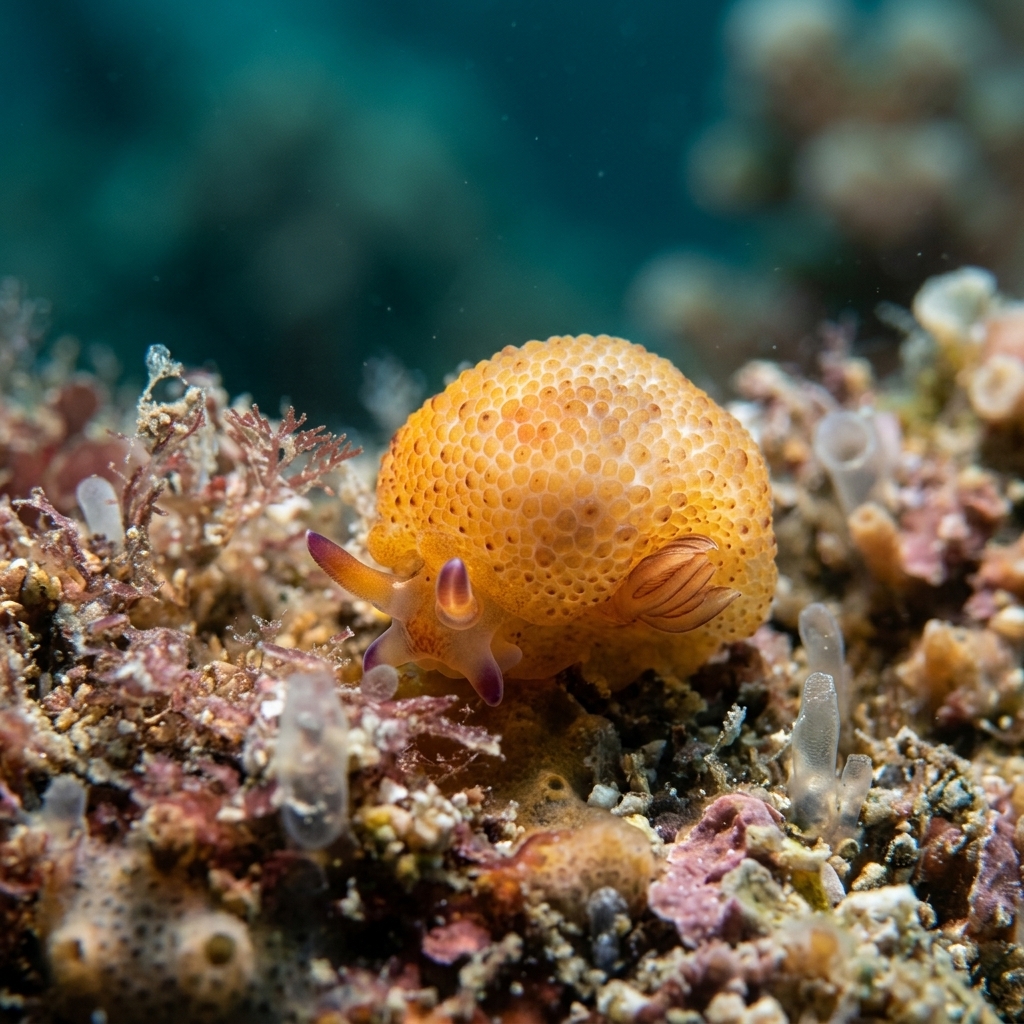
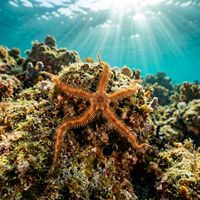
England's waters are home to a wide range of species that have been directly observed across its sites. European Common Cuttlefish and Brittle Star are among the most commonly encountered, while Sea Slug, Sea Star and Squat Lobster appear regularly on reefs and wrecks. Harbor Seal and Gray Seal are a highlight, particularly at sites such as Farne Islands Seals, and less frequent but memorable encounters include Conger Eel, Catshark, Monkfish and Ocean Sunfish.
A good proportion of England's sites are rated beginner level, including shallow reefs such as Steeple Cove and mixed environments like Portland Harbour, which can be entered from shore or boat. Helford River in Cornwall combines reef, seagrass and artificial structures at manageable depths, making it well suited to newly qualified divers. More advanced divers are also well catered for, with deep pinnacles such as Hand Deeps and technical wrecks like the USS Illinois at the other end of the scale.
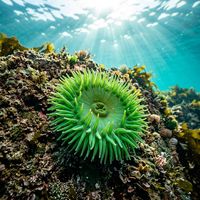
South West England has the largest number of sites by a considerable margin and offers the greatest variety, from seagrass beds and drift dives to deep offshore pinnacles and historic wrecks. South-East England and the Solent and Isle of Wight provide more sheltered diving with deliberate wrecks and artificial reefs in calmer waters. North-East England, centred on the Northumberland Coast, is notable for dramatic kelp forests, seal encounters and wreck sites including the Abessinia Wreck, while inland areas such as the Midlands offer freshwater artificial reef diving.
The majority of England's dive sites require boat access, particularly the offshore reefs, pinnacles and wrecks that define much of the diving here. Shore entry is available at a number of sites, including the freshwater artificial reef at Ndac and Portland Harbour, which offers both shore and boat entry. Many operators across the country run charter boats, and the data lists a wide choice of dive centres and operators to help arrange trips.