Squalidae spp.
Spot dogfish in cold Atlantic and North Sea waters from Brittany to Nova Scotia. Tips on ID, behaviour, and where divers log them most.
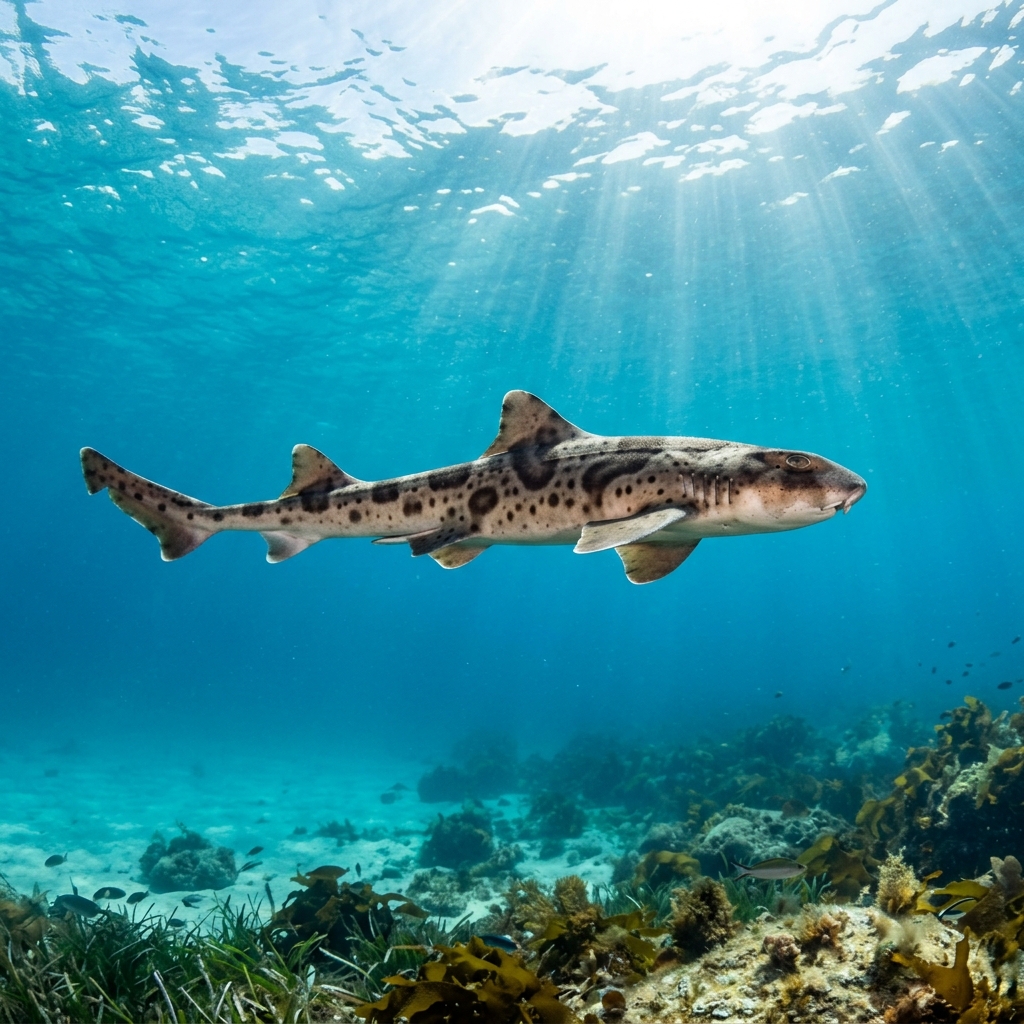
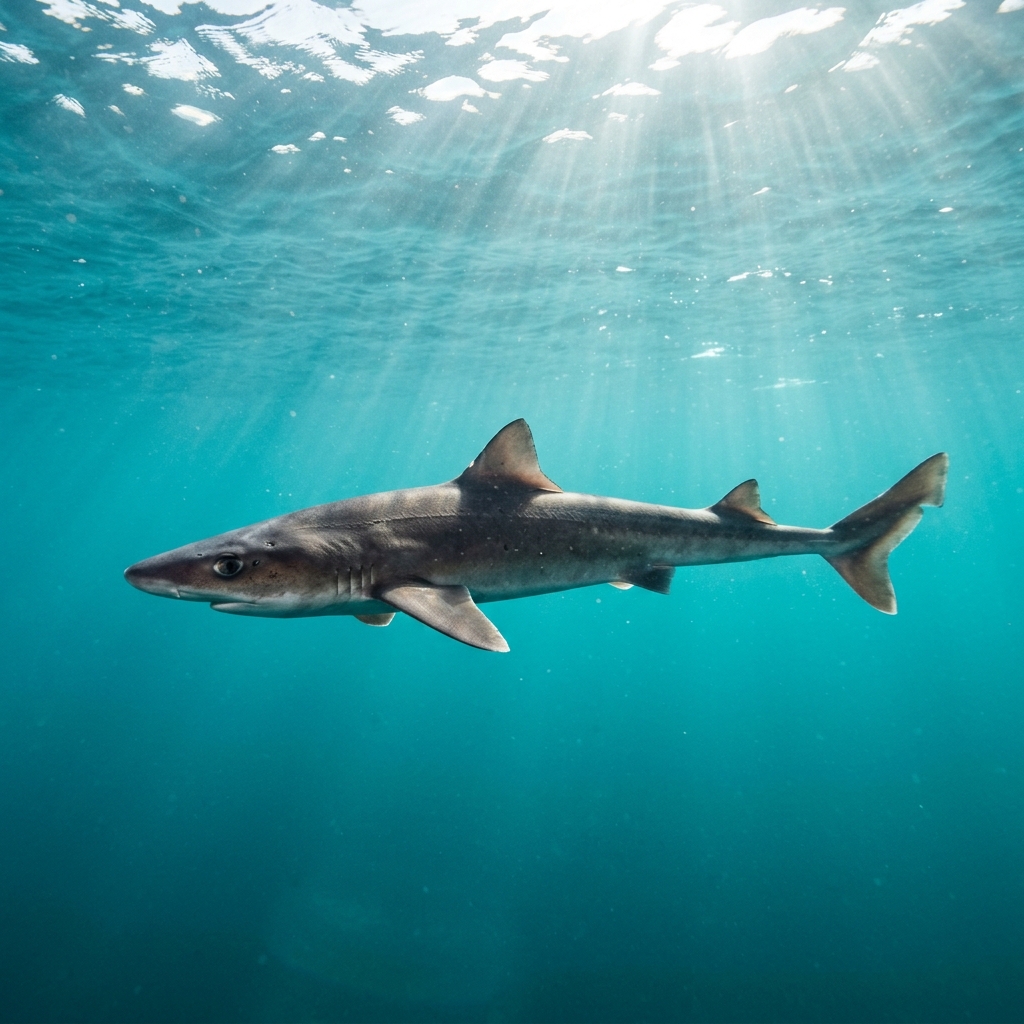
Dogfish are small, slender sharks with a distinctly elongated body, greyish or brownish upper colouration, and a pale belly, often with scattered white spots along the flanks. Two dorsal fins, each preceded by a stout spine, are the key feature to look for underwater. They move with a sinuous, almost eel-like swimming motion that sets them apart from bulkier sharks. Females grow noticeably larger than males, though both sexes share the same colouring and patterning.
Dogfish are typically seen cruising slowly along rocky reefs, kelp beds, and sandy patches, often close to the bottom. They tend to be unfazed by divers at distance but will move away if approached too closely. Encounters are usually brief: a slow pass through the water column before the shark melts back into the gloom.
Dogfish are ovoviviparous, meaning pups develop inside the female in egg cases and are born fully formed after one of the longest gestation periods of any vertebrate, which can exceed 18 months in some species.
No clear seasonal peak has emerged from the data, so dogfish can be encountered year-round wherever they occur. Their preferred water temperatures of roughly 6 to 18 °C point to year-round opportunity in temperate and boreal seas rather than any short seasonal window.
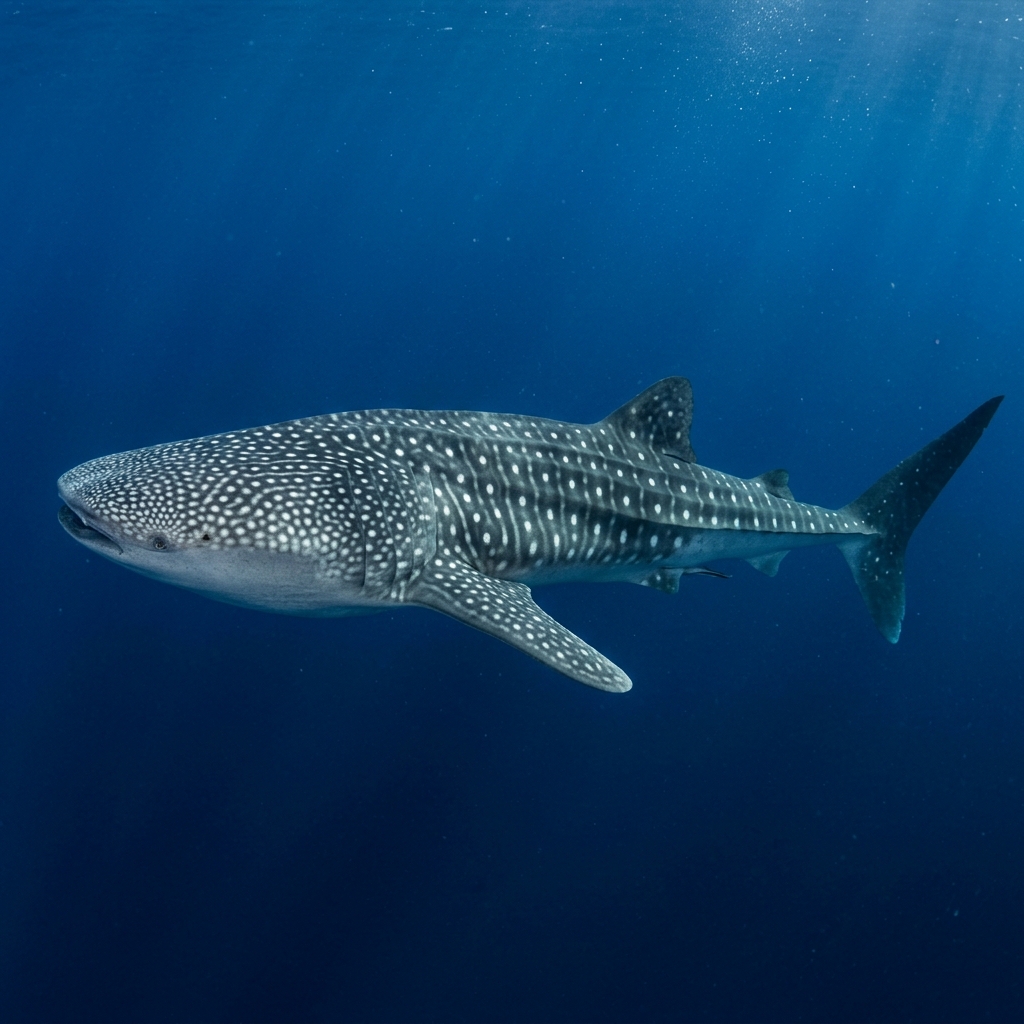
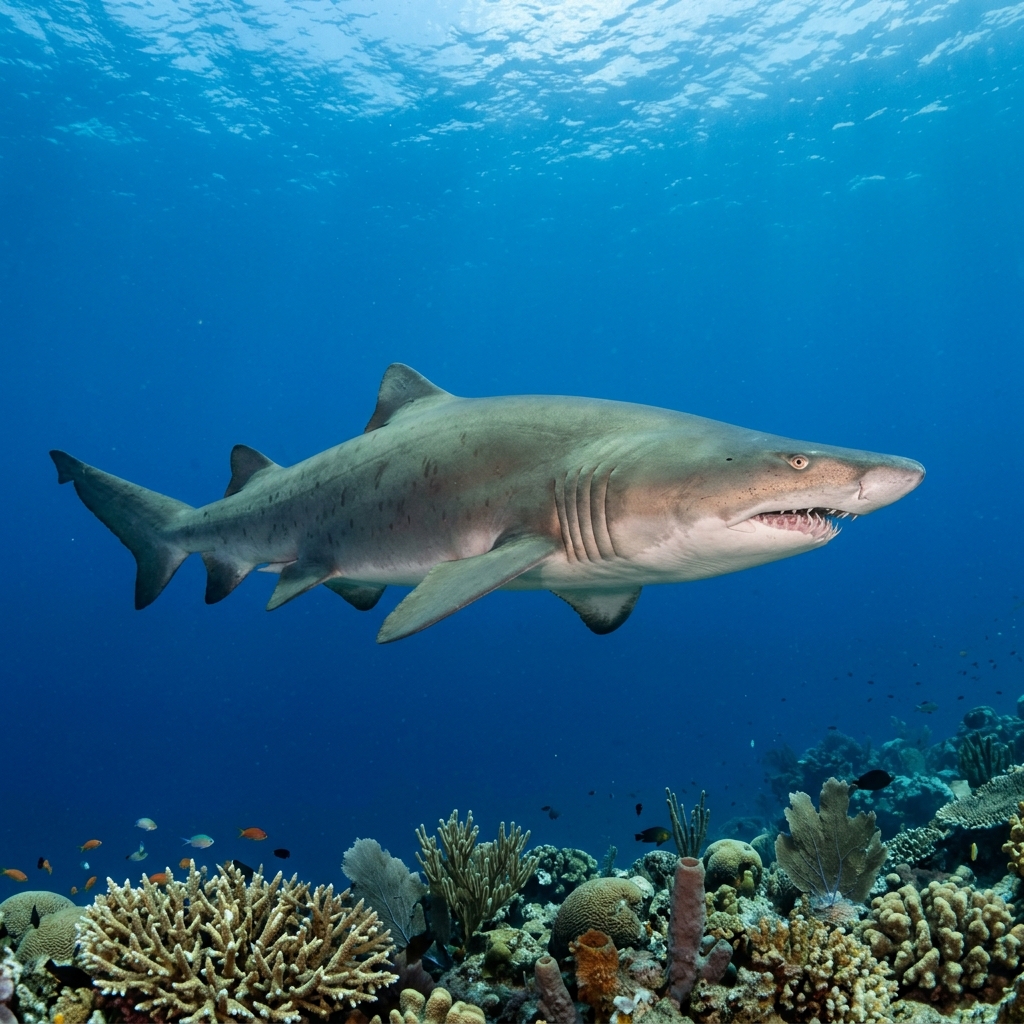
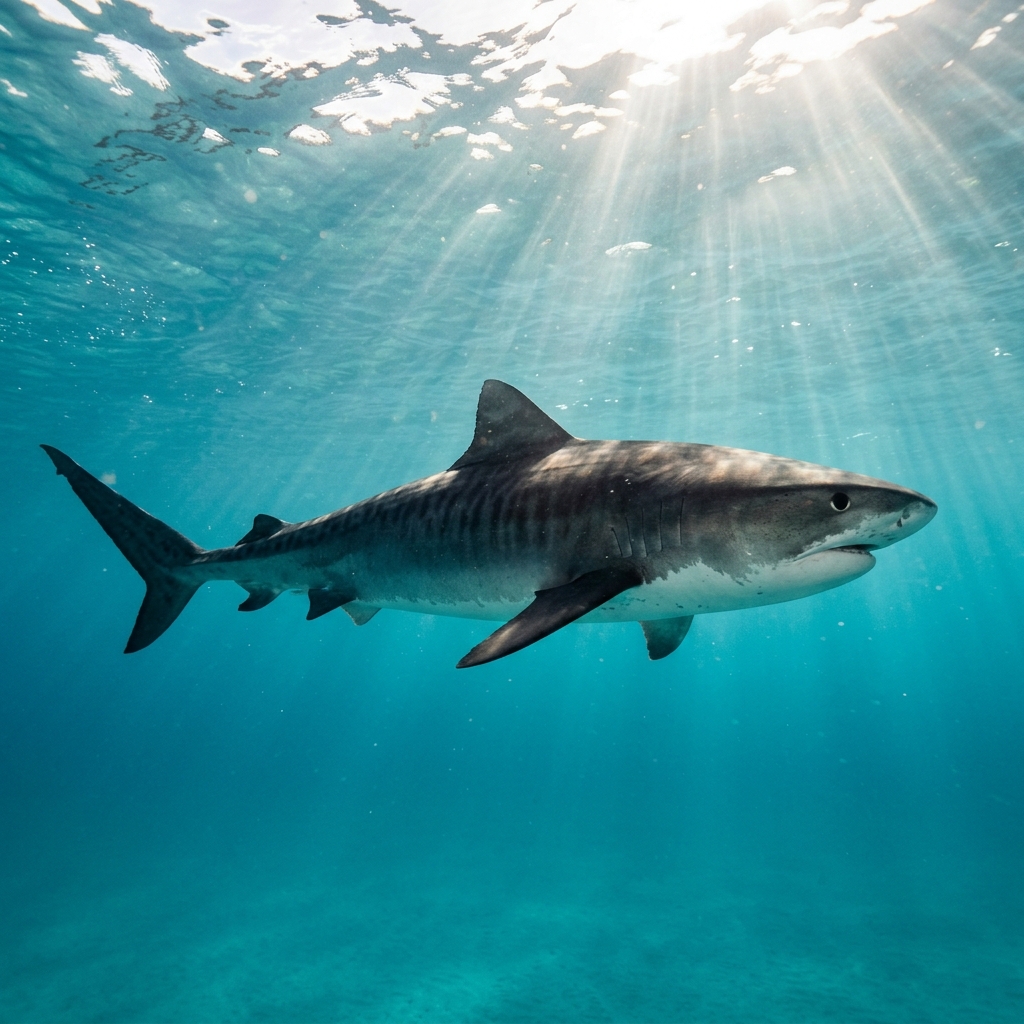
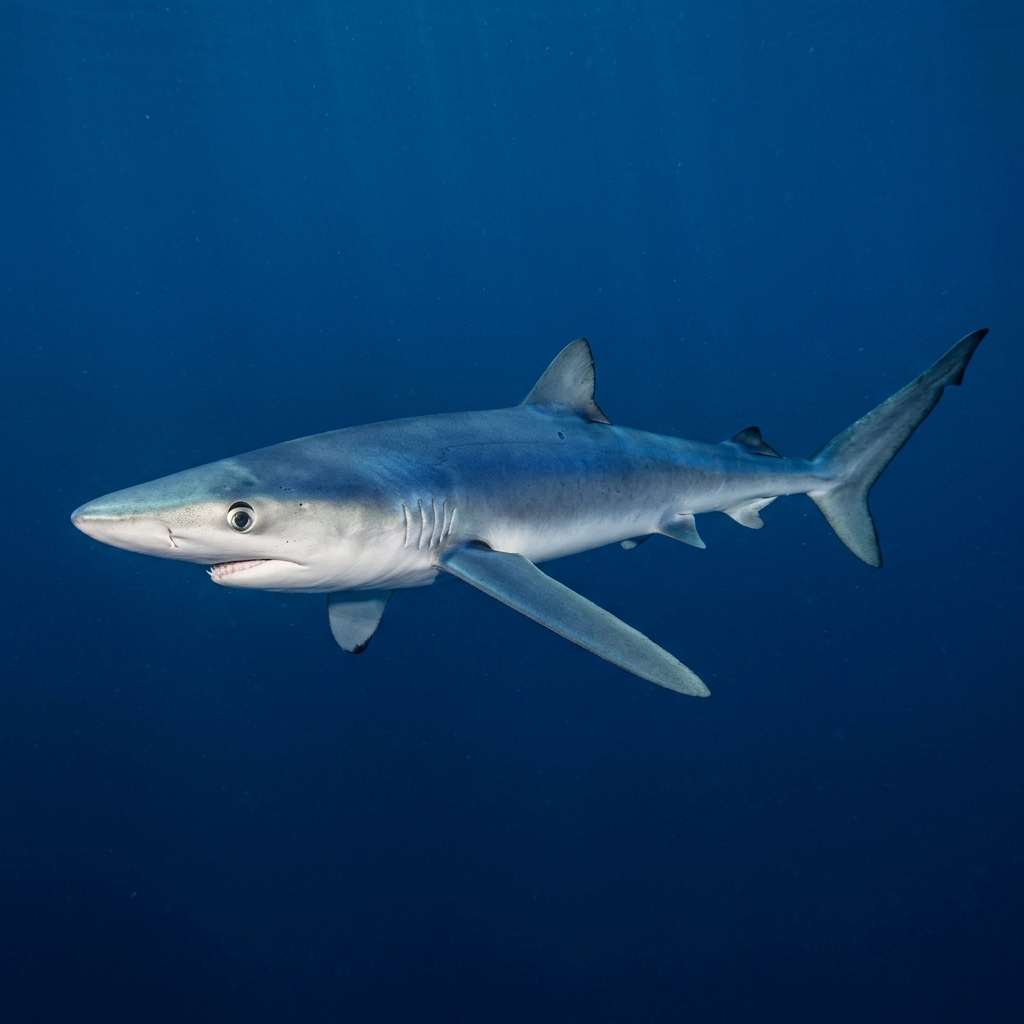
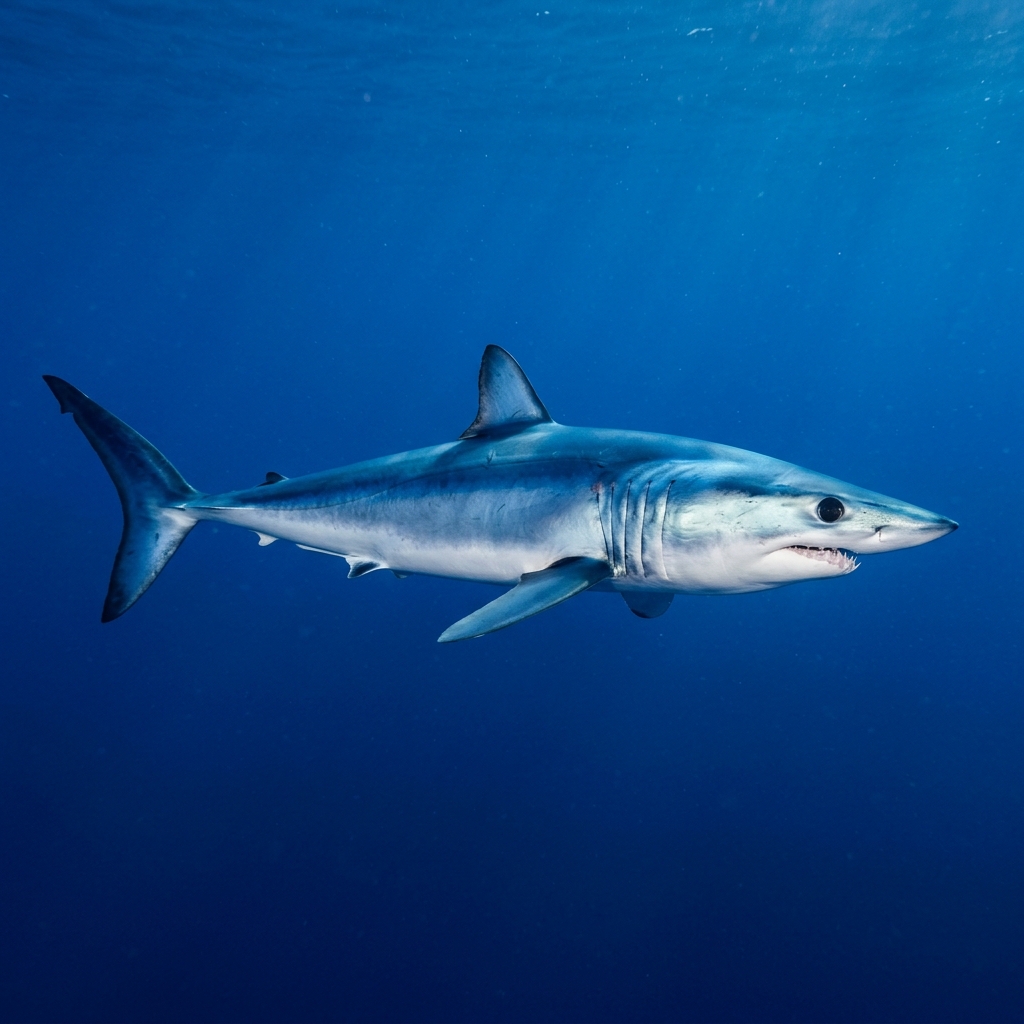
Reef neighbours a diver could mistake it for. Use the identification notes above to tell them apart.
Most sightings come from the temperate northeastern Atlantic, with Canada, the United Kingdom, and France leading the records. Top regions include Brittany and Normandy, Nova Scotia and the Bay of Fundy, and the South Coast of England. Northern Germany, the Norwegian coast, and southwest Ireland are also strong areas within the group's documented range.
Mapping where Dogfish is logged…
Dogfish are most commonly logged in the temperate northeastern Atlantic and adjacent seas. The strongest dive regions include Brittany and Normandy in France, Nova Scotia and the Bay of Fundy in Canada, and the South Coast of England. Norway, southwest Ireland, and northern Germany also feature them regularly.
There is no single peak season in the data, so encounters are possible year-round. Their cold-water preference, roughly 6 to 18 °C, means temperate Atlantic and North Sea sites hold them throughout the year rather than just in summer.
No. Dogfish pose no meaningful threat to divers. They are small, slow-moving sharks that typically retreat when a diver approaches. The spines in front of each dorsal fin can scratch if the animal is handled, but that is easily avoided by keeping your distance.
Look for a slender, small shark with a greyish-brown back, pale belly, and often a scattering of white spots. The most reliable field mark is a sharp spine in front of each of the two dorsal fins. Their sinuous, eel-like swimming style is also distinctive compared to other sharks you might see in the same waters.
Most dogfish encountered by divers are fairly small by shark standards, typically well under a metre in length. Females grow noticeably larger than males. Their compact size is one reason they are easy to overlook against a rocky reef background.
Dogfish have one of the longest gestation periods of any vertebrate. Pups develop inside the female and are born fully formed after a gestation that can exceed 18 months in some species within the family. Females give birth to small litters of live young rather than laying eggs externally.
Site and sighting data is aggregated from diver logs, iNaturalist and GBIF. For taxonomy and conservation status:
Blue Shark
1,527 sites