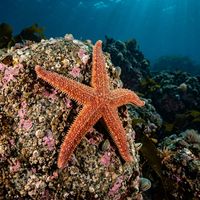
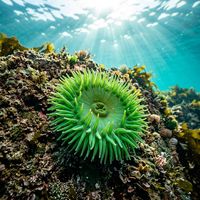
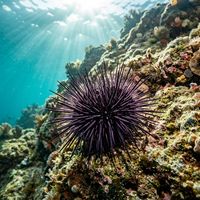
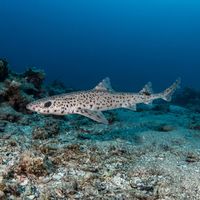
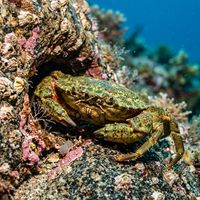
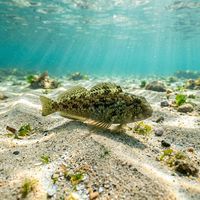
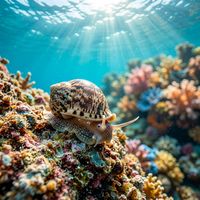
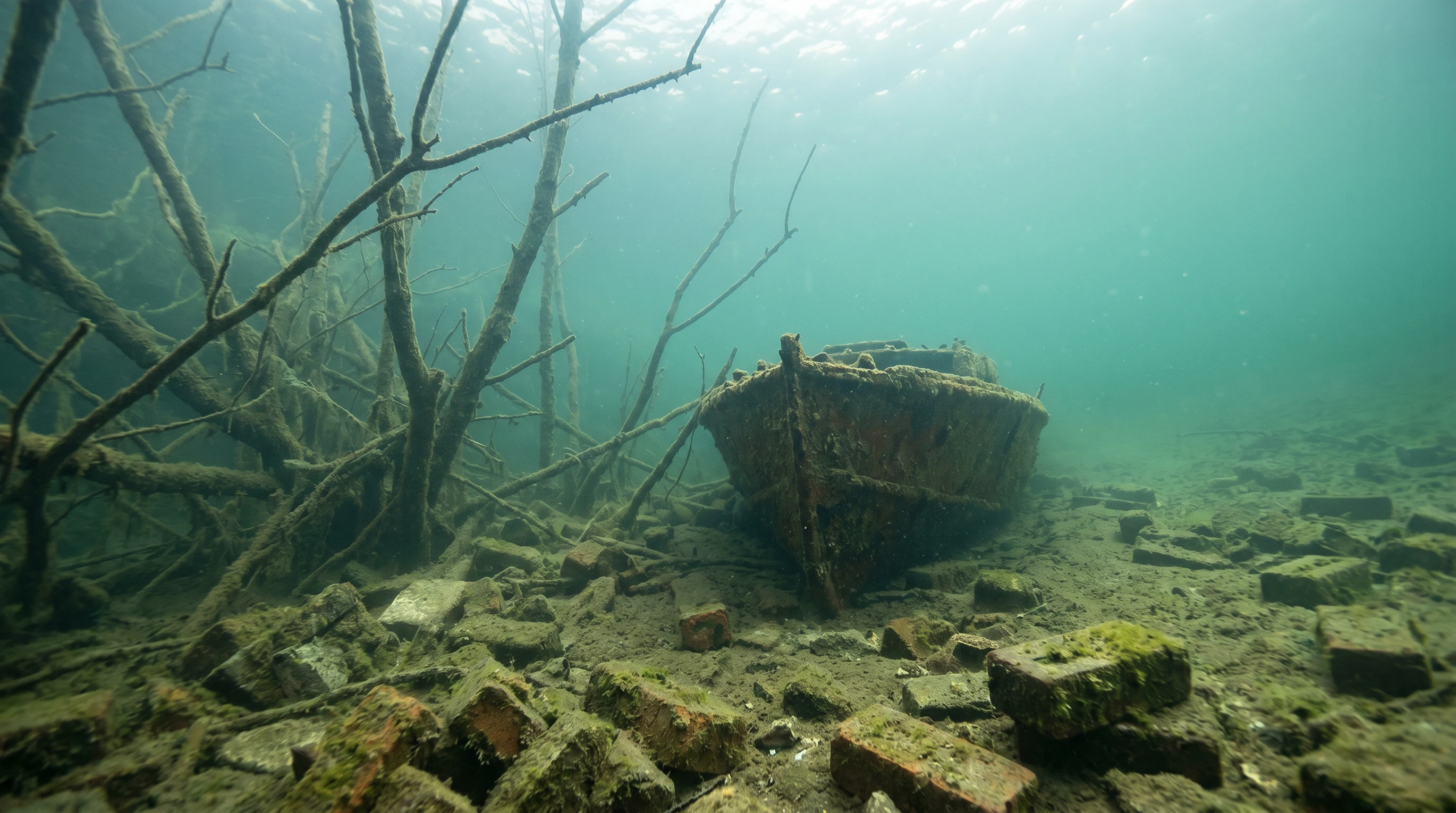
North-West England offers an unusual mix of inland freshwater sites and coastal marine locations. Quarry and lake dives, including transport-themed wrecks at Capernwray Dive Site and the deep wall at Wastwater, sit alongside coastal snorkelling spots. The freshwater sites suit beginners through to intermediate divers, while marine sites bring observed species such as Catshark, Common Sea Star, Shanny and European Green Crab. Water warms through late spring and summer, making those months the most comfortable for both activities.
Monthly water temperature across North-West England's sites, from satellite sea-surface data corrected for depth. The band shows the site-to-site spread.
Water temperatures are coldest from winter through early spring, then climb through May and peak in July and August before easing back through autumn. The warmer months offer the most comfortable conditions for exploring the deep wall at Wastwater or the wrecks at Capernwray. A drysuit or well-equipped wetsuit is advisable outside the warmest months given the cool baseline.
15 operators

9 more sites to explore
Water temperature around North-West England ranges from about 7°C in January to 17°C in July, based on satellite sea-temperature data for its dive sites.
In the warm season (about 17°C) a 7mm or semi-dry suit is comfortable in North-West England; in the coldest months (about 7°C) step up to a drysuit.
Fin maps 13 sites in North-West England (6 scuba diving sites and 7 snorkelling spots).
Across North-West England's dive sites, May, June, July, August and September are most often reported as the best months to visit.
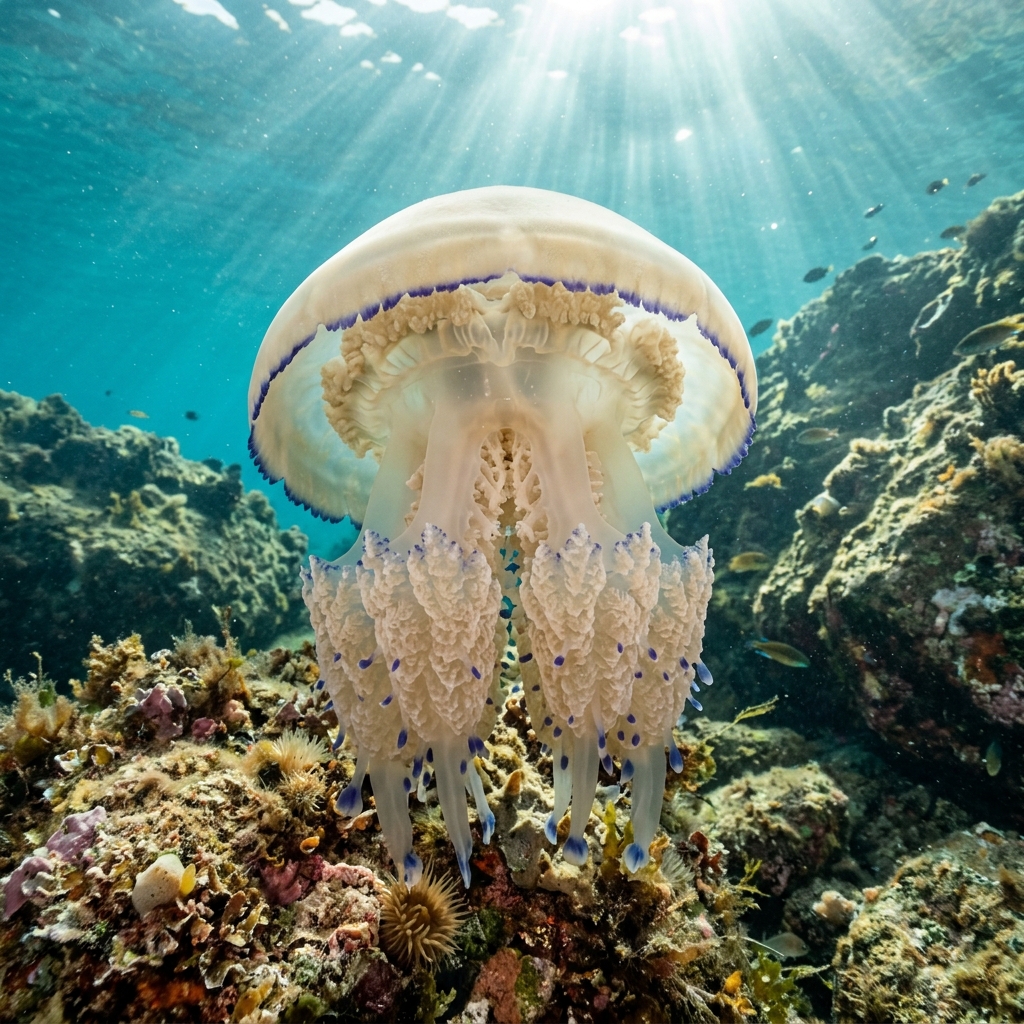
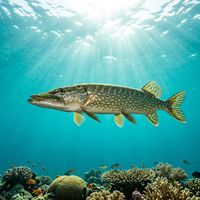
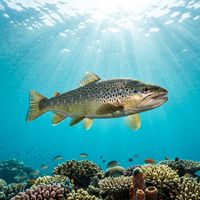
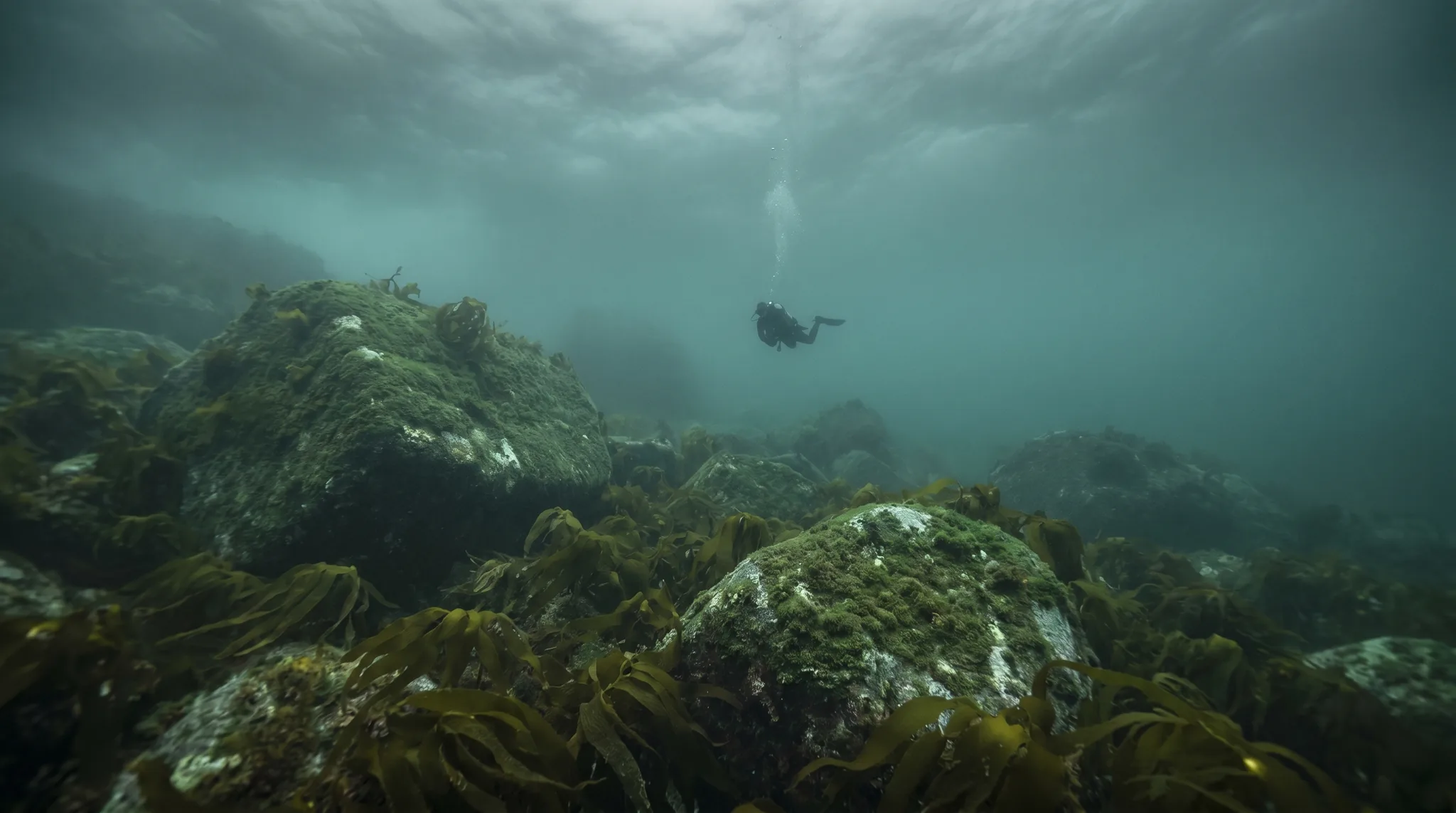
Observed species include Catshark, Common Sea Star, European Green Crab and Shanny across the coastal sites. Barrel Jellyfish have also been recorded. In freshwater sites such as Capernwray Dive Site, Pike and Trout are occasionally encountered.
Several sites are well suited to beginners. Capernwray Dive Site is a sheltered freshwater quarry with shore entry and relatively shallow maximum depth, making it a popular choice for early open-water experience. Eccleston Delph Quarry is similarly accessible and features artificial reef structures. Wastwater and Devil's Bridge are better matched to intermediate divers.
The freshwater sites, such as Capernwray Dive Site and Eccleston Delph Quarry, are sheltered quarry or lake environments with controlled entry and wreck or artificial reef features. The coastal sites expose divers and snorkellers to marine species like Catshark and Common Sea Star in more open conditions. Wastwater stands apart as a deep freshwater lake with a dramatic wall and drop-off suited to intermediate divers.
All of the listed dive sites in North-West England feature shore entry, so no boat is required to access them. This makes planning straightforward and keeps the experience accessible without needing to arrange vessel transfers. There are currently no listed dive operators in the region, so divers should come self-organised or arrange guiding from outside the area.