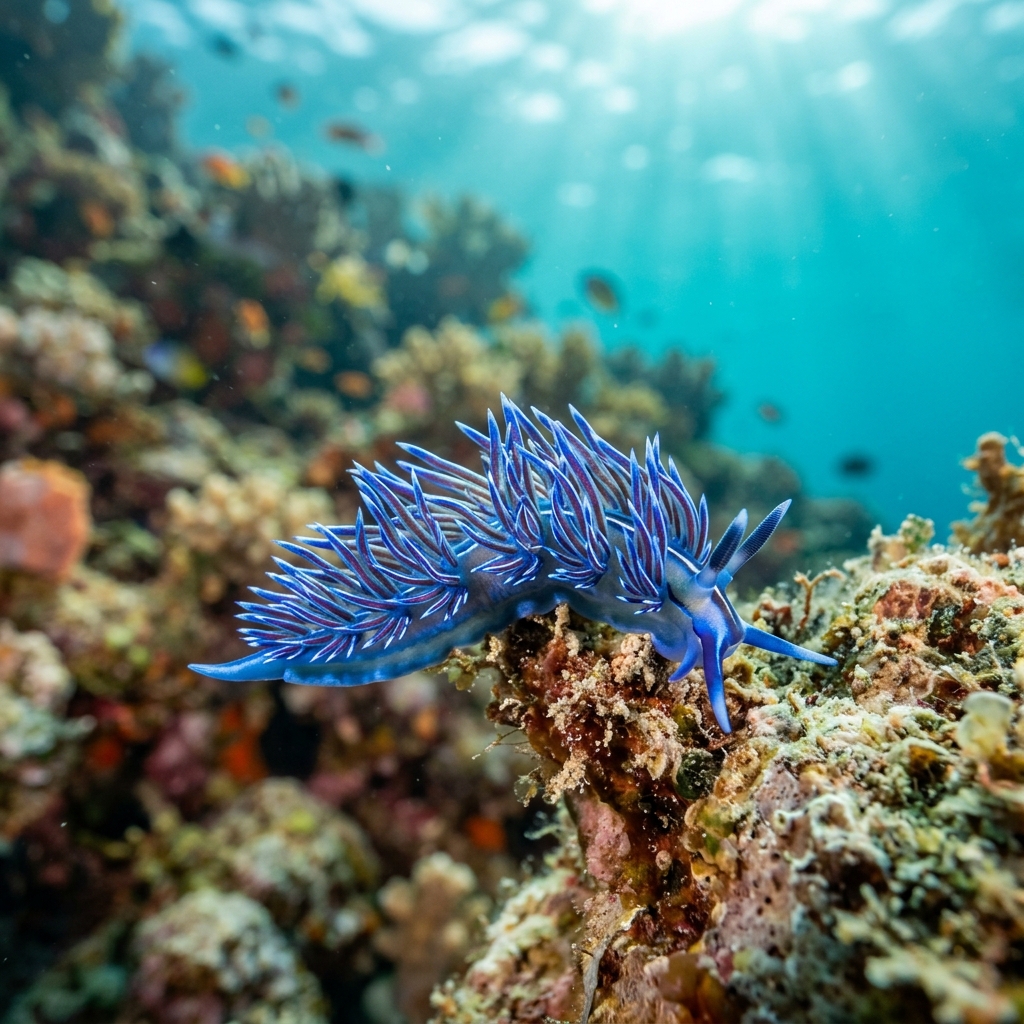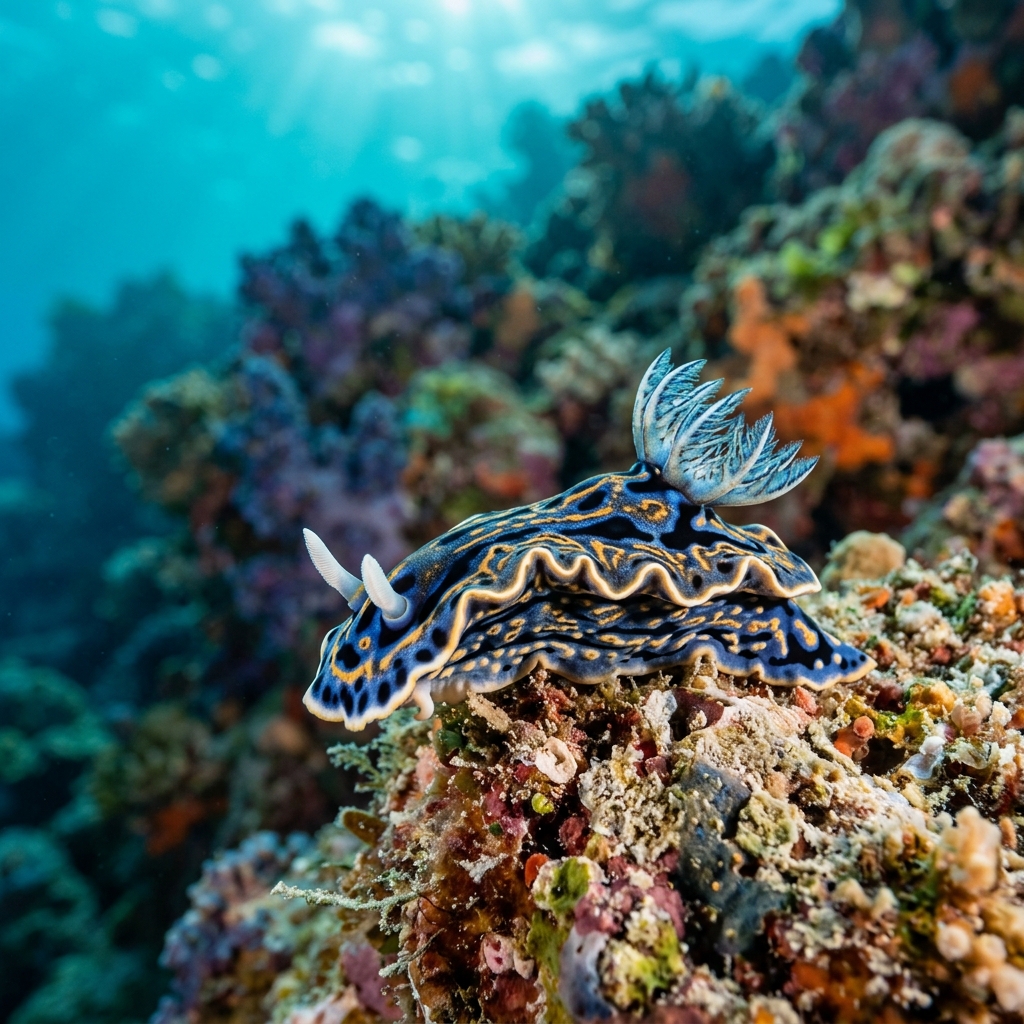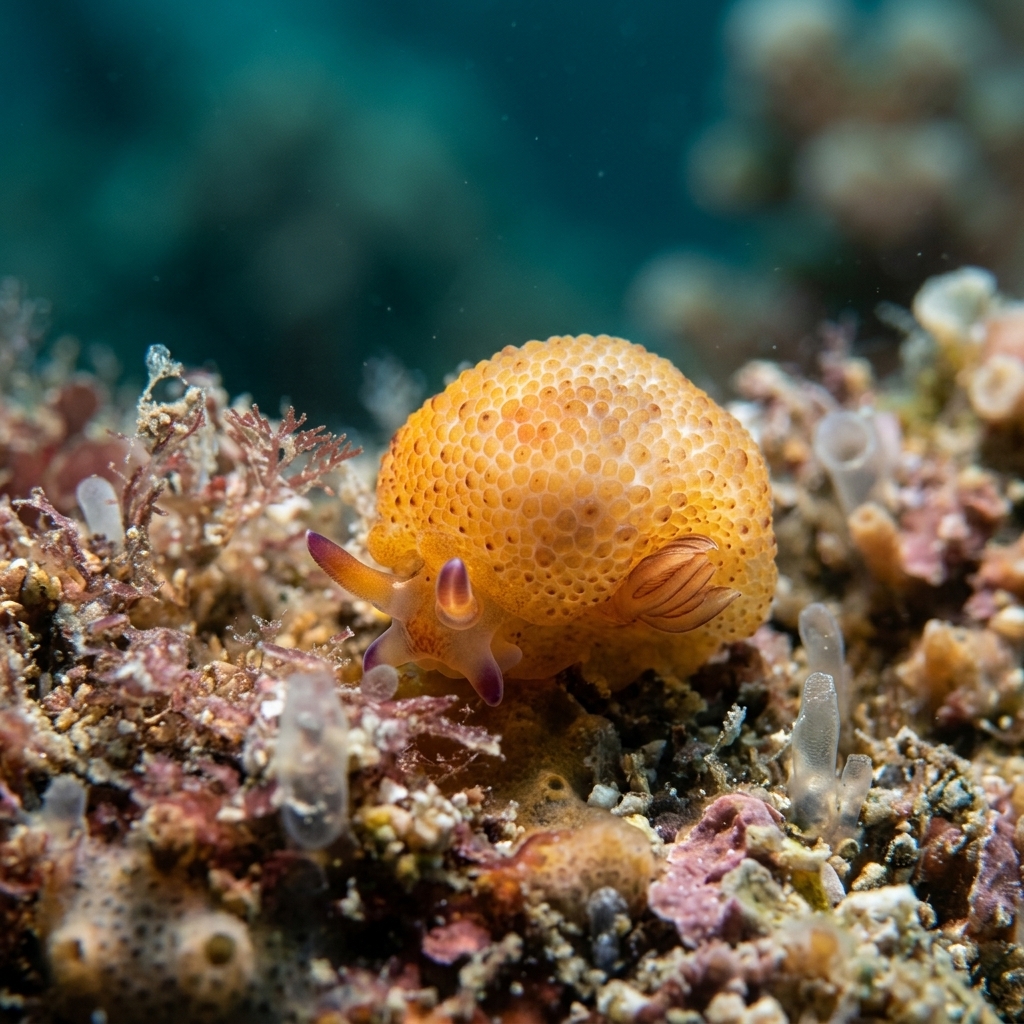
Pleurobranchidae spp.
Spot seaslugs from the Philippines to Florida year-round. ID tips, top dive sites, and when sightings peak in the Southern Hemisphere.
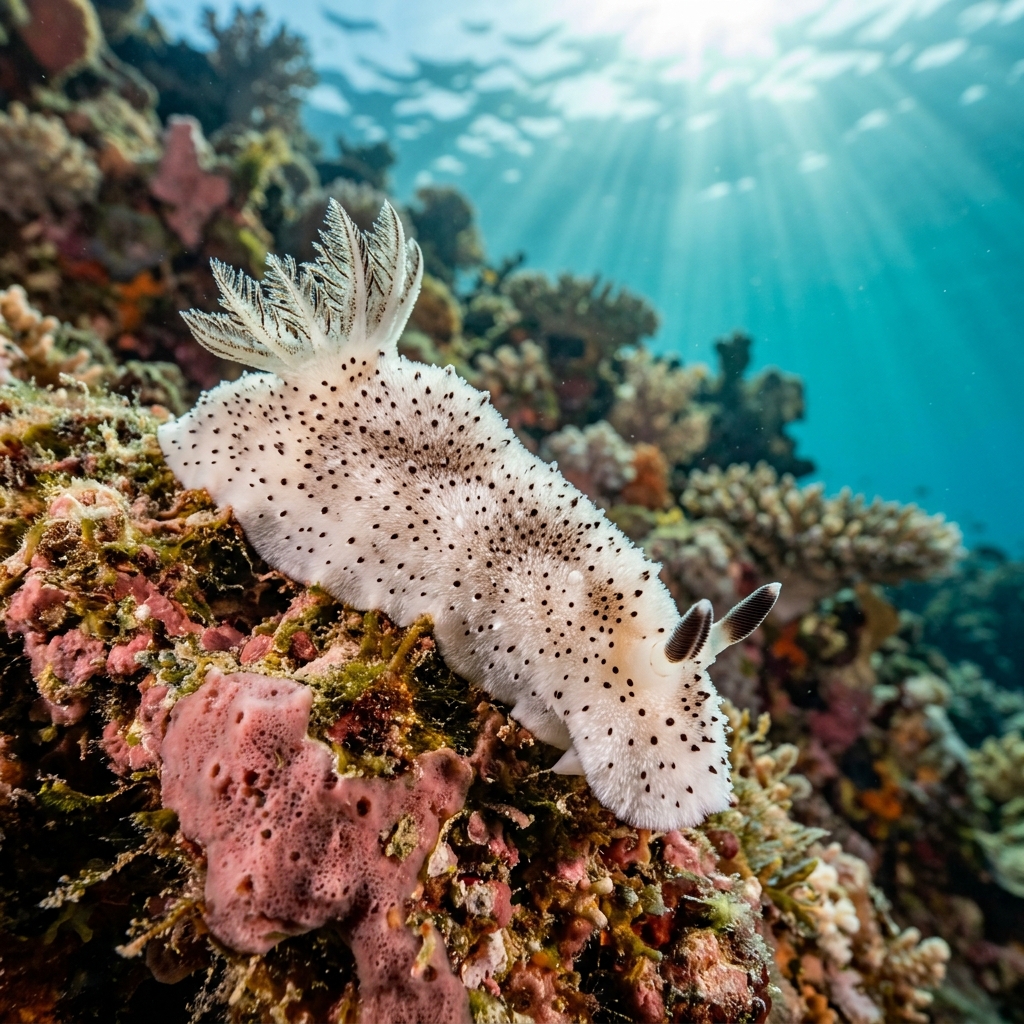
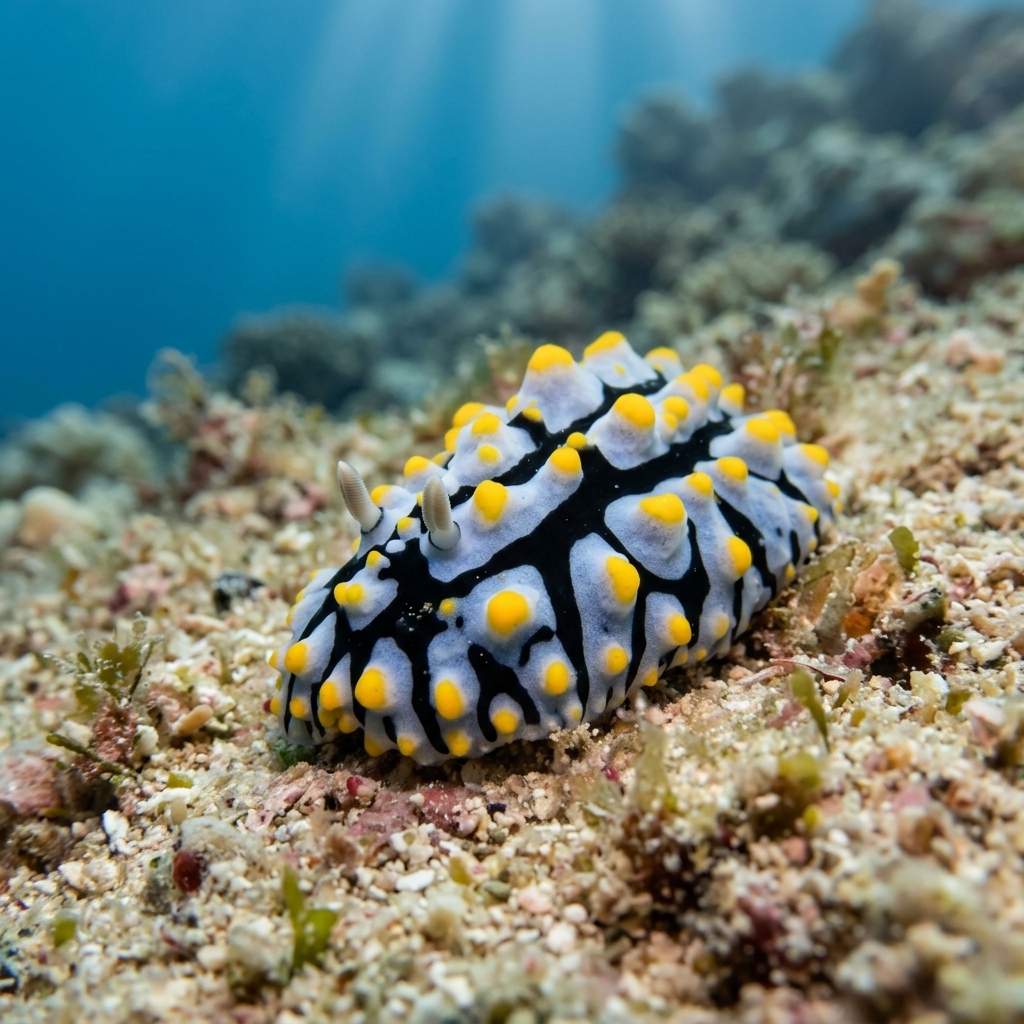
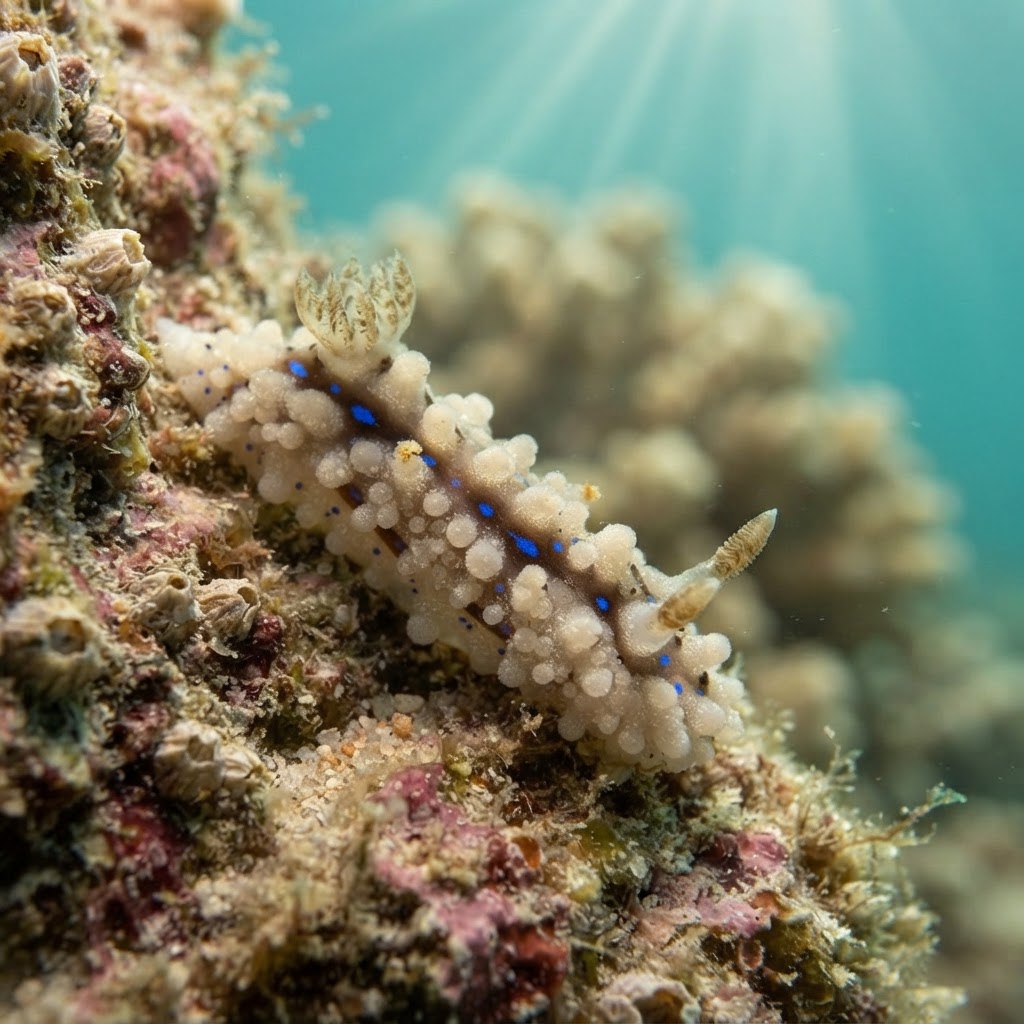
Pleurobranchidae seaslugs are flattened, oval-bodied molluscs with a broad, fleshy mantle (the large dorsal flap that covers most of the body) that often overhangs the foot and hides the gills underneath. Unlike dorids or aeolids, the plume-like gill is tucked beneath the mantle skirt on the right side rather than sitting on top. Colouration varies widely across the family, from pale cream and grey to rich orange or purple, often with a warty or granular mantle surface that breaks up the outline against the substrate. Size ranges considerably between species, but most are compact enough to sit within a hand's width.
Pleurobranchidae seaslugs are slow-moving, bottom-dwelling animals typically spotted creeping across rock, rubble, or encrusting reef at night or in low-light conditions, feeding on encrusting organisms such as tunicates and sponges. Most divers find them tucked under ledges or among coralline algae rather than out in the open. They tend to ignore diver presence entirely, making close observation straightforward, though their cryptic colouration means they reward a slow, methodical search rather than a quick swim-through.
Many Pleurobranchidae species are chemically defended, sequestering or producing compounds from their tunicate and sponge prey that make them unpalatable to fish predators, which is why they can afford to move slowly and conspicuously in the open.
In the Northern Hemisphere, sightings are spread across all months with no concentrated peak, so diving any time of year is viable. Southern Hemisphere sightings concentrate between June and December, making that window the better bet for destinations such as Queensland.
Reef neighbours a diver could mistake it for. Use the identification notes above to tell them apart.
Seaslugs in this family are most commonly logged in the Philippines, the United States, and Australia, with the Visayas and Luzon in the Philippines, Queensland in Australia, and the Florida and Southeast US coast among the strongest regions in the data. France (particularly Brittany and Normandy), Italy (Sardegna and Tuscany), the UK, Indonesia, and Japan also hold significant numbers of recorded sites, showing the family's reach from temperate Atlantic reefs to Indo-Pacific tropical systems.
Mapping where Sea Slug is logged…
This family is recorded across a wide range of dive destinations. The Philippines, United States, and Australia lead in logged sites, with strong showings in the Visayas, Florida's southeast coast, and Queensland. Divers in Europe also encounter them regularly along the coasts of France, Italy, and the UK.
In the Northern Hemisphere, sightings are distributed year-round with no clear peak season. If you are diving in the Southern Hemisphere, aim for June through December when observations are most concentrated.
Look for a broad, oval, fleshy mantle that overhangs a flattened body, with the gill hidden underneath on the right side rather than displayed on top as in dorids. The surface is often granular or warty. If you spot a similar-looking animal with a visible gill tuft on the back, it is likely a dorid nudibranch rather than a pleurobranchid.
Diver observations place this family across a broad temperature range, from around 10°C in cooler temperate waters up to nearly 29°C on tropical reefs. This versatility explains why they turn up everywhere from the cold Atlantic coasts of Brittany and the UK to the warm seas of Indonesia and the Maldives.
No, they pose no threat to divers whatsoever. They are slow, small, and entirely focused on their own business. Some species carry chemical defences against fish predators, but these are no concern for humans observing from a short distance.
Site and sighting data is aggregated from diver logs, iNaturalist and GBIF. For taxonomy and conservation status:
Varicose Wart Slug
3,145 sites