Actiniidae
Spot giant green anemones across cool Atlantic waters from Brittany to Ireland and Scotland. Here's how to find and identify them underwater.
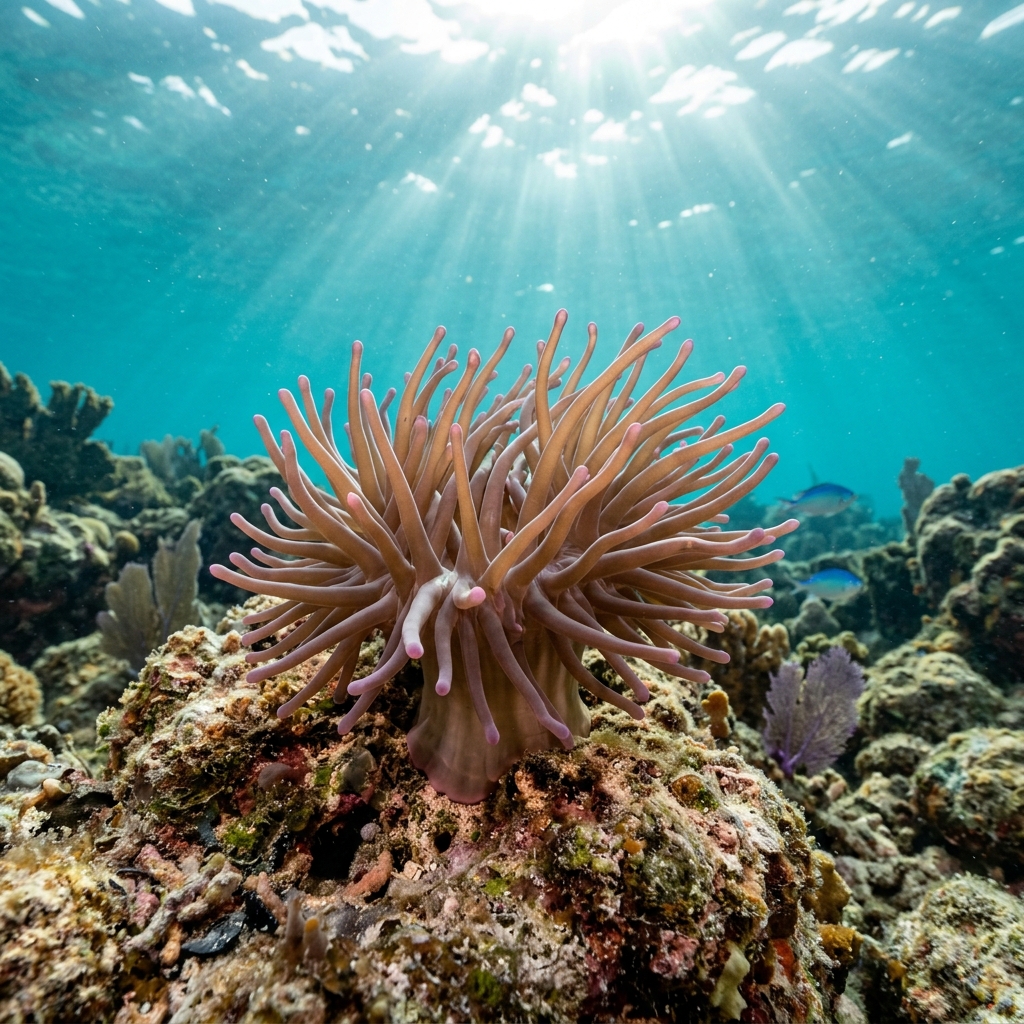
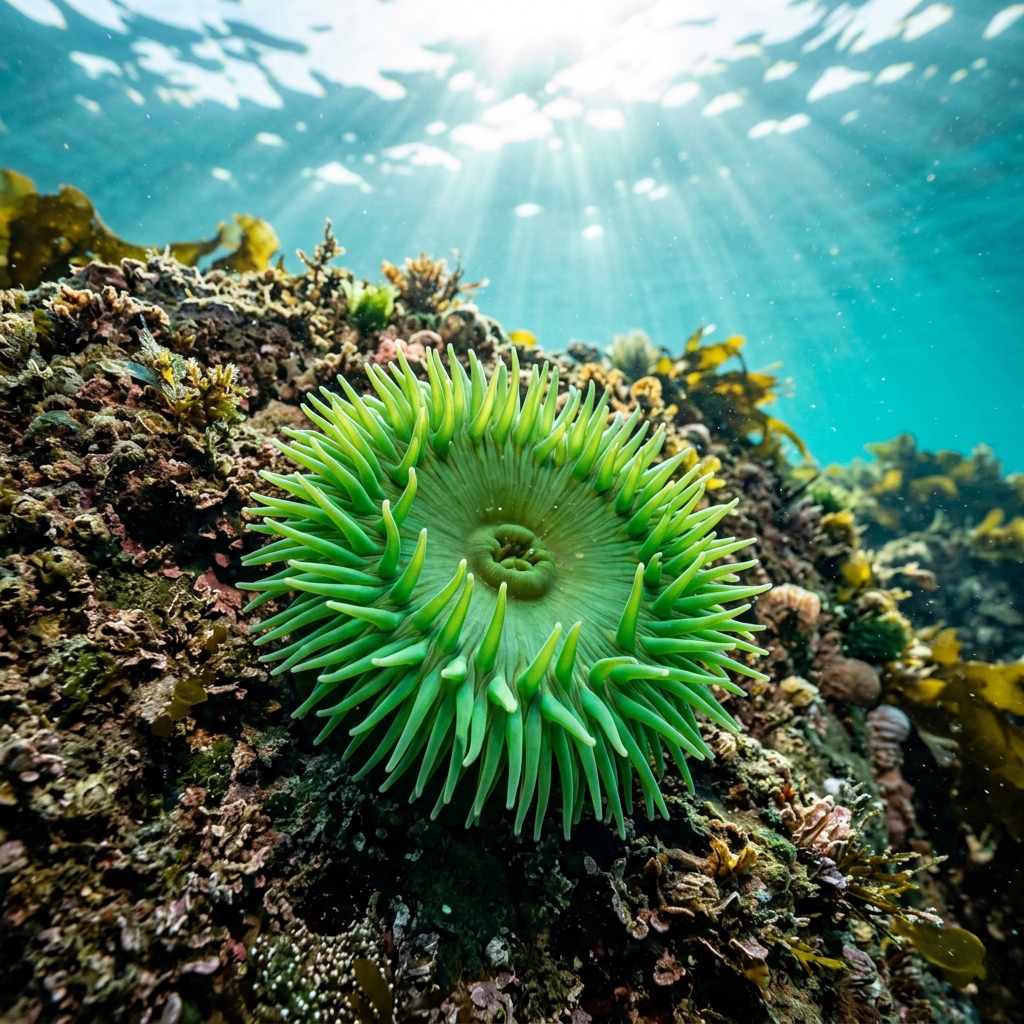
Look for a robust, column-shaped body anchored firmly to hard substrate, with a dense crown of short, tapered tentacles that glow green to olive in ambient light. The vivid green colouration comes from symbiotic algae (zooxanthellae) living in the tissue, making it one of the more striking anemones in temperate Atlantic waters. At rest the column can reach a hand-span across; when disturbed it contracts into a low, warty mound that looks quite different. The oral disc, when fully open, is noticeably flat and wide relative to the column height.
You will almost always find them clamped to vertical rock faces, overhangs, or boulder tops in areas with some current, which brings them the plankton they feed on. They tend to ignore divers unless physically disturbed, at which point the tentacles retract and the whole animal shrinks dramatically. Approach slowly and hover without touching the rock and they usually stay fully expanded.
The green colouration is not pigment but living single-celled algae embedded in the anemone's tissue. In well-lit shallows the anemone essentially farms its own food through photosynthesis alongside its active tentacle feeding, a partnership that gives it a nutritional edge over anemones in deeper or darker spots.
No clear seasonal peak has emerged from the data, so this group can be treated as year-round for planning purposes. The observed water temperature niche of roughly 10 to 17 °C fits the cool, temperate waters of the North Atlantic throughout the year.
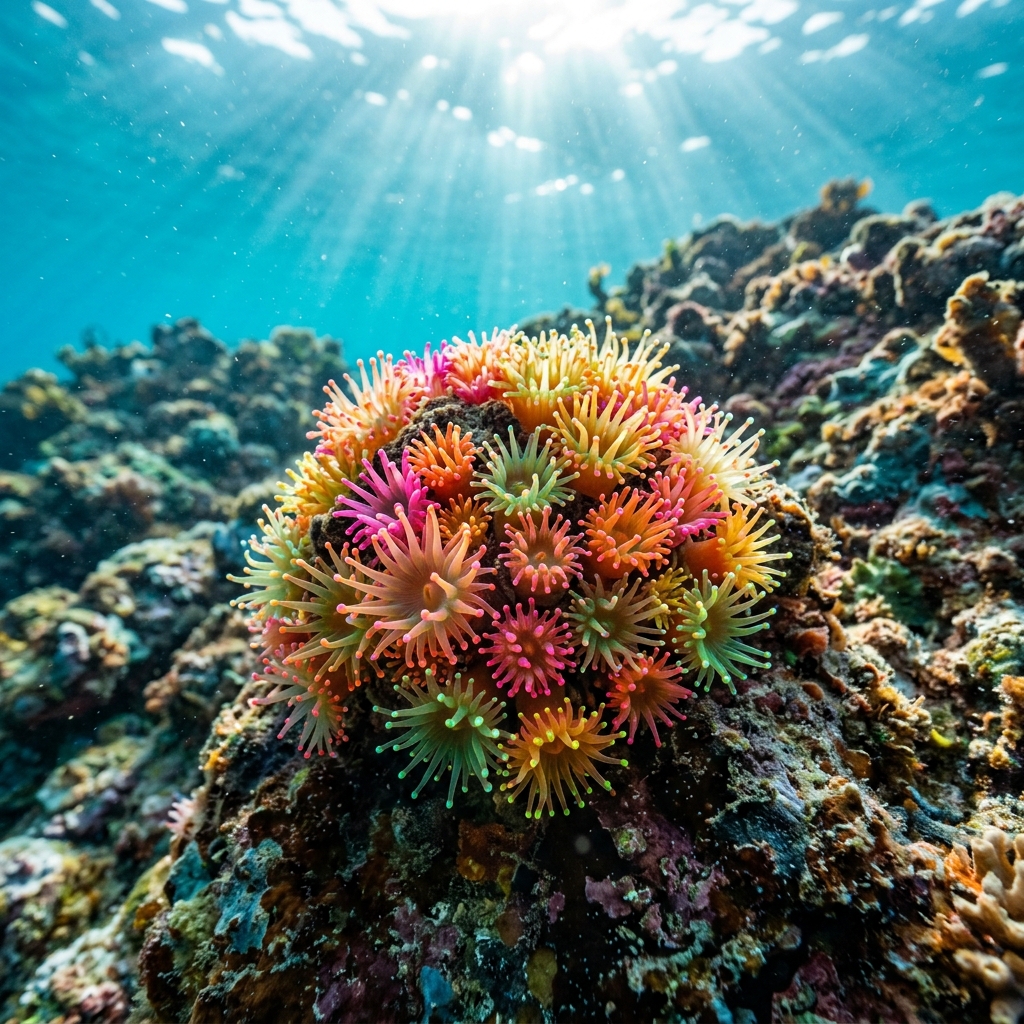
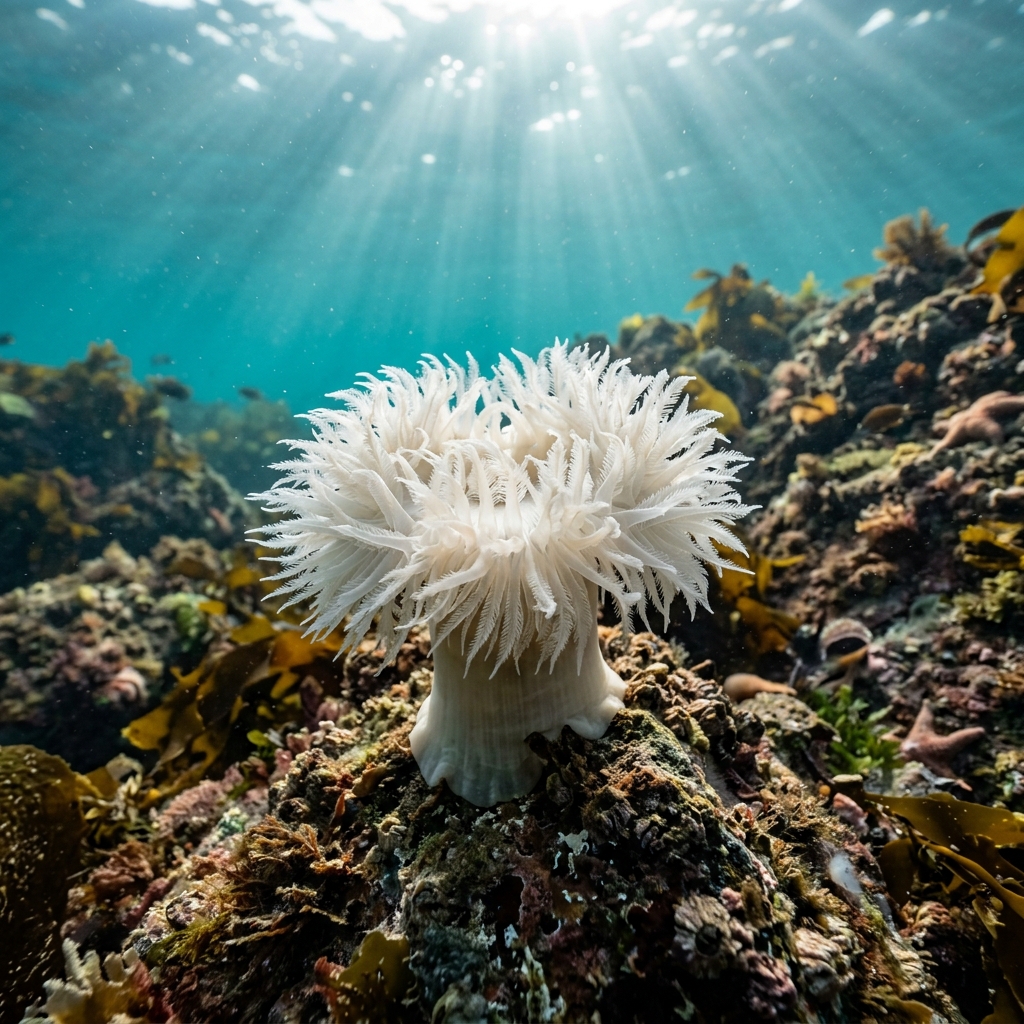
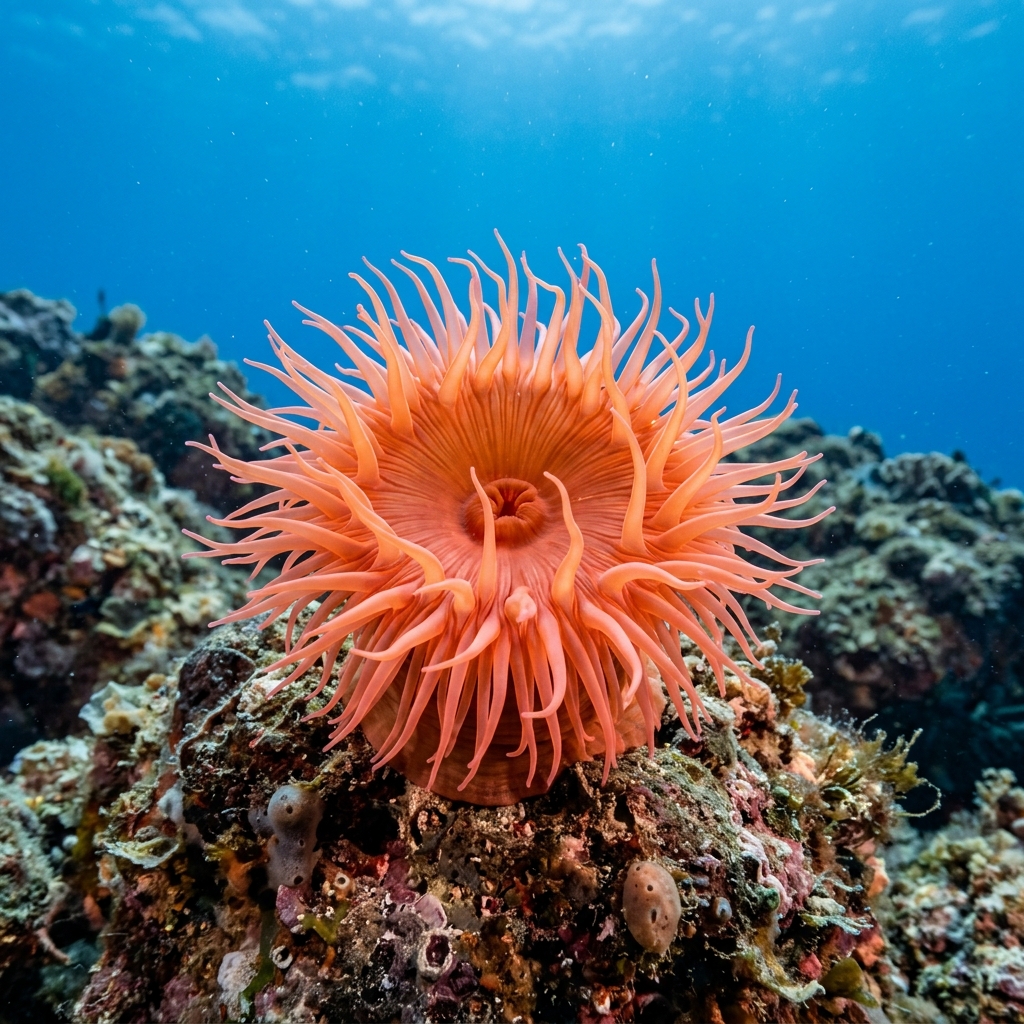
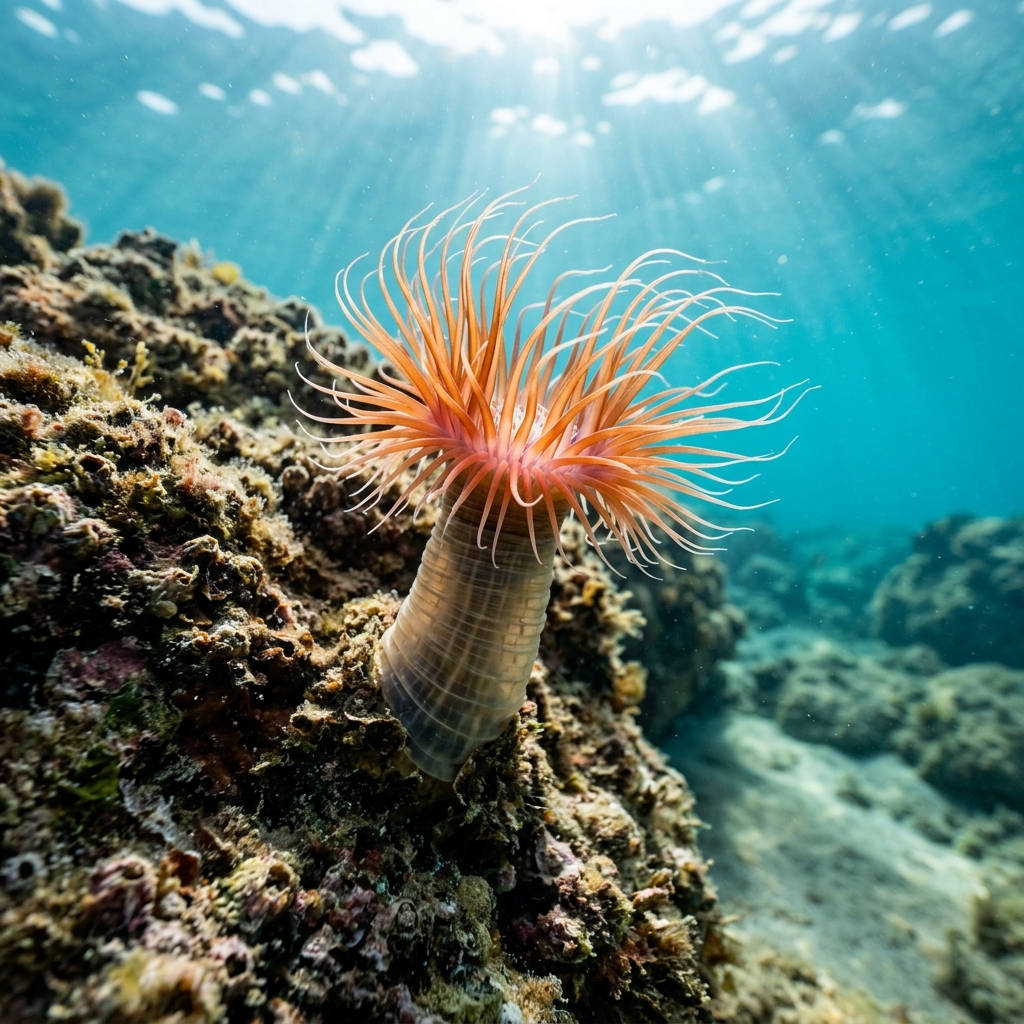
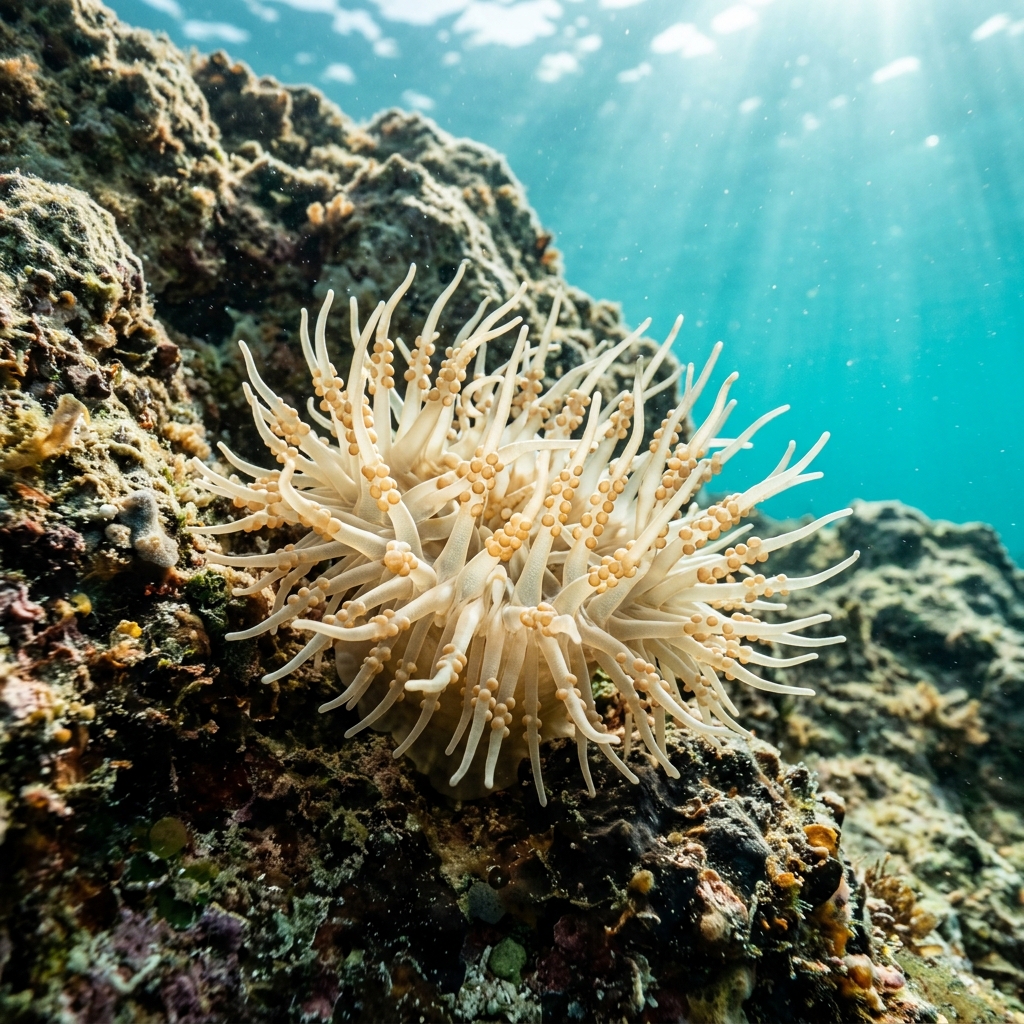
Reef neighbours a diver could mistake it for. Use the identification notes above to tell them apart.
Sightings are spread across cool-water dive destinations throughout the North Atlantic and northern Europe. The strongest coverage sits in the United Kingdom, with South Coast England and Scotland's west coast particularly well represented, followed closely by Southwest Coast Ireland and the Brittany and Normandy coast of France. The United States Atlantic seaboard and Great Lakes region also feature prominently in the data.
Mapping where Giant Green Anemone is logged…
They are most reliably logged in cool north Atlantic waters. Top spots include the South Coast of England, Southwest Coast of Ireland, Brittany and Normandy in France, and Scotland's west coast. The US Atlantic and Great Lakes region also have a solid presence in the dive data.
There is no strong seasonal pattern in the data, so they can be encountered year-round at suitable sites. Their preferred water temperature of around 10 to 17 °C means the cool waters of northern Europe and the North American Atlantic coast remain within range throughout the year.
Key features are the vivid green to olive colouration, a wide flat oral disc when fully open, and a dense mass of short tapered tentacles. When disturbed it contracts into a compact, warty lump that barely resembles an anemone. The intense green is caused by symbiotic algae in the tissue and is a reliable underwater marker.
Fully expanded, a large individual can spread its oral disc to roughly 15 to 17 cm across, making it one of the more substantial anemones on temperate Atlantic reefs. When contracted the animal is much smaller and denser, so size estimates on a single dive can vary considerably depending on whether you catch them open or closed.
They pose no meaningful risk to divers. Like all anemones they carry stinging cells (nematocysts) on their tentacles for capturing prey, but the sting is far too weak to penetrate human skin. Simply avoid touching them and they will remain open and undisturbed.
Site and sighting data is aggregated from diver logs, iNaturalist and GBIF. For taxonomy and conservation status:
Cerianthus
1,879 sites