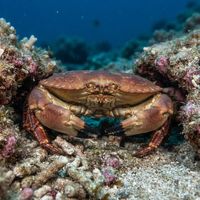
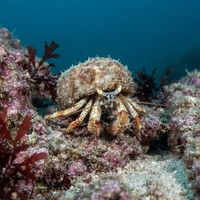
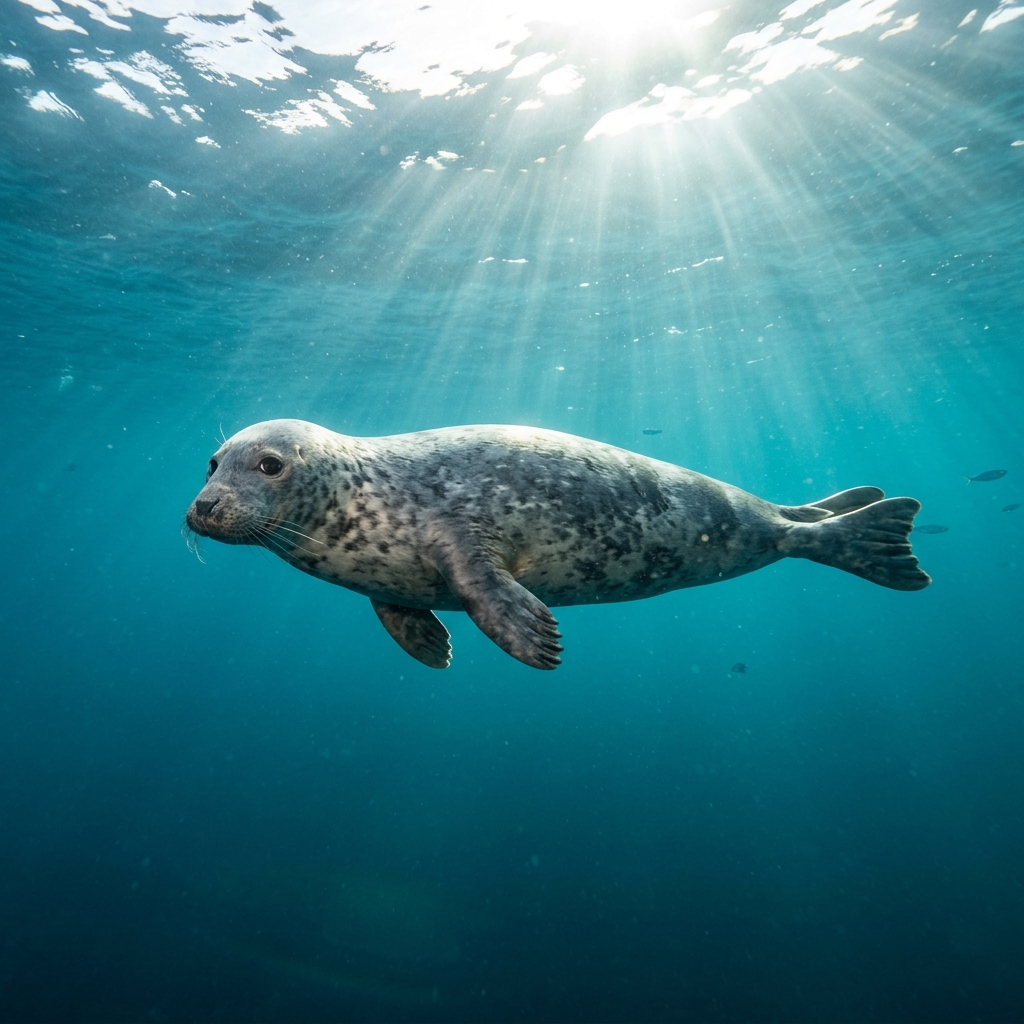
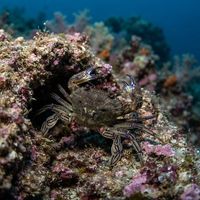
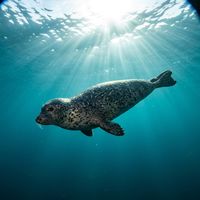
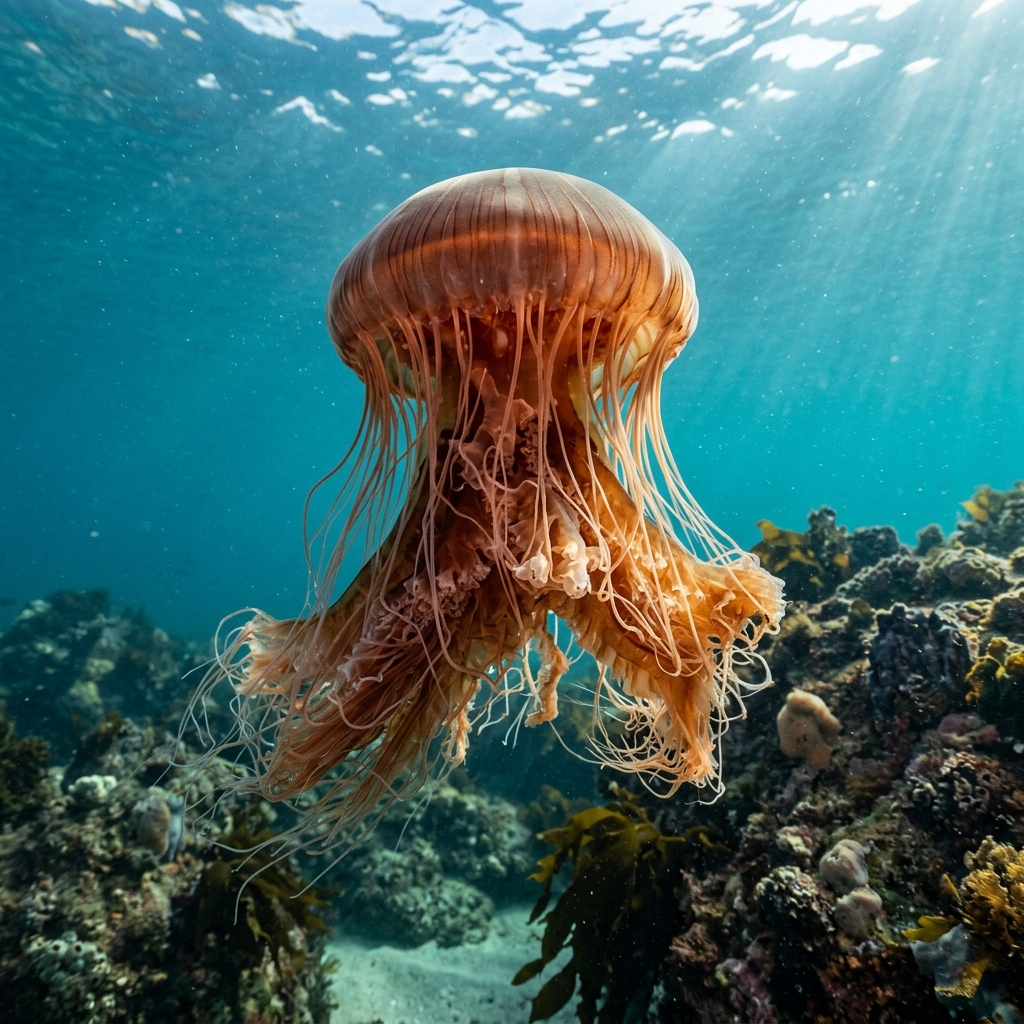
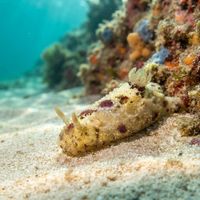
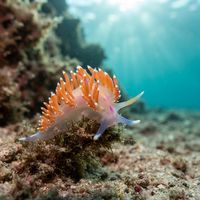
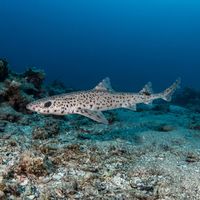
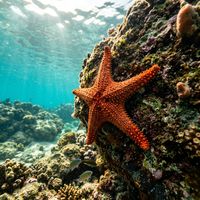
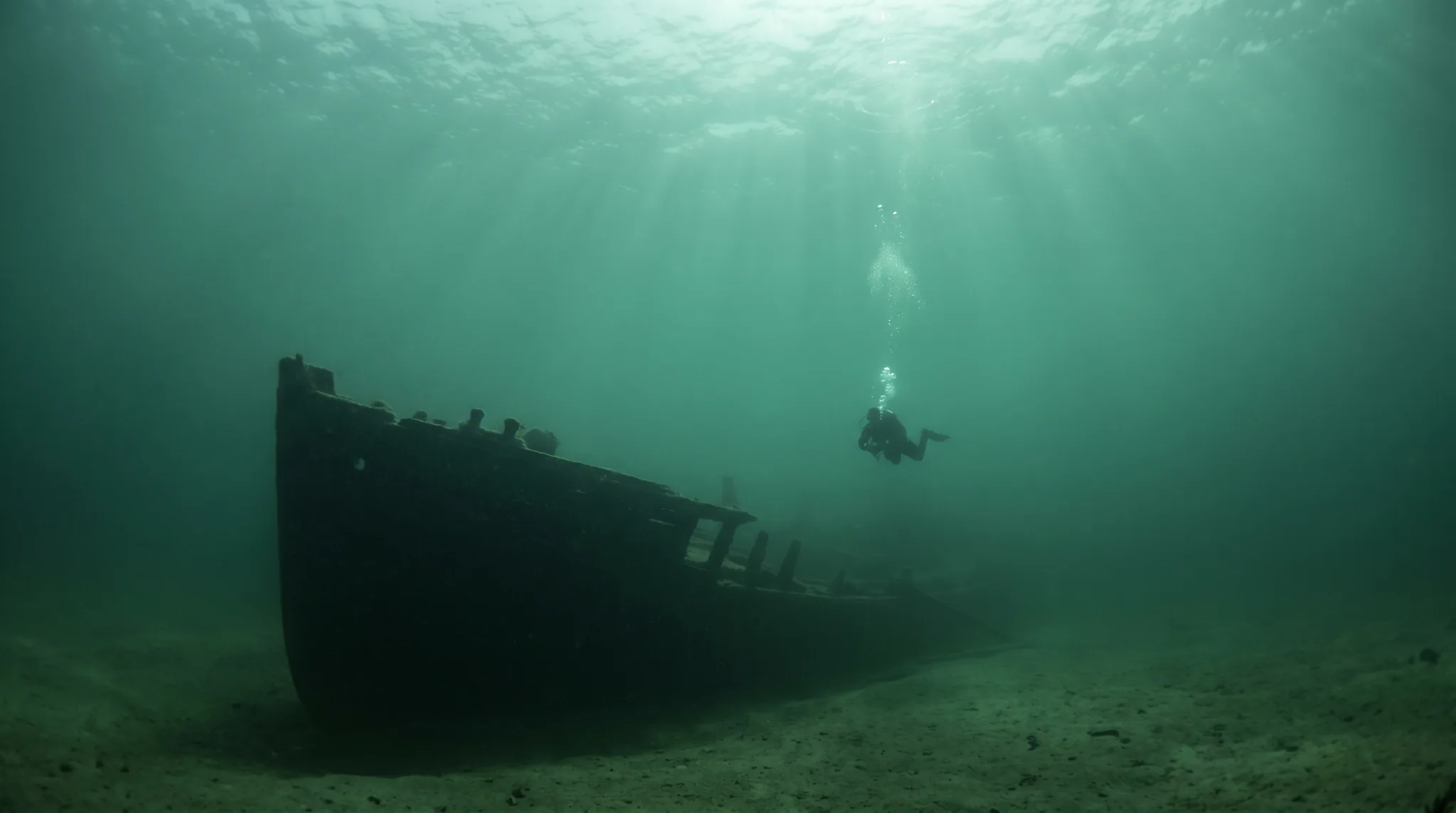
Northern Ireland offers a truly varied underwater landscape split between two distinct sub-areas: County Down and the Causeway Coast. Reefs, kelp forests and a mix of shore entries define much of the diving, while the breadth of snorkel sites makes the coastline accessible to non-divers too. The signature animals are the Harbor Seal and Gray Seal, both observed regularly across the region. Crab, Sea Star and Brittle Star appear at almost every site, while Catshark, Conger Eel, Curled Octopus and Bobtail Squid reward patient observers. Conditions are cool and variable, favouring those who prepare accordingly.
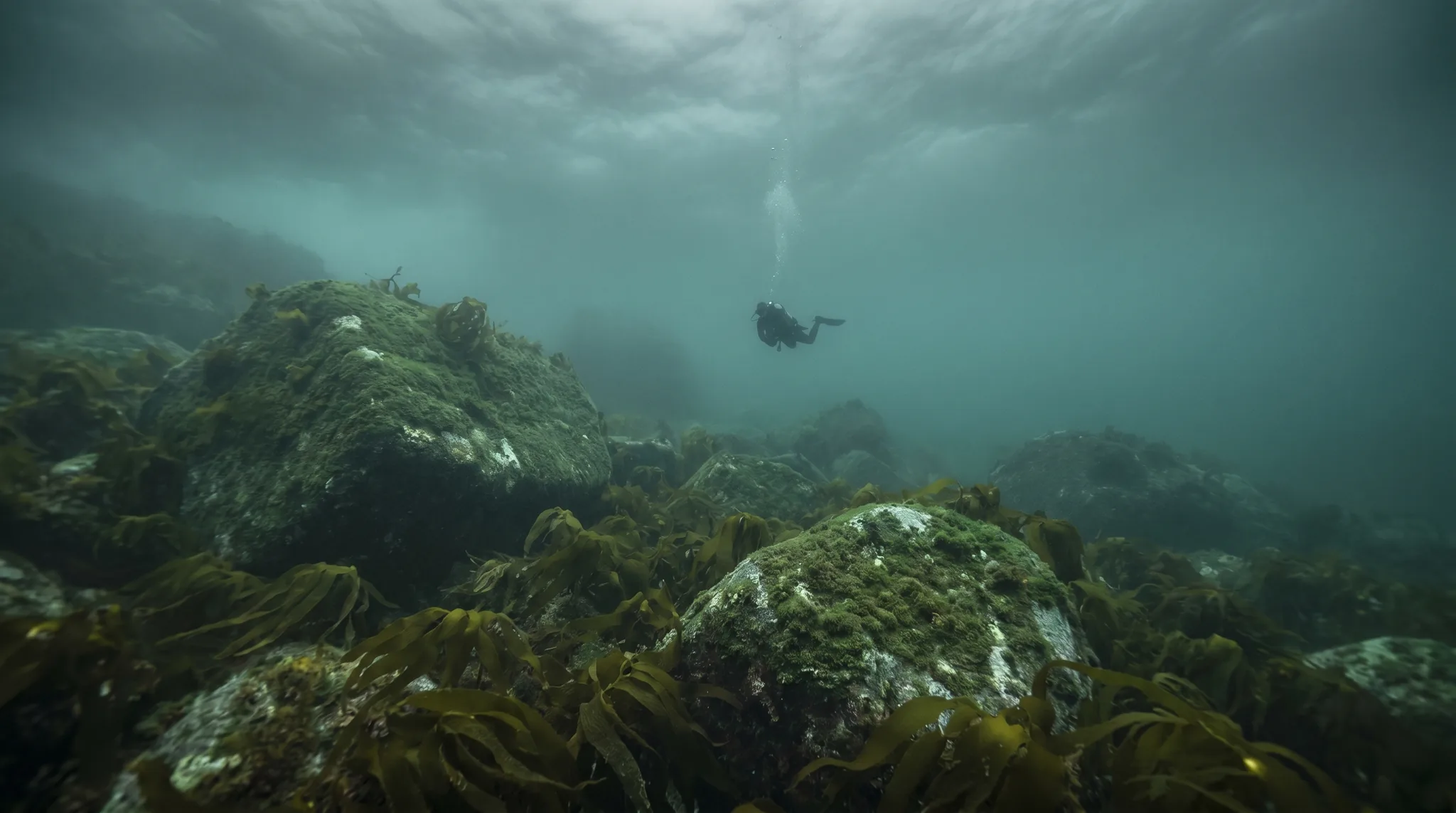
2 areas
Monthly water temperature across Northern Ireland's sites, from satellite sea-surface data corrected for depth. The band shows the site-to-site spread.
Water temperature climbs from its coldest in late winter to its warmest in September, making the late spring through early autumn window the most rewarding for extended bottom time. Visibility is variable and can be challenging, so divers should be comfortable in low-visibility conditions. The best-months data points firmly towards late spring and summer, when conditions align with warmer water and longer daylight.
17 operators
Water temperature around Northern Ireland ranges from about 8°C in March to 15°C in September, based on satellite sea-temperature data for its dive sites.
In the warm season (about 15°C) a 7mm or semi-dry suit is comfortable in Northern Ireland; in the coldest months (about 8°C) step up to a drysuit.
Fin maps 138 sites in Northern Ireland (54 scuba diving sites and 98 snorkelling spots, with some suited to both), organised into 2 areas.
Across Northern Ireland's dive sites, May, June, July, August and September are most often reported as the best months to visit.
The most consistently observed species are Sea Star, Brittle Star and Crab, which appear across nearly all sites. Catshark and Tube Worm are common, and patient divers may spot Conger Eel, Curled Octopus, Skate, Gurnard and Bobtail Squid. The Harbor Seal and Gray Seal are the region's signature animals and are frequently encountered on dives.
There are sites rated for beginner skill level, such as Portnahapple, which offers a sheltered shore entry with shallow reef, kelp forest and artificial reef habitats. That said, visibility across the region can be low and water temperatures are cool year-round, so even beginners benefit from cold-water experience and appropriate exposure protection. Checking in with the local operator Phennick Diving is a good starting point.
County Down holds the larger share of listed sites and includes sheltered lough diving, as seen at Portnahapple in Strangford Lough. The Causeway Coast offers a different character with more exposed conditions along its stretch of coastline. Both sub-areas cover a broad range of site types, but divers seeking calmer, shallower entries will generally find more options in County Down.
Shore entry is well represented across the region, with sites like Portnahapple accessed directly from land without the need for a boat. This makes independent diving practical for those with their own kit and local knowledge. The single listed operator, Phennick Diving, can provide guided access and local expertise for those who prefer support.