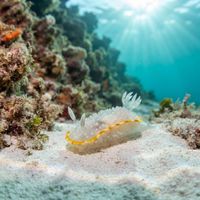
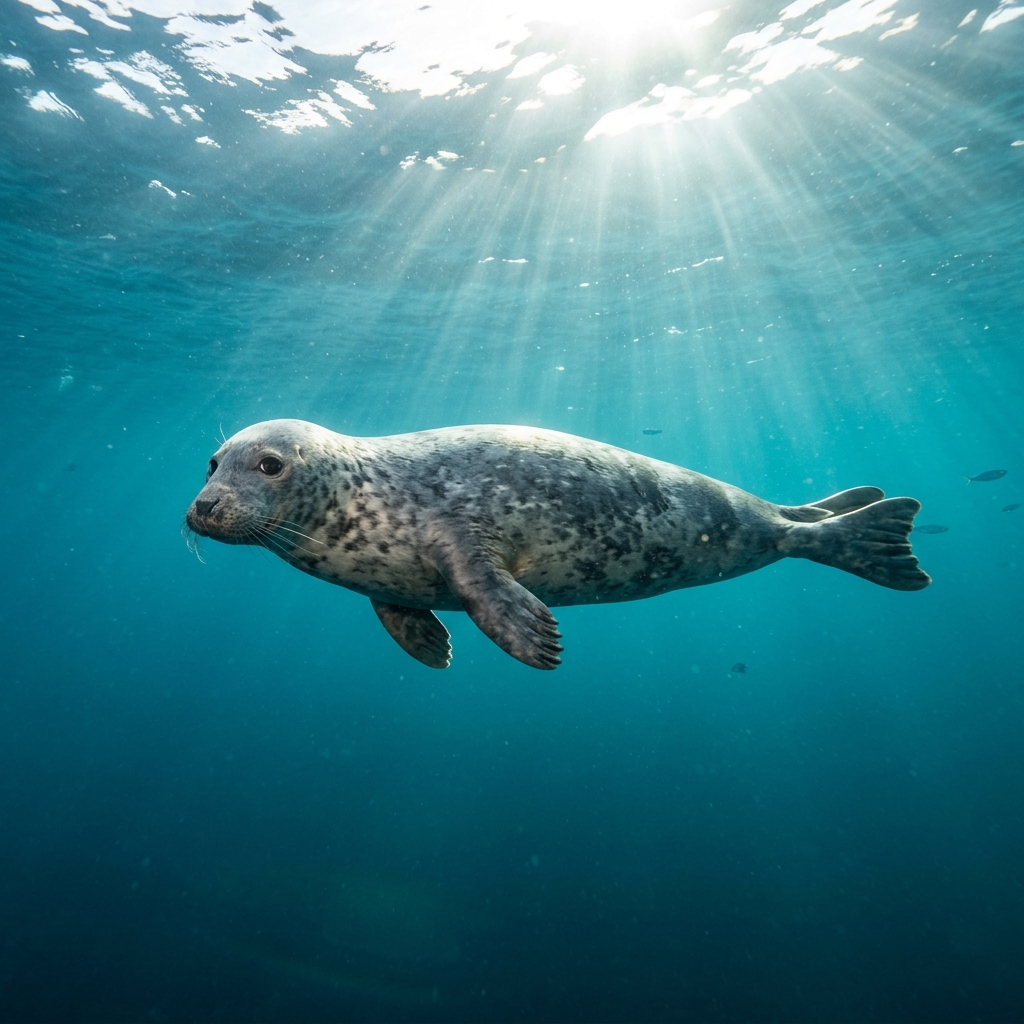
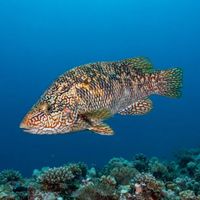
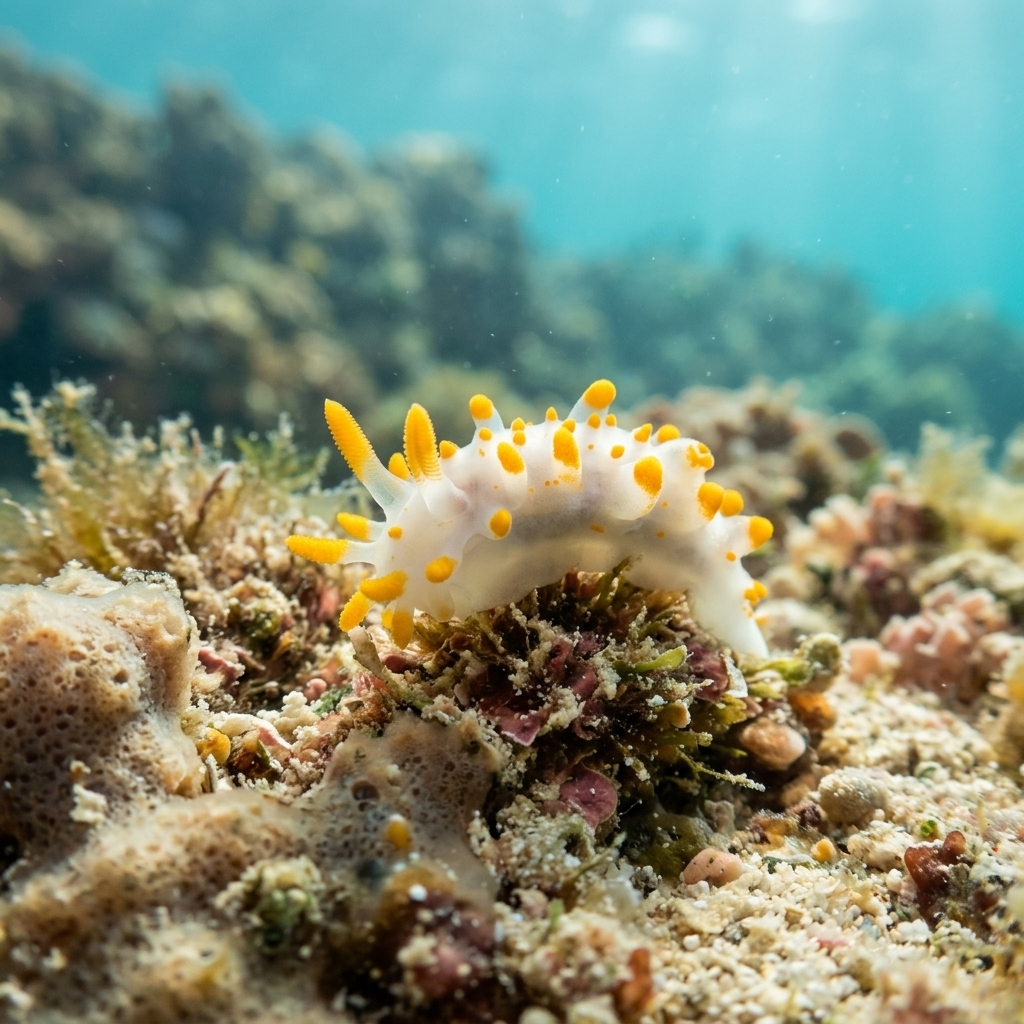
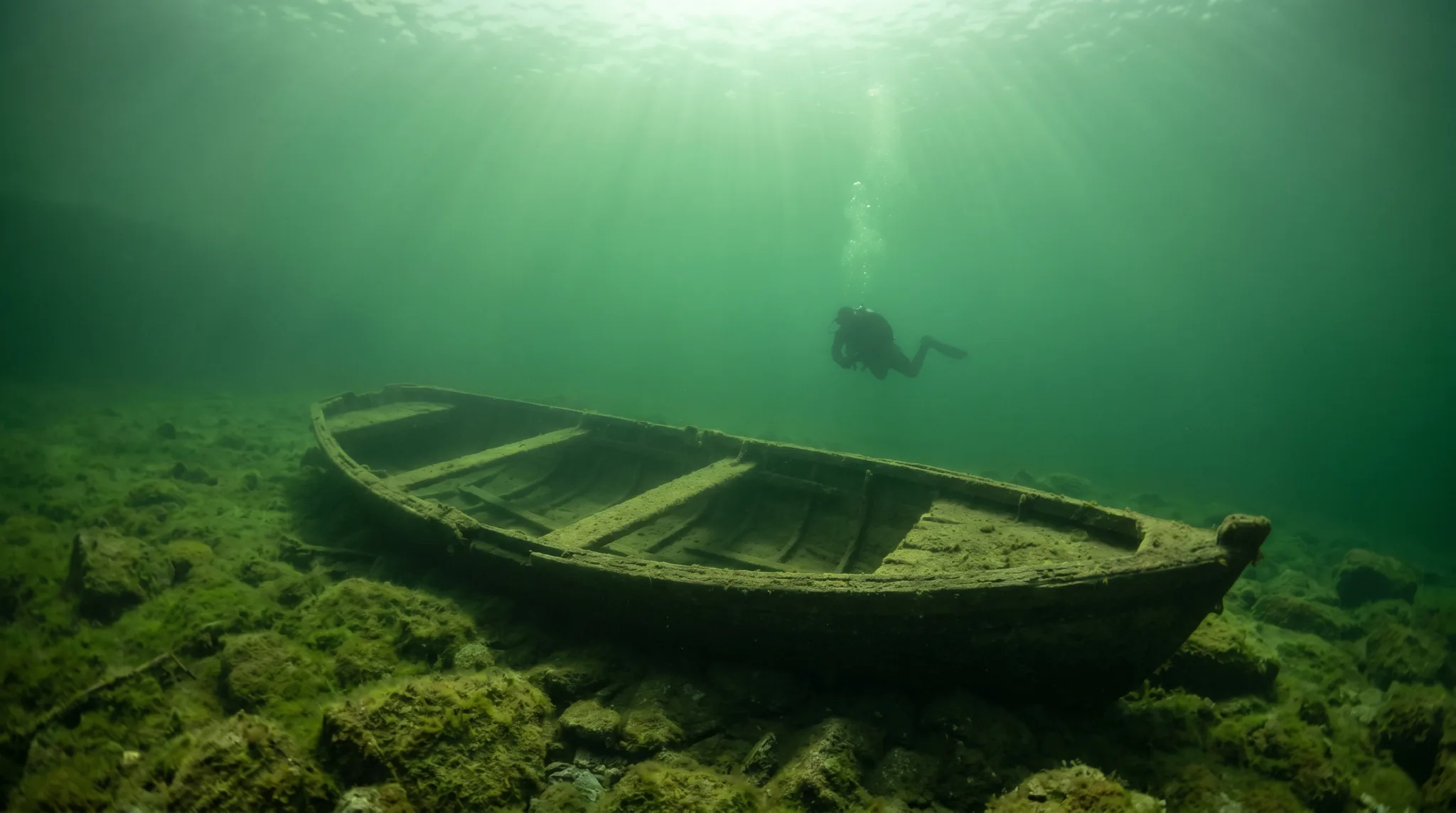
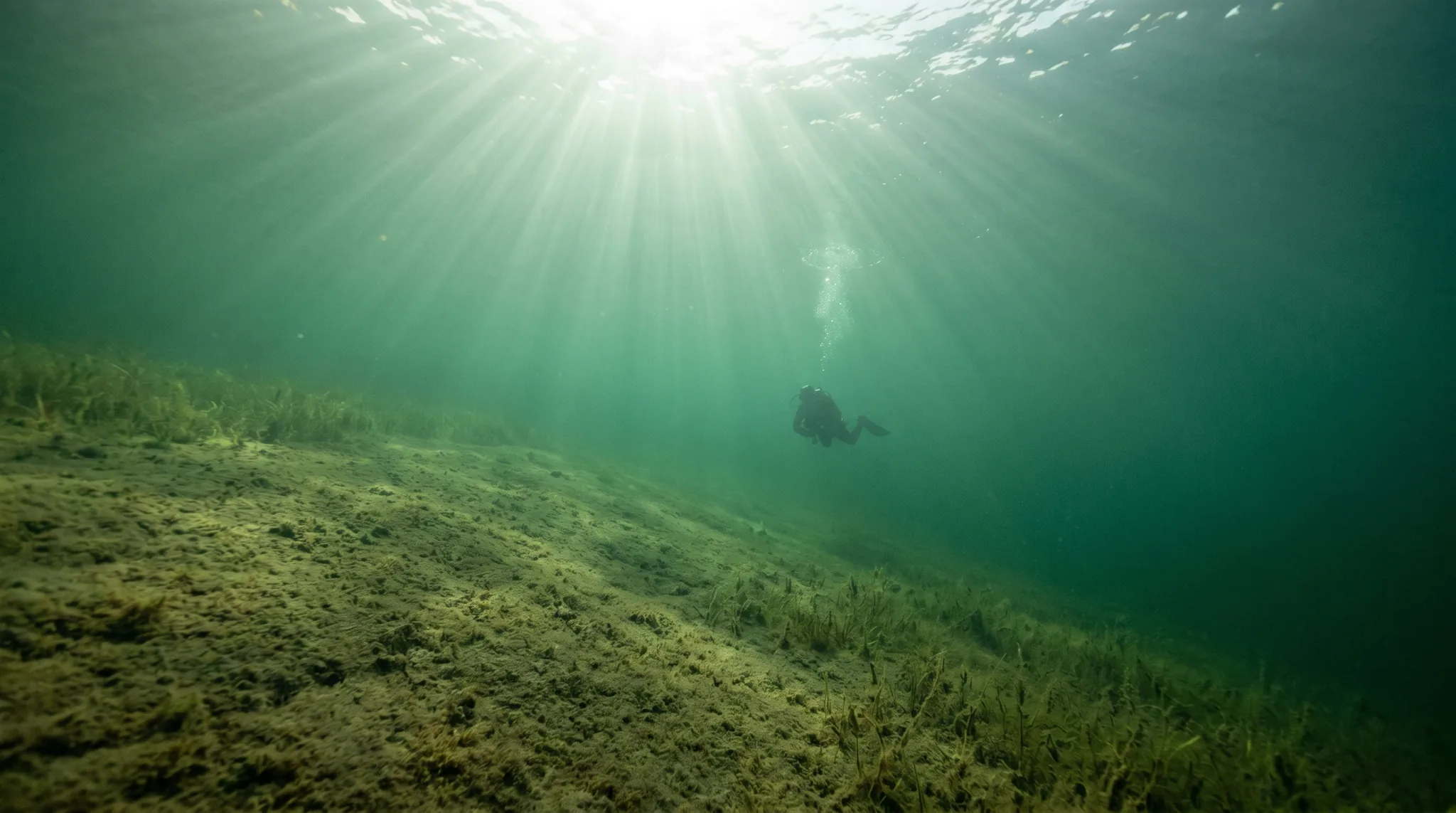
South West England offers a varied underwater landscape spread across Devon, Cornwall, and Dorset. Wrecks, reefs, pinnacles, and seagrass beds sit alongside one another, drawing divers of all levels. The European Common Cuttlefish is the standout species, with Gray Seal encounters adding a distinctly local character. Devon and Cornwall hold the bulk of sites, while Dorset rounds out the region with sheltered harbour diving and exposed offshore ground.
3 areas
Monthly water temperature across South West England's sites, from satellite sea-surface data corrected for depth. The band shows the site-to-site spread.
Water temperatures rise steadily from spring into summer, peaking in late summer and early autumn before cooling again through winter. The warmest and calmest conditions draw the greatest diver activity from late spring through to early autumn. Exposed offshore sites such as Eddystone Lighthouse and Hand Deeps demand attention to conditions year-round, while sheltered venues like Portland Harbour offer more forgiving entries across a wider season.
68 operators

116 more sites to explore
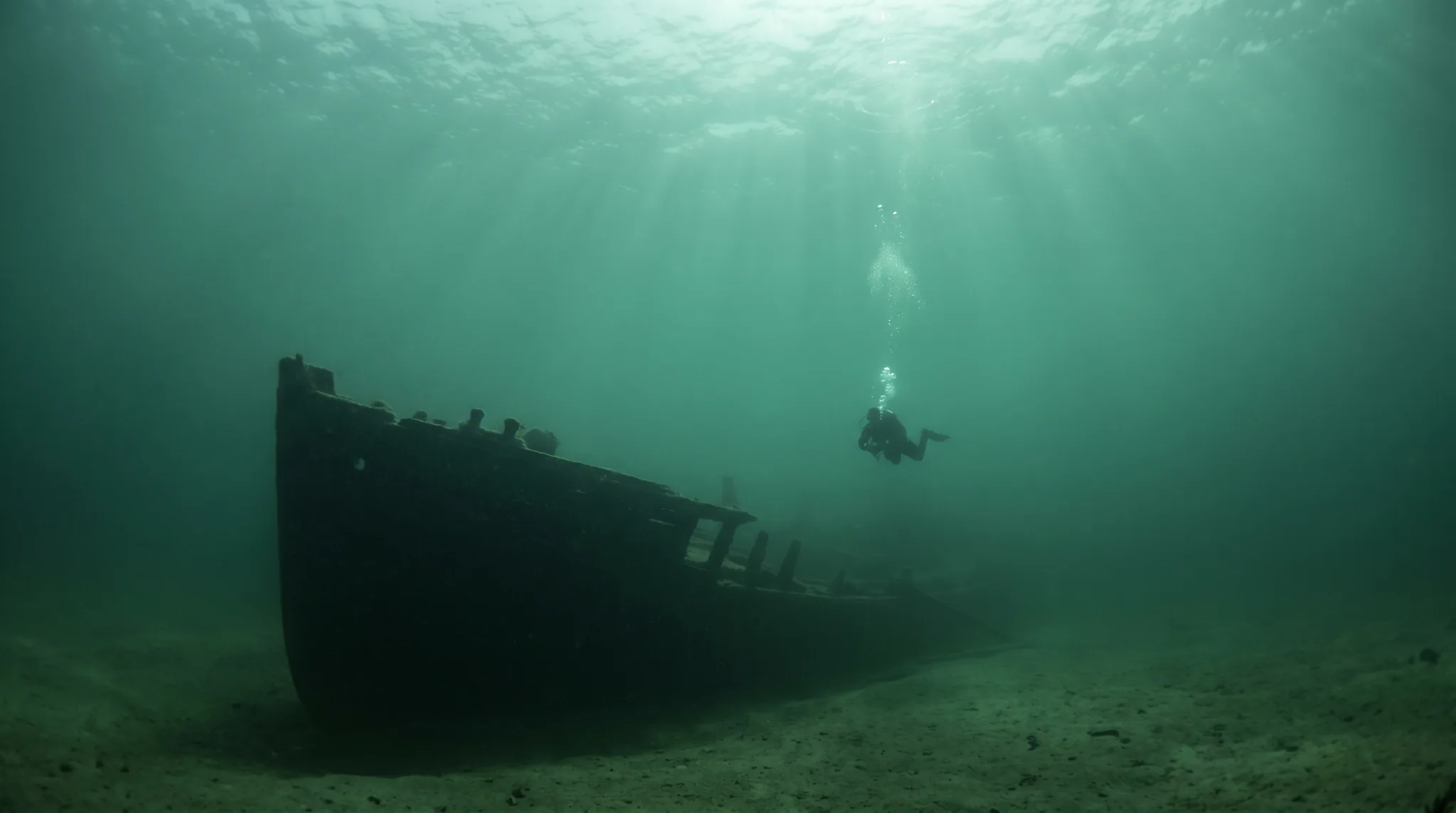
Wreck-rich and nudibranch-laden, Devon offers boat diving across all skill levels with standout cephalopod and crustacean encounters.

Water temperature around South West England ranges from about 10°C in February to 17°C in August, based on satellite sea-temperature data for its dive sites.
In the warm season (about 17°C) a 7mm or semi-dry suit is comfortable in South West England; in the coldest months (about 10°C) step up to a drysuit.
Fin maps 128 sites in South West England (123 scuba diving sites and 16 snorkelling spots, with some suited to both), organised into 3 areas.
Across South West England's dive sites, May, June, July, August and September are most often reported as the best months to visit.
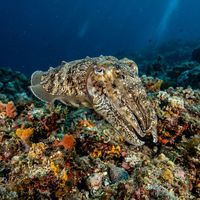
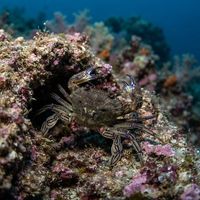
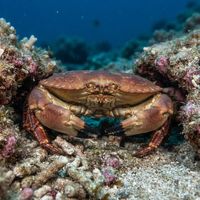
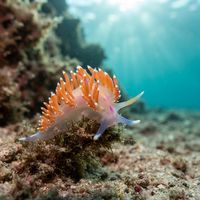
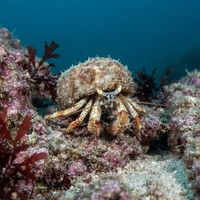
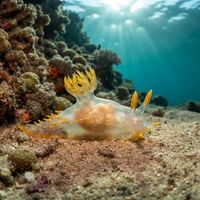
The European Common Cuttlefish is the most frequently observed species across the region and is a real highlight of any dive. Spiny Spider Crab, Brittle Star, Wrasses, and Sea Slug are all commonly recorded. Occasional encounters include Gray Seal, Conger Eel, Catshark, Skate, and John Dory, with Ocean Sunfish and Common Octopus also observed.
Yes, there is a good range of beginner-friendly sites across the region. Portland Harbour offers shallow, sheltered diving with multiple site types in one location, while Landing Bay Area and Steeple Cove provide calm reef environments at low depths. HMS Scylla is also listed as a beginner wreck dive, making it an accessible introduction to wreck diving in the region.
Devon includes well-known wreck and reef sites such as HMS Scylla and the Maine, as well as the pinnacles around Lundy Island. Cornwall offers diverse terrain including pinnacles like Raglan Reef and Hand Deeps, and the seagrass beds of the Helford River. Dorset centres on Portland Harbour, which is one of the most accessible and varied sites in the region, suited to a wide range of divers.
The majority of sites across South West England require boat access, reflecting the offshore nature of much of the best diving here. Portland Harbour is a notable exception, offering both shore and boat entry. Operators including Divers Down, Kennack Diving, and Viewpoint Diving Centre are among those running boat charters across the region.