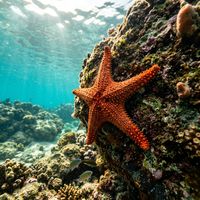
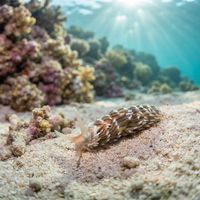
Jersey and Guernsey sit in the English Channel, where large tidal ranges and strong currents shape every dive. Sites span a wide range of types: caves at Guillot, walls and drift at Rigdon Bank, reefs and kelp at Bouley Bay, seagrass at St Catherines, and the upright wreck of the Shockland. Depths across the region run from shallow shore entries to around forty metres on the deeper walls. Water temperatures warm from around ten degrees in winter to the high teens by late summer, with visibility commonly reaching ten to fifteen metres. The tidal character here means local advice and careful tide planning are essential regardless of experience level.
2 areas
 5
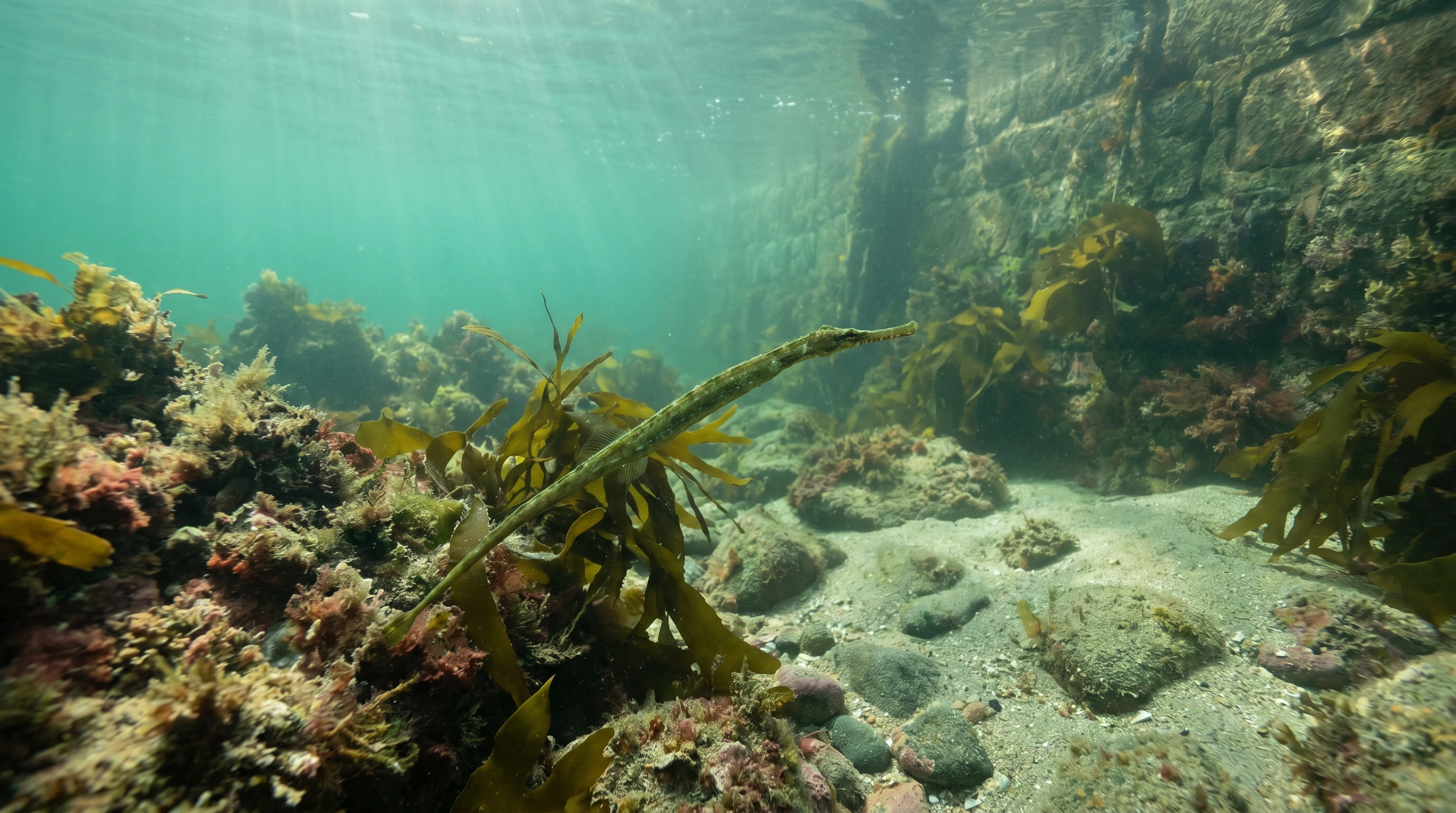
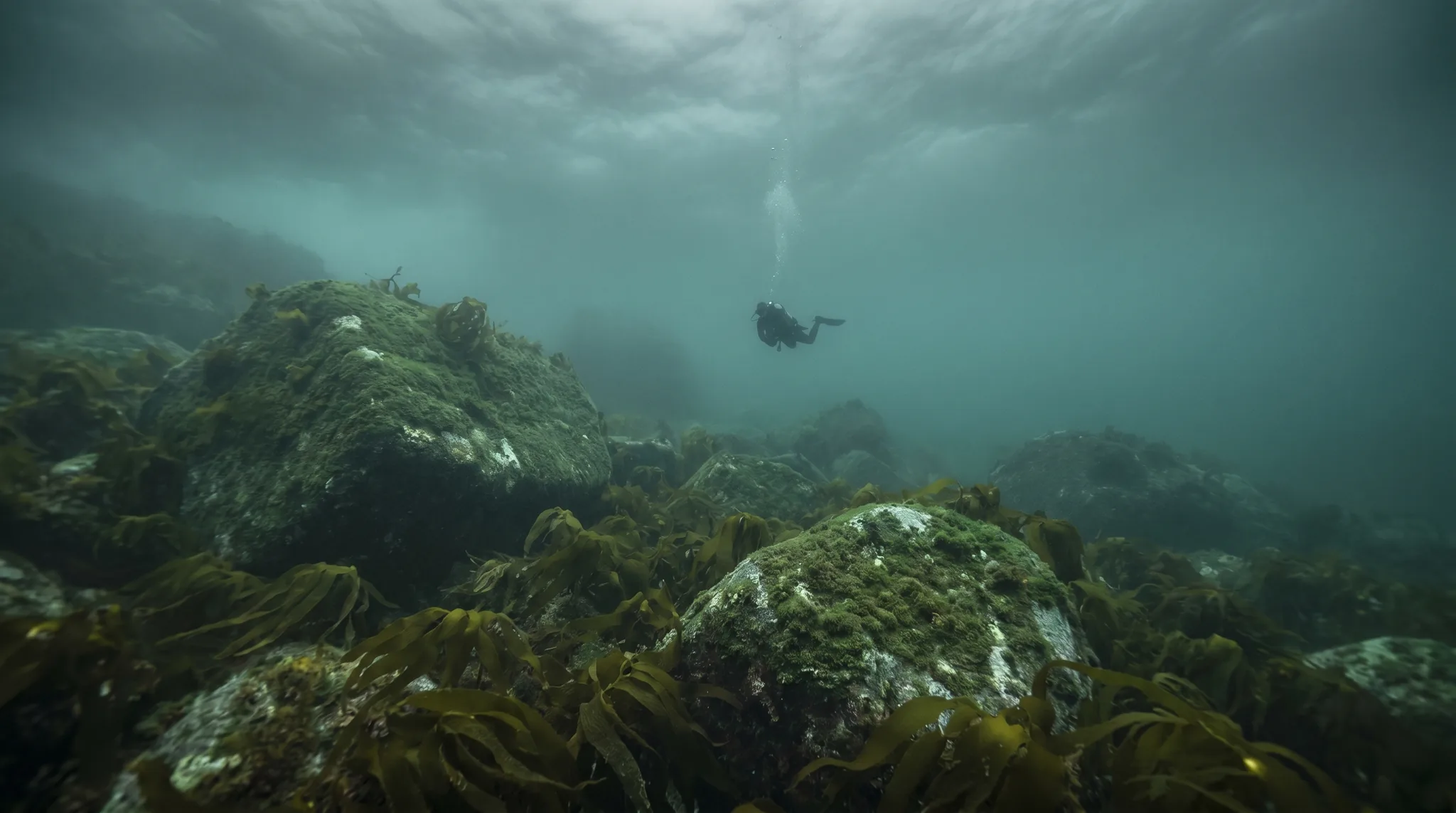
5Shallow reef, kelp, and offshore island diving on Jersey's north and east coast, with species from nudibranchs to cat sharks.
 3
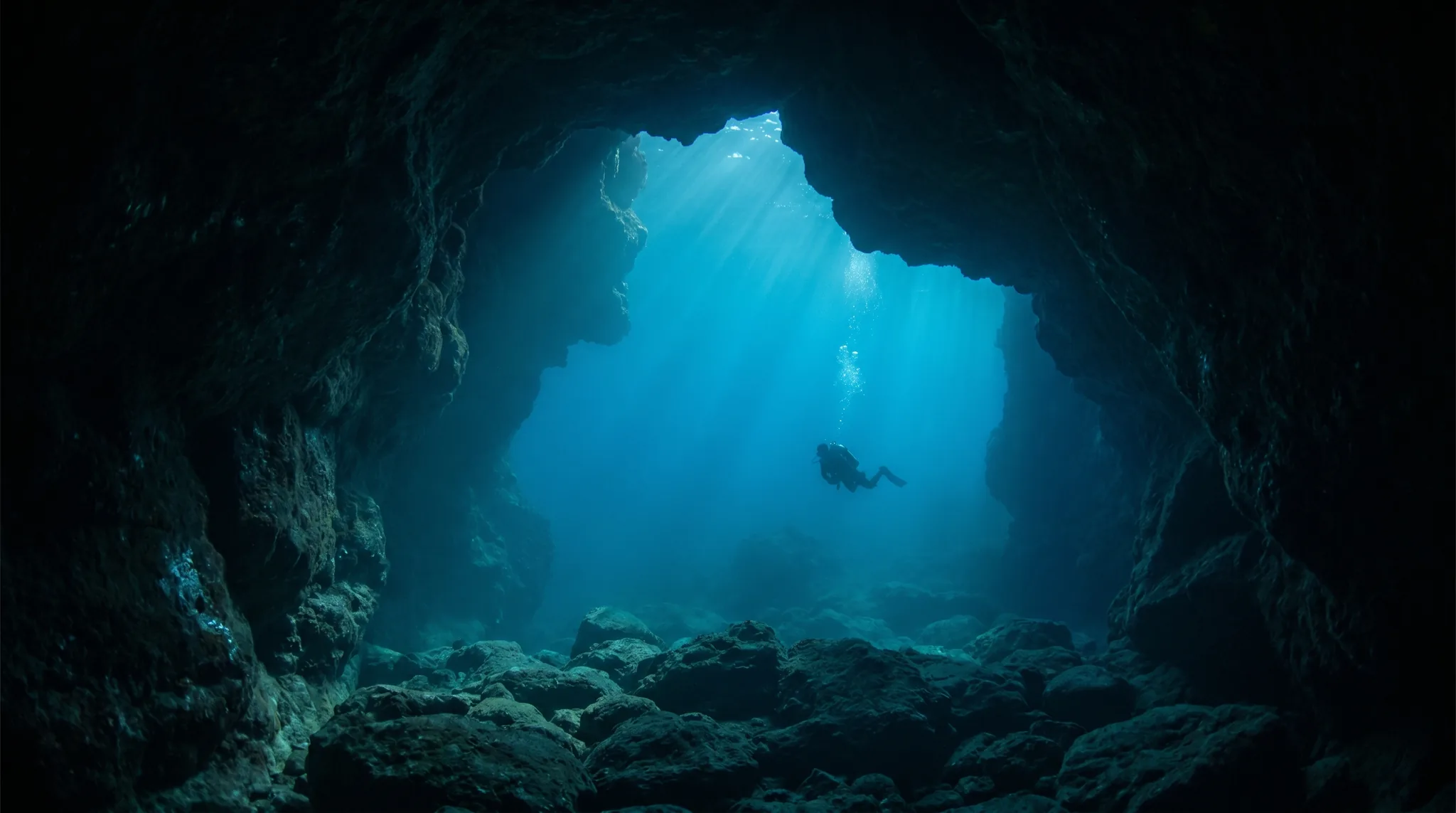
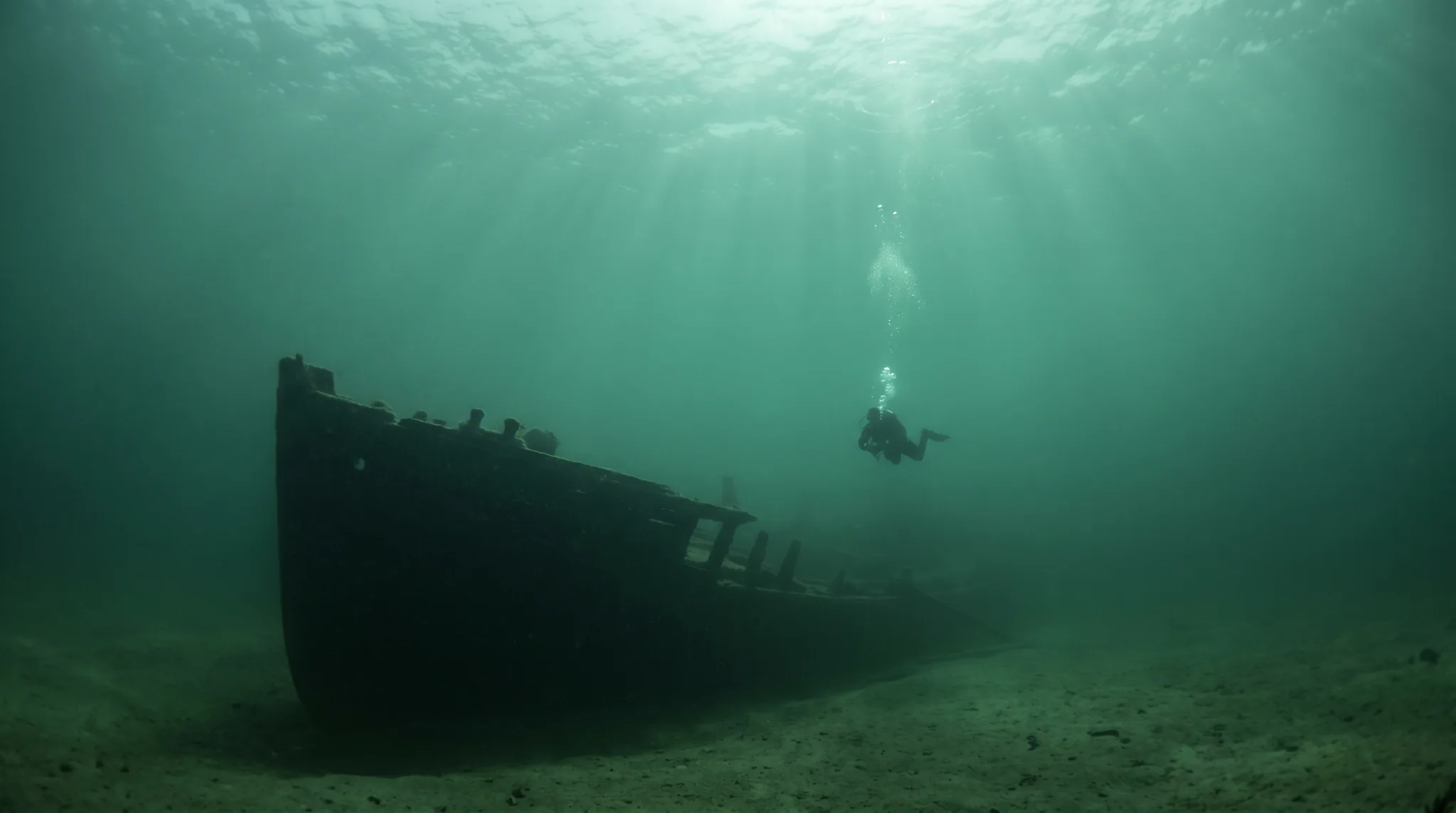
3Atlantic-facing caves, walls, wrecks, and drift dives off Jersey and Guernsey, reaching depths to forty metres with strong tidal currents.
Monthly water temperature across Jersey and Guernsey's sites, from satellite sea-surface data corrected for depth. The band shows the site-to-site spread.
Water temperatures sit around ten degrees through winter and spring, climbing to the high teens between July and October before dropping back through autumn. The warmest, most settled window for diving runs from late spring through early autumn, when both temperature and conditions are most favourable.
Water temperature around Jersey and Guernsey ranges from about 10°C in January to 18°C in September, based on satellite sea-temperature data for its dive sites.
In the warm season (about 18°C) a 5mm suit is comfortable in Jersey and Guernsey; in the coldest months (about 10°C) step up to a drysuit.
Fin maps 8 sites in Jersey and Guernsey (8 scuba diving sites and 1 snorkelling spots, with some suited to both), organised into 2 areas.
Across Jersey and Guernsey's dive sites, June and September are most often reported as the best months to visit.