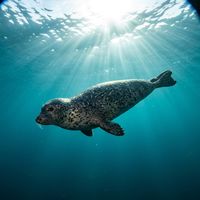
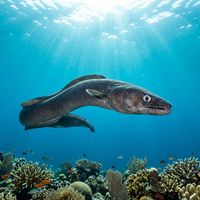
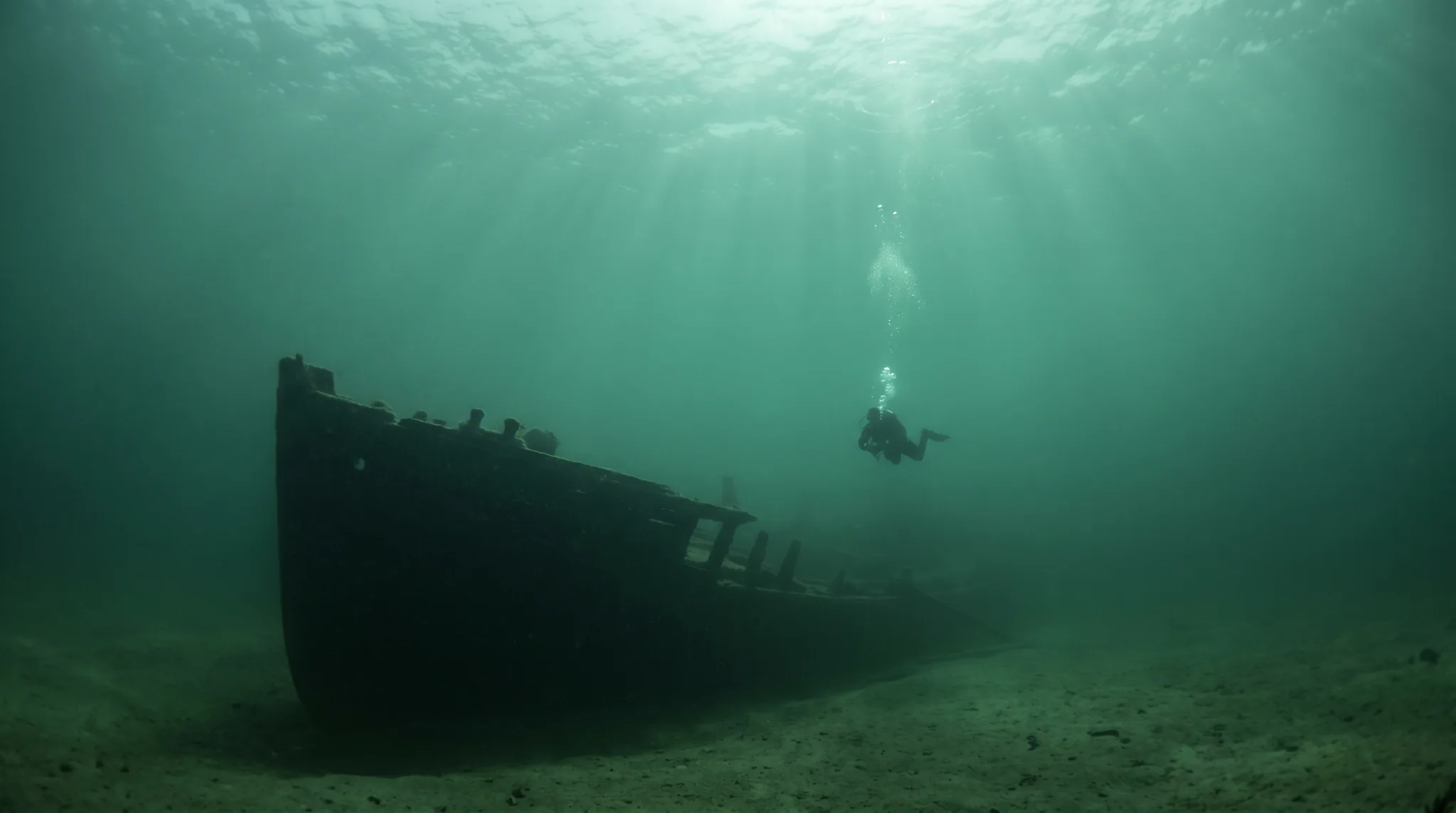
The Isle of Man offers a compact but varied diving scene built around kelp-draped reefs, caverns, and an appealing collection of wrecks. The Calf of Man sub-area holds the greatest concentration of sites, including the cave and reef systems around The Sugarloaf and the mixed wreck-and-reef terrain of Clan MacMaster and Burroo Ned. The Douglas and East Coast adds accessible shore dives, while Peel and the West Coast contribute the rewarding reef, kelp forest, and cave dive at Peel Castle and Fenella Beach. Harbor Seal and Conger Eel are encountered with high regularity across sites, with Jewel Anemone and Dead Man's Fingers colouring the reef structure throughout.
4 areas
 6
6Current-swept reefs, caves, and wrecks off the southern tip of the Isle of Man, with grey seals and boat-access-only diving.
3Irish Sea wrecks, reefs, and kelp forest near Douglas, with cold water and marine life from conger eels to bobtail squid.
1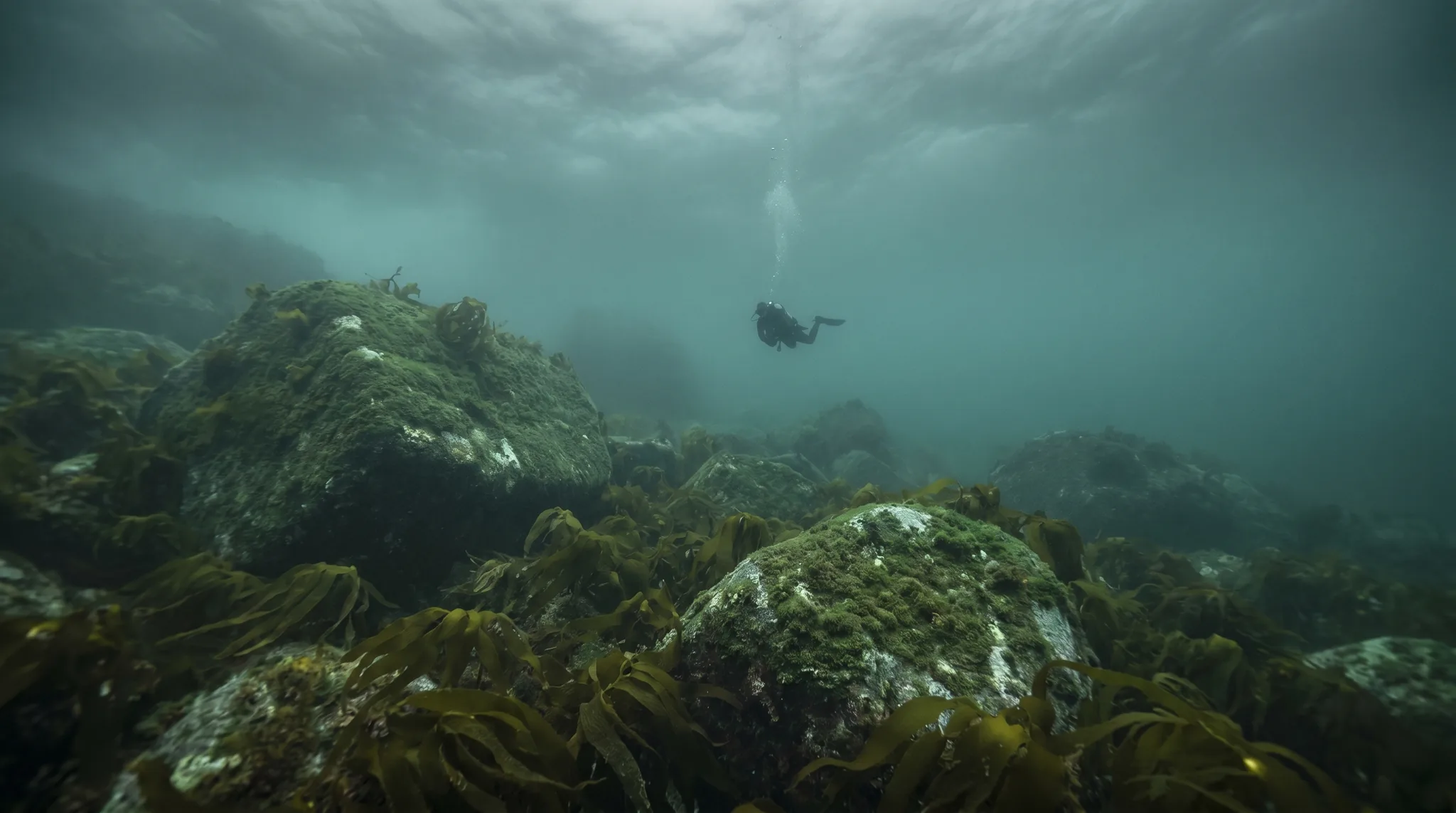 1
1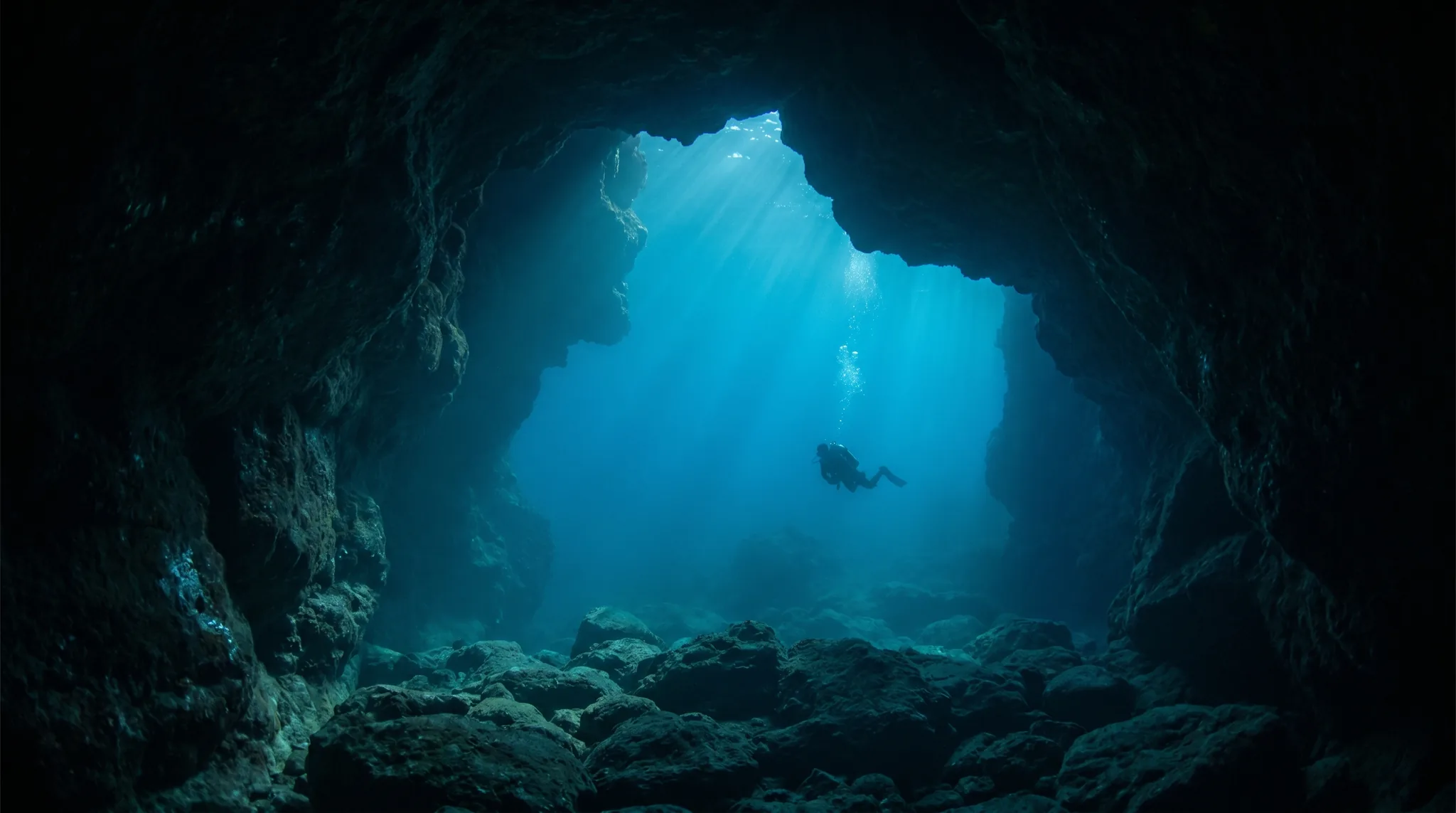
Monthly water temperature across Isle of Man's sites, from satellite sea-surface data corrected for depth. The band shows the site-to-site spread.
Water temperature sits at its coldest through late winter and early spring, climbing gradually to a peak in September before easing back through autumn. The warmest and most popular diving window runs from July through September, when conditions and visibility are at their most favourable. Exposed sites, particularly around The Calf of Man, can carry current, so timing dives to slack water is advisable.
Shore diving at Peel Castle combining reef, kelp forest, and caves in the Irish Sea, suited to intermediate divers.
Water temperature around Isle of Man ranges from about 9°C in February to 15°C in September, based on satellite sea-temperature data for its dive sites.
In the warm season (about 15°C) a 7mm or semi-dry suit is comfortable in Isle of Man; in the coldest months (about 9°C) step up to a drysuit.
Fin maps 11 sites in Isle of Man (11 scuba diving sites), organised into 4 areas.
Across Isle of Man's dive sites, July are most often reported as the best months to visit.
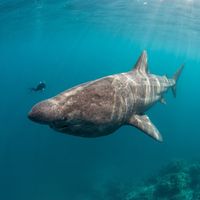
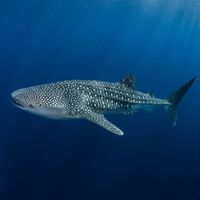
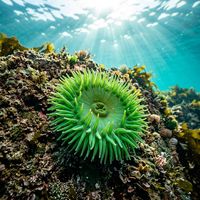
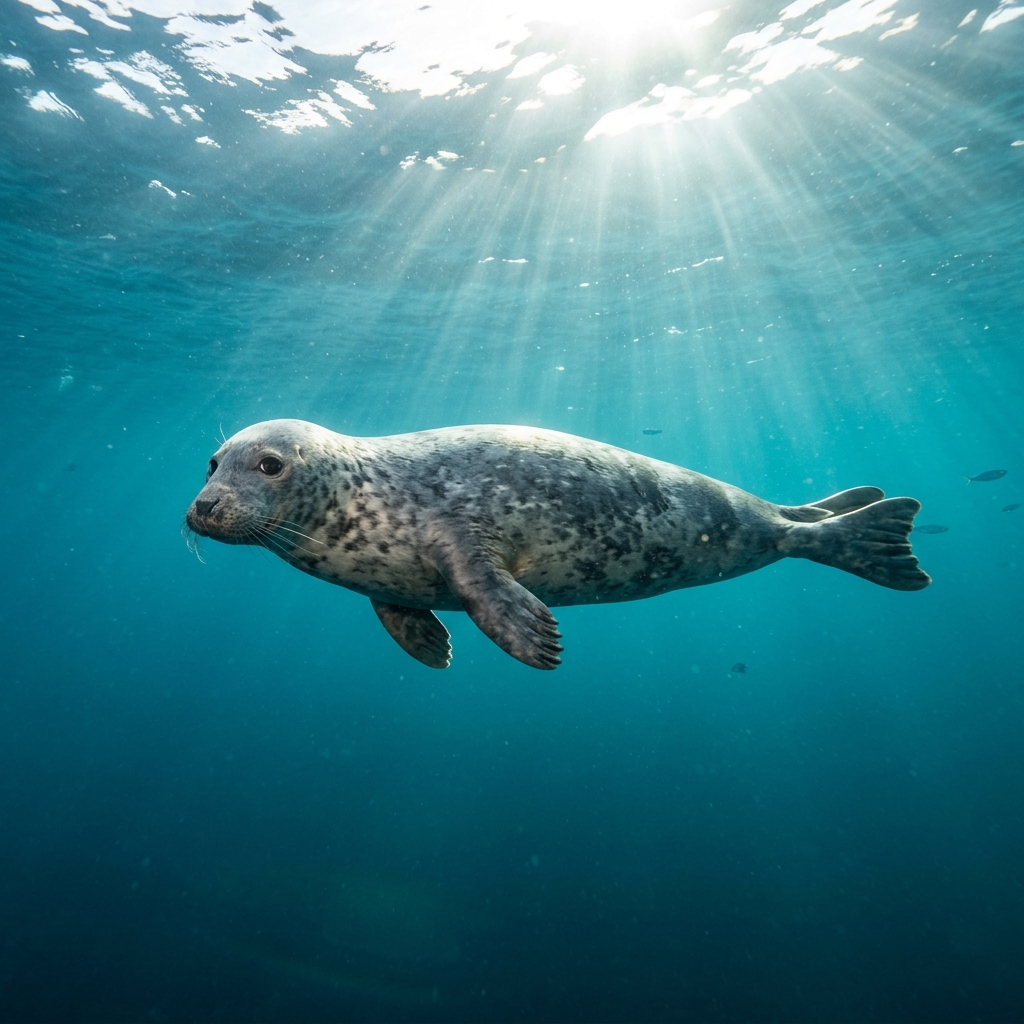
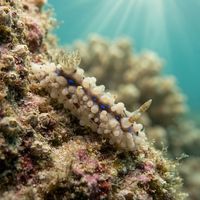
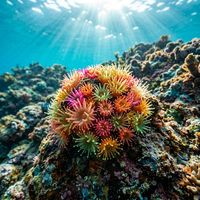
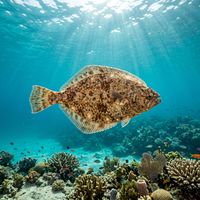
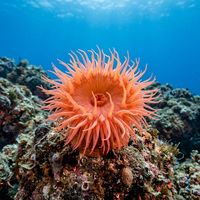
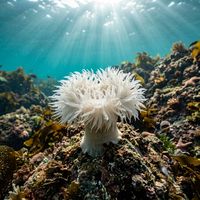
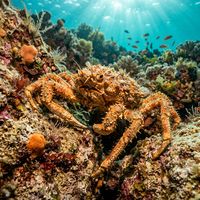
Harbor Seal and Conger Eel are among the most reliably encountered species across the island's sites. Jewel Anemone, Plumose Anemone, and Dead Man's Fingers cover much of the reef structure, while Spiny Spider Crab, Tompot Blenny, and Righteye Flounder are common finds on the seabed. Bottlenose Dolphin and Whale Shark have also been observed, though less frequently.
Several sites are well suited to those earlier in their diving careers. The Glendun Wreck, Burroo Ned, Groudle Glen, and Crab Row are all rated for beginner skill levels, offering shallower depths and manageable conditions. Intermediate divers have plenty of additional options, including the cave systems at Peel Castle and Fenella Beach and the deeper Afton Wreck.
Both access types are available. Peel Castle and Fenella Beach, Groudle Glen, and Crab Row are all shore-entry sites, making independent diving straightforward at those locations. Most of the wreck sites, including the Afton Wreck and Clan MacMaster, require a boat, for which Isle of Man Diving is the listed local operator.
The Calf of Man holds the largest share of sites and includes the most varied terrain, from caverns and caves to mixed wreck-and-reef walls with strong invertebrate life. Douglas and the East Coast offers accessible shore dives with kelp reef. Peel and the West Coast is represented by the standout site at Peel Castle and Fenella Beach, combining reef, kelp forest, and cave in a single dive. The South-East Coast contributes the deeper Afton Wreck for boat divers.