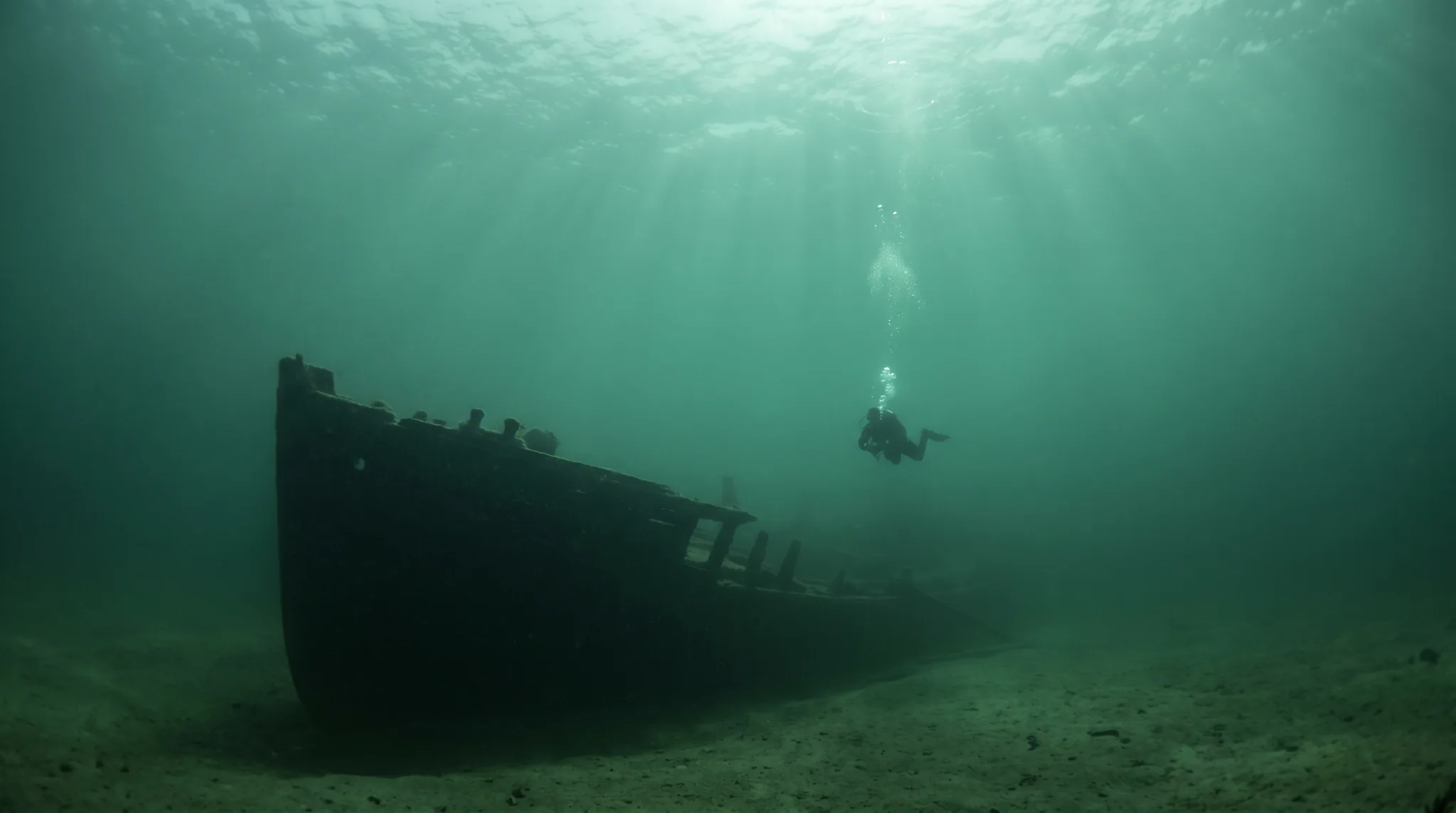
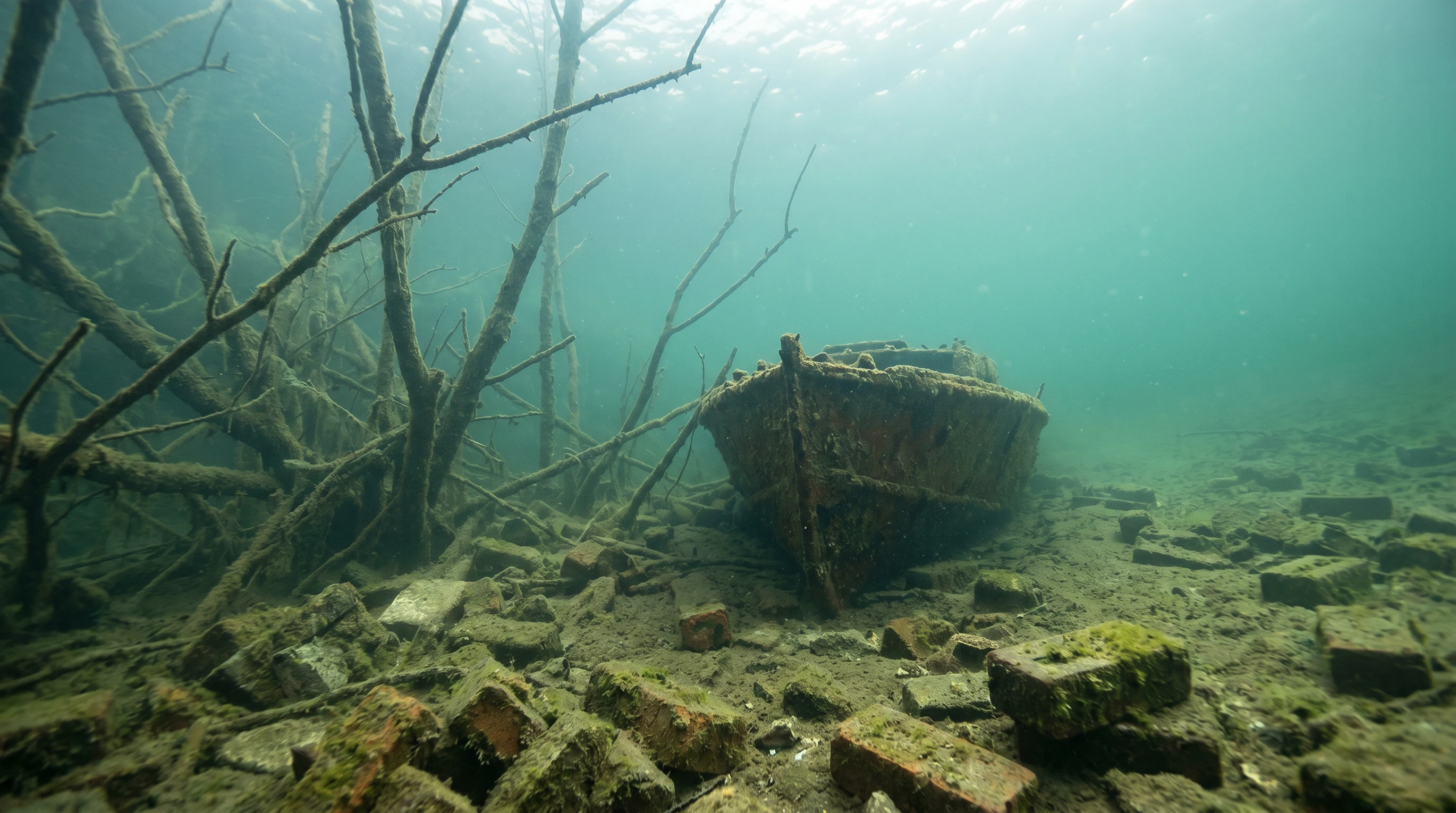
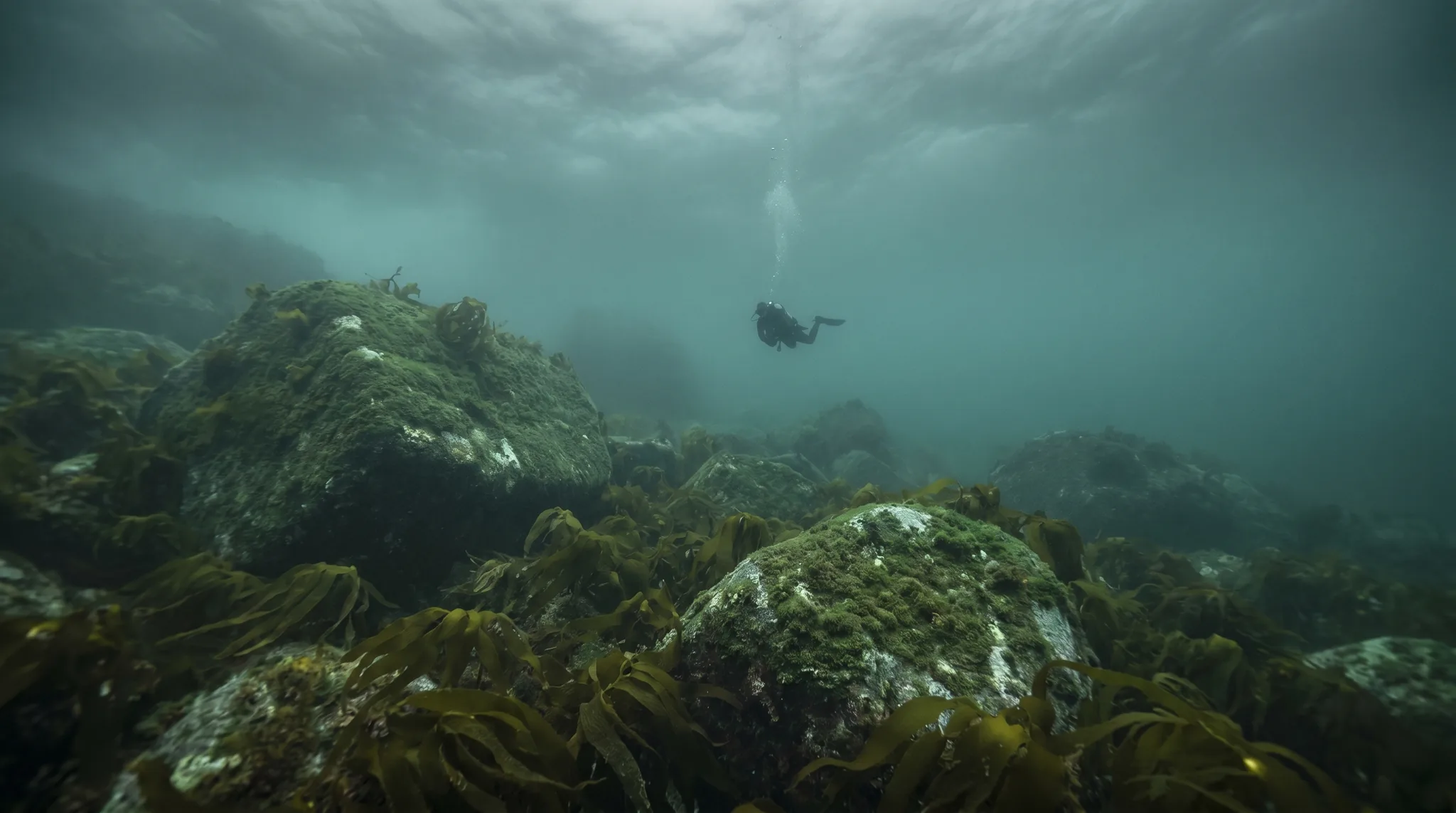
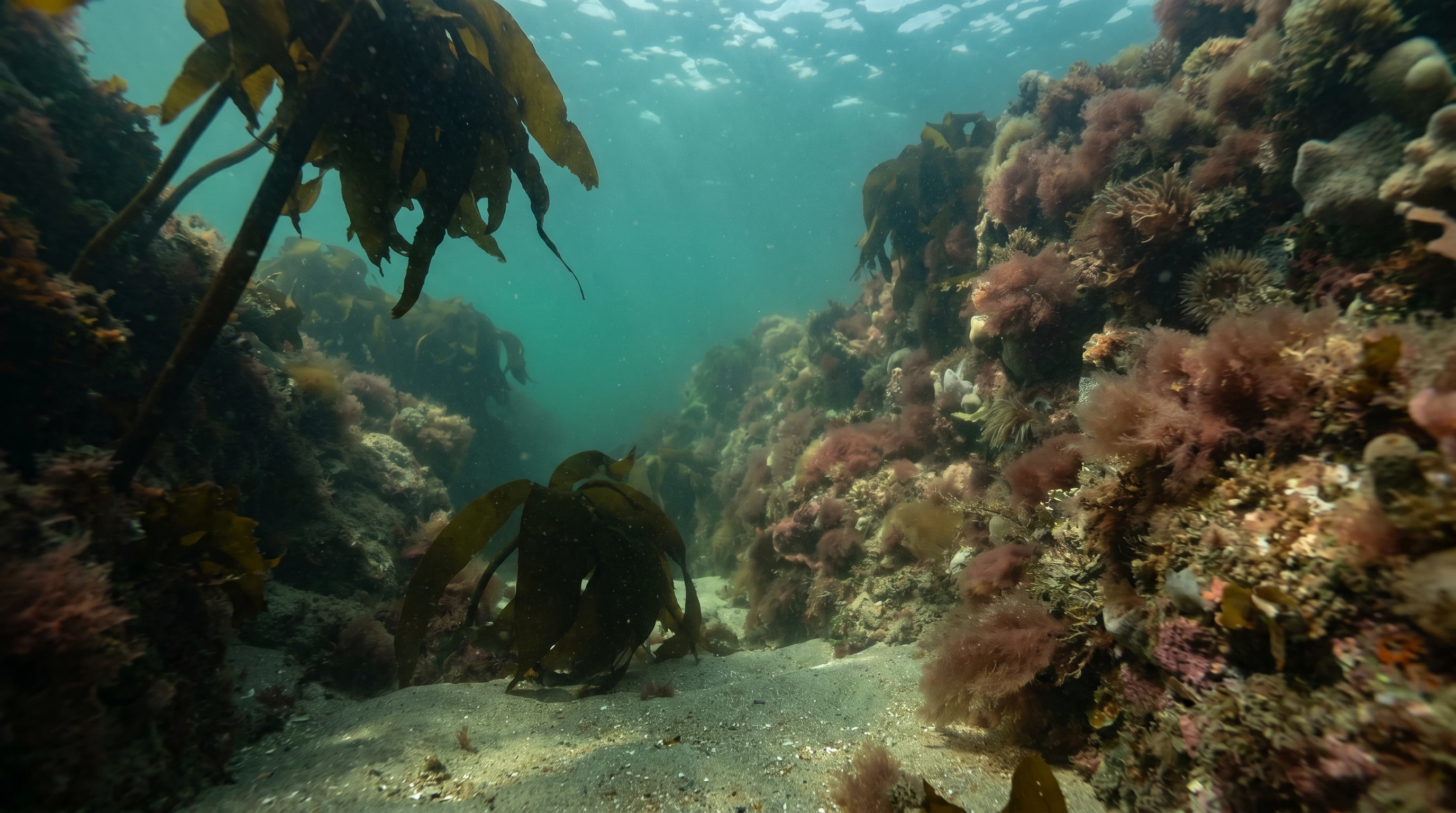
North-East England's underwater character is shaped by the Northumberland Coast, where reefs, kelp forests, wrecks and walls combine in cool, productive water. The Gray Seal is the defining encounter here, observed across the vast majority of sites, with Common Lobster, Brittle Star and Common Sea Star completing a rich invertebrate community. Shore dives suit beginners, while boat-accessed walls and wrecks reward intermediate divers. Summer brings the warmest water and the clearest conditions.
1 areas
Monthly water temperature across North-East England's sites, from satellite sea-surface data corrected for depth. The band shows the site-to-site spread.
Water temperature climbs steadily from spring into summer, peaking in August and remaining comfortable into autumn, making late summer and early autumn the most popular window for diving. Visibility is at its best during this period, though exposed sites can be affected by swell and currents, particularly at offshore wreck and wall sites. The cooler months from late autumn through winter see reduced activity but the sites remain accessible for those equipped for cold water.
25 operators
30 more sites to explore
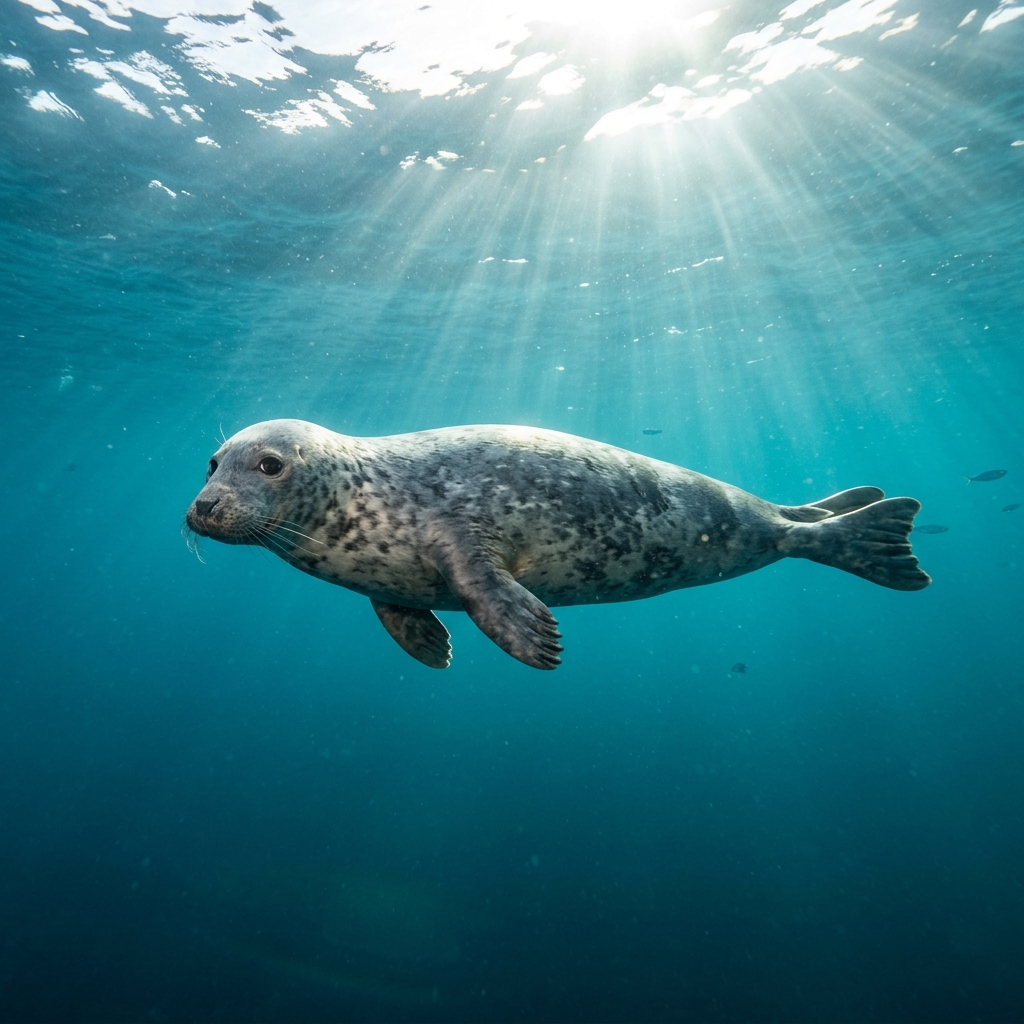
Seal encounters, kelp-draped reefs, and wreck dives off the Farne Islands, with shore access for beginners.
Water temperature around North-East England ranges from about 7°C in February to 15°C in August, based on satellite sea-temperature data for its dive sites.
In the warm season (about 15°C) a 7mm or semi-dry suit is comfortable in North-East England; in the coldest months (about 7°C) step up to a drysuit.
Fin maps 42 sites in North-East England (35 scuba diving sites and 11 snorkelling spots, with some suited to both).
Across North-East England's dive sites, June, July, August, September and October are most often reported as the best months to visit.
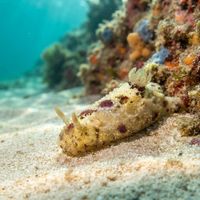
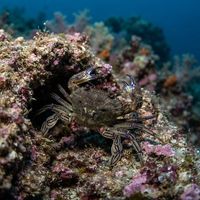
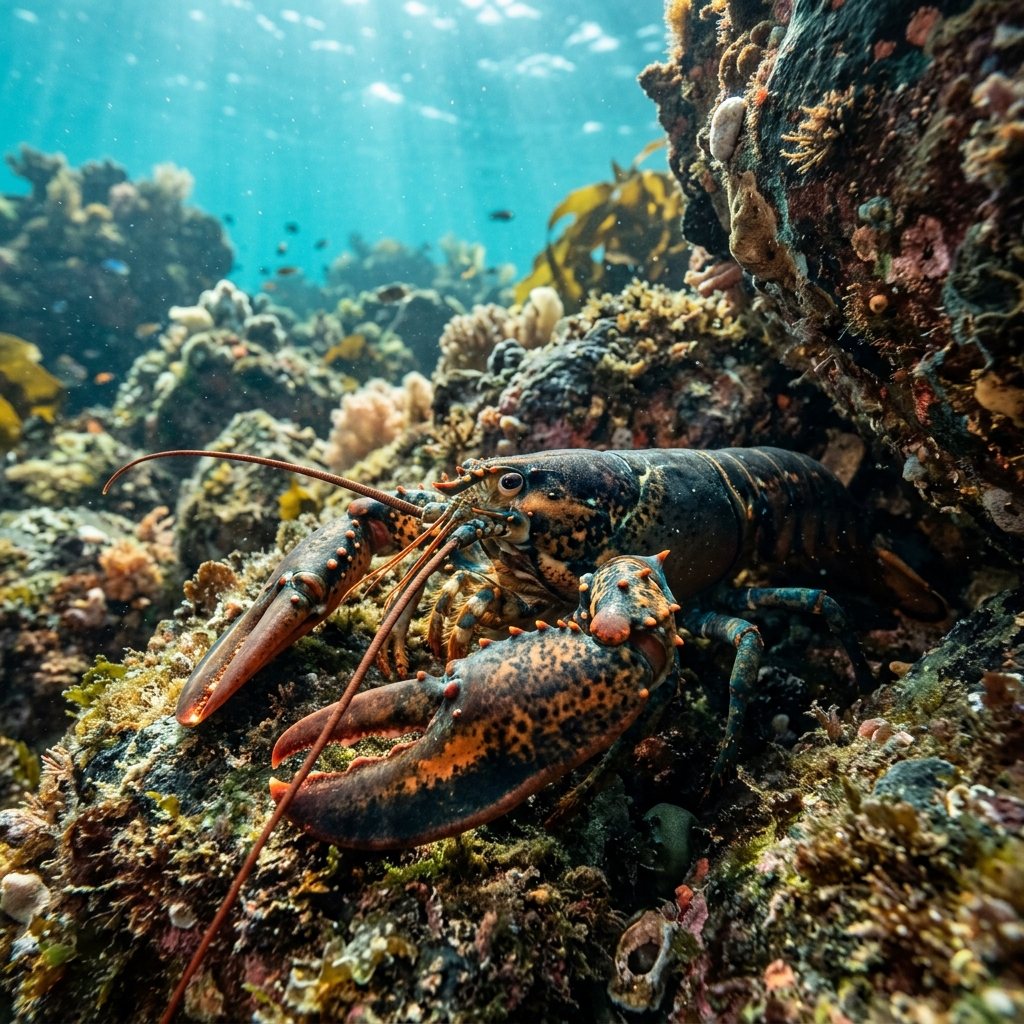
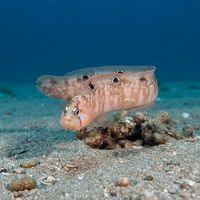
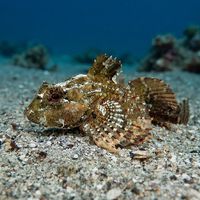
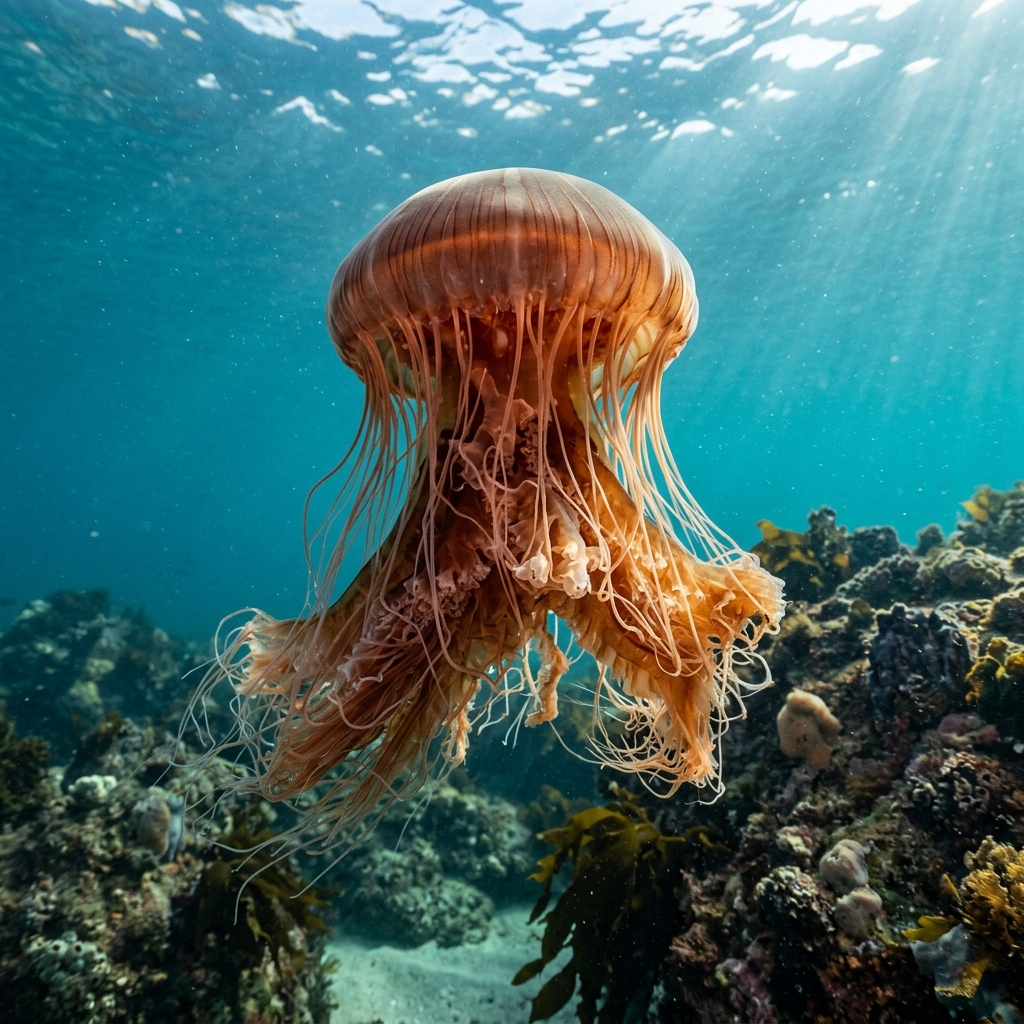
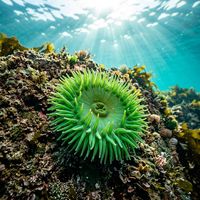
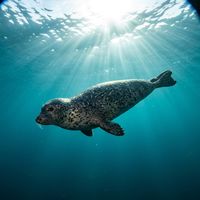
Gray Seal is the signature species and is observed across nearly all sites in the region. Common Lobster, Squat Lobster, Brittle Star and Common Sea Star are very frequently recorded, while Sea Slug, Orange-clubbed Nudibranch and European Common Cuttlefish reward those who look closely. Lumpfish are a characterful temperate-water find, and Harbor Seal is occasionally spotted alongside its grey cousin.
Yes, several sites are specifically rated for beginners. Shore-entry options such as Knacker Hole, Lady's Hole and Beadnell offer shallow reef and kelp forest diving with easy beach entries. Farne Islands Seals is also listed as a beginner site, accessed by boat, and is one of the most rewarding dives in the region for wildlife encounters.
Both entry types are well represented in the region. Shore diving is available at sites including St Mary's Island, Beadnell, Knacker Hole and Lady's Hole, making independent diving straightforward. The more exposed offshore sites, including the Somali Wreck, Abessinia Wreck, Christenson Propeller and Blue Caps, require boat access, and local operators Sovereign Diving and The Honest Diver Supply Co can facilitate this.
The Northumberland Coast accounts for the great majority of sites and offers considerable variety, from shallow kelp-covered reefs accessible from the shore to deeper walls and wrecks that require boat travel. The Farne Islands stand out for combining reefs, walls, kelp forests and wrecks in a single area, with seal encounters almost guaranteed. Shore sites tend to be shallower and calmer, while offshore sites introduce stronger currents and greater depth.