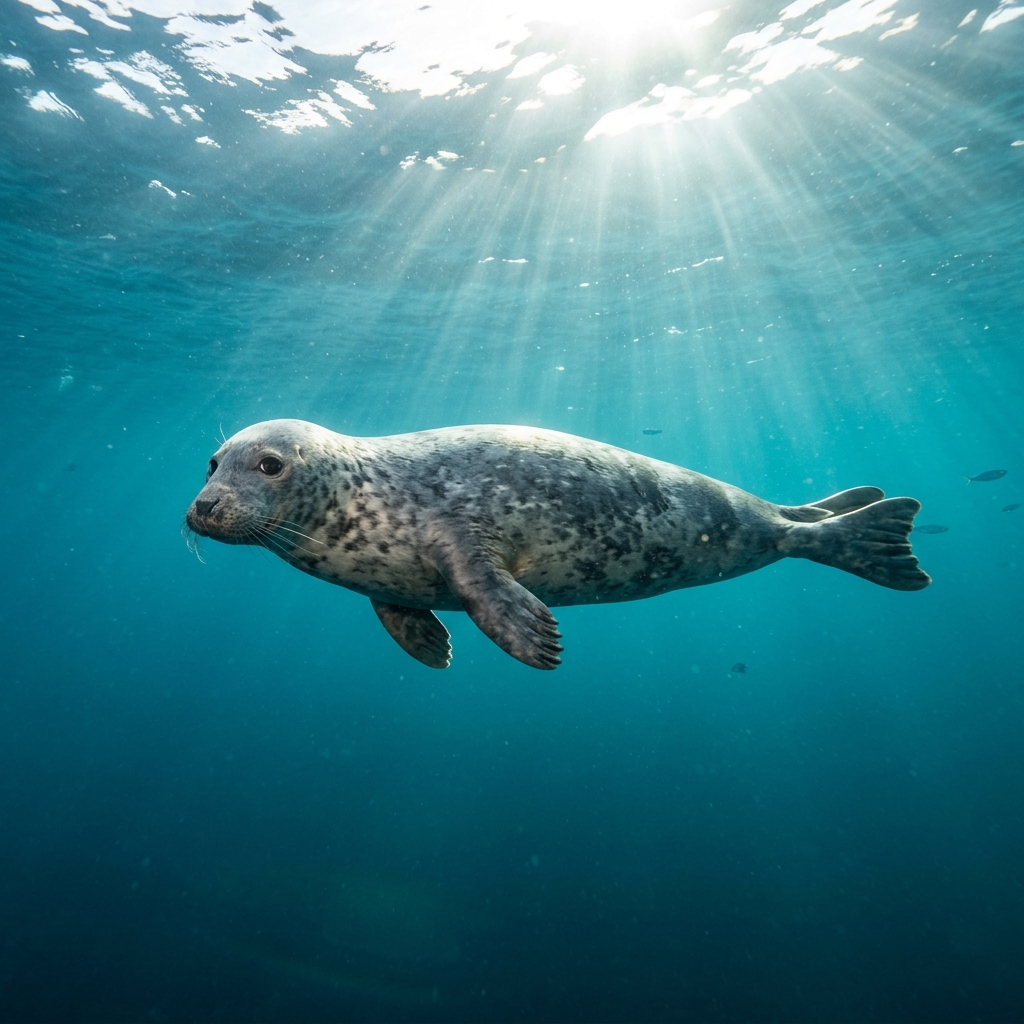
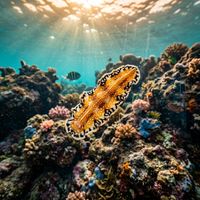
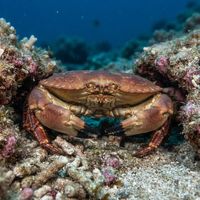
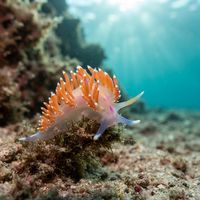
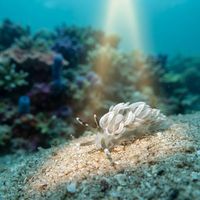
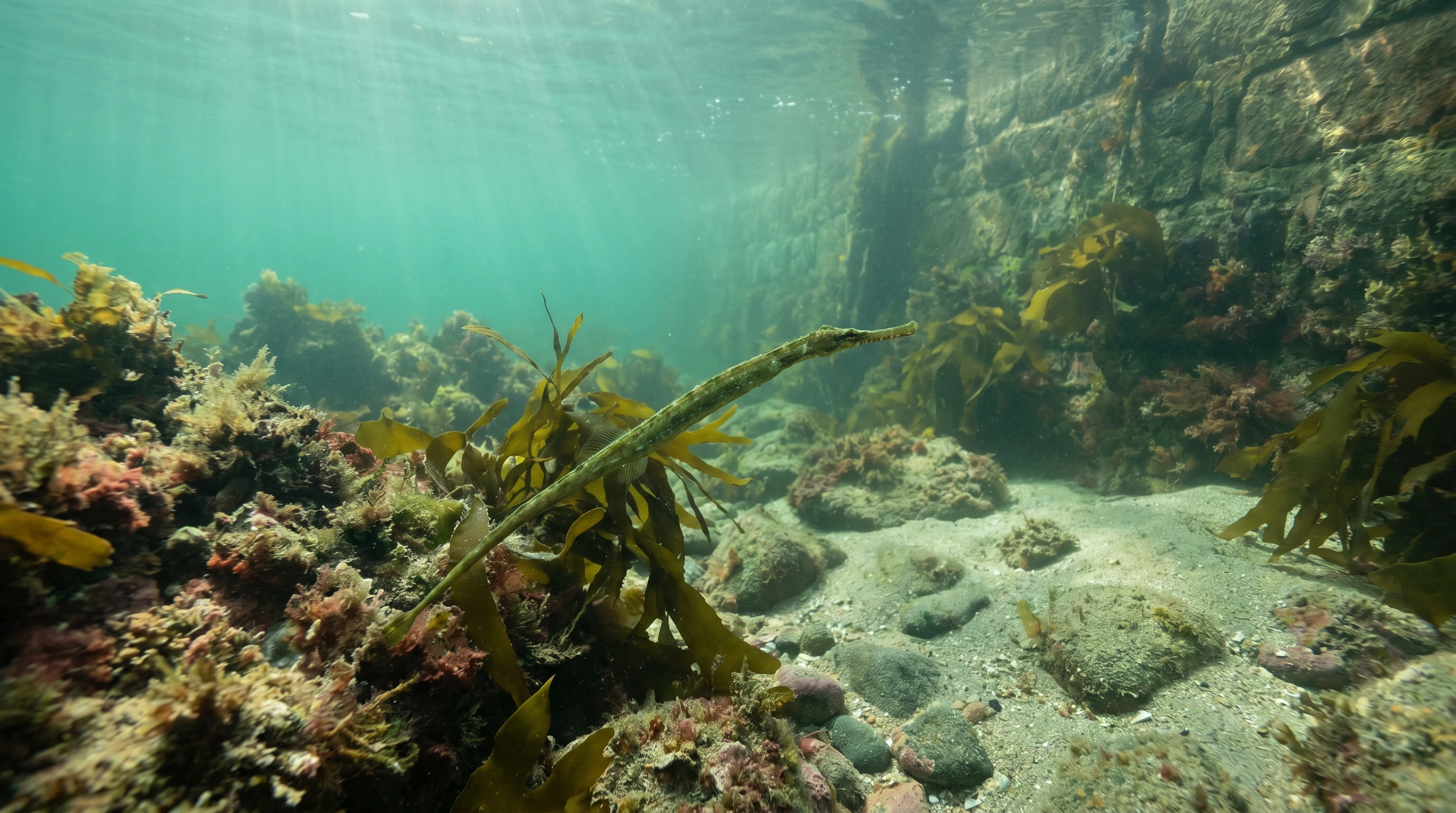
Wales offers a striking range of underwater environments, from the flooded slate walls of Dorothea Quarry to the kelp forests and wrecks of Pembrokeshire, the drift dives of the Menai Straights, and the reefs of North Wales. Four distinct sub-areas shape the experience: North Wales, Pembrokeshire, Cardigan Bay, and South Wales each carry their own character and site mix. Signature encounters include the Gray Seal, Harbor Seal, and European Common Cuttlefish, alongside commonly observed Catshark, Conger Eel, Spiny Spider Crab, and Brittle Star. Conditions are cool year-round, with water warming through summer and visibility varying by site.
4 areas
 30
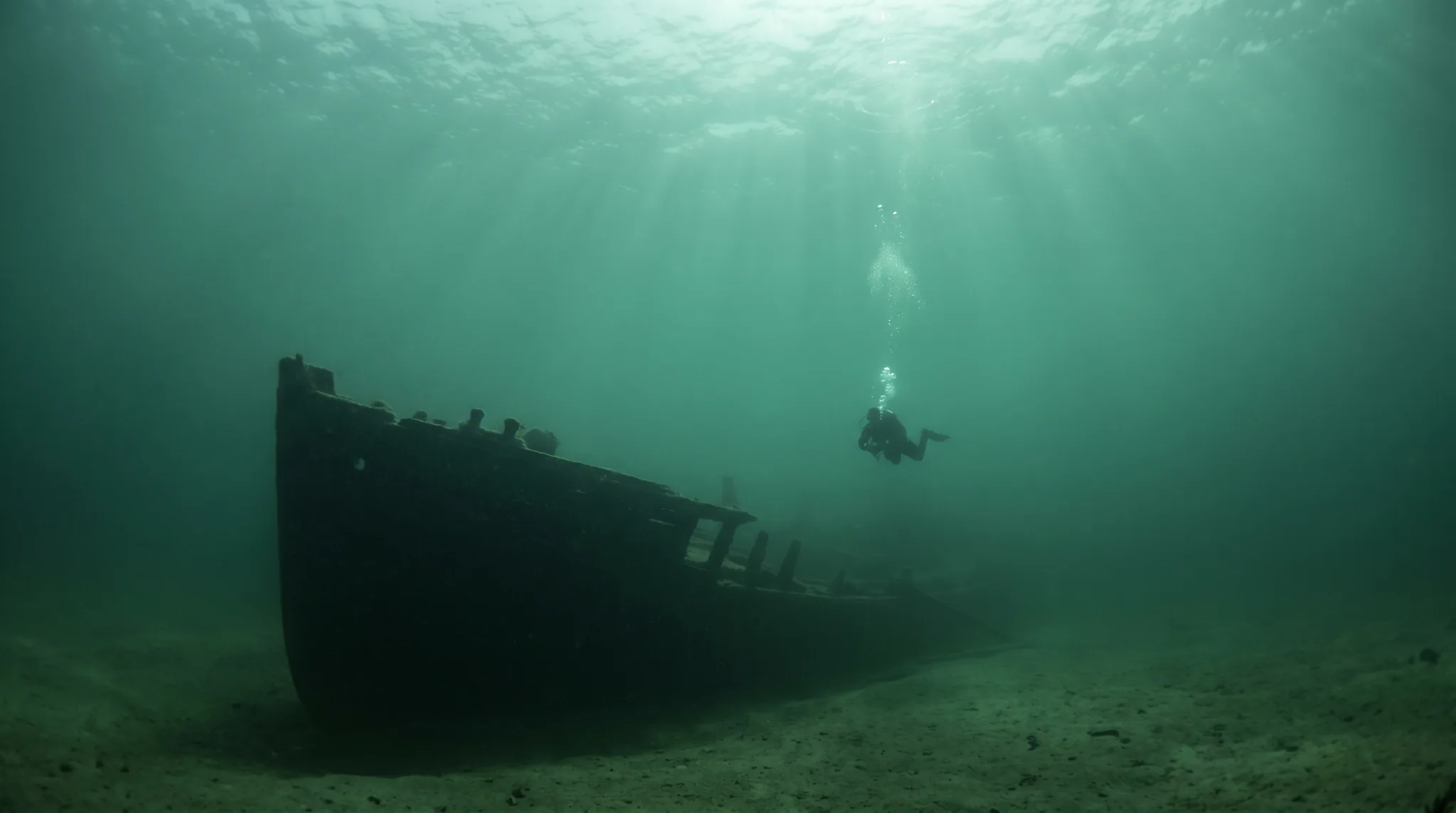
30Flooded slate quarries, tidal reefs and wrecks for all levels, with seals and cuttlefish as highlights.
 22
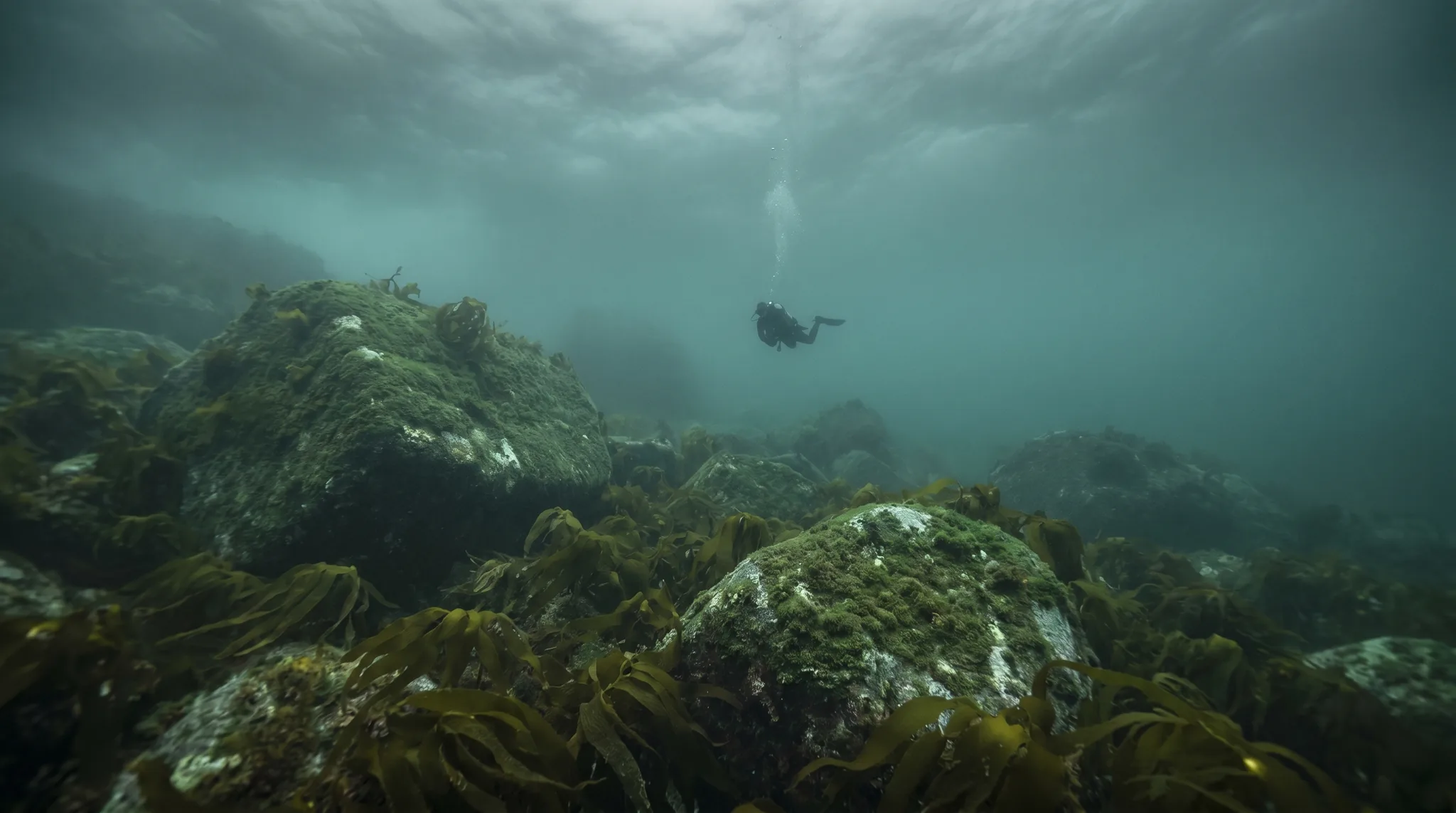
22Rocky reefs, kelp forests and wrecks shared with resident Gray Seal and Catshark, split between Skomer Marine Reserve and Milford Haven.
14Rocky reef snorkelling in Wales, with abundant Spiny Spider Crab, European Common Cuttlefish, and occasional Gray Seal encounters.
5Monthly water temperature across Wales's sites, from satellite sea-surface data corrected for depth. The band shows the site-to-site spread.
Water temperatures follow a clear seasonal curve, rising from their winter low through spring and peaking in late summer before cooling again through autumn. The warmest months draw the most diving activity, with summer and early autumn offering the most comfortable conditions. Exposed sites carry tidal currents that demand careful timing, and several offshore sites require boat access regardless of the season.
37 operators
Shore dives on Celtic Sea reefs and caves, with tidal conditions, cold water, and marine life from seals to gorgonians.
Water temperature around Wales ranges from about 9°C in February to 17°C in September, based on satellite sea-temperature data for its dive sites.
In the warm season (about 17°C) a 7mm or semi-dry suit is comfortable in Wales; in the coldest months (about 9°C) step up to a drysuit.
Fin maps 71 sites in Wales (50 scuba diving sites and 29 snorkelling spots, with some suited to both), organised into 4 areas.
Across Wales's dive sites, May, June, July, August and September are most often reported as the best months to visit.
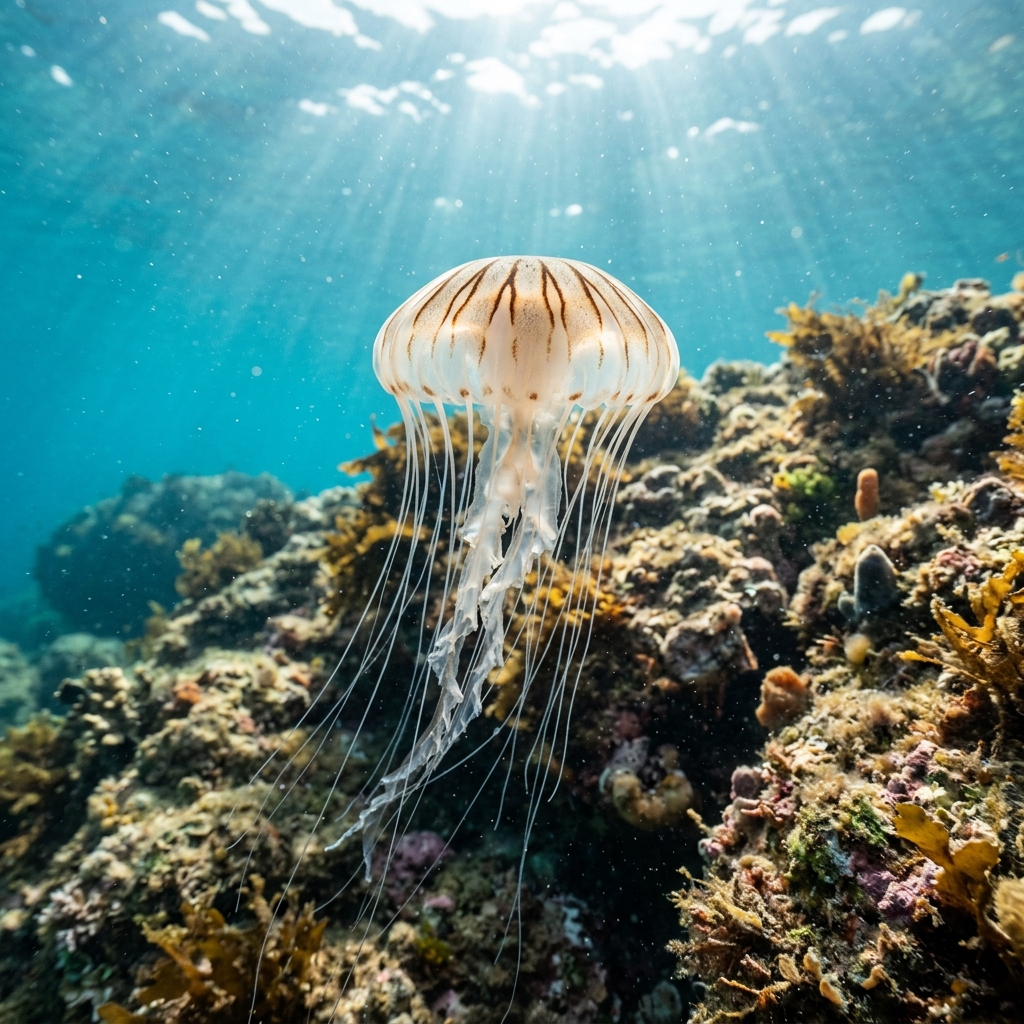
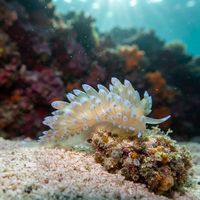
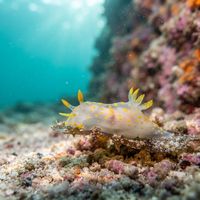
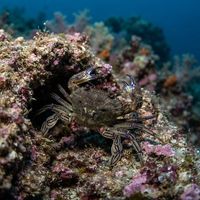
Wales has a broad species list with sightings across most sites. Sea Star and Brittle Star are very commonly reported, while Catshark, Squat Lobster, Spiny Spider Crab, and Conger Eel are common across many sites. The signature encounters are the Gray Seal, Harbor Seal, and European Common Cuttlefish, and occasional sightings include Dogfish, Skate, Gorgonian, Sea Slug, Compass Jellyfish, and Curled Octopus.
Yes, several sites cater specifically to beginners. Shore-entry sites such as Trefor Pier, Criccieth Castle, and the Missouri offer shallow depths and mild conditions that suit newly qualified divers. The Kimya wreck in Pembrokeshire is also rated beginner-friendly and is accessible by boat. More advanced terrain, including the deep walls of Dorothea Quarry and the deeper Pembrokeshire wrecks, is best reserved for experienced divers.
North Wales holds the largest concentration of sites and includes standout spots such as Puffin Island, Menai Straights, and the deep freshwater dive at Dorothea Quarry. Pembrokeshire is particularly rich in wrecks and larger reef structures, with sites like Skomer Island, Dale Pembrokeshire, and several named wrecks. Cardigan Bay offers a quieter mix of coastal sites, while South Wales has a smaller selection but rounds out the region for divers based in the south.
Many of the most varied sites in Wales require boat access, including Skomer Island, Dale Pembrokeshire, Puffin Island, and the main Pembrokeshire wrecks. However, a good number of sites are accessible from shore, such as Dorothea Quarry, Criccieth Castle, Trefor Pier, and Blue Lagoon. The Menai Straights and the Missouri offer both shore and boat entry options. Operators including Severntec Diving, Southsea Scuba, and Scuba Regs can facilitate boat access to offshore sites.