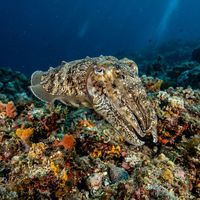
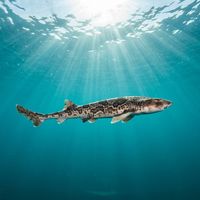
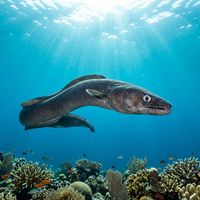
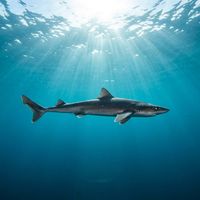
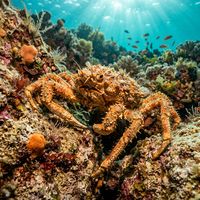
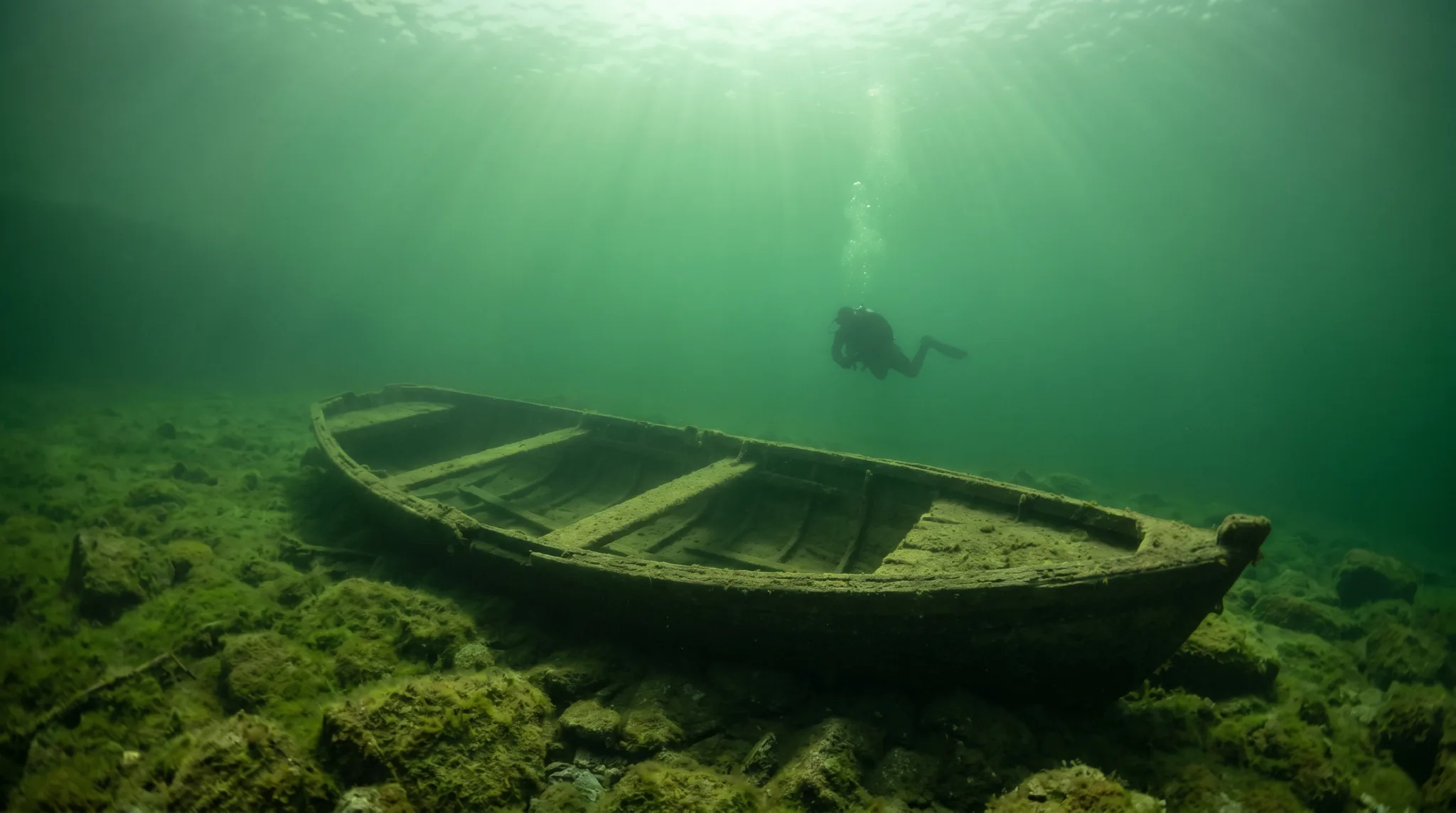
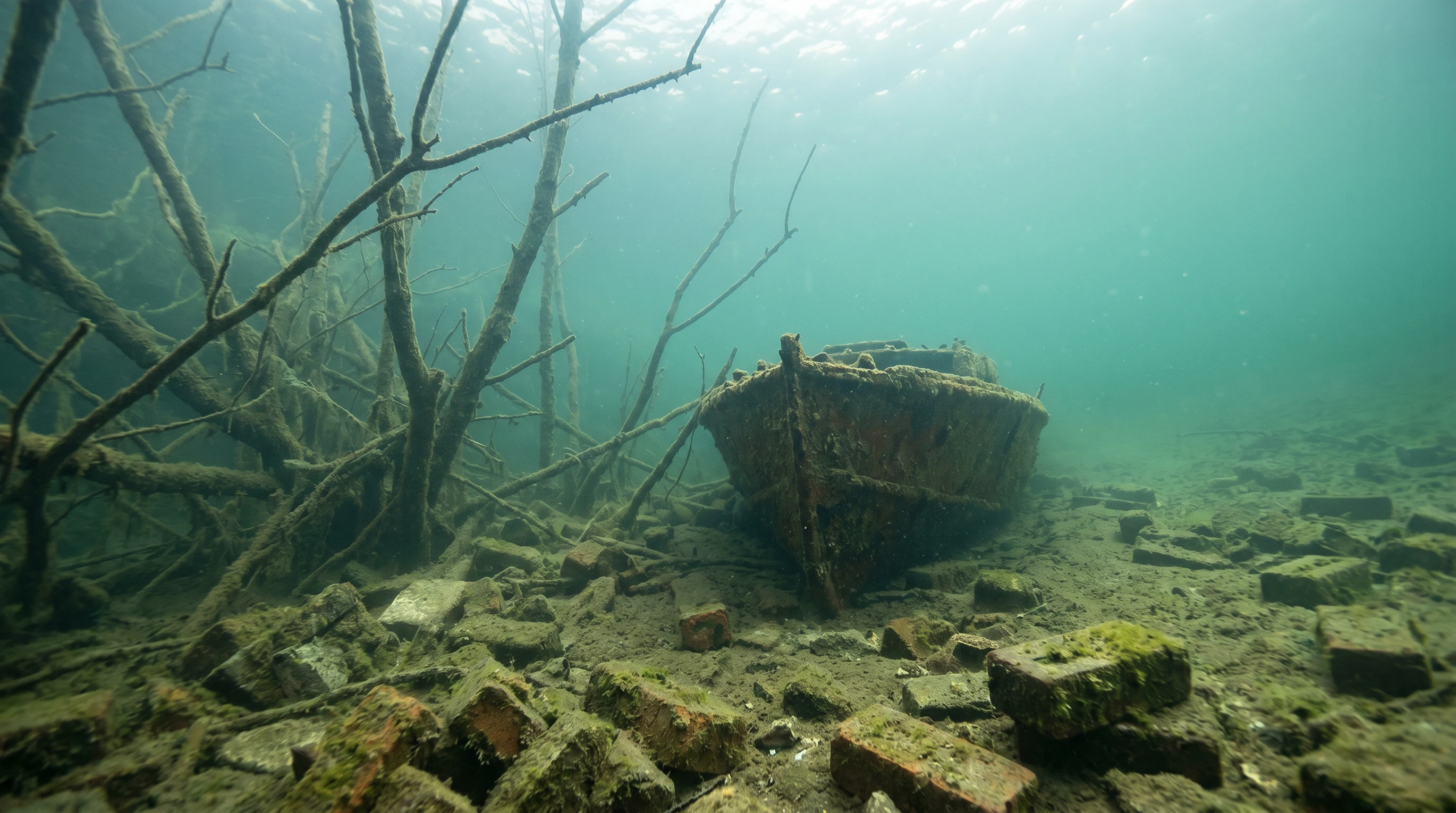
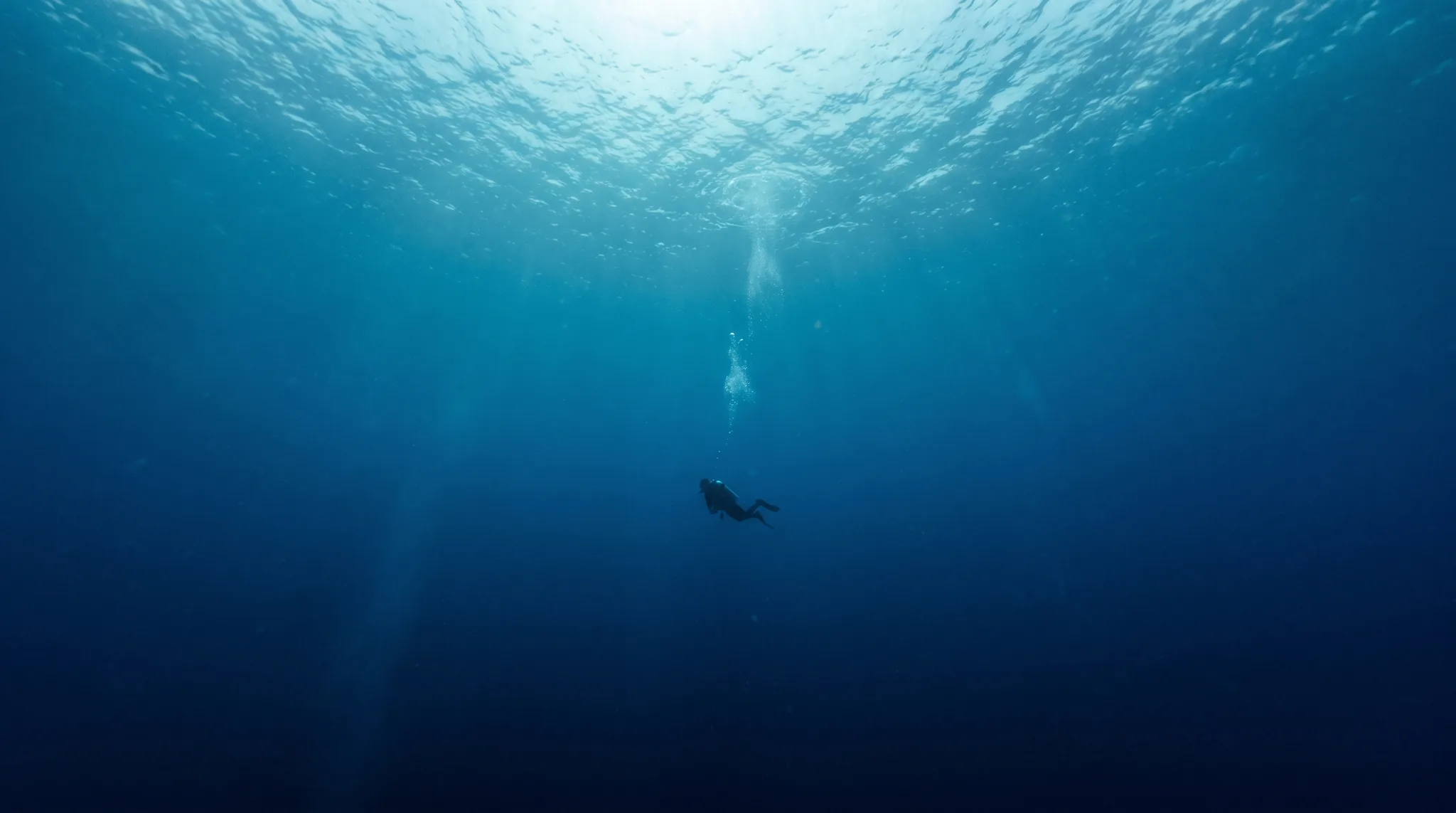
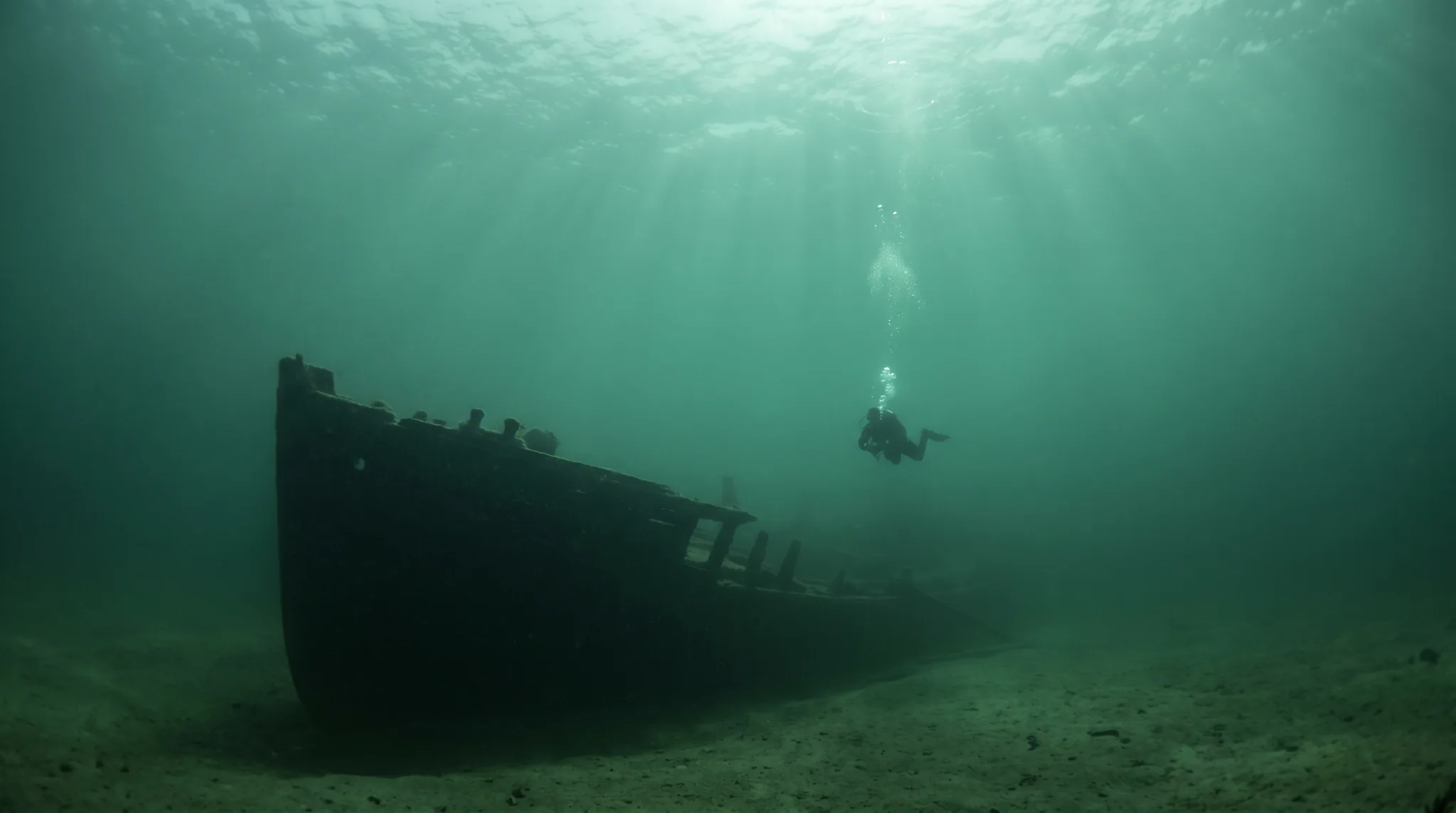
South-East England is defined by its wrecks, artificial reefs and cold-water species. The Sussex Coast holds the bulk of sites, from shallow shore dives beneath Brighton Pier to deeper boat dives on vessels such as HMS Scylla and HMS Brazen. Kent adds a smaller cluster of sites to the north. European Common Cuttlefish, Catshark and Spiny Spider Crab are regularly encountered, and Conger Eel occupy the more sheltered wreck structures. Conditions reward preparation, with variable visibility and cooler water outside summer.
2 areas
Monthly water temperature across South-East England's sites, from satellite sea-surface data corrected for depth. The band shows the site-to-site spread.
Water is at its coldest through late winter, warming gradually into summer when conditions are most inviting. The peak season runs from late spring through early autumn, with September the most popular month among divers. Outside this window, cooler temperatures and reduced visibility require more exposure protection and experience.
64 operators

51 more sites to explore
A wreck-rich coast where Mulberry Harbour remains, scuttled frigates, and artificial reefs draw divers of every level.
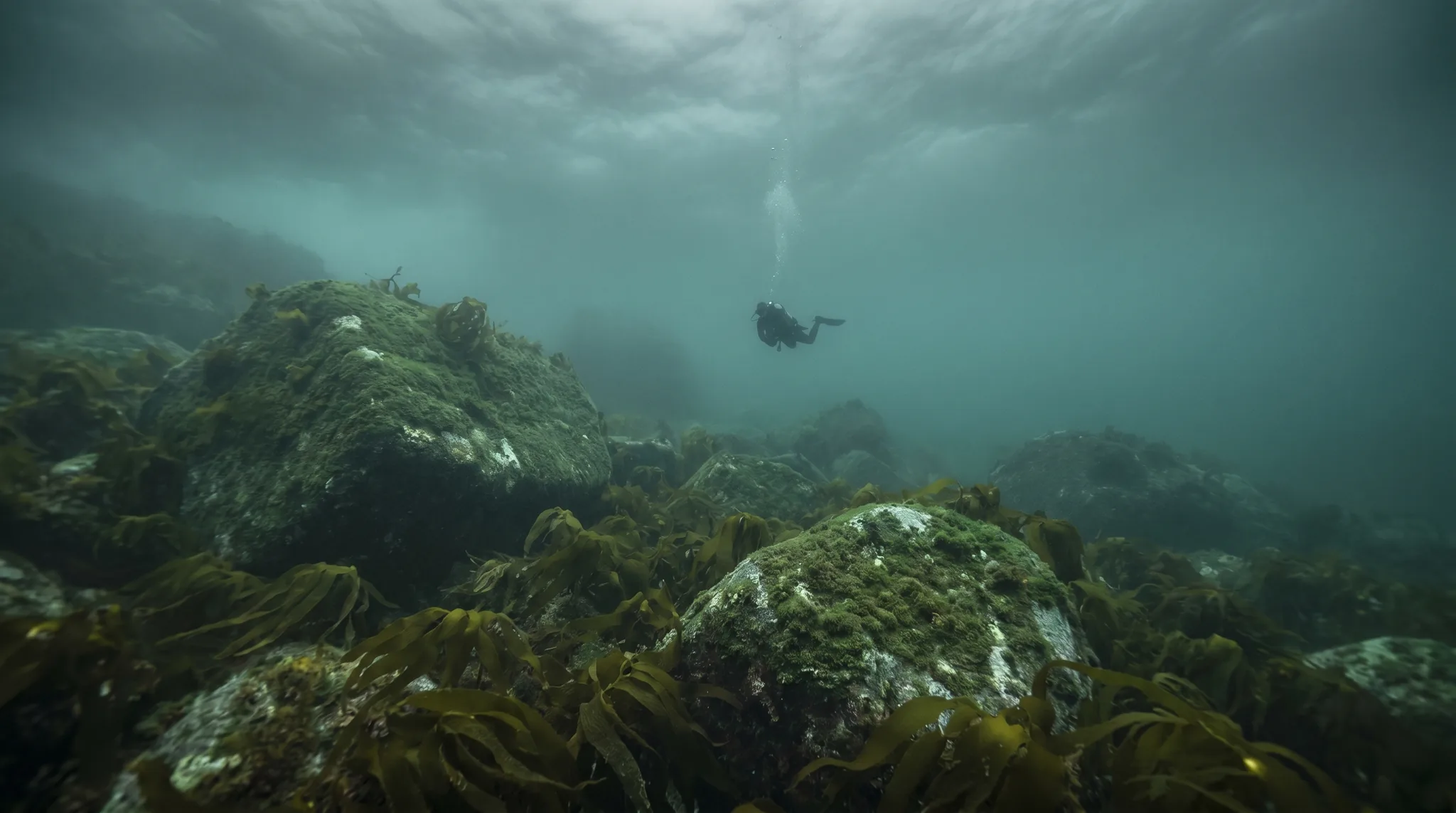
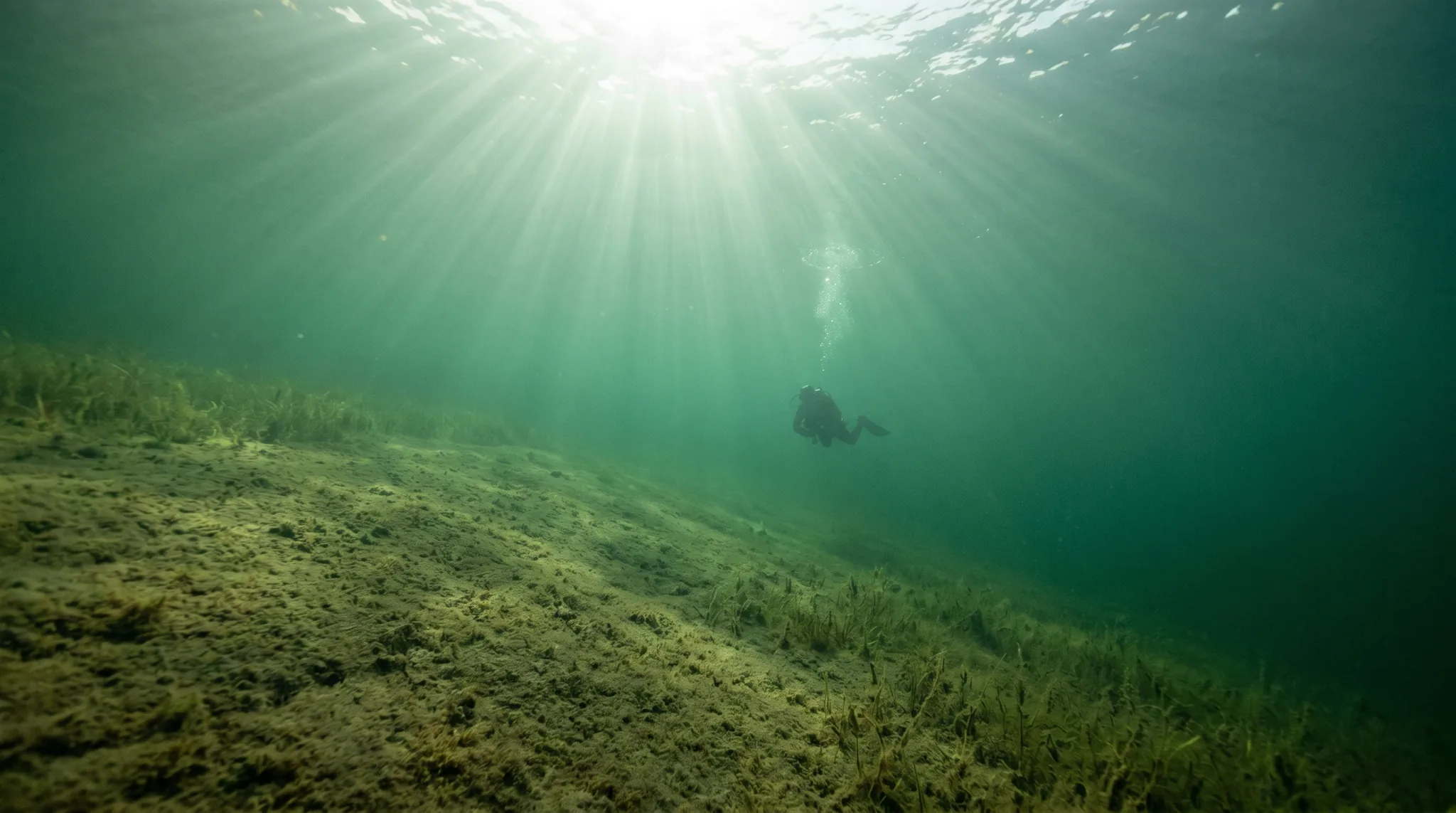
Water temperature around South-East England ranges from about 9°C in February to 18°C in August, based on satellite sea-temperature data for its dive sites.
In the warm season (about 18°C) a 5mm suit is comfortable in South-East England; in the coldest months (about 9°C) step up to a drysuit.
Fin maps 63 sites in South-East England (62 scuba diving sites and 6 snorkelling spots, with some suited to both), organised into 2 areas.
Across South-East England's dive sites, May, June, July, August and September are most often reported as the best months to visit.
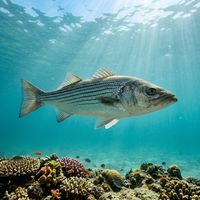
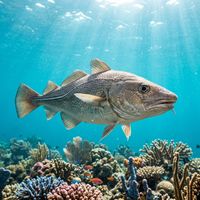
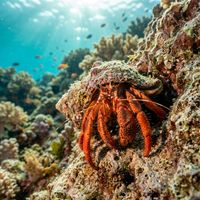
European Common Cuttlefish are the signature species and are observed very frequently across sites. Catshark, Cod, Temperate Bass and Spiny Spider Crab are also very commonly encountered. Conger Eel, Skate, Dogfish and Tompot Blenny turn up regularly on wreck and reef structures, while Seahorse and Gray Seal have been recorded as rarer sightings.
Several sites are rated beginner level, including Brighton Pier, Mercers Lake, Newhaven West Arm and Inner Mulberry Harbour. These offer shallow, shore-accessible dives on artificial reefs and wreck structures in protected or sheltered conditions. Deeper offshore wrecks such as Clodmoor and HMS Brazen are rated intermediate to advanced and require greater experience and boat access.
The Sussex Coast holds the large majority of sites, covering a wide range from beginner-friendly shore entries to advanced offshore wreck dives. Kent offers a smaller selection of sites. Most operators are also concentrated along the Sussex Coast, giving divers broader logistical support in that sub-area.
Both options exist. Shore entry sites include Brighton Pier, Wide Water Beach, Selsey Beach, Mercers Lake and Newhaven West Arm, covering a range of skill levels. The deeper offshore wrecks, including HMS Scylla, HMS Brazen and the Oceana, are boat-access only. Some sites such as Newhaven West Arm can be reached by either method.