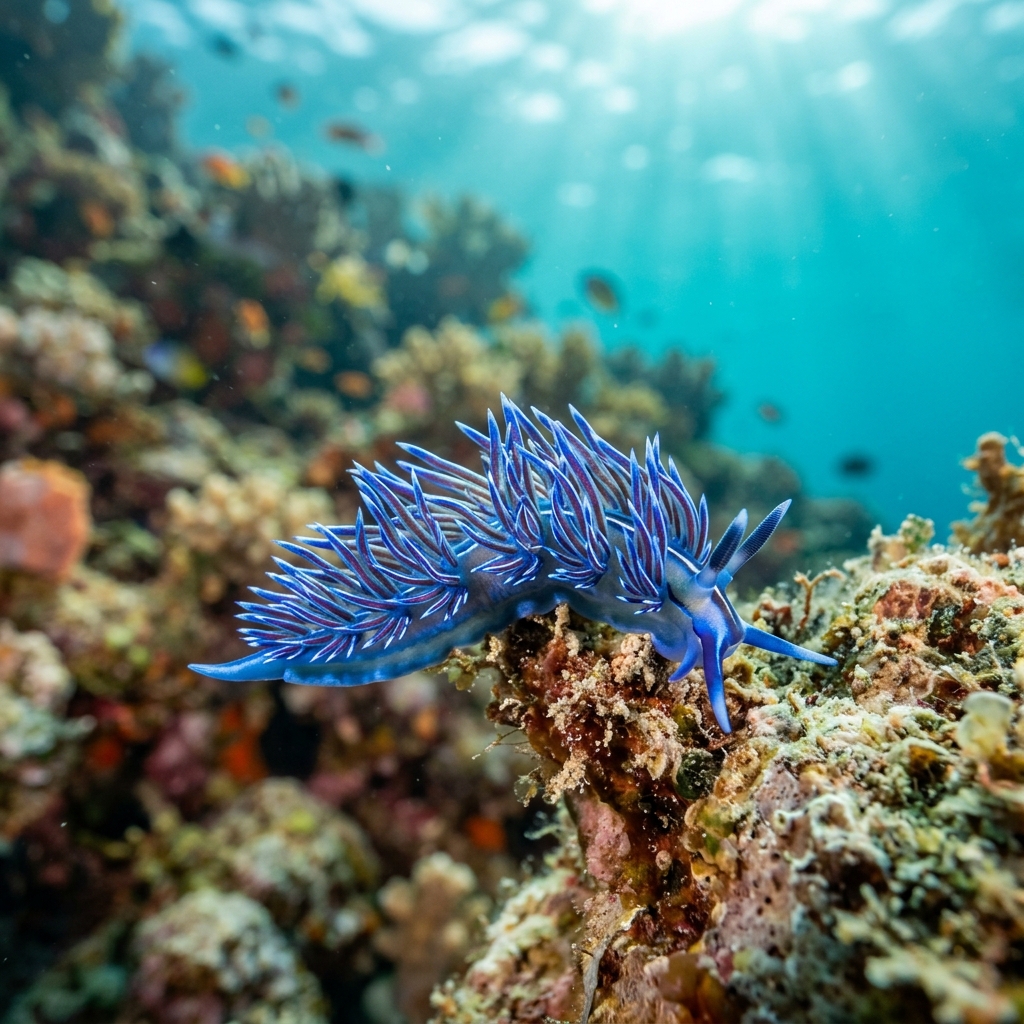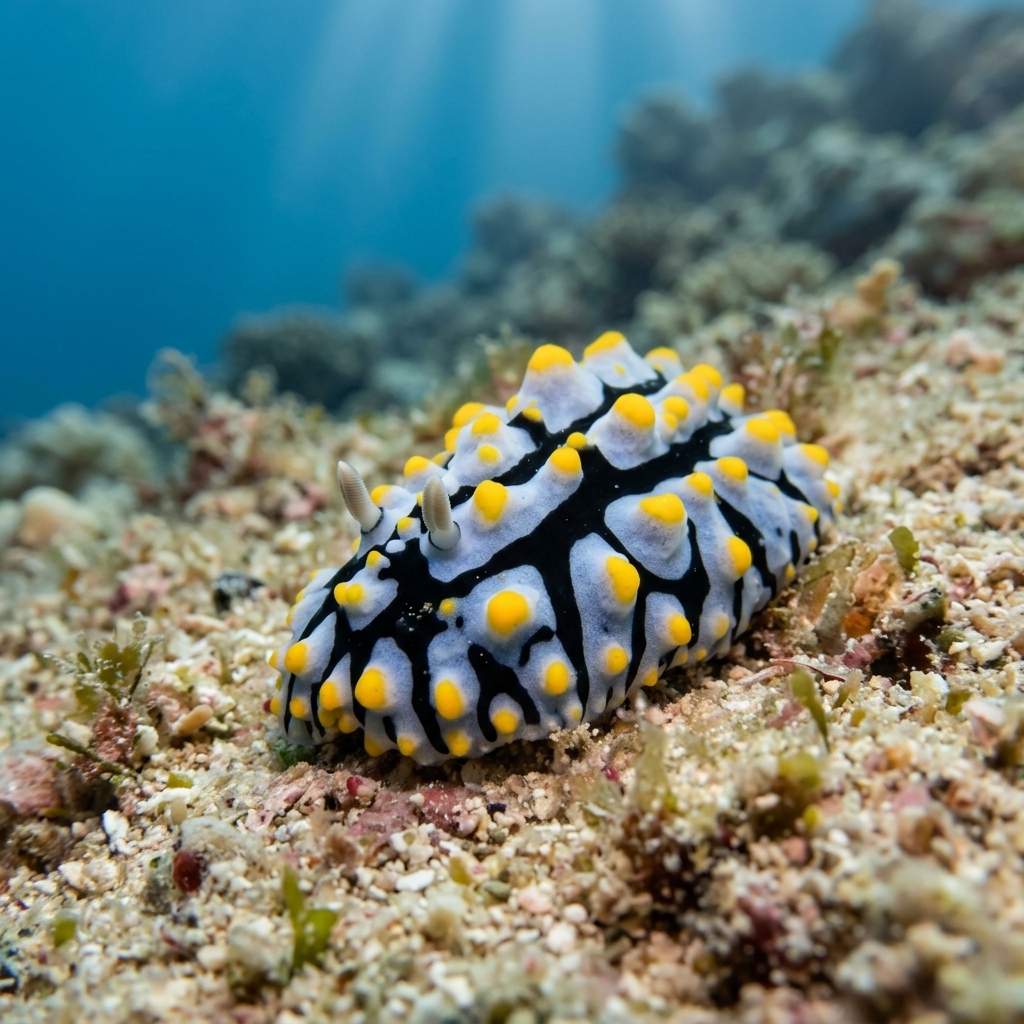
Antiopella capensis
Uncommon but reliably logged across Western Cape, South Africa, this frilly cool-water nudibranch turns up in 13-19C dives year-round.
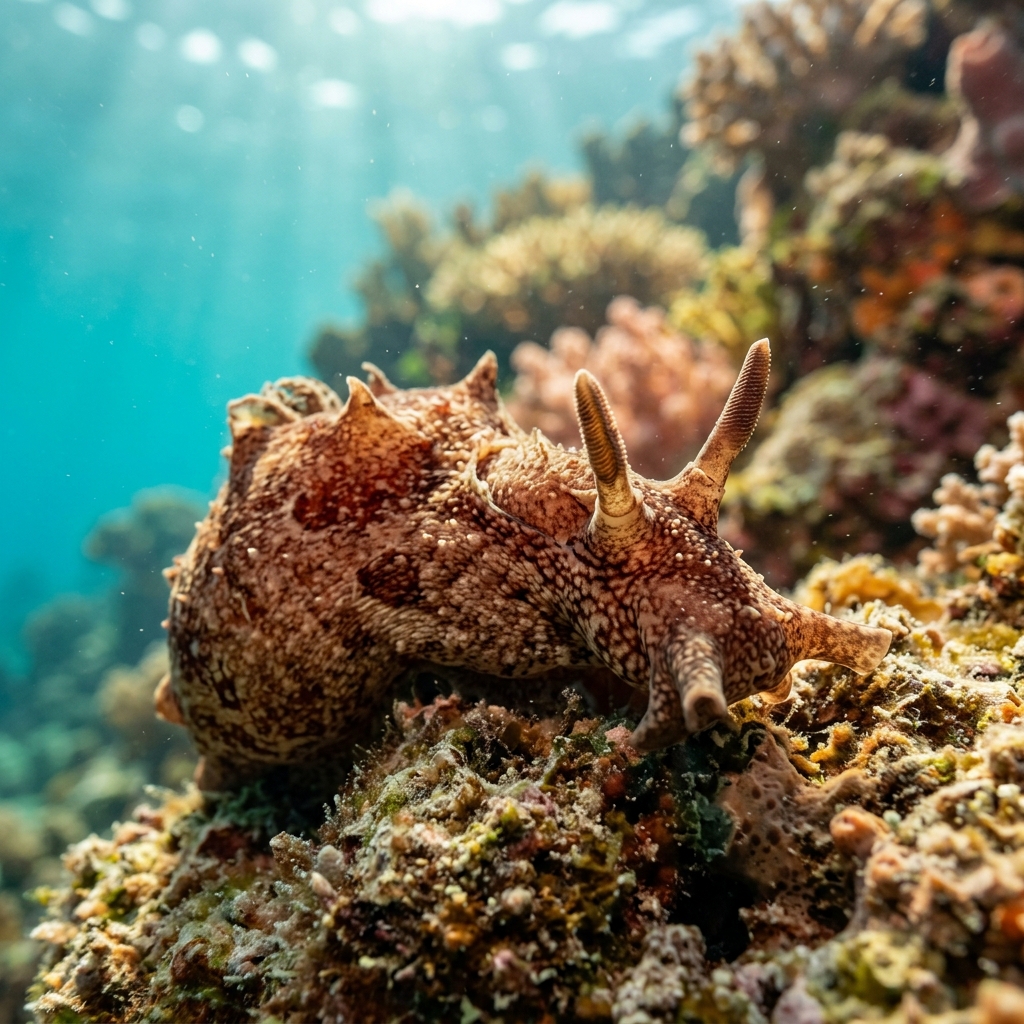
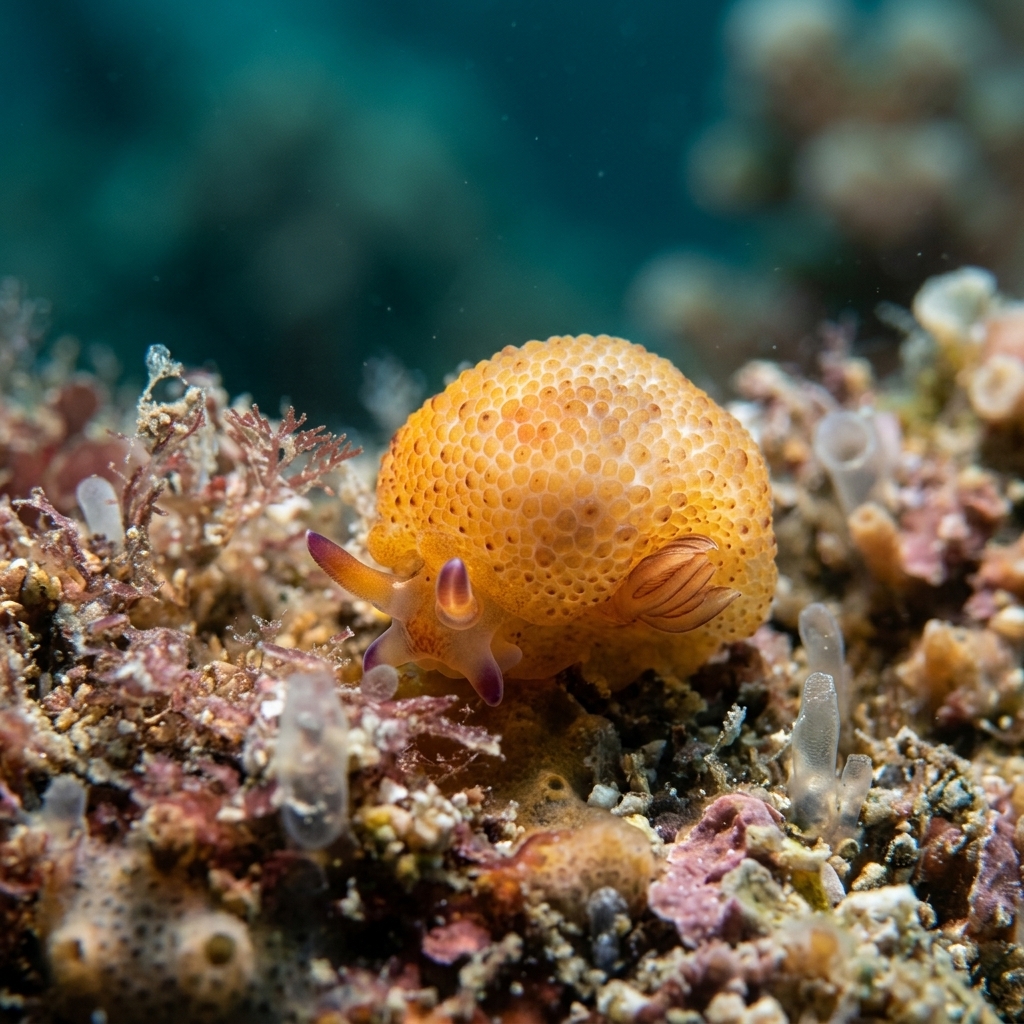
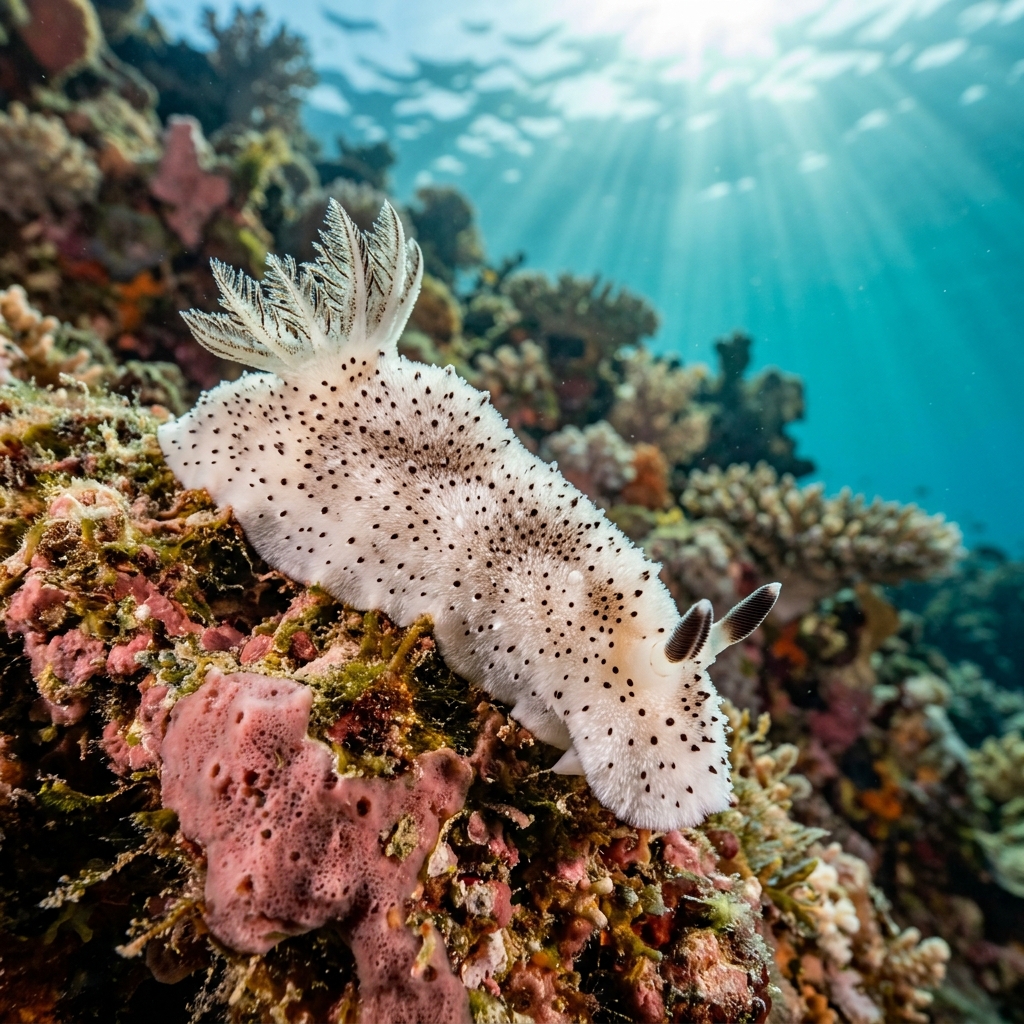
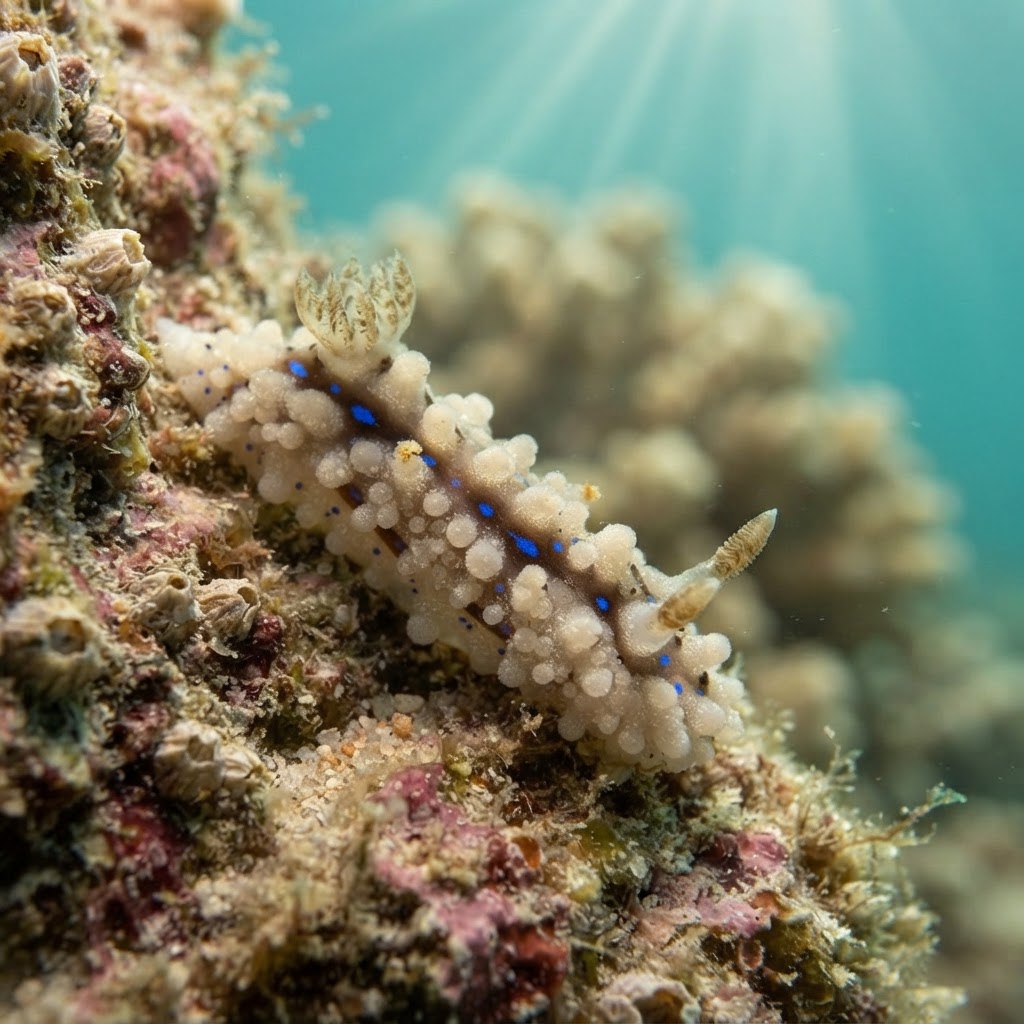
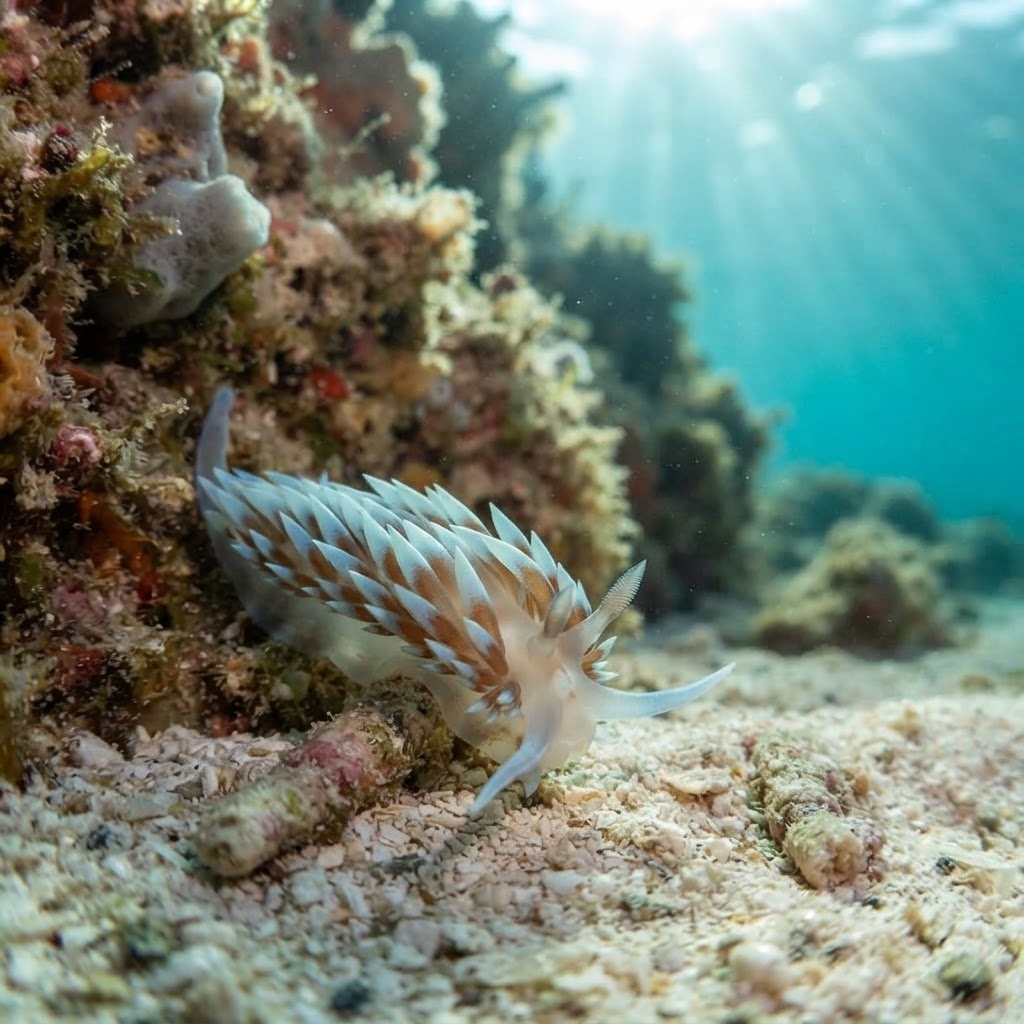
Small, slender nudibranch with a translucent white to pale grey body covered in tall, finger-like projections (cerata) that carry sharp orange or reddish tips, giving it a frosted, flame-tipped look. It moves slowly across rock and reef rubble, and the tightly packed cerata along its back are the main feature divers key on. There's no strong colour split reported between individuals, so most sightings look consistent.
Divers typically find this nudibranch sitting still or grazing slowly on rock faces and reef structure rather than swimming or fleeing, as is typical for this group of slow-moving molluscs. It shows no reaction to divers and is easy to approach closely for photos once spotted, though its small size and pale colouring mean it's often overlooked among kelp and encrusting growth. Most logs describe it as an uncommon find rather than something seen on every dive, so patient, slow searching along rock crevices pays off.
Those orange-tipped cerata aren't just decoration, in related nudibranchs they often store stinging cells absorbed from the hydroids the animal feeds on, repurposed as a defence against predators.
No clear seasonal pattern shows up in the sightings, so treat it as a year-round find in the 13 to 19C water it favours around the Western Cape. Cooler months may mean thicker wetsuits but the species itself doesn't seem to disappear in any particular season.
This one is very much a Western Cape speciality, logged across dive sites through the South African region of Western Cape and nowhere else in the data. If you're diving cool water around Cape Town and the surrounding Atlantic coastline, it's worth checking kelp forest and reef sites closely for it.
Mapping where Cape Silvertip Flame is logged…
It's essentially a Western Cape, South Africa find, logged across dive sites in that region and not reported elsewhere in the data. Cool-water reef and kelp forest sites around this coastline are your best bet.
There's no detected seasonal pattern, so it's considered a year-round sighting in the 13 to 19C water typical of the Western Cape. You don't need to time a trip around a particular month for this one.
Look for a small, pale, translucent nudibranch covered in tall cerata tipped in orange or red, giving a frosted, flame-like appearance against rock or reef rubble. It moves slowly and sits low on the substrate rather than swimming.
No, this is a small, slow-moving nudibranch with no danger to divers. It can be approached closely and photographed without any risk.
Exact size data isn't available for this species, but like most nudibranchs in its family it's a small animal, typically a few centimetres long, best spotted by looking closely at rock and reef surfaces.
Its bright cerata likely double as a defence mechanism, a trick seen across this nudibranch family where stinging cells from prey hydroids are stored and reused against would-be predators.
Site and sighting data is aggregated from diver logs, iNaturalist and GBIF. For taxonomy and conservation status:
Light-spotted Aegires
3,168 sites