The Garden Route spans three distinct sub-areas: Plettenberg Bay, Mossel Bay and Knysna. Reef dives dominate, with pinnacle structures and a wreck at Knysna adding variety. The Long-nosed Fur Seal is a near-certain encounter, while the Pyjama Shark, Common Octopus and European Common Cuttlefish appear regularly across sites. Conditions are cool year-round, with water warming slightly over summer. Visibility varies considerably, so site choice and timing matter.
3 areas
Monthly water temperature across Garden Route's sites, from satellite sea-surface data corrected for depth. The band shows the site-to-site spread.
Water temperature sits at its warmest from early summer through to late autumn, then holds steady and cool through the winter months. The best-conditions window favours autumn and early summer, when visibility tends to be more reliable. Exposed coastal positioning means surge and current can influence conditions, particularly at deeper reef and drift sites like The Paquita Wreck.
10 operators

16 more sites to explore
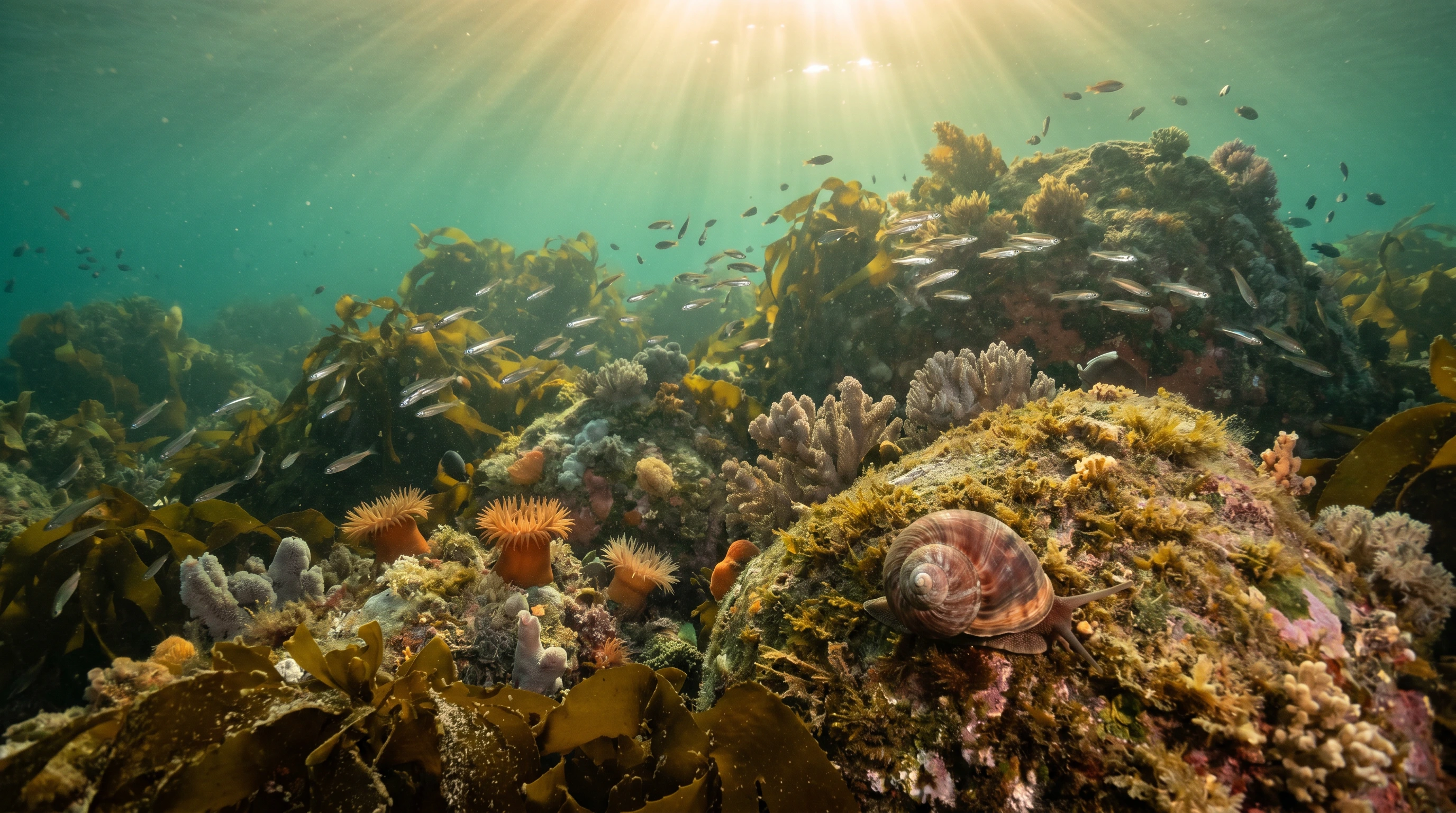
A Garden Route bay on the Indian Ocean with pinnacles, reef, and fur seal dives at the Robberg Peninsula, suited to beginners and intermediates.

Water temperature around Garden Route ranges from about 17°C in May to 20°C in January, based on satellite sea-temperature data for its dive sites.
In the warm season (about 20°C) a 5mm suit is comfortable in Garden Route; in the coldest months (about 17°C) step up to a 7mm or semi-dry suit.
Fin maps 22 sites in Garden Route (16 scuba diving sites and 8 snorkelling spots, with some suited to both), organised into 3 areas.
Across Garden Route's dive sites, April are most often reported as the best months to visit.
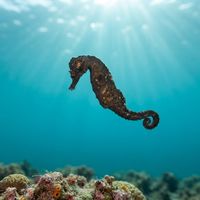
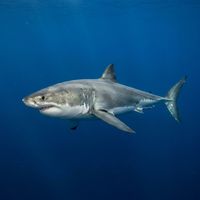
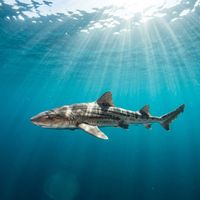
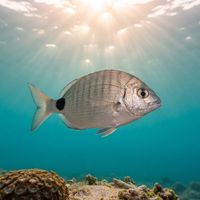
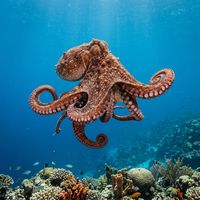
The Long-nosed Fur Seal is observed at the vast majority of sites and is the region's most reliable encounter. Pyjama Shark, Common Octopus, European Common Cuttlefish and Bream are all commonly recorded. Occasional sightings include Great White Shark, Smooth Hammerhead, Smooth Ray, Seahorse and the striking Common Paper Nautilus.
A good portion of the sites are rated for beginners, including shallow reef dives such as Shallow Blinders and Seal Dive in Plettenberg Bay, as well as Deep Blinders and Dolphin's Column. Intermediate sites like The Paquita Wreck in Knysna involve drift conditions and a wider depth range, so some experience helps there.
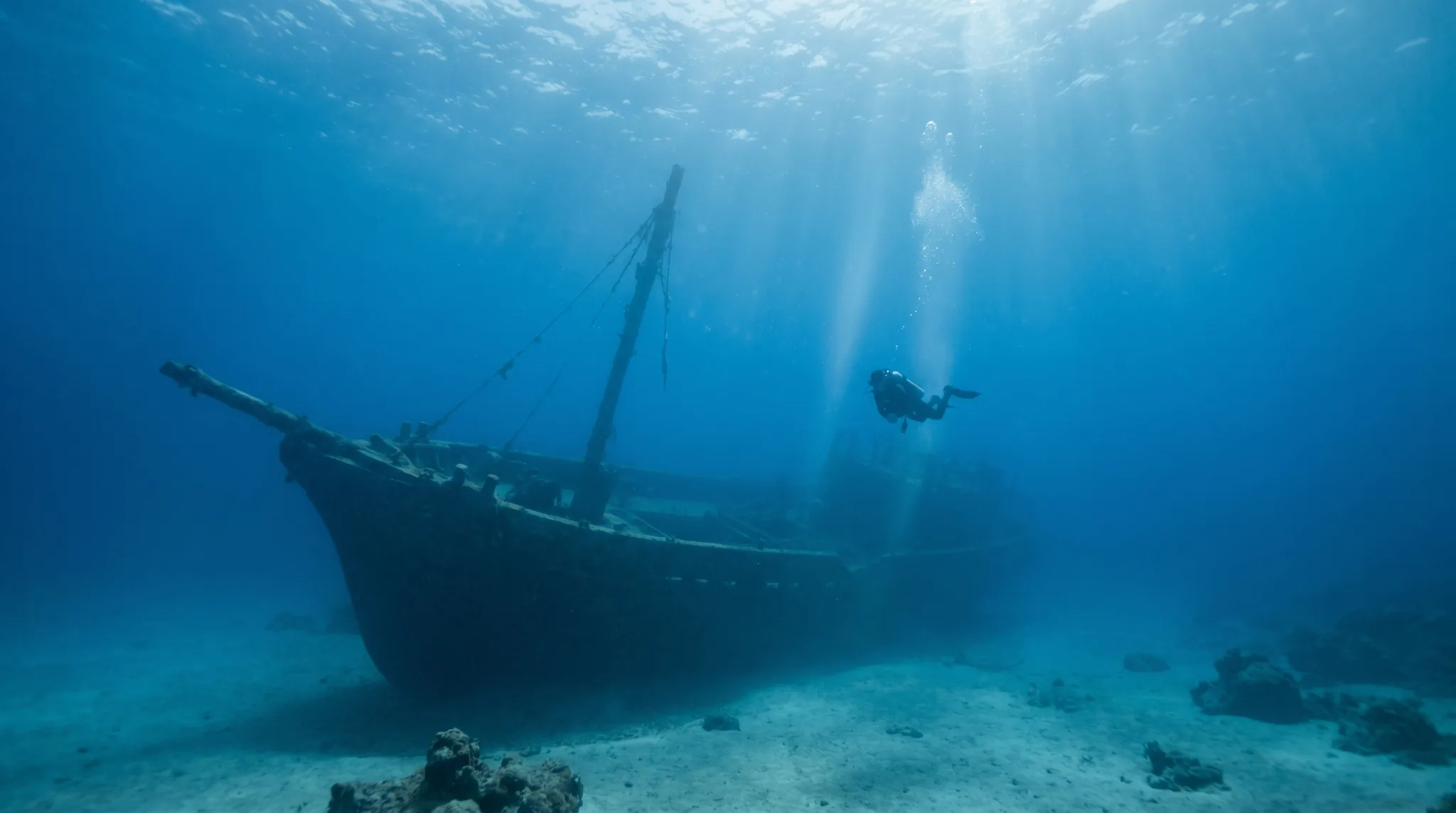
Plettenberg Bay has the largest concentration of sites, with a mix of shore and boat entries across shallow and mid-depth reefs. Mossel Bay offers reef diving including the deeper Windvogel Reef. Knysna's highlight is The Paquita Wreck, a drift dive suited to intermediate divers that combines wreck exploration with moving water.
Several sites do offer shore entry, including Shallow Blinders in Plettenberg Bay and The Paquita Wreck in Knysna. Other sites, such as Dolphin's Column, Deep Blinders and Seal Dive, require boat access. Operators including Garden Route Scuba, Go Dive Mossel Bay and Offshore Adventures can arrange boat charters across the region.