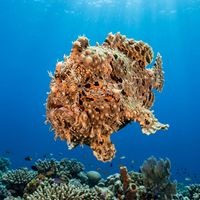
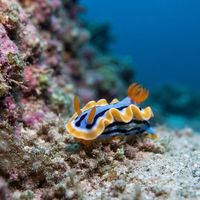
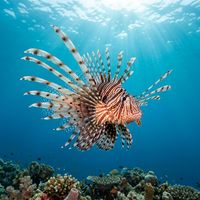
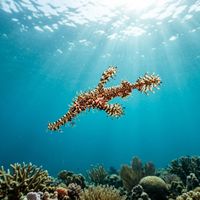
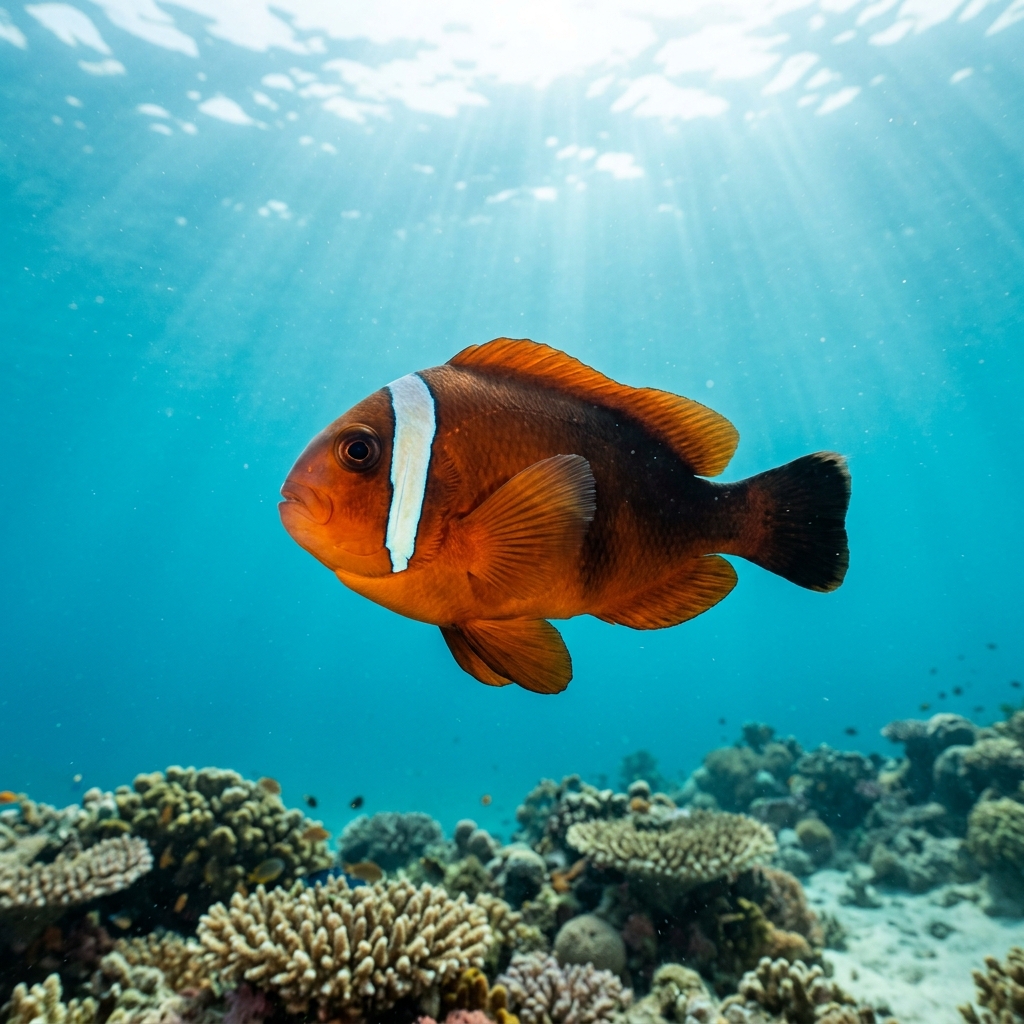
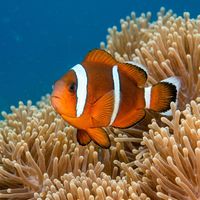
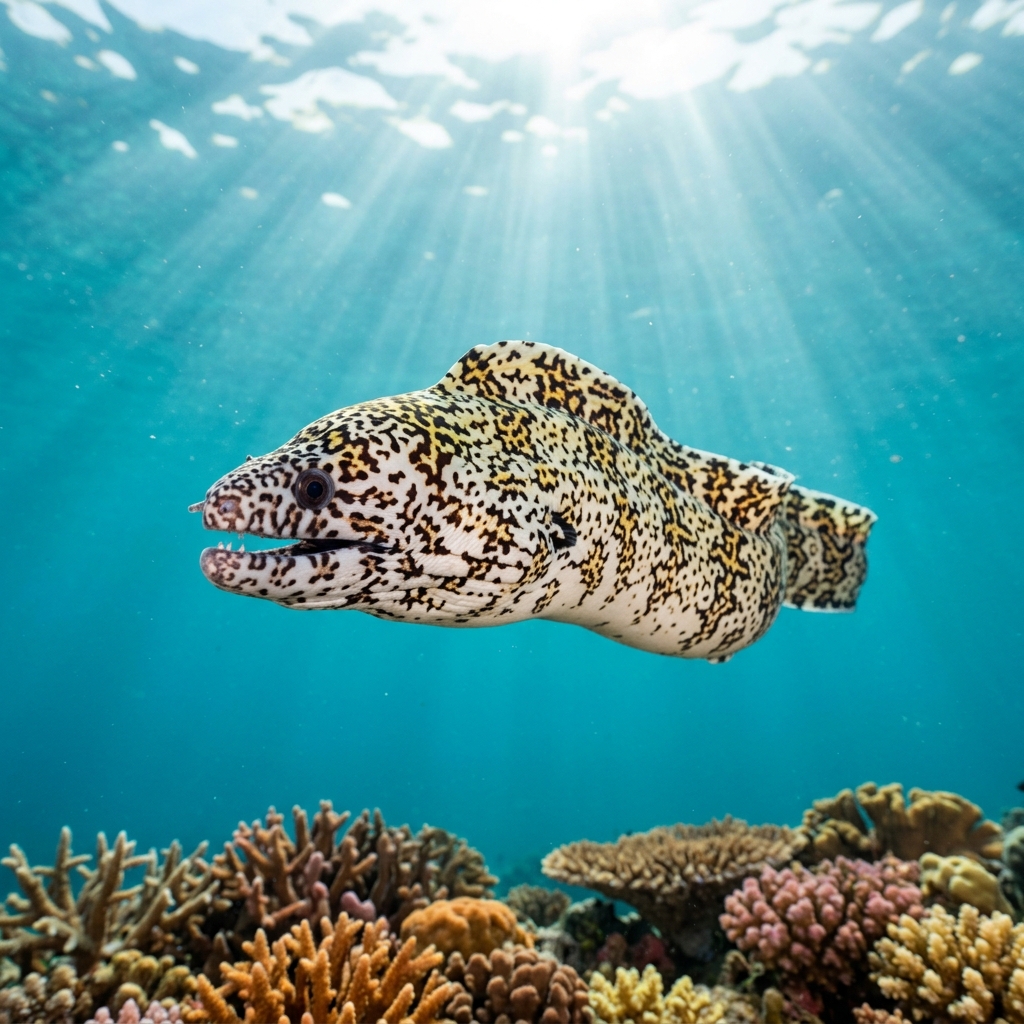
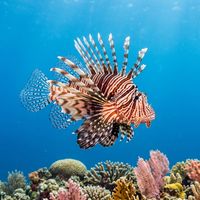
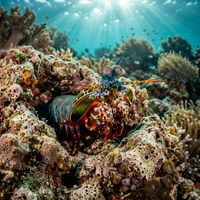
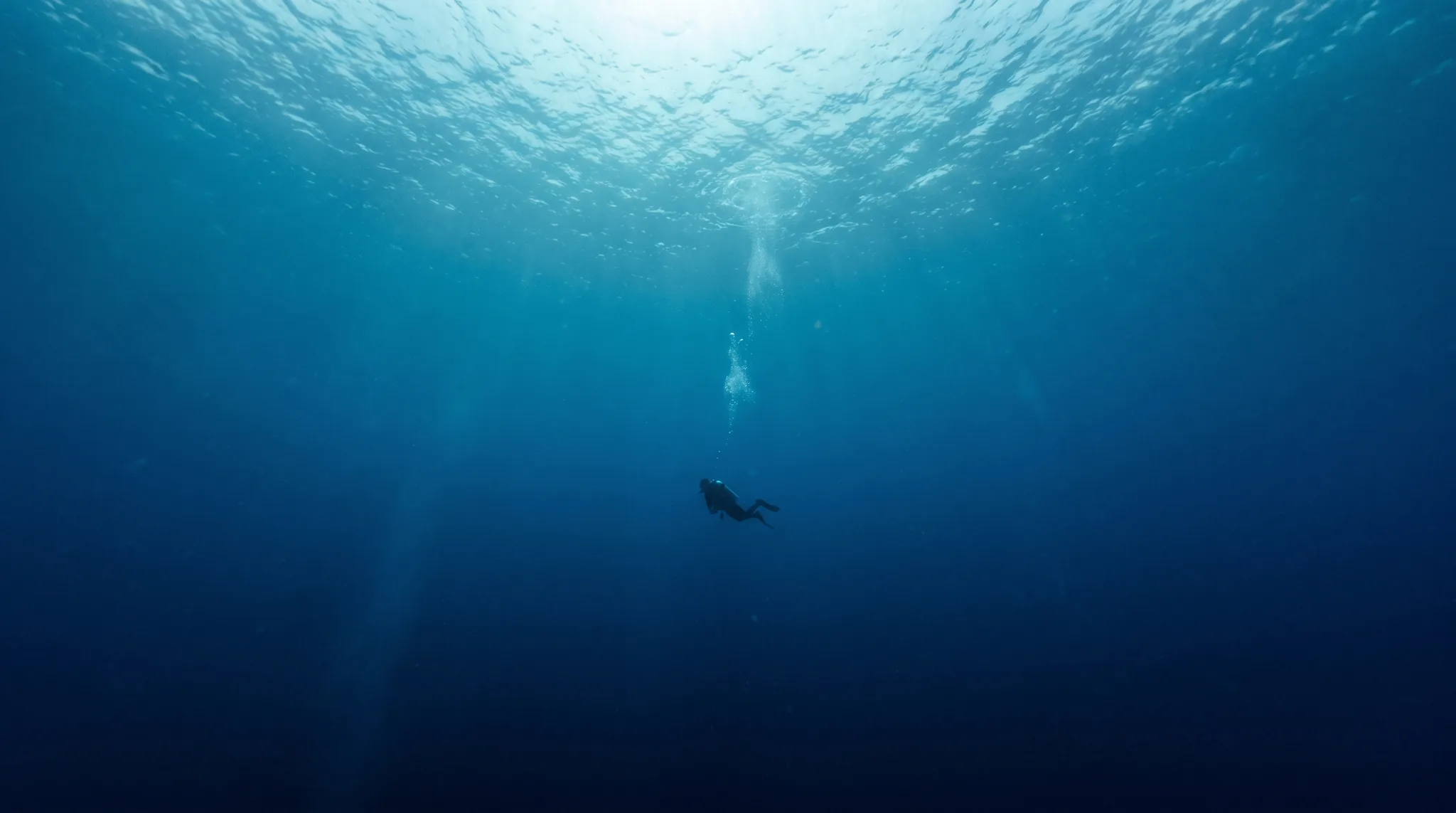
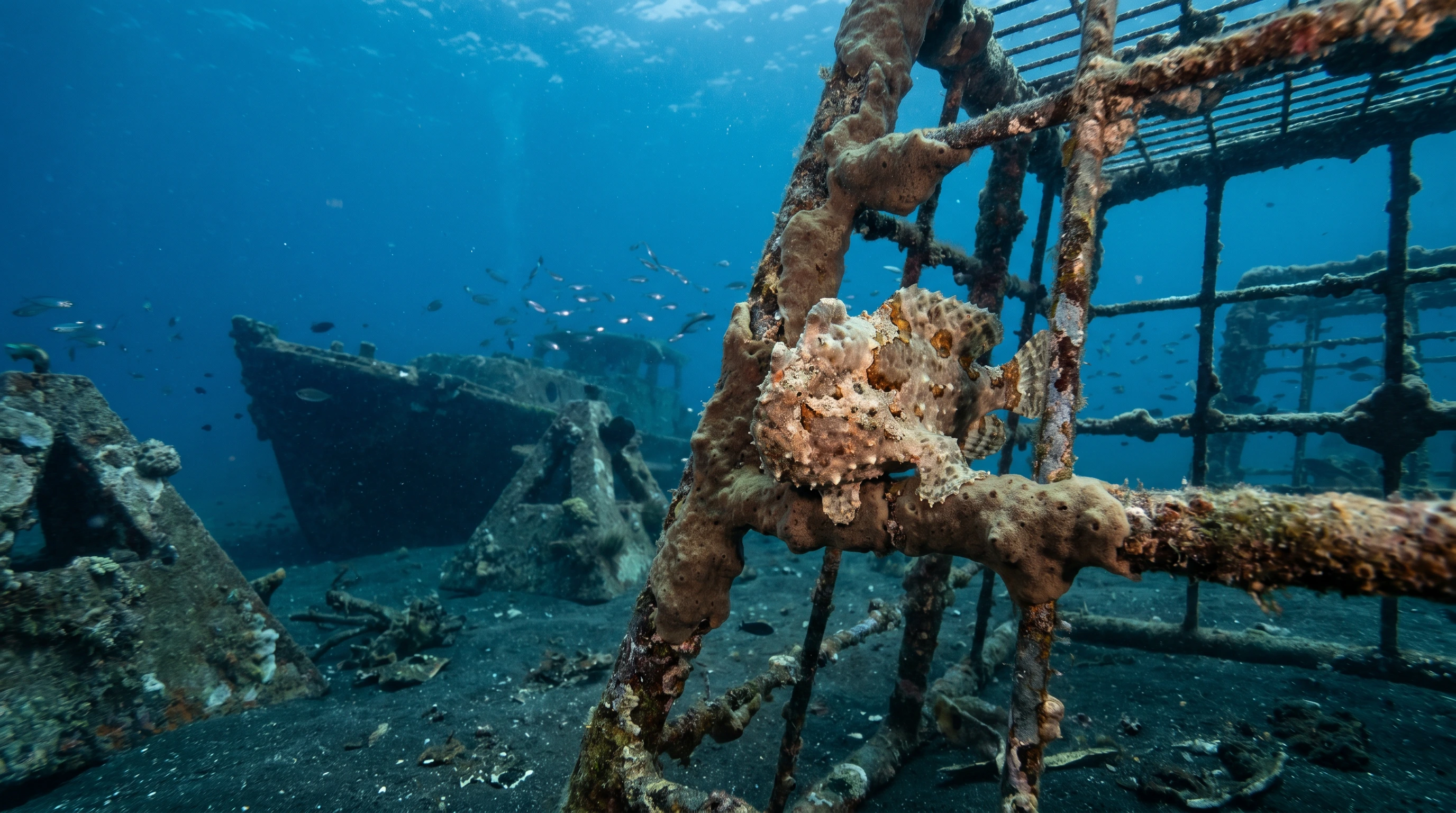
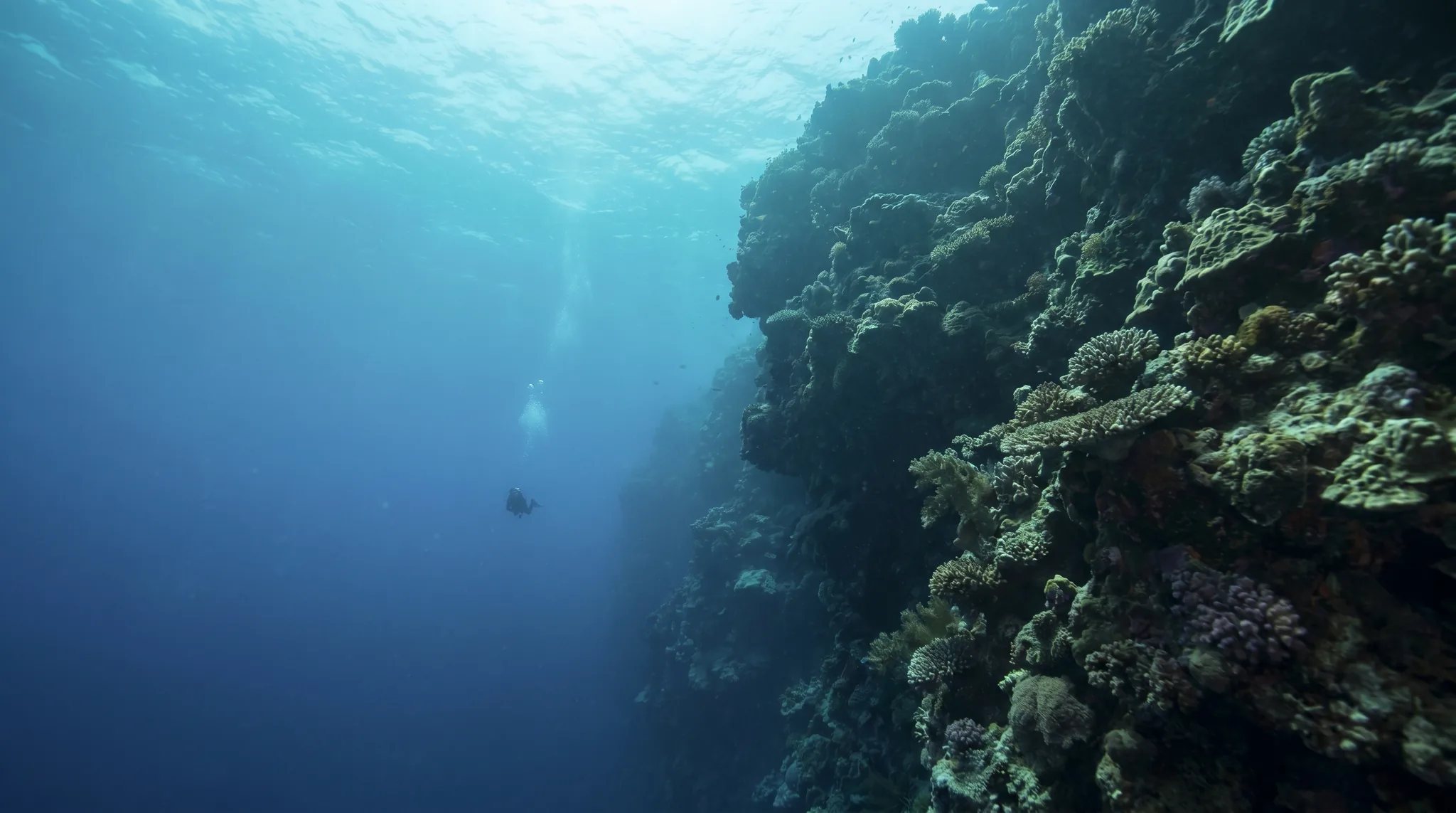
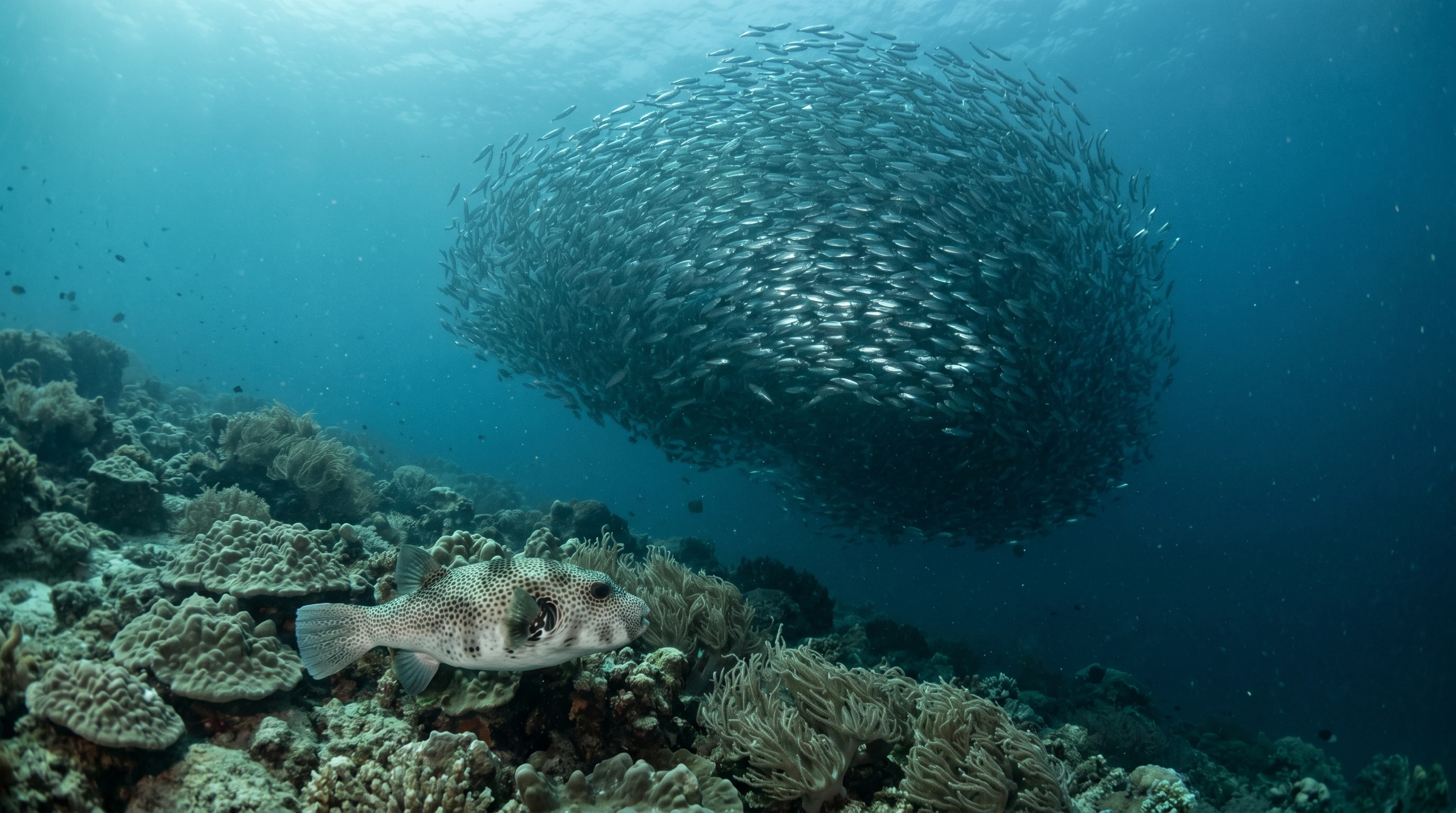
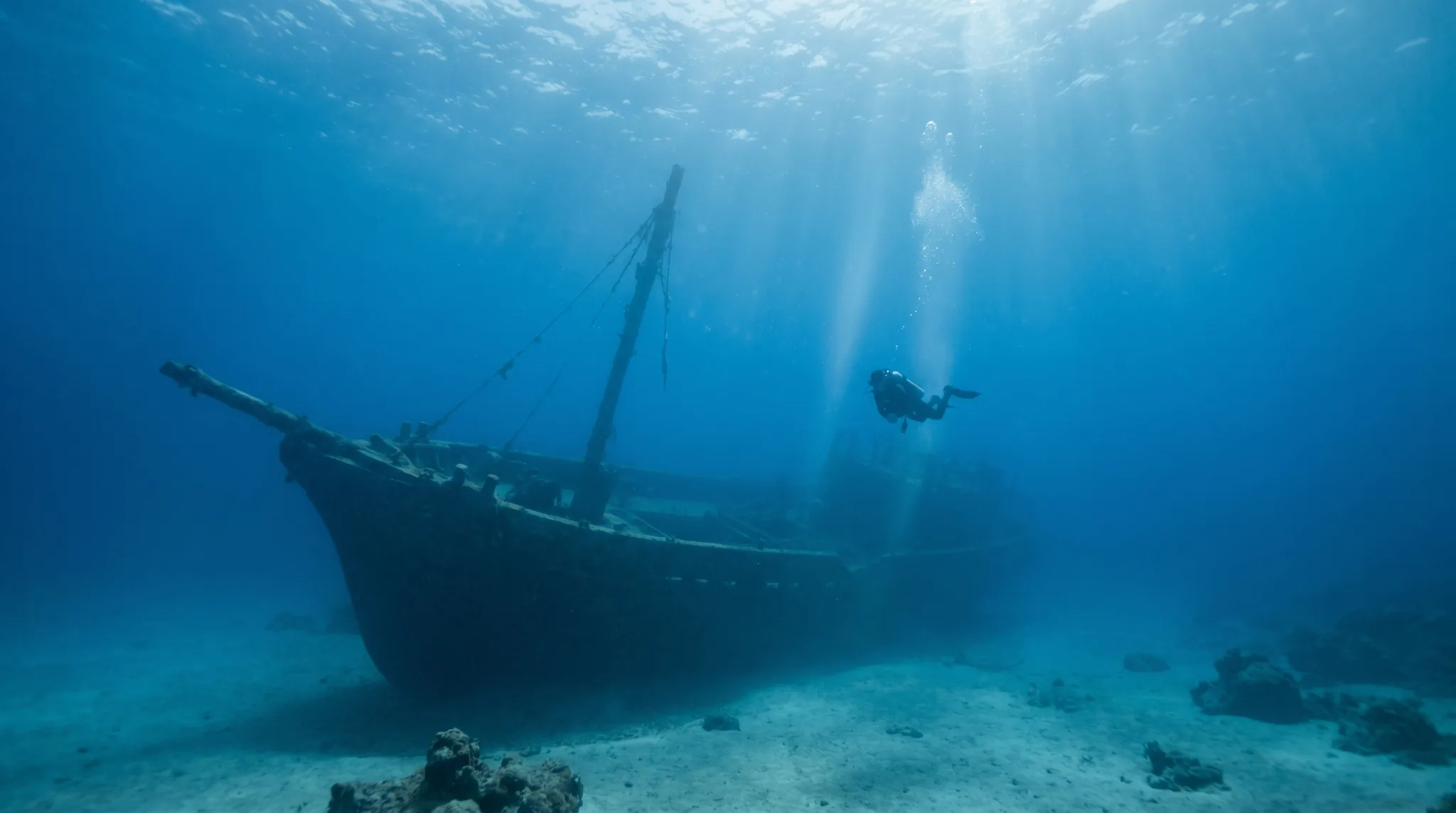
The Visayas spans a wide spread of sub-areas, from the muck-diving slopes of Dauin and the sardine-dense reefs of Moalboal to the walls and drift sites of Malapascua, Apo Island and Balicasag Island. Site types range from shallow seagrass beds and artificial reefs to deep vertical walls and cavern systems, suiting beginners and advanced divers alike. The signature marine life leans strongly toward the cryptic: Giant Frogfish, Ornate Ghostpipefish, Warty Anglerfish and Peacock Mantis Shrimp appear alongside ubiquitous Common Clownfish, Chromodoris Nudibranch and Blackspotted Pufferfish. Conditions are warmest from late spring through early autumn, with peak diver traffic concentrated in spring and late autumn.
16 areas
 67
67A macro diver's bay in Southern Leyte, where frogfish, ghostpipefish, and Whale Sharks share reefs, walls, and wrecks across three distinct sub-areas.
 64
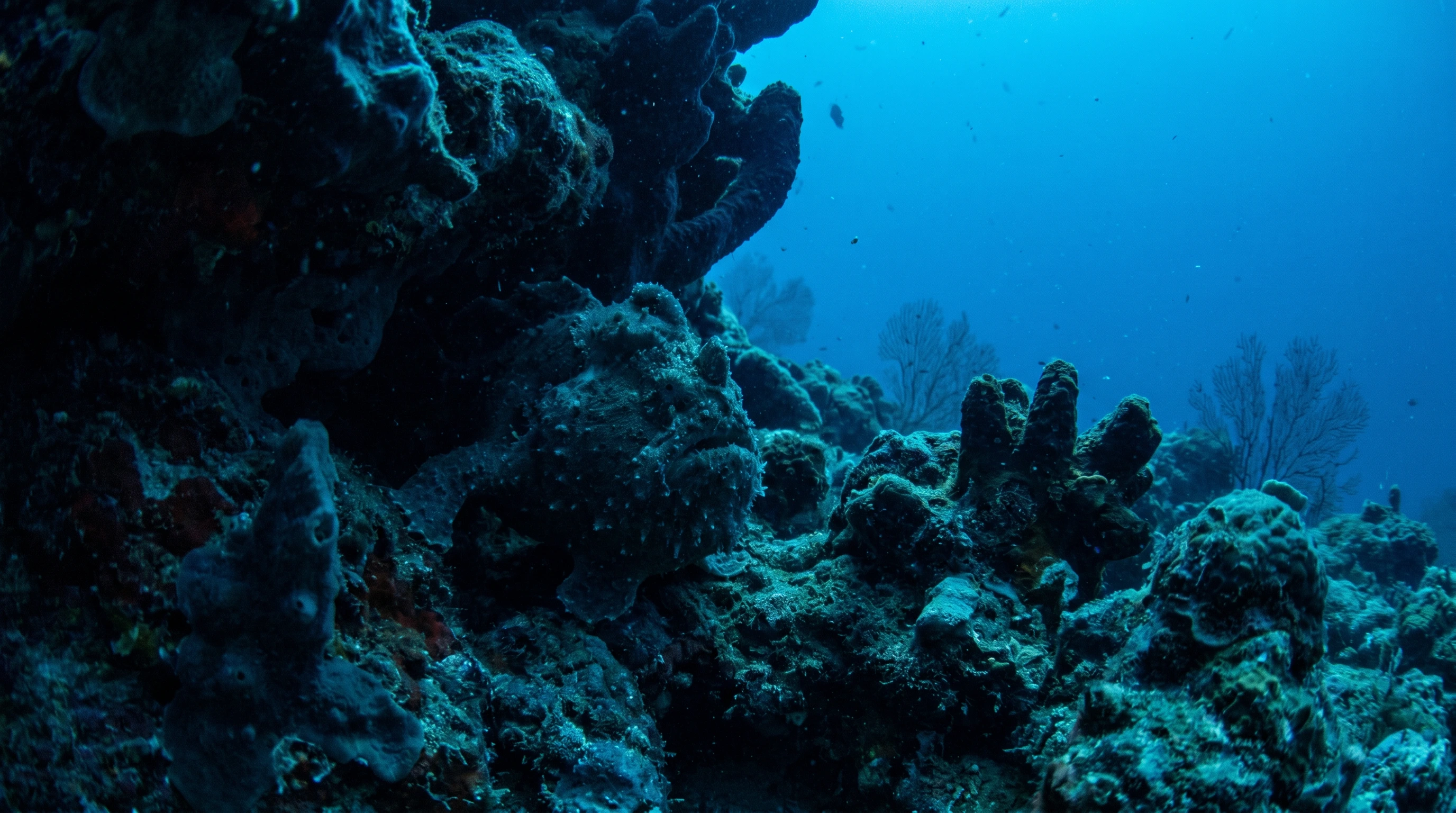
64Walls, reefs and exceptional macro life, with Giant Frogfish and nudibranchs recorded across nearly every site in Panglao.
55Reef-rich diving with exceptional nudibranch diversity, shallow wrecks and complex topography across two distinct sub-areas.
48Reef and muck diving across a spread of beginner-friendly sites, with Ornate Ghostpipefish and nudibranchs among the highlights.
Monthly water temperature across Visayas's sites, from satellite sea-surface data corrected for depth. The band shows the site-to-site spread.
Water stays warm throughout the year, with the coolest temperatures arriving in February and the warmest months running from June through November. Diver activity peaks strongly in spring and again in November and December, reflecting calmer surface conditions during those periods. Currents vary by area: drift sites at Apo Island and Balicasag Island can run strongly, while shore-entry sites in Moalboal and Dauin tend to be gentler and suit year-round exploration.
325 operators

Water temperature around Visayas ranges from about 27°C in February to 30°C in June, based on satellite sea-temperature data for its dive sites.
With water around 27–30°C, a rash guard or 3mm shorty works in Visayas year-round.
Fin maps 490 sites in Visayas (470 scuba diving sites and 55 snorkelling spots, with some suited to both), organised into 16 areas.
Across Visayas's dive sites, April, May and November are most often reported as the best months to visit.
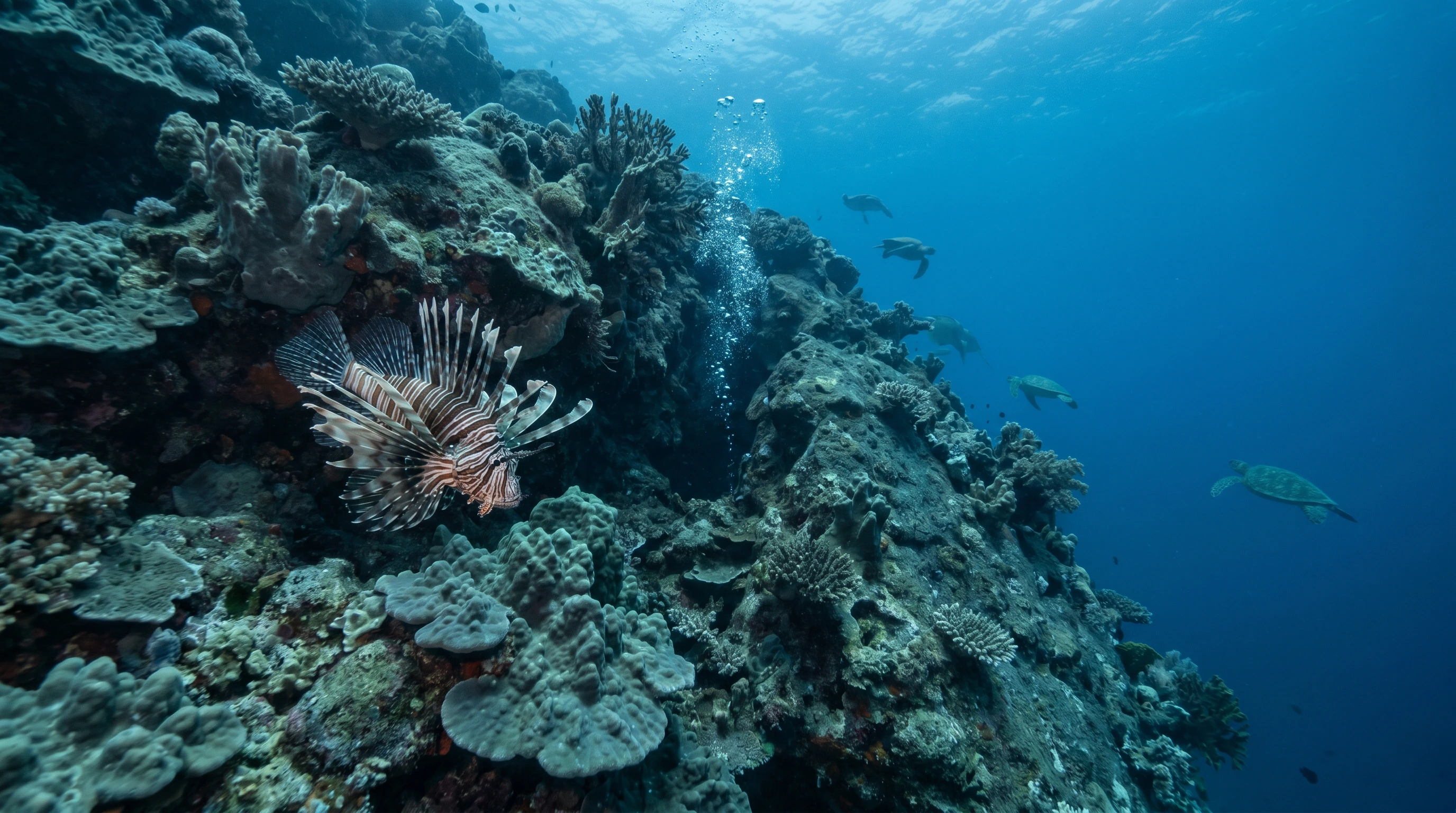
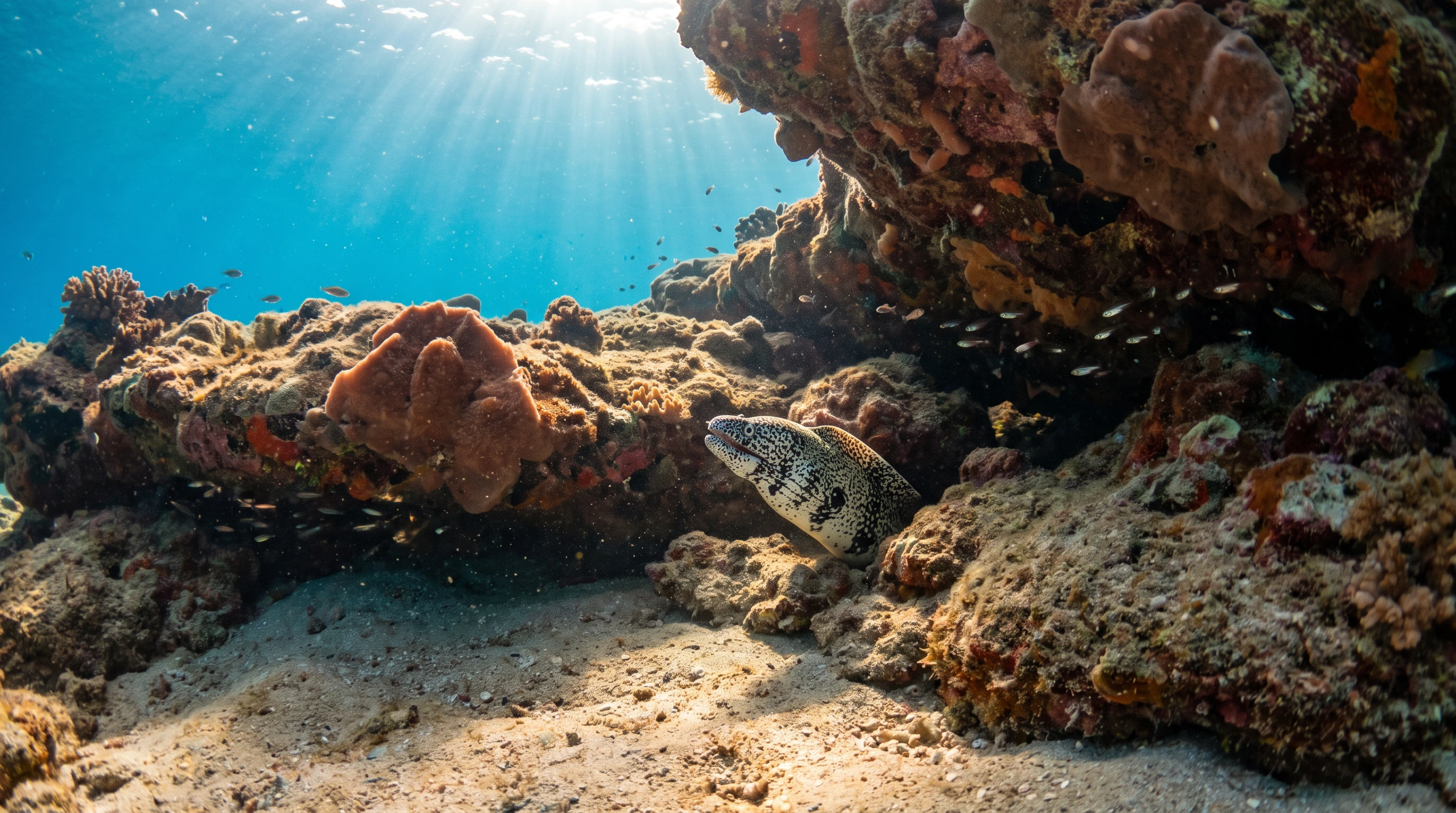
The Visayas is particularly strong for cryptic and macro life. Giant Frogfish, Warty Anglerfish and Ornate Ghostpipefish are all signature species observed across the region. Peacock Mantis Shrimp, Snowflake Moray and multiple nudibranch species including the Chromodoris Nudibranch and Nembrotha Nudibranch are also commonly recorded. Spotfin Lionfish and Indian Lionfish turn up regularly on reef and wall sites.
A good proportion of sites across the Visayas are rated for beginners, including shore-entry reef and wall dives in Moalboal, Panglao and Cabilao Island. Shallower, calmer sites such as Panagsama Beach and Cabilao Lighthouse offer accessible conditions for those early in their diving experience. More advanced options, including the cavern system at Mines of Moai and deeper drift sites at Balicasag Island, are available for experienced divers seeking more challenging conditions.
The sub-areas vary considerably in character. Moalboal and Panglao are known for accessible reef and wall diving with strong shore-entry options, while Malapascua and Apo Island attract divers seeking drift and open-water encounters. Dauin offers muck diving on seagrass and sandy slopes, and Sogod Bay, which holds the largest concentration of sites in the region, provides a range of reef and drop-off terrain. Boracay and Mactan offer a mix of wall, reef and artificial reef structures.
Many of the region's sites are accessible directly from the shore, particularly around Moalboal, Panglao and Cabilao Island. Shore-entry snorkelling is well represented at Cabilao Bamboo Reef and Napaling, both of which begin in very shallow water. Other sites, including Balicasag Island, Apo Island and Pescadores Islands, require a short boat transfer. A number of operators across the region, including French Touch Diving, Blue Water Dive Resort and Devocean Divers, offer guided access to both shore and boat sites.