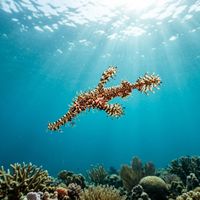
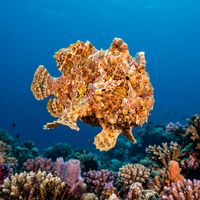
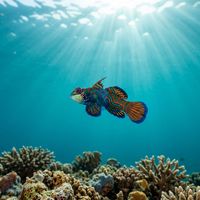
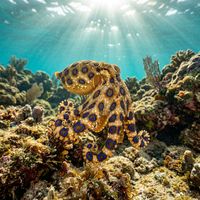
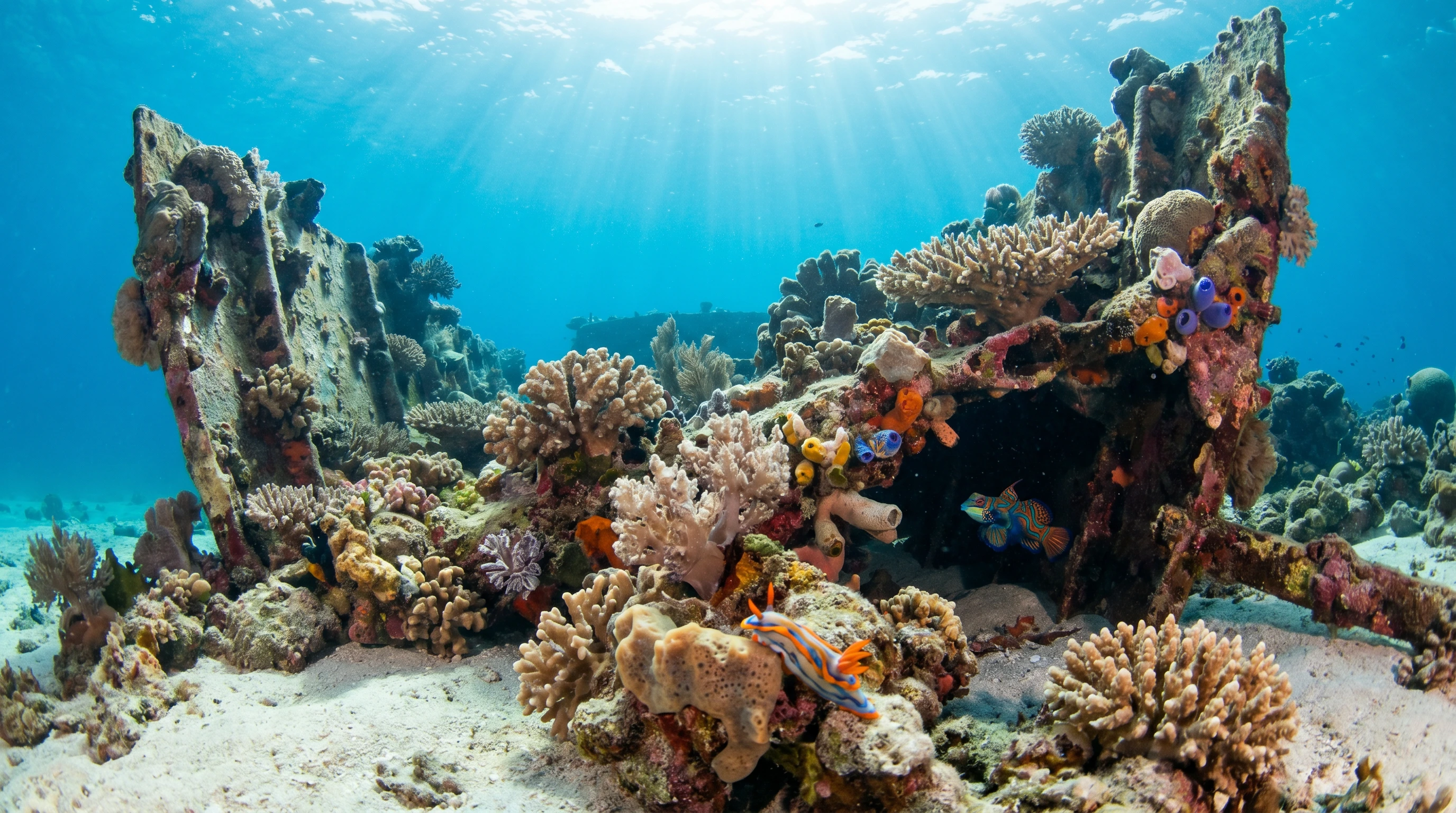
Malapascua is defined by a remarkable concentration of cryptic and macro life across a varied mix of reefs, pinnacles, walls, wrecks and muck sites. Chromodoris Nudibranch, Ornate Ghostpipefish, Painted Frogfish and Mandarinfish are observed across the majority of sites, while Whitetip Reef Shark and Blue-ringed Octopus add further range. Gato Island offers its own sub-area with caves and drift topography. Nearly all sites require a boat, and the skill range spans beginner to advanced.
1 areas
Monthly water temperature across Malapascua's sites, from satellite sea-surface data corrected for depth. The band shows the site-to-site spread.
Water stays warm throughout the year, rising from its coolest in January and February to its warmest between May and October, making a thin wetsuit sufficient at any point. The histogram of favoured dive months peaks strongly around May and December, suggesting that calmer conditions and better visibility coincide with the shoulder periods around these months. Sites exposed to current, such as the drift dives at Lapus-Lapus and Gato Island, are most rewarding when conditions are settled.
36 operators

Logon, Philippines
Logon, Philippines
Logon, Philippines
23 more sites to explore
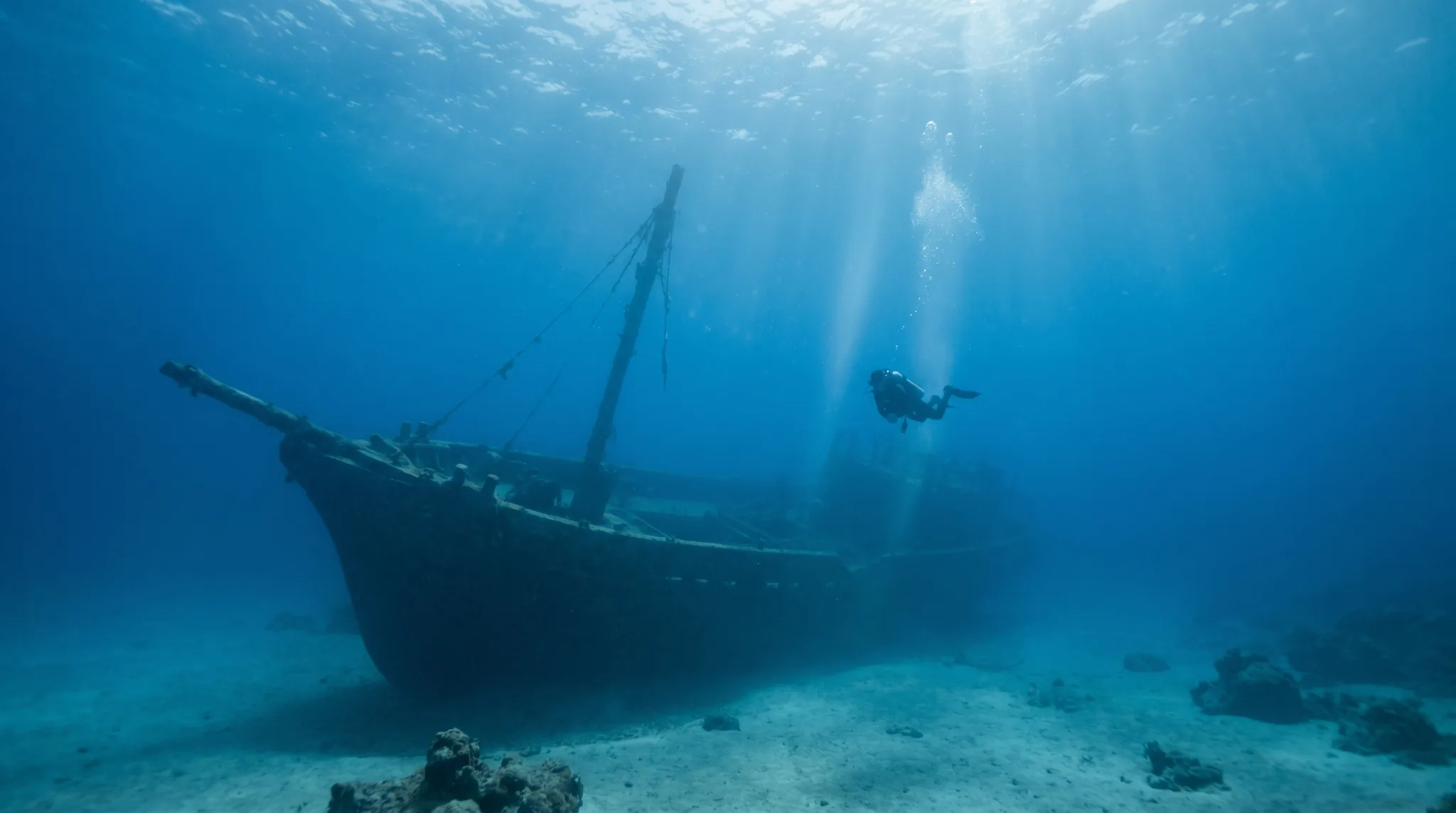
Water temperature around Malapascua ranges from about 27°C in January to 30°C in May, based on satellite sea-temperature data for its dive sites.
With water around 27–30°C, a rash guard or 3mm shorty works in Malapascua year-round.
Fin maps 35 sites in Malapascua (32 scuba diving sites and 7 snorkelling spots, with some suited to both).
Across Malapascua's dive sites, May are most often reported as the best months to visit.
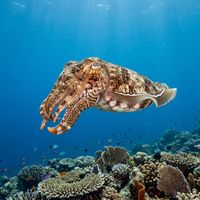
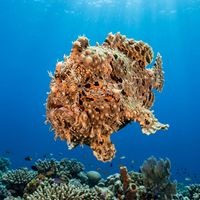
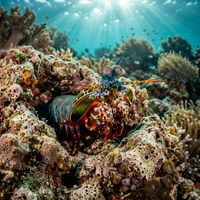
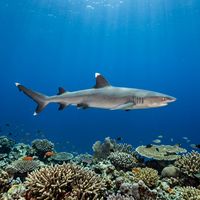
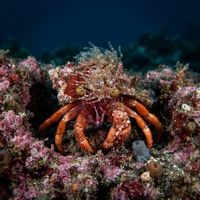
Malapascua has an exceptional record of observed macro species. Chromodoris Nudibranch, Nembrotha Nudibranch, Scorpionfish and Flatworm appear across nearly all sites, while Ornate Ghostpipefish, Painted Frogfish, Giant Frogfish and Mandarinfish are signature finds. Broadclub Cuttlefish, Blue-ringed Octopus, Peacock Mantis Shrimp and Whitetip Reef Shark round out a diverse cast that rewards patient, observant divers.
Yes, a good portion of the sites are rated for beginners. Shallow reef and muck sites such as Bantigue, Ka Osting, Dakit Dakit and the Lighthouse Wreck offer gentle conditions and modest depths. Exotic House Reef is the only shore-entry site in the list, making it particularly accessible. More advanced divers can progress to deep wrecks like the Oakita Maru or drift sites around Gato Island.
Gato Island forms the main sub-area and offers a notably different character from the main island sites, combining reef, wall, cave and drift diving in one location. The through-cave at The Tunnel and the varied topography at the Gato Island site itself make it a destination within a destination. Sites closer to Malapascua tend to focus on pinnacles, shallow reefs and muck, while the deeper wrecks lie further offshore.
Almost all sites require a boat, so diving here is organised through one of the local operators. French Kiss Divers, Seaquest, Devocean Divers, Sea Explorers and others based on the island run regular trips to the full range of sites. Exotic House Reef is the one shore-entry option for those who want an independent, easy-access dive close to the beach.