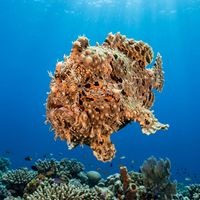
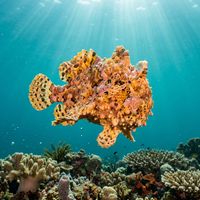
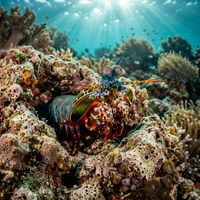
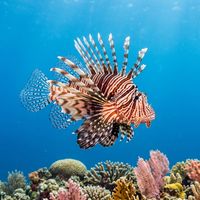
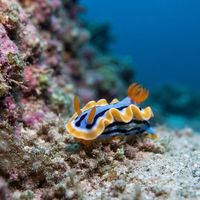
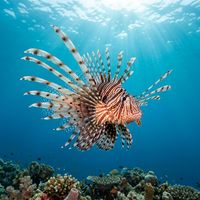
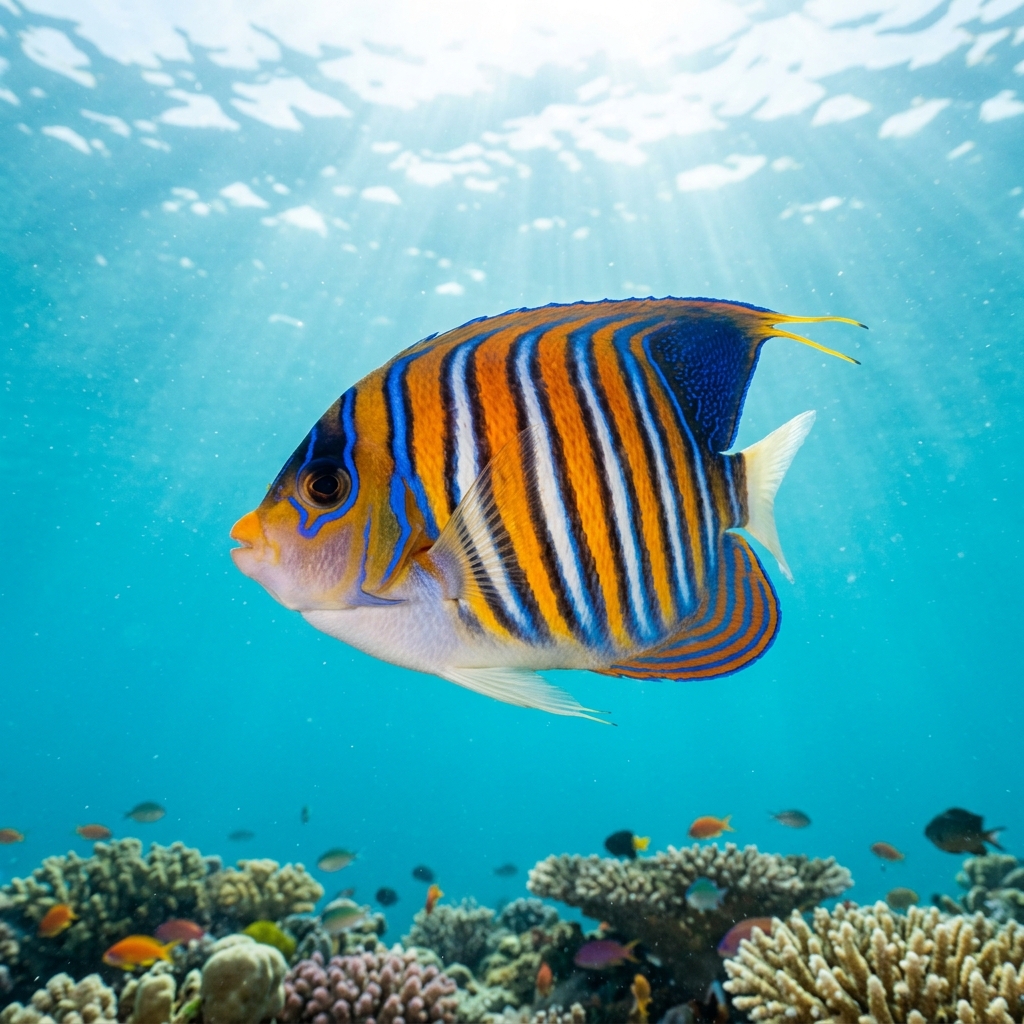
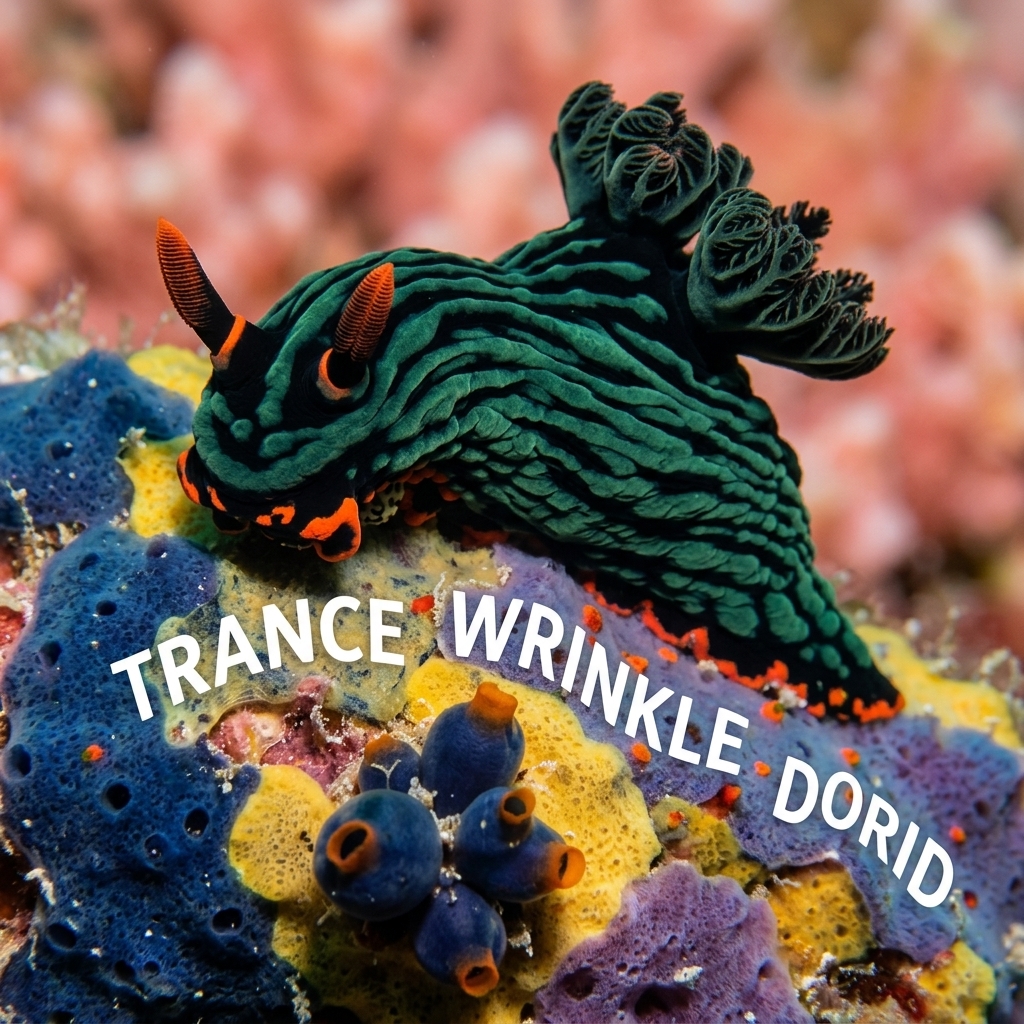
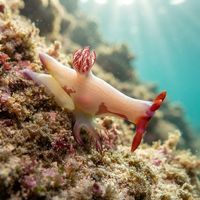
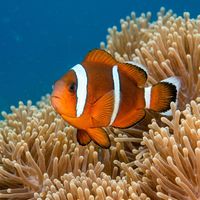
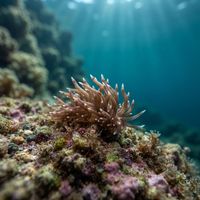
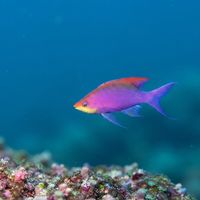
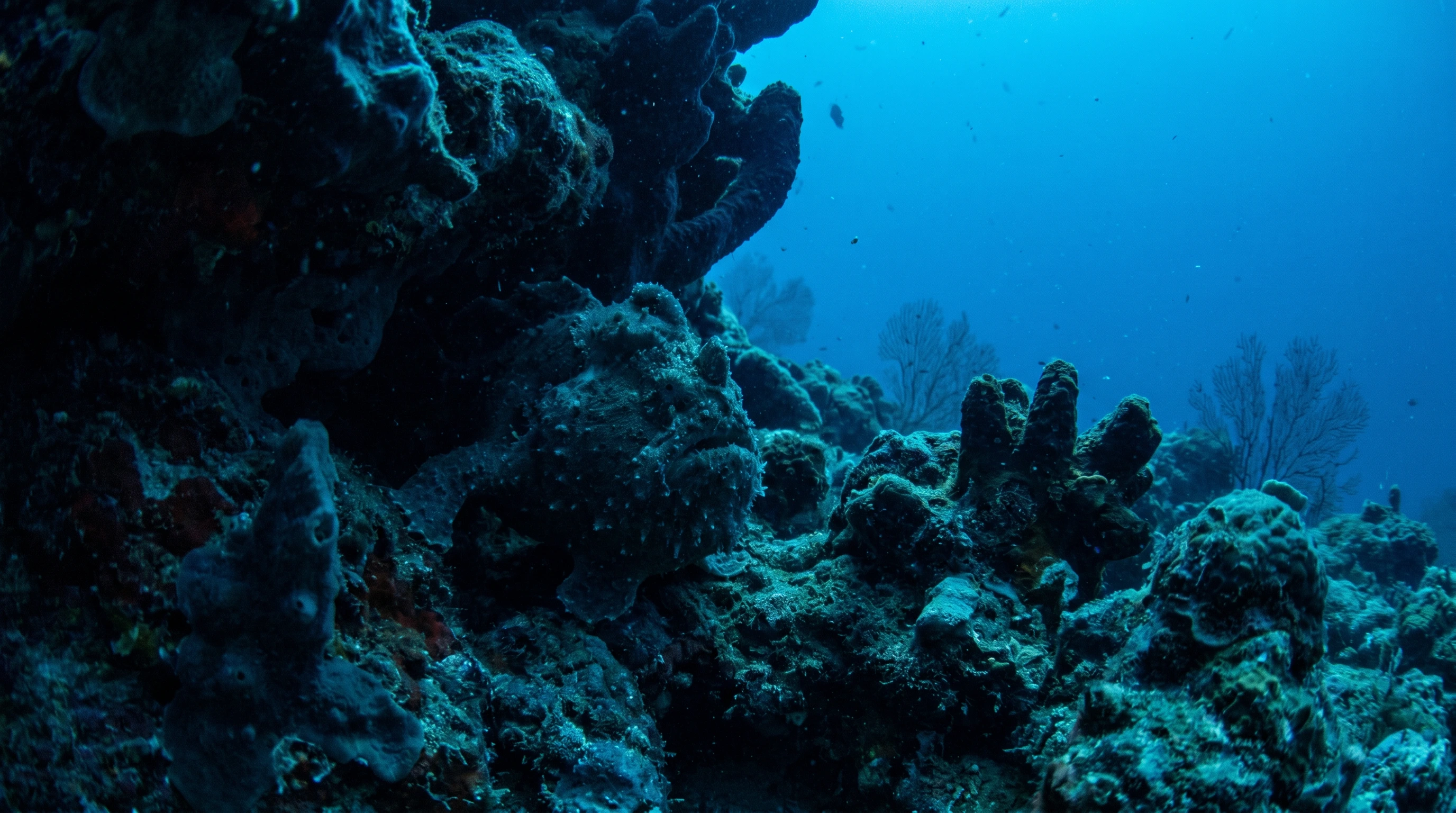
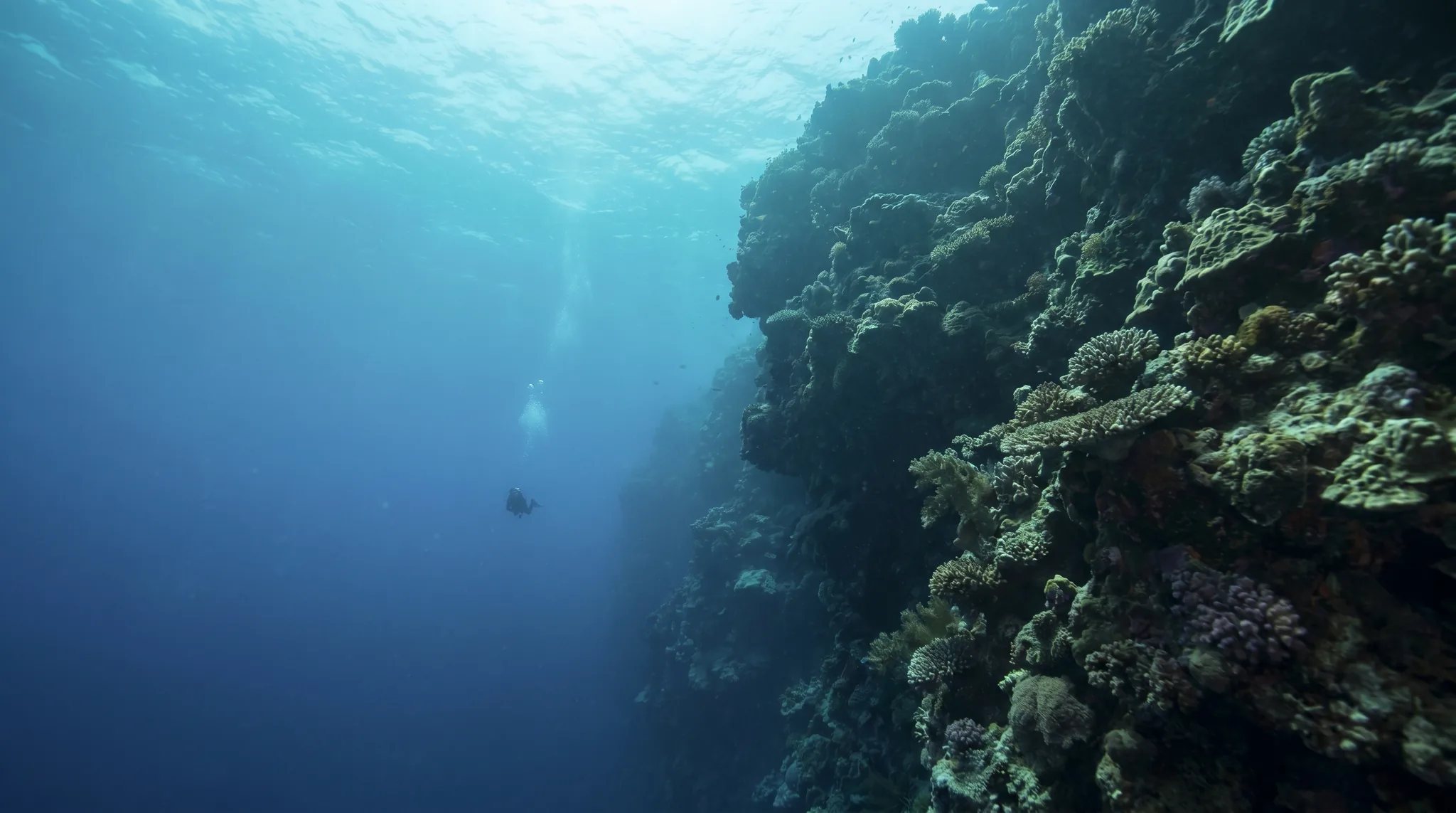
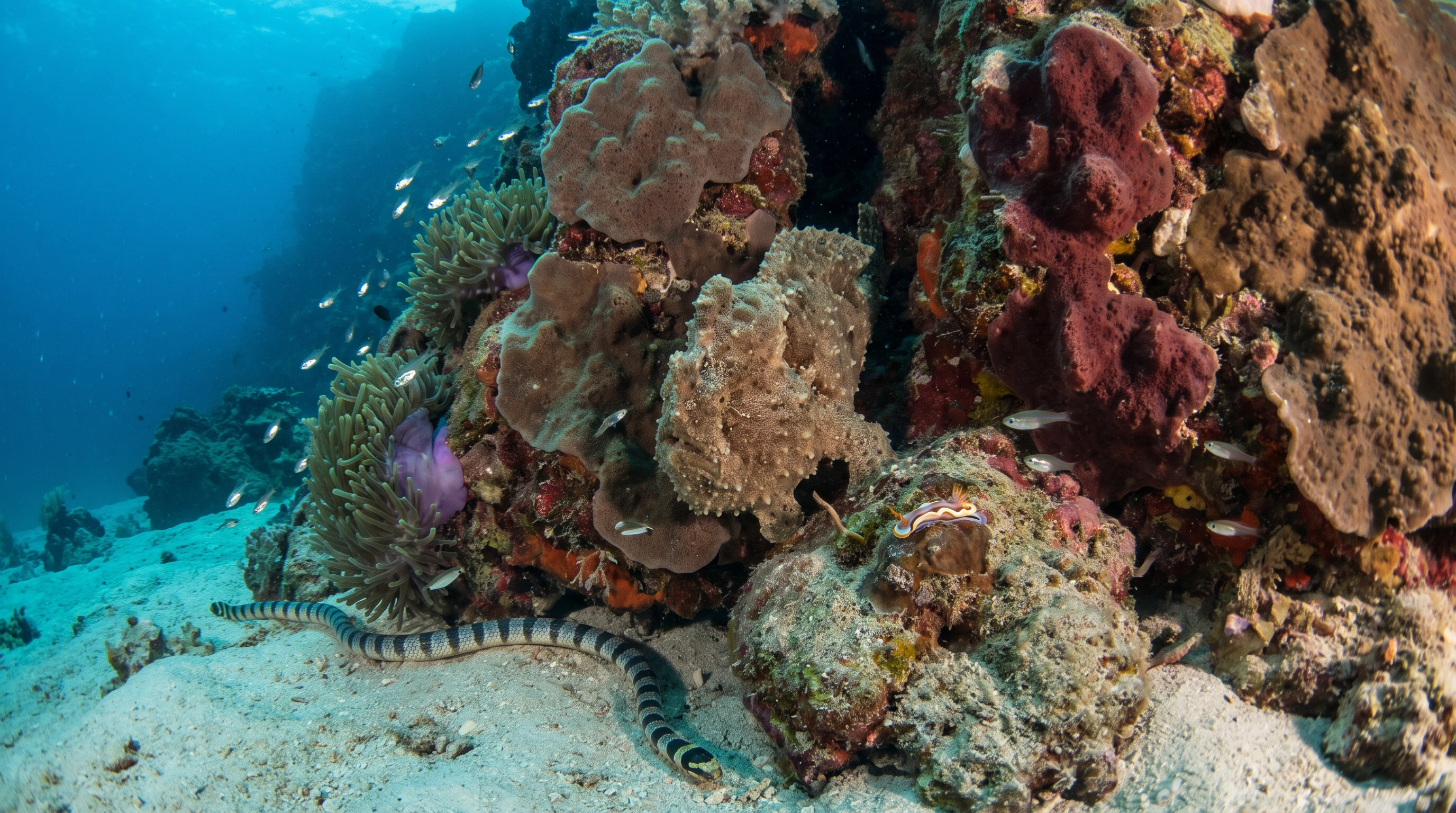
Panglao is defined by walls and reefs that begin shallow and drop deep, making the region accessible to beginners while offering real challenge at sites like Sunken Island and Doljo Point. Balicasag Island anchors the offshore diving, while Pamilacan Island adds drift and artificial reef variety. The macro life is exceptional: Giant Frogfish, Warty Anglerfish, Peacock Mantis Shrimp and a remarkable spread of nudibranchs appear consistently across sites. Green Sea Turtle sightings are common, and the Chromodoris Nudibranch is observed at almost every site.
4 areas
Monthly water temperature across Panglao's sites, from satellite sea-surface data corrected for depth. The band shows the site-to-site spread.
Water stays warm throughout the year, with the coolest months in early spring and the warmest period running through mid-year and again in late autumn. Diver reports favour March through May and November as the most rewarding months, coinciding with calmer conditions and better visibility. The mid-year period sees fewer visitors and can bring stronger currents at exposed sites like Balicasag Island and Sunken Island.
58 operators

52 more sites to explore
Vertical walls, drift diving, and exceptional macro life, including frogfish, ghost pipefish, and nudibranchs, make Balicasag a compelling dive destination off Panglao.
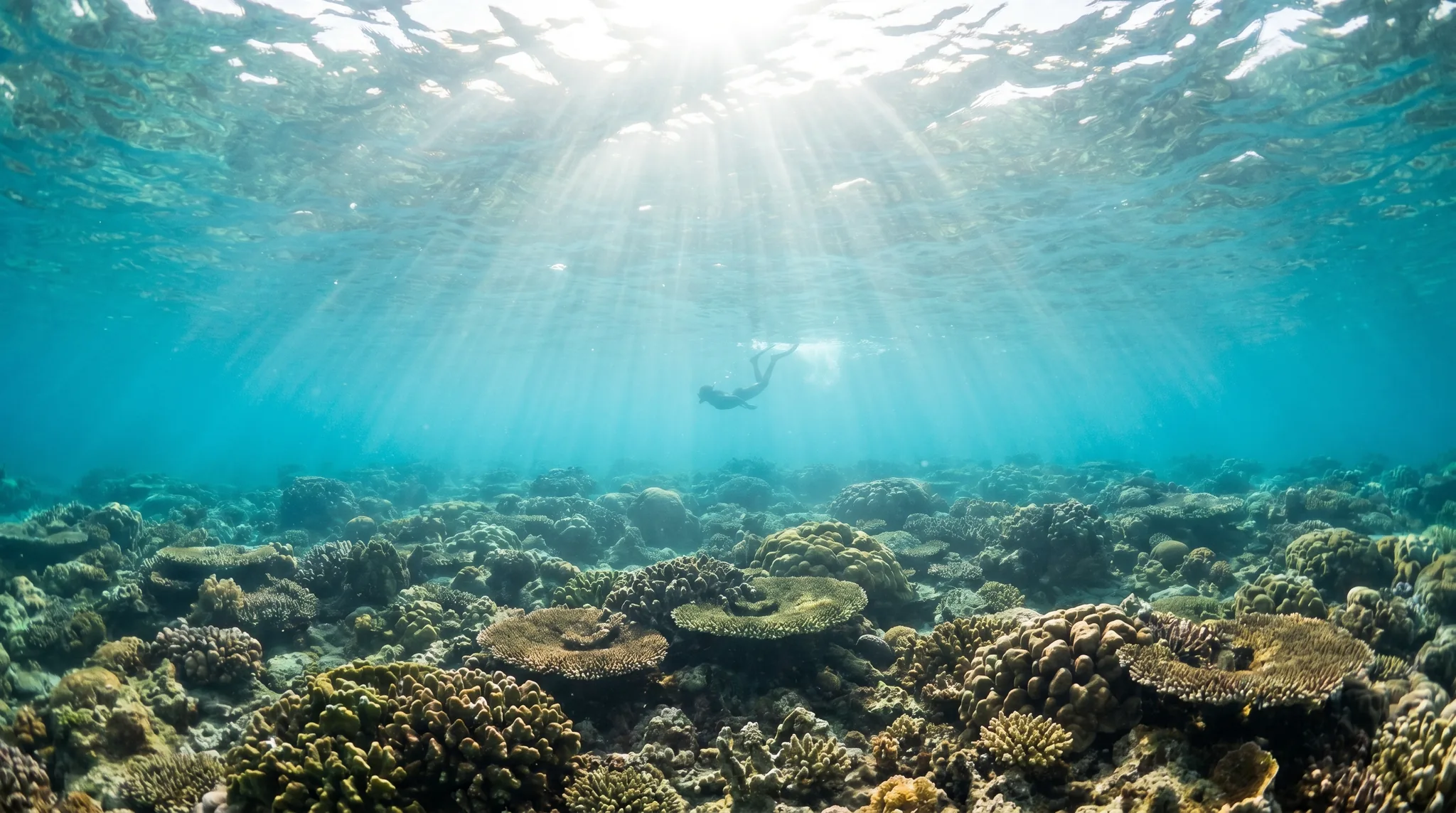
Water temperature around Panglao ranges from about 27°C in March to 30°C in July, based on satellite sea-temperature data for its dive sites.
With water around 27–30°C, a rash guard or 3mm shorty works in Panglao year-round.
Fin maps 64 sites in Panglao (63 scuba diving sites and 10 snorkelling spots, with some suited to both), organised into 4 areas.
Across Panglao's dive sites, April, May and November are most often reported as the best months to visit.
Panglao has a strong reputation for macro subjects. Giant Frogfish and Warty Anglerfish are both very commonly observed, and multiple nudibranch species including the Chromodoris Nudibranch, Nembrotha Nudibranch and Trance Wrinkle Dorid appear across a wide range of sites. Peacock Mantis Shrimp, Leaf Scorpionfish and Spotfin Lionfish are also regularly recorded.
The majority of sites in Panglao are rated for beginners, including popular spots like Alona Beach, Napaling, Tawala MPA and Bita-Ug. Many of these sites have shallow reef tops before dropping into walls, giving newer divers time to settle before exploring deeper sections. A smaller number of sites, including Doljo Point and Sunken Island, are rated intermediate or advanced and suit more experienced divers.
Balicasag Island offers the largest cluster of offshore sites, with vertical walls and strong drift potential, and is reached by boat. Pamilacan Island combines natural reef, drift and artificial reef diving further offshore. Doljo is a quieter area with a mix of gentle house reef and the more demanding Doljo Point wall. Napaling, on the main island, is notable for easy shore access and is one of the few areas well suited to snorkelling from the beach.
Several sites offer shore entry, including Napaling, Napaling Point and Momo Beach, making self-guided access straightforward. Alona Beach and Alona Beach House Reef can be entered from either shore or boat. Most offshore sites, including all of Balicasag Island and Pamilacan Island, require boat access, and operators such as French Touch Diving and Blue Water Dive Resort can arrange trips.