Amphiprion clarkii
Clark's Anemonefish thrives on Indo-Pacific reefs from the Philippines to the Maldives. Learn to spot it, when to go, and where it's most reliably seen.
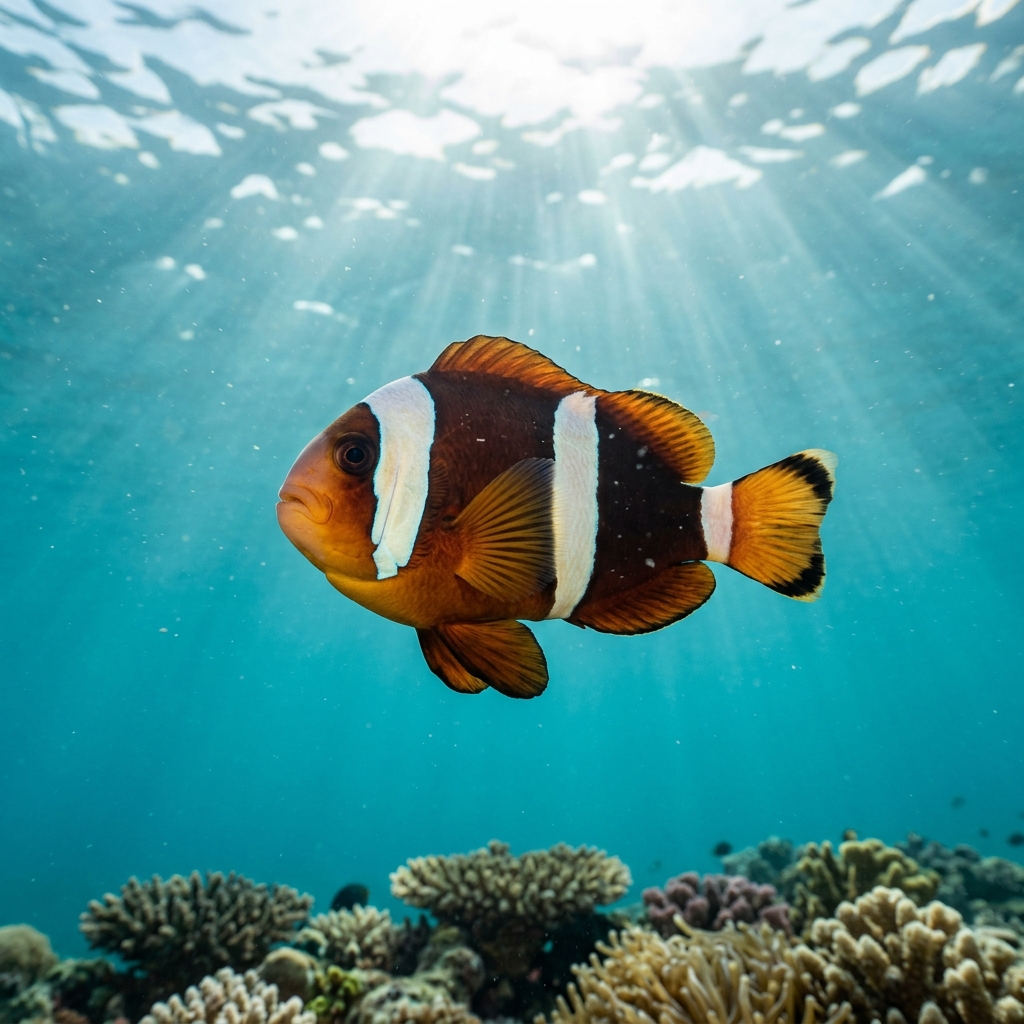
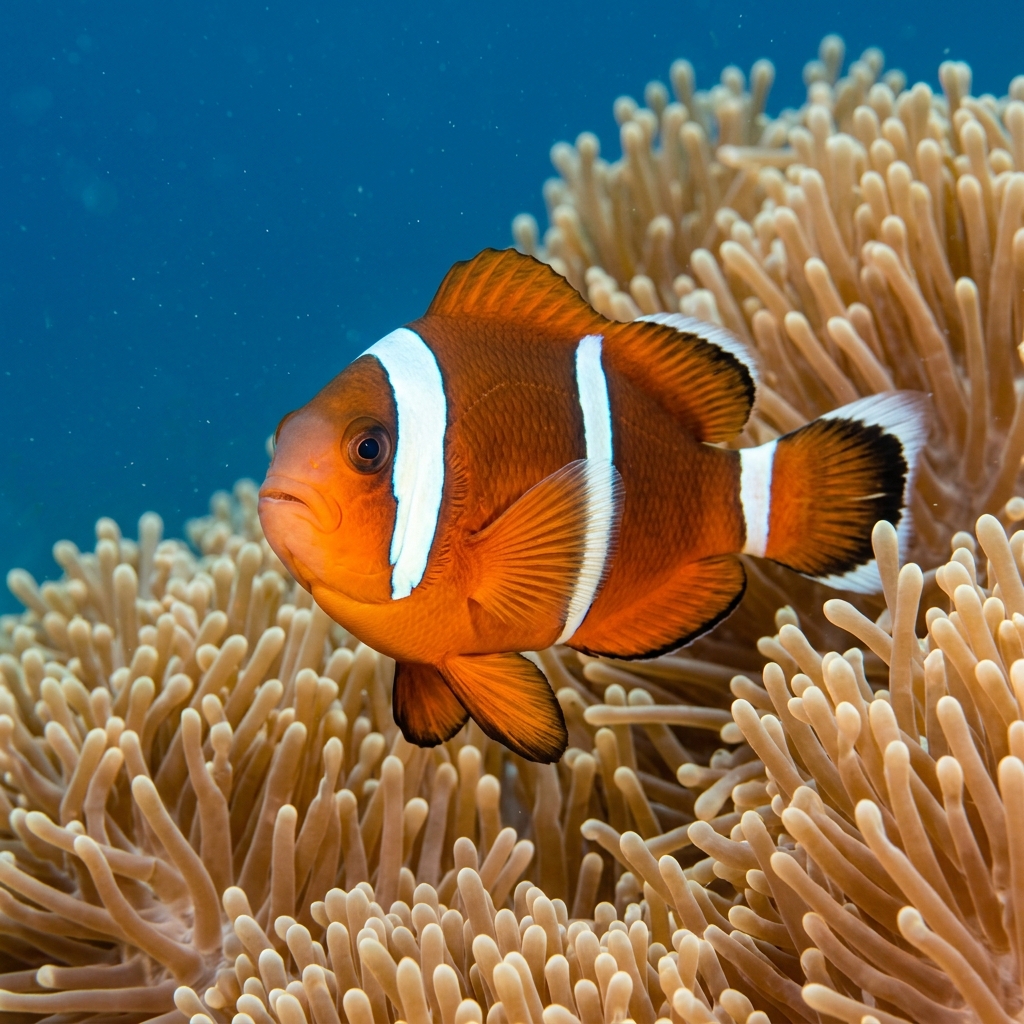
Bold colouring makes this one of the easier anemonefish to pick out: a yellow-orange body crossed by two white bars (one behind the eye, one at mid-body) with a third bar at the tail base, all edged in thin black lines. At around 10 cm it sits on the larger end of the clownfish scale, giving it a chunky, confident profile. The tail is distinctly yellow-orange rather than white, which is the quickest field mark separating it from several similar species. Females run slightly larger than males, but colouration is otherwise the same.
Almost every encounter happens at the anemone itself: the fish rarely strays more than a body length from its host's tentacles, so if you find the anemone, the fish comes with it. It is diurnal (active during daylight hours) and spends a good deal of time cleaning and fanning the anemone tentacles, which makes for great macro photography. Get too close and it will dart out and peck at your lens port or fingers, it won't do any harm, but it won't back down either.
Like all anemonefish, Clark's is a sequential hermaphrodite: every individual is born male, and only the dominant individual in a group changes to female. If the resident female disappears, the dominant male changes sex to take her place.
In Northern Hemisphere destinations, which account for the large majority of logged sightings, it is present year-round with no concentrated season, which lines up with its preferred water temperatures of around 25 to 29°C on consistently warm tropical reefs. Southern Hemisphere divers should target October through January, when sightings are most concentrated.
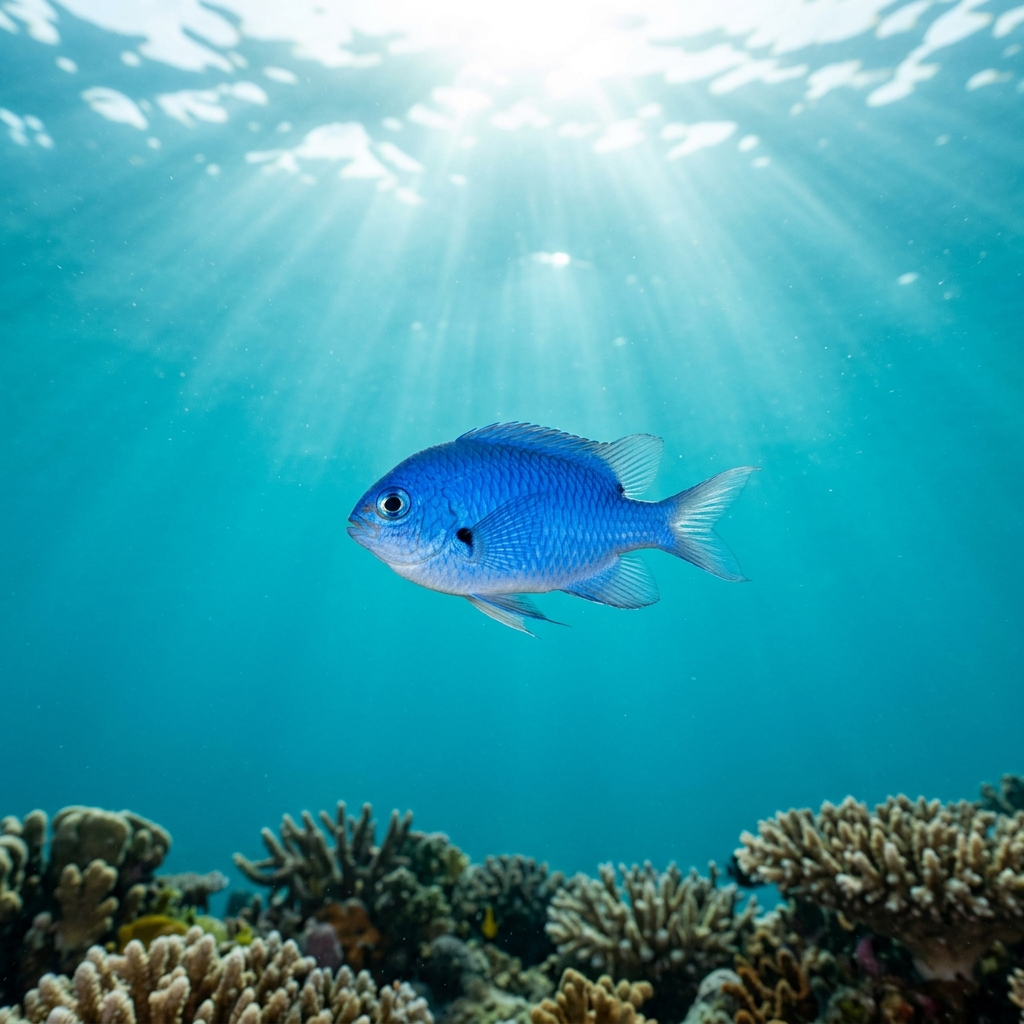
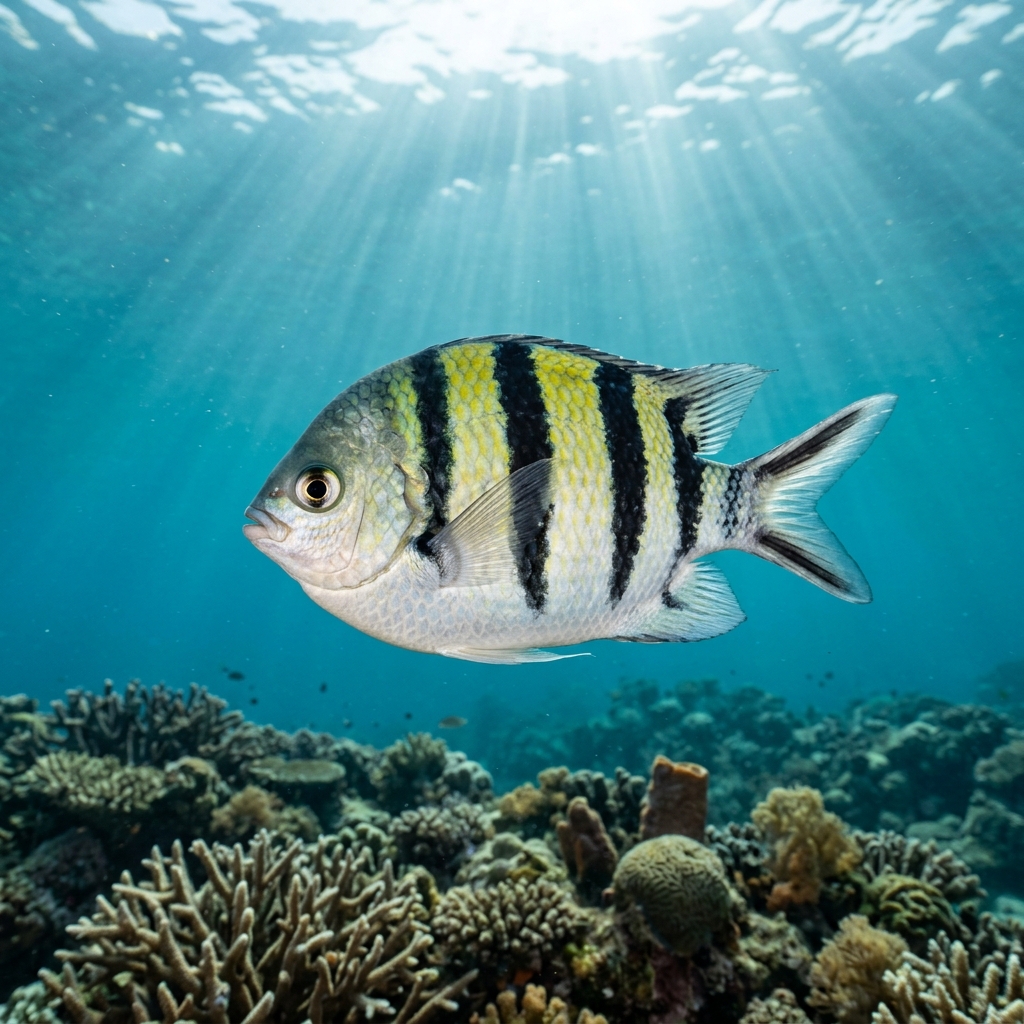
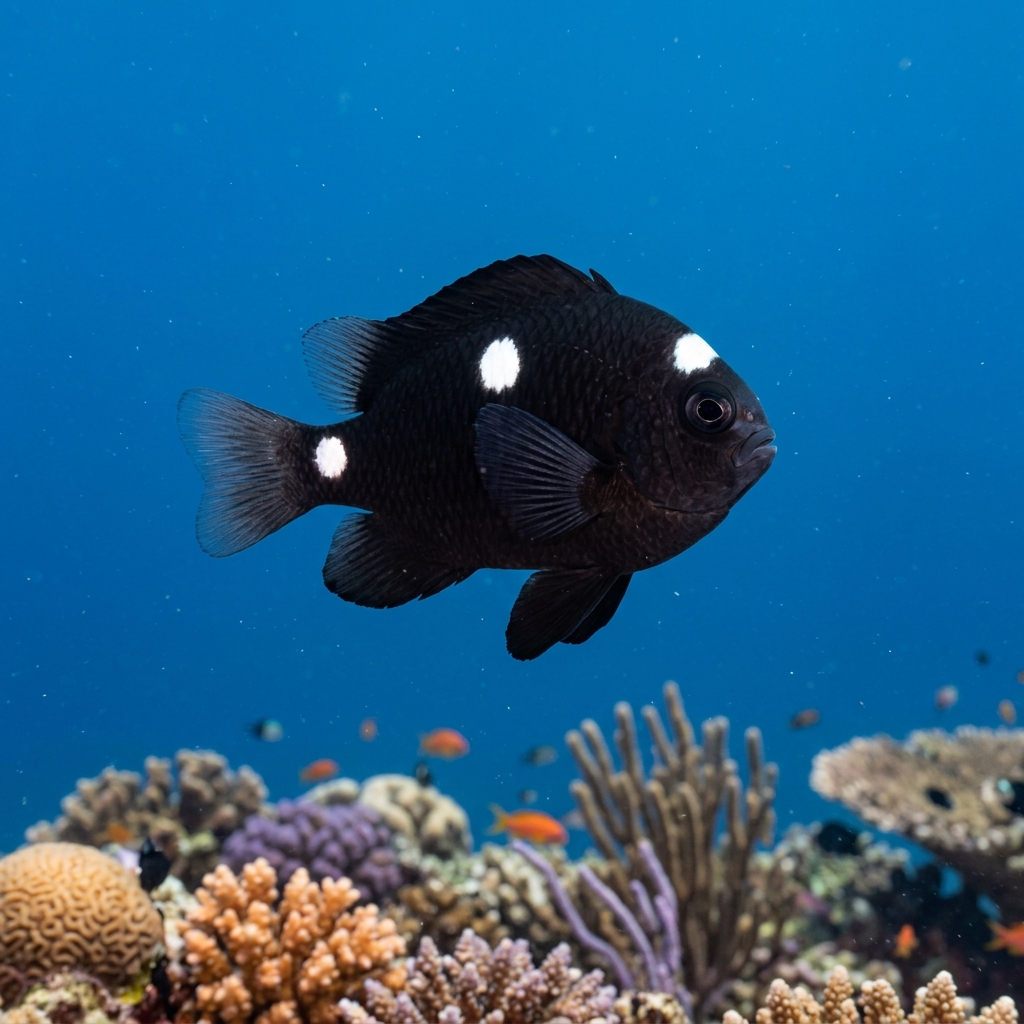
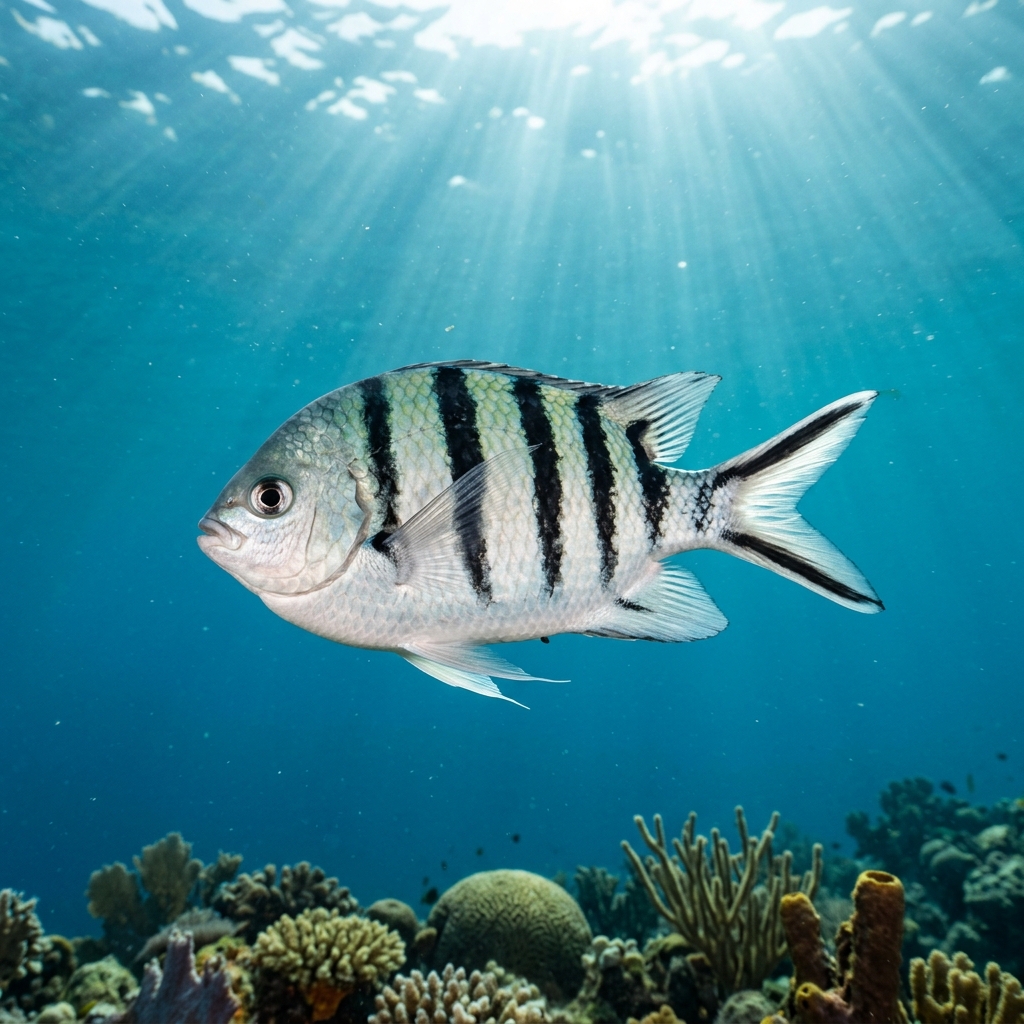
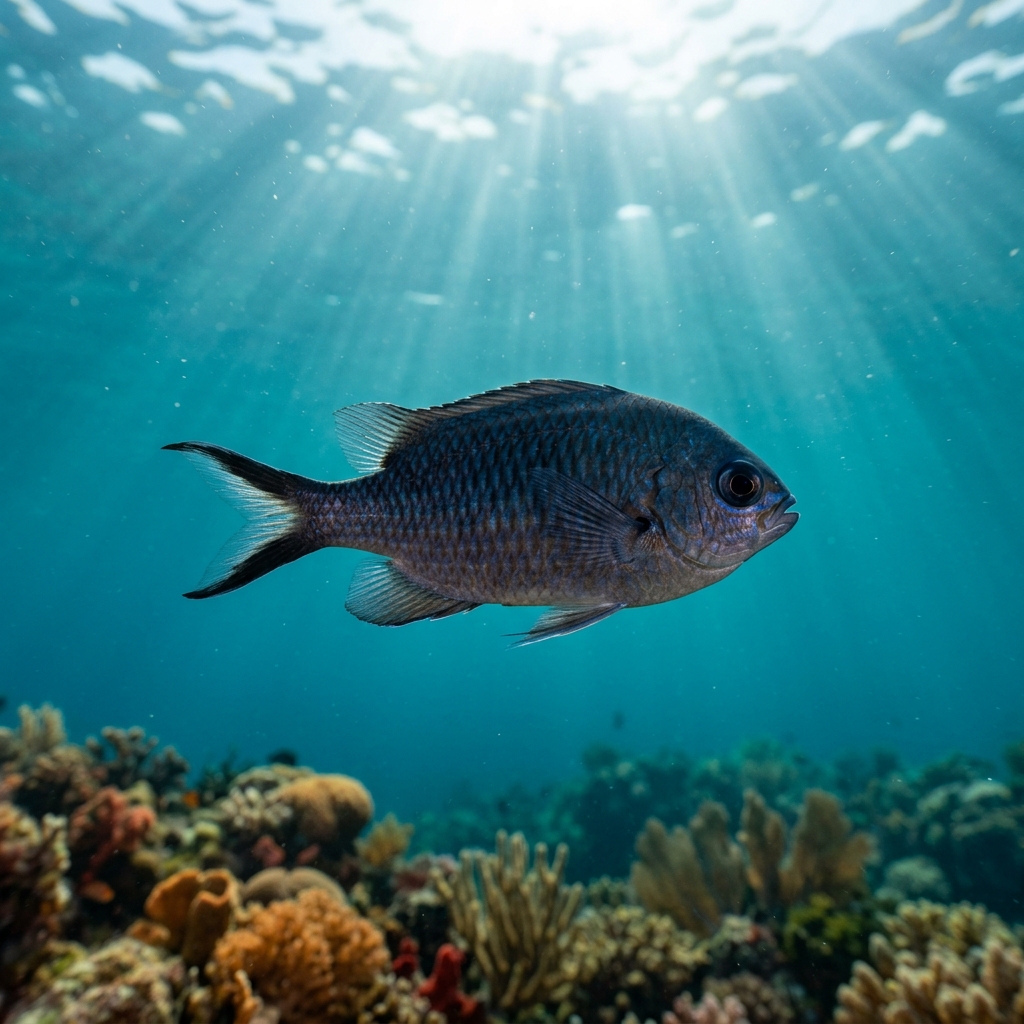
Reef neighbours a diver could mistake it for. Use the identification notes above to tell them apart.
Most commonly logged across the Philippines and Indonesia, where the Visayas, Bali and Sulawesi consistently produce sightings. The Maldives, particularly the Male and Ari Atolls, also hold strong populations, as does Malaysia and Thailand. Beyond Southeast Asia, sightings are regularly recorded in Japan, Australia, and Oman, underlining how broad its Indo-Pacific range really is.
Mapping where Yellowtail Clownfish is logged…
The species is found across the Indo-Pacific. The Philippines and Indonesia have the highest concentration of logged sightings, particularly in the Visayas, Bali and Sulawesi. The Maldives (Male and Ari Atolls), Malaysia and Thailand are also reliable, and it turns up regularly as far afield as Japan, Australia and Oman.
In most of its range, the Philippines, Indonesia, the Maldives and other Northern Hemisphere destinations, it is present all year with no peak season. In Southern Hemisphere locations, sightings are most concentrated between October and January.
Look for a chunky, roughly 10 cm anemonefish with a yellow-orange body, two white bars on the body and a third at the tail base, all edged in black. The yellow-orange tail (rather than white) is the single quickest field mark. It is almost always seen inside or very close to its host anemone.
Adults typically reach around 10 cm, making them one of the larger anemonefish species. Females tend to be slightly bigger than males, though the difference is subtle in the field.
Yes. All Clark's Anemonefish start life as males. Only the dominant individual in a social group transitions to female, and if the female is lost, the dominant male undergoes the change to replace her. This process is irreversible.
Site and sighting data is aggregated from diver logs, iNaturalist and GBIF. For taxonomy and conservation status:
Dascyllus
3,697 sites