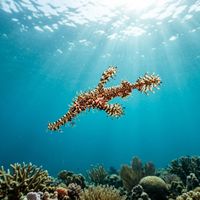
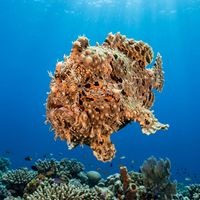
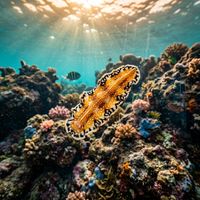
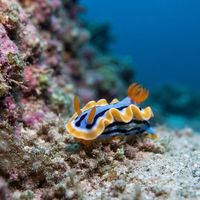
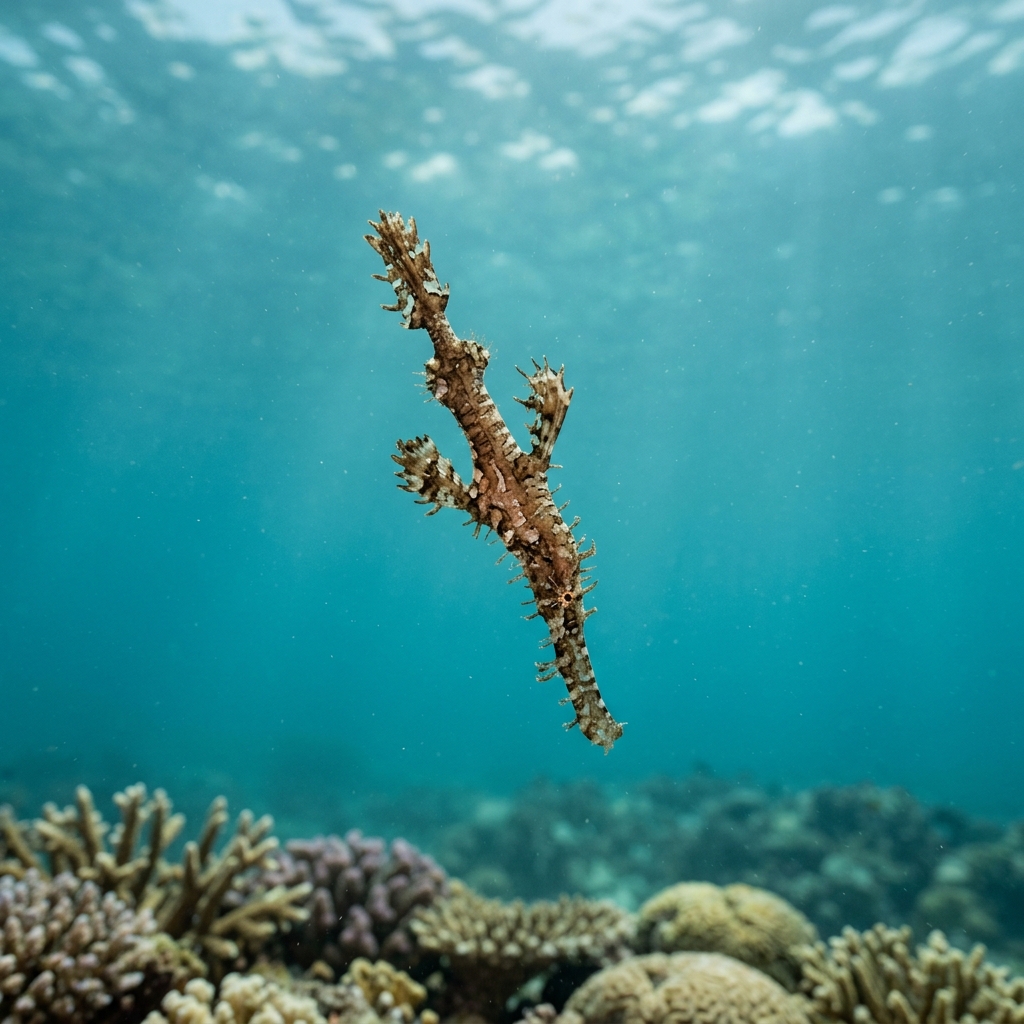
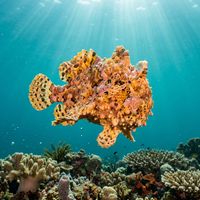
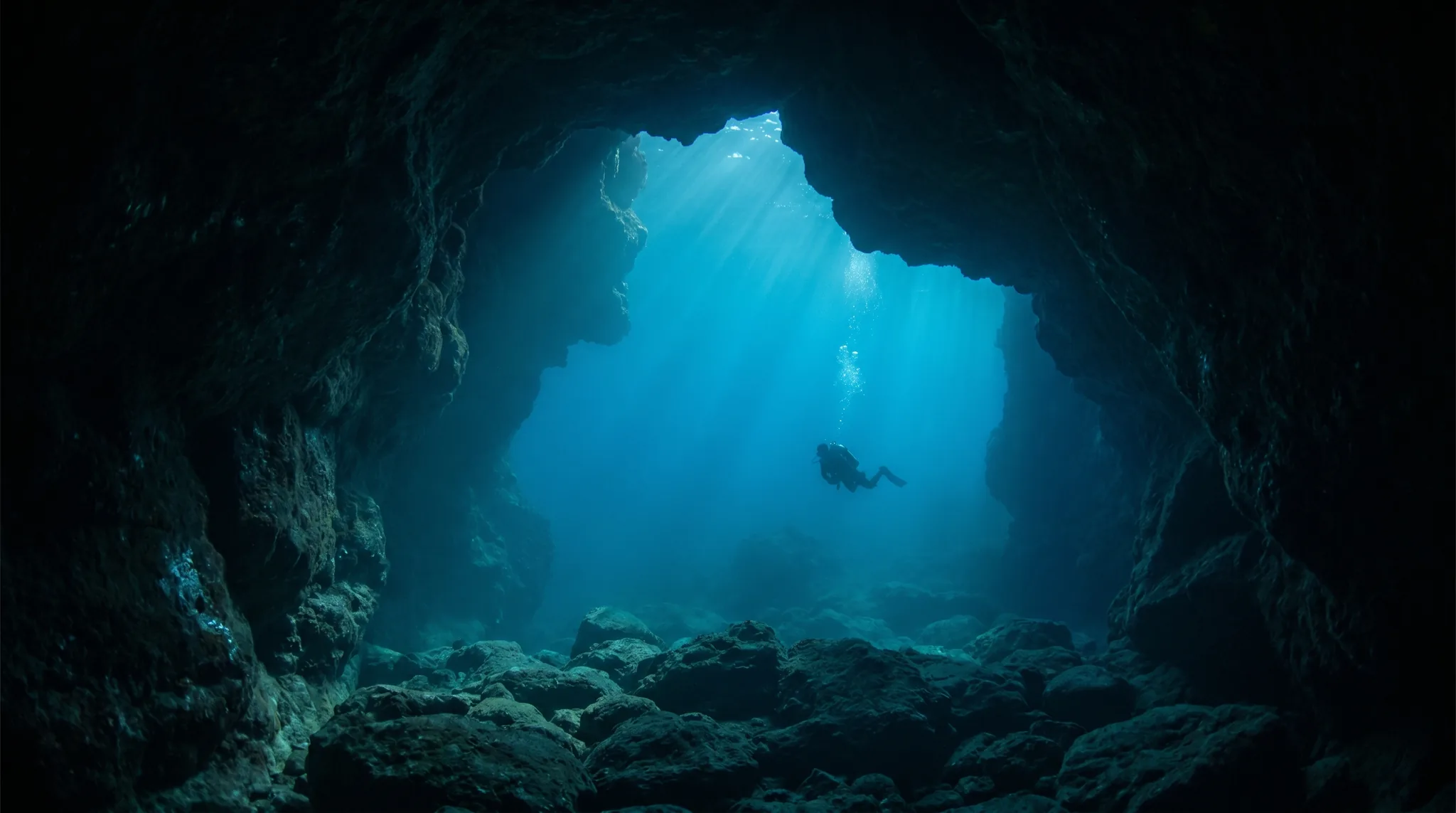
Luzon offers one of the most varied dive landscapes in the Philippines, with sub-areas ranging from the macro-rich muck and reef sites of Anilao and Puerto Galera to the deep walls of Verde Island, the wrecks of Subic Bay, and the remote reef systems of Apo Reef and Romblon. The region's signature character is its extraordinary cryptic life: the Chromodoris Nudibranch, Ornate Ghostpipefish, Giant Frogfish, and Mandarinfish are all observation-backed across a wide spread of sites. Site types span walls, drift dives, caves, canyons, wrecks, and blue holes, suiting every skill level from beginner to advanced. Conditions and character shift meaningfully between sub-areas, rewarding divers who explore beyond a single base.
13 areas
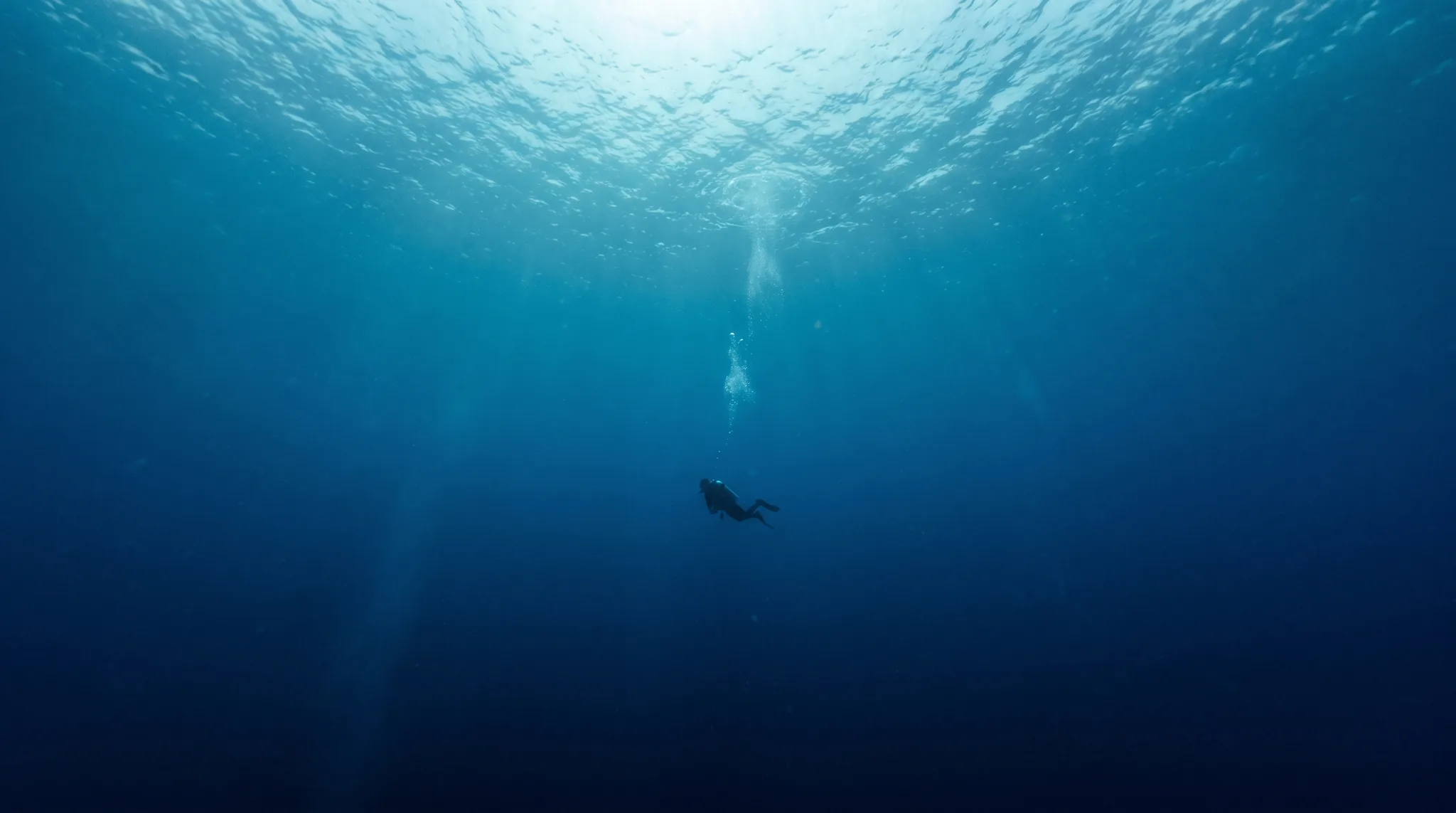 58
58A macro diver's stronghold with deep walls, drift canyons and muck sites hosting Giant Frogfish, nudibranchs and Ornate Ghostpipefish.
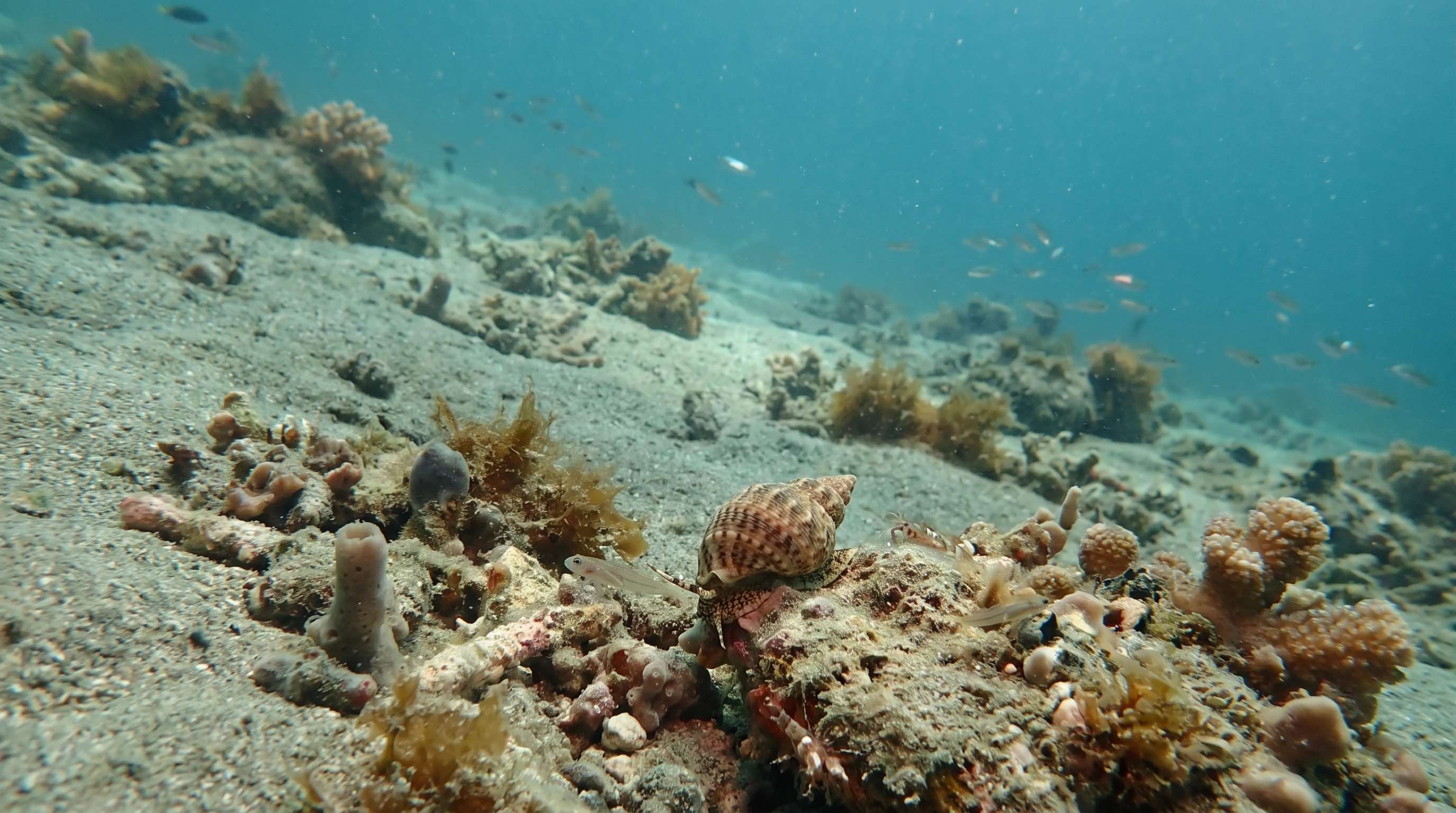 51
51A premier muck and reef destination in Luzon, celebrated for extraordinary nudibranch diversity and macro critters including frogfish and ghostpipefish.
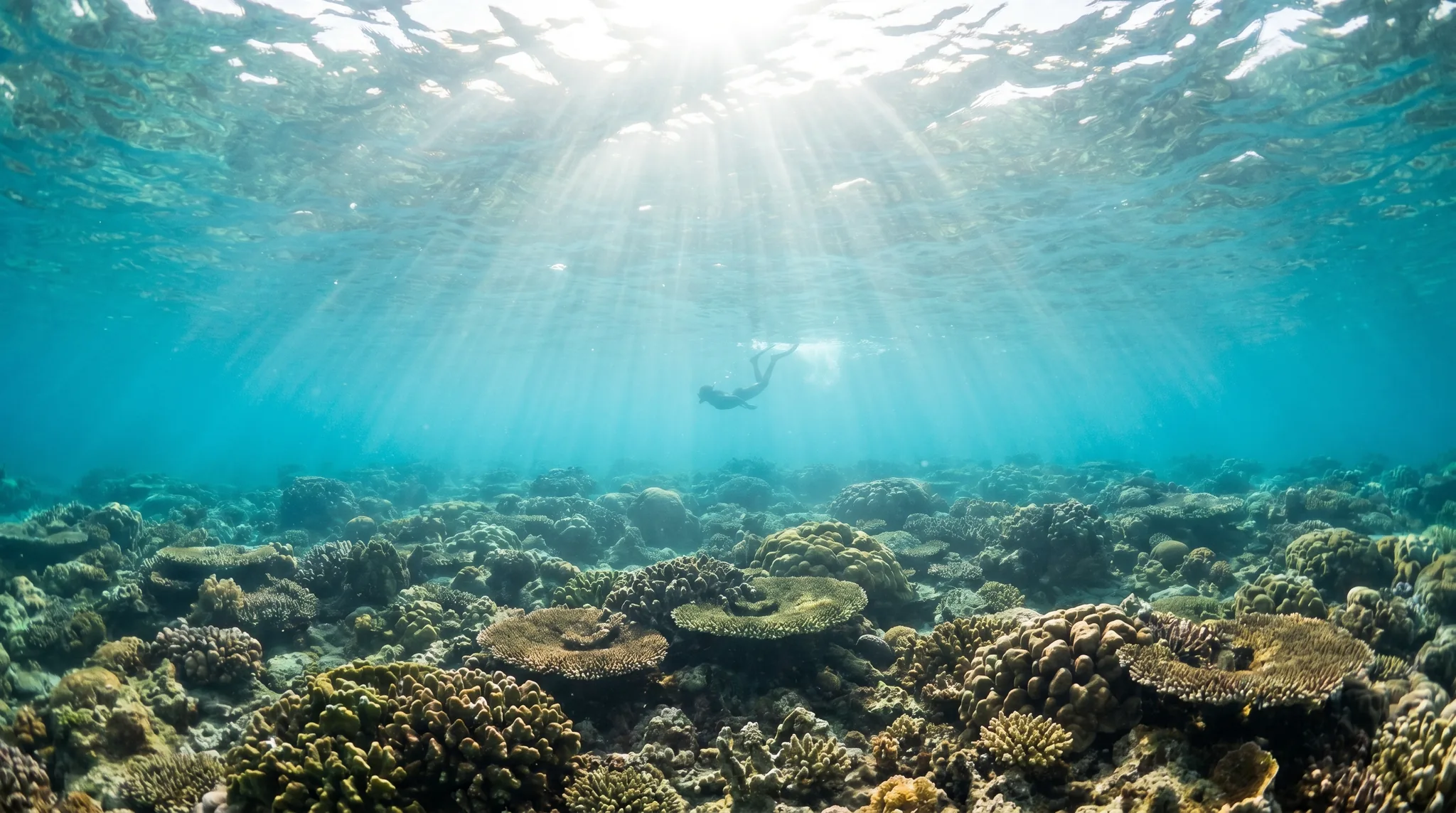 49
49A macro-rich Philippine island group where reef, cave, and wall diving converge alongside some of the best ghostpipefish sightings in Luzon.
18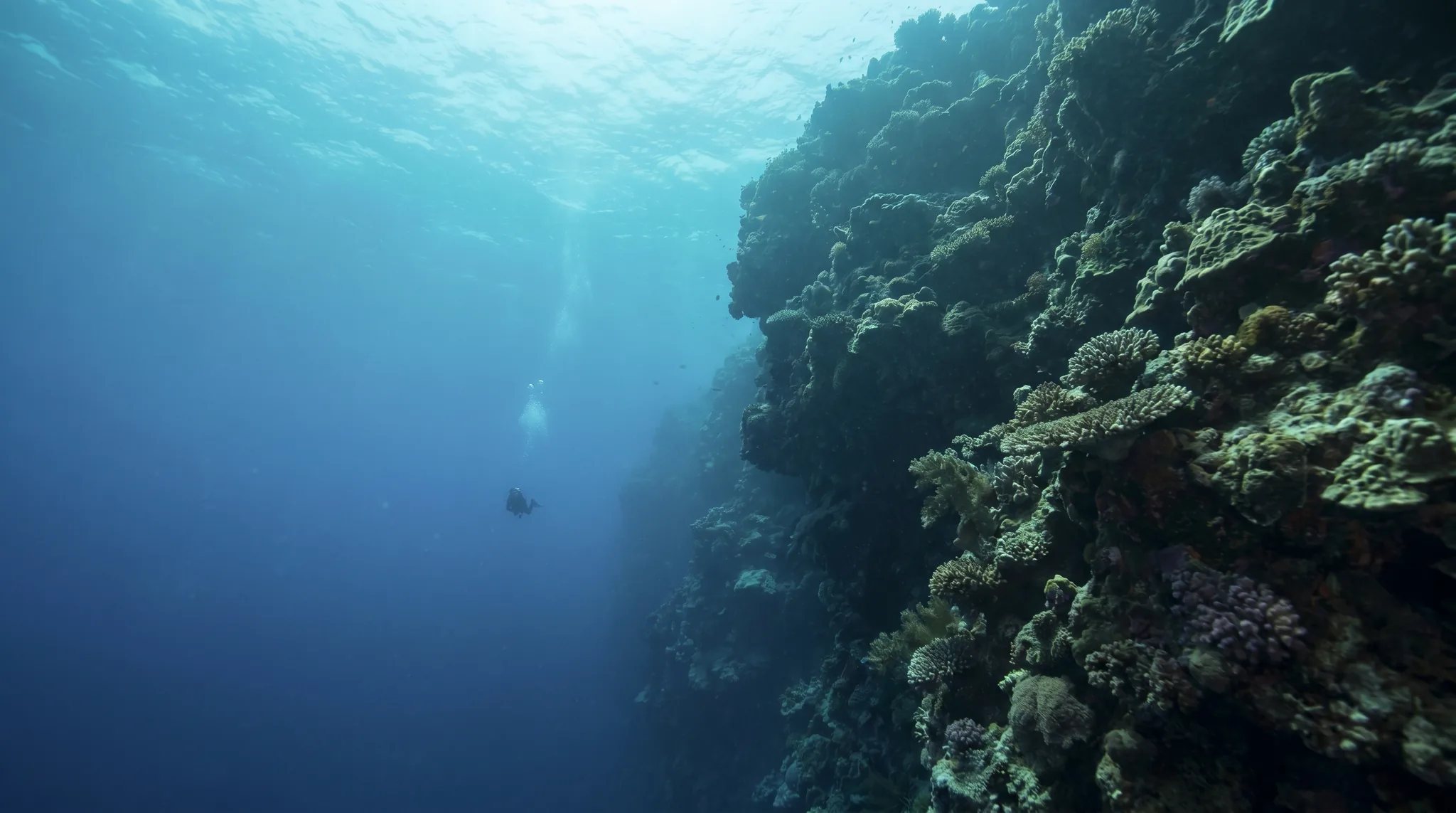
Monthly water temperature across Luzon's sites, from satellite sea-surface data corrected for depth. The band shows the site-to-site spread.
Water stays warm throughout the year, rising further from May through October when conditions in sheltered sub-areas are at their most settled. The peak window for diving runs from November through May, when visibility and surface conditions are typically at their best across exposed sites. Mid-year brings wetter, rougher weather that can limit access to outer reef and drift sites, though sheltered areas such as Anilao remain diveable.
192 operators

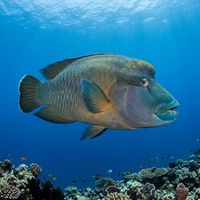
Remote reef, wall, and drift diving with Napoleon Wrasse, Whitetip Reef Shark, and Bumphead Parrotfish.
Water temperature around Luzon ranges from about 27°C in January to 30°C in May, based on satellite sea-temperature data for its dive sites.
With water around 27–30°C, a rash guard or 3mm shorty works in Luzon year-round.
Fin maps 242 sites in Luzon (206 scuba diving sites and 53 snorkelling spots, with some suited to both), organised into 13 areas.
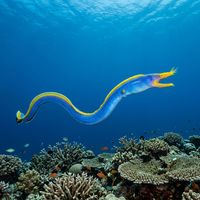
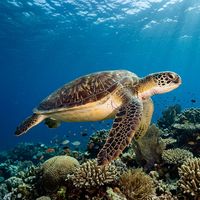
Luzon has a strong reputation for cryptic and macro species. The Chromodoris Nudibranch and Nembrotha Nudibranch are observed across the vast majority of sites, while the Ornate Ghostpipefish, Giant Frogfish, Painted Frogfish, and Warty Anglerfish are signature finds. The Blue-ringed Octopus, Mandarinfish, Ribbon Eel, and Sea Krait are also consistently recorded, and the Green Sea Turtle appears at a good range of sites.
Yes, Luzon caters well to beginners alongside more experienced divers. Sites such as Friday's Reef, Agpanabat Sanctuary, Times Square, and Mahangkig are rated for beginner skill levels and feature shallow reef tops as their starting depth. Intermediate sites are also plentiful, particularly across Anilao and Puerto Galera, where conditions are generally sheltered. Advanced sites, including deep walls and drift dives, are best approached through the many established operators in the region.
Puerto Galera and Anilao together account for the largest concentration of sites and are the main bases for macro photography and reef diving. Romblon offers a wide spread of reef and wall sites across its island groups. Subic Bay is the primary destination for wreck diving, including substantial historic wrecks. Apo Reef provides more remote, open-water reef diving, while Ticao Island and Caramoan suit divers looking for less-visited sites with varied topography.
The majority of dive sites across Luzon are boat-accessed, which is the standard setup in sub-areas such as Puerto Galera, Anilao, Romblon, and Apo Reef. A small number of sites, including Mahangkig off Lubang Island, offer both shore and boat entry. Operators such as Scandi Divers Resort, El Galleon/Asia Divers Resort, Buceo Anilao, and Badladz Scuba Diving run regular boat trips and can organise multi-day itineraries to reach the more remote sub-areas.