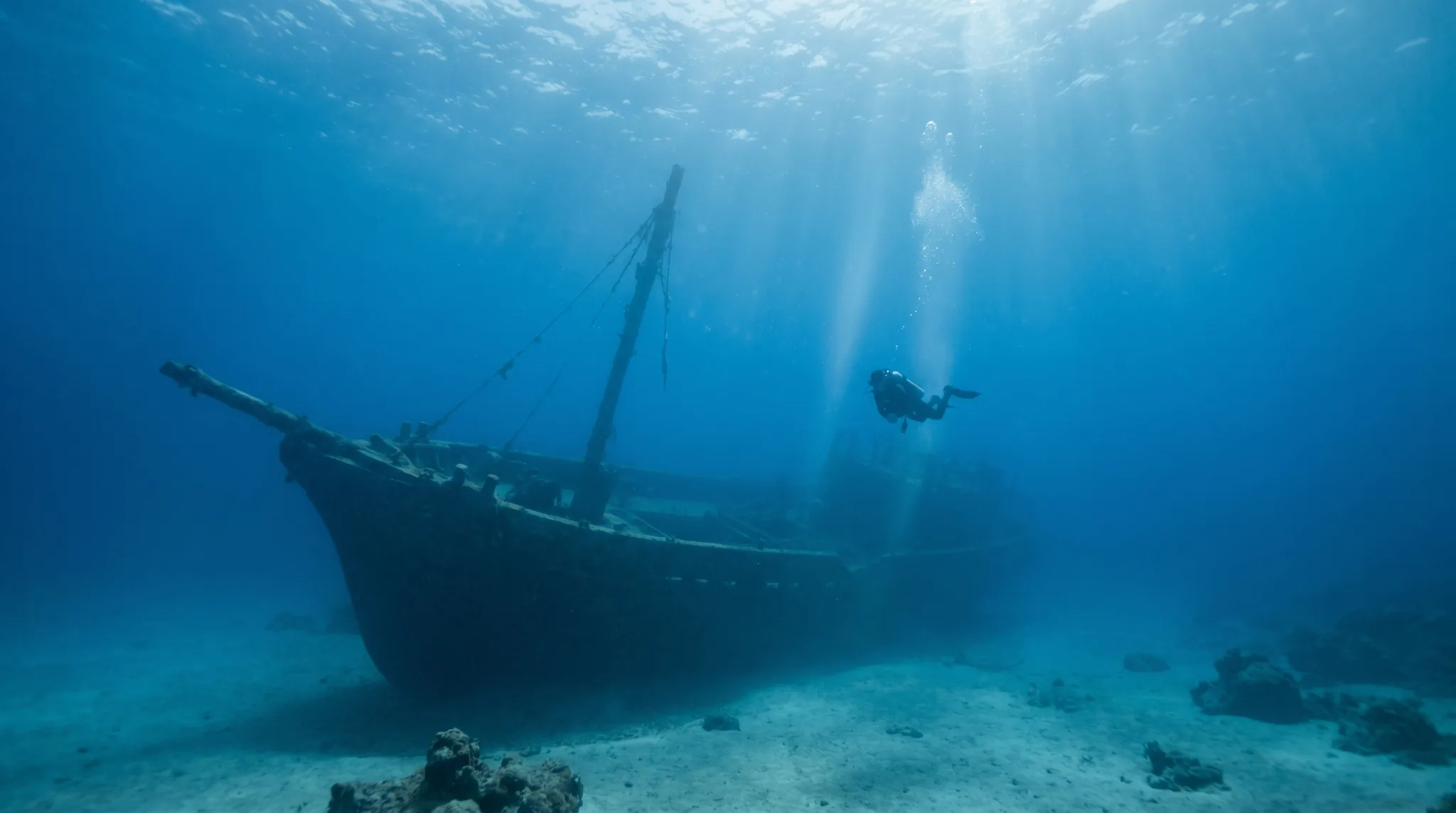
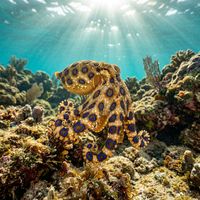
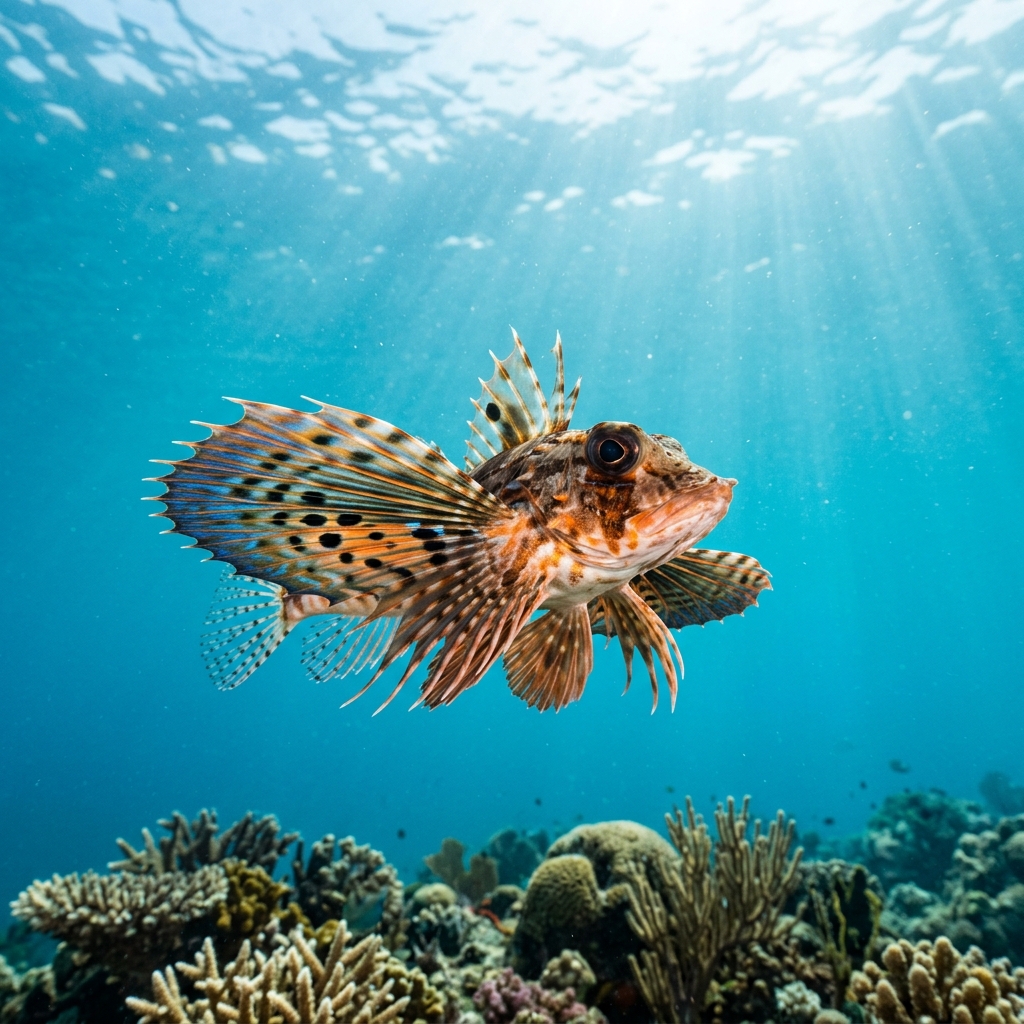
Boracay's dive sites range from shallow beginner-friendly reefs to serious deep walls and drift dives, giving the region a broad skill spread. The sub-area of Yapak draws advanced divers to a vertical wall descending well beyond recreational limits. Elsewhere, artificial reefs sit alongside natural coral structures, and the macro life is a particular draw: Blue-ringed Octopus, multiple nudibranch species, Oriental Flying Gurnard and Longhorn Cowfish are regularly observed across the site network. Almost all access is by boat.
1 areas
Monthly water temperature across Boracay's sites, from satellite sea-surface data corrected for depth. The band shows the site-to-site spread.
Water stays warm year-round, with the coolest months falling around February before climbing through mid-year. Diver activity peaks in May and again in November and December, suggesting these shoulder periods offer a good balance of settled conditions and clear water. Sites like Chanel Drift and Yapak carry strong currents, so conditions can vary sharply between sites even on the same day.
35 operators
Yapak, Philippines
28 more sites to explore
Water temperature around Boracay ranges from about 26°C in February to 29°C in May, based on satellite sea-temperature data for its dive sites.
In the warm season (about 29°C) a rash guard or 3mm shorty is comfortable in Boracay; in the coldest months (about 26°C) step up to a 3mm full suit.
Fin maps 40 sites in Boracay (37 scuba diving sites and 6 snorkelling spots, with some suited to both).
Across Boracay's dive sites, February, May, November and December are most often reported as the best months to visit.
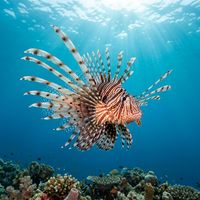
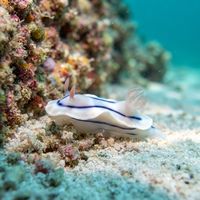
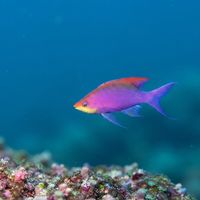
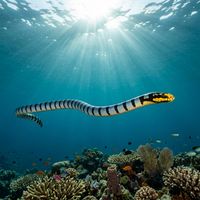
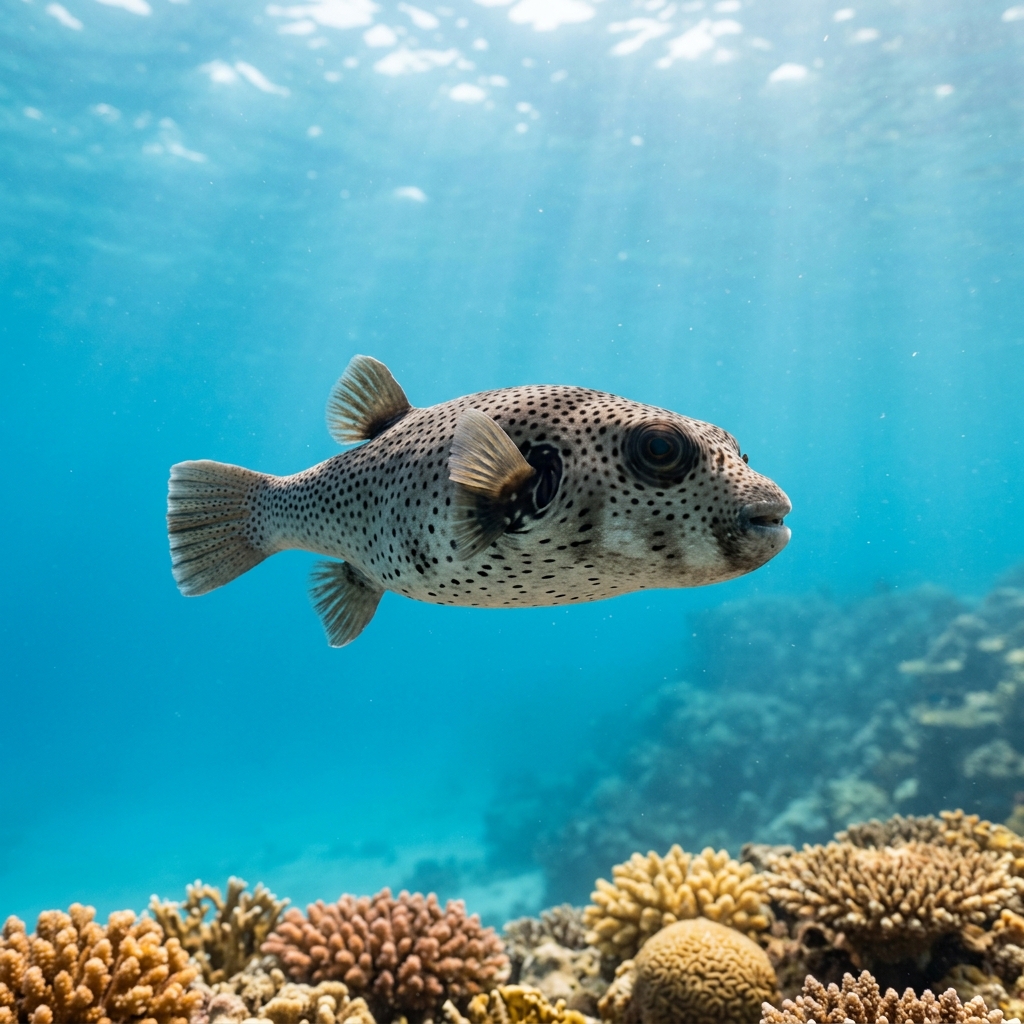
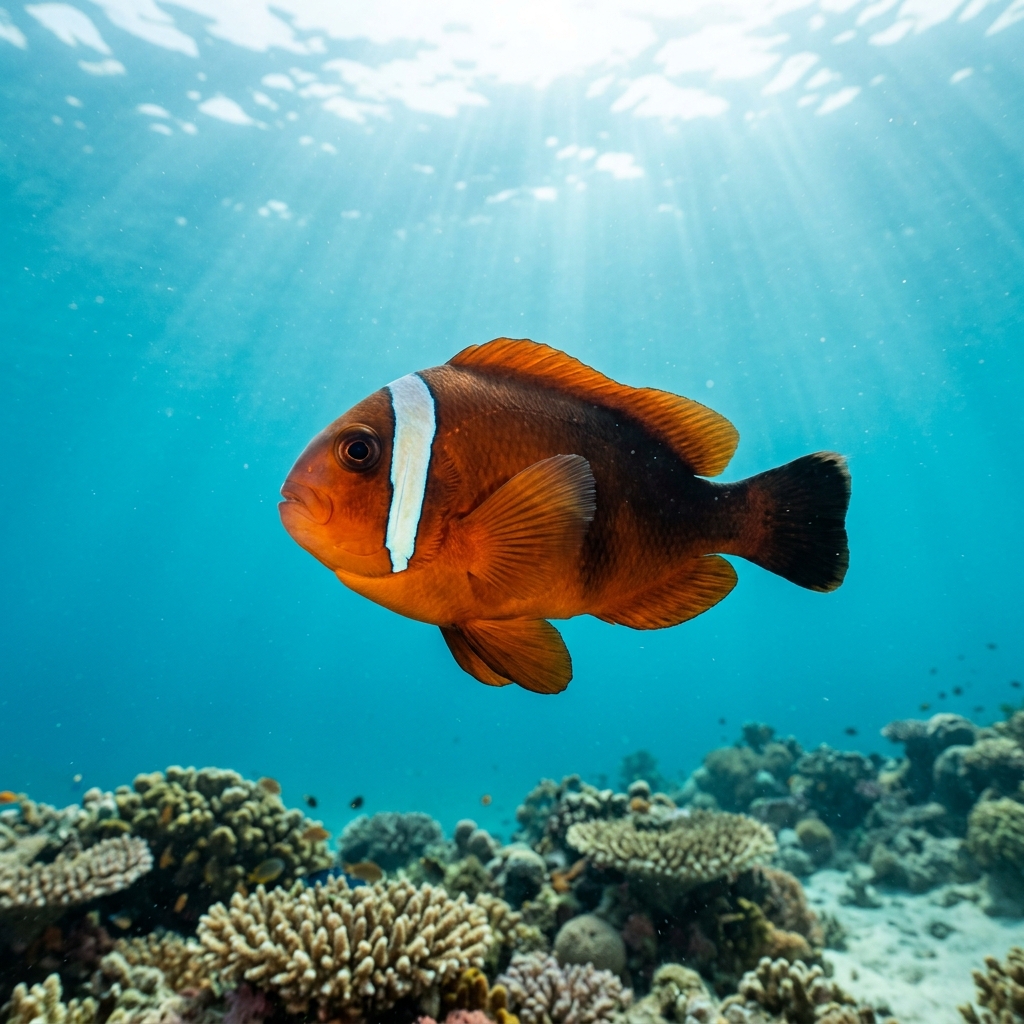
Boracay is particularly strong for macro encounters. Blue-ringed Octopus, Chromodoris Nudibranch, Nembrotha Nudibranch and Oriental Flying Gurnard are all frequently observed across the site network. Longhorn Cowfish, Spotfin Lionfish, Scorpionfish and Pink Skunk Clownfish are also common finds, and Sea Krait appearances are well documented.
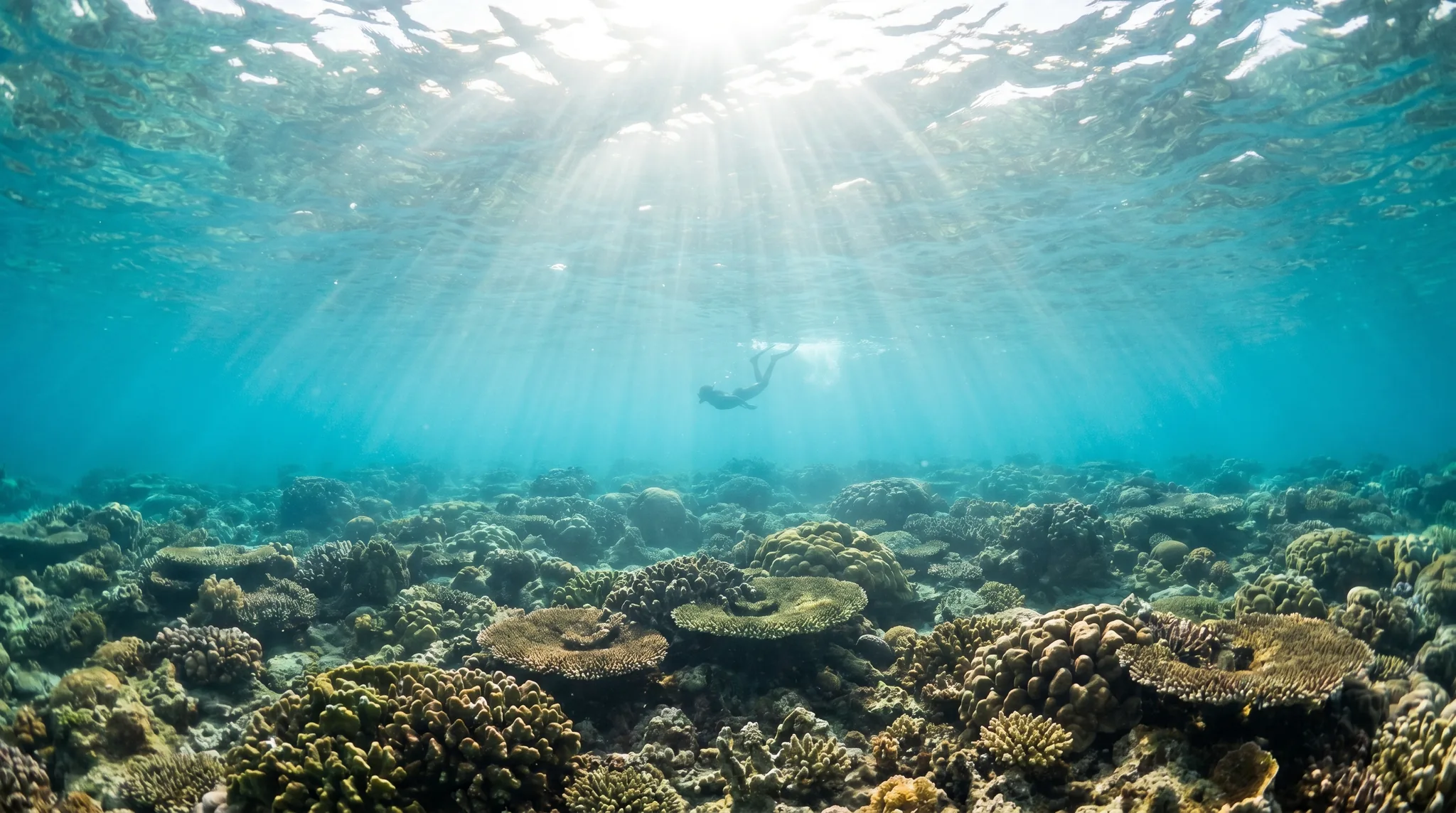
A good portion of the sites are rated for beginners, including Coral Garden, Lobster Rock, Fridays Rock and Angol Point. These are mostly shallow reef dives with boat access and gentle conditions. Advanced sites like Yapak and Chanel Drift involve deep walls and strong currents and are not appropriate for newly certified divers.
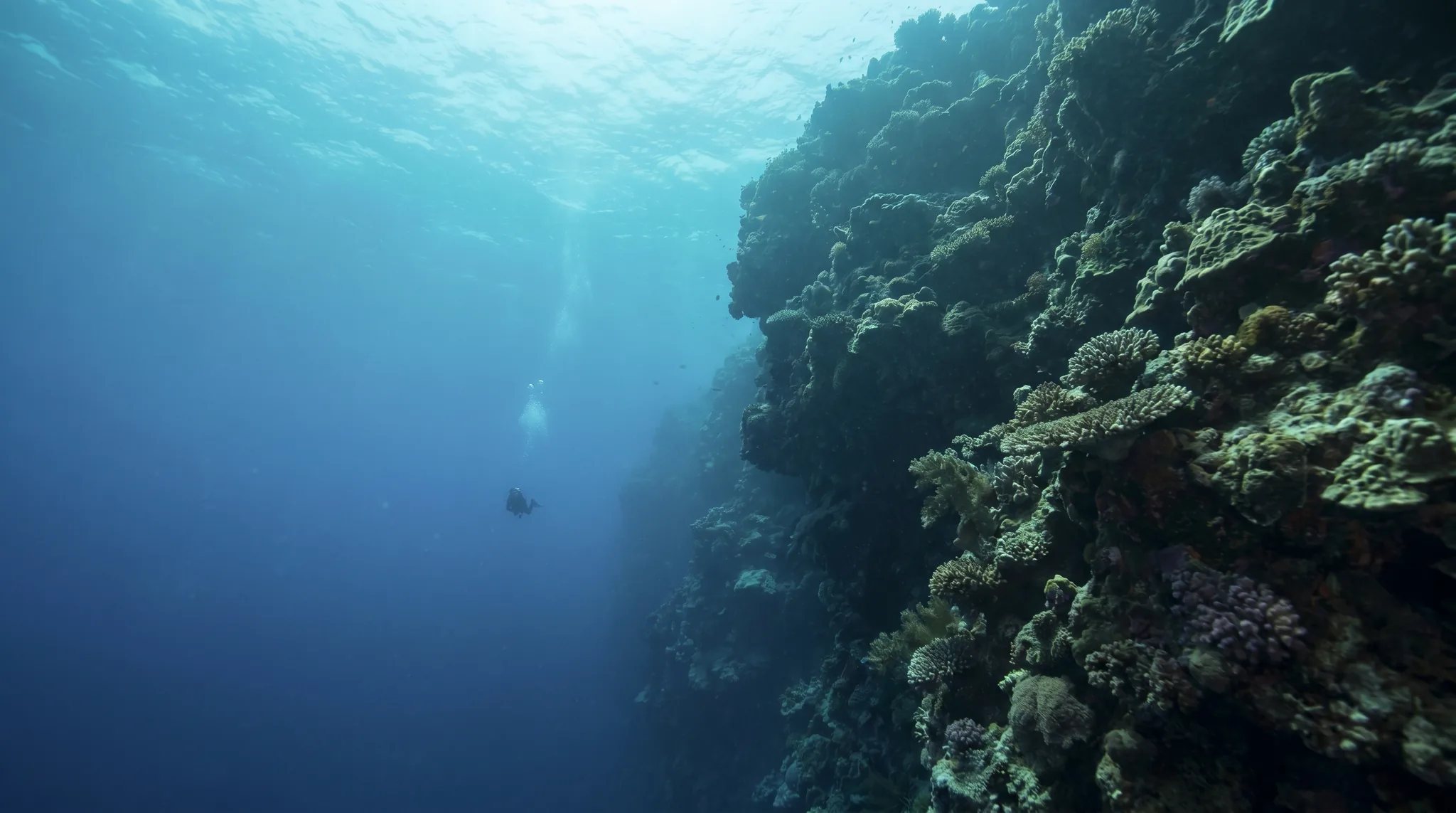
Yapak is Boracay's dedicated deep-water sub-area, home to a vertical wall that begins deep and continues well beyond standard recreational depths. Drift conditions are a consistent feature here, and dives require solid buoyancy control and experience managing strong water movement. The rest of the Boracay network is generally shallower and more sheltered, suiting a wider range of divers.
The overwhelming majority of sites are boat-access only, so divers will need to arrange trips through local operators. Angol Point is a notable exception, offering both shore and boat entry, making it one of the more flexible options on the island. Operators including WaterColors Boracay Dive Resort, Go-Diving Scuba Studio, Sea Gaia Diving Resort and Tablas Pro Scuba all run scheduled boat dives across the site network.