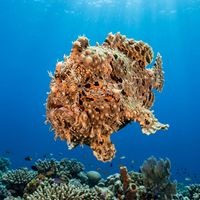
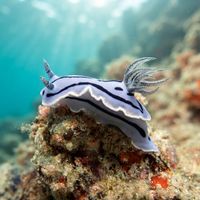
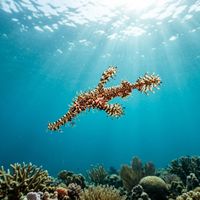
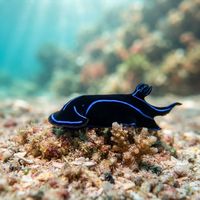
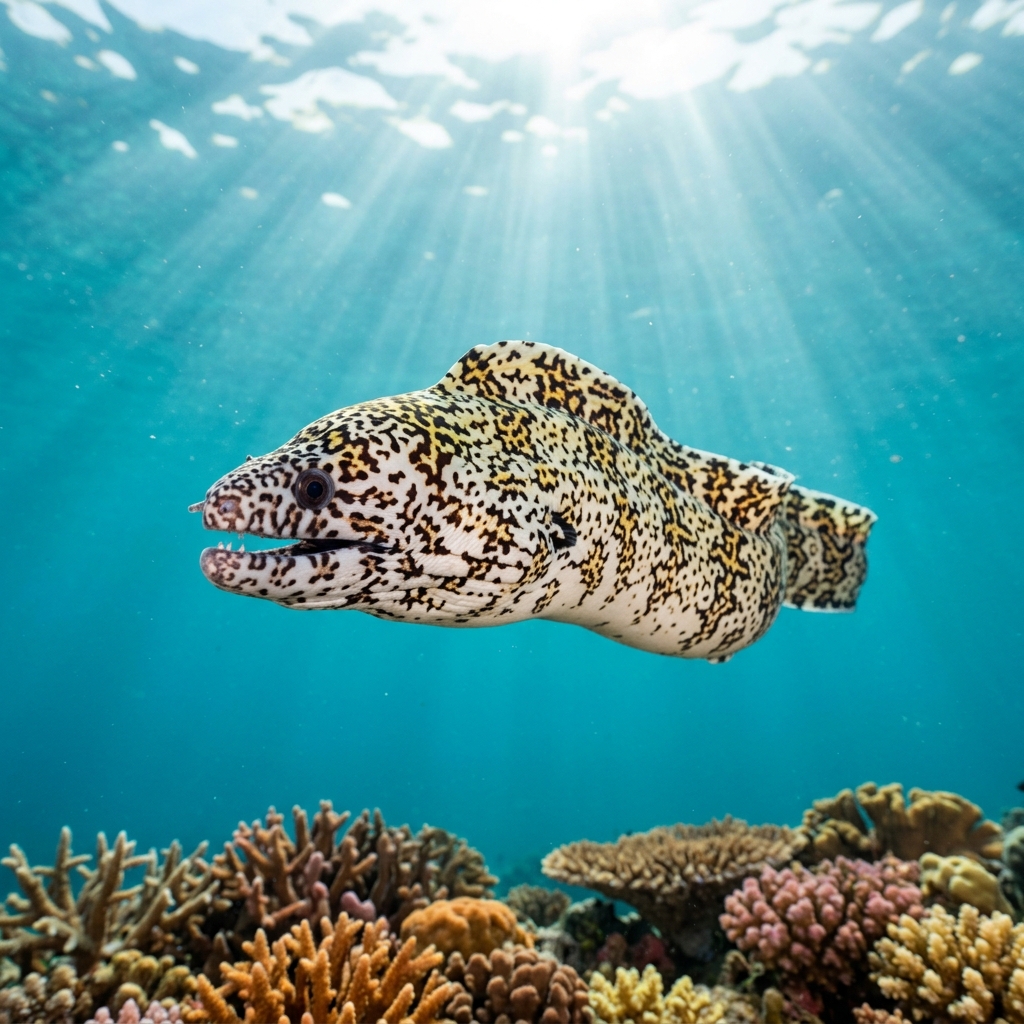
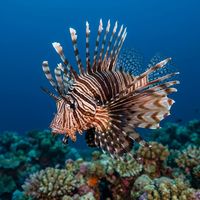
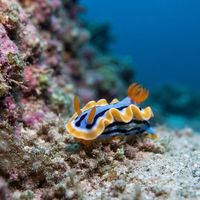
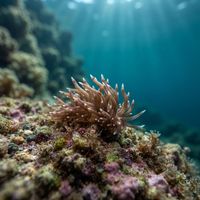
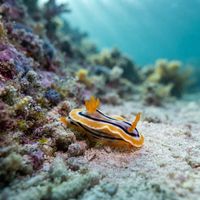
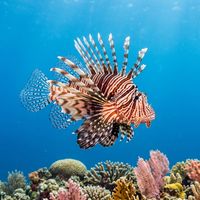
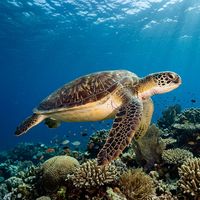
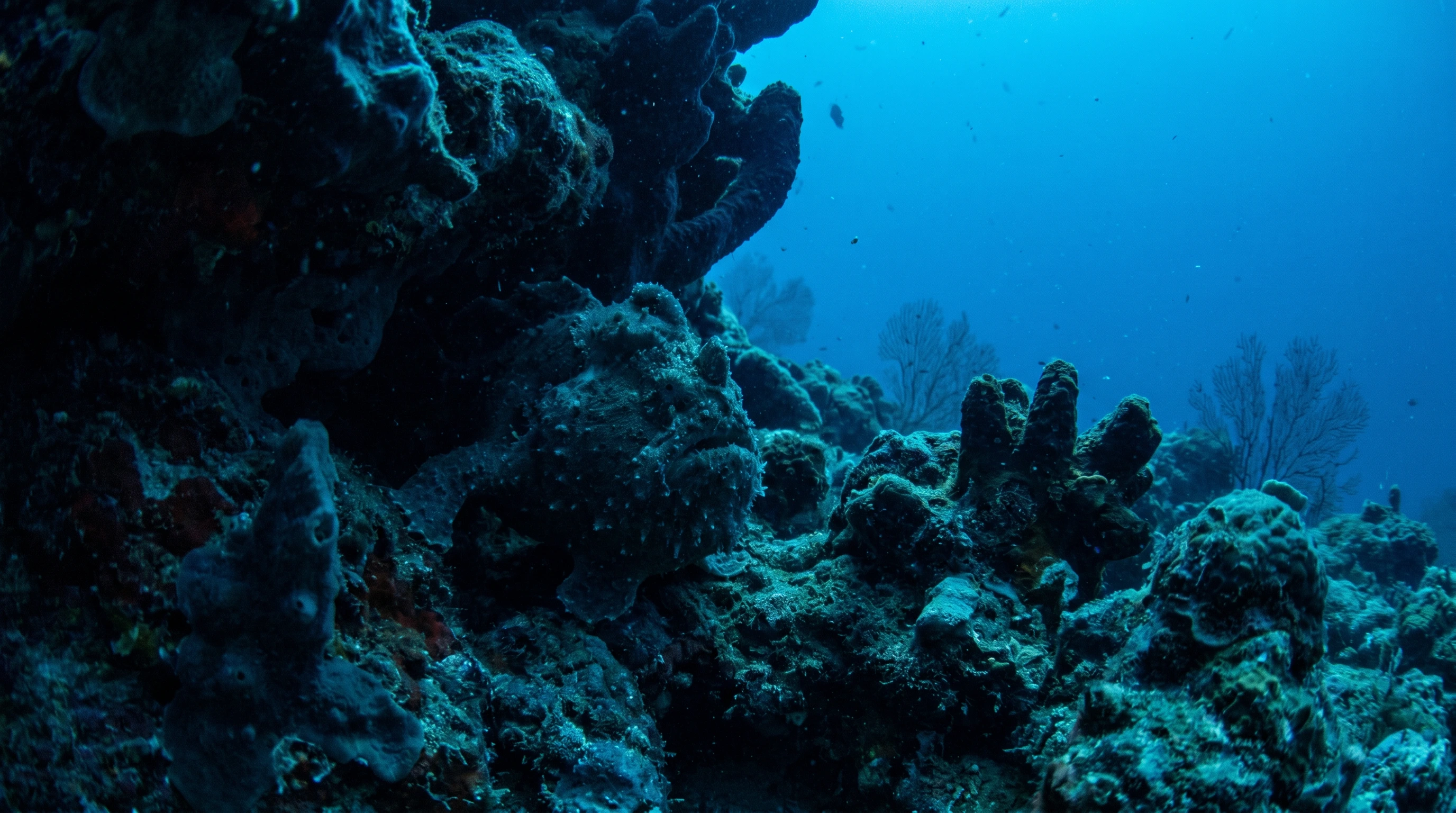
Cabilao Island rewards divers with a varied mix of reef, wall, drift, and muck environments spread across sites ranging from gentle shallows to considerable depth. The signature marine life leans heavily towards the cryptic: the Giant Frogfish and Ornate Ghostpipefish are consistently observed across the site list, alongside a rich cast of nudibranch species, the Snowflake Moray, and the Zebra Lionfish. Shore-entry beginner sites sit alongside demanding boat-access drifts, so the island suits a wide range of experience levels.
Monthly water temperature across Cabilao Island's sites, from satellite sea-surface data corrected for depth. The band shows the site-to-site spread.
Water temperature stays warm throughout the year with little variation, making any month physically comfortable. Diver-reported best conditions peak from March through June, with a secondary uptick in December, broadly aligning with calmer periods between wetter months. Several sites feature moderate to strong currents, so conditions can change quickly and are worth checking before each dive.
10 more sites to explore
Water temperature around Cabilao Island ranges from about 28°C in January to 30°C in June, based on satellite sea-temperature data for its dive sites.
With water around 28–30°C, a rash guard or 3mm shorty works in Cabilao Island year-round.
Fin maps 18 sites in Cabilao Island (16 scuba diving sites and 3 snorkelling spots, with some suited to both).
Across Cabilao Island's dive sites, March, April, May, June and December are most often reported as the best months to visit.
Cabilao Island is particularly strong for cryptic and macro life. The Giant Frogfish and Chromodoris Nudibranch are observed very commonly across sites, while the Ornate Ghostpipefish and Robust Ghost Pipefish are also reliably sighted. The Snowflake Moray, Zebra Lionfish, and Indian Lionfish round out a compelling list for photographers and detail-focused divers.
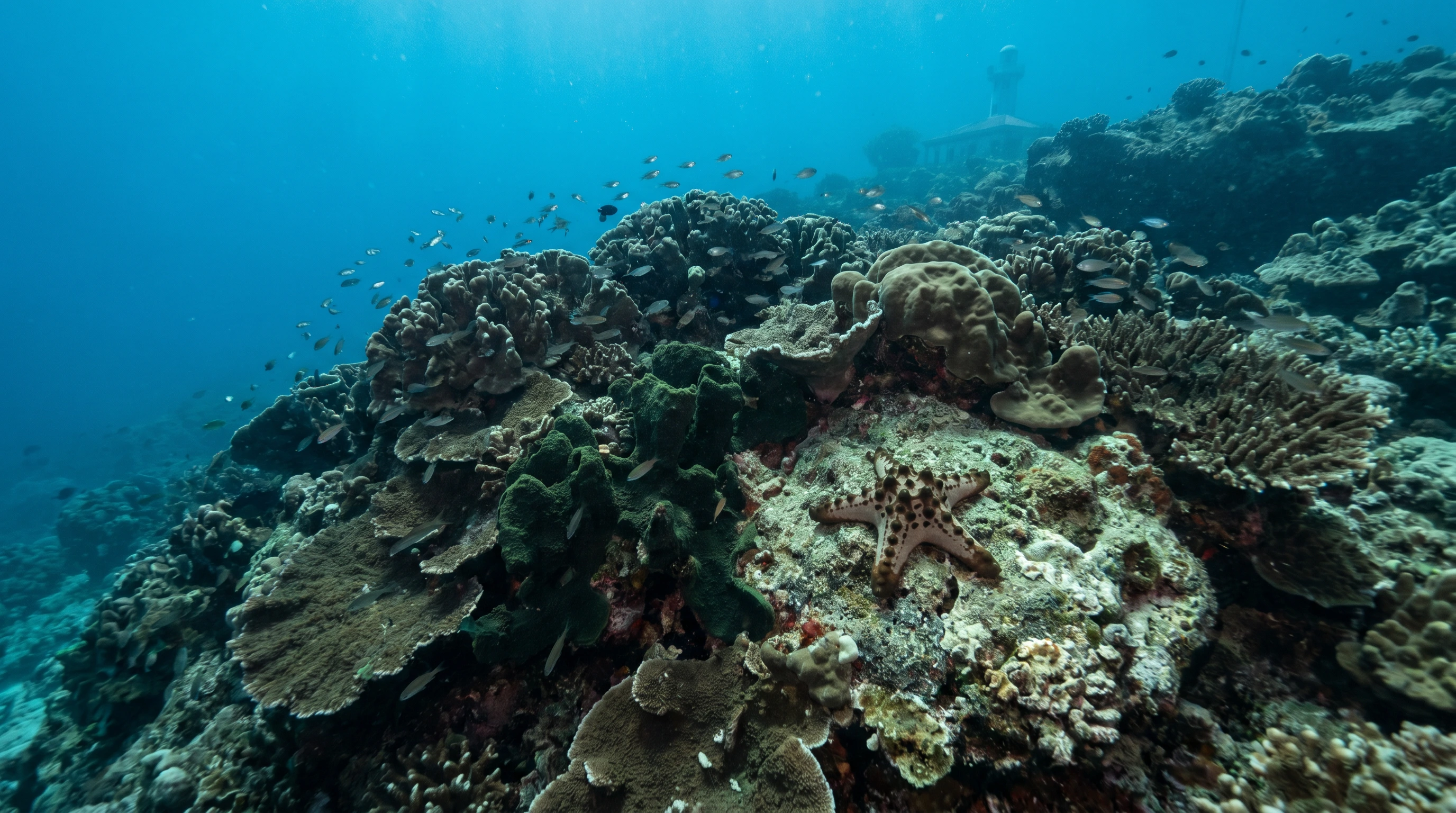
Several sites at Cabilao Island are rated for beginners, including Cabilao Lighthouse and Polaris Housereef, both of which offer sheltered reef and wall topography accessible by shore or boat. That said, sites such as Coconut and Shark Viewpoint carry advanced or intermediate ratings due to strong currents and significant depth, so less experienced divers should choose their sites carefully.
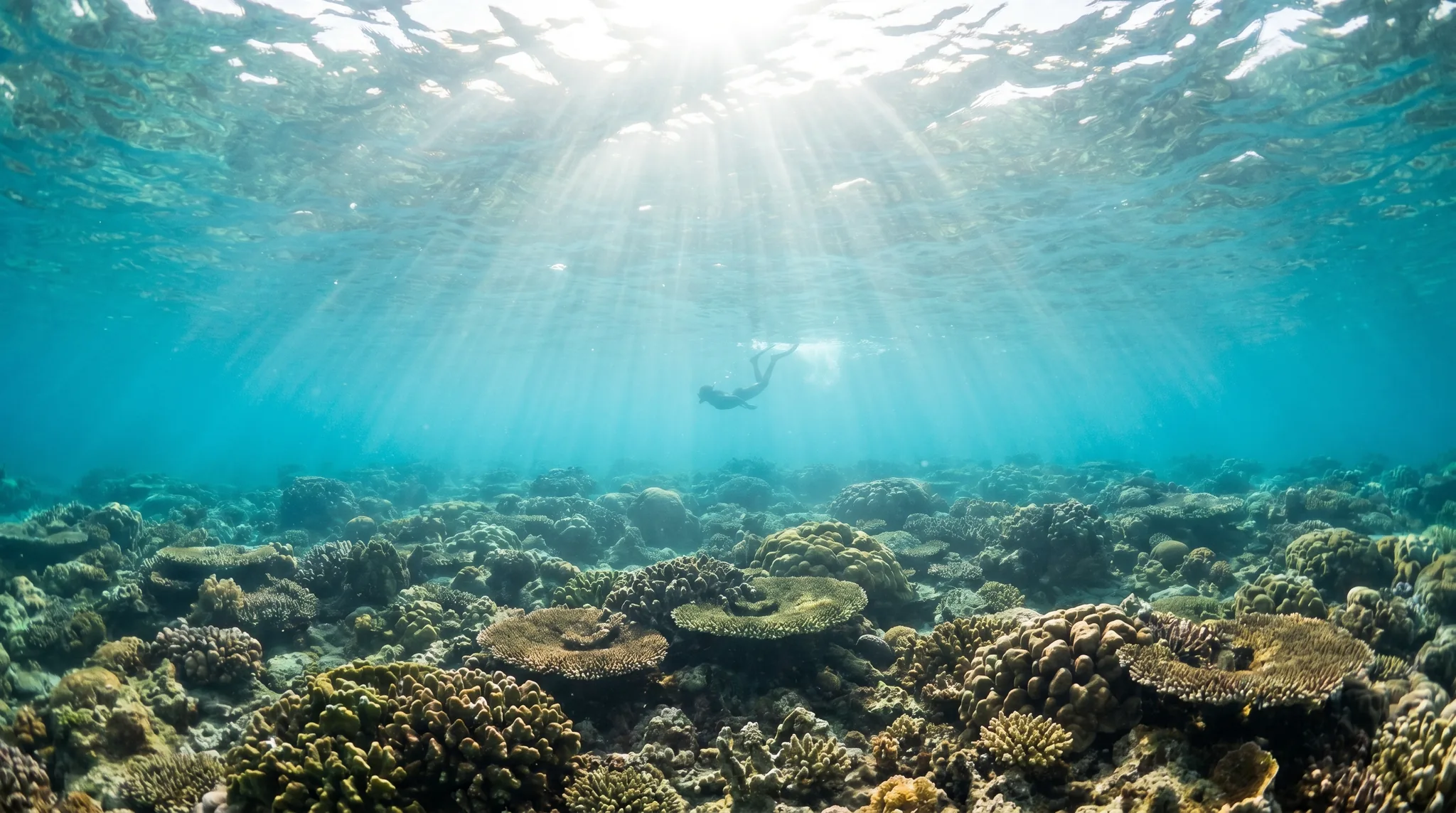
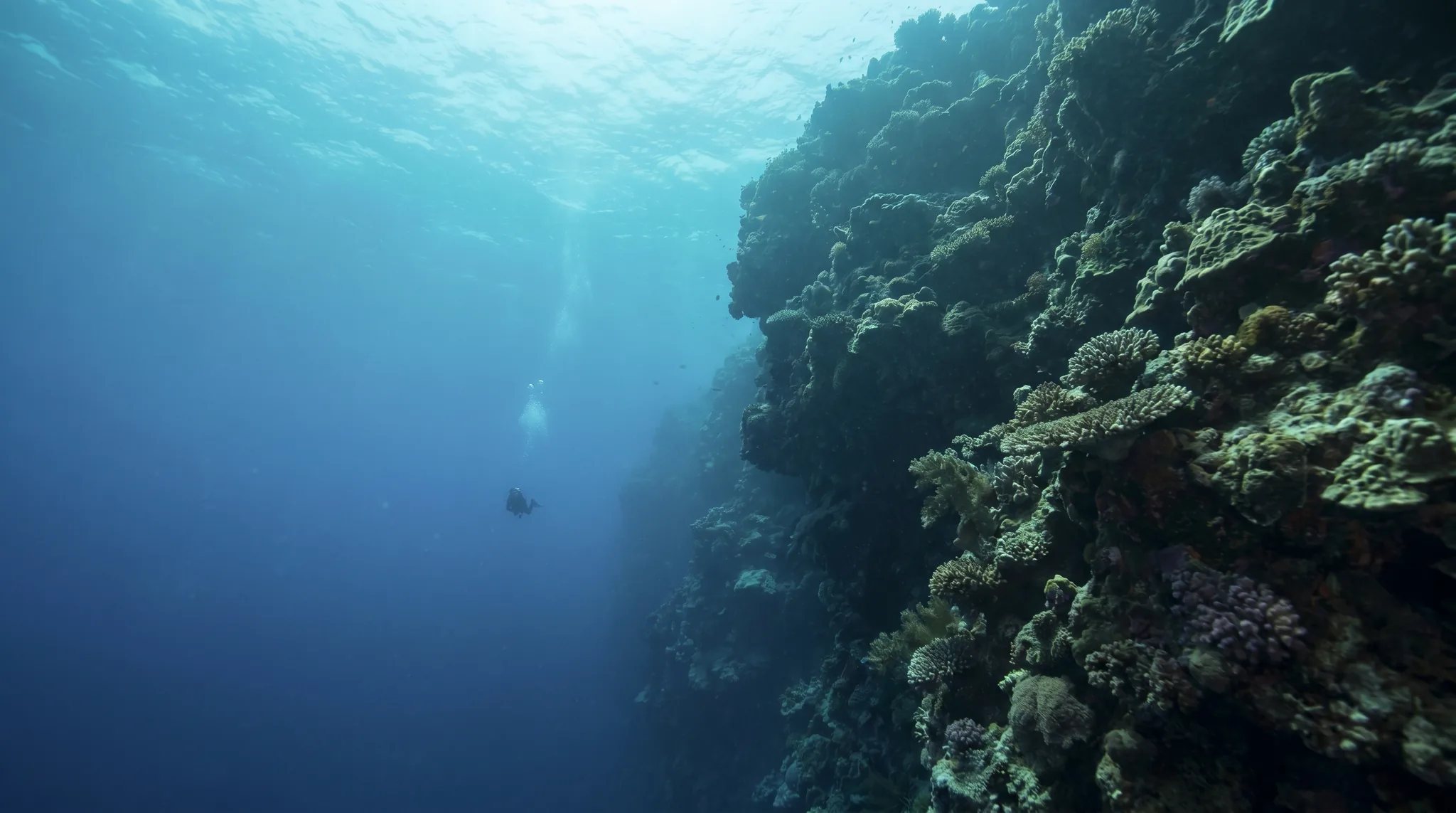
The sites span a broad range of environments. Fringing reefs and seagrass beds feature at shallower shore-entry spots like Cabilao Bamboo Reef and Cabilao Lighthouse. Deeper boat-access sites such as Gorgonia Wall and South Point offer vertical wall topography with drift conditions. The Cabilao Island site itself also includes muck habitat, giving macro hunters a distinct environment within the same area.
A number of sites are shore-accessible, including Cabilao Lighthouse and Cabilao Bamboo Reef, which suit divers and snorkellers who prefer a straightforward entry. The more exposed sites, including South Point, Coconut, and Gorgonia Wall, are boat-access only and typically involve drift conditions that call for a surface marker buoy and an attentive boat crew.