Amphiprion frenatus
Spot Blackback Anemonefish in the Visayas and Okinawa, active Jul, Apr in waters of 24-29 °C. ID tips, top sites, and when to go.
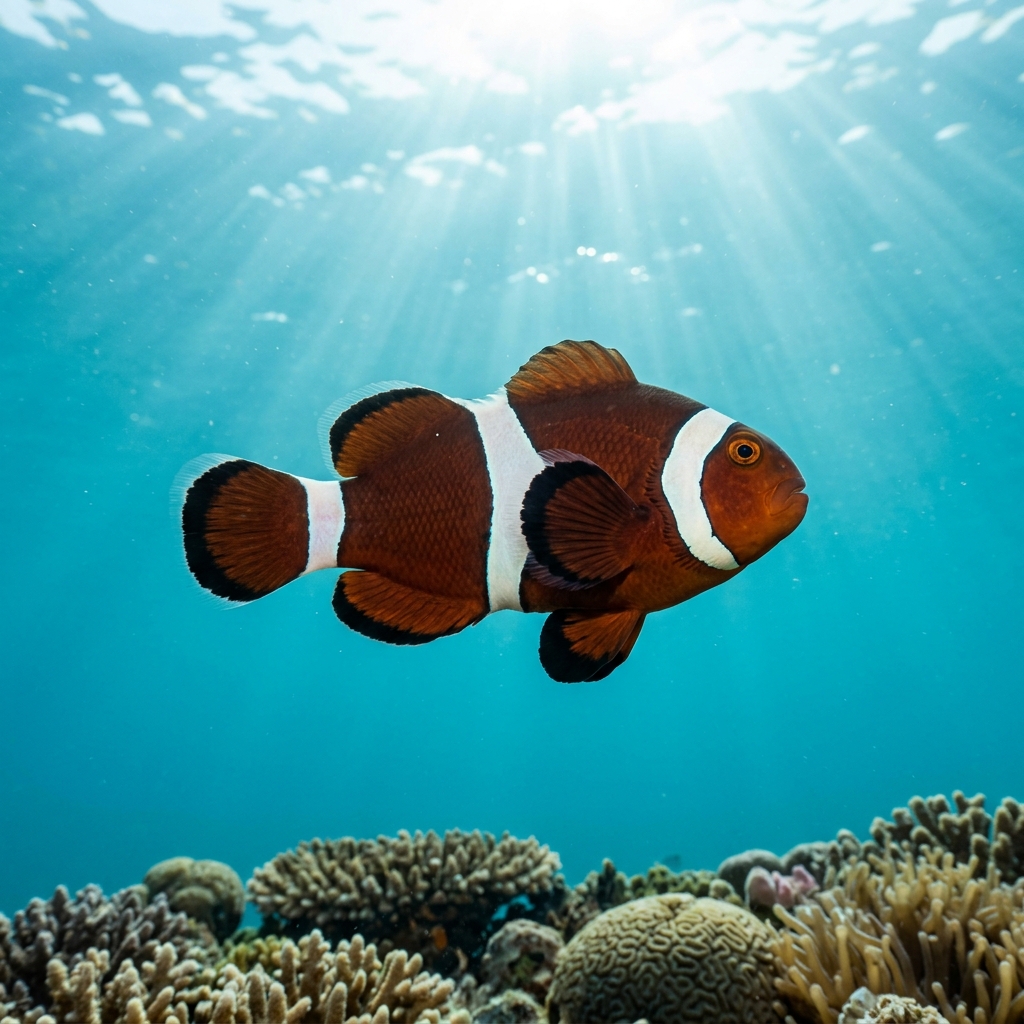
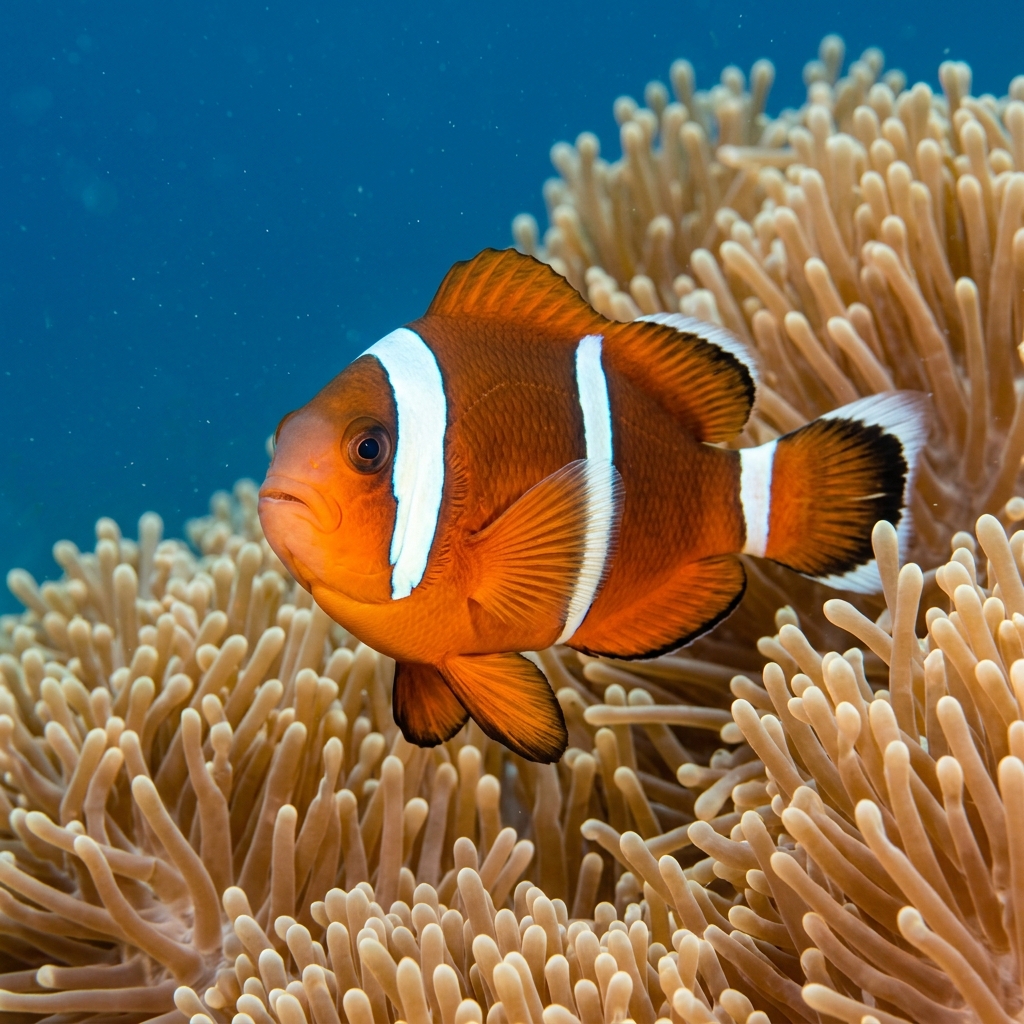
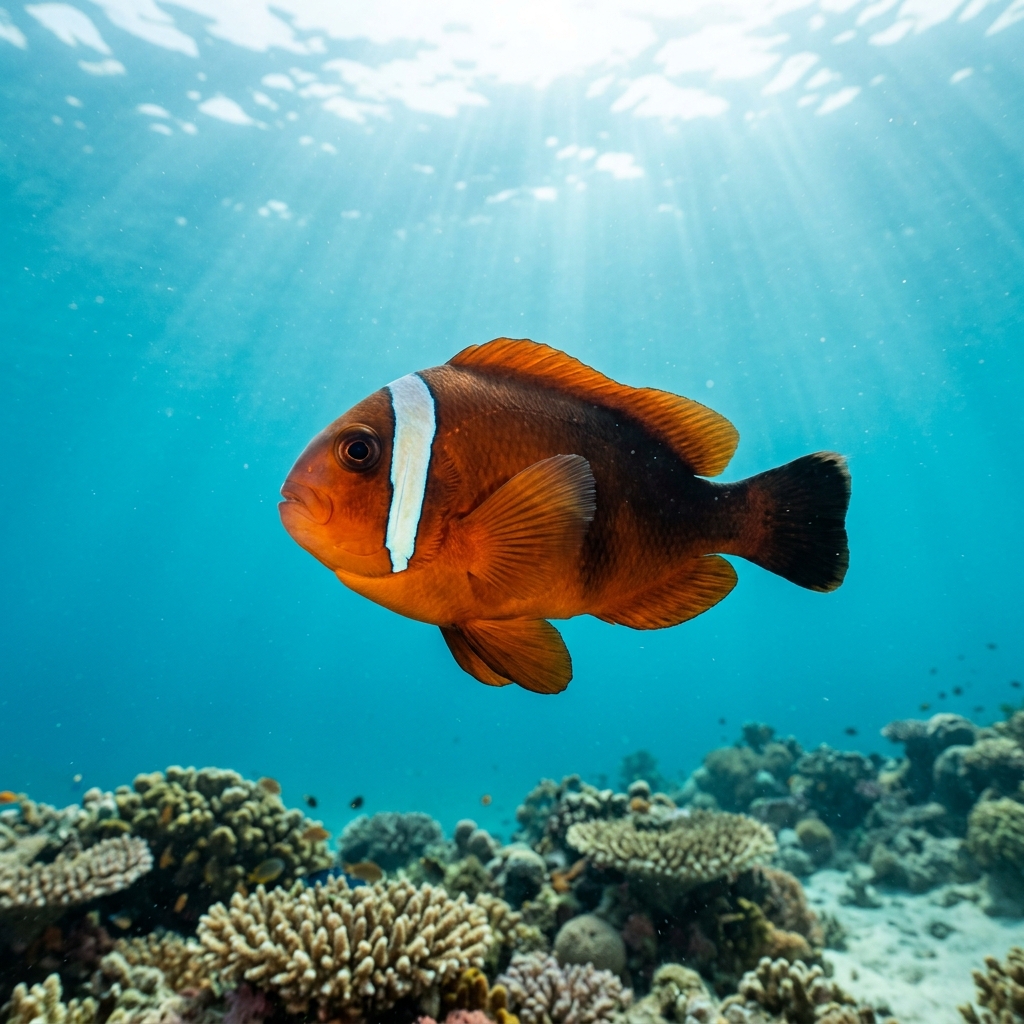
A vivid orange clownfish with a single white stripe running across the head just behind the eye, no stripes on the body or tail. The most useful field mark is the dark brown to black saddle across the back, which gives the species its name and sets it apart from most other orange clownfish. Body shape is the typical stout, laterally compressed clownfish form. Females grow noticeably larger than males, a difference you can often spot within a resident pair.
Almost always found within a few centimetres of its host anemone, typically a Entacmaea quadricolor (bubble-tip anemone), which it defends with surprising boldness for a small fish. Divers who linger near the anemone will often have the resident pair dart out repeatedly in short threat displays before retreating back into the tentacles. Like other clownfish, pairs are territorial and the dominant female holds the largest position in the anemone while smaller males stay closer to the base.
Blackback Anemonefish are protandrous hermaphrodites: all individuals begin life as males, and the dominant fish in any group will transition to female if the resident female disappears. This means the largest fish at any anemone you visit is almost certainly female.
In the Northern Hemisphere, sightings concentrate from July through April, making the cooler dry-season months around the Philippines and Japan the prime window. In the Southern Hemisphere, October through July covers the productive period; the species' comfortable temperature range of 24 to 29 °C keeps it resident on tropical reefs for much of the year.
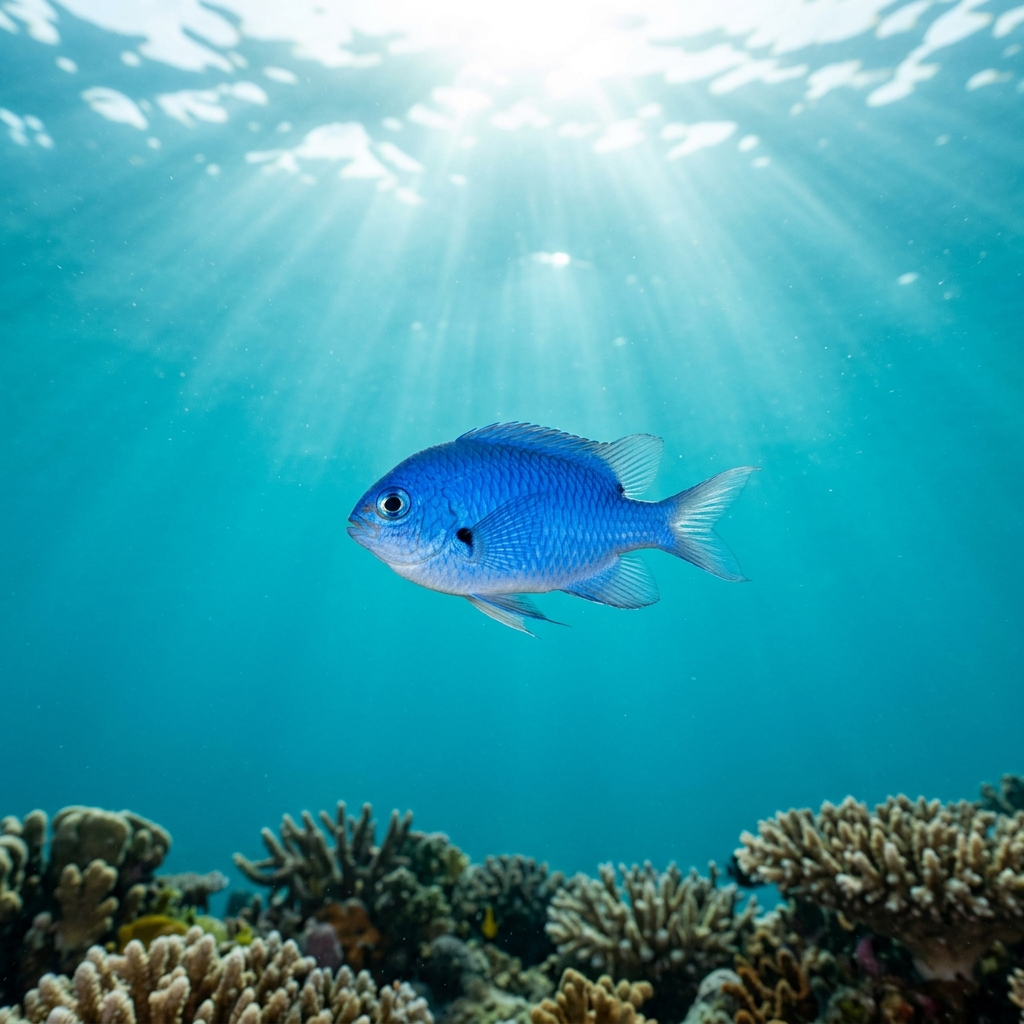
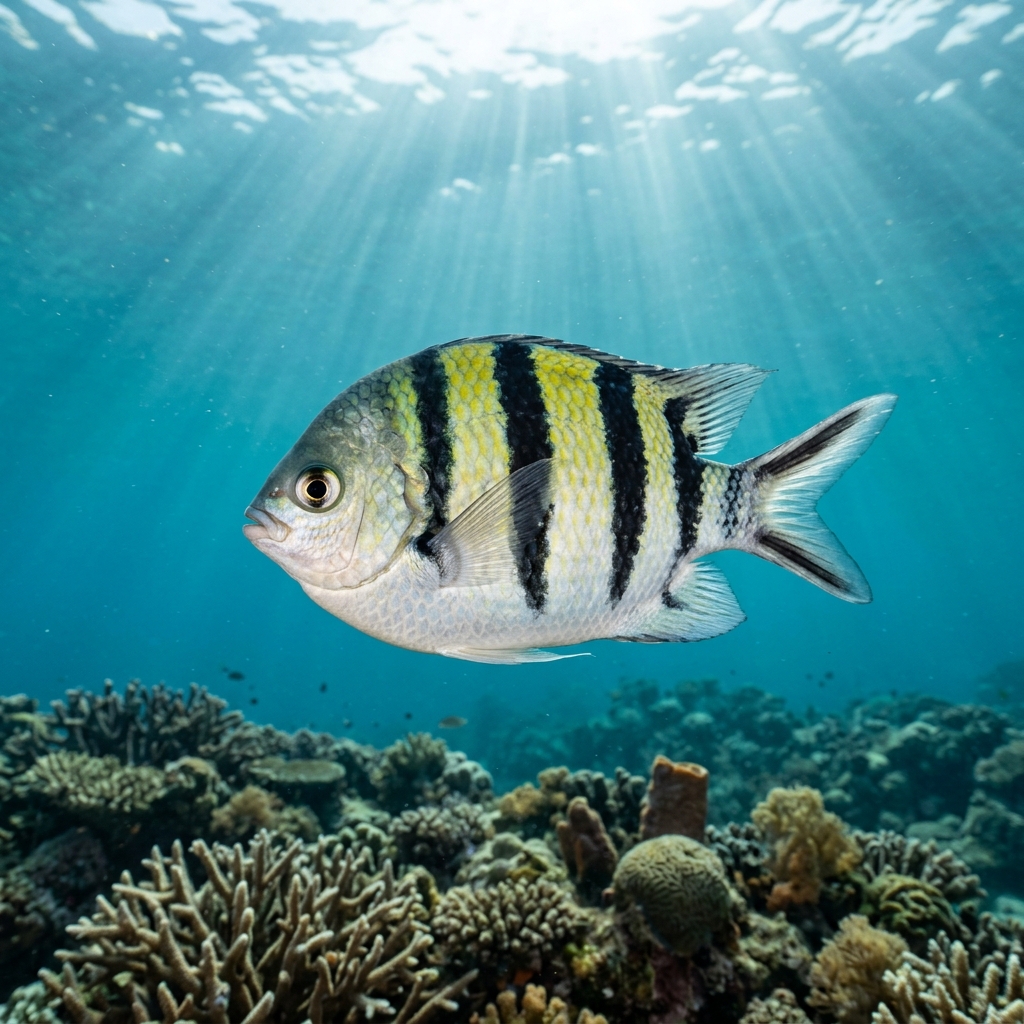
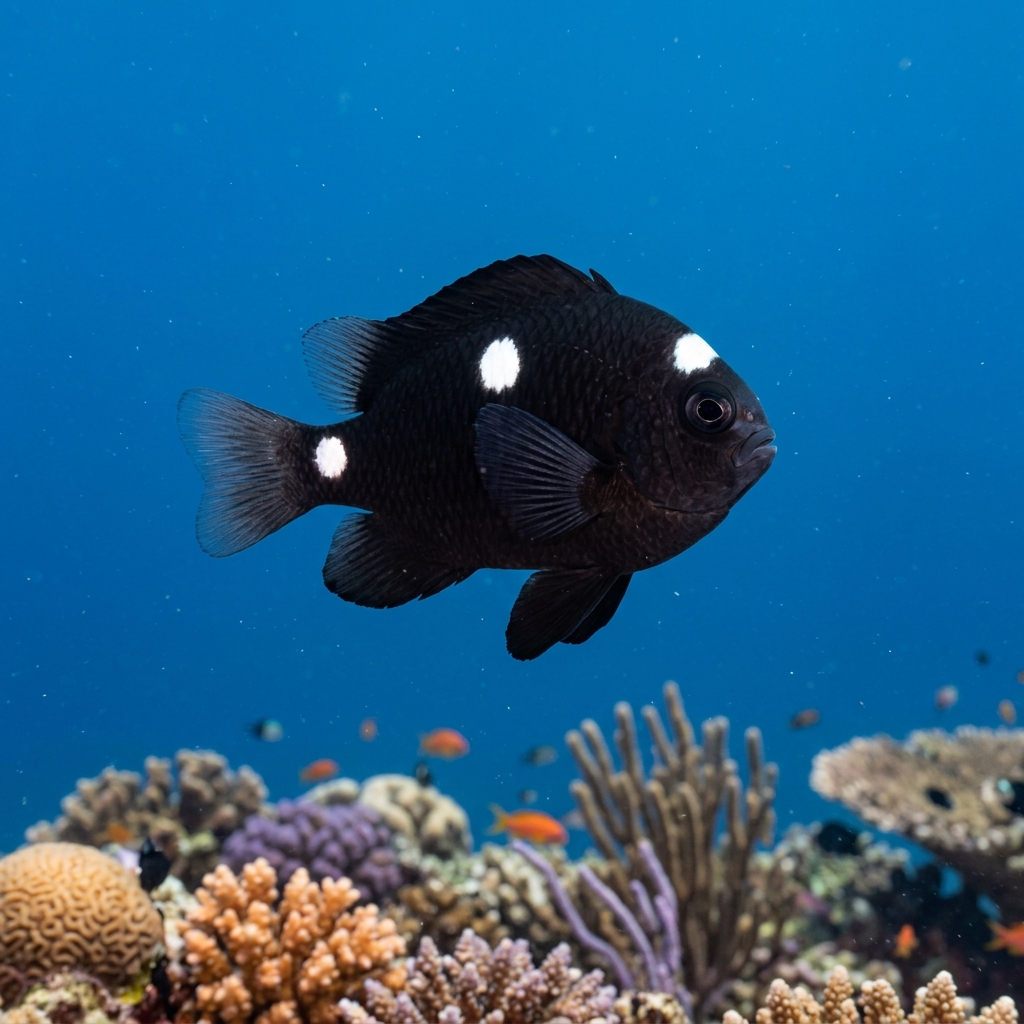
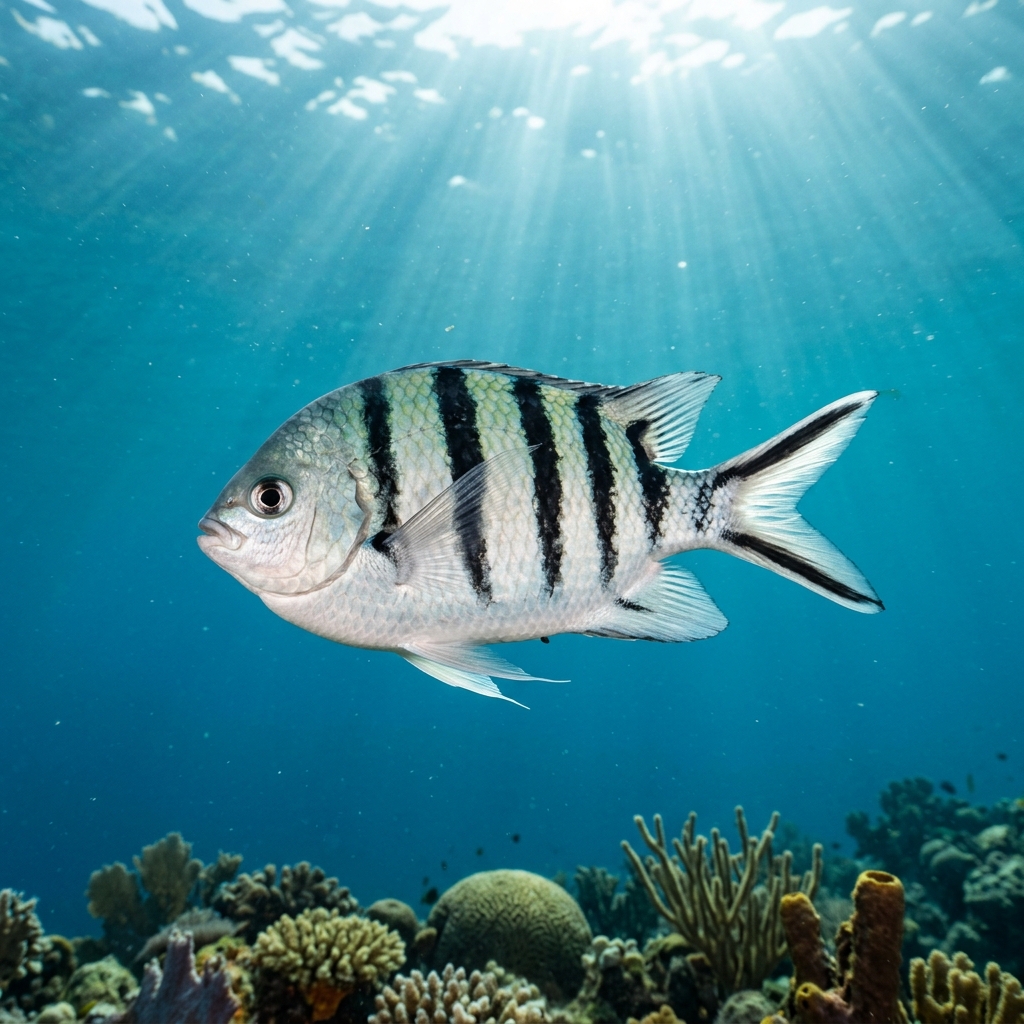
Reef neighbours a diver could mistake it for. Use the identification notes above to tell them apart.
Most commonly logged in the Philippines, particularly the Central Visayas, East and North Visayas, and Luzon regions, which together account for the bulk of worldwide sightings. Strong populations also exist in Okinawa (Japan), along the Malaysian coasts of Perhentian and Redang and West Sabah, and in Indonesian waters. Queensland in Australia represents the southernmost reliable area for encounters.
Mapping where Tomato Clownfish is logged…
The Central Visayas in the Philippines is the single strongest area in the data, followed by Okinawa in Japan and the Malaysian sites around Perhentian, Redang, and West Sabah. Indonesia, Queensland in Australia, and Palawan also return reliable sightings.
In the Northern Hemisphere, July through April covers the peak sighting window, aligning with the dry seasons around the Philippines and Japan. In Australia and other Southern Hemisphere locations, October through July is the productive stretch. The species tolerates 24 to 29 °C, so it stays present on healthy reefs through most of the year.
Look for an orange clownfish with exactly one white stripe behind the eye and a bold dark brown or black patch across the back, that dark saddle is the key mark. Most similar orange clownfish either lack the dark back or carry two or three white stripes, so the combination of single stripe plus dark saddle is distinctive.
Yes. Like all clownfish, they are protandrous hermaphrodites, meaning every individual starts as a functional male. If the dominant female in a group dies or disappears, the largest male in the group will transition to female to take her place. So the biggest fish at any anemone you encounter is almost certainly a female.
No. The species is currently assessed as Least Concern by the IUCN. It has a wide distribution across the western Pacific and Indian Ocean rim and is not considered under significant population pressure at the global level.
Site and sighting data is aggregated from diver logs, iNaturalist and GBIF. For taxonomy and conservation status:
Dascyllus
3,697 sites