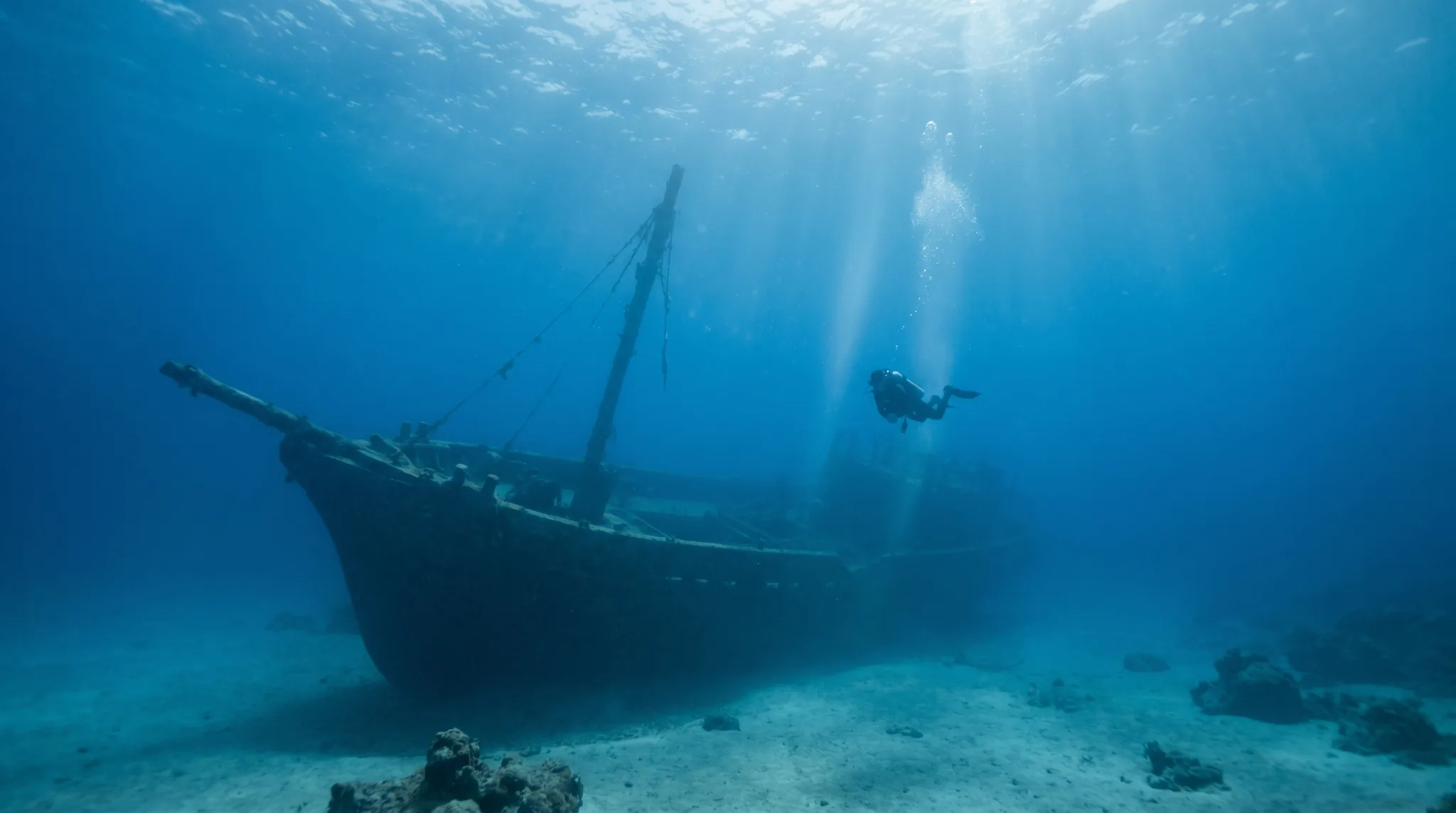
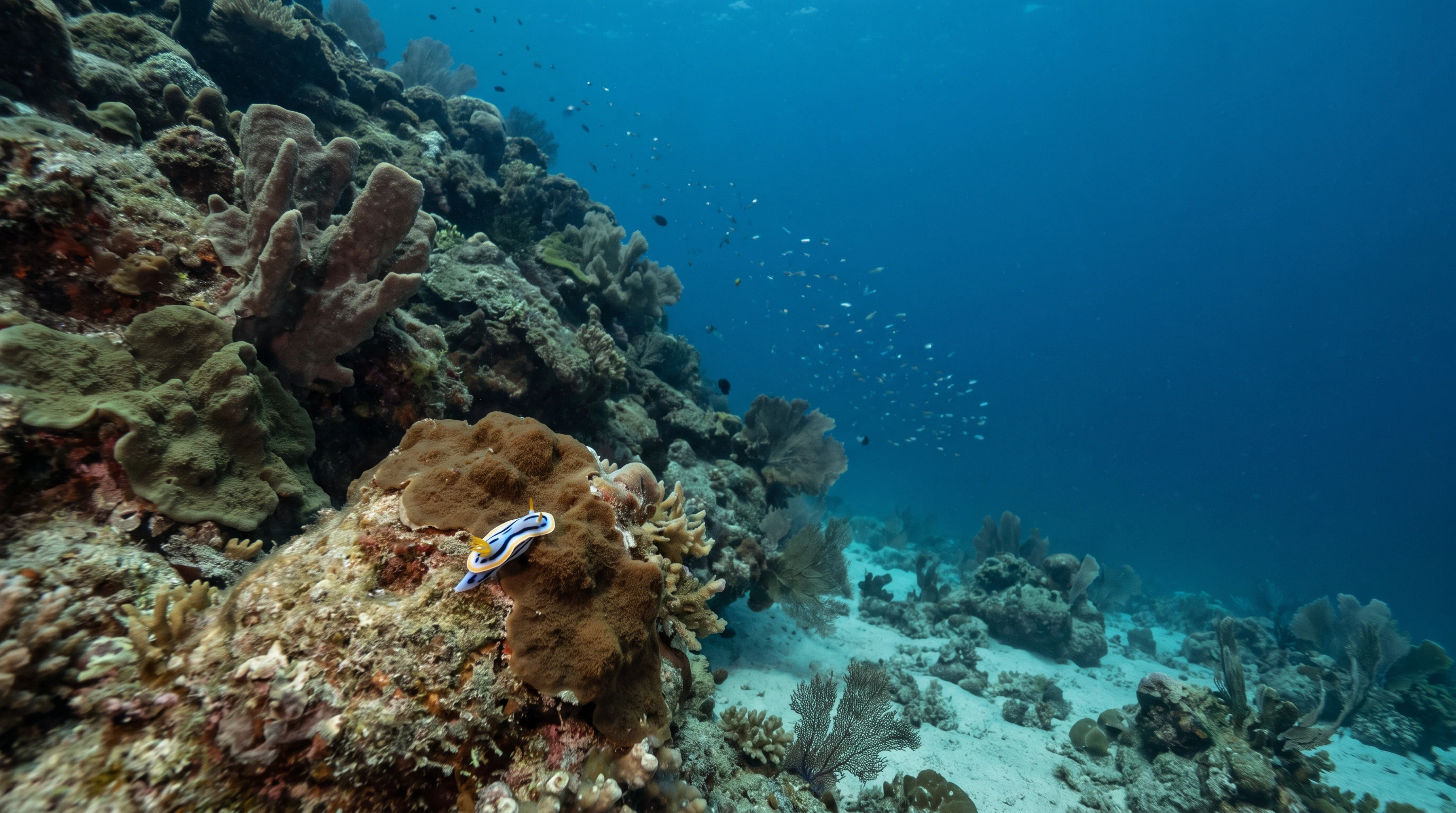
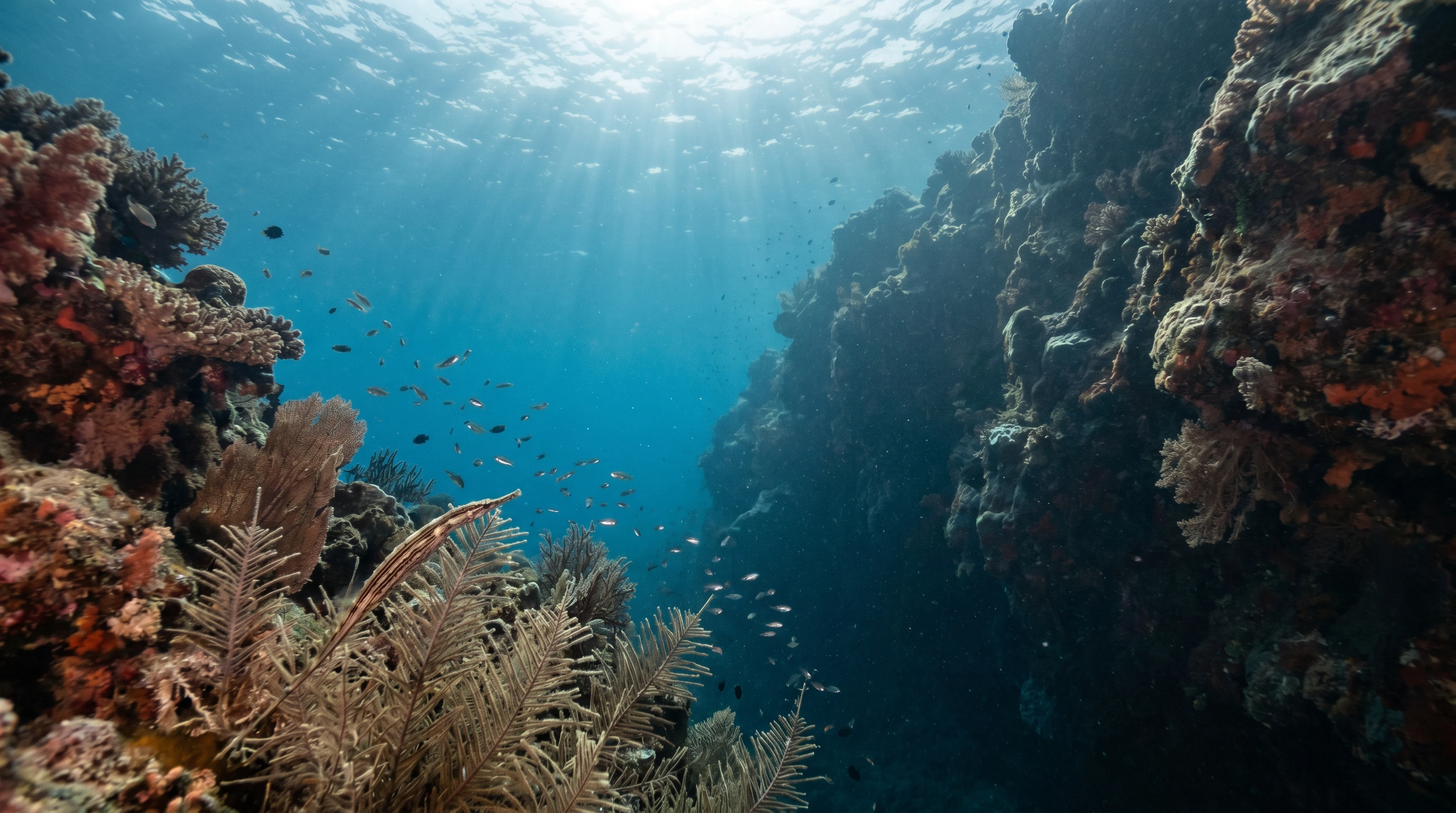
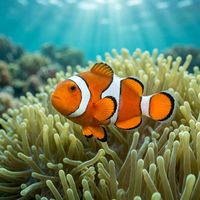
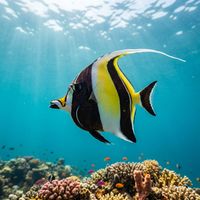
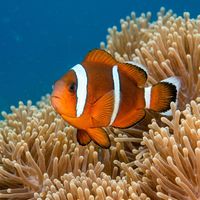
Sabah offers one of the most varied diving landscapes in Malaysia, spanning walls, drift dives, muck sites, reefs, and even caverns. Sipadan and Semporna anchors the region with its dramatic wall and drift diving, while Kota Kinabalu and Mantanani Island add shallower reef systems suited to a broader range of experience levels. Layang Layang stands apart as a remote atoll site, and Labuan brings wreck interest. Across all sub-areas, Moorish Idol, Common Clownfish, and Yellowtail Clownfish are constant companions, while macro hunters seek out Chromodoris Nudibranch, Ornate Ghostpipefish, and Peacock Mantis Shrimp.
7 areas
 128
128A region of contrasts: deep oceanic walls at Sipadan Island alongside rich muck diving on Mabul and Mataking, with extraordinary nudibranch and macro life throughout.
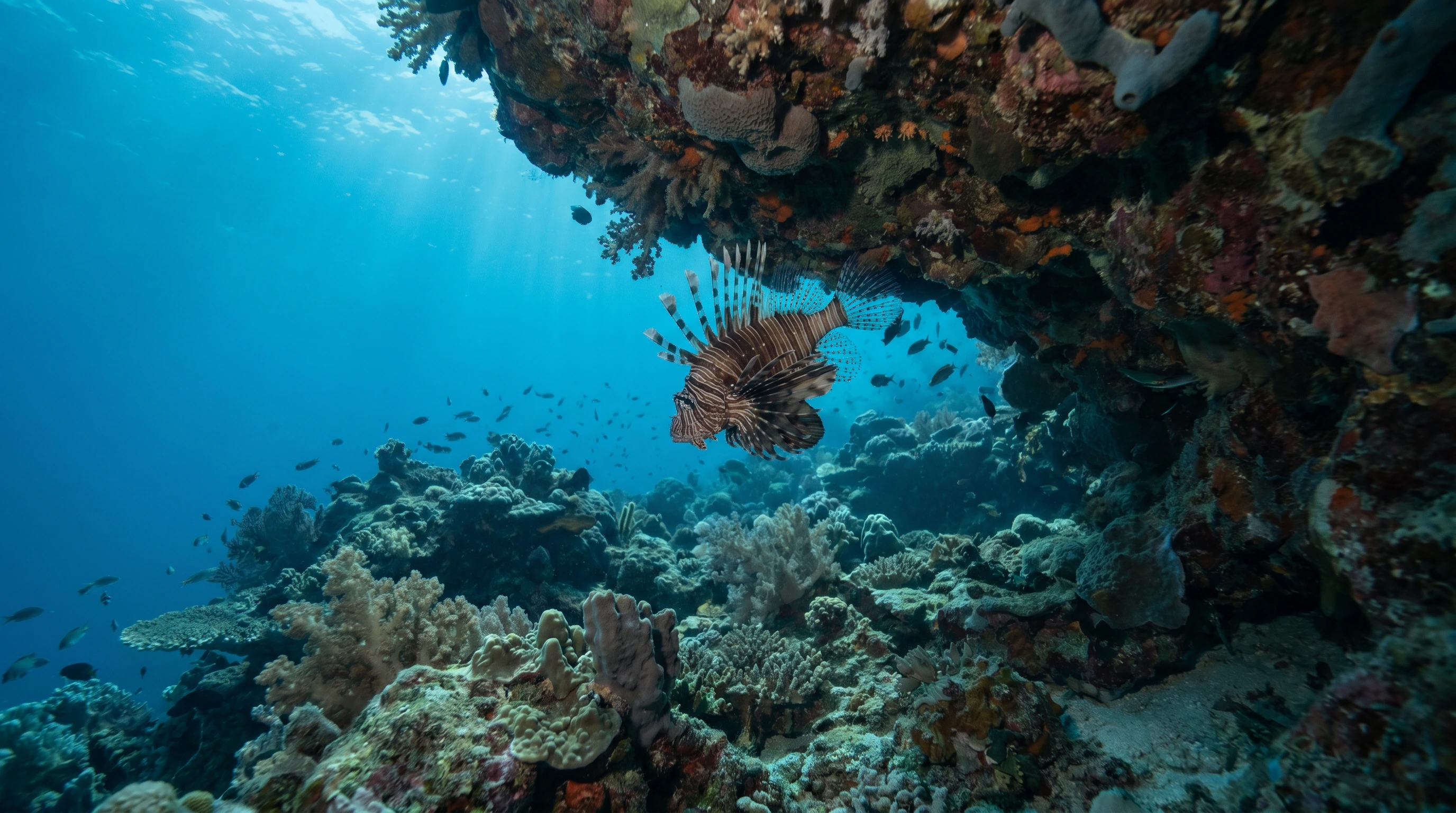
59Reef diving and snorkelling across island sites near Kota Kinabalu, with clownfish, lionfish and triggerfish among the most consistently recorded species.
24Reliable reef macro life, clownfish, rays and occasional Whale Shark sightings across a compact island site cluster in Sabah.
16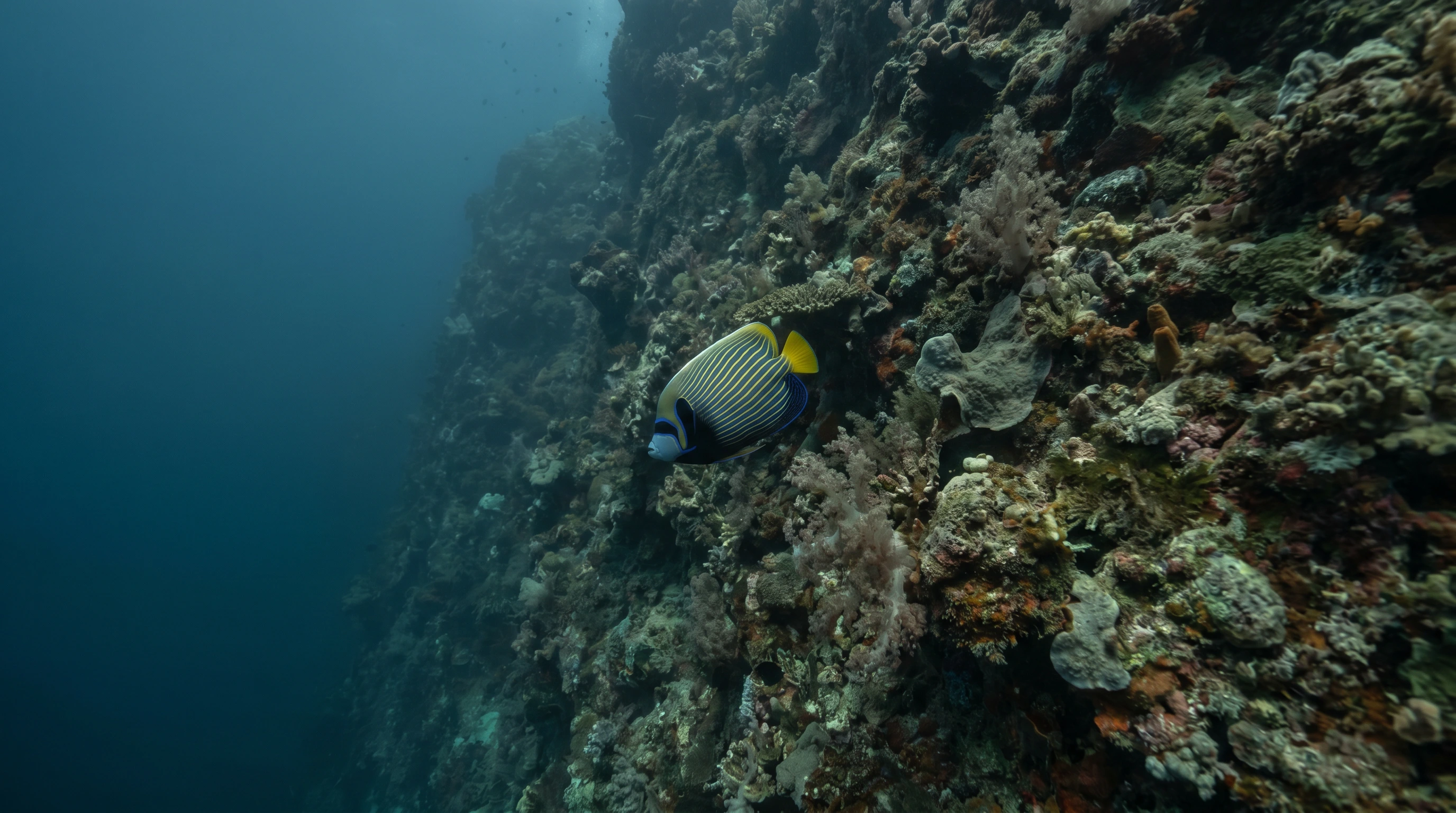
Monthly water temperature across Sabah's sites, from satellite sea-surface data corrected for depth. The band shows the site-to-site spread.
Water temperature stays warm throughout the year, barely dipping below the upper-twenties even in the cooler months of February and March, making thermal comfort a near-constant. The best-months data shows a clear peak running from March through October, when conditions favour visibility and calmer surface weather. November and December see a quieter period, which can bring more swell and reduced visibility at exposed sites such as Lands End and Hawksbill Highway.
121 operators
A small island off Sabah where reef and wreck diving share space with Zebra Shark and Napoleon Wrasse sightings across a tight cluster of boat-access sites.
Water temperature around Sabah ranges from about 28°C in February to 30°C in May, based on satellite sea-temperature data for its dive sites.
With water around 28–30°C, a rash guard or 3mm shorty works in Sabah year-round.
Fin maps 256 sites in Sabah (247 scuba diving sites and 45 snorkelling spots, with some suited to both), organised into 7 areas.
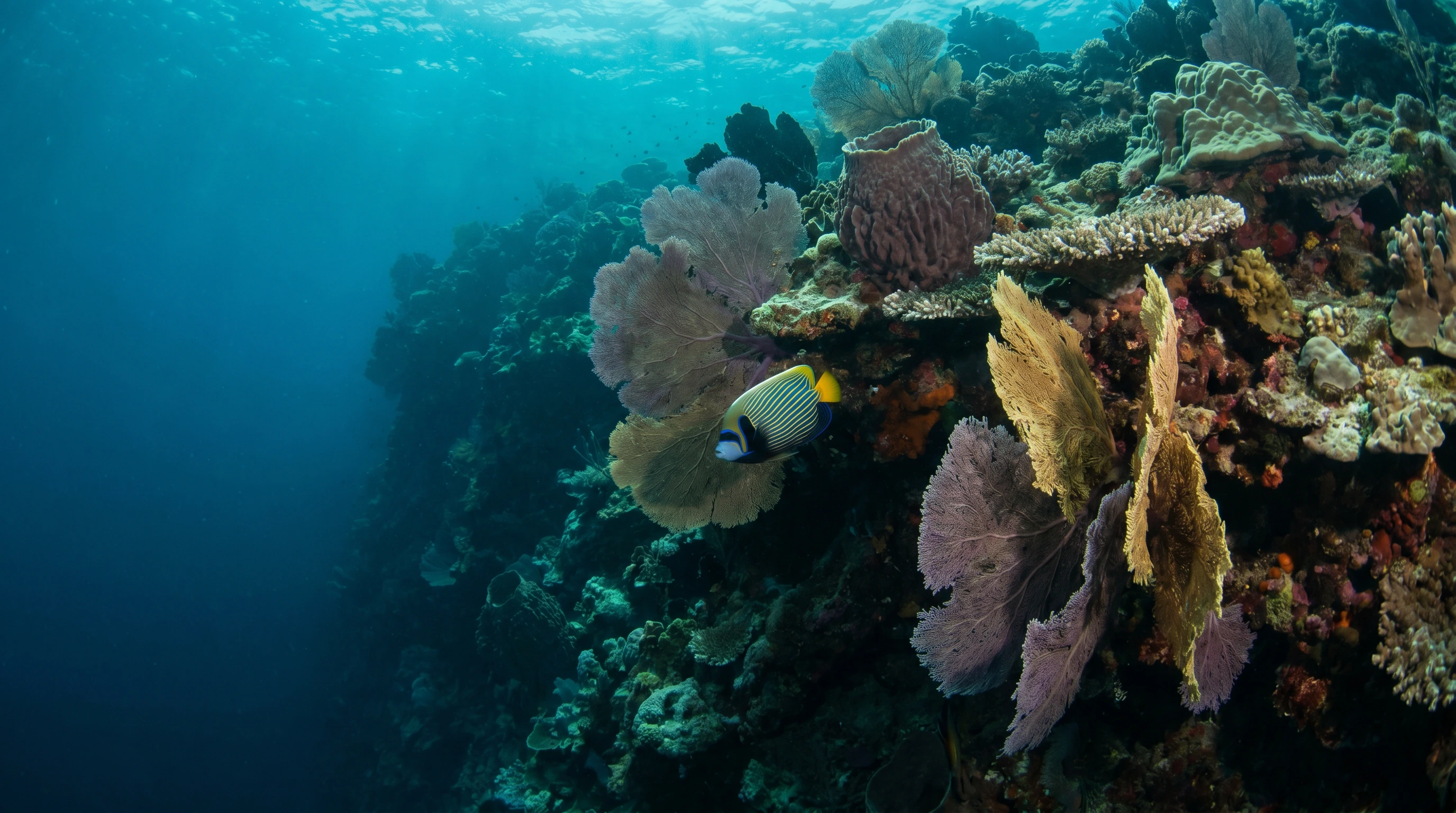
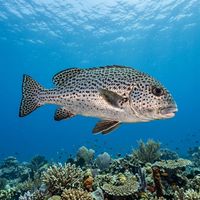
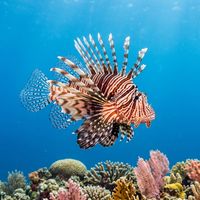
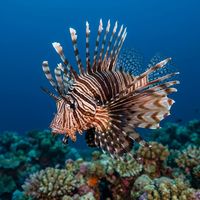
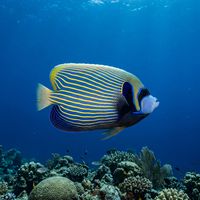
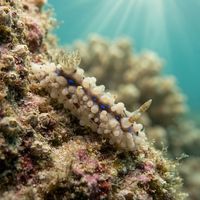
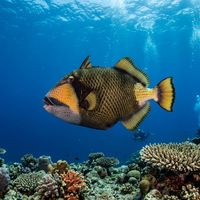
Sabah's sites host an extraordinary range of observed species. Reef fish such as Moorish Idol, Common Clownfish, Yellowtail Clownfish, and Emperor Angelfish are regularly seen, alongside Bluespotted Fantail Ray and Giant Moray. Macro enthusiasts are well served by Chromodoris Nudibranch, Nembrotha Nudibranch, Ornate Ghostpipefish, Peacock Mantis Shrimp, and Broadclub Cuttlefish, while signature species including the Napoleon Wrasse and Green Sea Turtle can also be encountered.
Yes, a good portion of Sabah's sites are rated for beginner level. Shallow muck and reef sites such as Nudibranch Heaven and Macro Mania have gentle depth profiles, and shore-entry options like Mataking Reef Resort allow easy access without boat logistics. More advanced sites, including the walls and drifts of Sipadan and Lands End, are best reserved for experienced divers comfortable with current.
Sipadan and Semporna is the largest sub-area and is defined by deep walls, strong drift dives, and the expert-level cave system at Turtle Tomb. Kota Kinabalu offers a good spread of reef sites closer to the main city, while Mantanani Island and Lankayan Island provide quieter, more intimate reef diving. Layang Layang is a remote atoll with a small number of sites suited to experienced divers, and Labuan adds wreck diving to the mix.
The majority of sites across Sabah are reached by boat, which is typical for island and offshore reef systems. However, shore-entry options do exist: Mataking Reef Resort and Pulau Mataking Kecil both allow entry from the shore, making them convenient for guests staying nearby. Operators such as Scuba Junkie KK, Downbelow Marine and Wildlife Adventures, and Dive Downbelow Beach House run regular boat trips to the offshore sites throughout the main season.