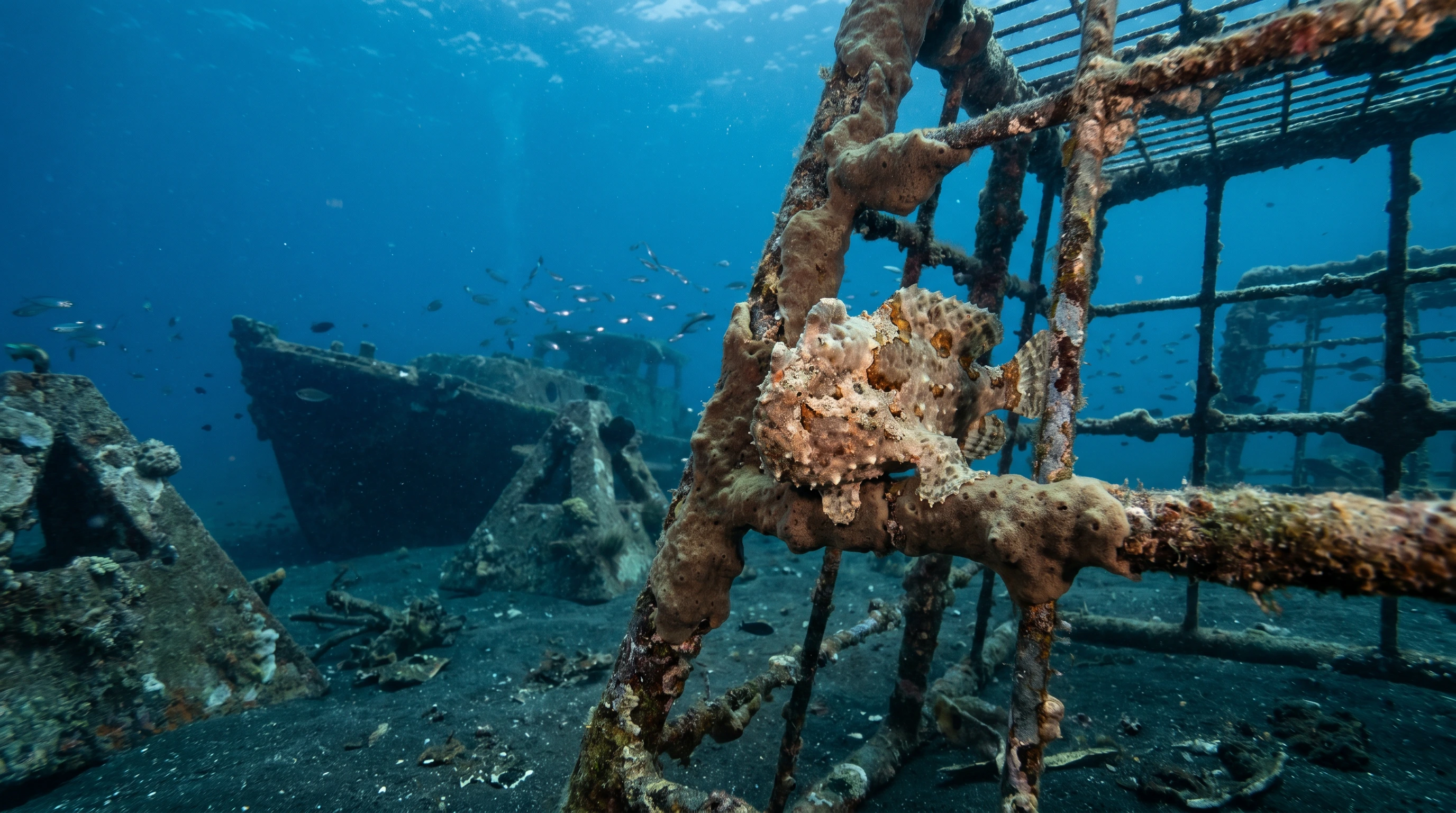
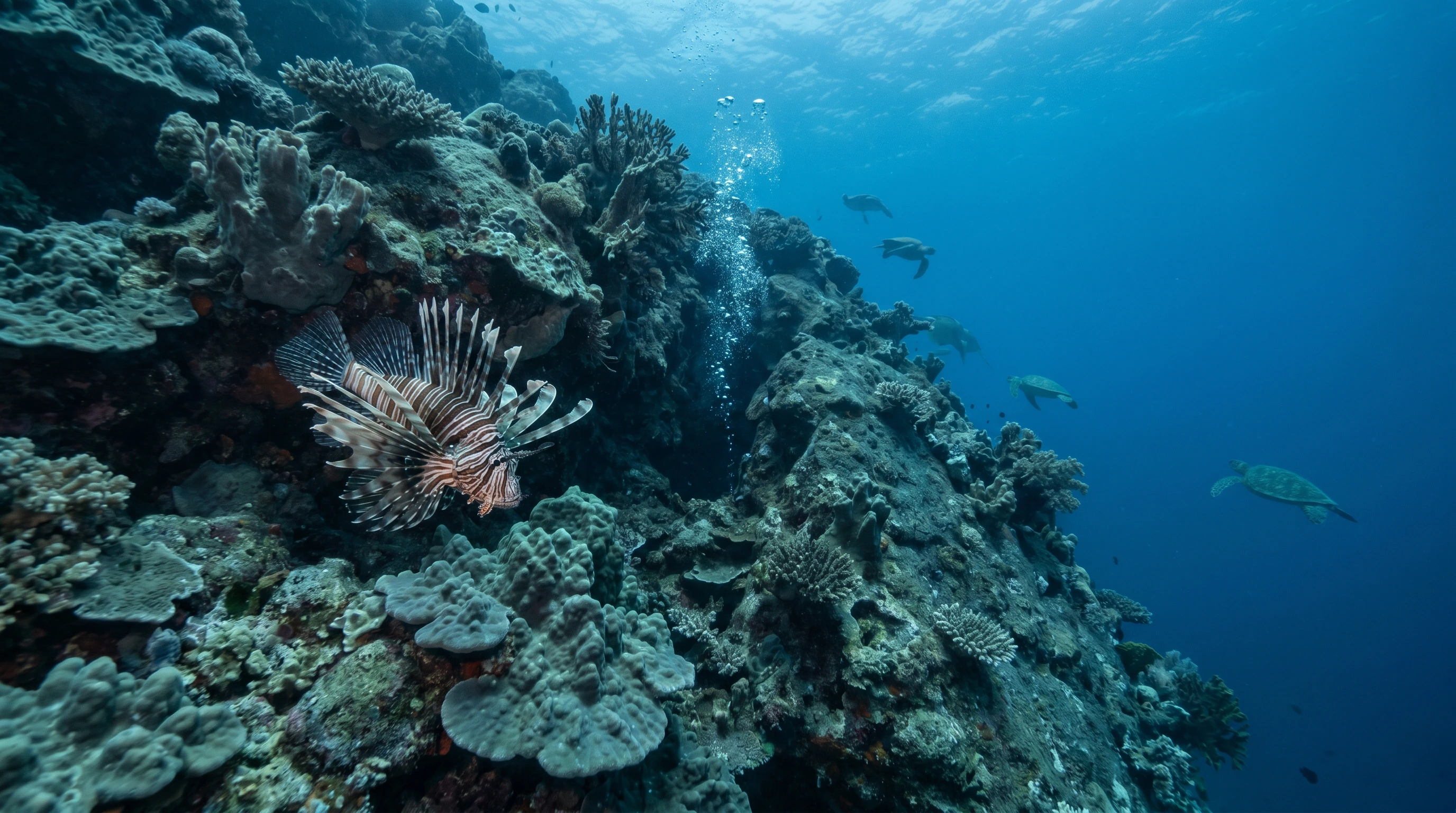
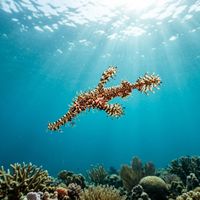
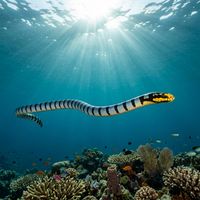
Siquijor is a reef-heavy destination with a strong muck diving character running through many of its sites. Sub-areas spread around the island, with Lazi holding the largest concentration of sites, followed by Tubod, Paliton, Salagdoong, and Sandugan. The site mix spans coral reefs, walls, drop-offs, muck slopes, seagrass beds, and artificial structures. Most sites suit beginner divers, making the island unusually accessible. Signature species include the Ornate Ghostpipefish, Chromodoris Nudibranch, and Sea Krait, observed reliably across the reef.
5 areas

Monthly water temperature across Siquijor's sites, from satellite sea-surface data corrected for depth. The band shows the site-to-site spread.
Water stays warm throughout the year, rising to its highest in the middle months and dipping only slightly toward February. The strongest diver activity concentrates from March through July, with May the clear peak, suggesting calmer and clearer conditions during that window. September and October see noticeably fewer divers, likely reflecting less settled weather and reduced visibility.
80 operators
36 more sites to explore
Beginner-friendly muck and reef diving on Siquijor, with Ornate Ghostpipefish, Frogfish, and a rich nudibranch community.
Water temperature around Siquijor ranges from about 27°C in February to 30°C in July, based on satellite sea-temperature data for its dive sites.
With water around 27–30°C, a rash guard or 3mm shorty works in Siquijor year-round.
Fin maps 48 sites in Siquijor (47 scuba diving sites and 3 snorkelling spots, with some suited to both), organised into 5 areas.
Across Siquijor's dive sites, March, April, May and June are most often reported as the best months to visit.
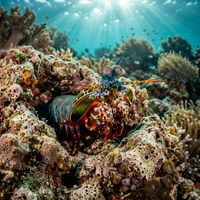
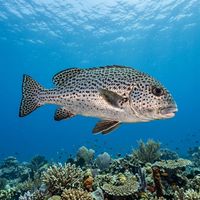
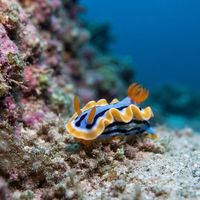
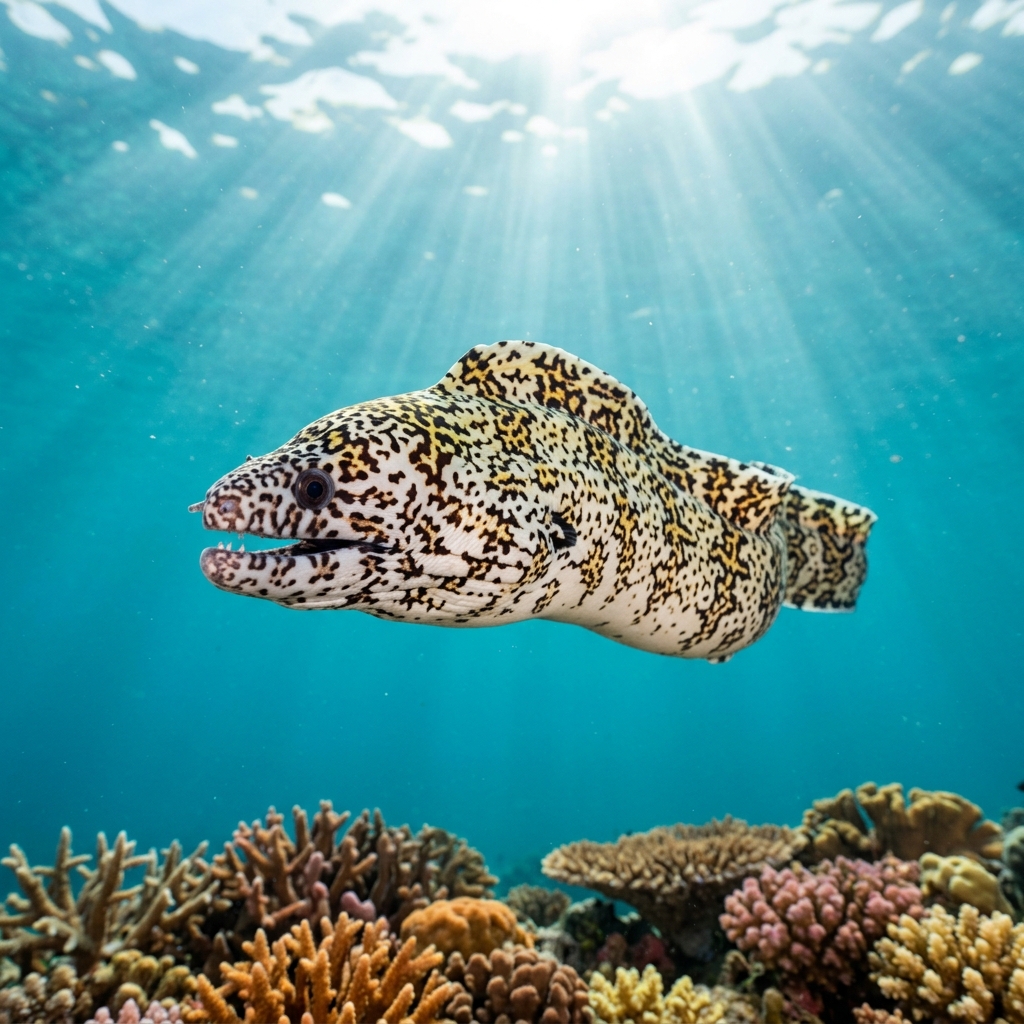
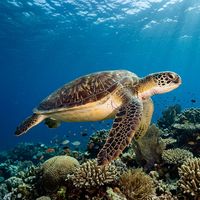
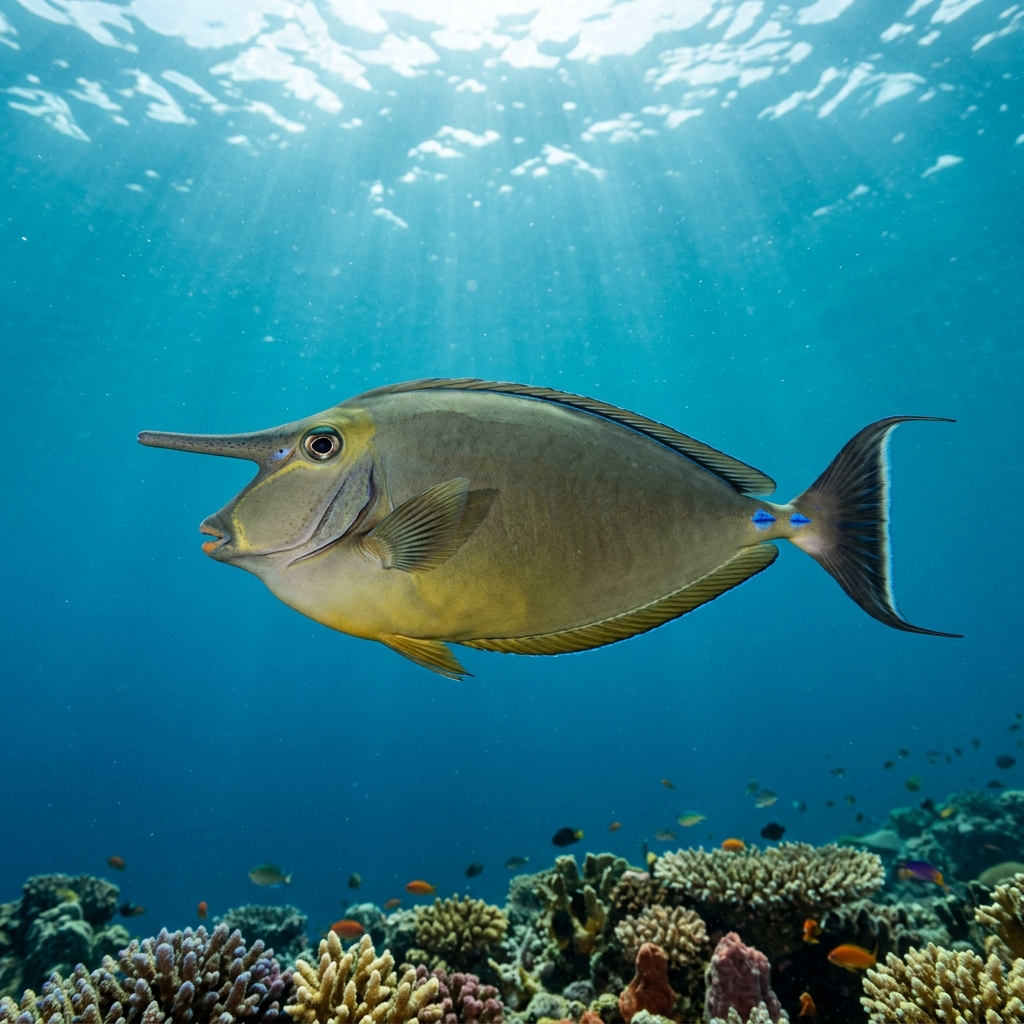
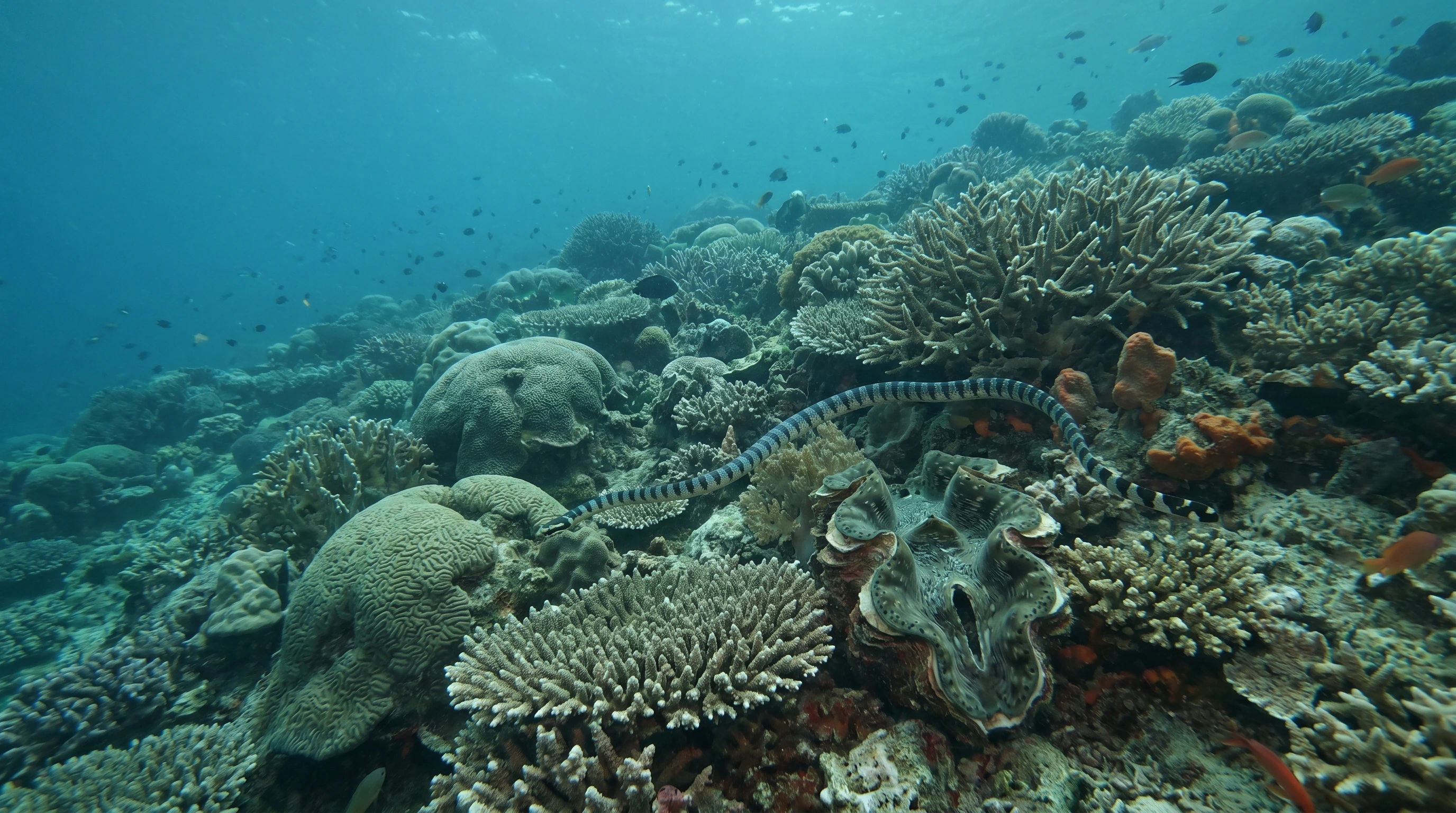
Siquijor's reefs are particularly rich in cryptic and small-bodied species. The Ornate Ghostpipefish, Chromodoris Nudibranch, and Nembrotha Nudibranch are observed across the vast majority of sites. Sea Krait, Ribbon Eel, Peacock Mantis Shrimp, and Harlequin Sweetlips are also frequently recorded. Green Sea Turtle sightings occur occasionally, and Whale Shark appears among the island's signature species.
The overwhelming majority of Siquijor's sites are rated for beginners, including popular spots such as Talayong Marine Sanctuary, Gabayan Bay, and Lazi Bay Pier. Shallow entry points at reef and muck sites give newer divers plenty of comfortable options. A smaller number of sites, such as Balayang Kugtong, are rated intermediate, providing progression for those building experience.
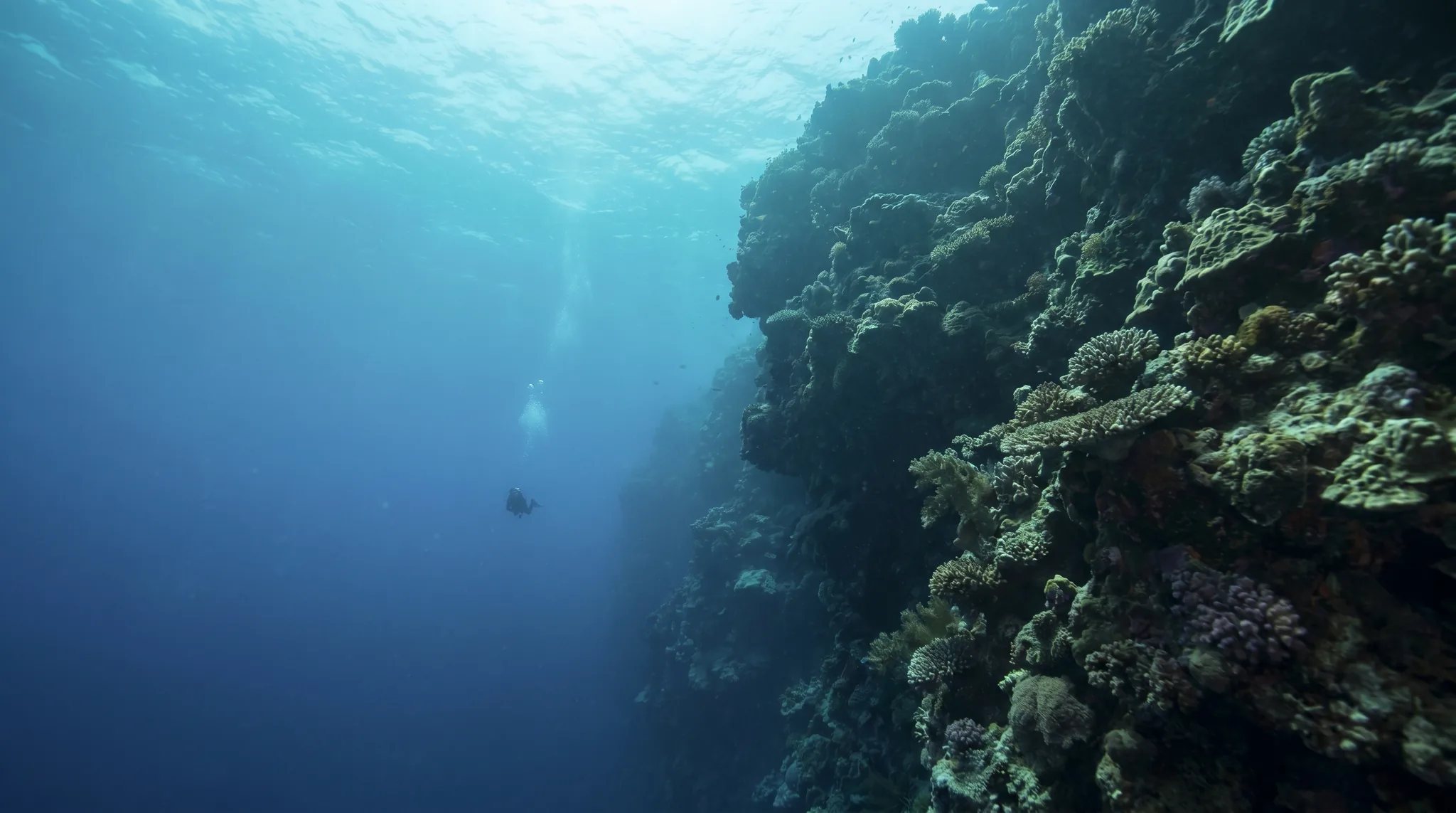
Lazi has the largest concentration of sites and includes the muck and artificial reef character of Lazi Bay Pier alongside reef sanctuaries. Tubod features a mix of reef, wall, and artificial reef structures. Paliton and Salagdoong offer reef diving with both shore and boat access at several sites. Sandugan rounds out the island's coverage with its own cluster of reef sites.
Both access types are well represented. Sites such as Lower Cabangcalan Sanctuary, Sabas Slope, and Bahura Dive House Reef allow shore entry, giving independent divers flexibility. Several other sites, including Sawang Reef, Gabayan Reef, and Campalans Wall, are boat-access only. Operators including Vibrations Dive Center, Reef Turtle Dive Center, and Mystic Diving Services are based in the region to facilitate boat trips.