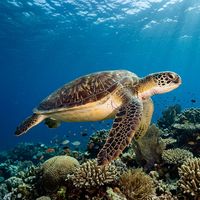
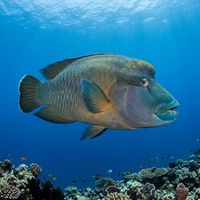
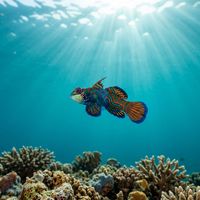
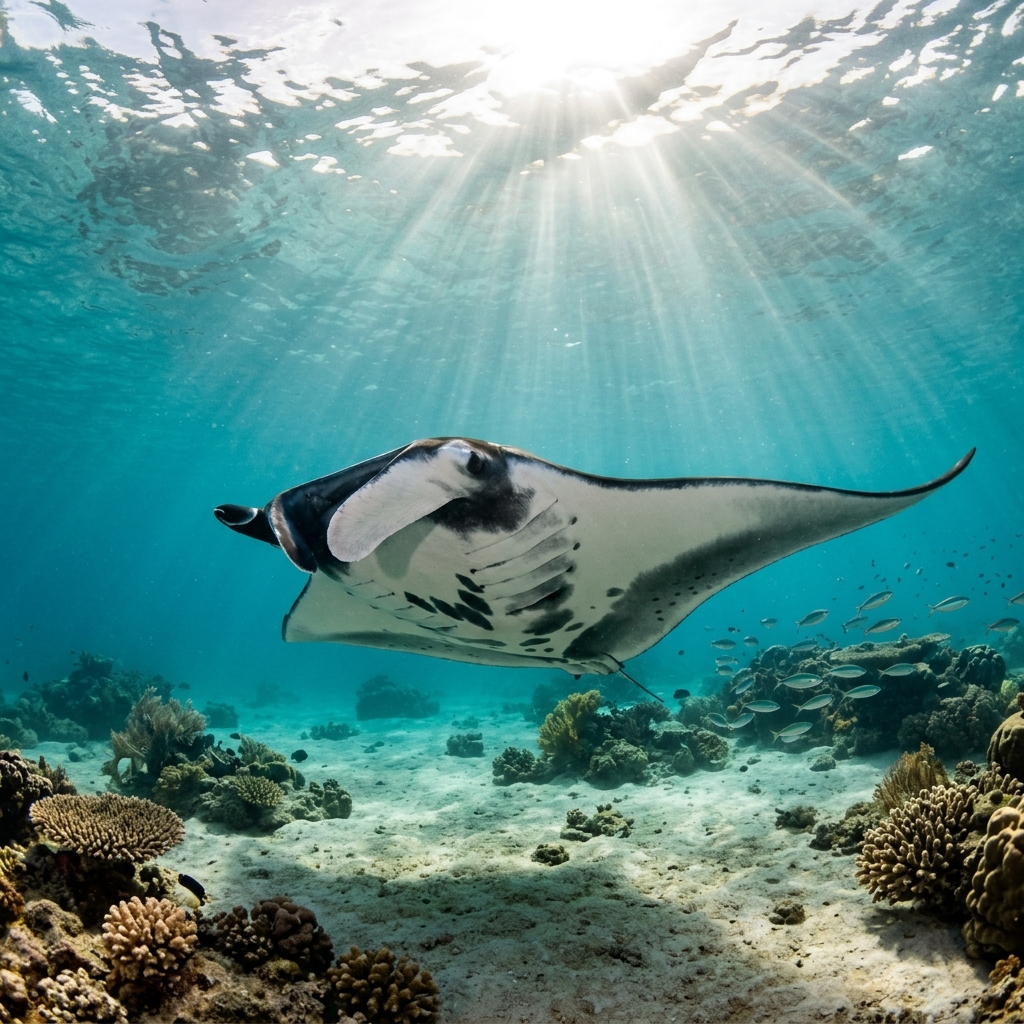
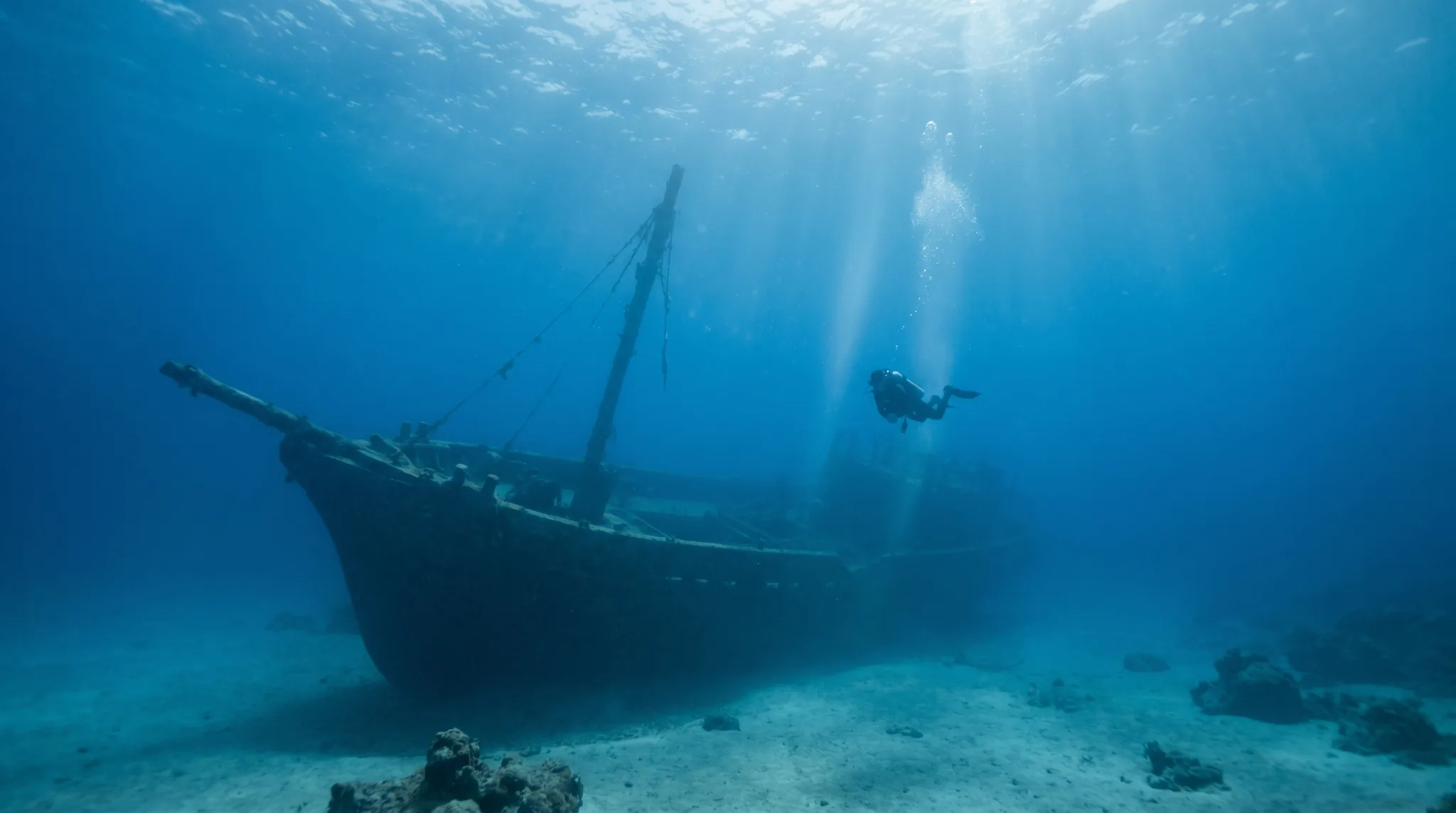
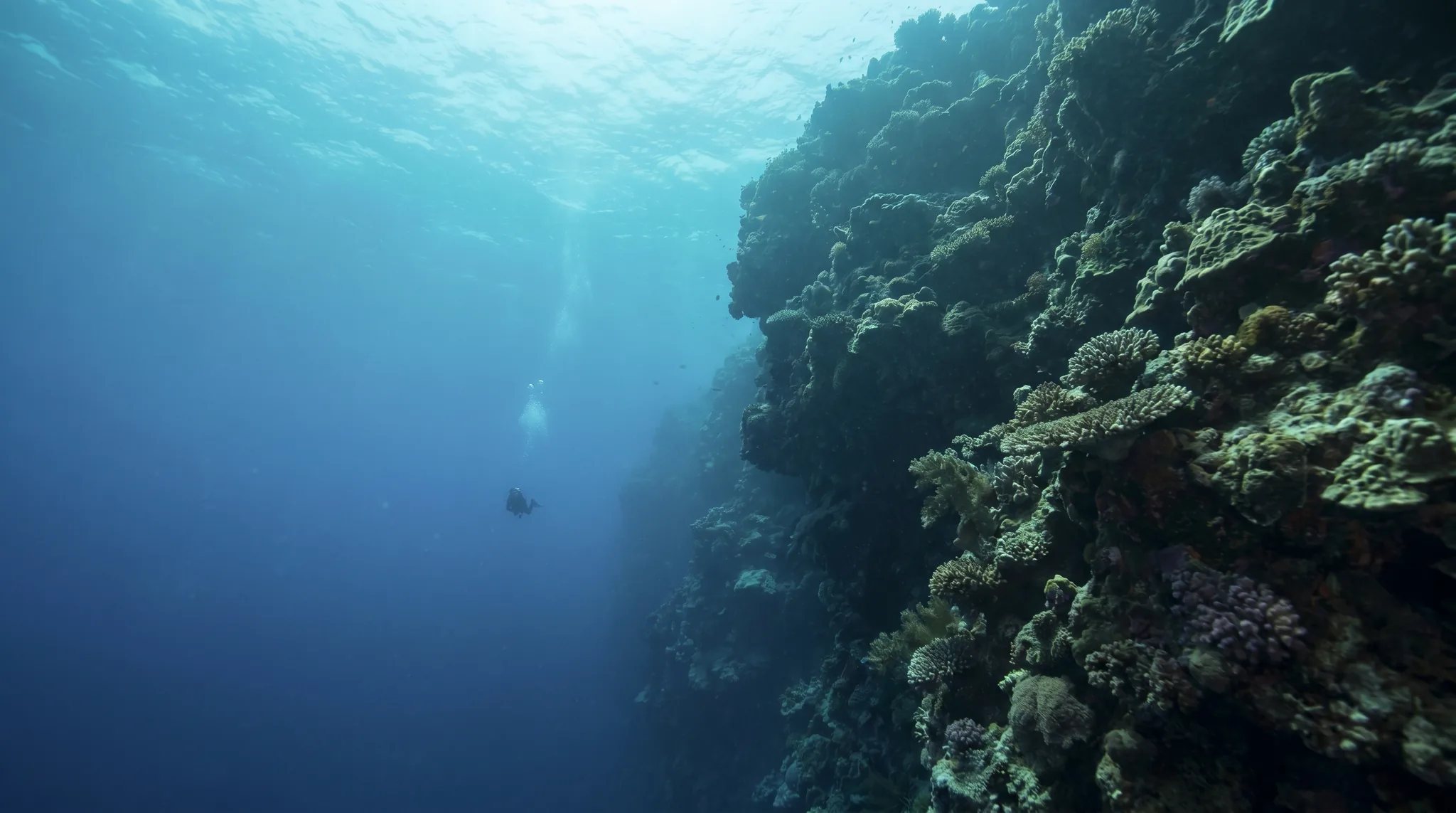
Palawan spans six distinct sub-areas, each with a different character. Coron is built around Japanese WWII wrecks such as the Kogyo Maru and Kyokuzan Maru. Tubbataha Reefs delivers remote liveaboard diving on sheer walls and drift sites. El Nido offers shallow reefs and limestone scenery. Port Barton and Puerto Princesa present quieter, less-visited alternatives, while Balabac sits at the far south with deep reef sites and strong currents. Across all areas, observed species include the Green Sea Turtle, Napoleon Wrasse, Mandarinfish and Reef Manta Ray. Warm water persists year-round, with the clearest conditions arriving between March and May.
6 areas
 48
48A dense fleet of Japanese wartime wrecks paired with reef dives across four distinct sub-areas, suiting beginners through advanced divers.
 31
31Limestone walls, caverns and reef slopes with reliable Green Sea Turtle sightings and diverse clownfish across all skill levels.
 30
30Deep walls, strong drift diving, and reliable shark and pelagic encounters across a remote, boat-access reef system.
21Monthly water temperature across Palawan's sites, from satellite sea-surface data corrected for depth. The band shows the site-to-site spread.
Water temperature stays warm throughout the year, rising slightly from early in the year toward the middle months. The best diving conditions fall between March and May, when visibility is at its peak and seas are calmer. From July through September, wetter and rougher conditions affect much of Palawan, making liveaboard planning for Tubbataha especially season-dependent.
80 operators
El Nido, Philippines
Boat-access reef diving with consistent turtle encounters, resident moray eels, and occasional Whale Shark sightings off Palawan.
Water temperature around Palawan ranges from about 28°C in January to 30°C in May, based on satellite sea-temperature data for its dive sites.
With water around 28–30°C, a rash guard or 3mm shorty works in Palawan year-round.
Fin maps 159 sites in Palawan (138 scuba diving sites and 32 snorkelling spots, with some suited to both), organised into 6 areas.
Across Palawan's dive sites, March, April, May and November are most often reported as the best months to visit.
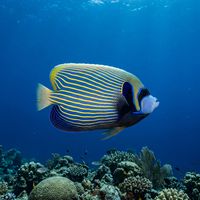
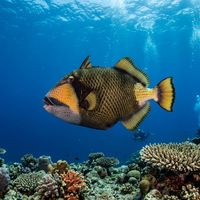
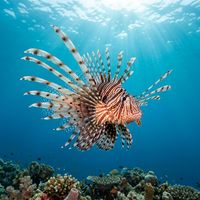
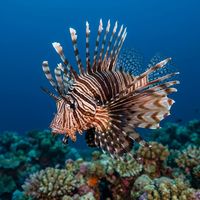
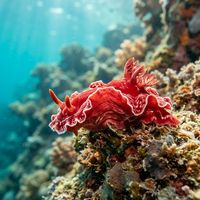
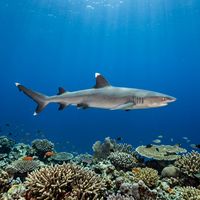
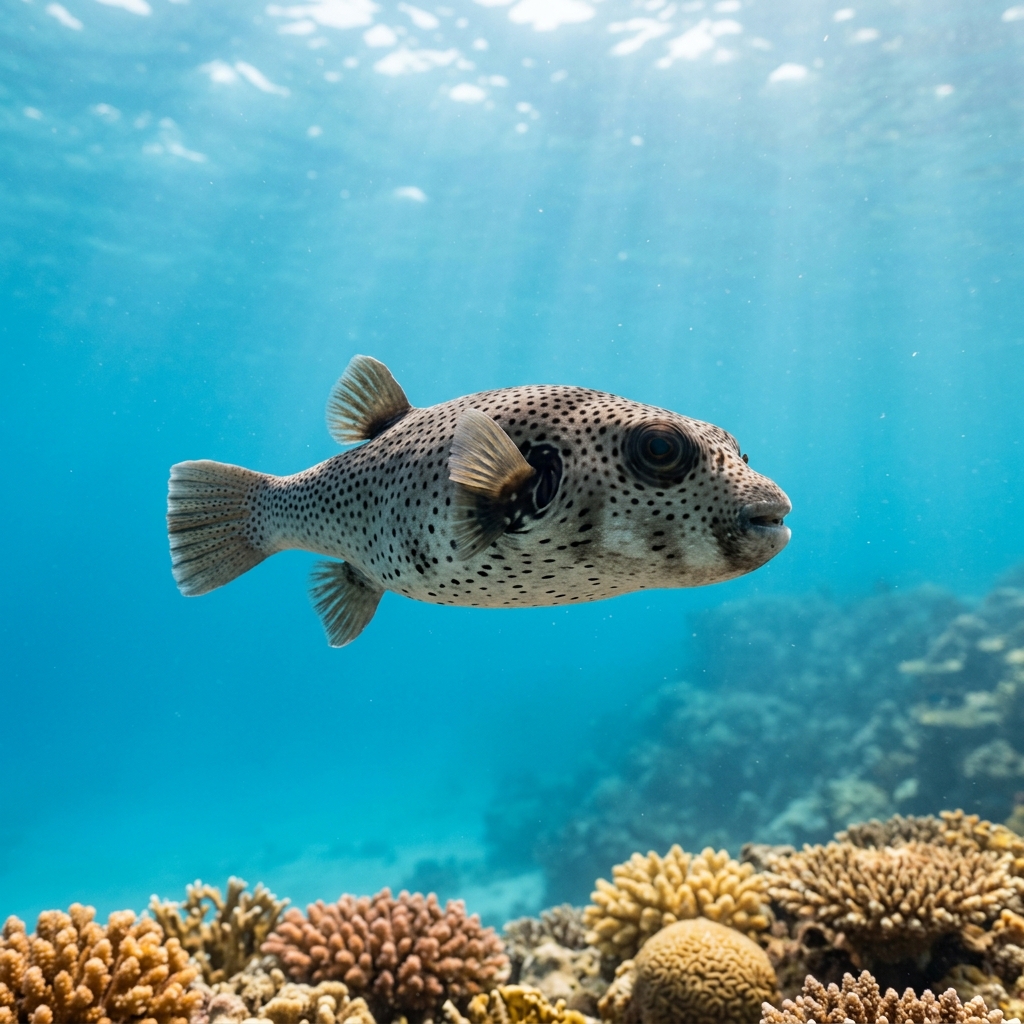
Palawan's observed species list is broad and varied. Very commonly seen are the Chromodoris Nudibranch, Blackspotted Pufferfish and Common Clownfish. Divers regularly encounter the Green Sea Turtle, Napoleon Wrasse, Whitetip Reef Shark and Harlequin Sweetlips, while the Reef Manta Ray and Spanish Dancer appear on occasion. The Mandarinfish and Emperor Angelfish are also well-represented across sites.
Yes, Palawan has sites that cater to all skill levels. Beginner-rated sites such as El Nido Tour A and Bahura offer shallow reef dives accessible by boat in calm conditions. Intermediate divers have a wide selection including wall and drift sites at Tubbataha Reefs. Advanced divers are drawn to deep wrecks in Coron and challenging reef sites in Balabac.
Coron is the wreck-diving hub, with multiple Japanese WWII freighters resting at recreational to advanced depths. Tubbataha Reefs is a remote, liveaboard-only destination with vertical walls dropping to great depth. El Nido focuses on shallow reef and snorkel touring within limestone lagoons. Port Barton and Puerto Princesa are quieter alternatives with smaller site counts, and Balabac in the far south offers deep, current-driven reef dives.
Based on the listed sites, boat access is required across Palawan's top dive locations. This applies equally to the wrecks of Coron, the atoll walls of Tubbataha Reefs, and the reef sites of El Nido and Balabac. Operators including Dive Center Coron, Aquanaut Dive Center and Turtle Divers organise boat departures from their respective bases, so planning through a local operator is the standard approach.