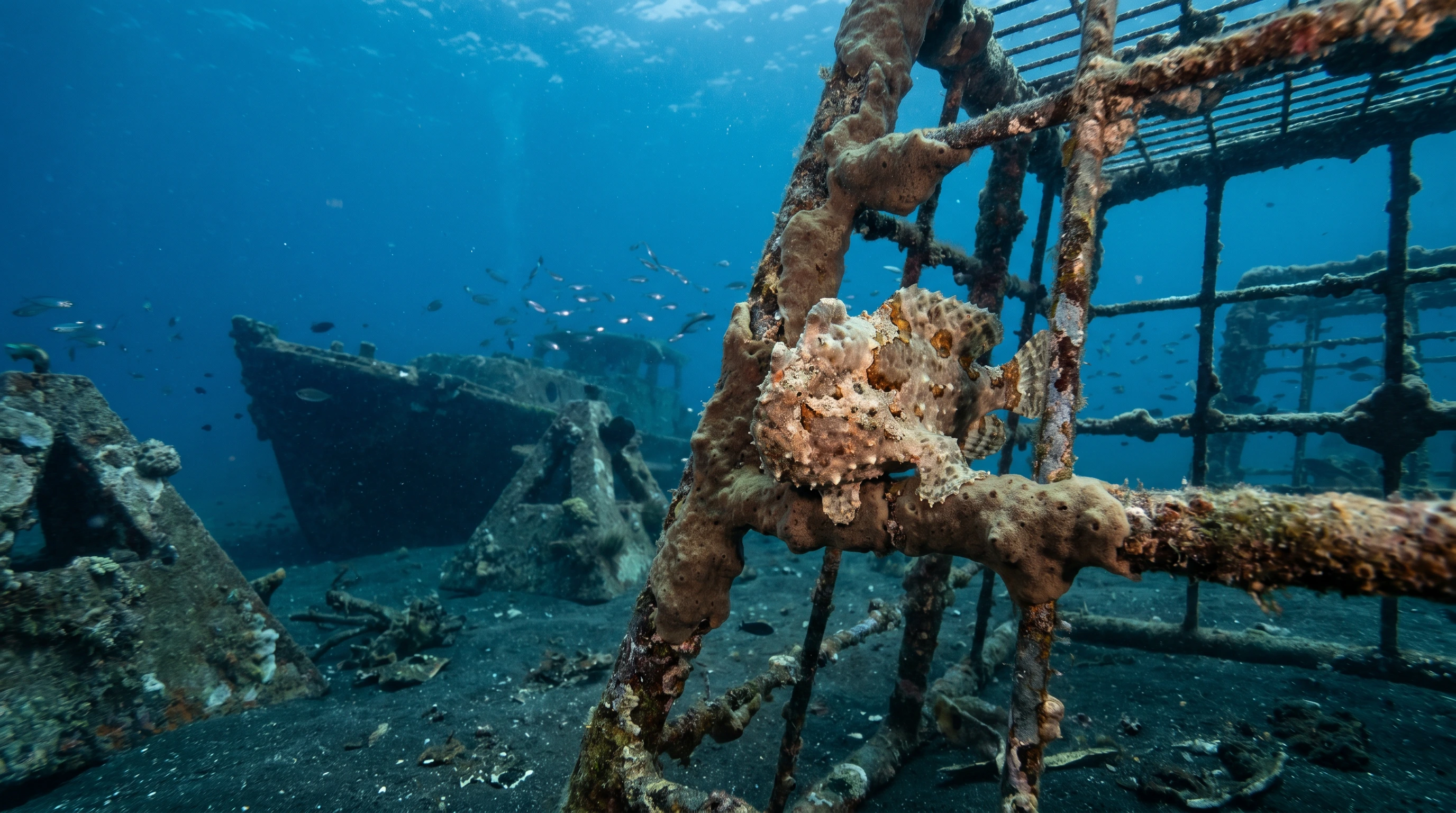
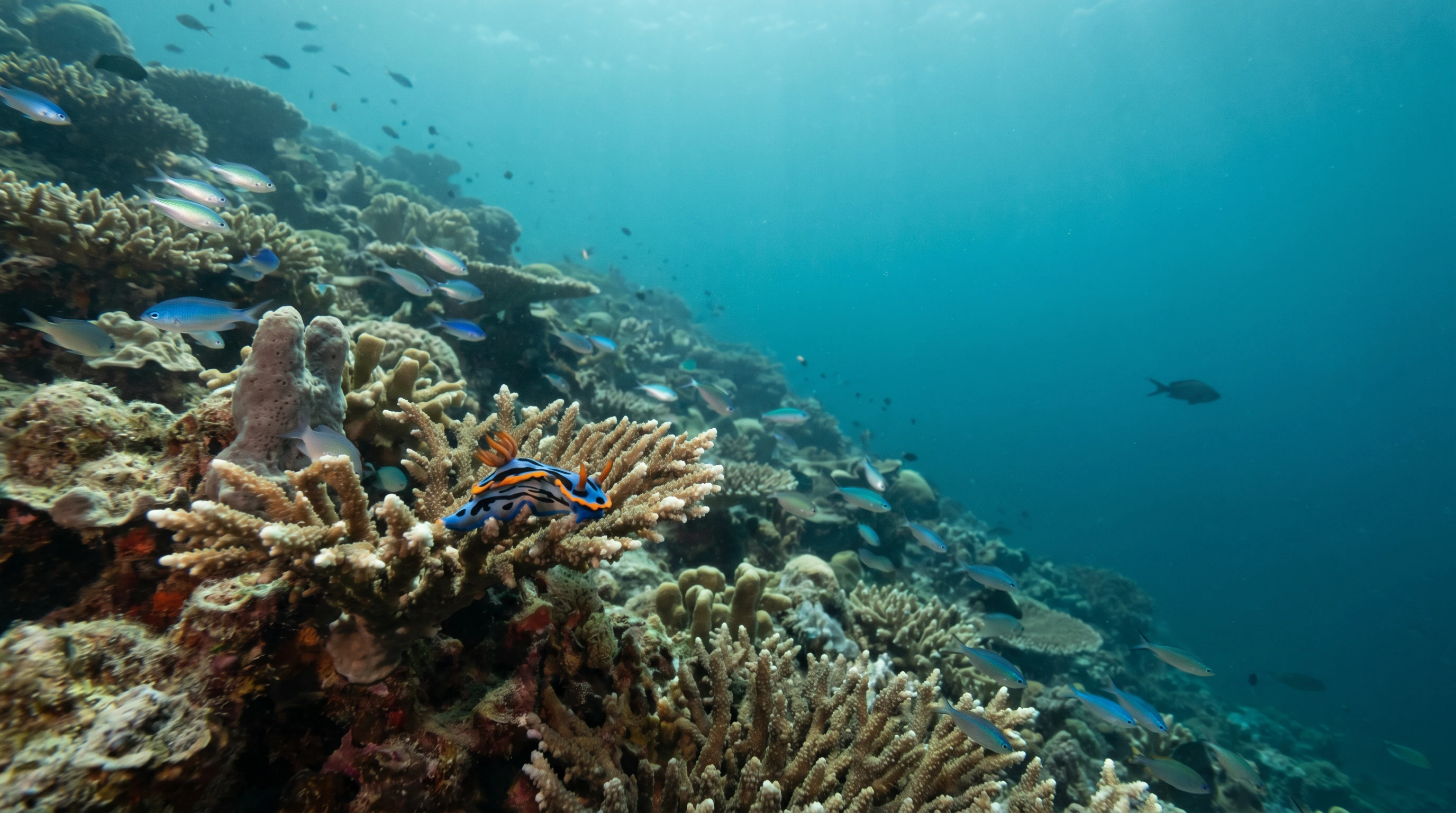
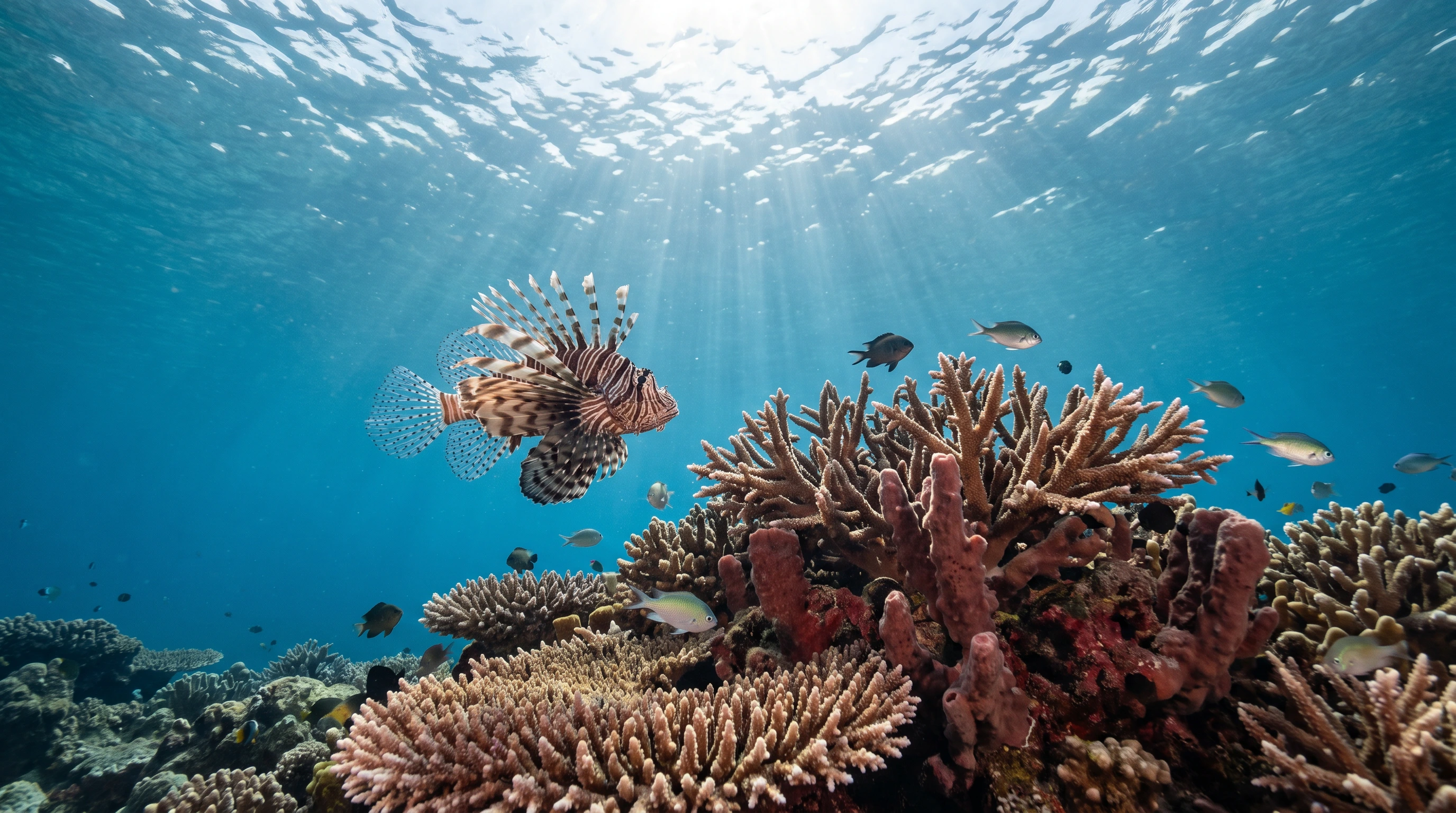
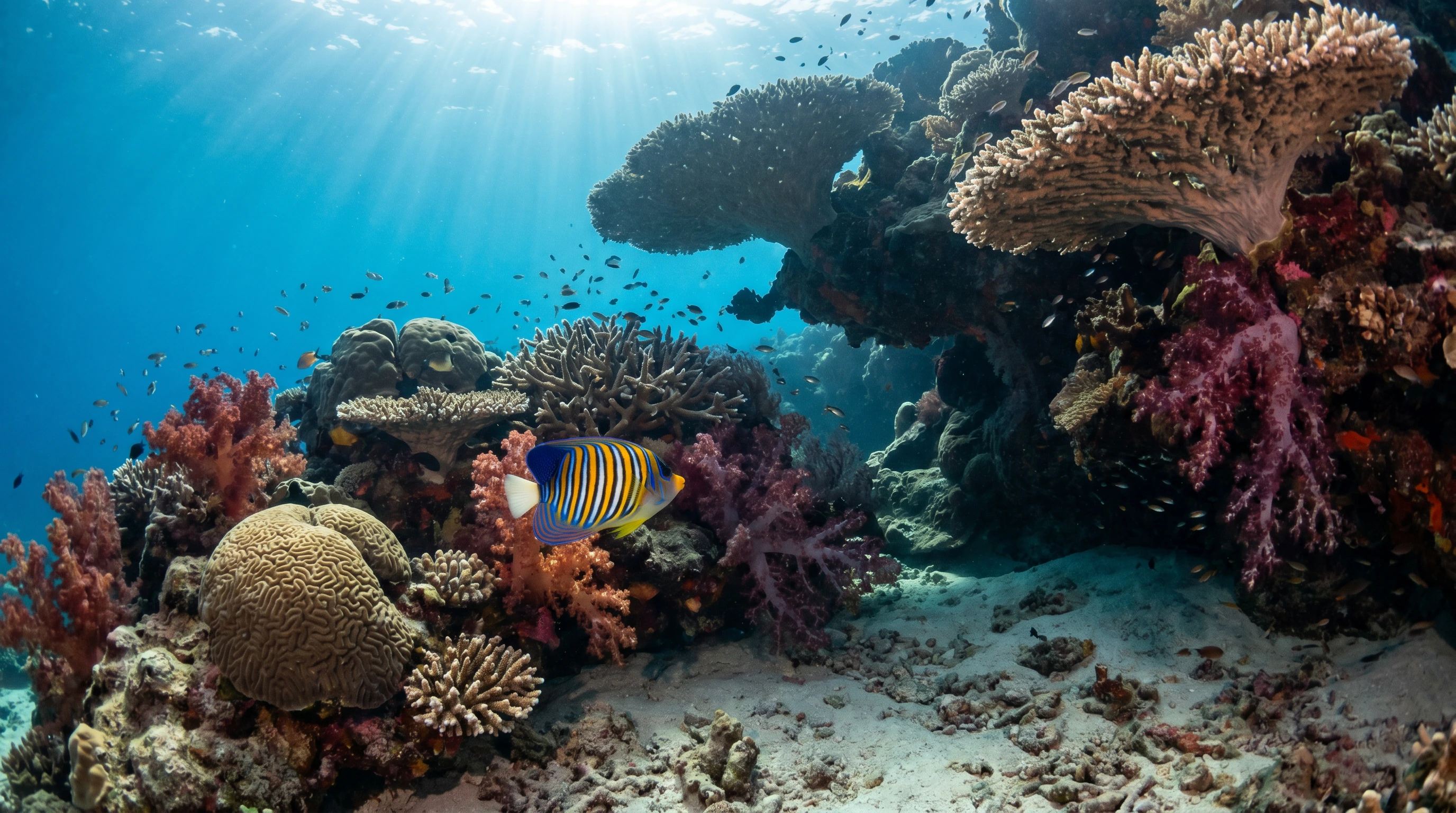
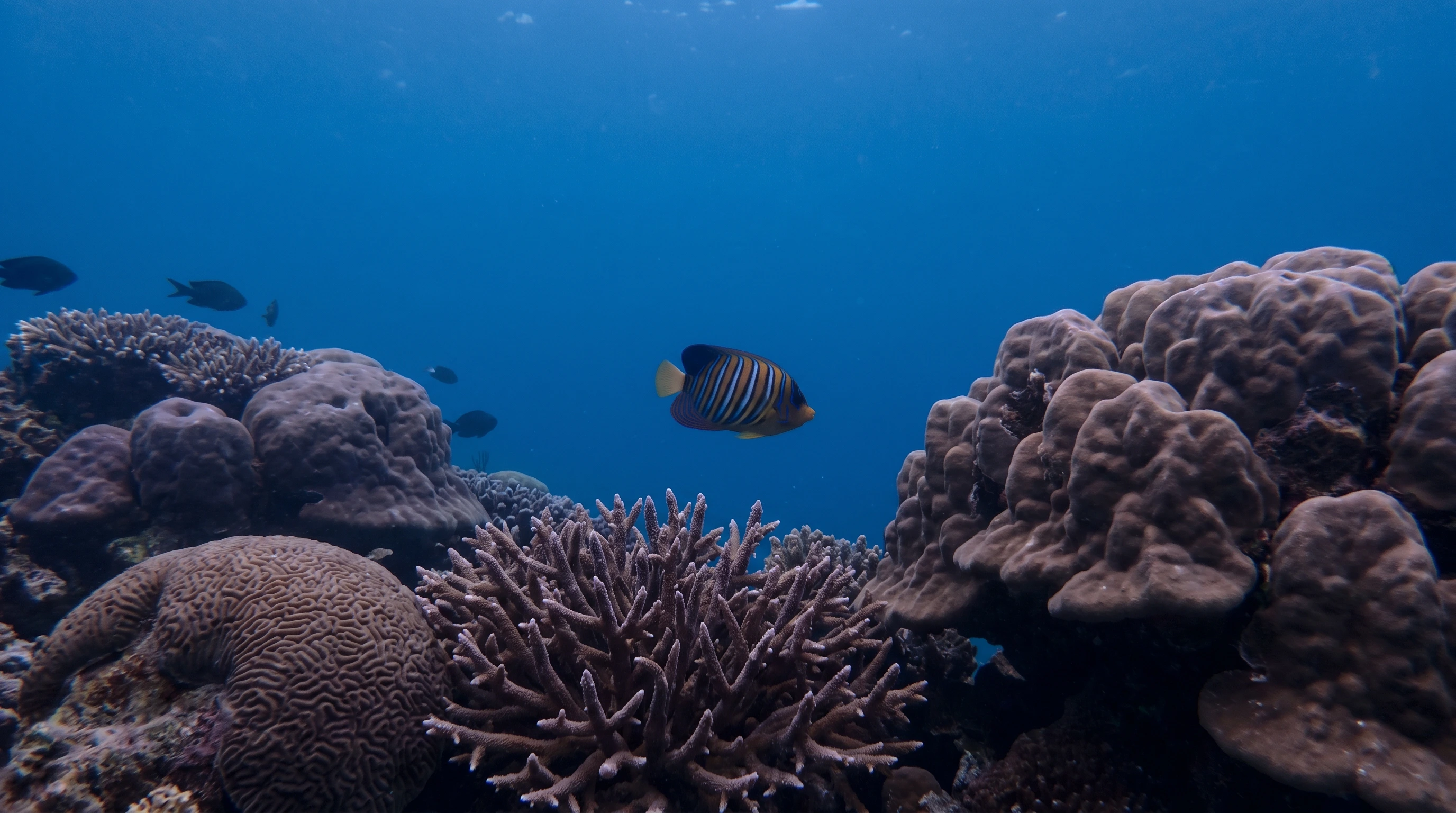
Apo Island's dive sites range from gently sloping reefs suited to beginners at Rock Point East through to demanding drift dives and walls at Coconut Point and Cogon, where strong currents require advanced skills. The underwater character is defined by reef diversity and an exceptional nudibranch population, with the Giant Frogfish, Chromodoris Nudibranch, and Regal Angelfish recorded across virtually every site. All diving is by boat, and conditions vary enough across the island's different points to keep divers returning.
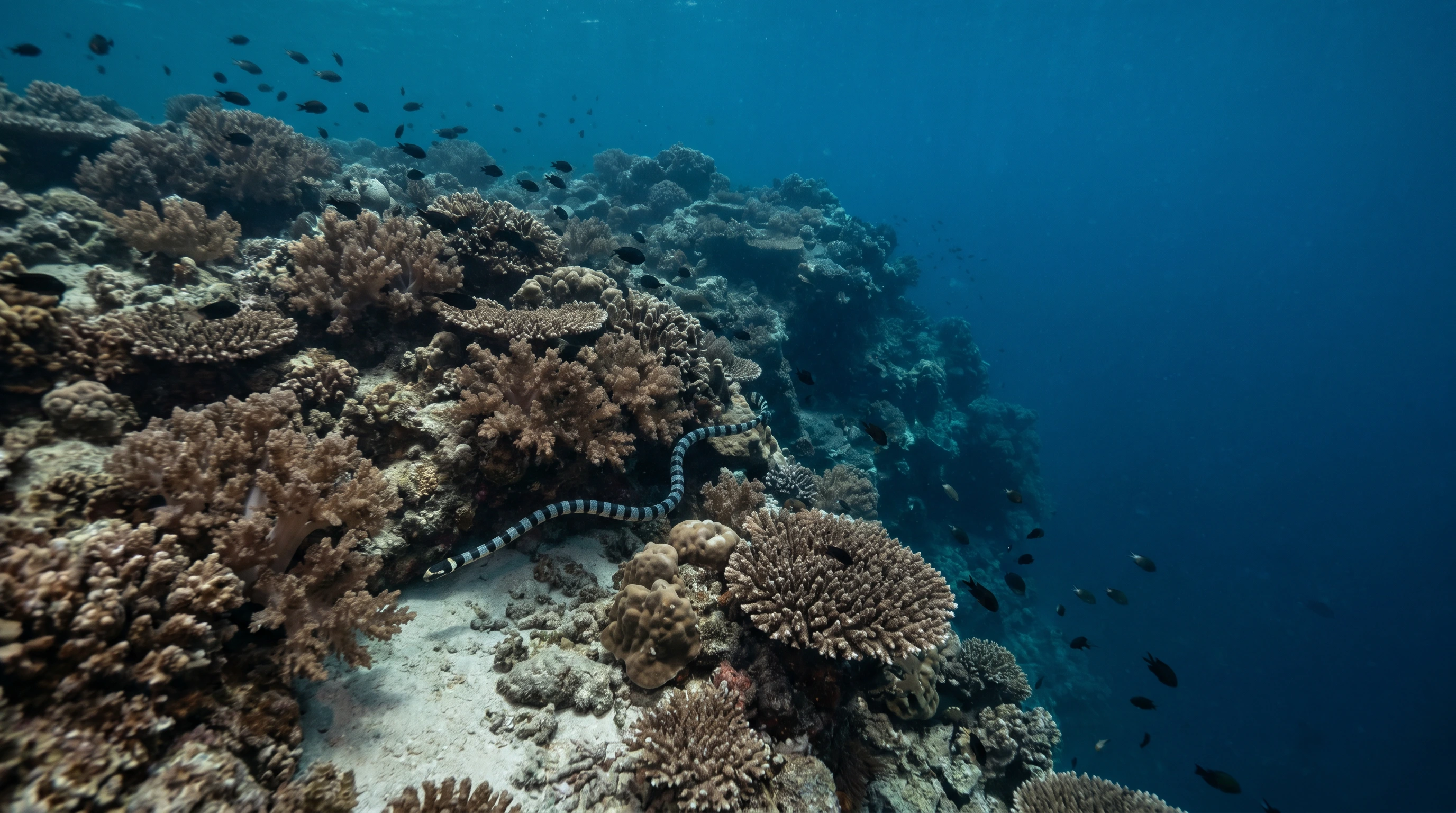
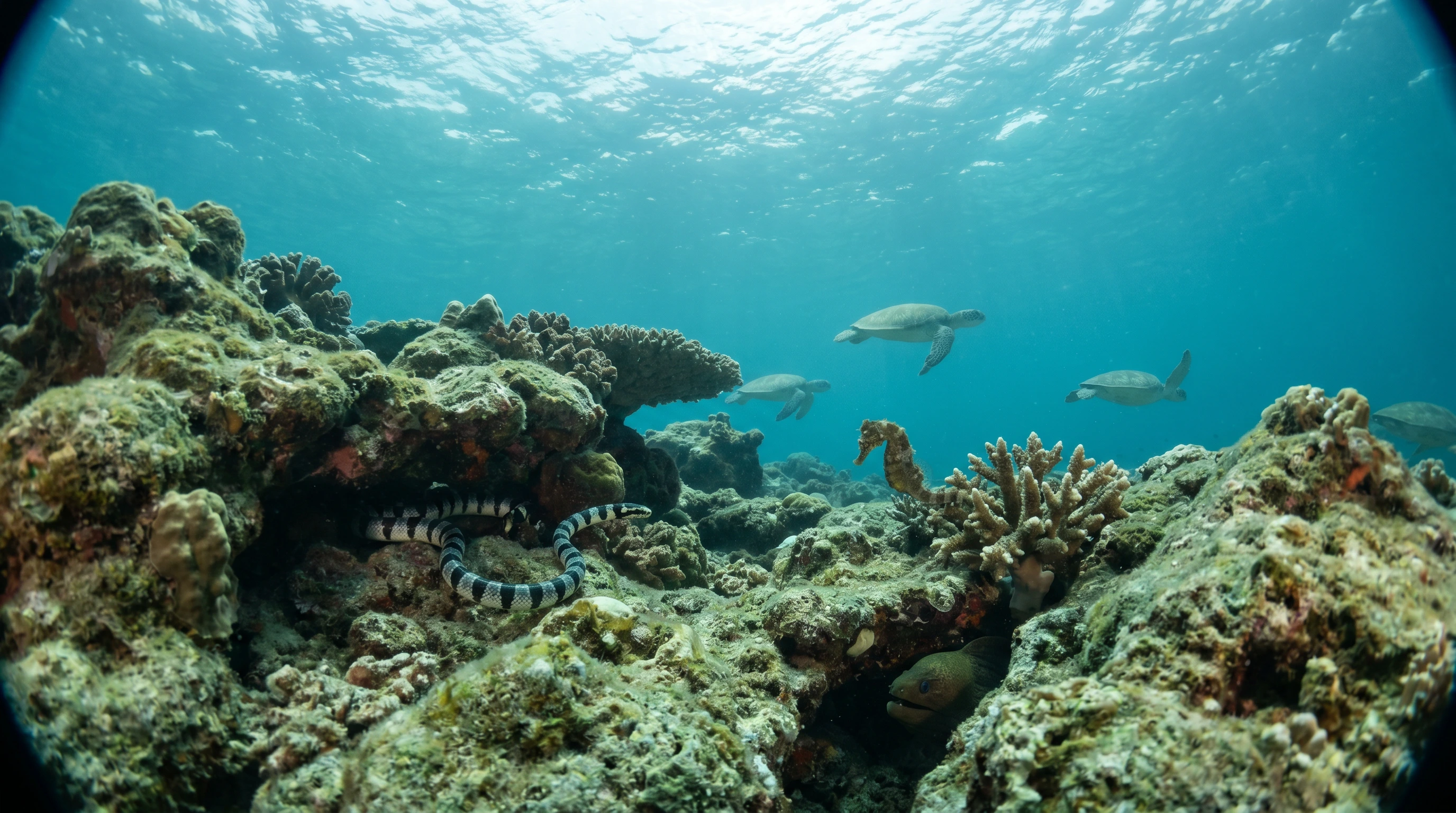
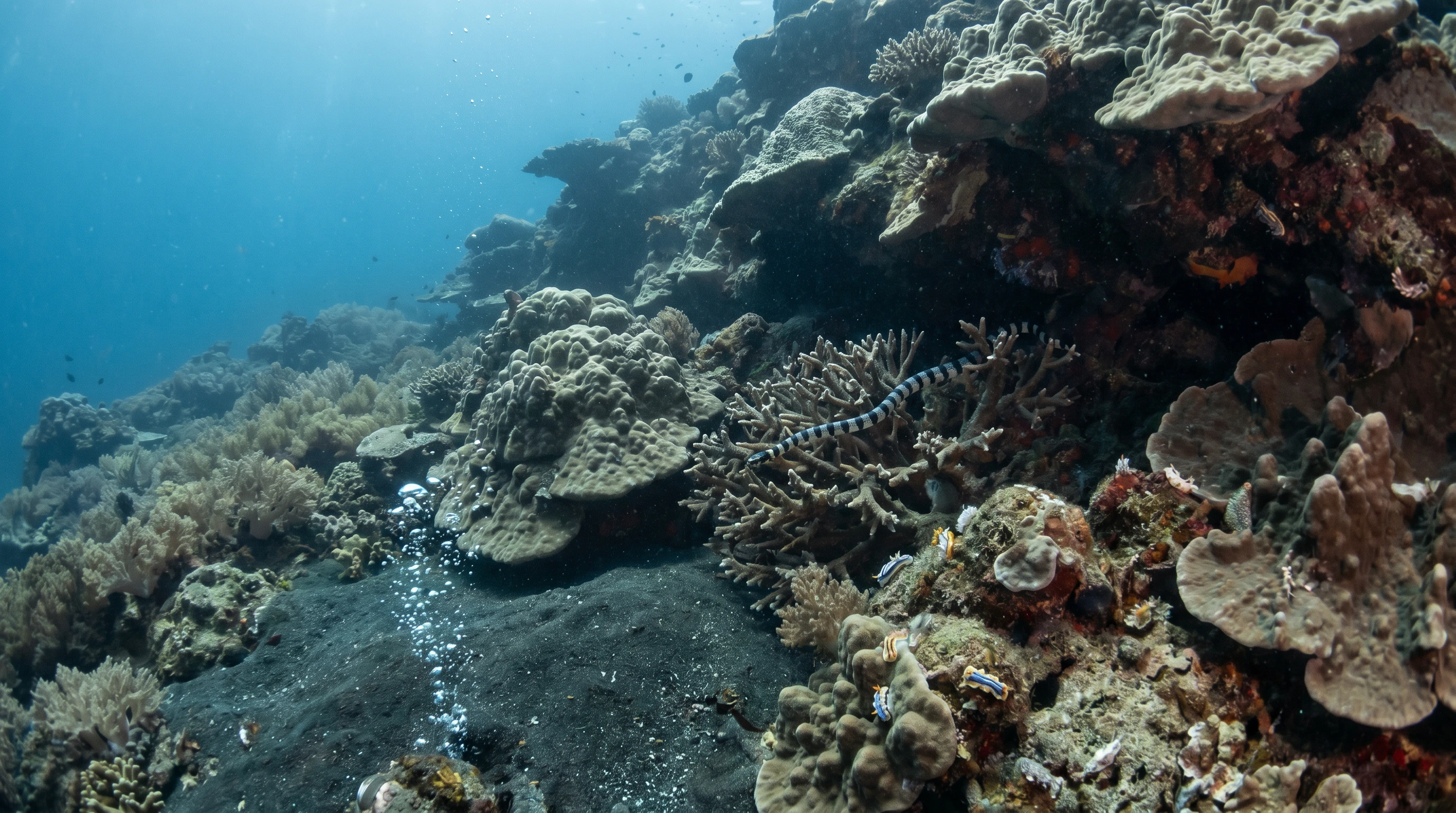
Monthly water temperature across Apo Island's sites, from satellite sea-surface data corrected for depth. The band shows the site-to-site spread.
Water stays warm year-round with little variation, making thermal comfort a constant. The best-months data points to April, May, and November as peak periods, with July and August seeing the fewest favourable conditions, likely reflecting seasonal weather patterns. Sites exposed to stronger currents, such as Coconut Point and Cogon, are most rewarding when conditions settle.
7 more sites to explore
Water temperature around Apo Island ranges from about 27°C in February to 30°C in November, based on satellite sea-temperature data for its dive sites.
With water around 27–30°C, a rash guard or 3mm shorty works in Apo Island year-round.
Fin maps 14 sites in Apo Island (14 scuba diving sites and 2 snorkelling spots, with some suited to both).
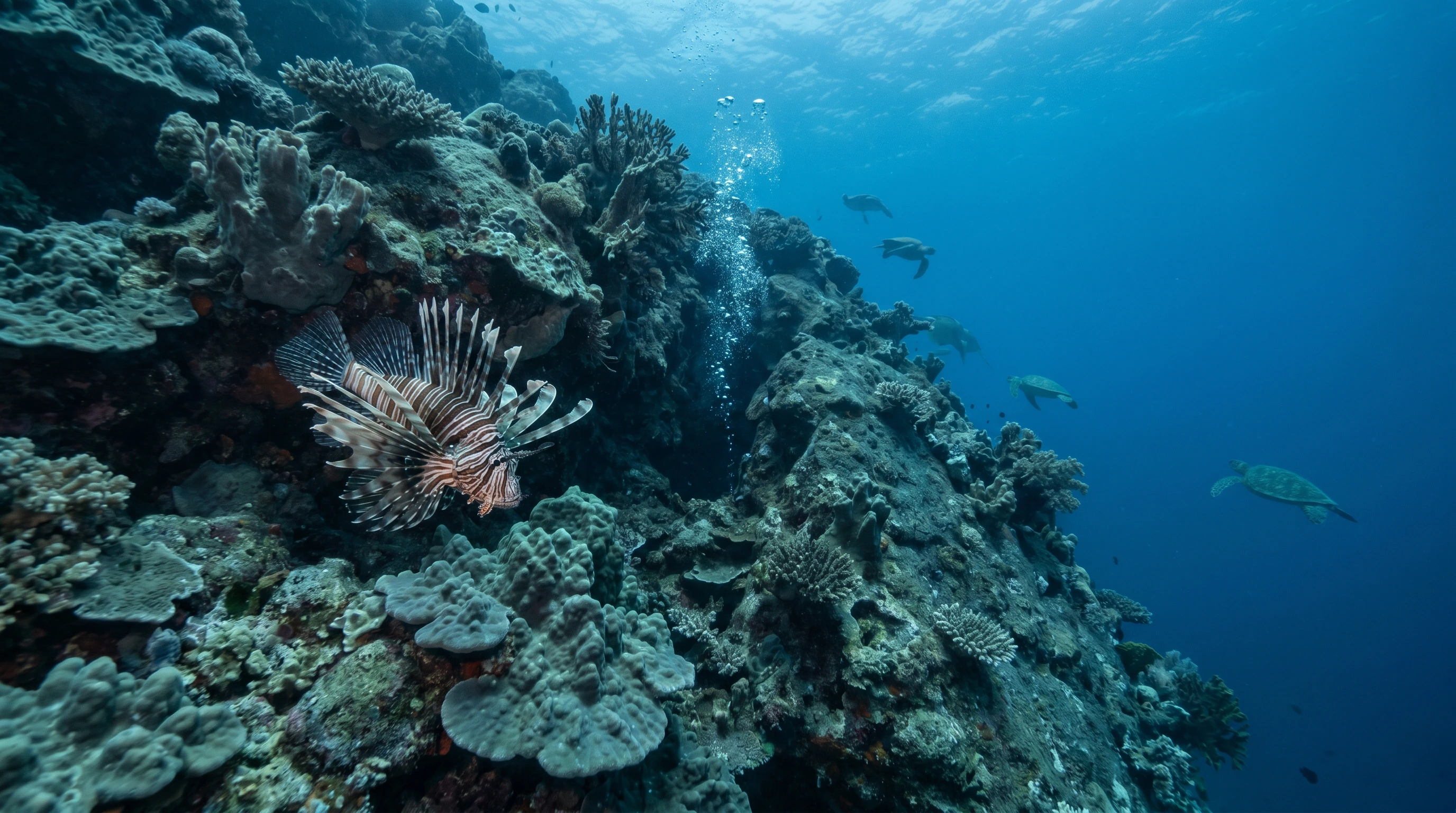
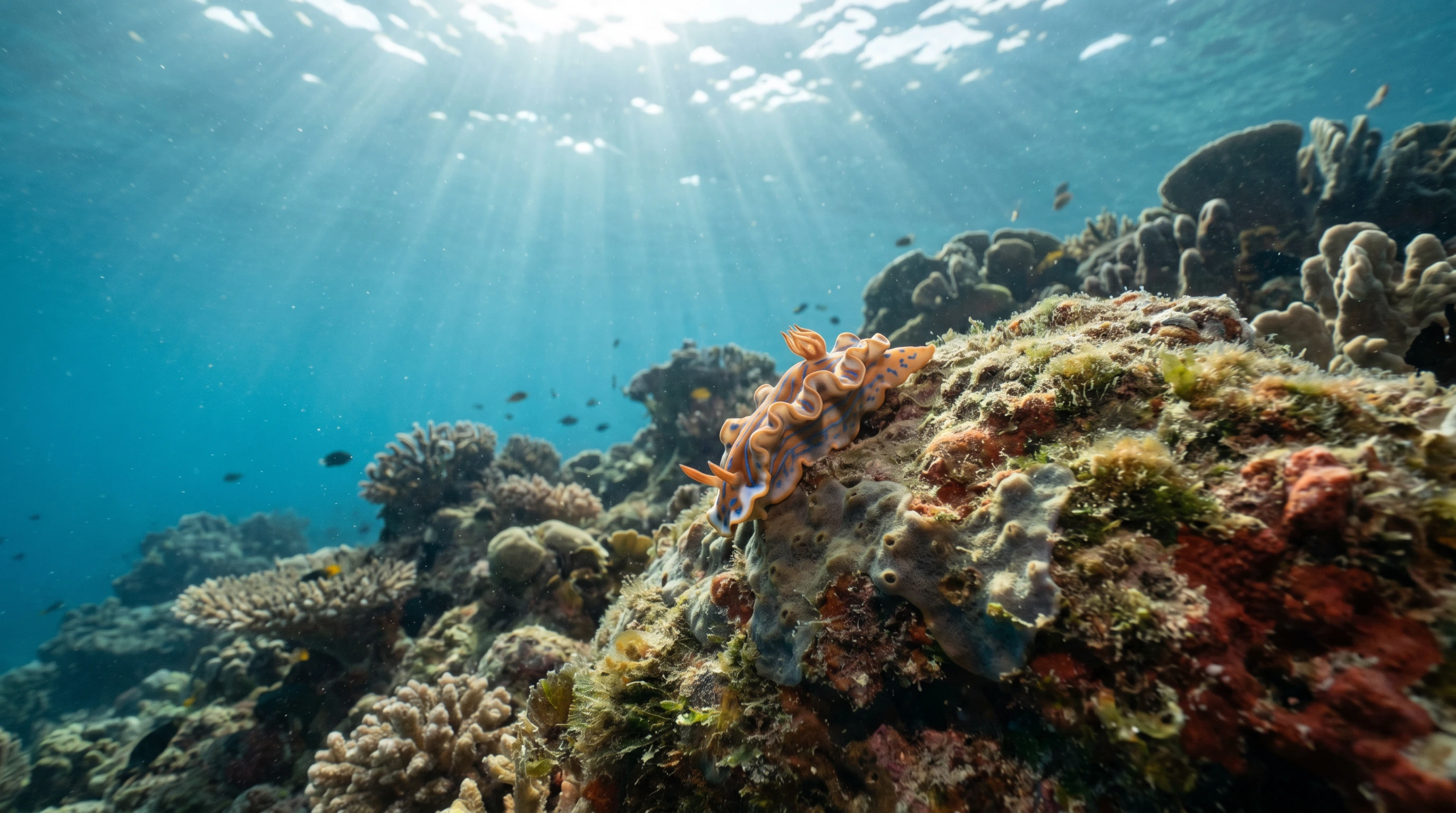
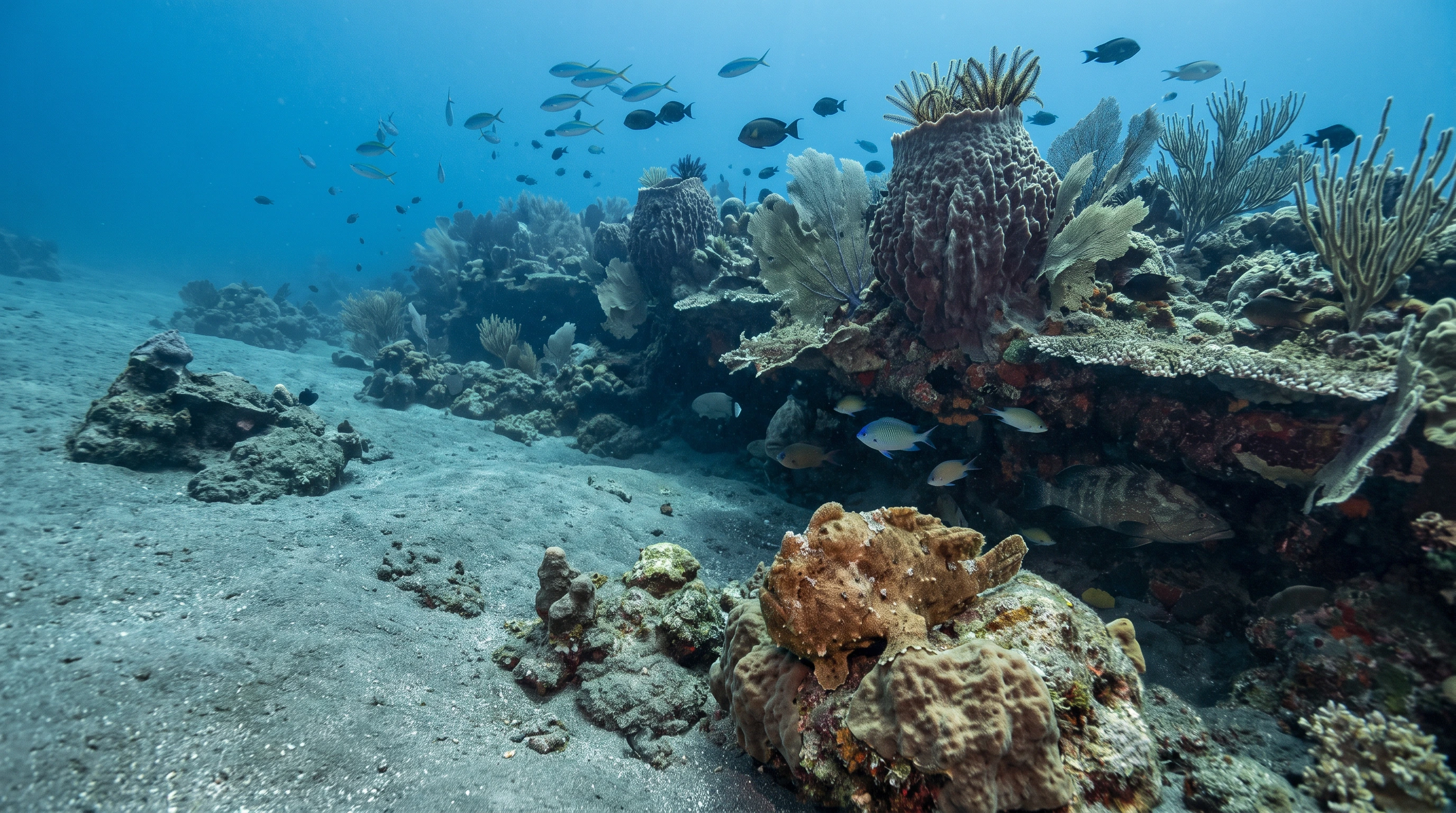
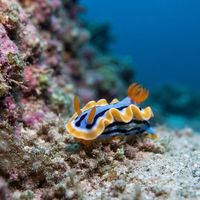
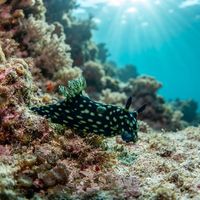
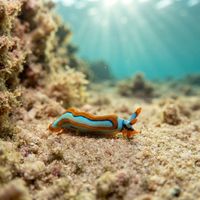
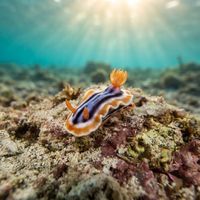
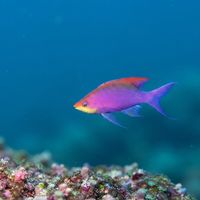
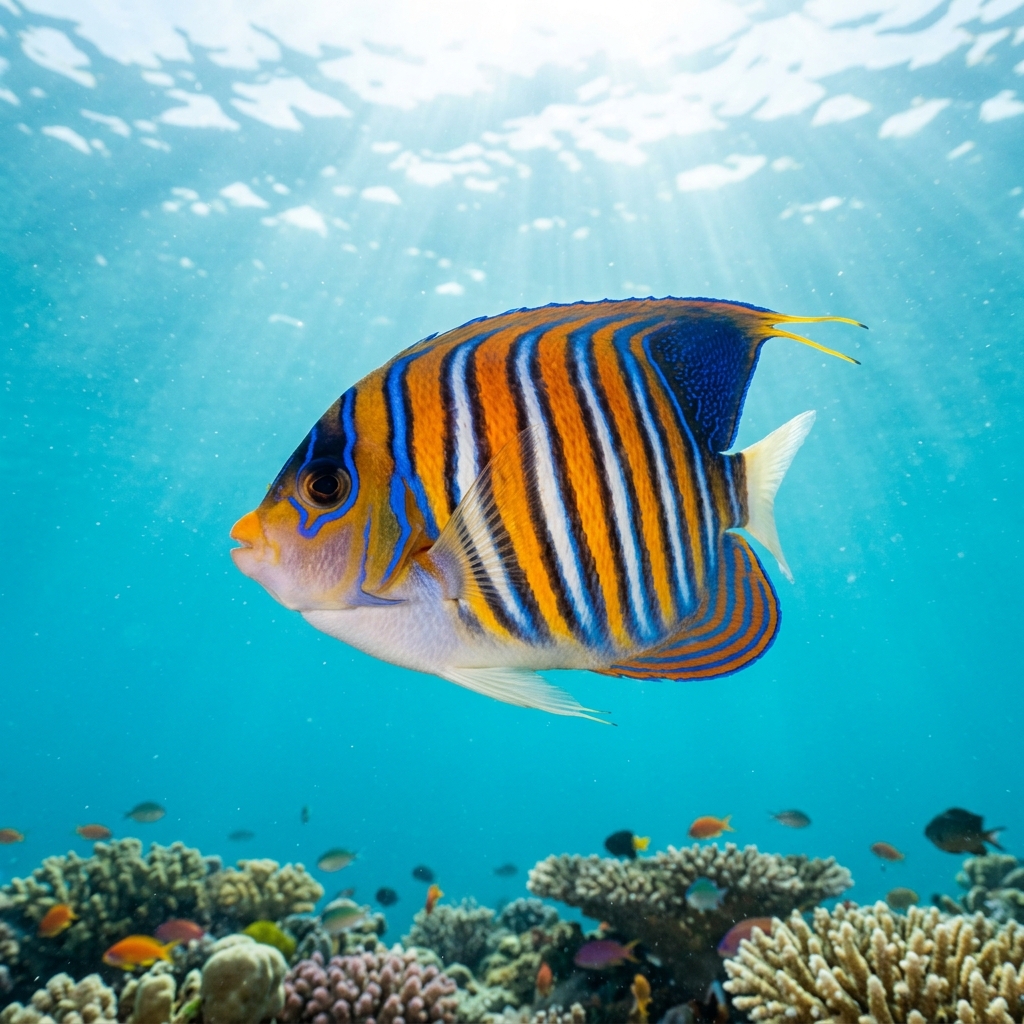
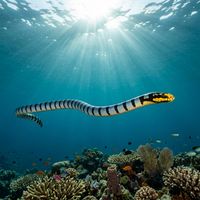
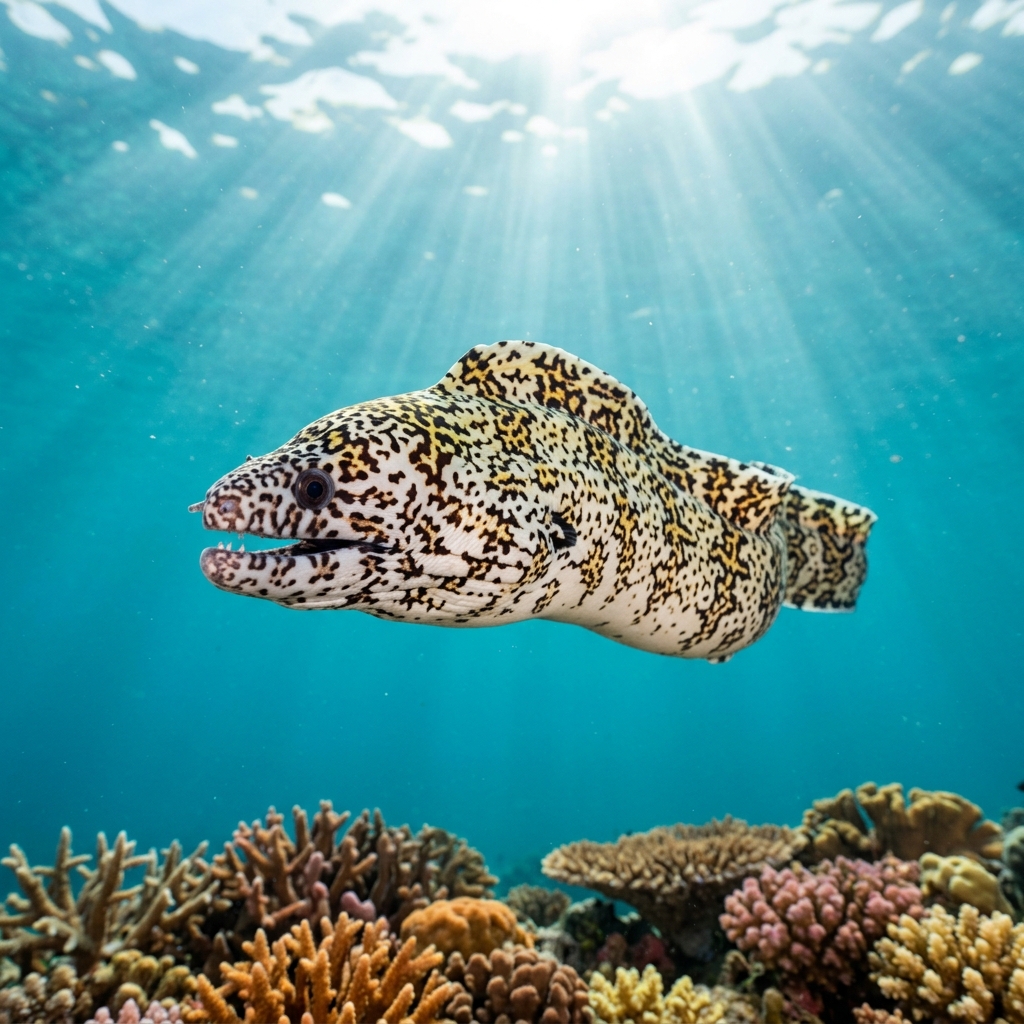
Apo Island has a particularly rich nudibranch community, with the Chromodoris Nudibranch, Nembrotha Nudibranch, Jorunna Nudibranch, and Trance Wrinkle Dorid all observed consistently across sites. The Giant Frogfish is a signature species here, and divers also regularly encounter the Regal Angelfish, Spotfin Lionfish, Snowflake Moray, Yellow-edged Moray, and Titan Triggerfish. Sea Krait and Harlequin Sweetlips round out the list of frequently recorded species.
The site mix includes options across skill levels. Rock Point East is rated for beginners and offers a shallower reef profile, making it a good starting point. Intermediate sites such as Boluarte, Mamsa Point, and Jolo provide more variety. Coconut Point and Cogon are reserved for advanced divers due to strong currents and deeper walls, so newer divers should discuss conditions with the local operator, Mario's Scuba Diving and Homestay, before visiting those sites.
The sites vary considerably in topography and demand. Rock Point East is a relatively sheltered reef at intermediate depths, while Coconut Point drops away sharply along a wall and is swept by strong currents. Cogon is a dedicated drift dive requiring advanced buoyancy control. The main Apo Island site itself combines reef, wall, and drop-off features in a single dive, making it the most varied of the group.
All sites at Apo Island are accessed by boat. There are no shore-entry dive sites listed for the area. Mario's Scuba Diving and Homestay is the local operator serving the island and can arrange boat transfers to the full range of sites.