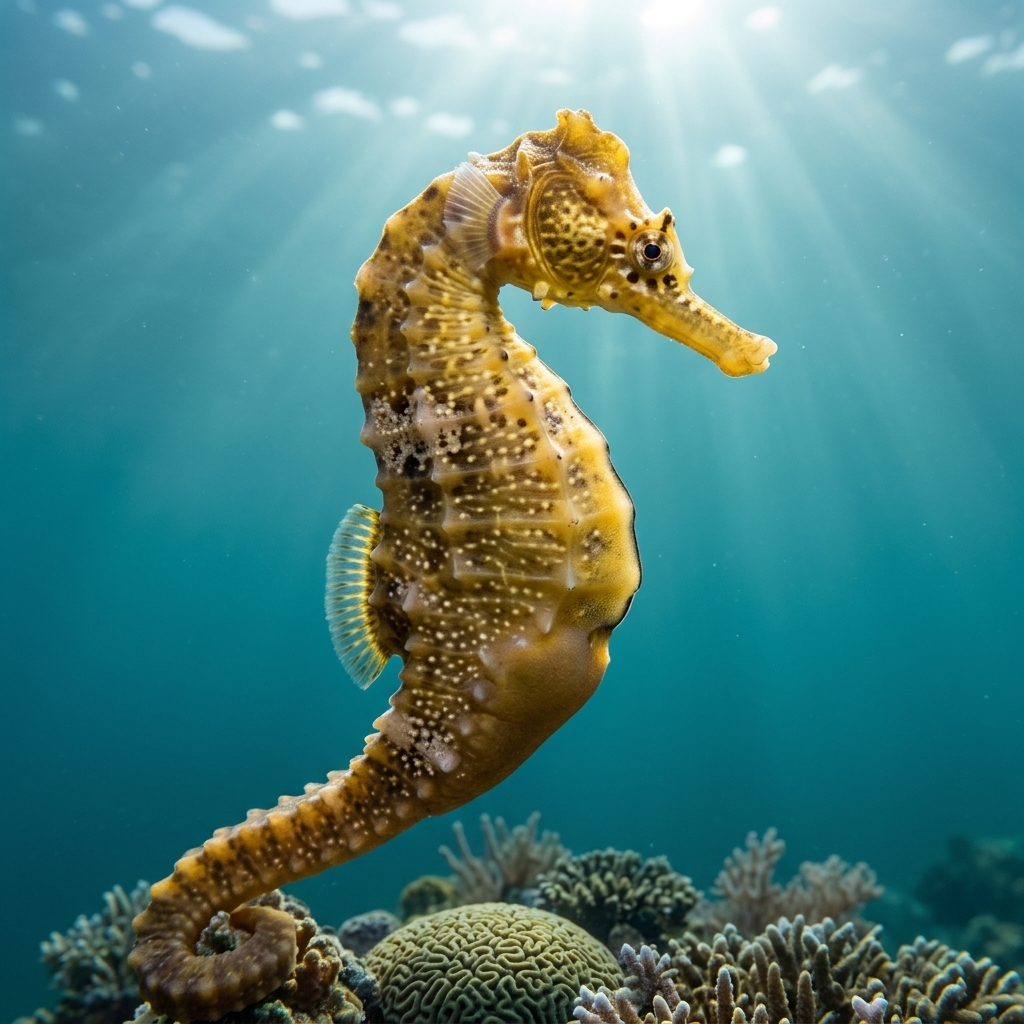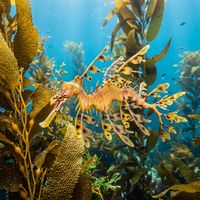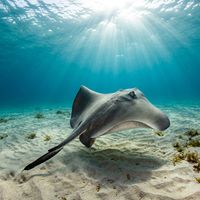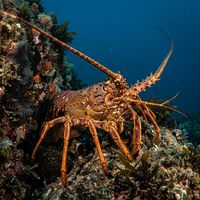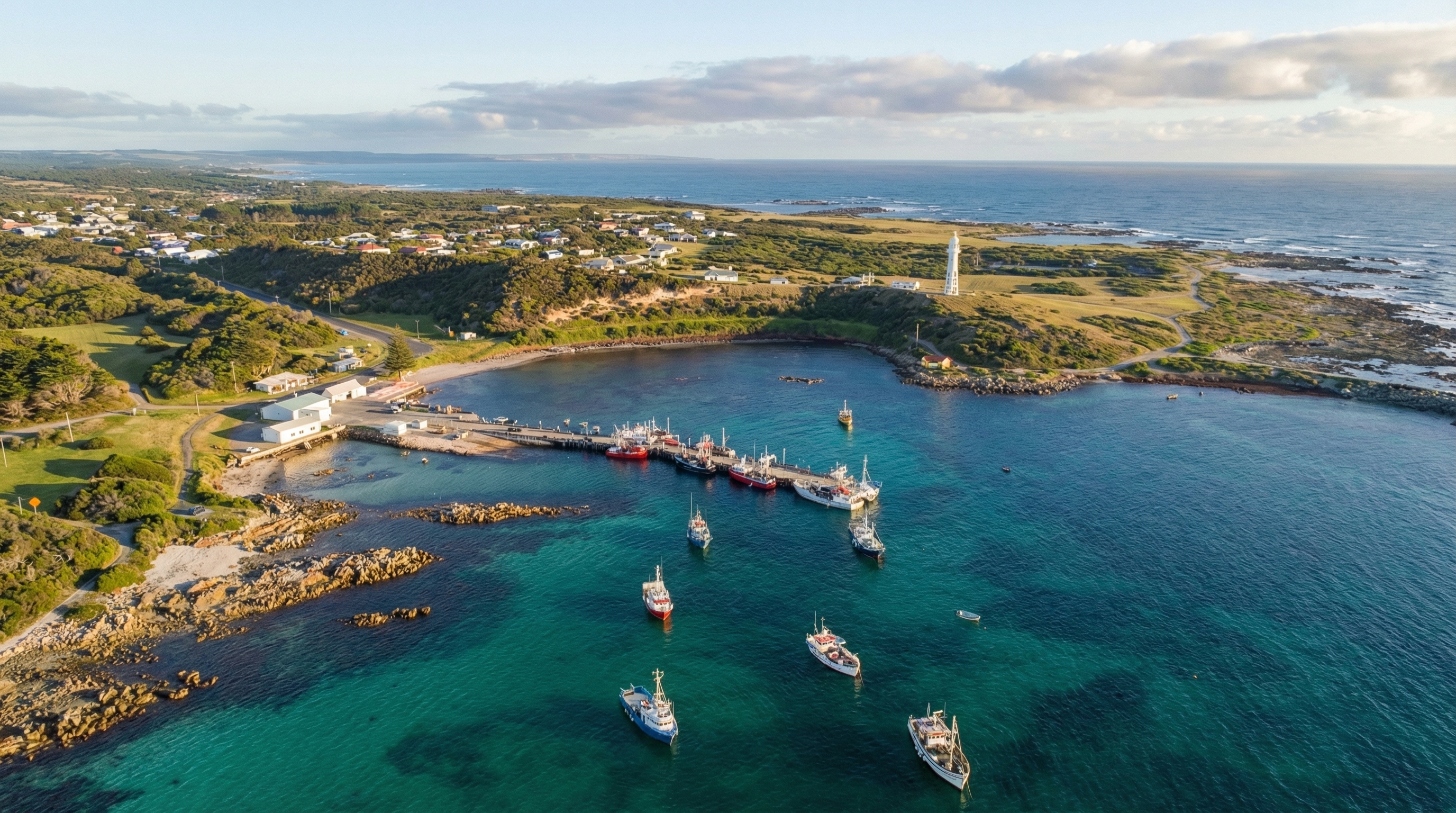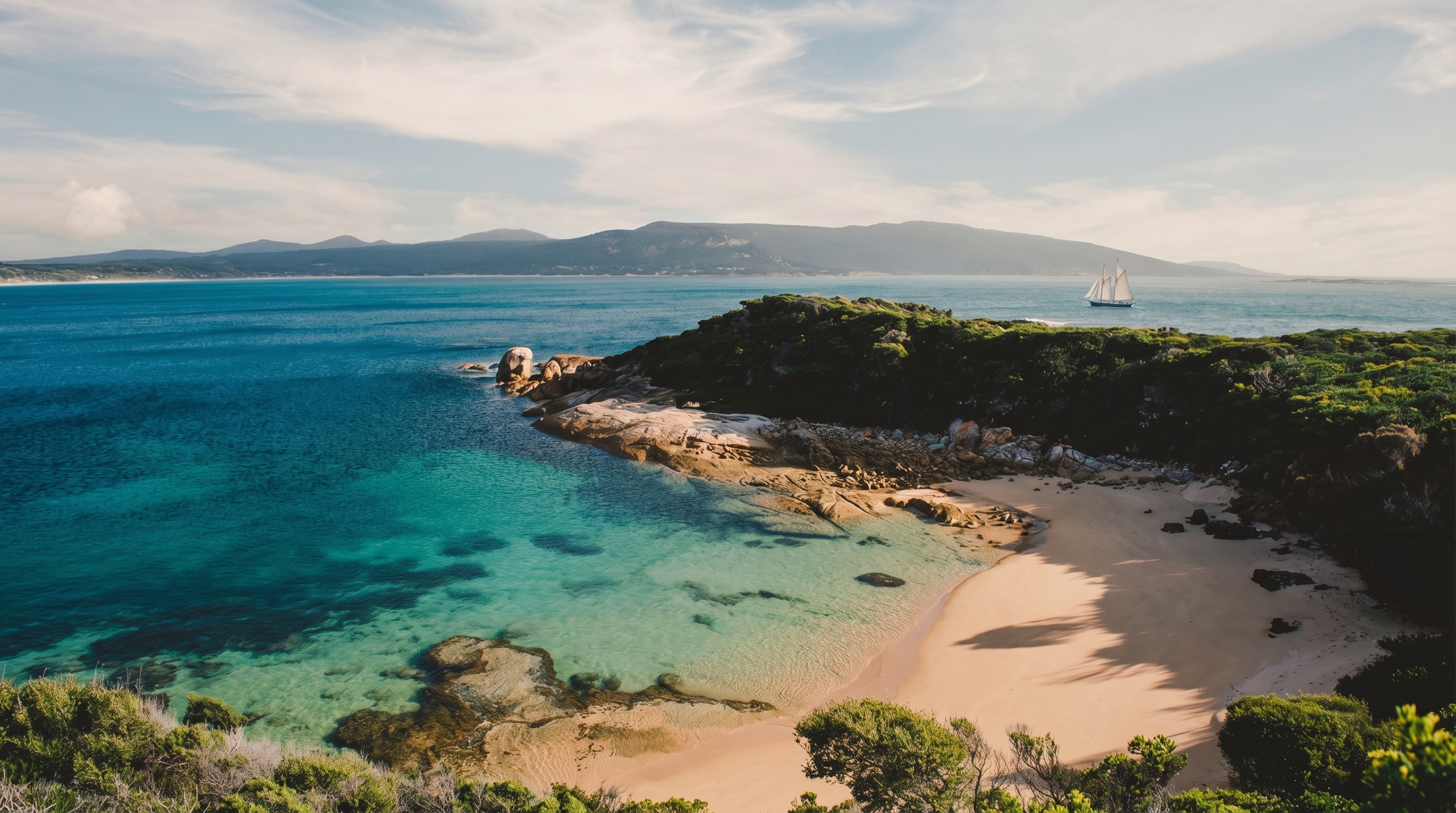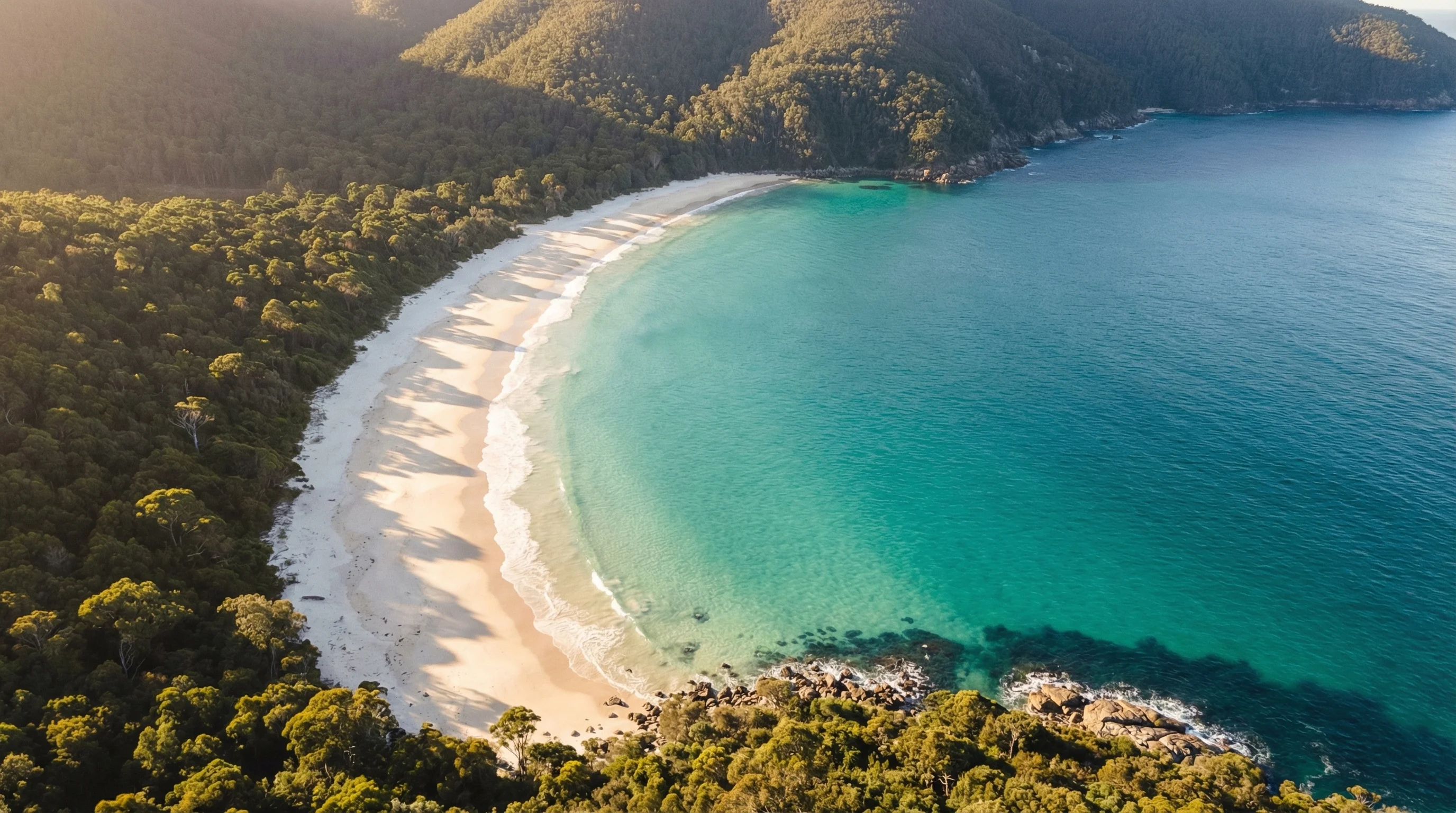
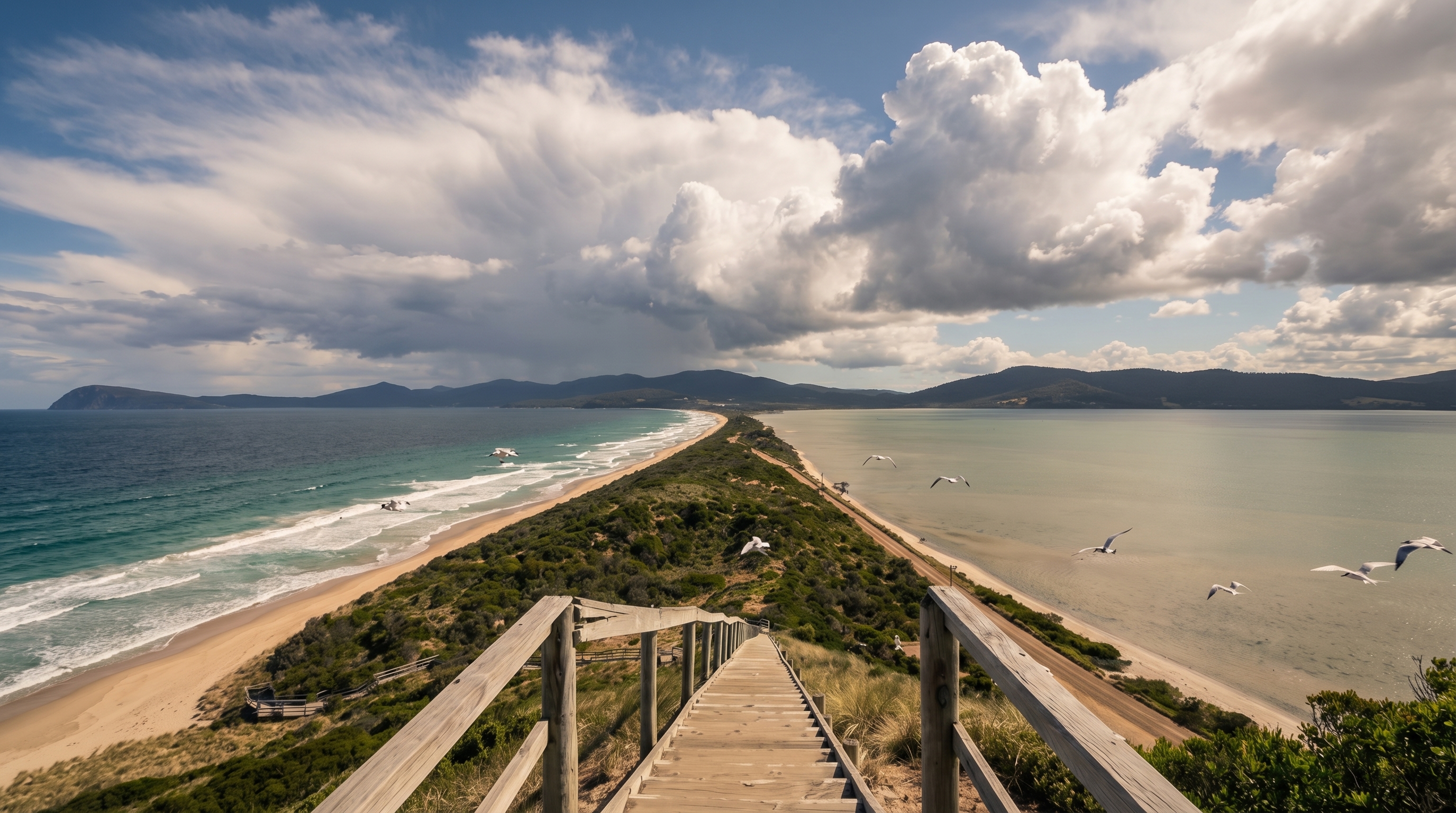
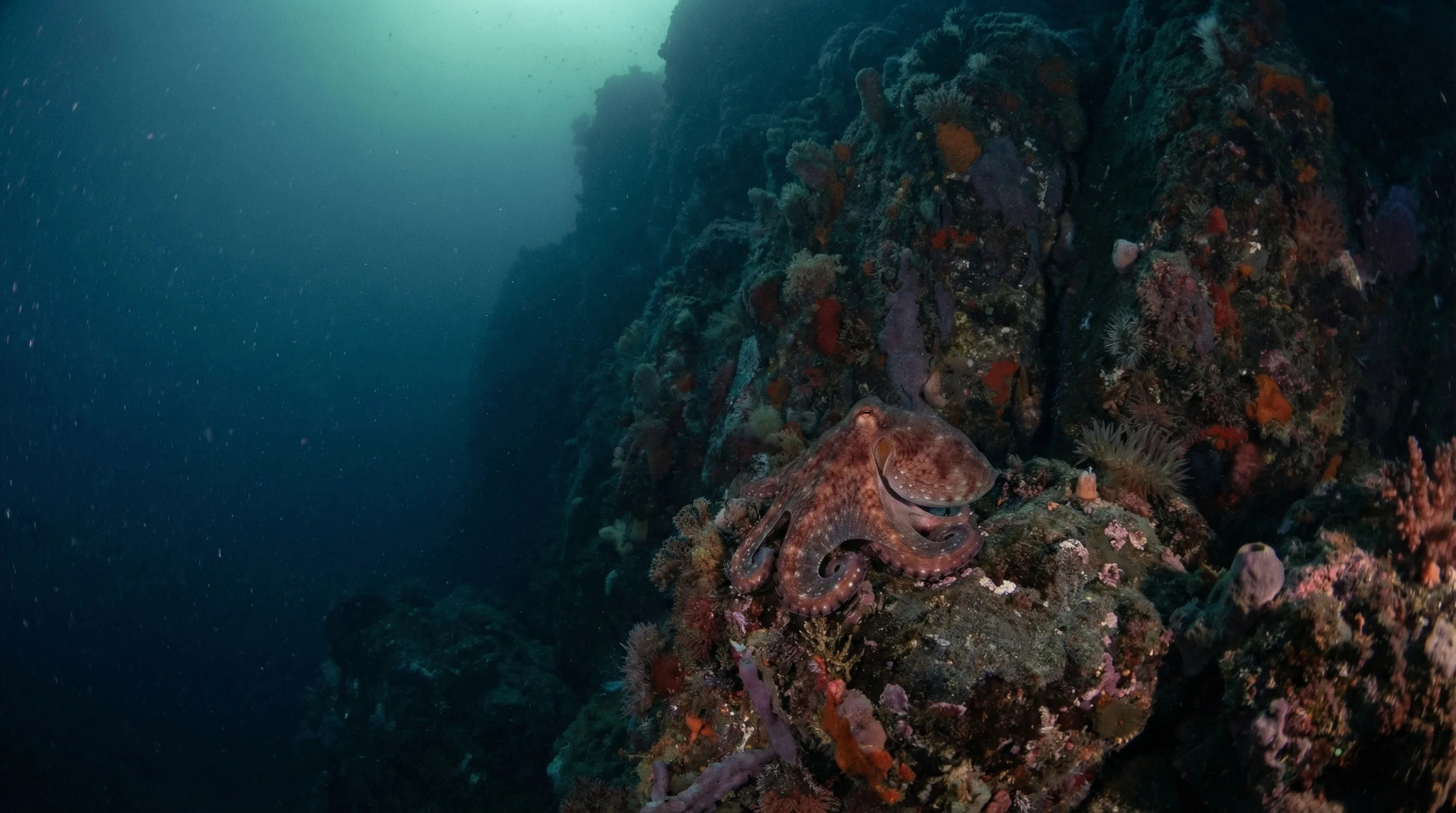
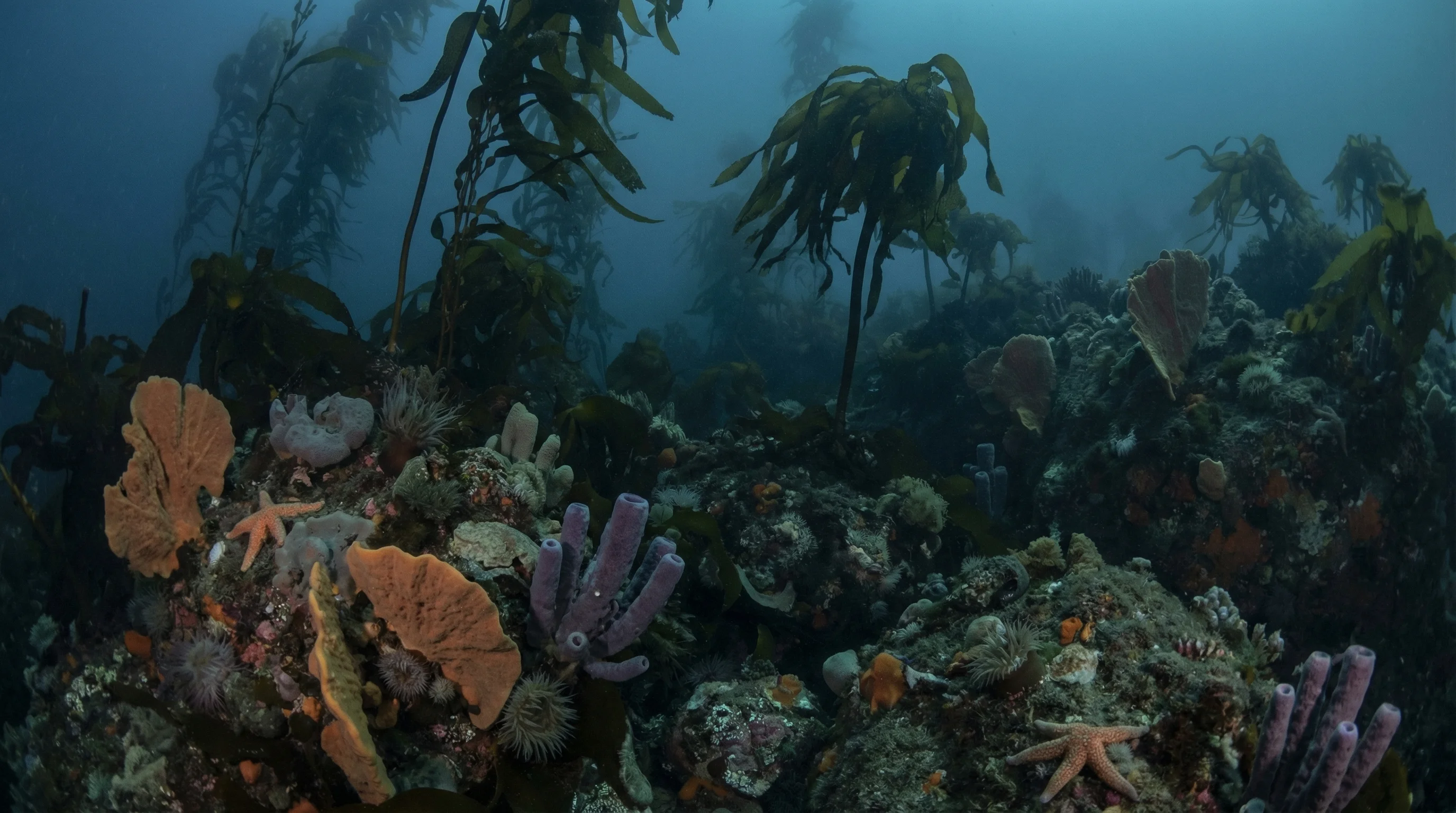
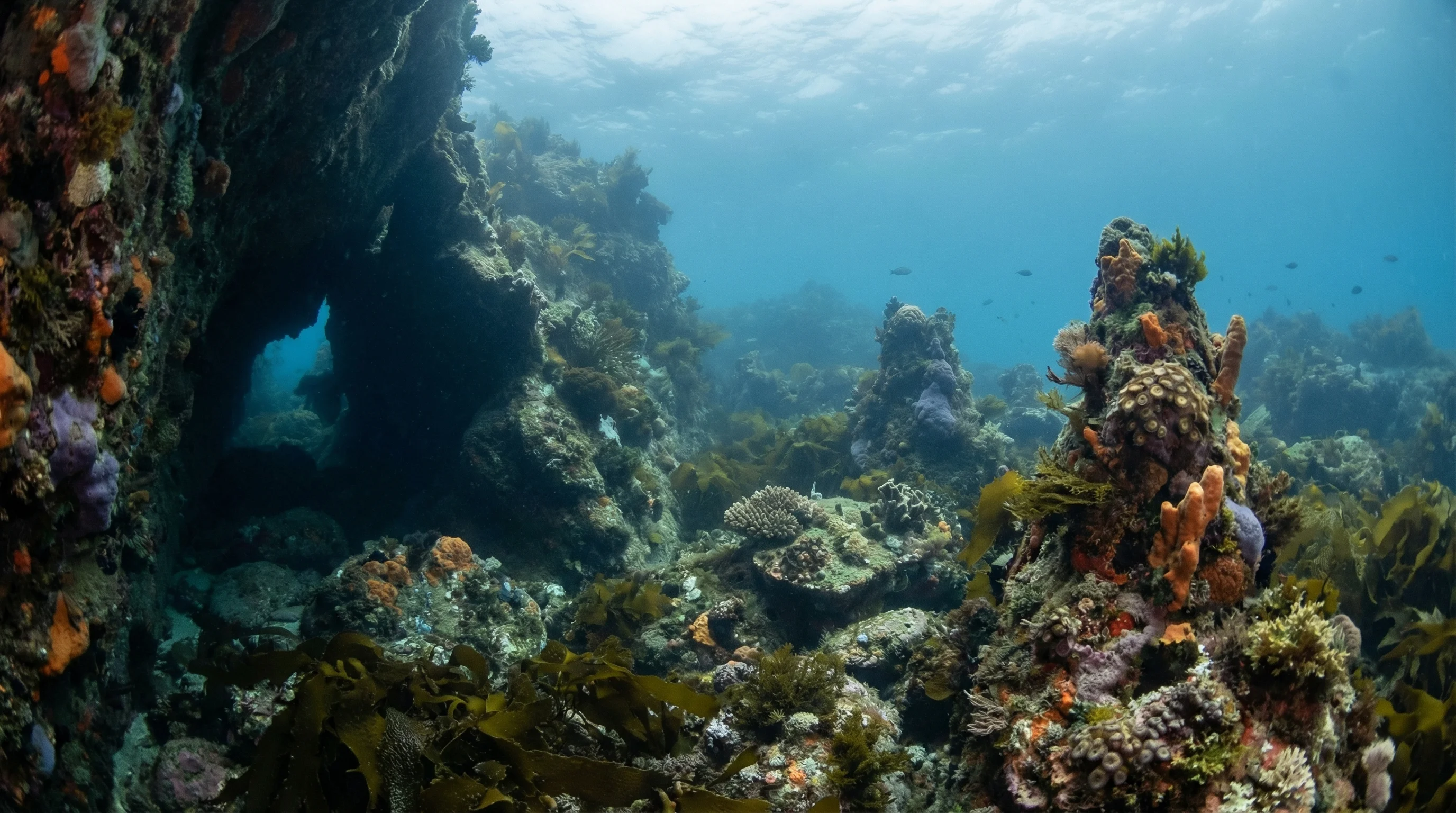
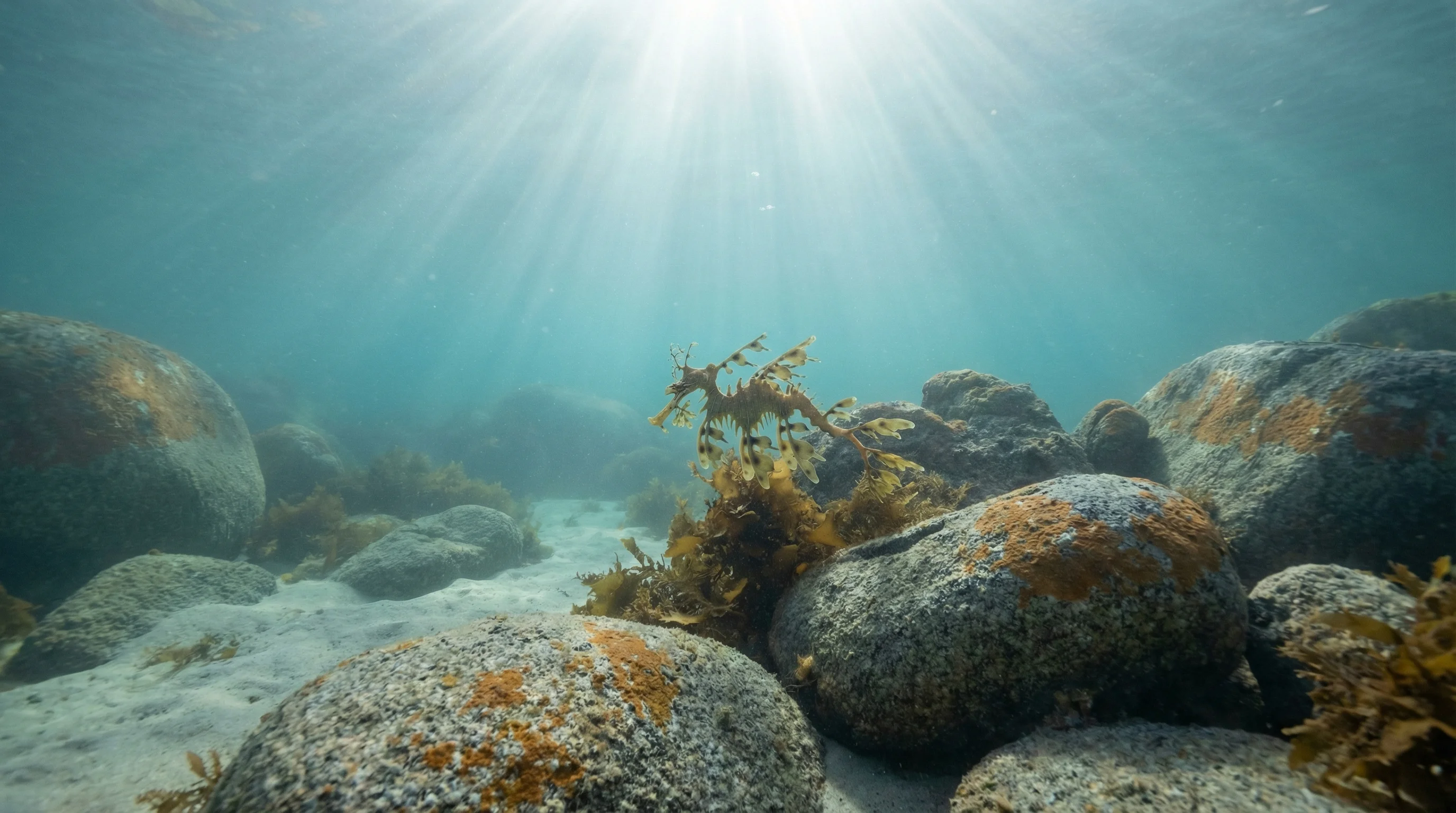
Tasmania's dive sites span kelp forests, reef walls, sea caves, and the occasional wreck, making it one of Australia's most varied cold-water diving destinations. The Tasman Peninsula holds the greatest concentration of sites, with dramatic walls and cave systems sitting alongside beginner-friendly shore dives like Fortescue Bay. Bicheno and St Helens offer reef and kelp terrain on the east coast, while Bruny Island, King Island, and Flinders Island add remote character. Signature encounters include the Weedy Seadragon, Pot-bellied Seahorse, Southern Rock Lobster, and the Smooth Ray, observed consistently across the region.
6 areas
 27
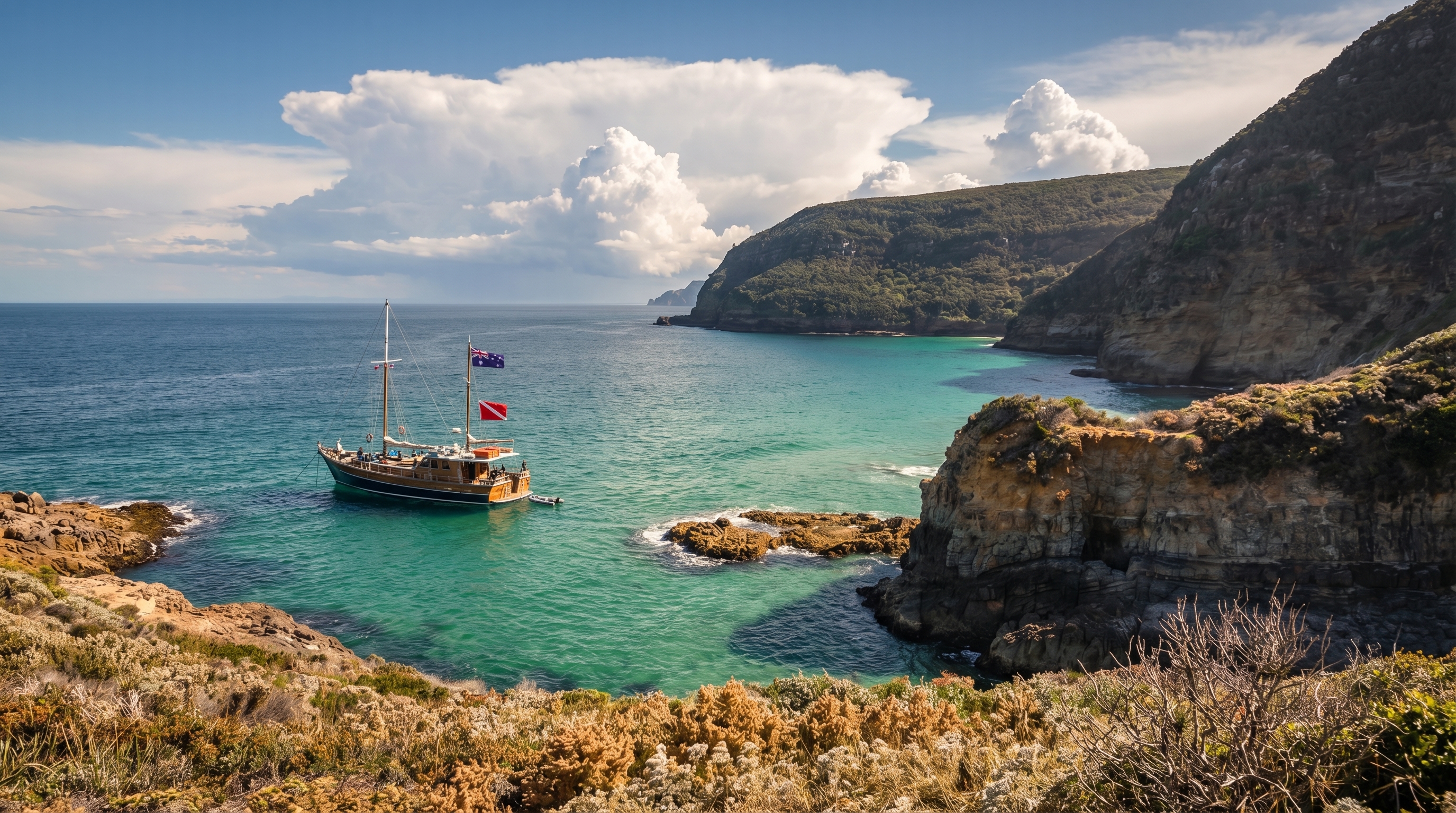
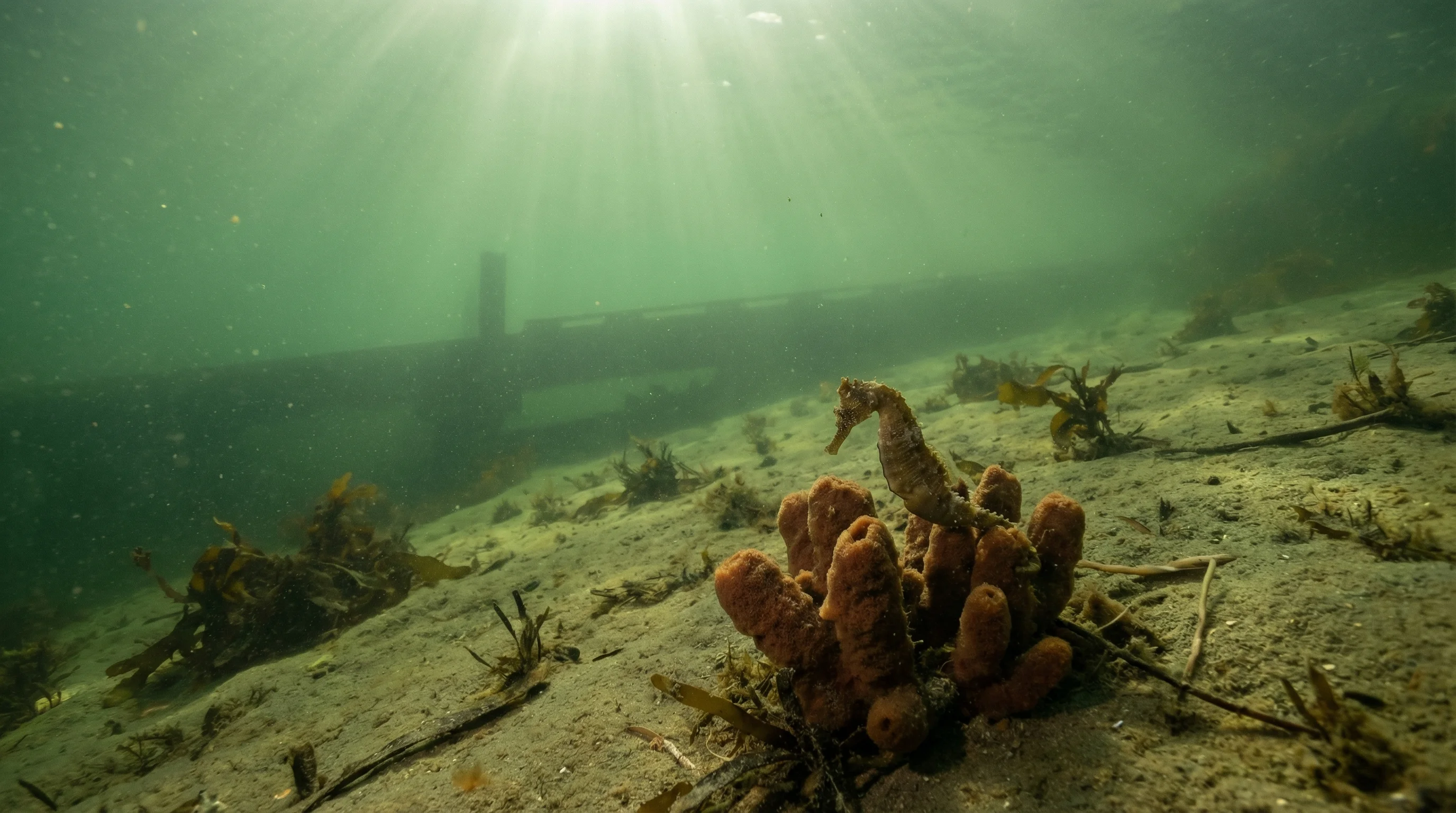
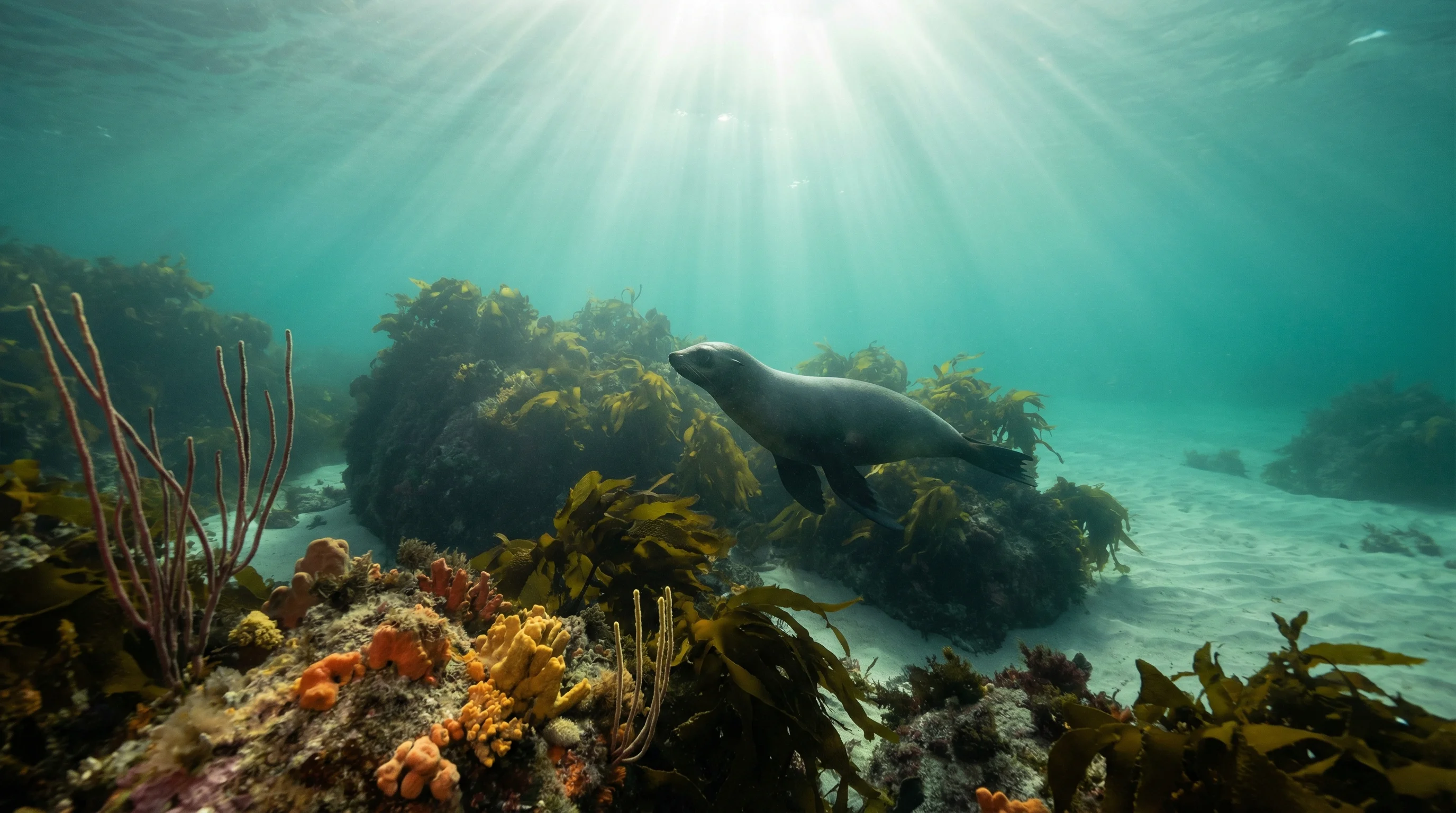
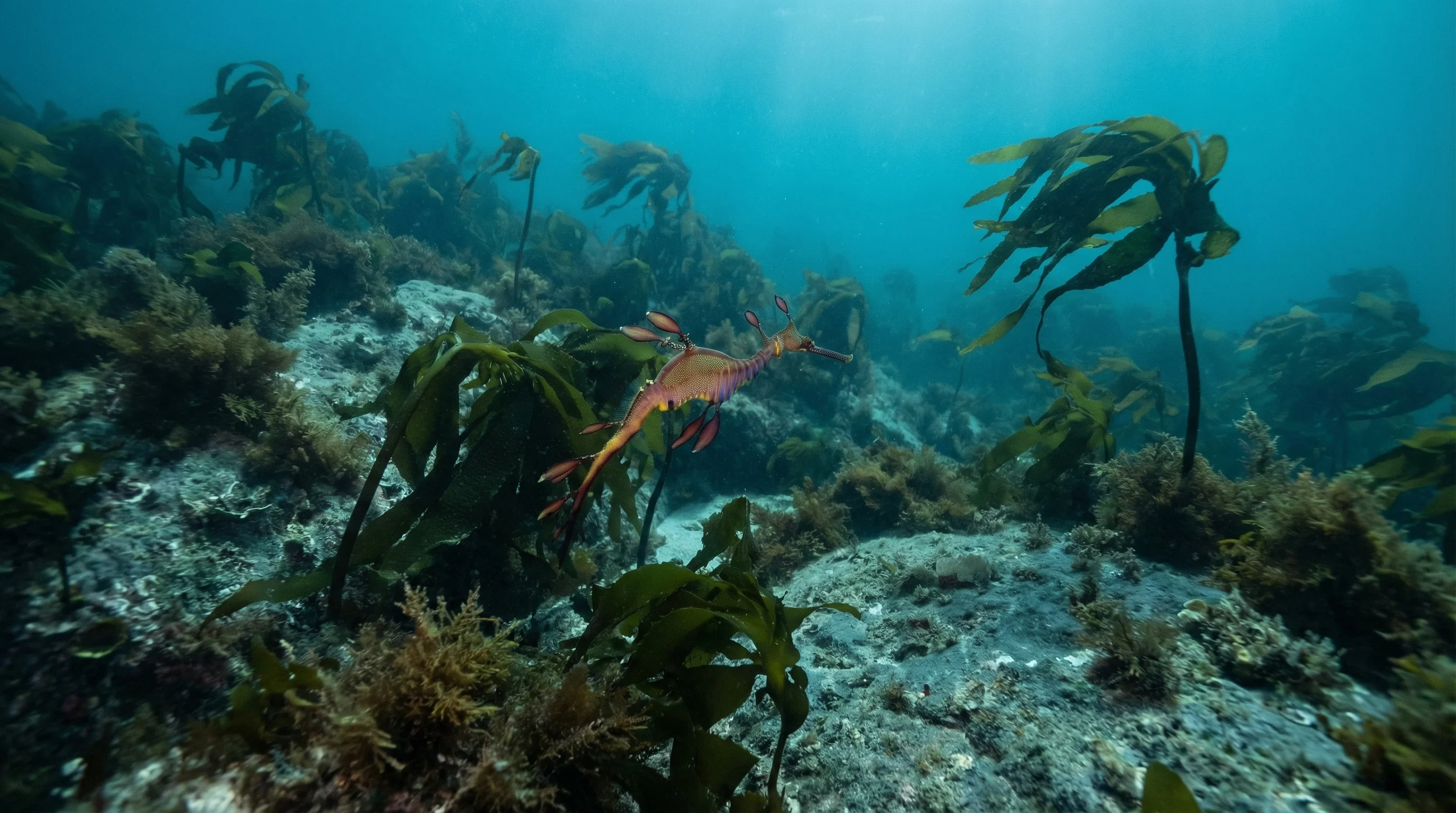
27Cool temperate reefs, kelp forests and dramatic walls, with Weedy Seadragon and Pot-bellied Seahorse among the highlights.
 21
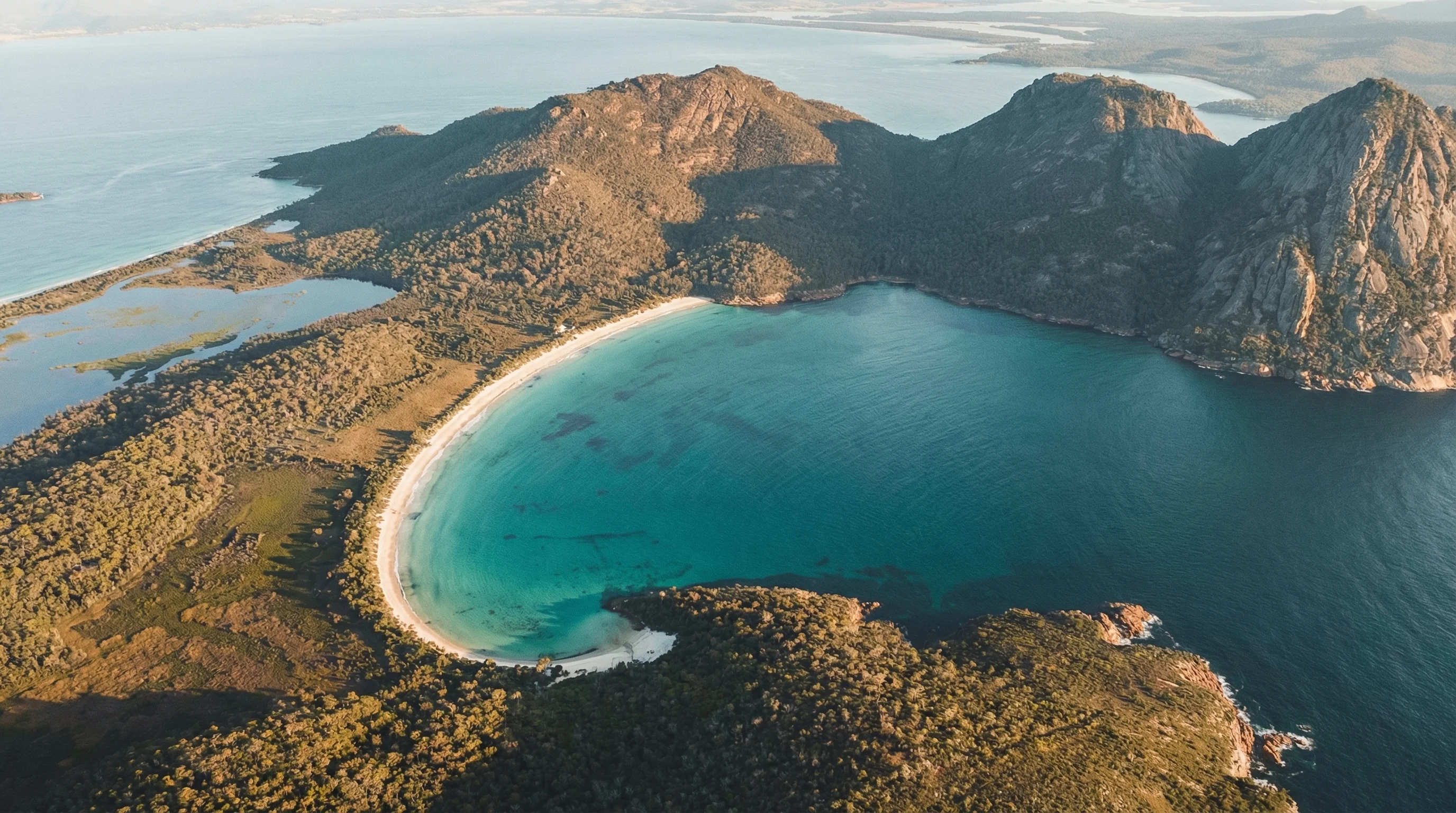
21Tasmanian kelp reefs where Weedy Seadragon, Pot-bellied Seahorse and Long-nosed Fur Seal are regular companions.
 14
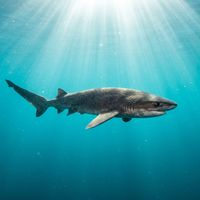
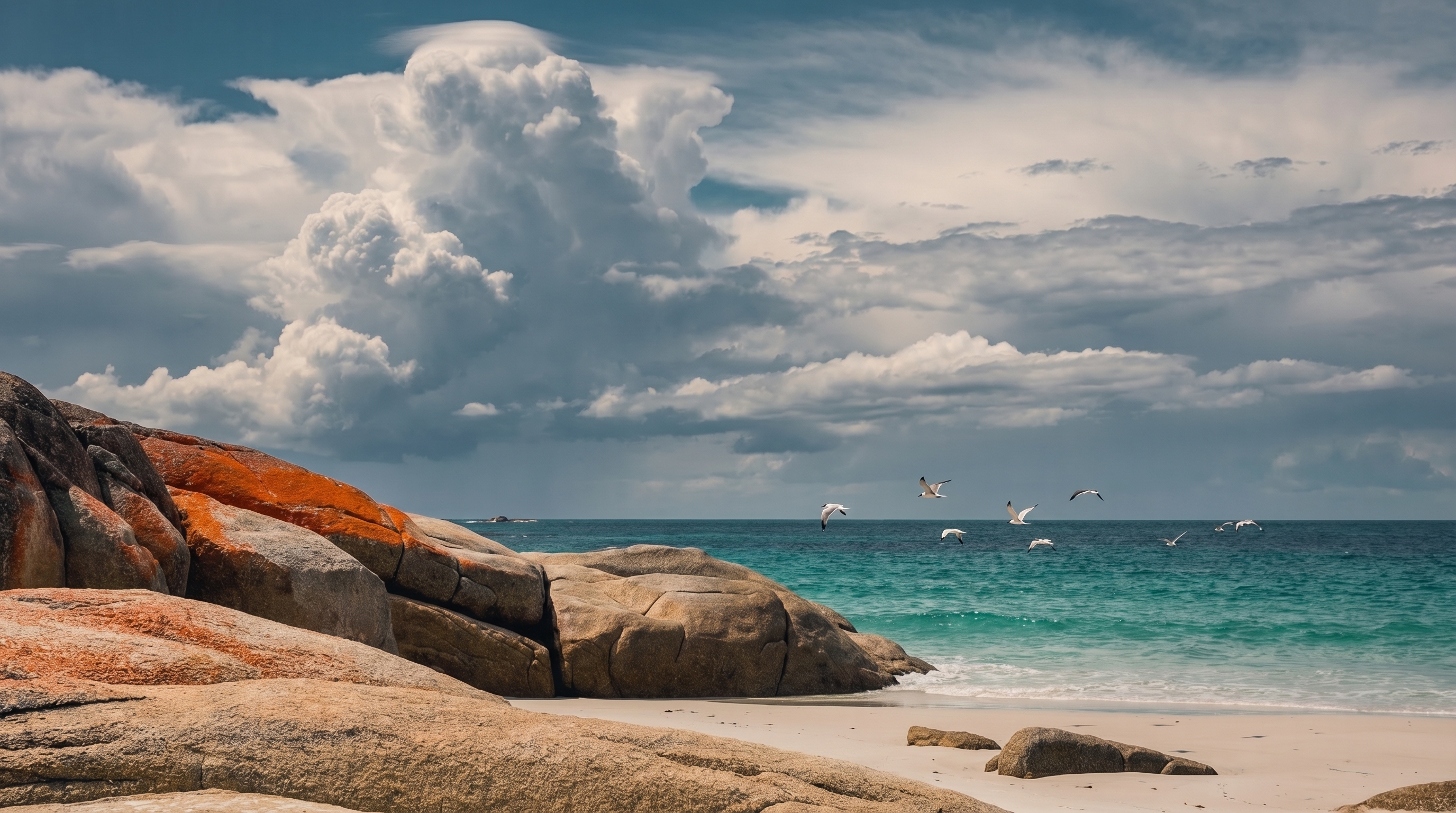
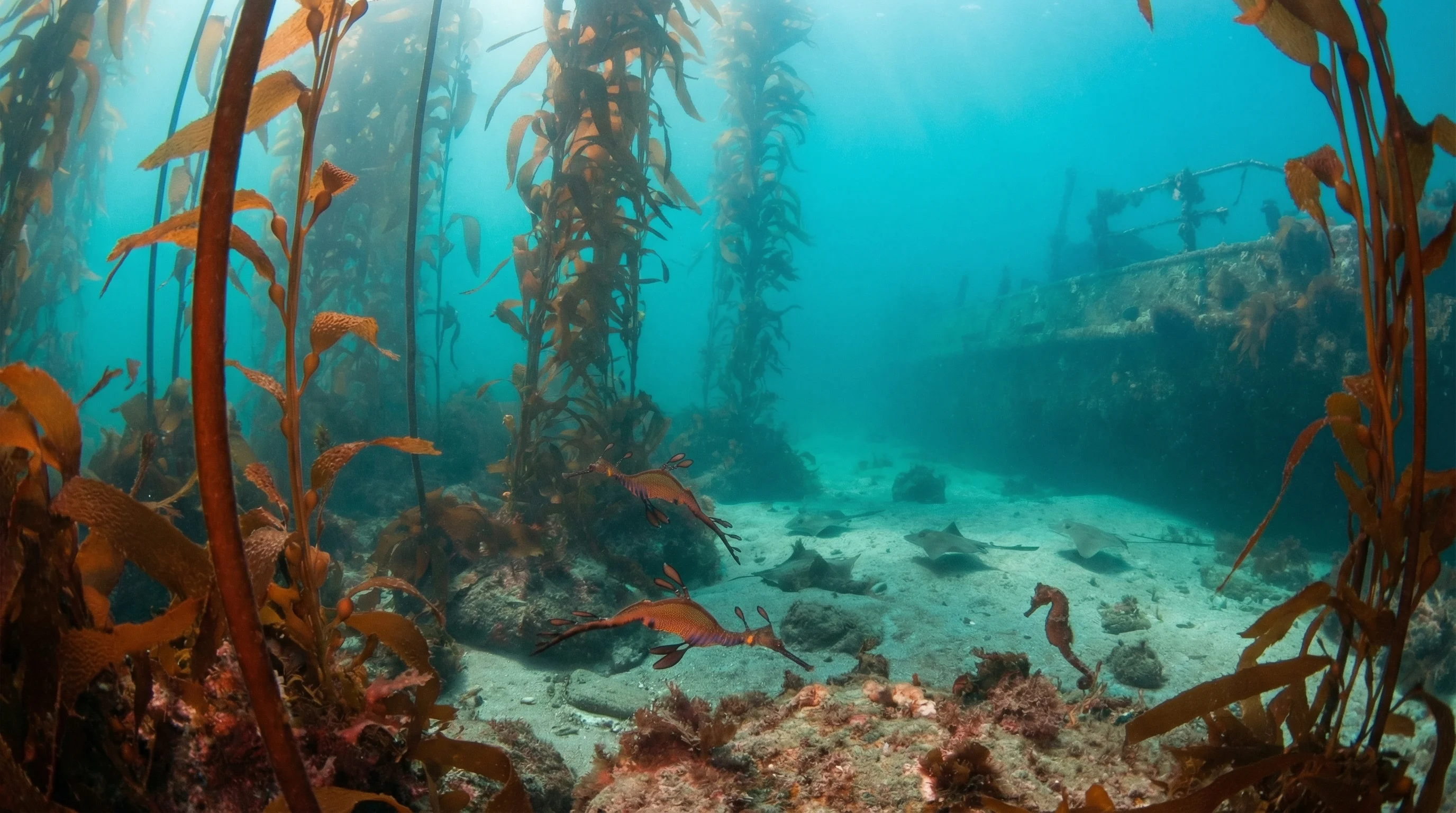
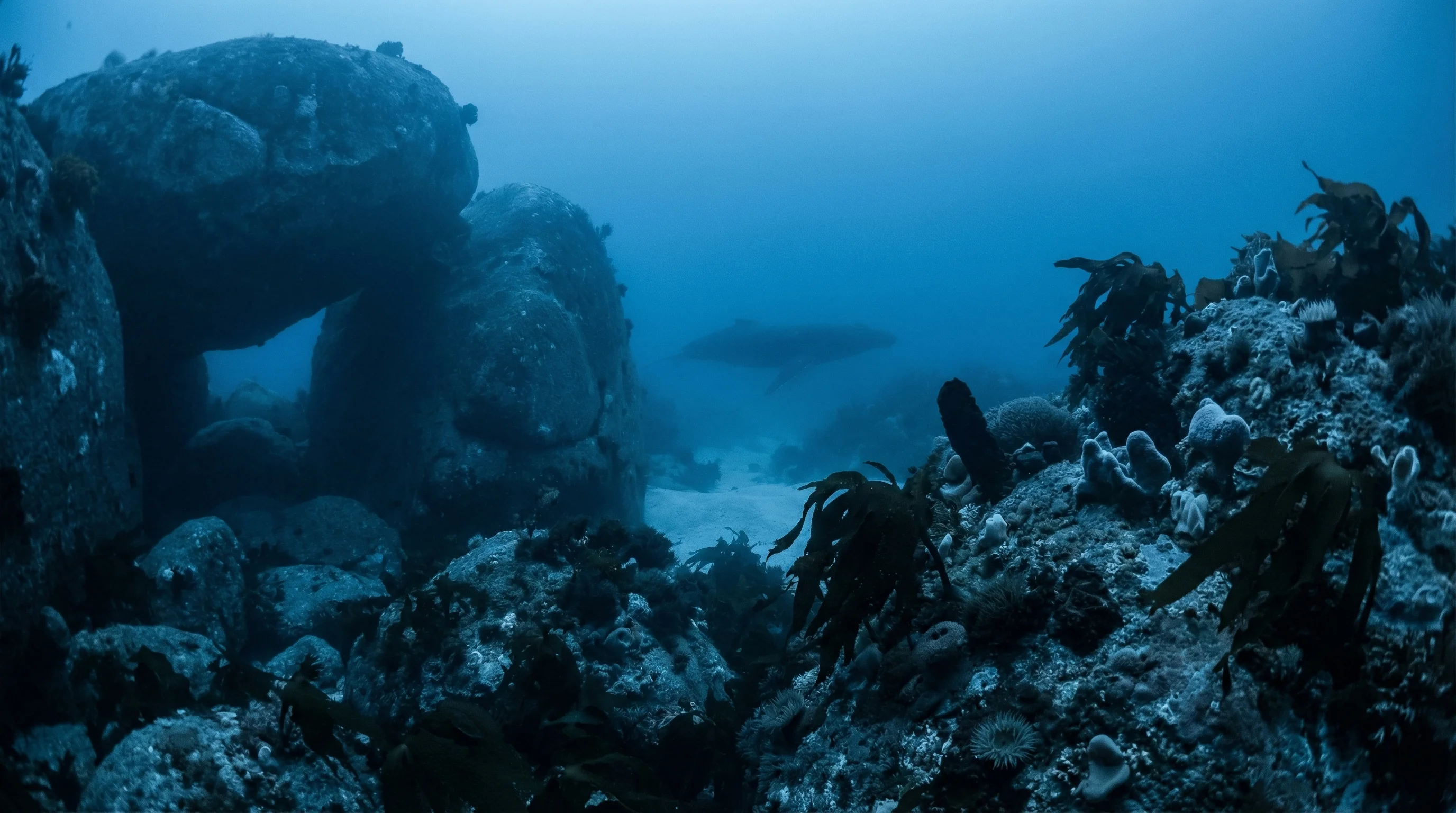
14Temperate Tasmanian diving defined by Weedy Seadragon, Little Penguin and Broadnose Sevengill Shark across reefs, walls and caves.
 8
8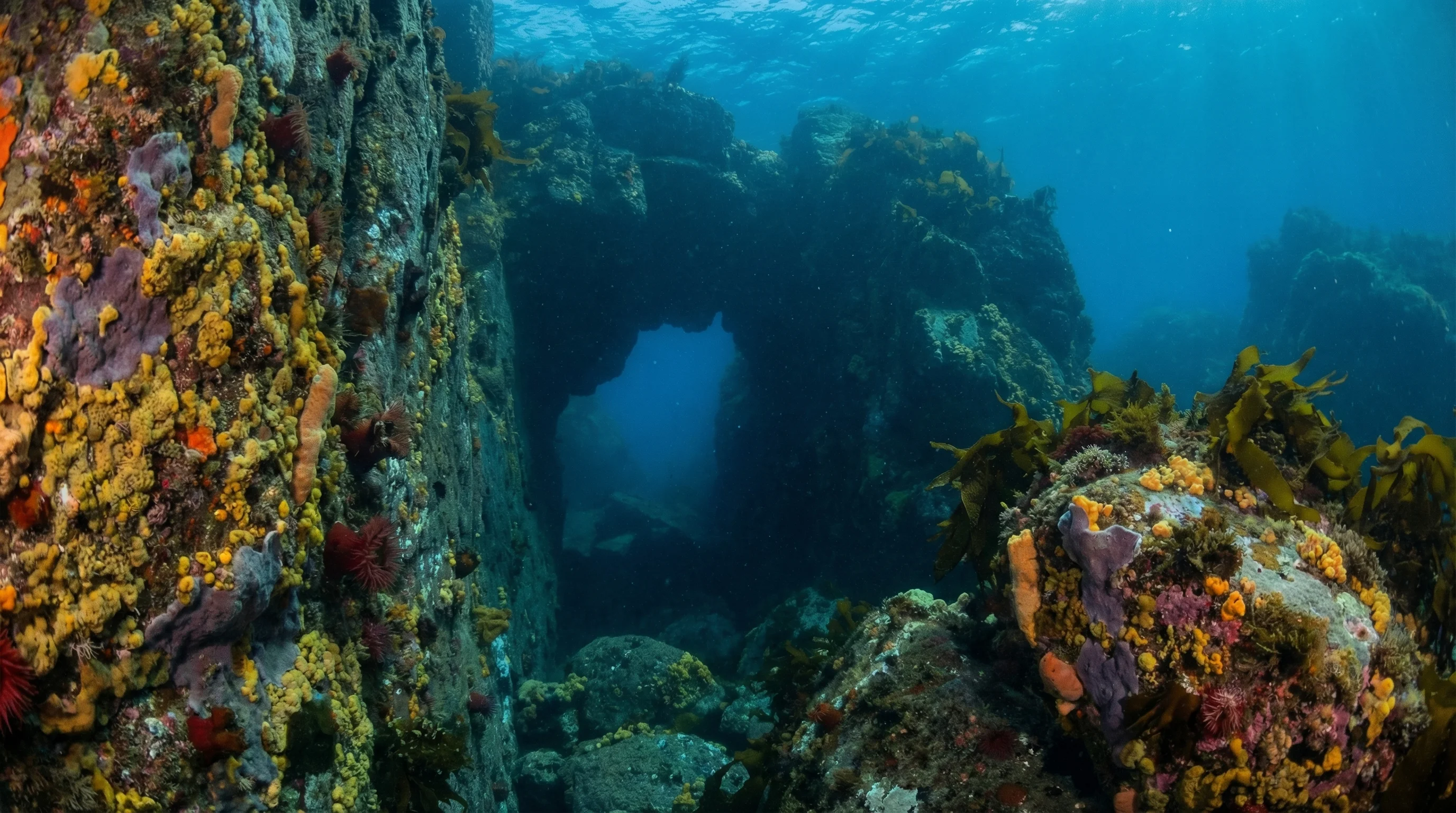
Monthly water temperature across Tasmania's sites, from satellite sea-surface data corrected for depth. The band shows the site-to-site spread.
Water temperatures peak in late summer and drop through autumn into a cooler winter and spring. The warmer months from December through March draw the highest diver activity and tend to bring the clearest conditions. Exposure varies by sub-area: the Tasman Peninsula's boat-access walls demand more planning, while shore entries at sites like Fortescue Bay and Diamond Island suit year-round visits for those comfortable in cool water.
14 operators
Launceston, Australia
Kingston, Australia
Beauty Point, Australia
Hobart, Australia
Cold Southern Ocean diving off Tasmania, with kelp forests, walls, tannin-stained channels, and temperate species from seahorses to sharks.
Water temperature around Tasmania ranges from about 13°C in July to 19°C in February, based on satellite sea-temperature data for its dive sites.
In the warm season (about 19°C) a 5mm suit is comfortable in Tasmania; in the coldest months (about 13°C) step up to a 7mm or semi-dry suit.
Fin maps 73 sites in Tasmania (69 scuba diving sites and 33 snorkelling spots, with some suited to both), organised into 6 areas.
Across Tasmania's dive sites, January, February, March and December are most often reported as the best months to visit.
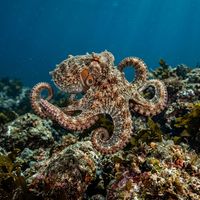
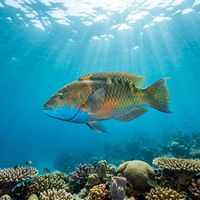
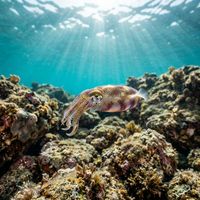
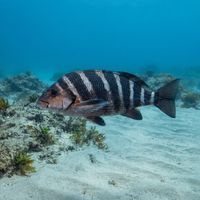
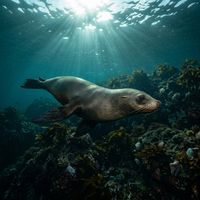
Tasmania's species list is anchored by the Weedy Seadragon and Pot-bellied Seahorse, both observed consistently across the region. Southern Rock Lobster and Blue Throated Wrasse appear at a very high proportion of sites, while the Smooth Ray, Draughtboard Shark, Bobtail Squid, and Reef Squid round out regular encounters. Occasional sightings include the Broadnose Sevengill Shark, Long-nosed Fur Seal, and New Zealand Octopus.
Yes, a good portion of Tasmania's sites are rated beginner level, including Fortescue Bay, Diamond Island, Kelso Boat Ramp, and Glory Hole. These offer shore entries, manageable depths, and reef or kelp terrain well suited to those building experience. Intermediate and advanced sites such as Waterfall Bay and The Monument are also available for divers looking to progress.
The Tasman Peninsula has the largest selection of sites and includes everything from beginner shore dives to advanced boat-access walls and caves. Bicheno and St Helens are the main east coast hubs, with reef and kelp forest terrain dominating. Bruny Island offers a smaller, more remote set of sites, while King Island and Flinders Island are the most outlying options with very limited site numbers.
Many of Tasmania's most popular sites are shore accessible, including Fortescue Bay, Diamond Island, The Monument, and Kelso Boat Ramp. Some of the more dramatic wall and cave sites, particularly on the Tasman Peninsula, require boat access. Operators such as Eaglehawk Dive Centre, Go Dive Tasmania, and East Coast Scuba Centre run guided trips to sites that are difficult to reach independently.