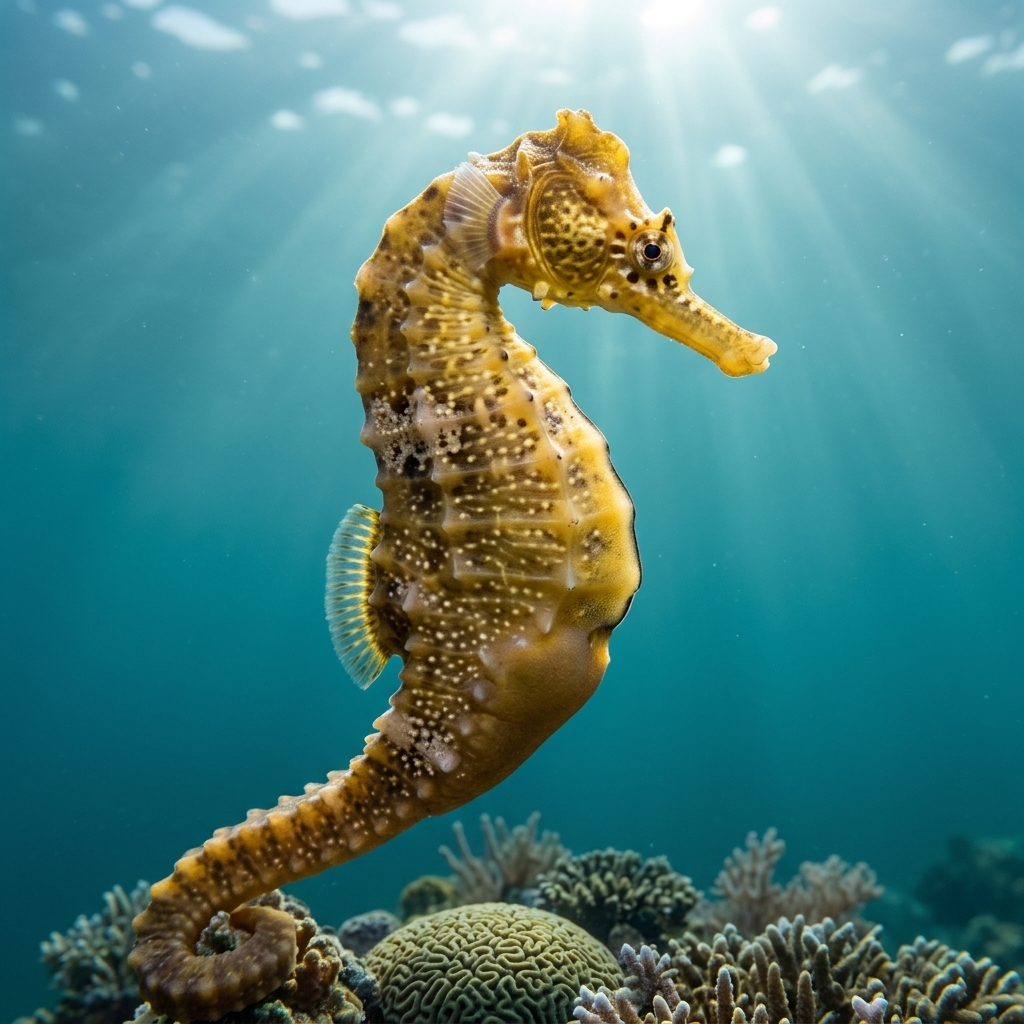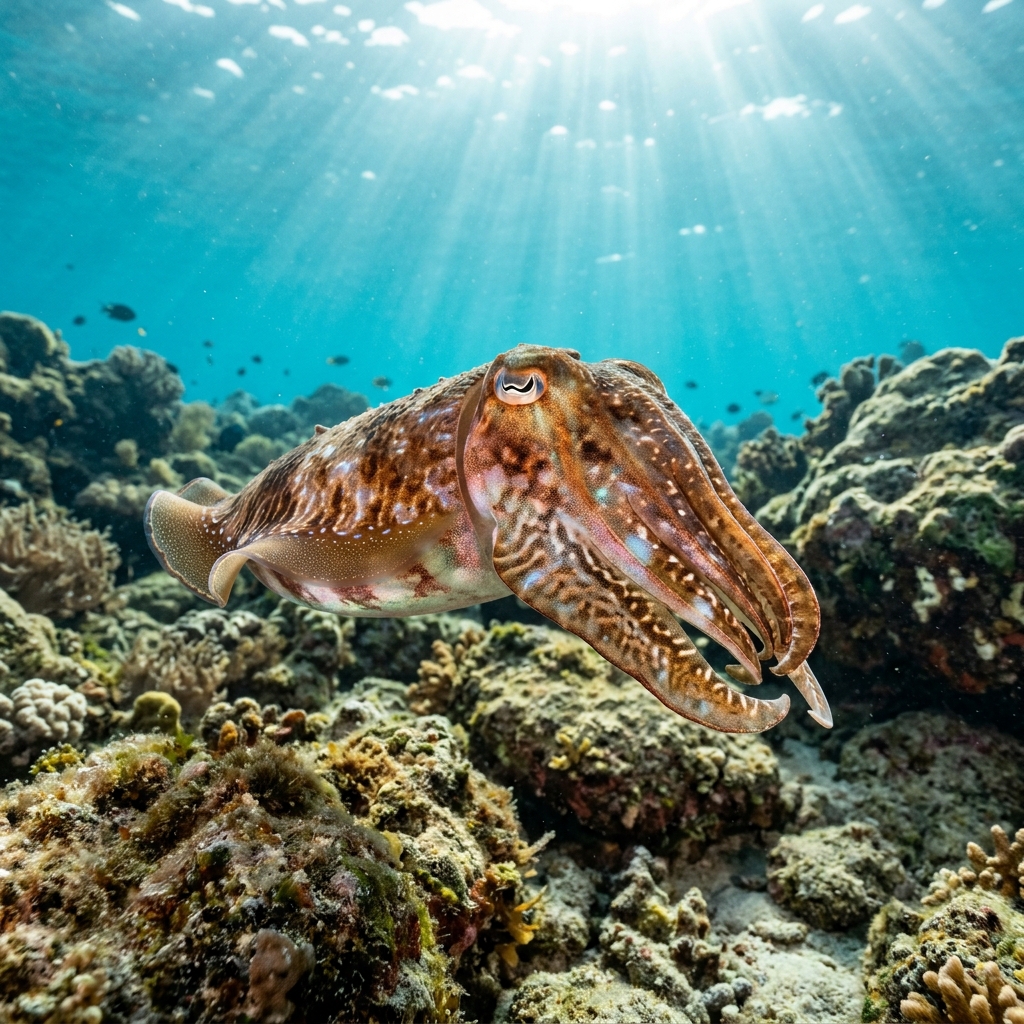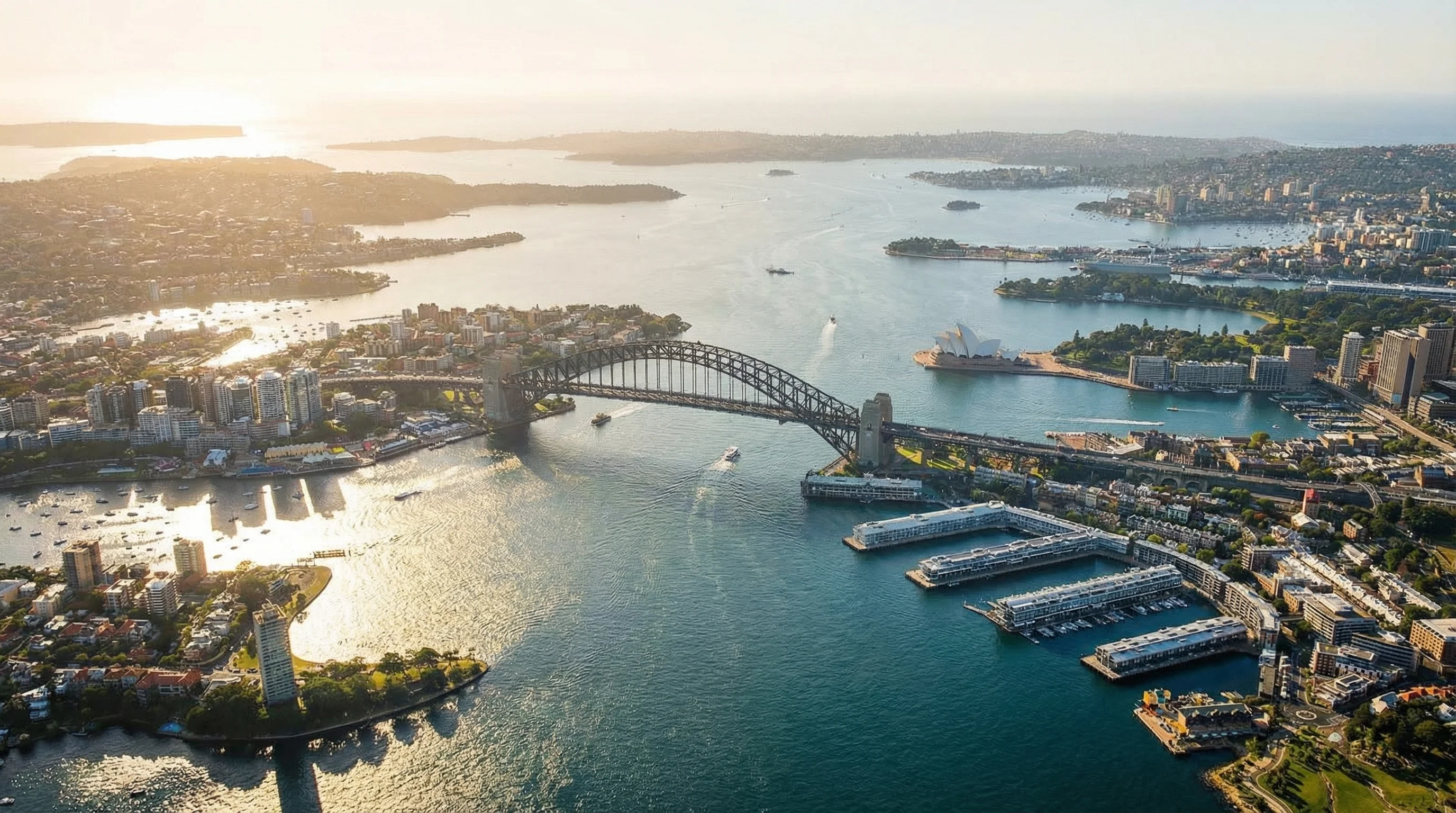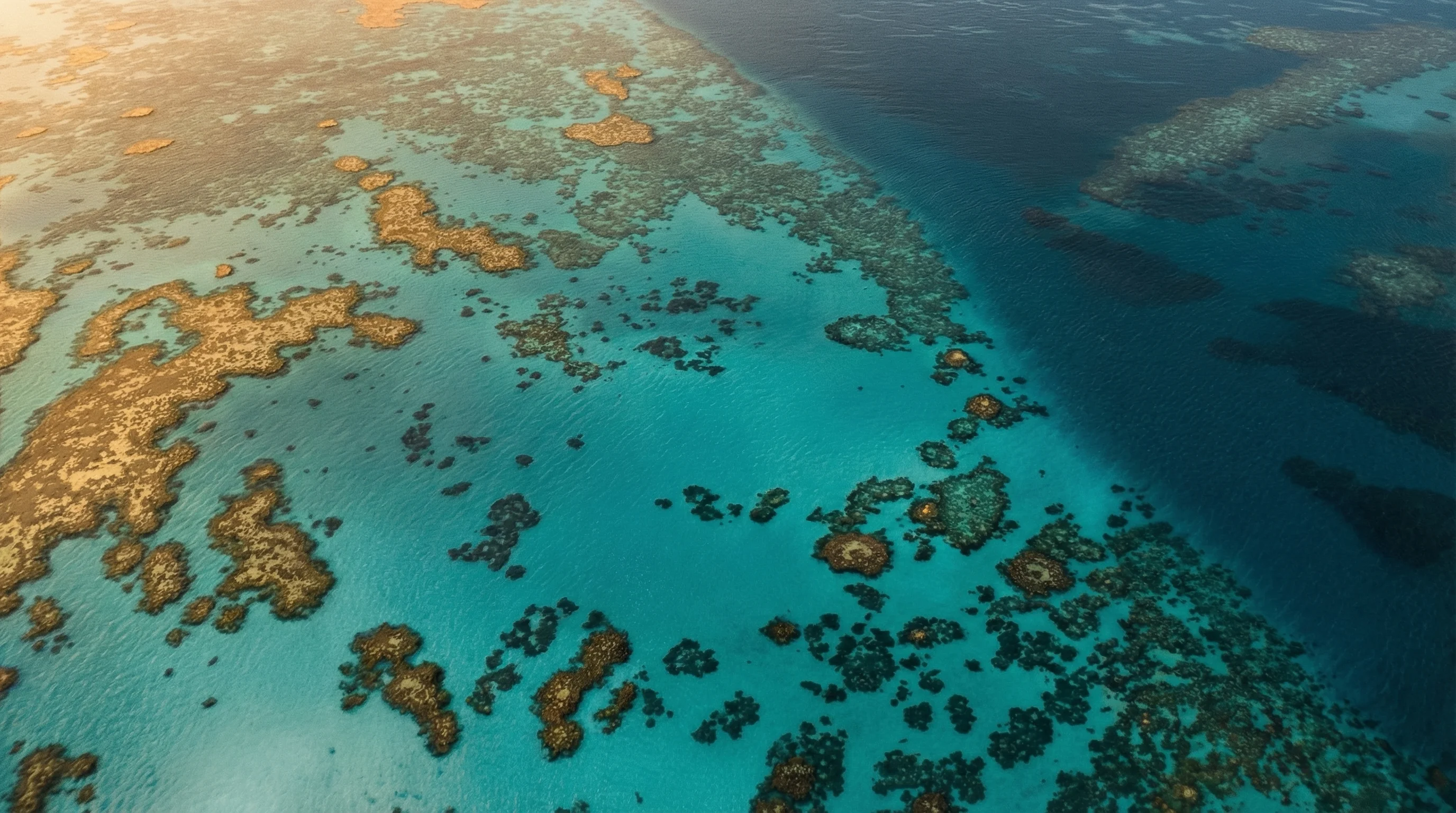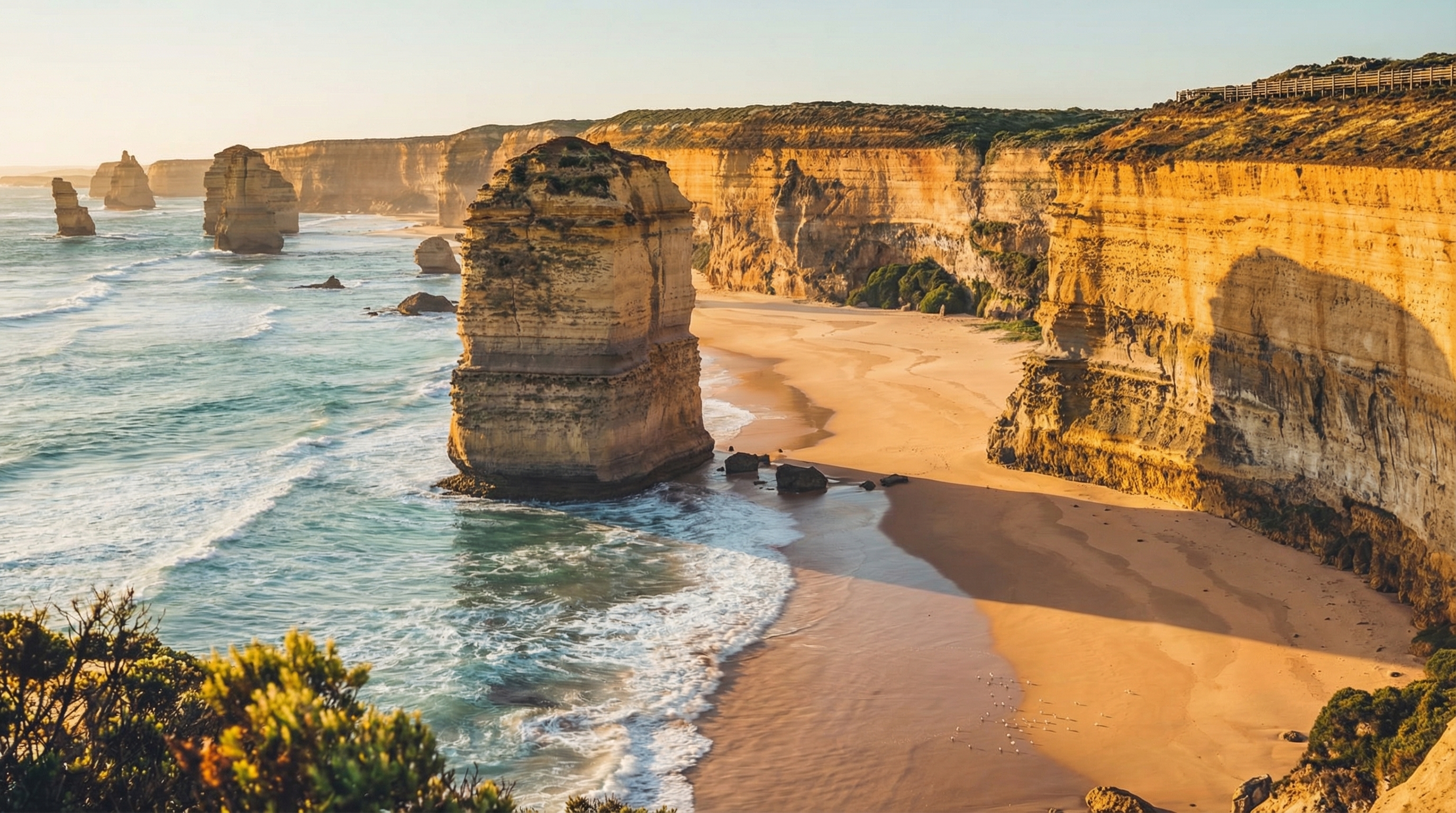
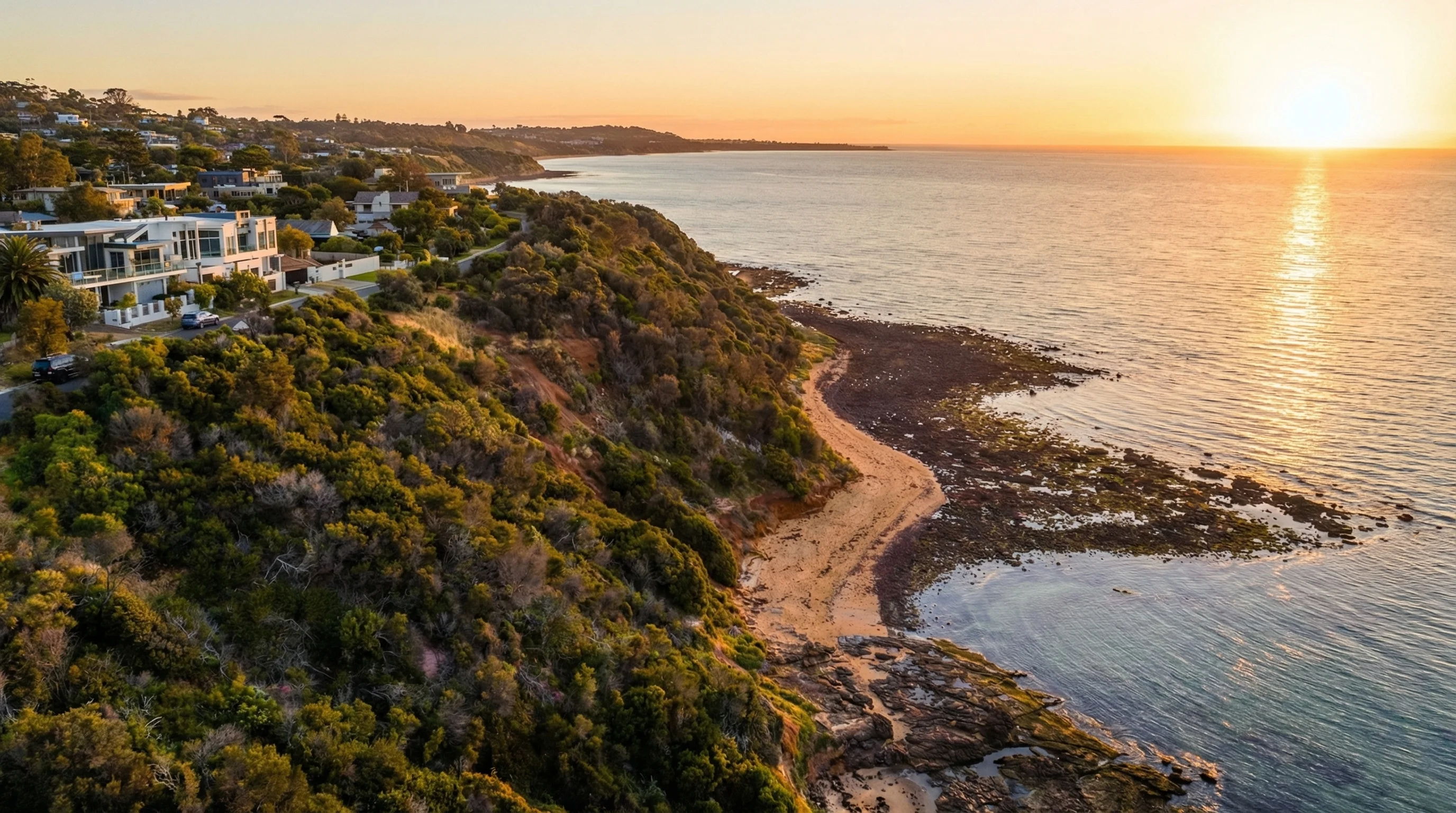
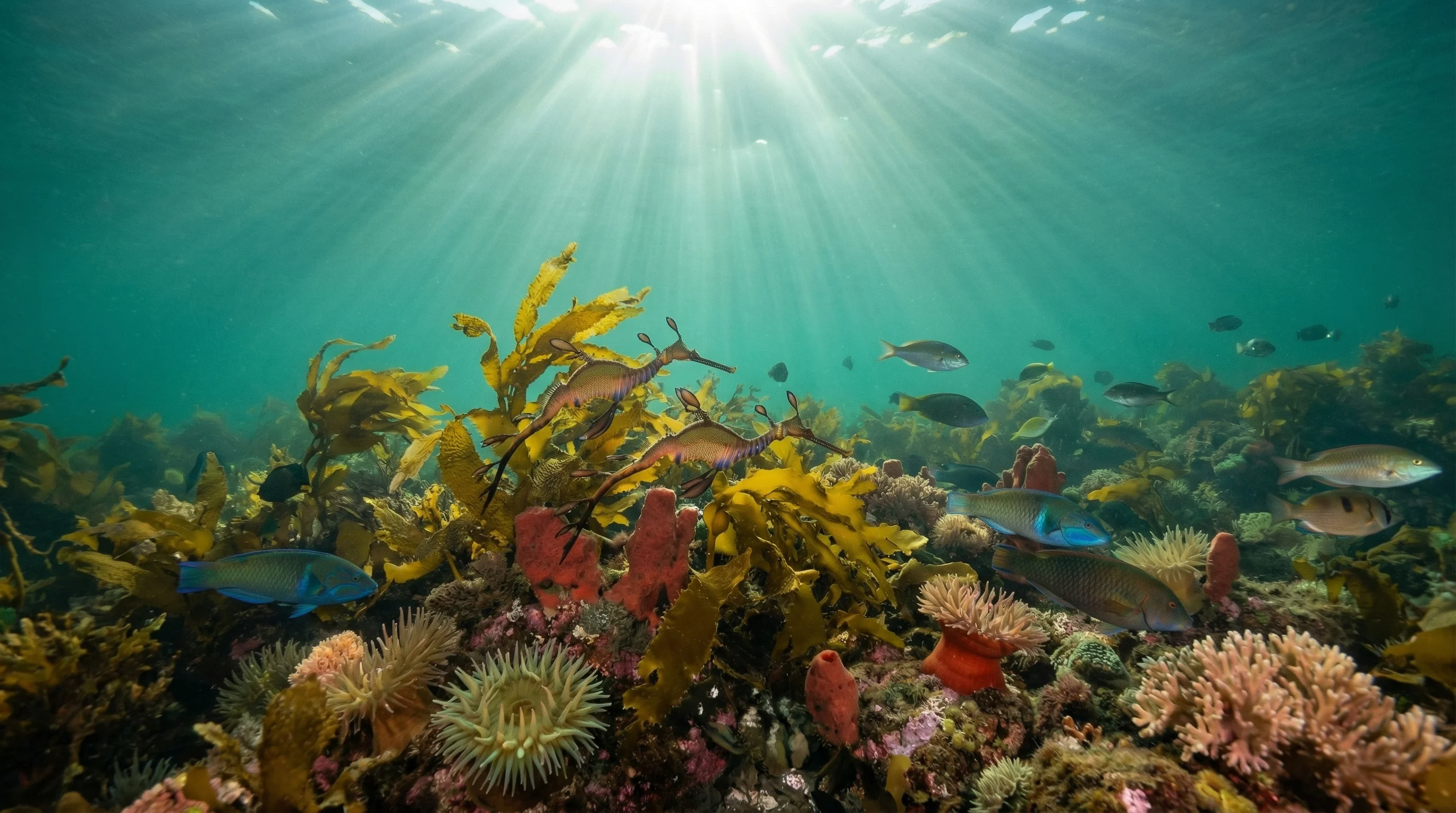
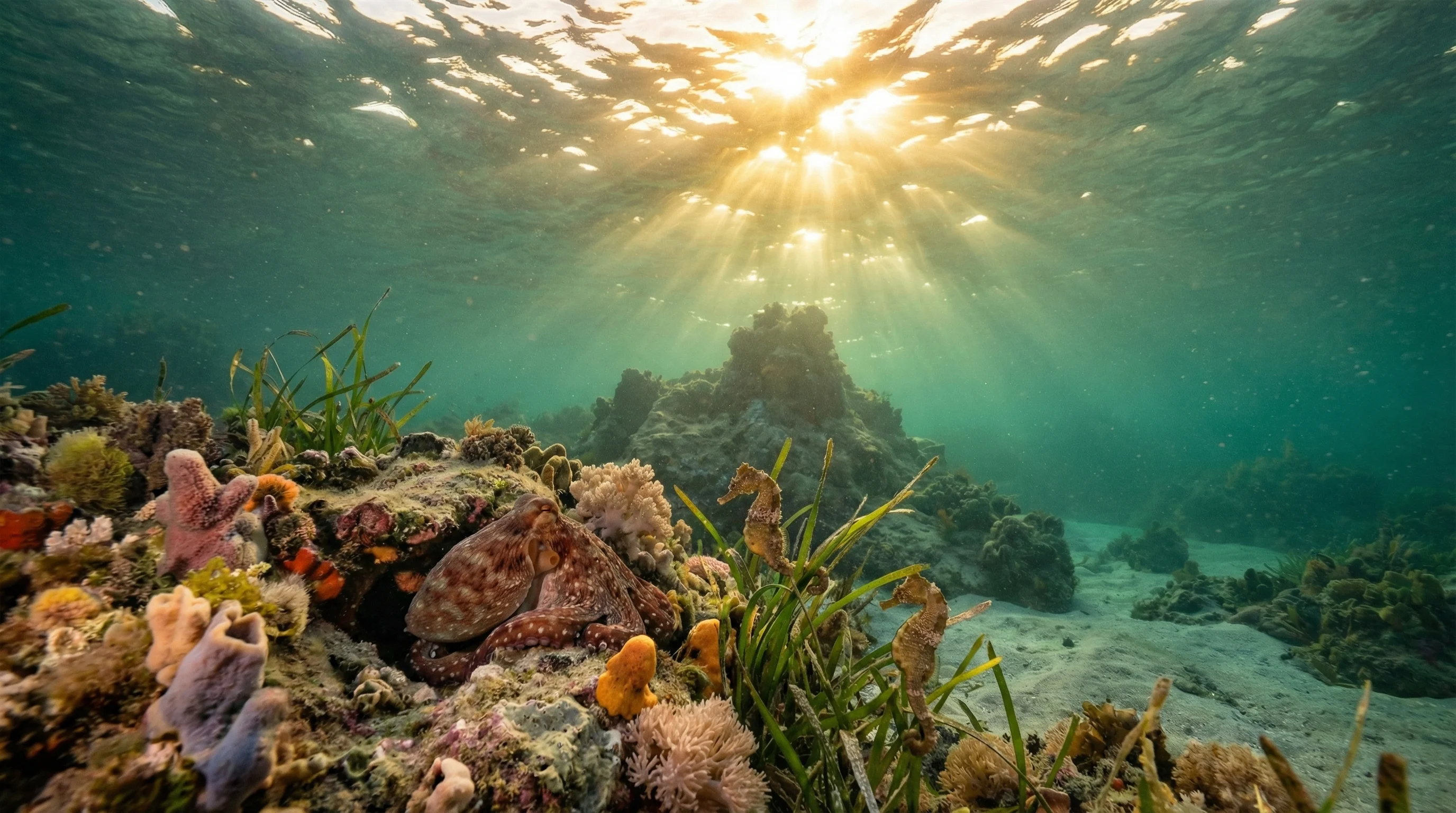
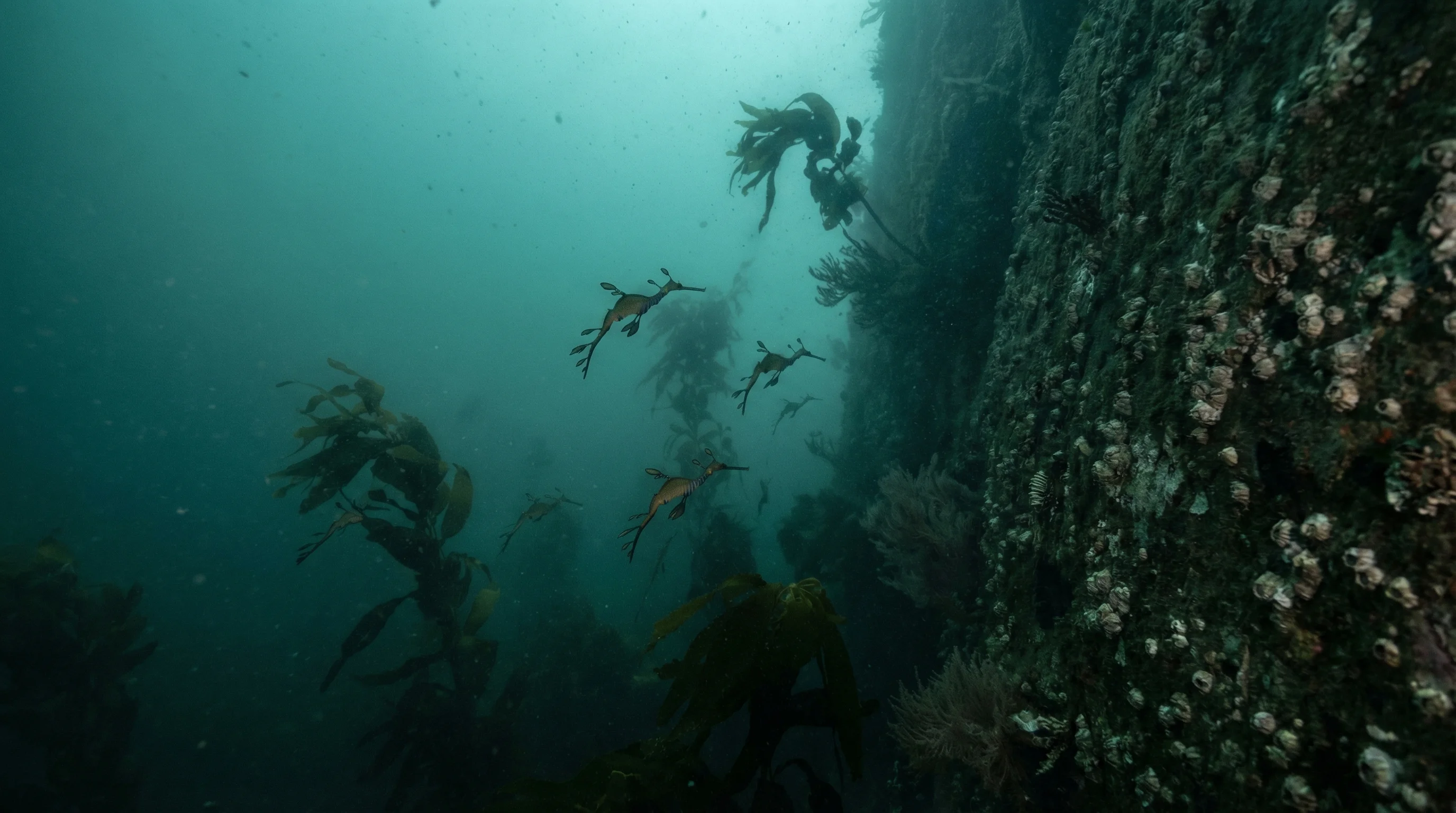
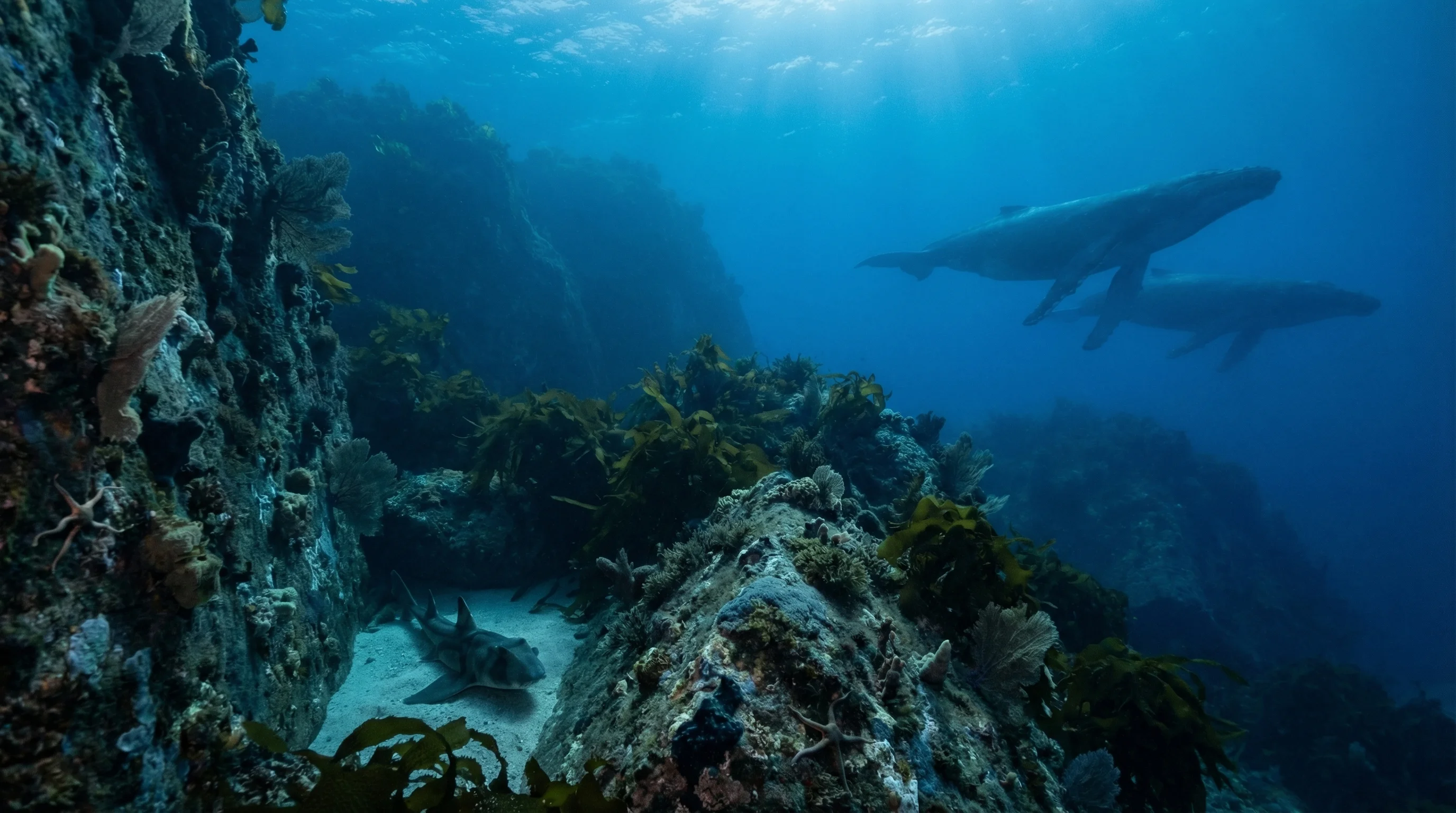
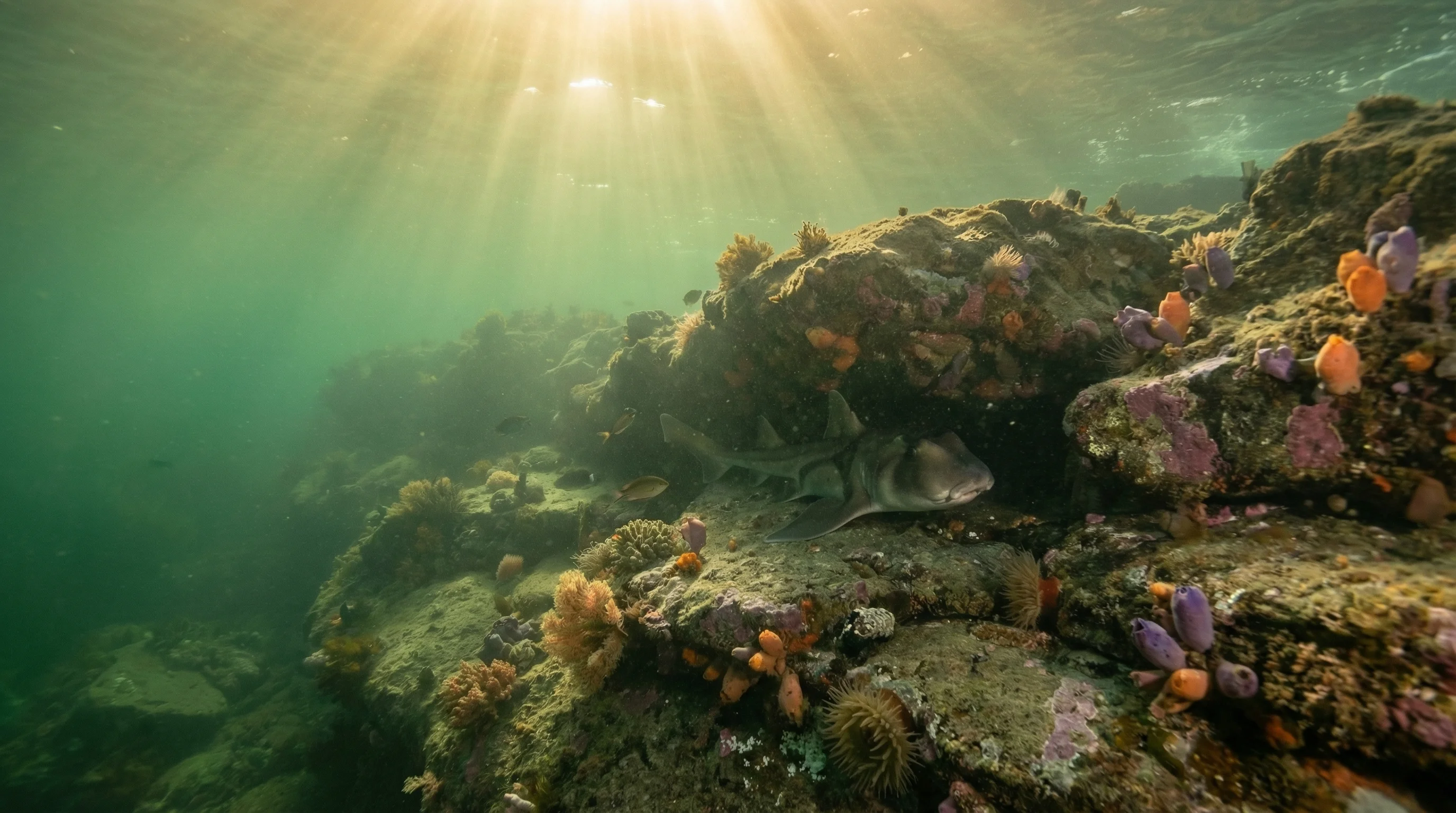
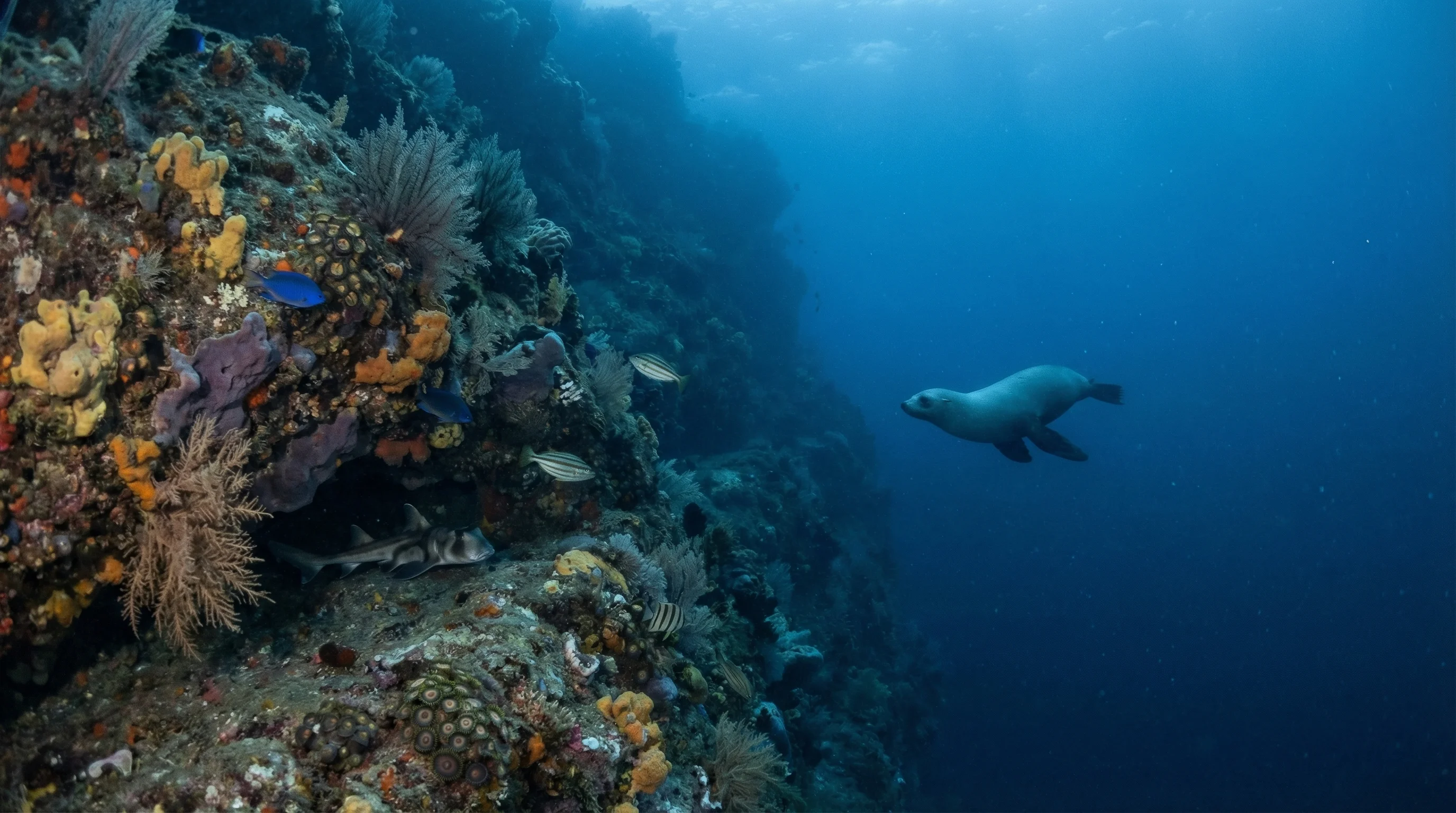
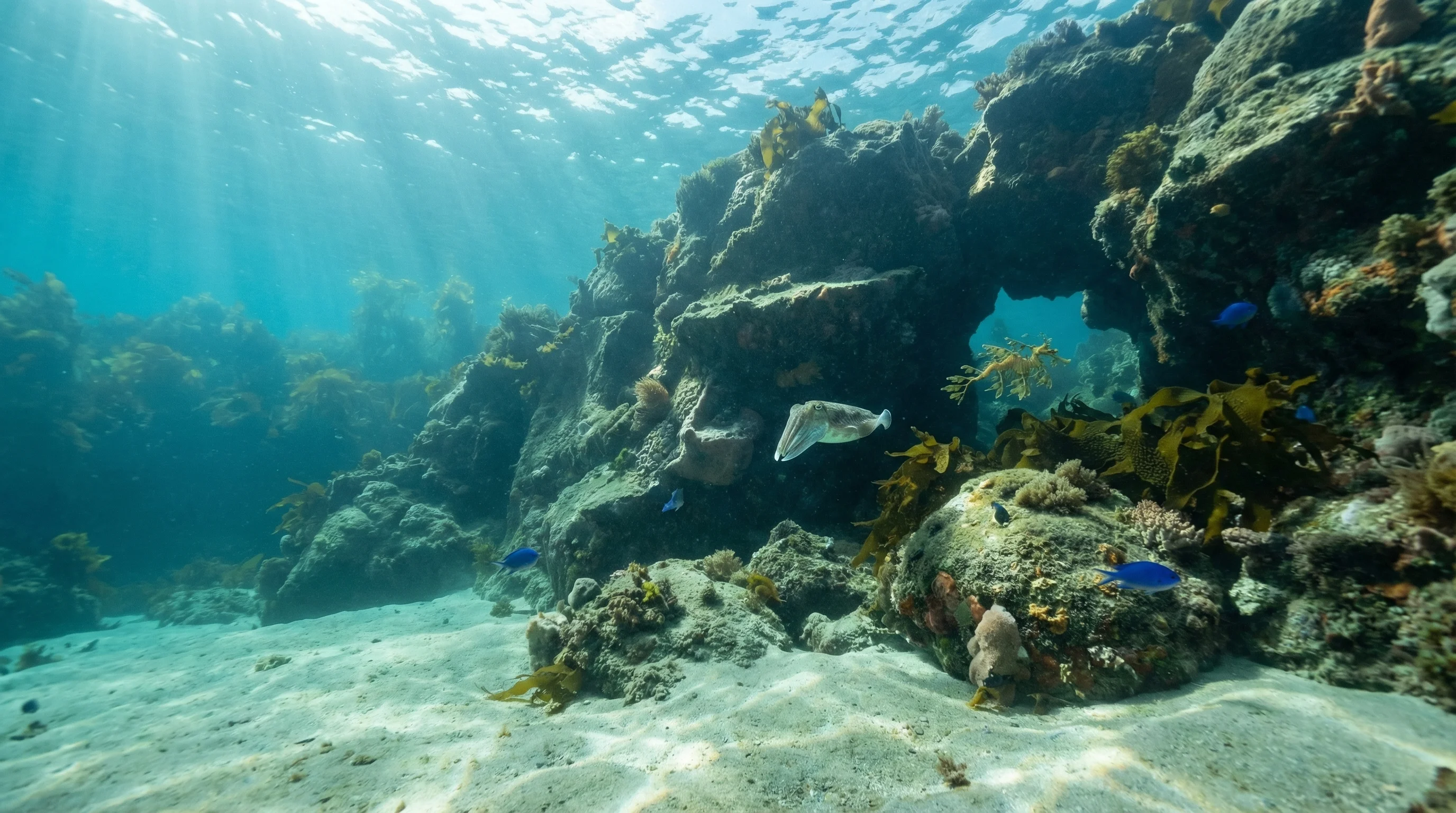
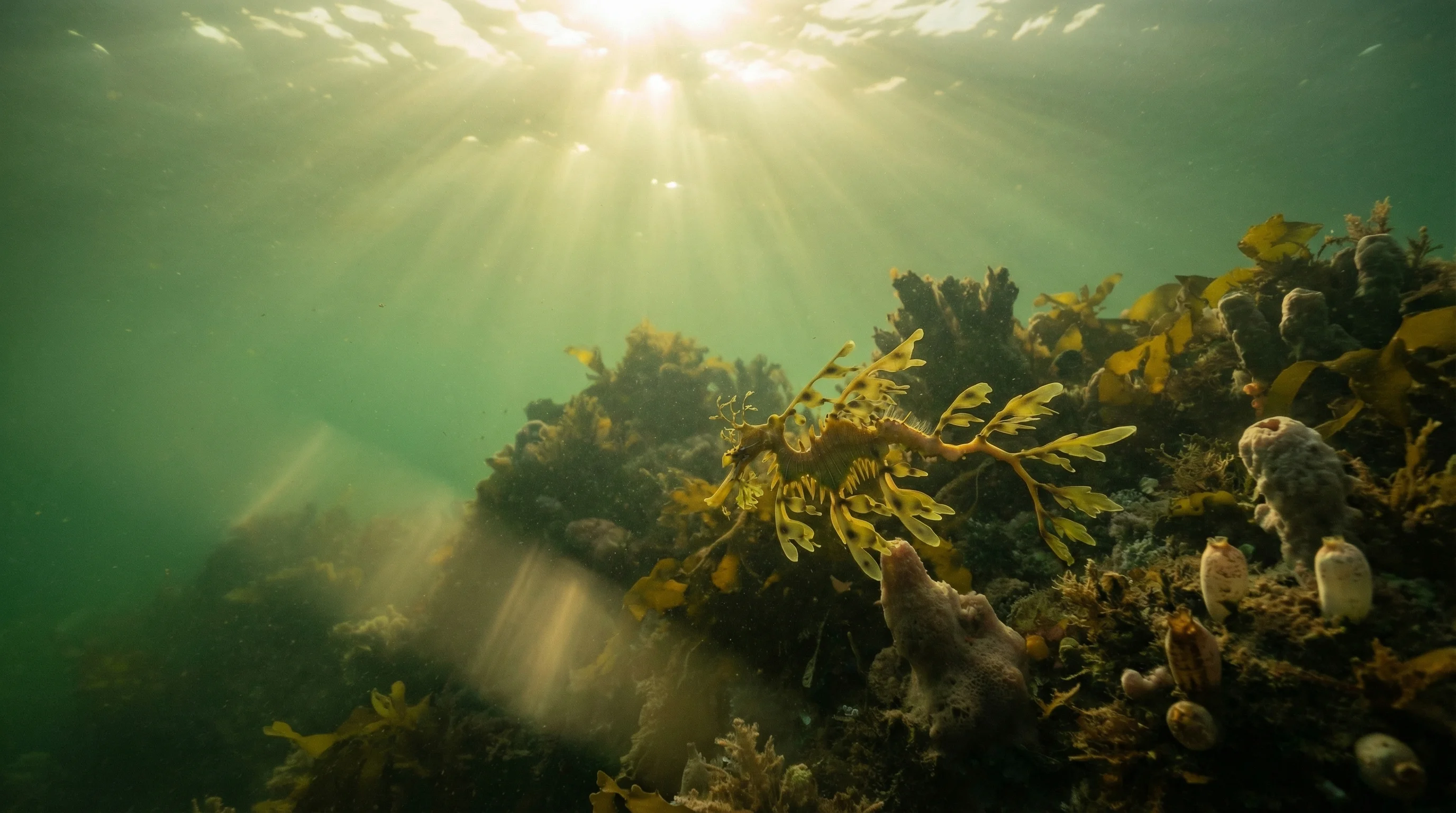
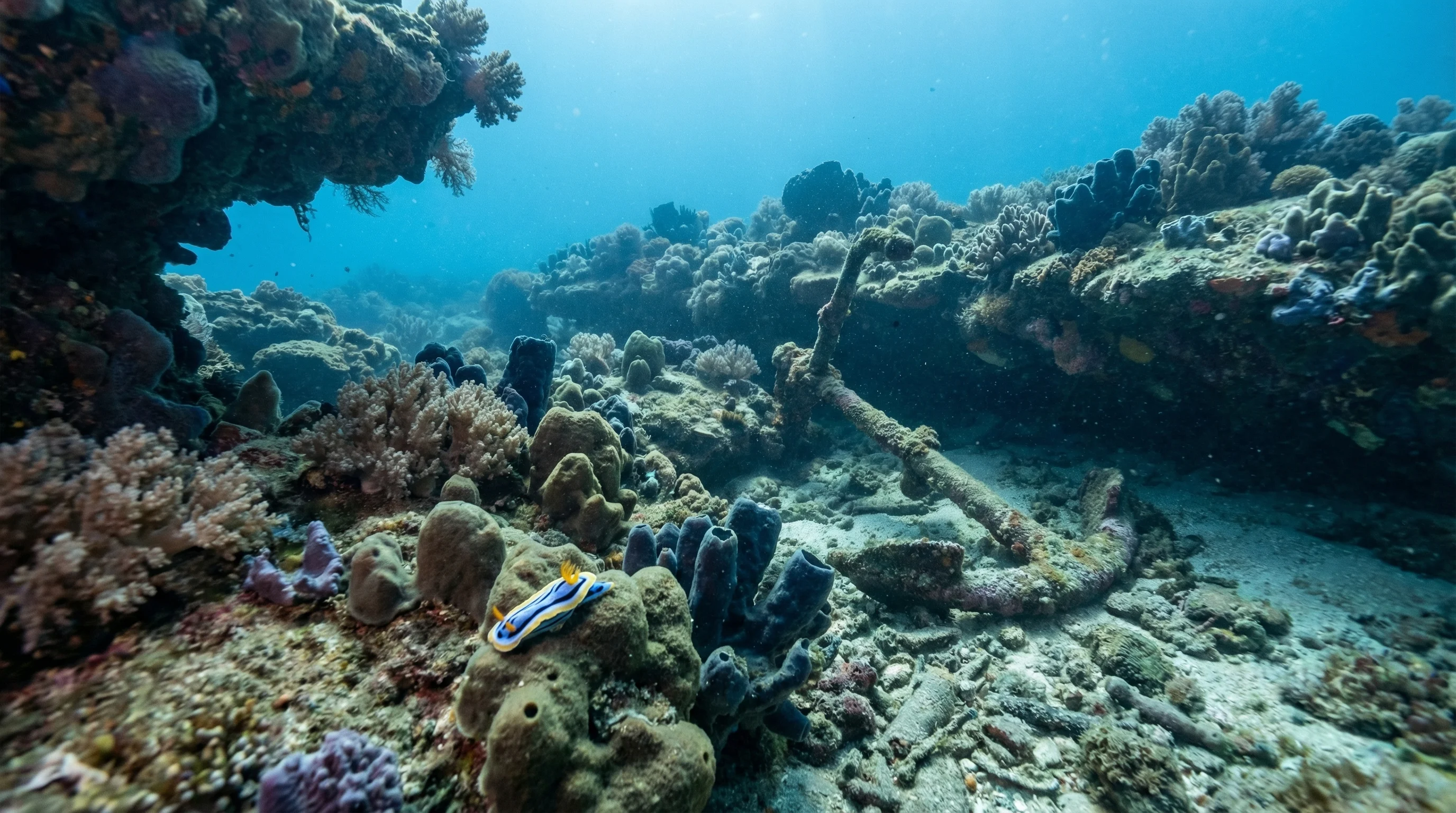
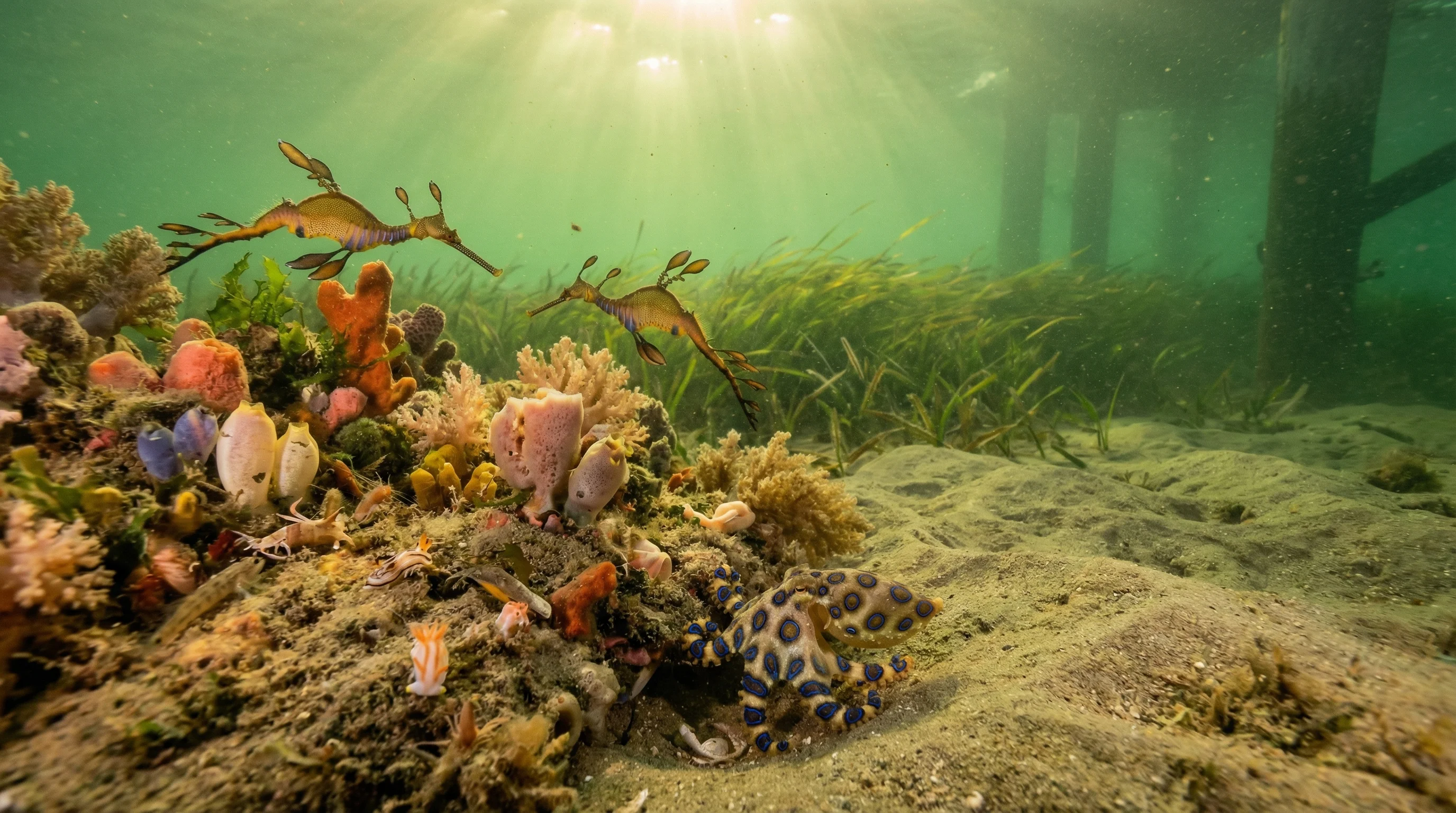
Victoria offers a diverse underwater landscape anchored by the Mornington Peninsula, which holds the great majority of the region's sites. Pier dives, artificial reefs, kelp forests, walls, and drift dives all feature across the region, with the Great Ocean Road, Gippsland, and Phillip Island rounding out the mix. Signature encounters include the Weedy Seadragon, Pot-bellied Seahorse, Giant Cuttlefish, and Long-nosed Fur Seal. Water is cool to cold, rewarding those who suit up with rich invertebrate life and notably good nudibranch diversity. The freshwater crater lake of Lake Purrumbete adds an unusual deep-diving option inland.
4 areas
 80
80Weedy Seadragon and Pot-bellied Seahorse territory, spanning sheltered pier dives and deep walls across two bay systems.
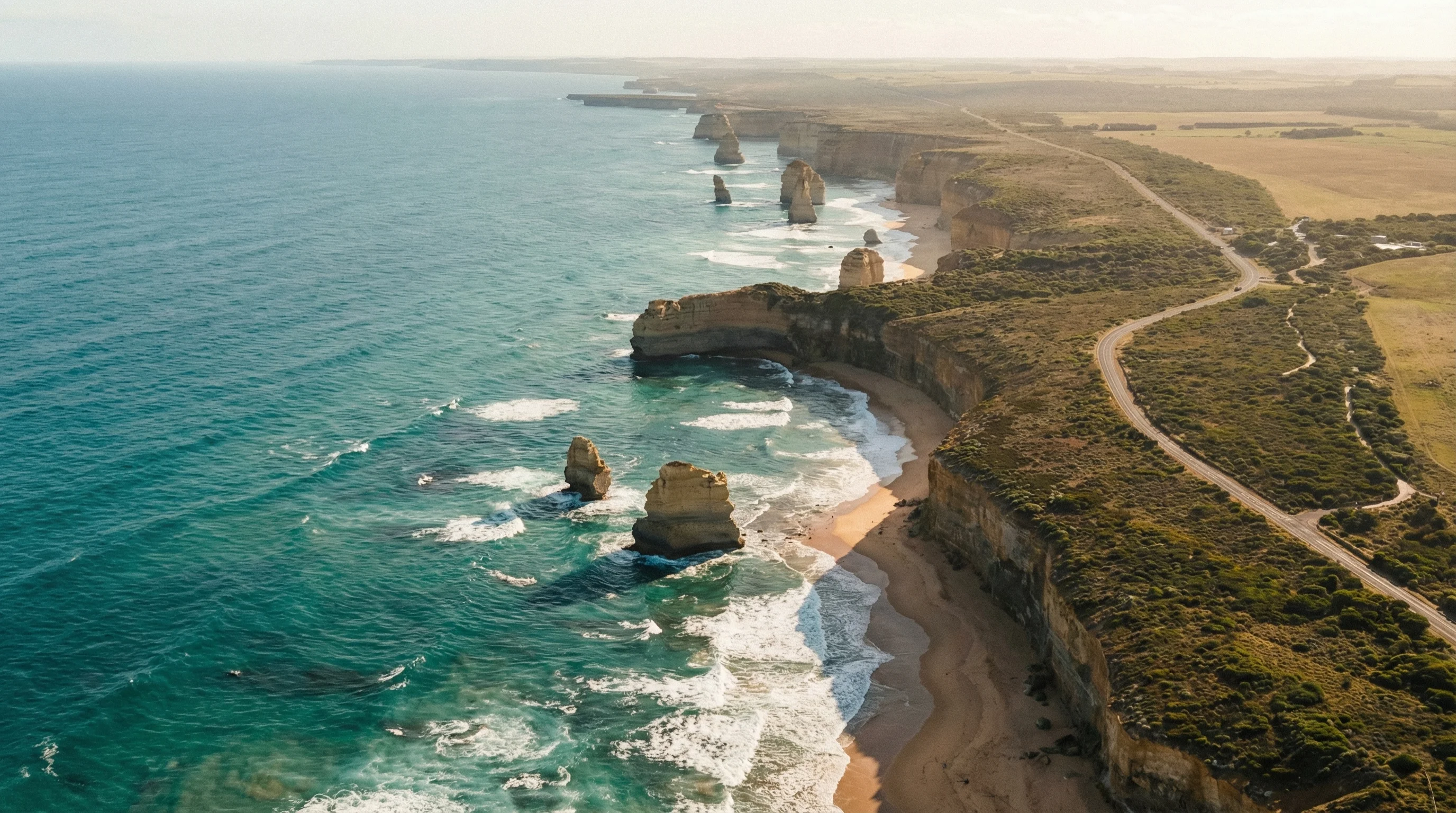 24
24Temperate reefs, volcanic crater lakes, and fur seals define this varied Victorian diving and snorkelling coast.
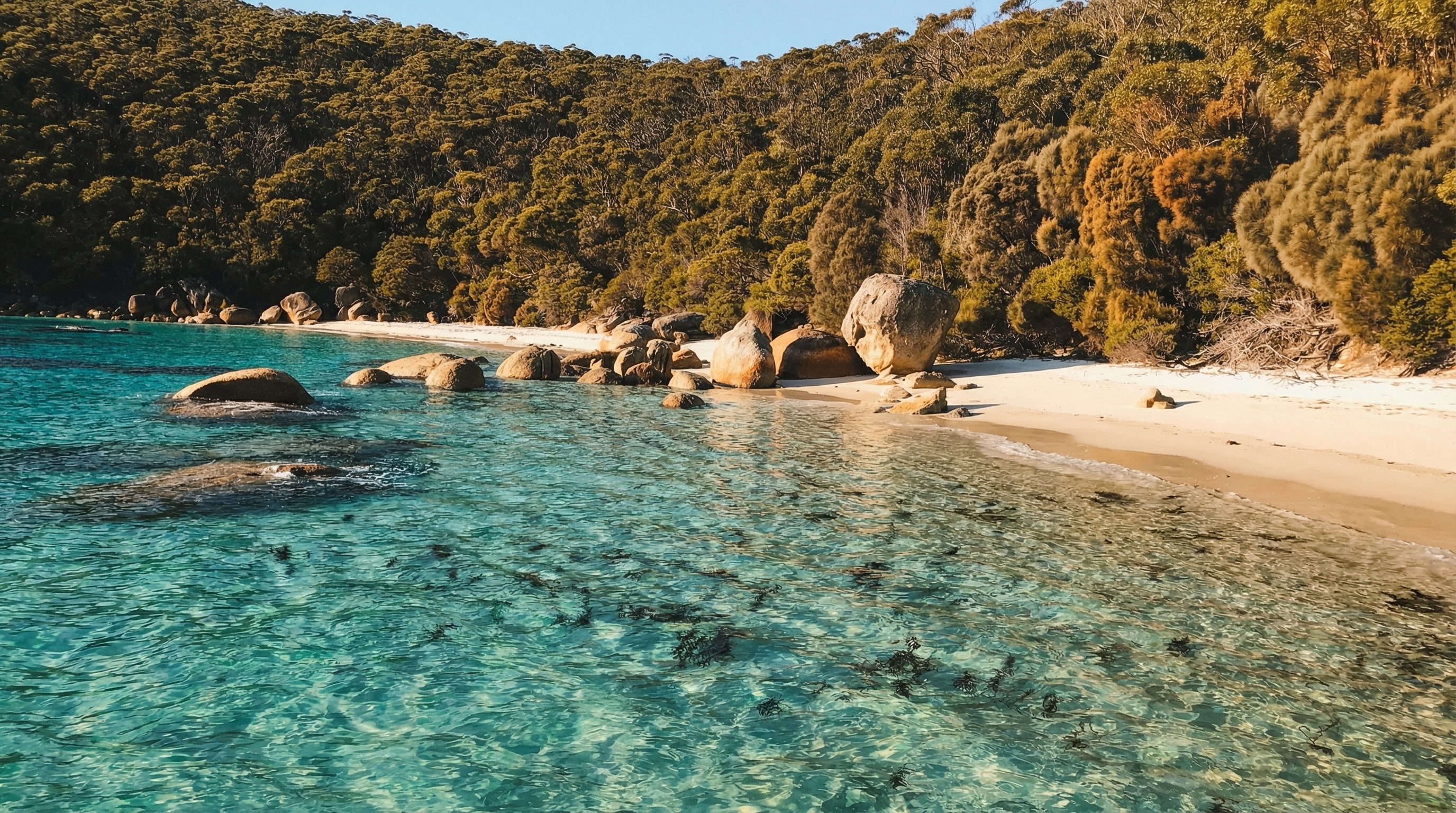 2
2Advanced-only boat diving off Bass Strait, with reef, wall, wreck, and canyon sites exposed to open ocean currents.
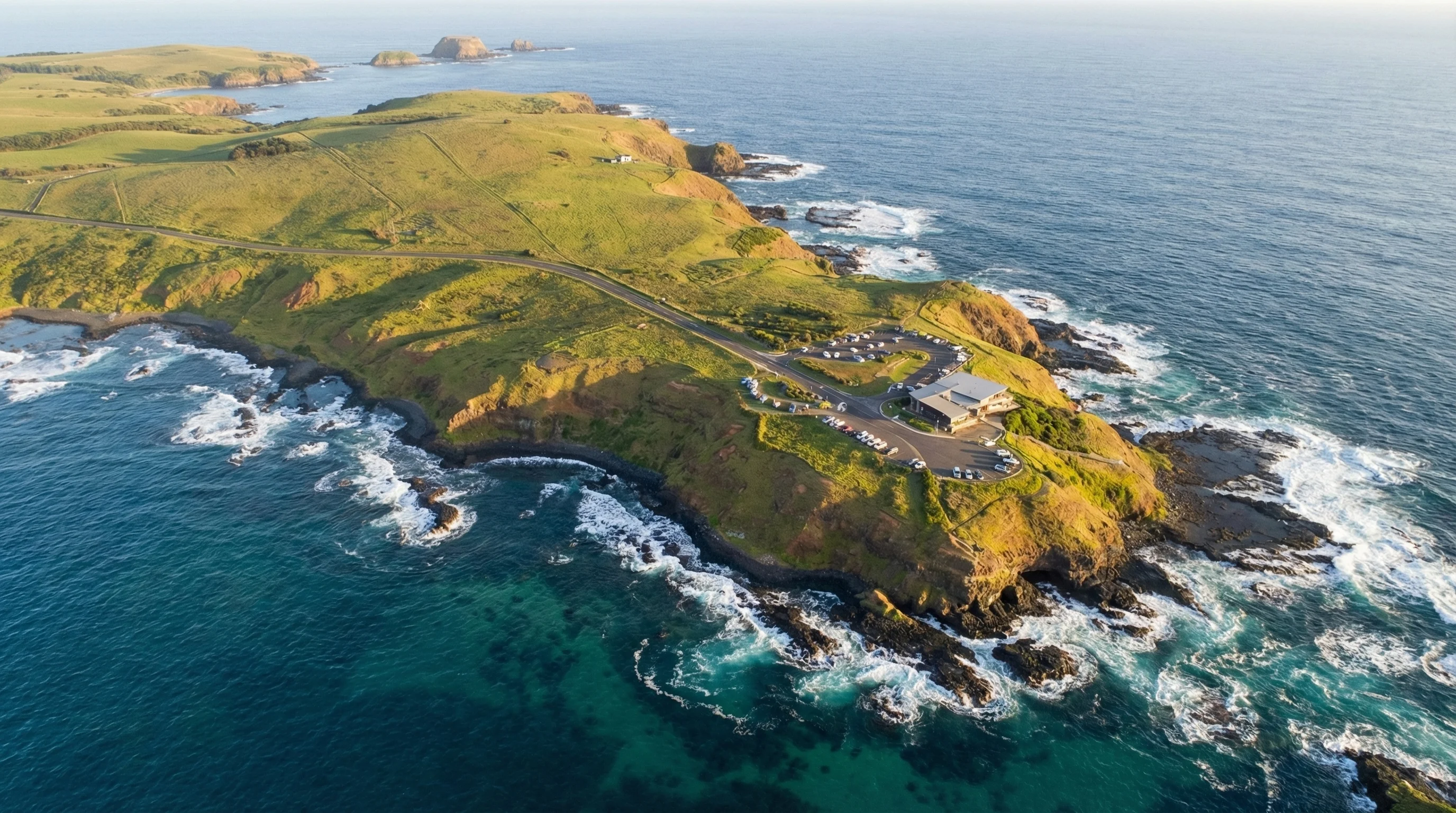
Monthly water temperature across Victoria's sites, from satellite sea-surface data corrected for depth. The band shows the site-to-site spread.
Water temperature peaks over the summer months of December through March and drops to its coldest from July through September, shaping two distinct seasonal characters. Summer brings the warmest conditions and the highest diver activity, with the best-months data clearly favouring the January to March window. Winter diving is quieter and colder, but the region's sheltered bay sites and protected shore entries remain accessible year-round for those prepared for the chill.
40 operators

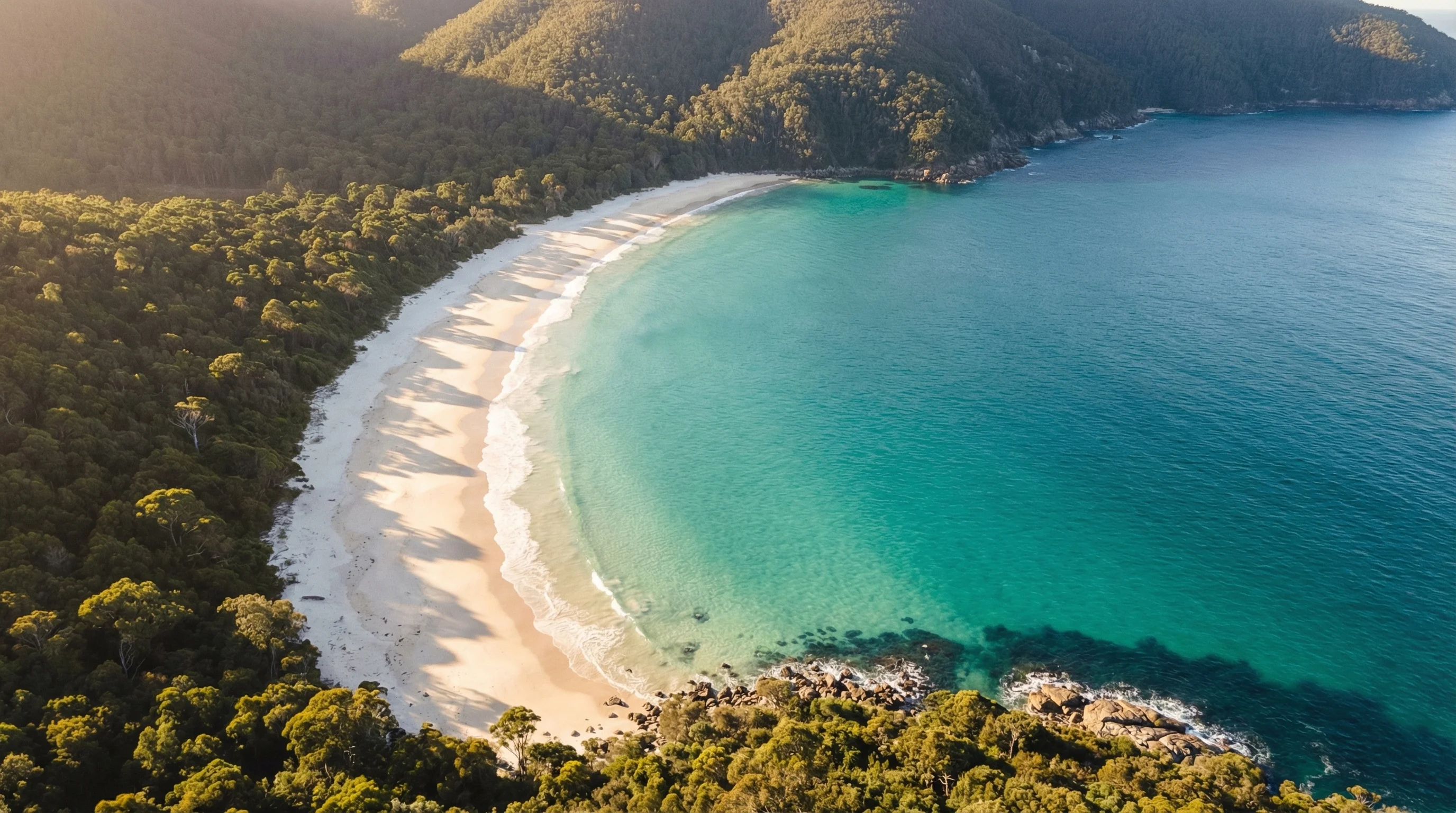
Diving spanning calm beginner shore dives and deep exposed reef at Wilson Promontory, with cool temperate water year-round.
Water temperature around Victoria ranges from about 13°C in July to 19°C in January, based on satellite sea-temperature data for its dive sites.
In the warm season (about 19°C) a 5mm suit is comfortable in Victoria; in the coldest months (about 13°C) step up to a 7mm or semi-dry suit.
Fin maps 108 sites in Victoria (98 scuba diving sites and 40 snorkelling spots, with some suited to both), organised into 4 areas.
Across Victoria's dive sites, January, February, March, April, May and December are most often reported as the best months to visit.
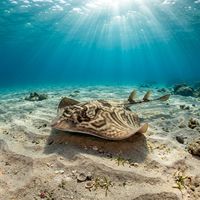
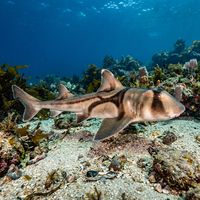
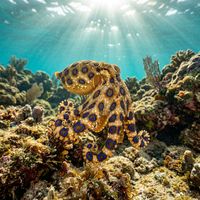
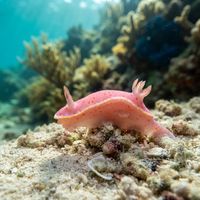
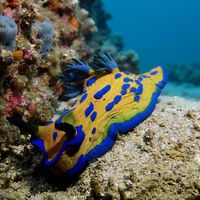
Victoria's signature species include the Weedy Seadragon, Pot-bellied Seahorse, Giant Cuttlefish, and Blue-ringed Octopus, all of which have been observed across the region's sites. Smooth Ray, Fiddler Ray, and Port Jackson Shark are commonly encountered, and Long-nosed Fur Seal appearances are a highlight for many divers. Nudibranch hunters will find the Short-tailed Ceratosoma and Chromodoris Nudibranch rewarding, and Sea Star is present at virtually every site.
Victoria caters well to beginner divers, with a strong selection of shallow, sheltered shore-entry sites such as Blairgowrie Pier, Rye Pier, Frankston Pier, and Nunn's Beach. These sites feature calm conditions and modest depths suited to those new to diving. Intermediate and advanced divers are also well served, with drift dives at Boarfish Reef, the deep wall at Lonsdale Wall, and the complex topography of Beware Reef offering more demanding challenges.
Many of Victoria's most popular sites are accessible directly from shore, particularly along the Mornington Peninsula where piers and breakwaters provide easy entry points. Boat access opens up more exposed or offshore sites such as Boarfish Reef, Lonsdale Wall, and Popes Eye, which tend to suit intermediate and advanced divers. A number of sites also offer both entry options, giving divers flexibility depending on conditions and operator availability.