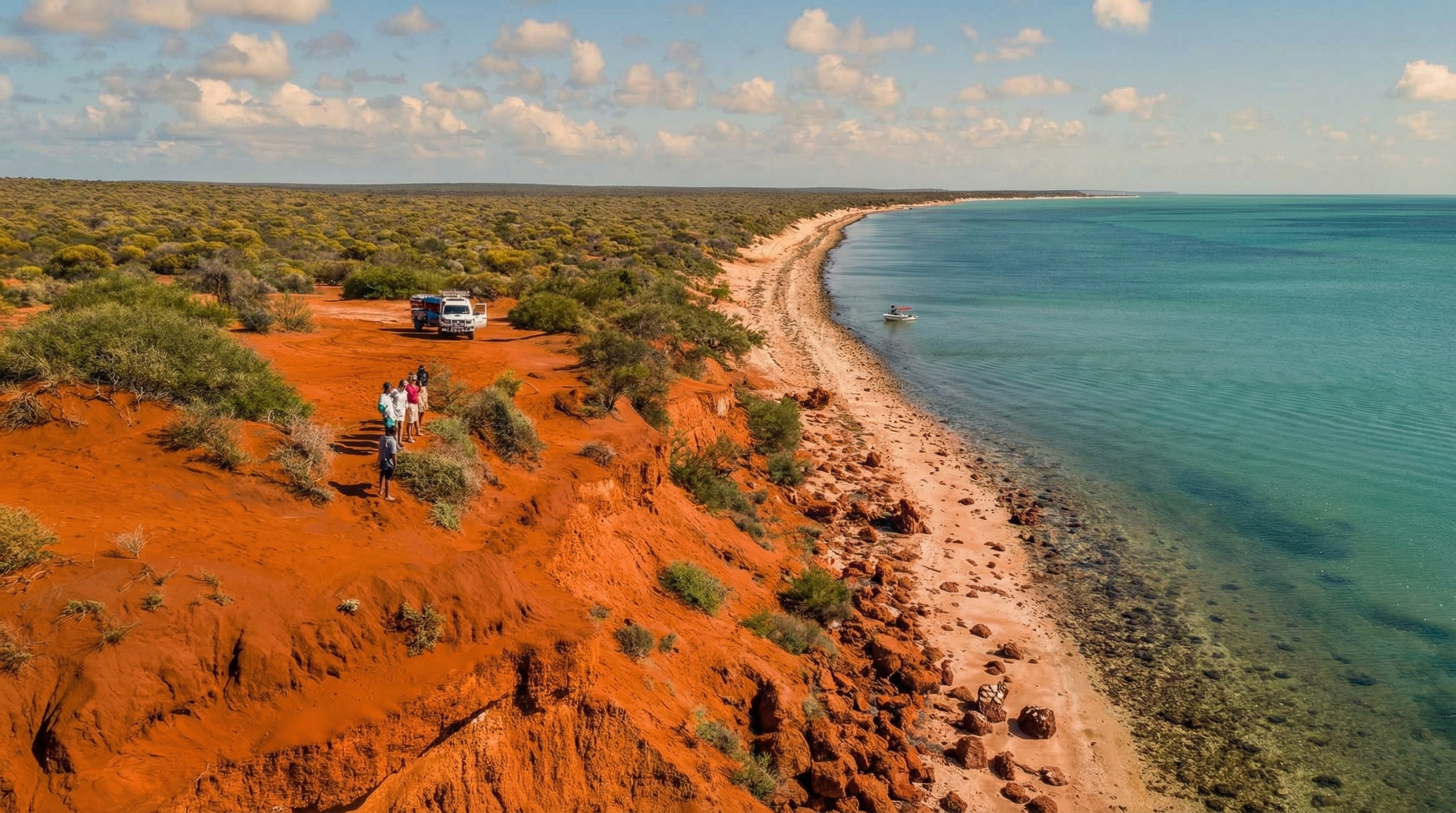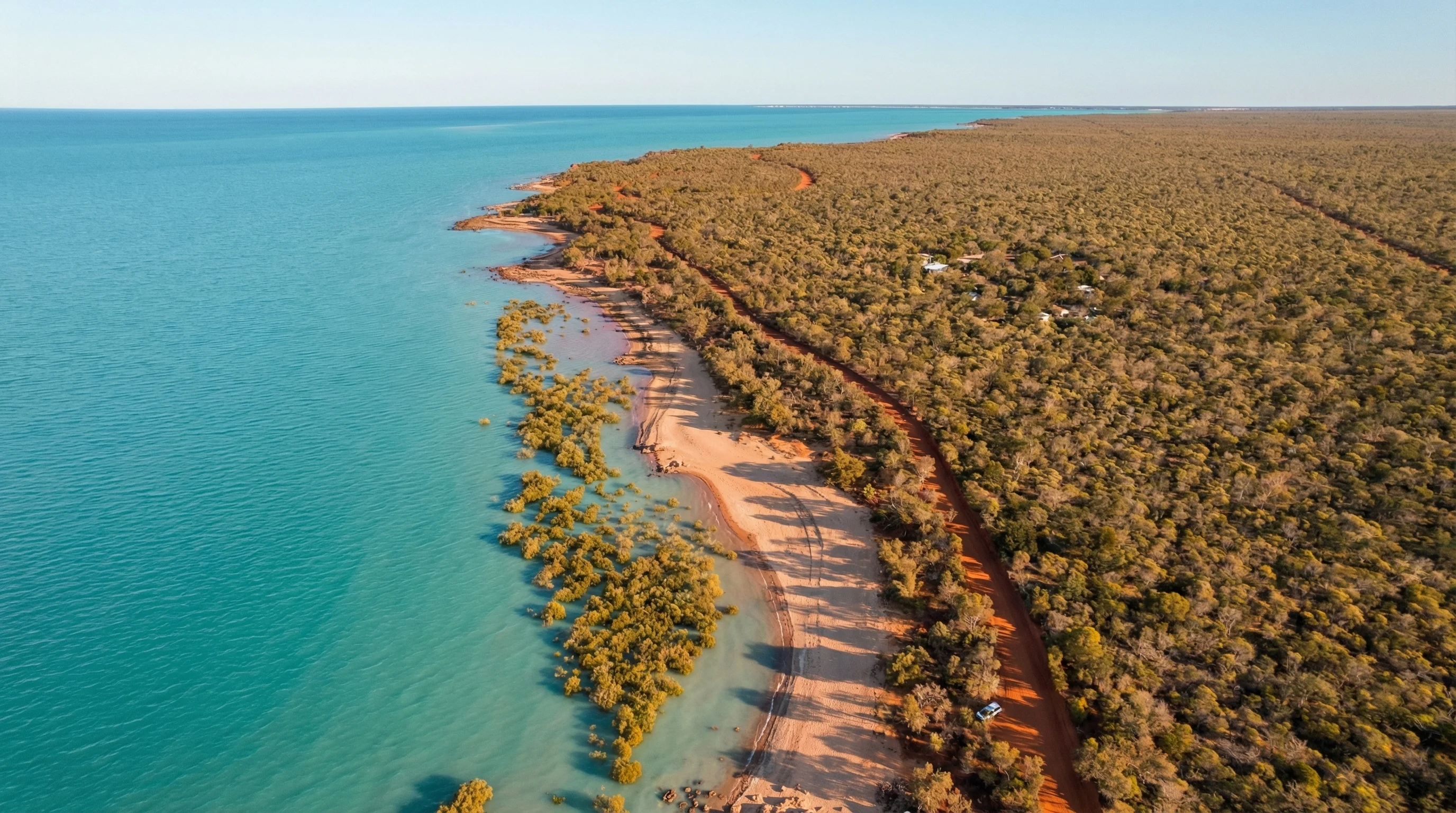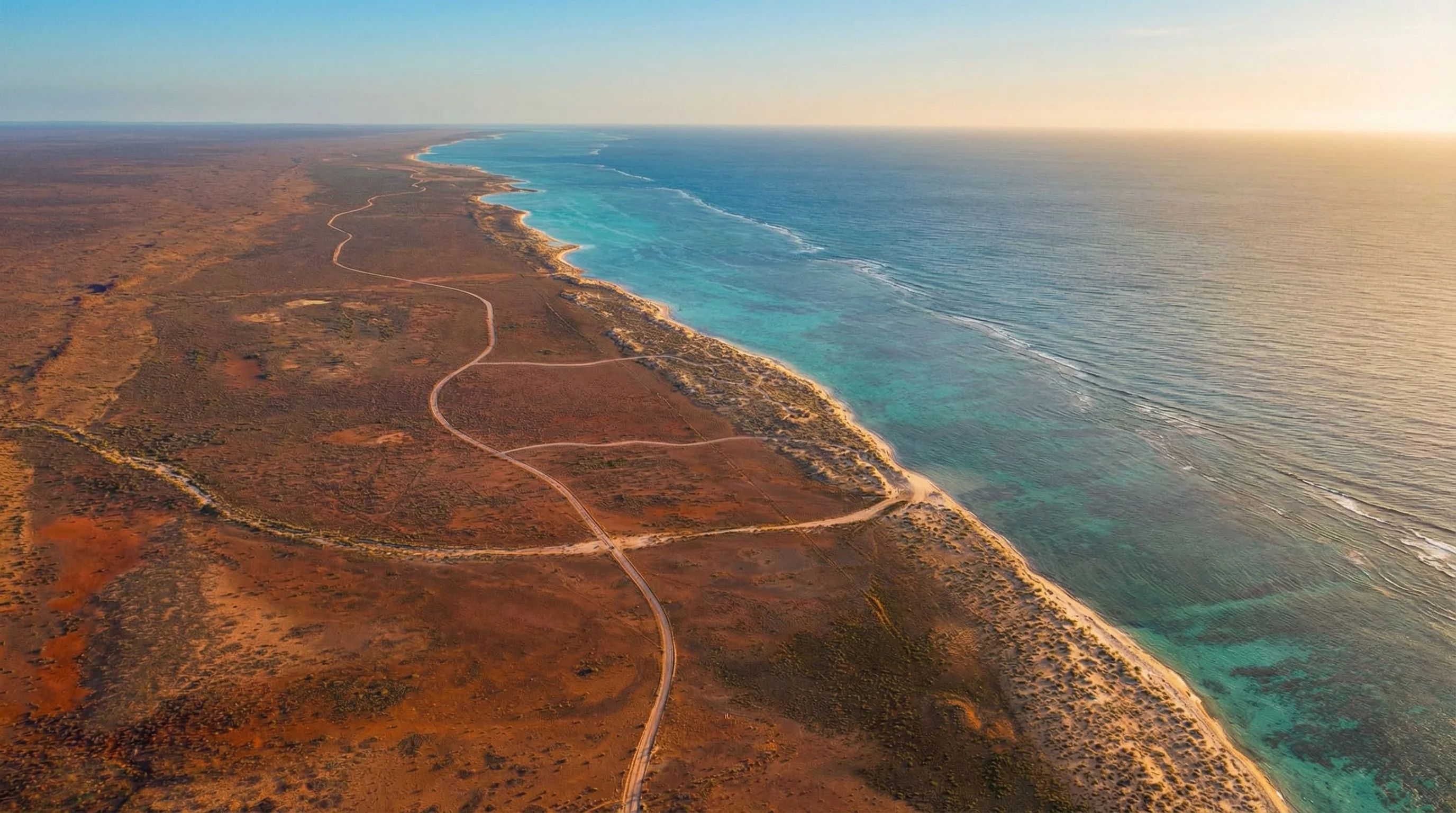
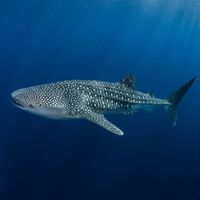
Ningaloo Reef spans two distinct sub-areas: Exmouth, which holds the majority of sites and ranges from the structured pylons of Navy Pier to deep wall and drift dives, and the more compact Coral Bay, where shallow reef sites suit beginners and snorkellers well. Reef dominates across both areas, with additional seagrass and artificial reef habitats in Exmouth Gulf. Wrasse, Whitetip Reef Shark and Semicircle Angelfish are observed consistently, while the Whale Shark draws dedicated operators season by season.
2 areas
Monthly water temperature across Ningaloo Reef's sites, from satellite sea-surface data corrected for depth. The band shows the site-to-site spread.
Water is warmest from late summer through autumn, making March to May a particularly comfortable period for extended dives. Cooler temperatures arrive from August through September, which suits divers who prefer a lightweight wetsuit and sharper focus on macro life. Sites range from sheltered beginner reefs to exposed drift and wall dives with variable currents, so conditions vary considerably between Exmouth and Coral Bay.
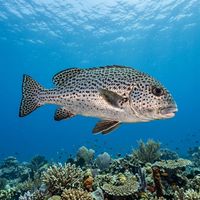
22 operators

Dampier, Australia
33 more sites to explore
Shore dives beneath industrial pylons, drift reef at Turquoise Bay, and Whale Shark encounters across three distinct sub-areas.
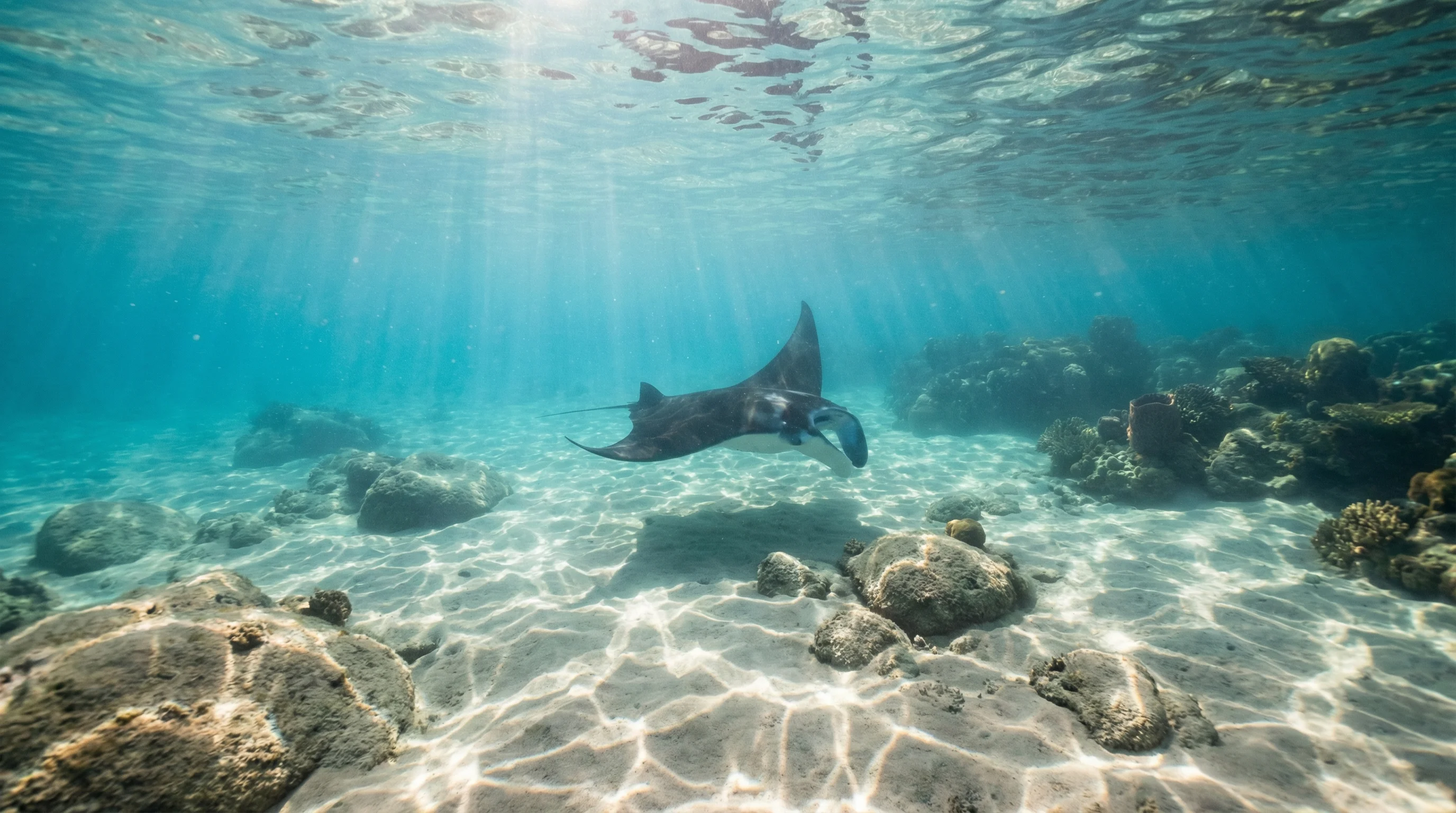
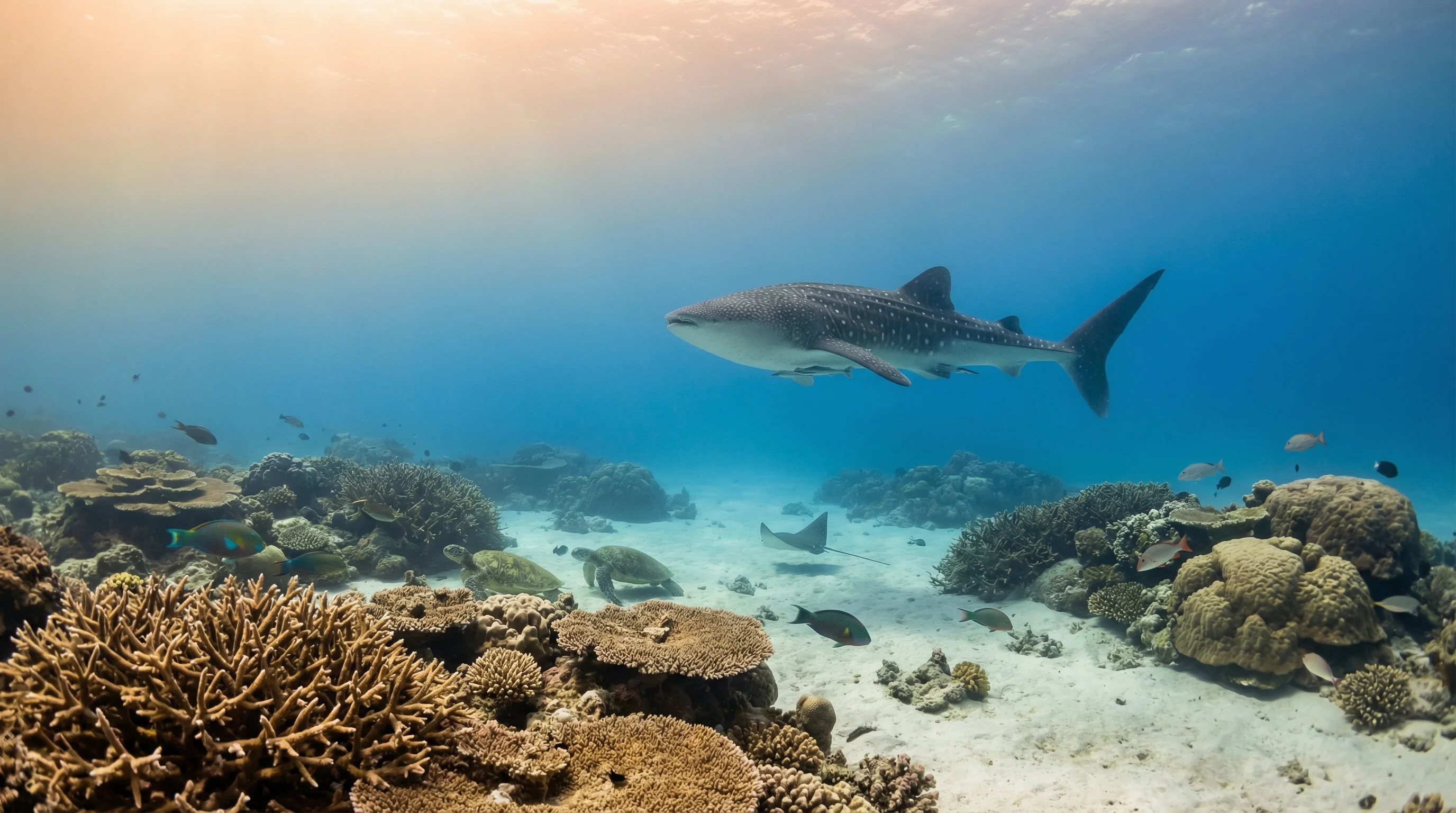
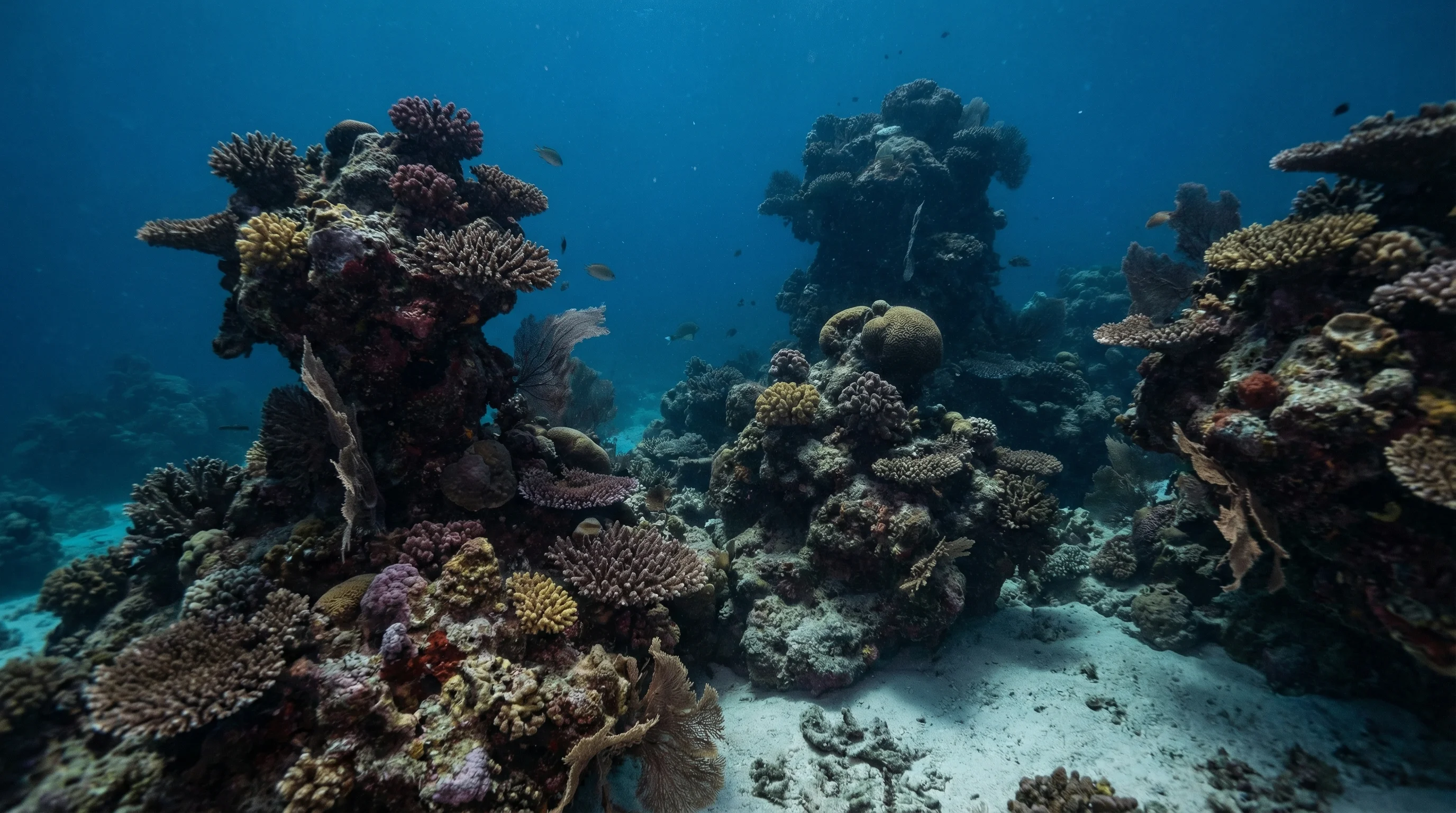
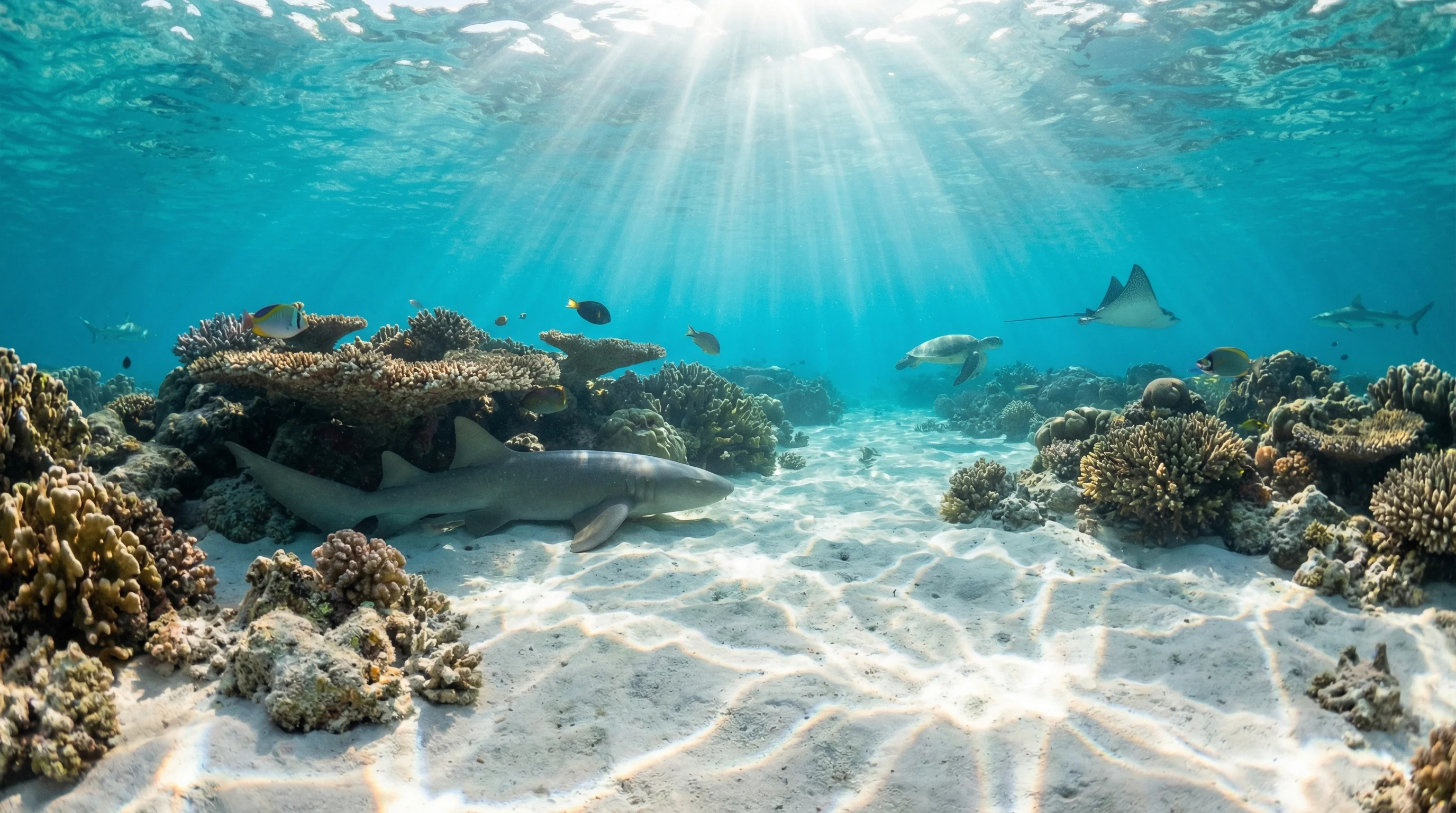
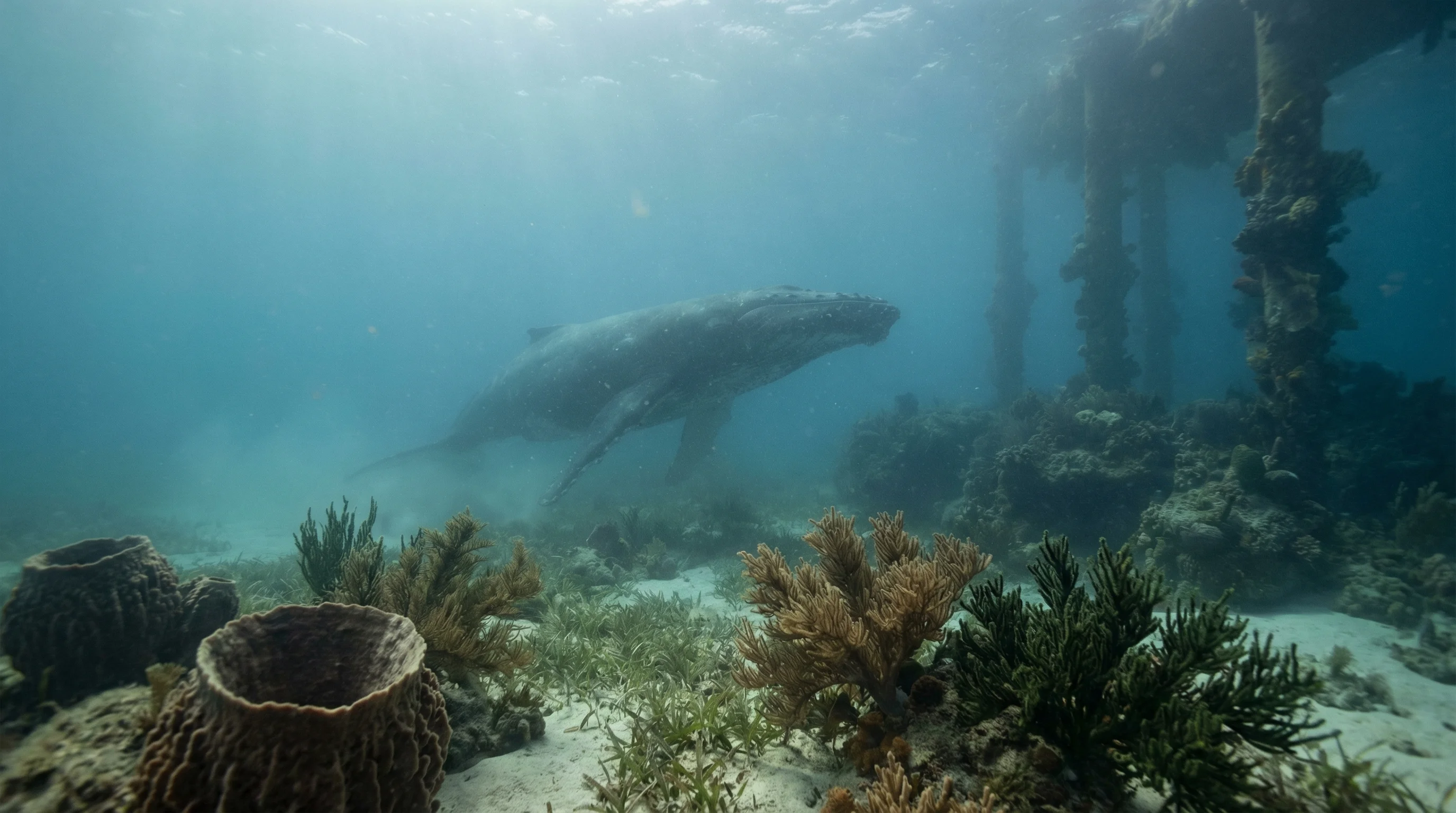
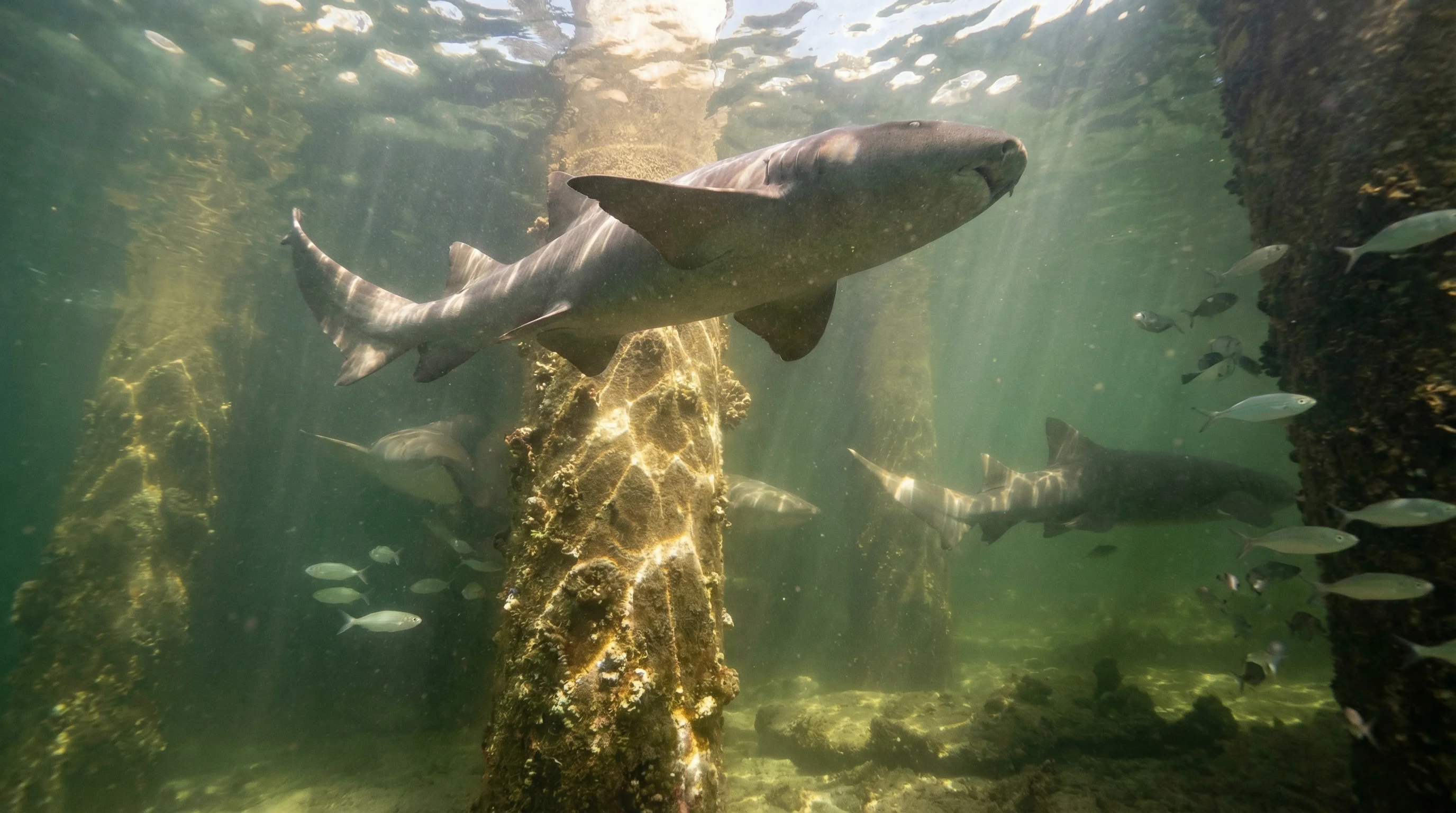
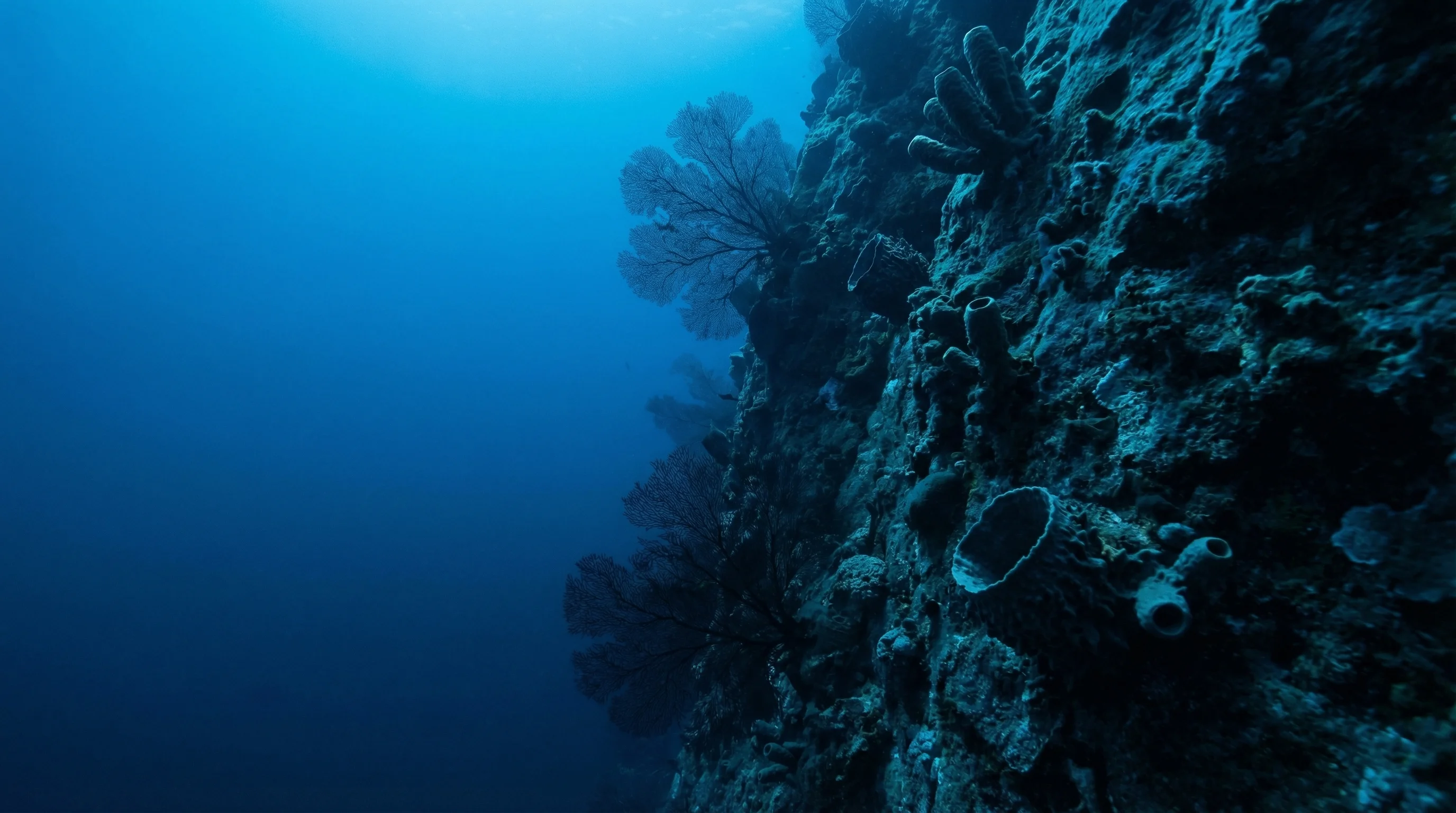
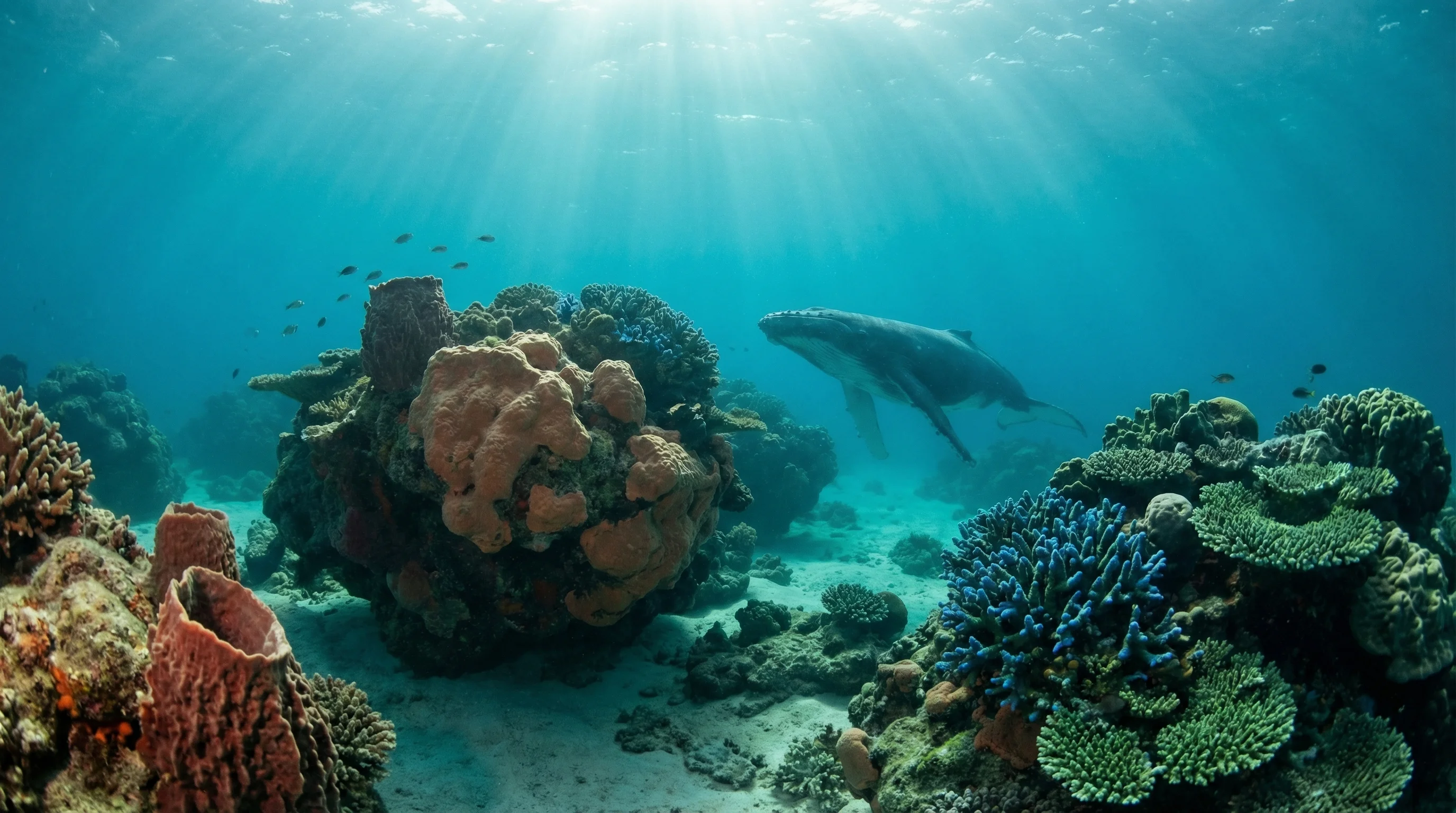
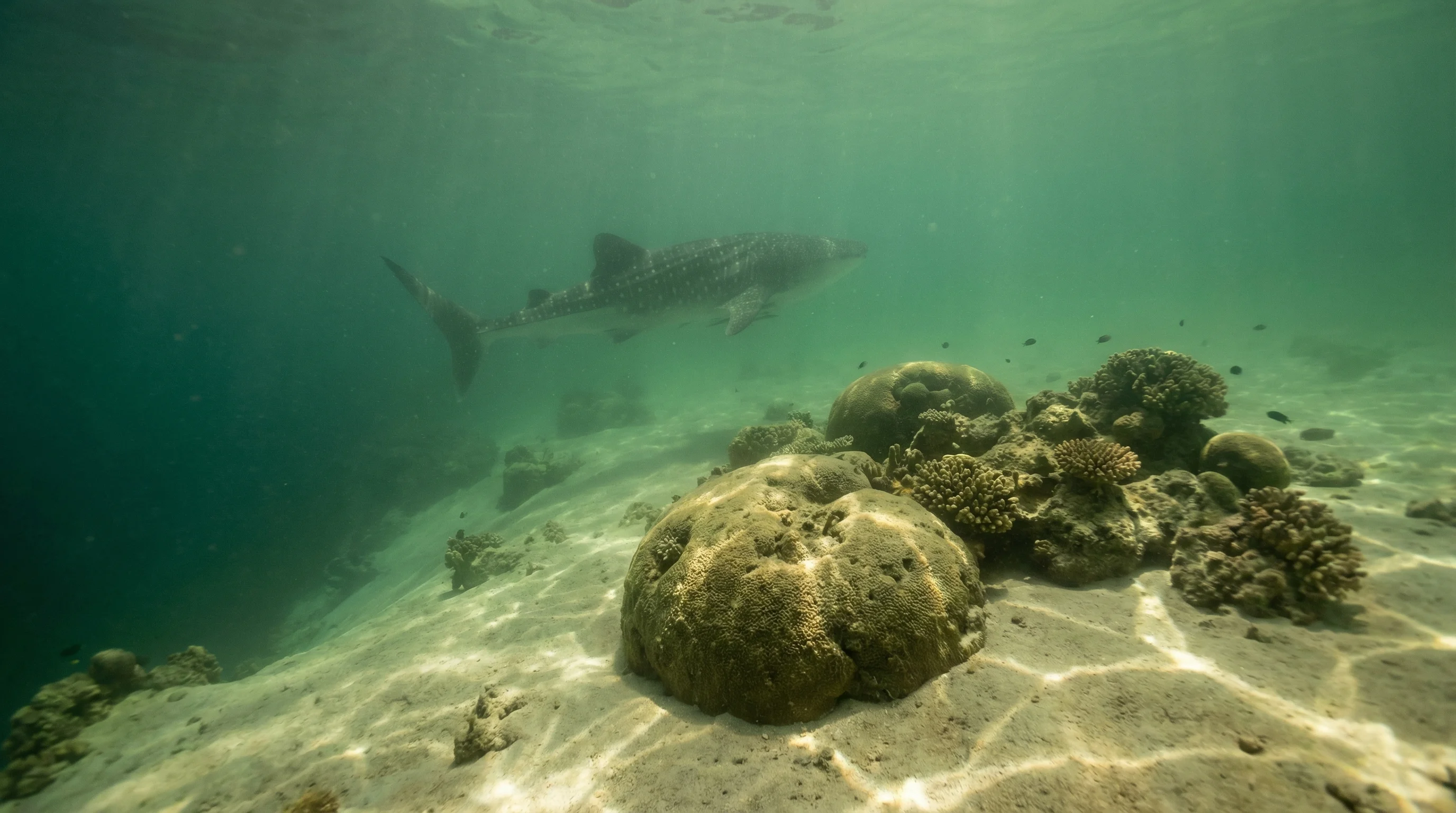
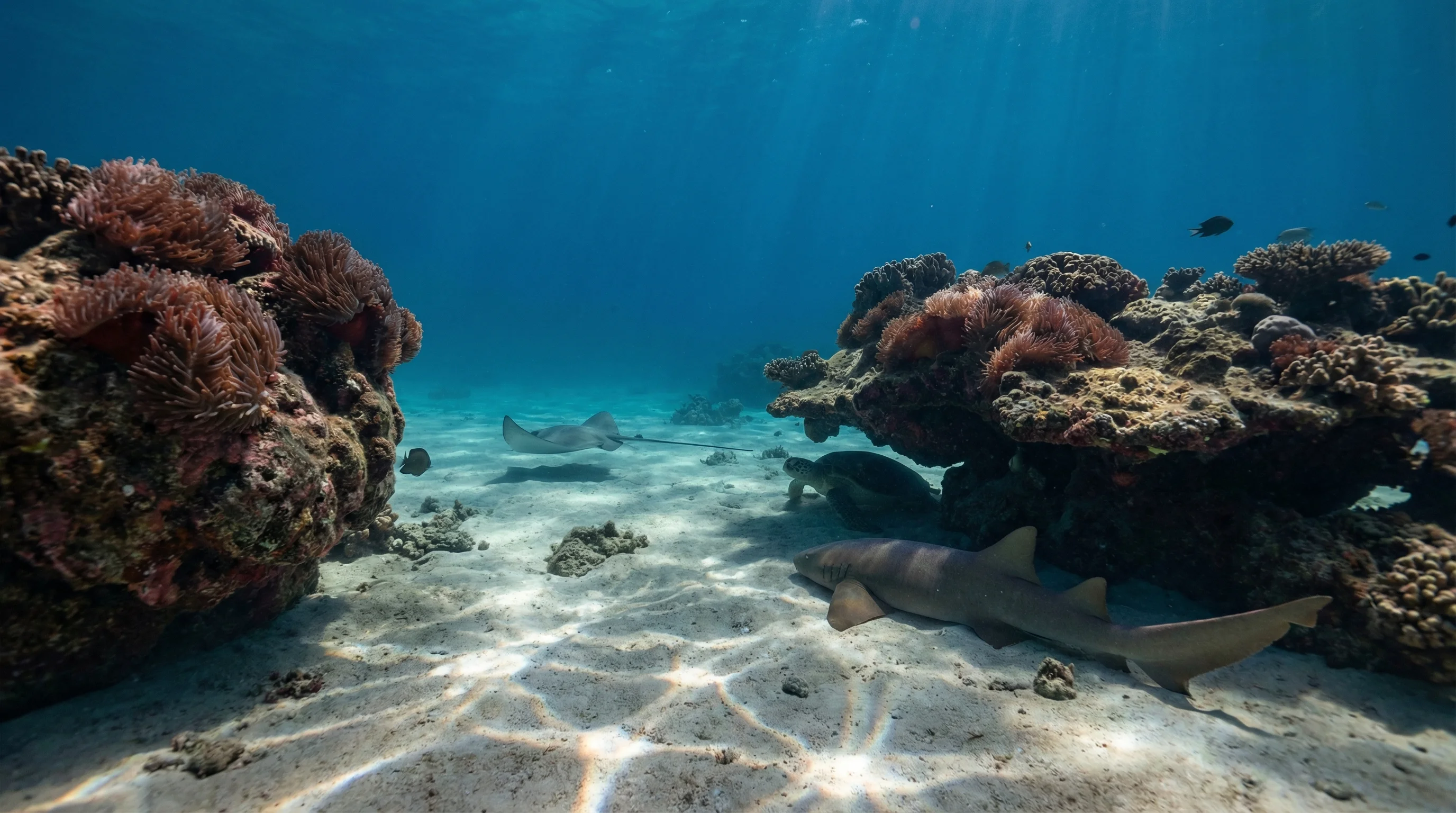
Water temperature around Ningaloo Reef ranges from about 23°C in August to 28°C in March, based on satellite sea-temperature data for its dive sites.
In the warm season (about 28°C) a rash guard or 3mm shorty is comfortable in Ningaloo Reef; in the coldest months (about 23°C) step up to a 3mm full suit.
Fin maps 45 sites in Ningaloo Reef (42 scuba diving sites and 21 snorkelling spots, with some suited to both), organised into 2 areas.
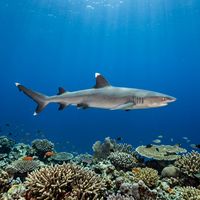
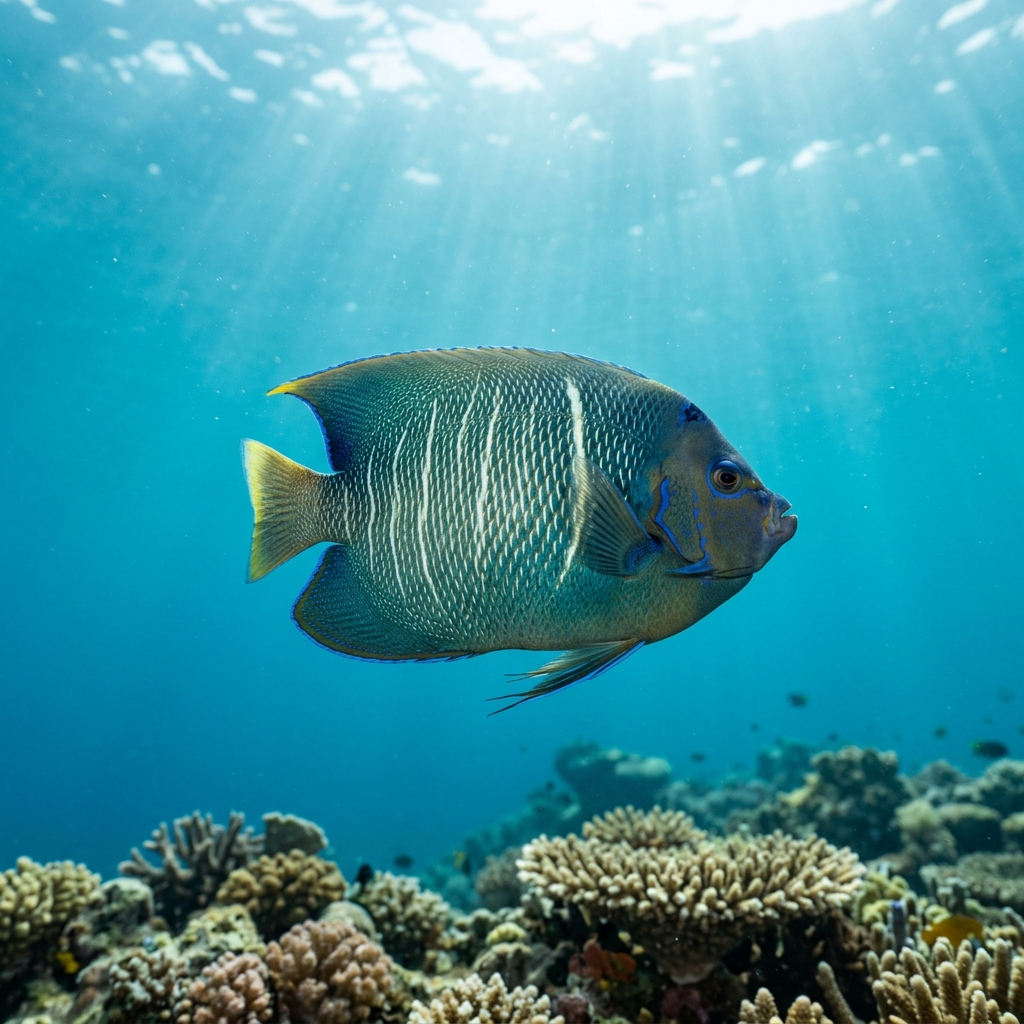
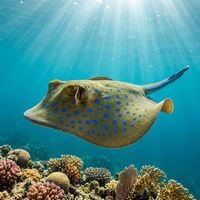
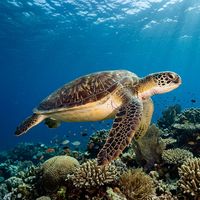
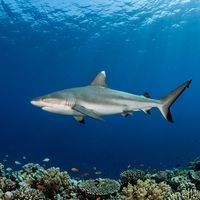
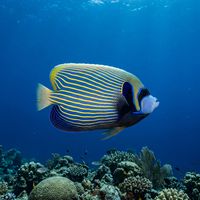
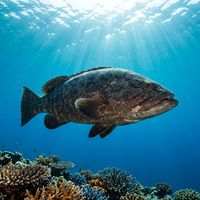
Observed species include Whitetip Reef Shark, Grey Reef Shark, Green Sea Turtle, Queensland Grouper and Emperor Angelfish. Nudibranch diversity is a highlight, with Nembrotha Nudibranch, Chromodoris Nudibranch and Varicose Wart Slug recorded across many sites. Wrasse are very commonly seen, and the Whale Shark has been observed at a notable share of sites. The Painted Frogfish and Bluespotted Fantail Ray add further variety for attentive divers.
The region has a strong spread of beginner-friendly sites, particularly in Coral Bay, where sites such as Oyster Bridge, Lagoon and Five Fingers Reef offer shallow, calm conditions. Intermediate divers have plenty to explore through drift sites, walls and the iconic Navy Pier. Advanced divers can head to deeper sites such as Nicks Lump, which requires boat access and careful attention to depth.
Exmouth holds the larger share of sites and offers the widest variety, from the artificial reef environment of Navy Pier and Sponge Gardens to open-water drift dives and the seagrass habitats of Exmouth Gulf. Coral Bay is more compact, with a concentration of accessible reef sites close to shore that suit snorkellers and beginner divers particularly well. Most operators are based out of the Exmouth area, though Coral Bay has its own shore-entry options.
Both entry types are well represented across Ningaloo Reef. Shore-entry sites include Navy Pier, Turquoise Bay, Oyster Bridge and Five Fingers Reef, offering straightforward access without the need for a charter. However, many of the deeper or more exposed reef sites, including Sponge Gardens, Mandu and Nicks Lump, require boat access. Operators such as Ningaloo Reef Dive and Snorkel, Dive Ningaloo and Exmouth Dive and Whalesharks Ningaloo run regular boat charters across the region.