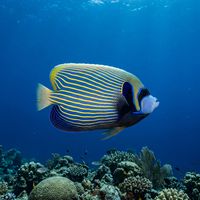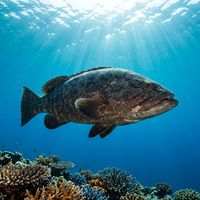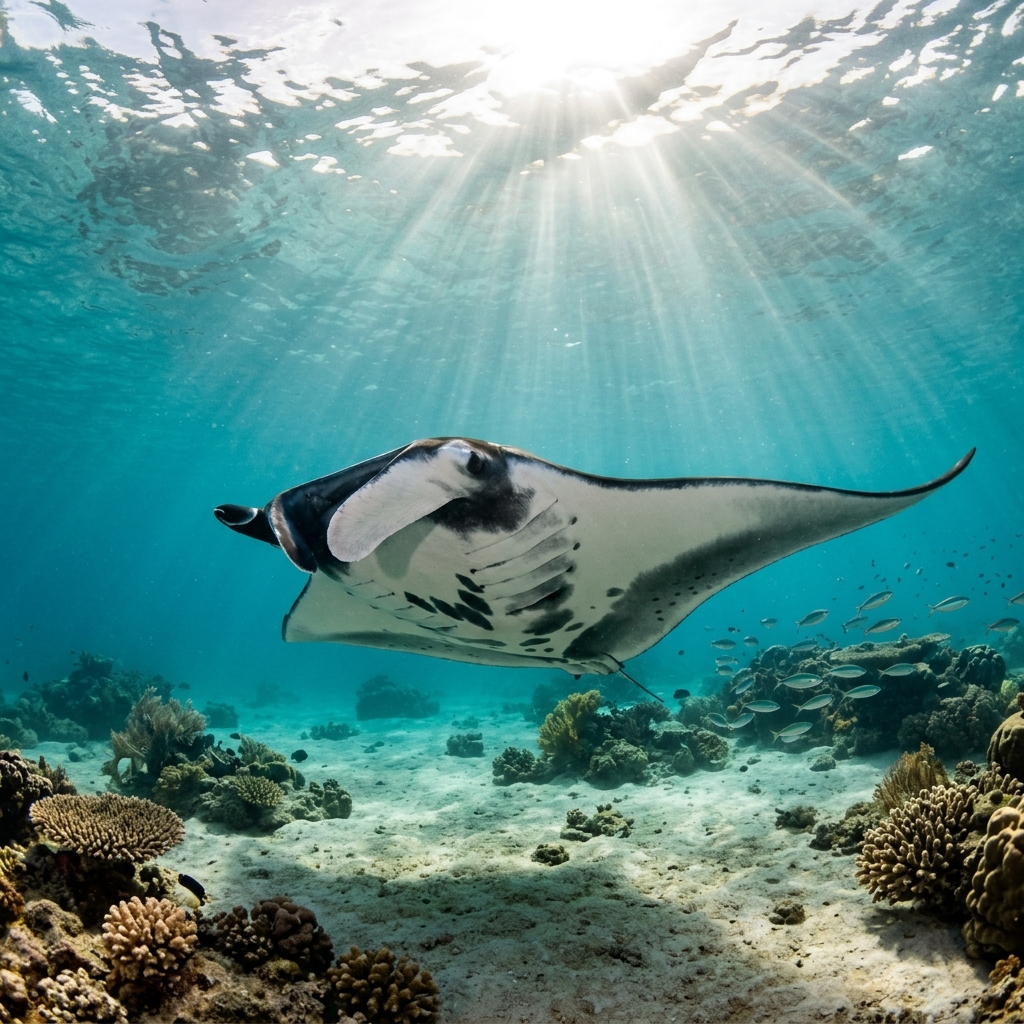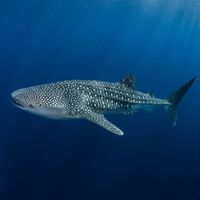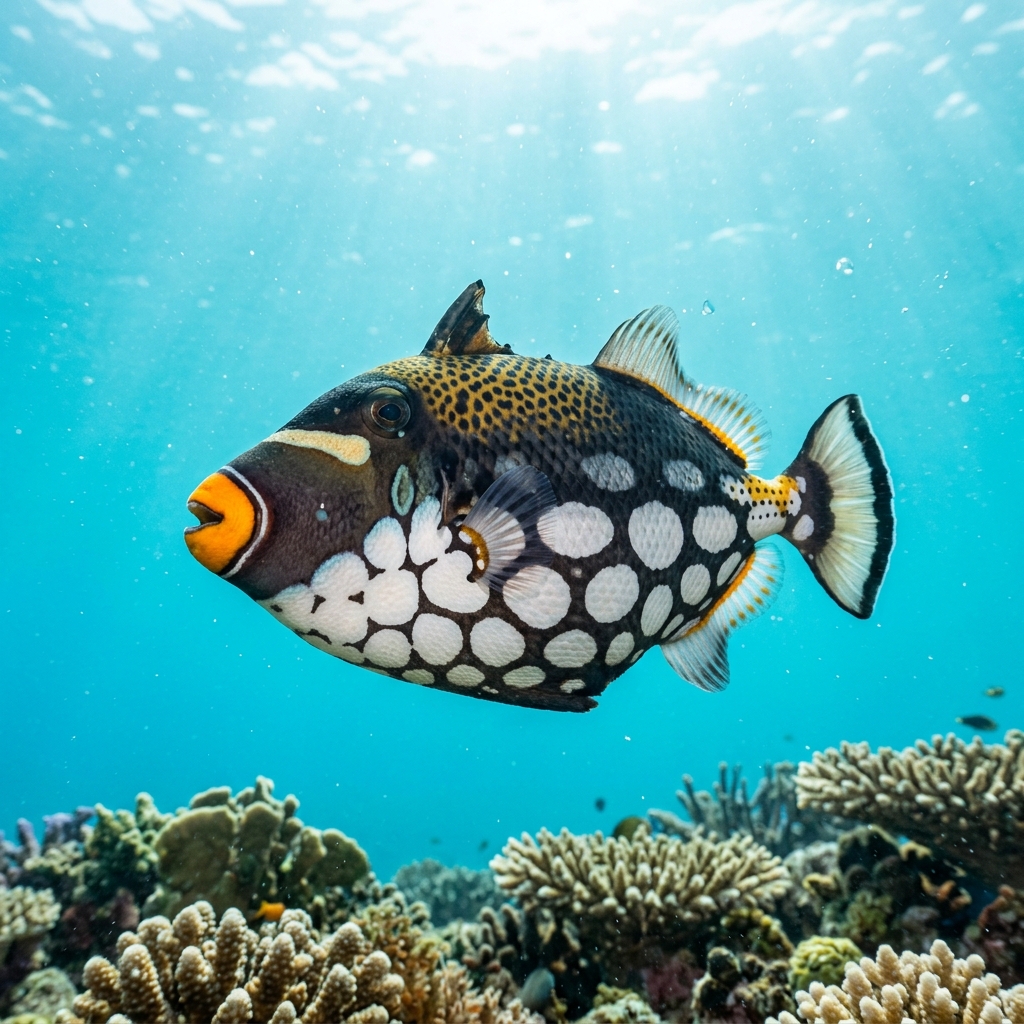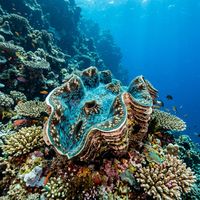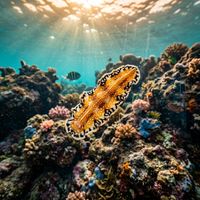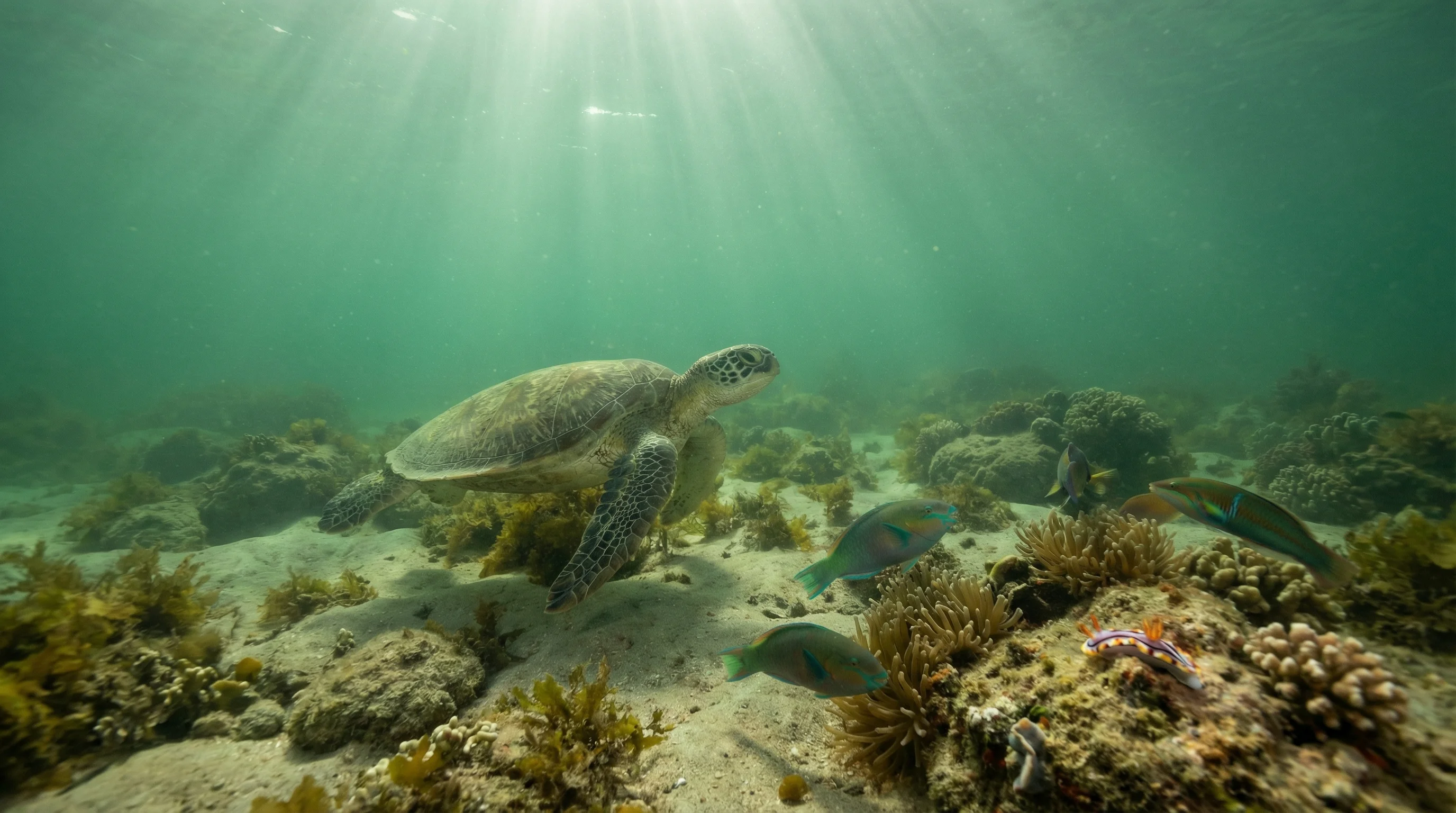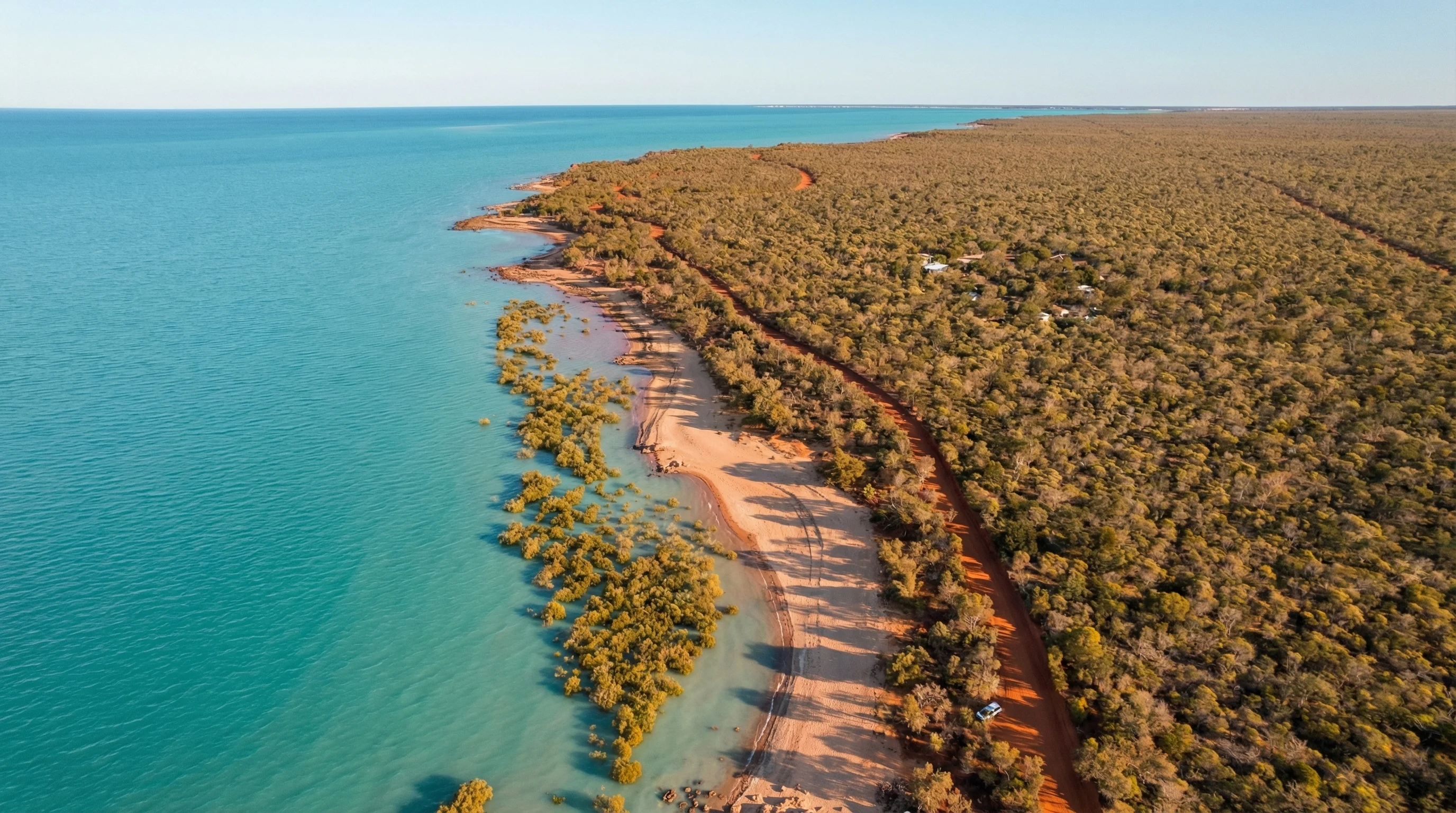
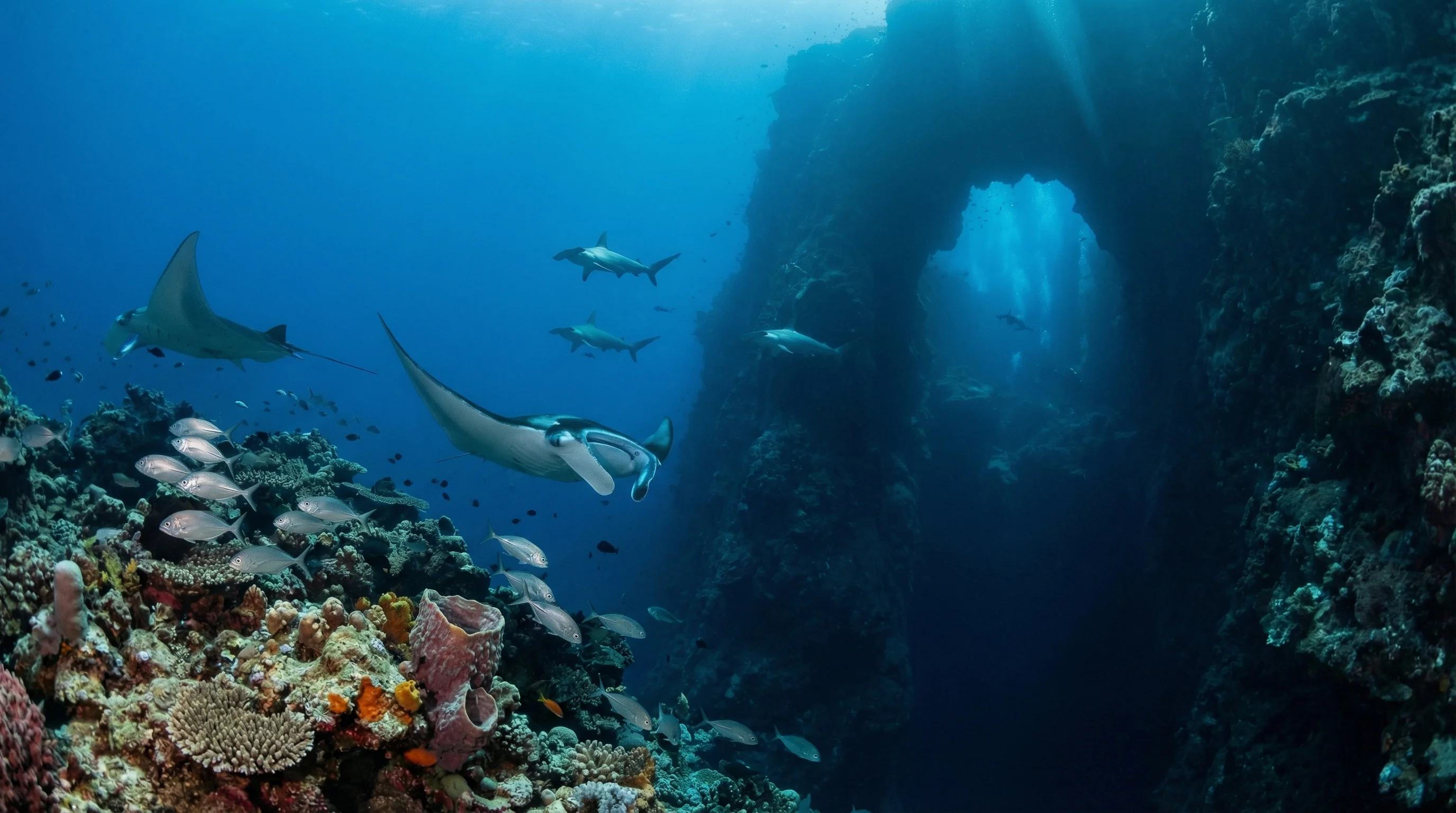
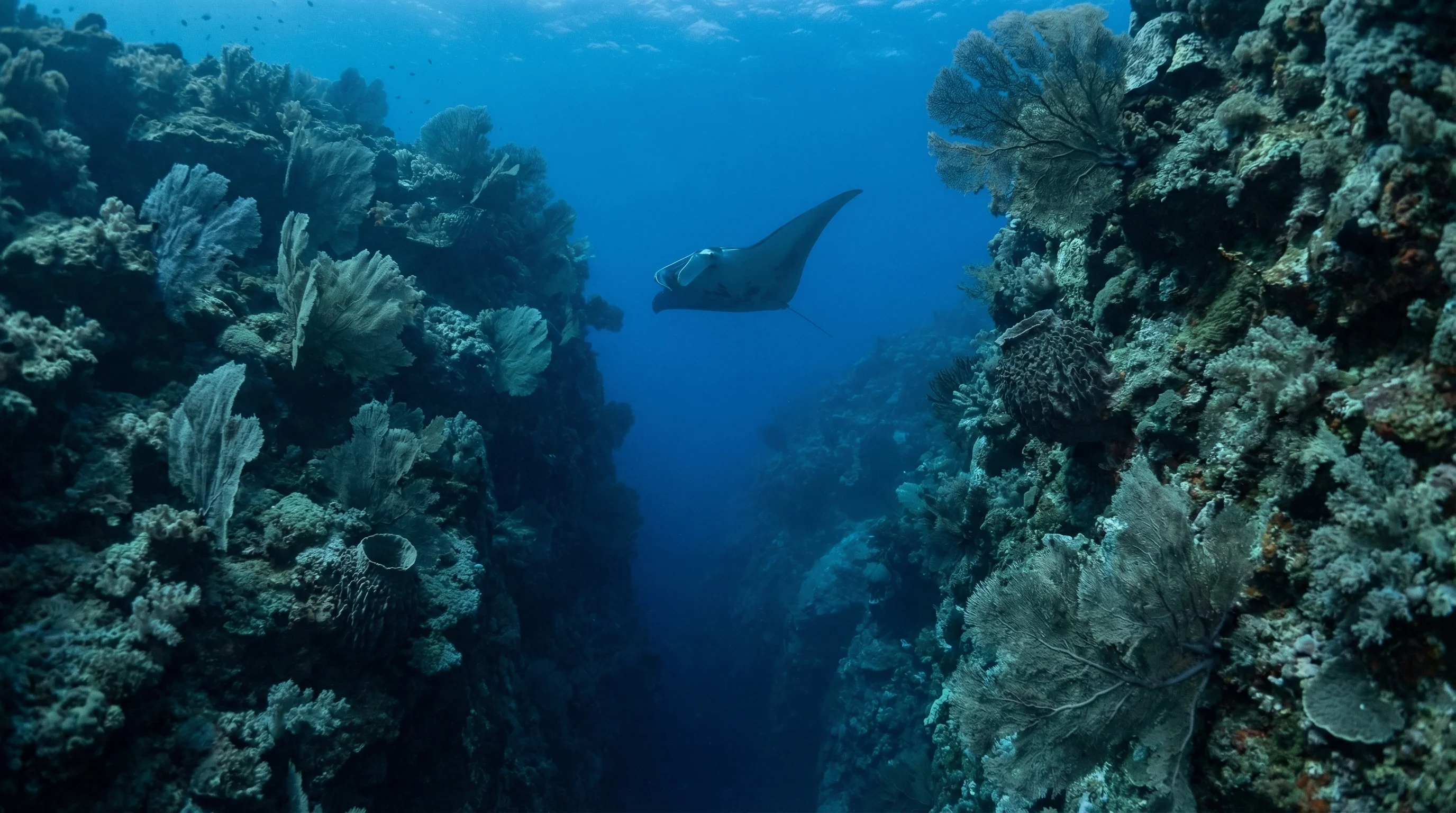
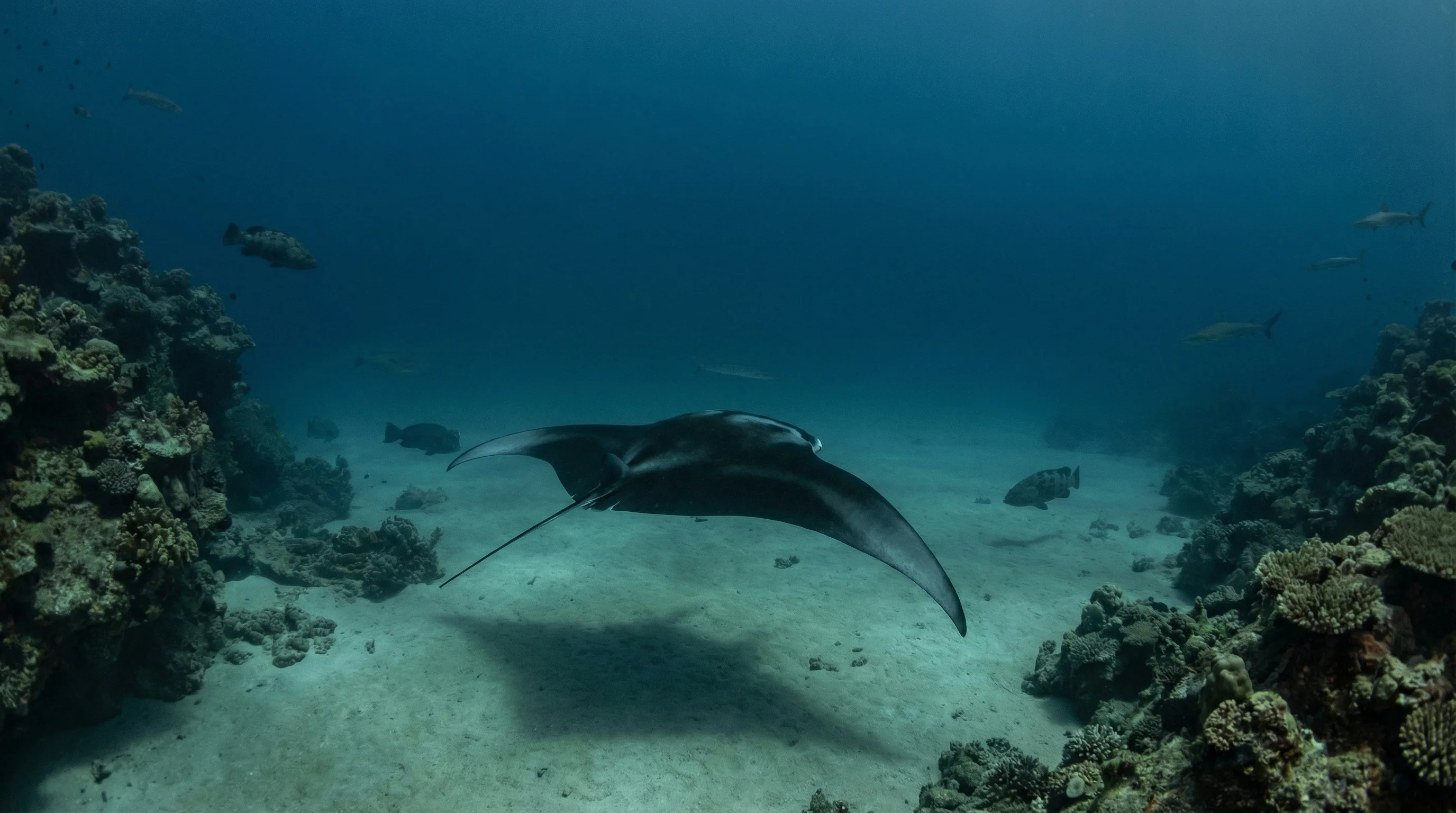
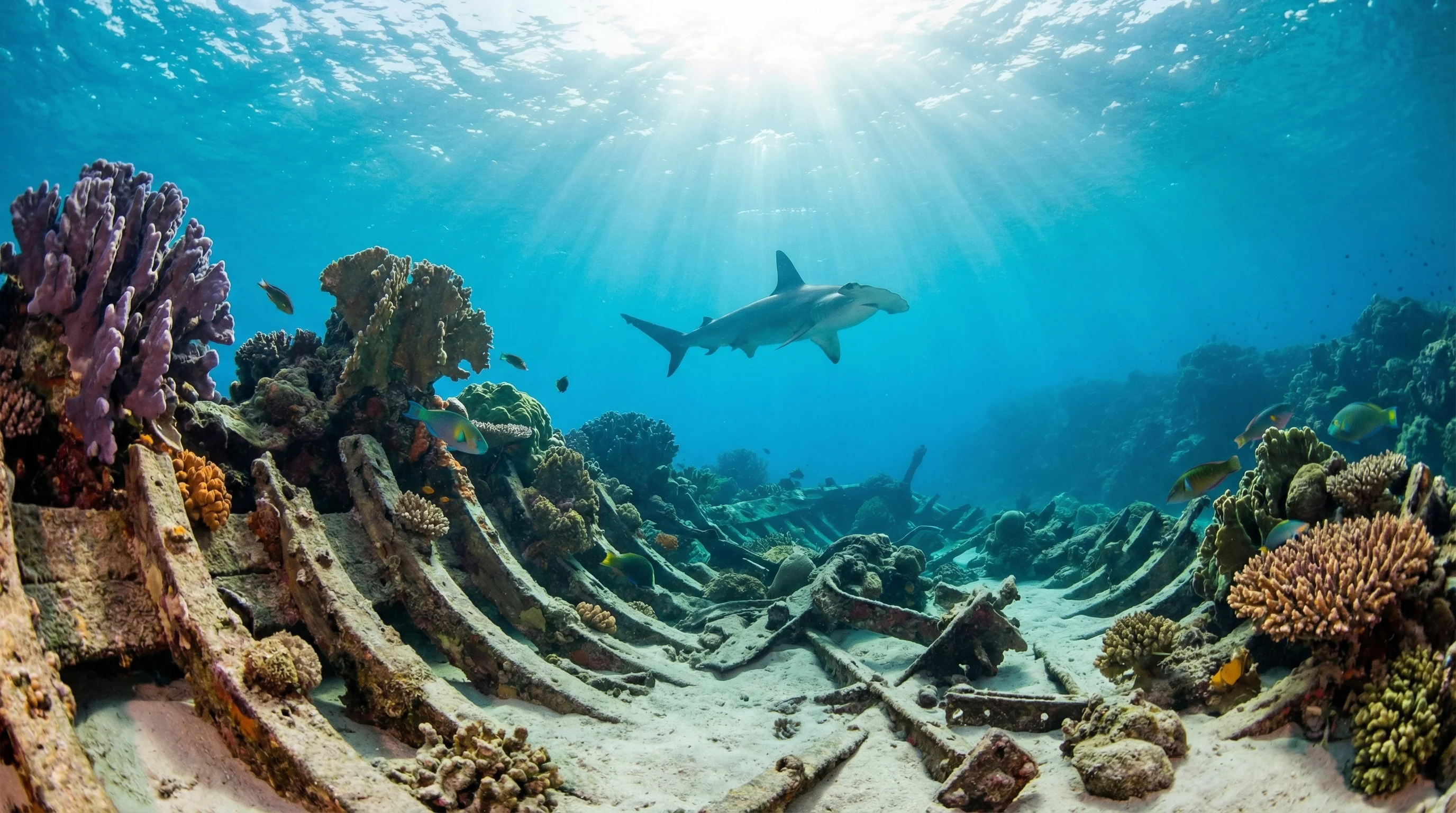
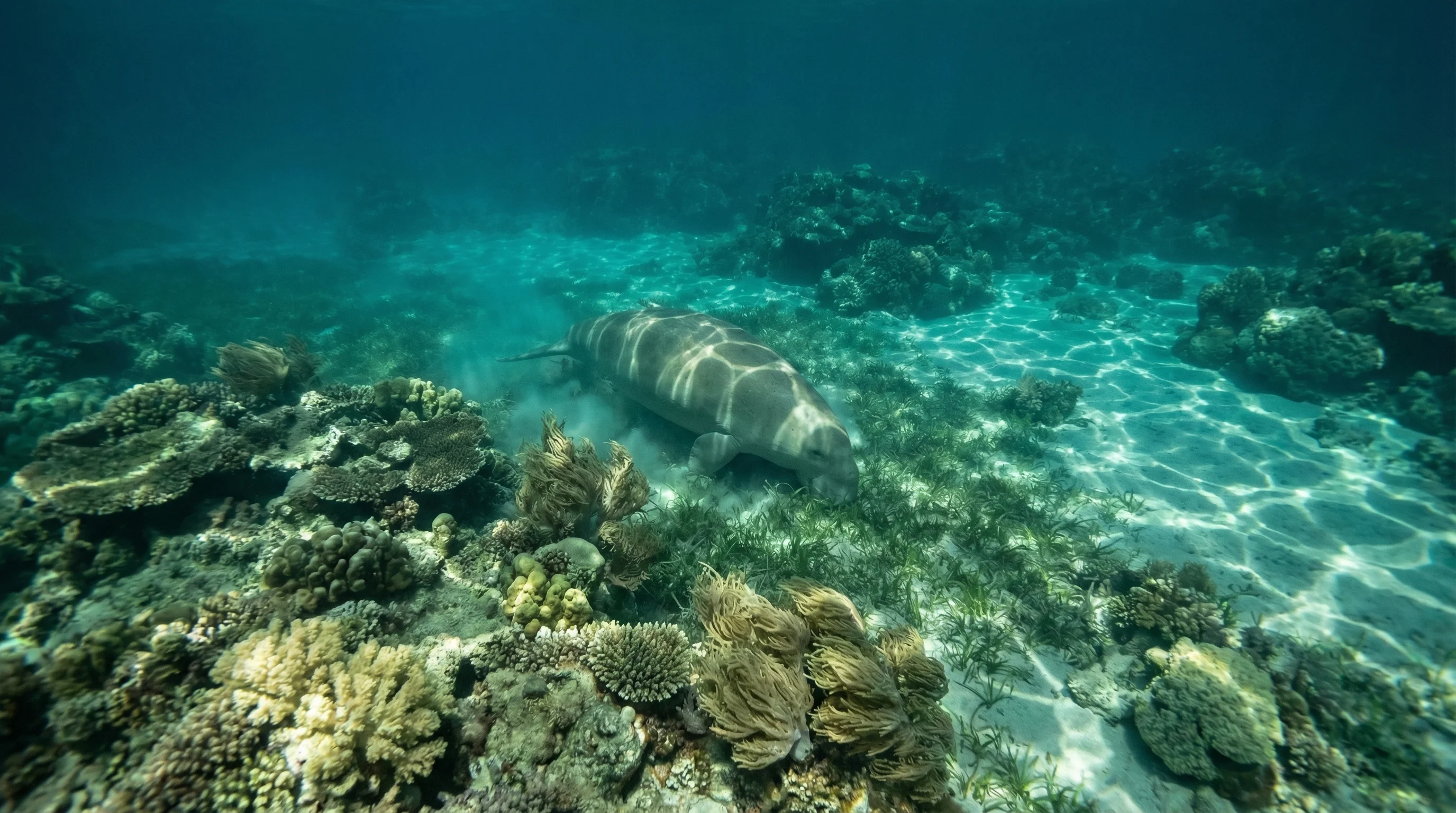
The Kimberley divides into two distinct sub-areas: the offshore atolls of Rowley Shoals and the inshore Dampier Archipelago. Rowley Shoals delivers remote wall diving, drift diving, cavern systems and a historic wreck, all shaped by powerful tidal currents. The Dugong, Reef Manta Ray, Whale Shark and Whitetip Reef Shark are all observation-backed here, alongside ubiquitous Emperor Angelfish and Queensland Grouper. Most sites require a boat. Conditions suit intermediate to advanced divers, though calmer corners open snorkelling to a wider range of visitors.
2 areas
Monthly water temperature across Kimberley's sites, from satellite sea-surface data corrected for depth. The band shows the site-to-site spread.
Water stays warm across the year, dipping slightly in the middle months before climbing again toward the warmer end of the calendar. The best-months data points strongly toward the second half of the year, particularly from around mid-year through to October, when visibility at offshore sites like Rowley Shoals is at its peak. Tidal currents at exposed sites can be extreme, so timing dives around slack water is essential for sites such as Roe Reef.
11 operators
Broome, Australia
Broome, Australia

Broome, Australia
Broome, Australia

Broome, Australia
25 more sites to explore
Remote offshore atolls in the Kimberley with powerful drift dives, dramatic walls, and regular Whale Shark encounters.
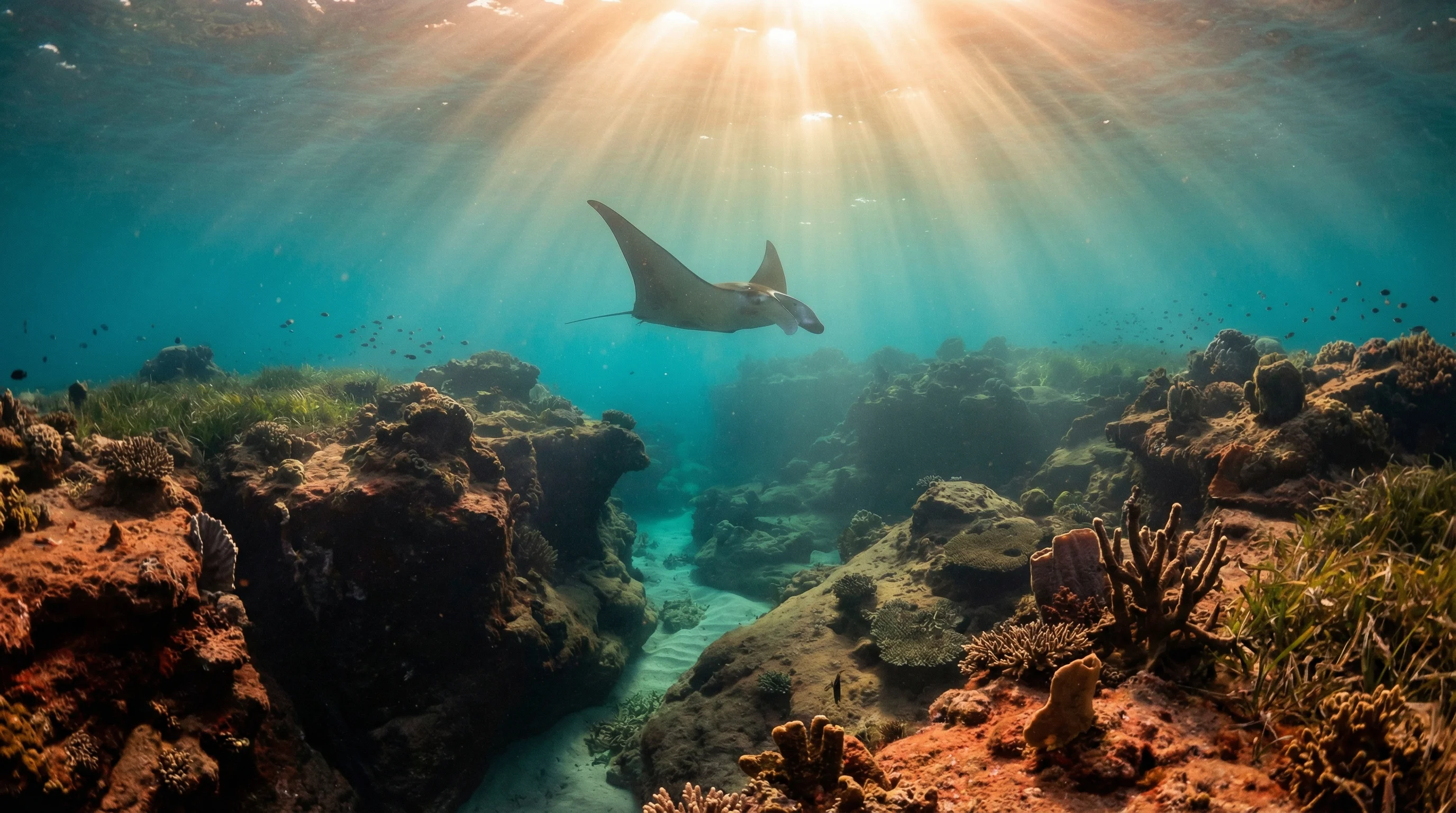
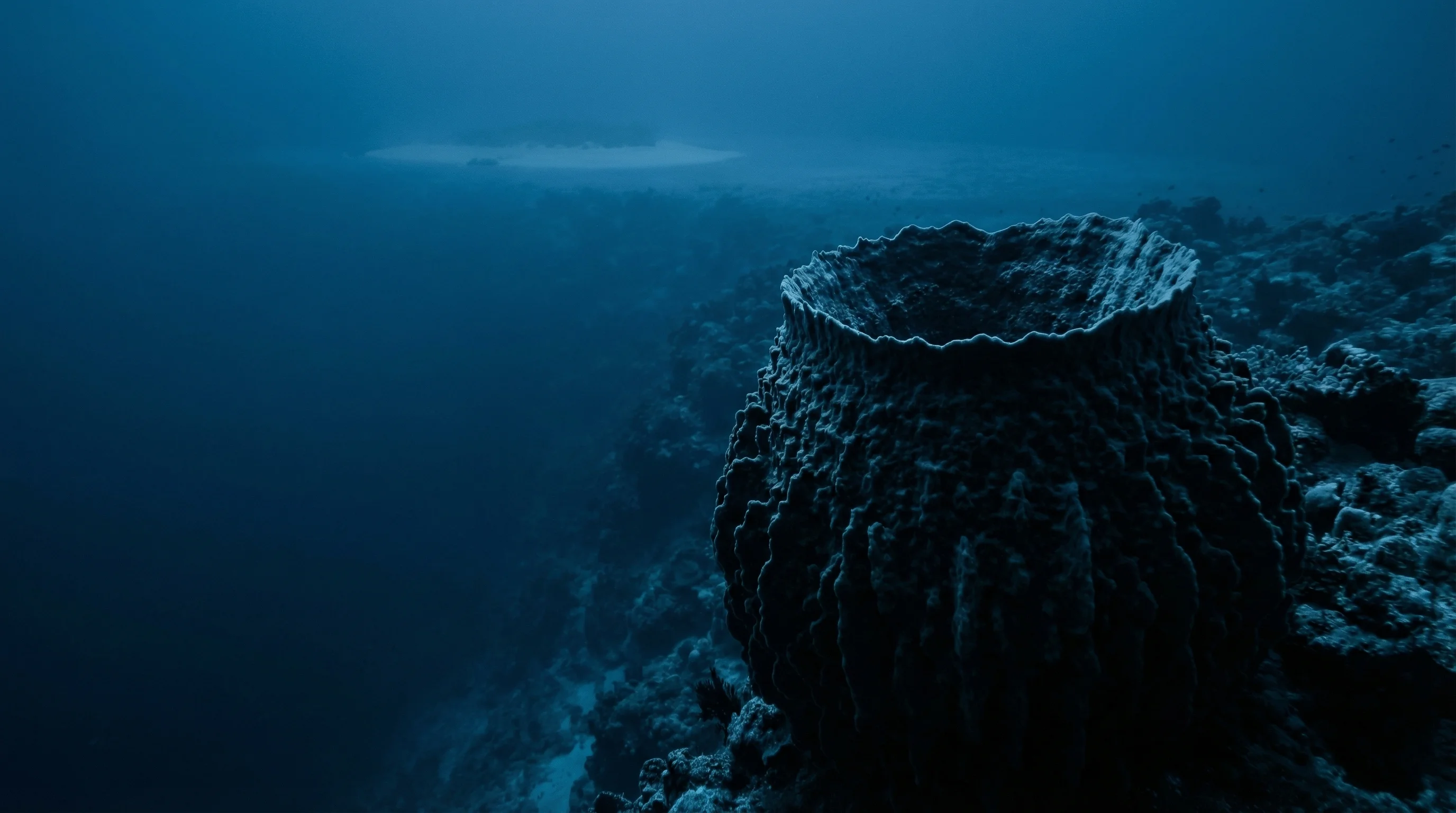
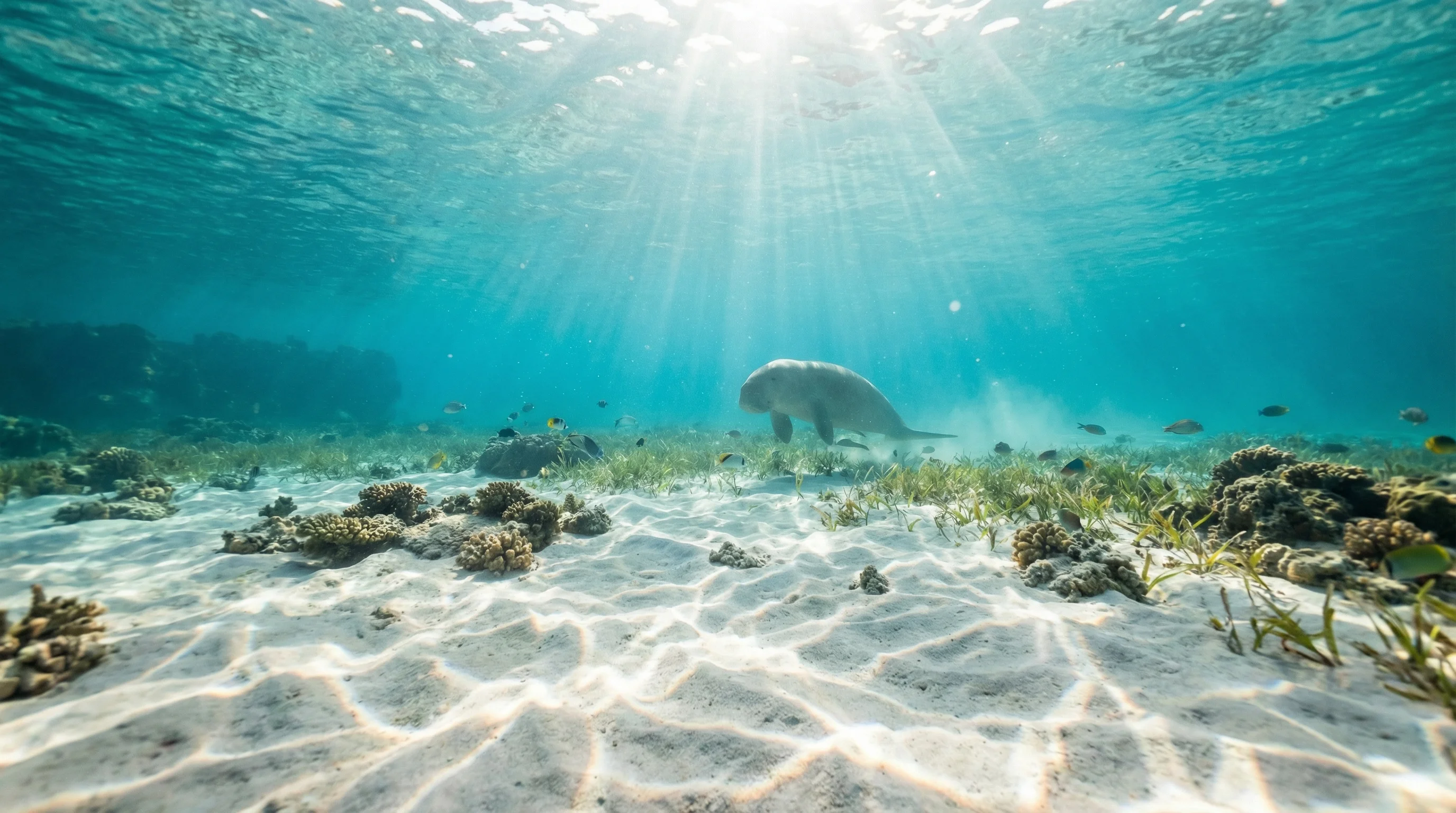
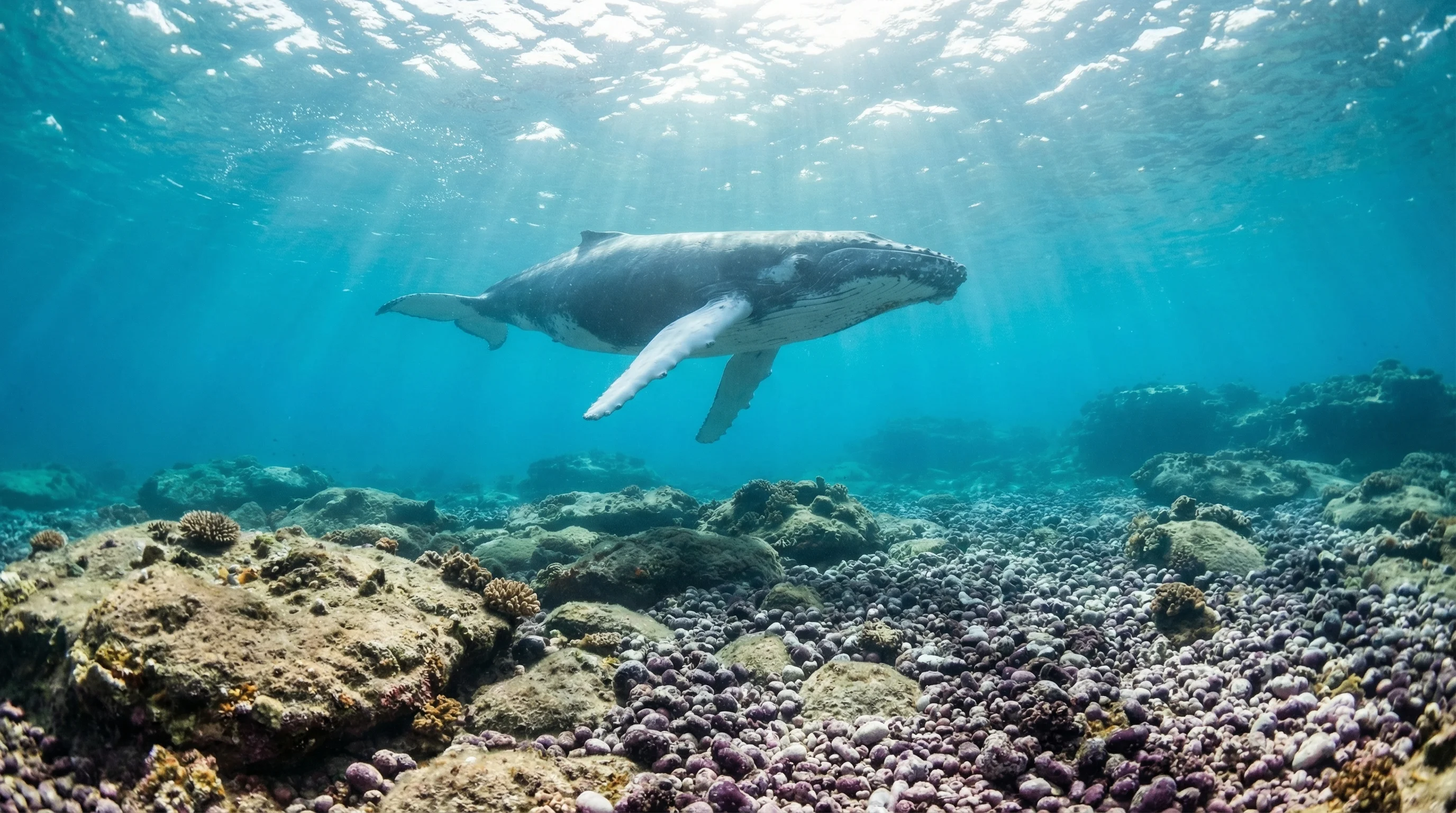
Water temperature around Kimberley ranges from about 26°C in July to 30°C in March, based on satellite sea-temperature data for its dive sites.
In the warm season (about 30°C) a rash guard or 3mm shorty is comfortable in Kimberley; in the coldest months (about 26°C) step up to a 3mm full suit.
Fin maps 29 sites in Kimberley (20 scuba diving sites and 13 snorkelling spots, with some suited to both), organised into 2 areas.
Across Kimberley's dive sites, May, June, July, August, September and October are most often reported as the best months to visit.
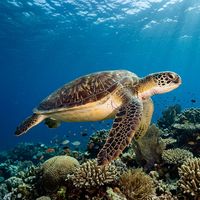
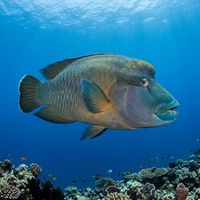
The Kimberley has observation-backed records of Whale Shark, Reef Manta Ray, Dugong, Whitetip Reef Shark, Blacktip Reef Shark and Grey Reef Shark. Queensland Grouper and Napoleon Wrasse are consistently observed across the majority of sites. Green Sea Turtle sightings are very common throughout the region.
The majority of featured sites in the Kimberley are rated intermediate or advanced, reflecting strong tidal currents and significant depth ranges at offshore locations such as Roe Reef and V in the Wall. Beginners are better served visiting with an experienced operator who can identify calmer, shallower sections of the reef. The Dampier Archipelago may offer more sheltered conditions than the exposed outer atolls.
Rowley Shoals is the Kimberley's offshore atoll system, home to dramatic wall dives, drift sites, caverns and the Lively Shipwreck wreck site, with the best visibility and the strongest currents. The Dampier Archipelago is an inshore group offering a different character with fewer sites but closer access from the mainland. Both sub-areas require boat access via one of the region's liveaboard or charter operators.
All top sites in the Kimberley are boat access only, and the remote offshore atolls of Rowley Shoals are typically reached by liveaboard expedition vessels. Operators including True North Adventure Cruises, Kimberley Quest and Odyssey Expeditions run multi-day cruises to these areas. Day-charter options are available through operators such as Absolute Ocean Charters and Pilbara Dive and Tours Pty Ltd for inshore sites.