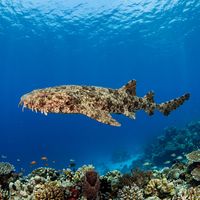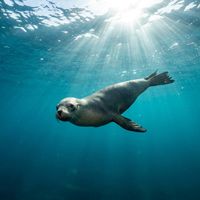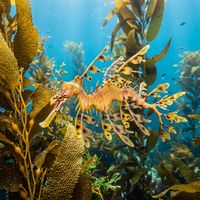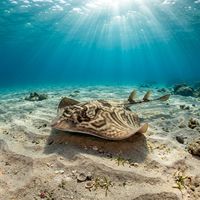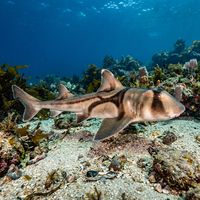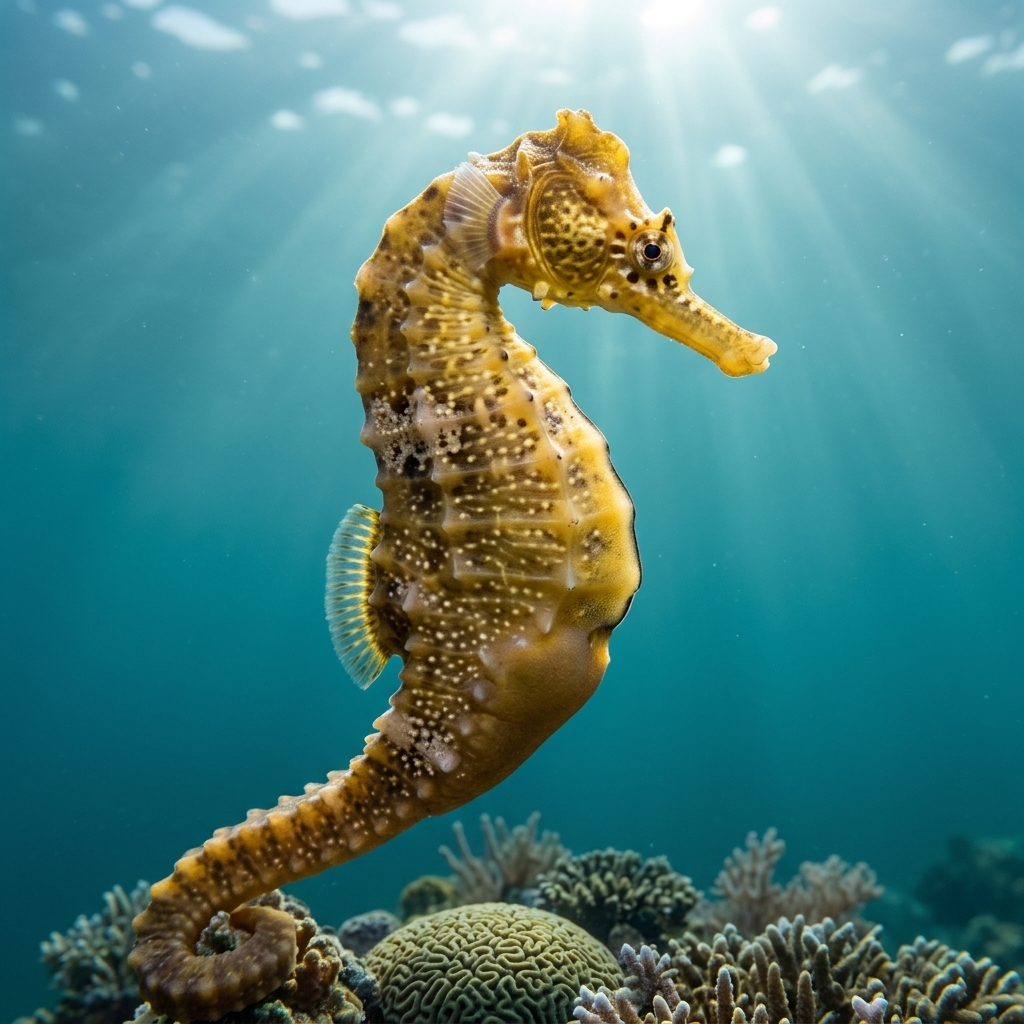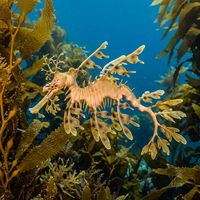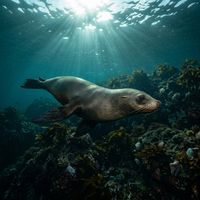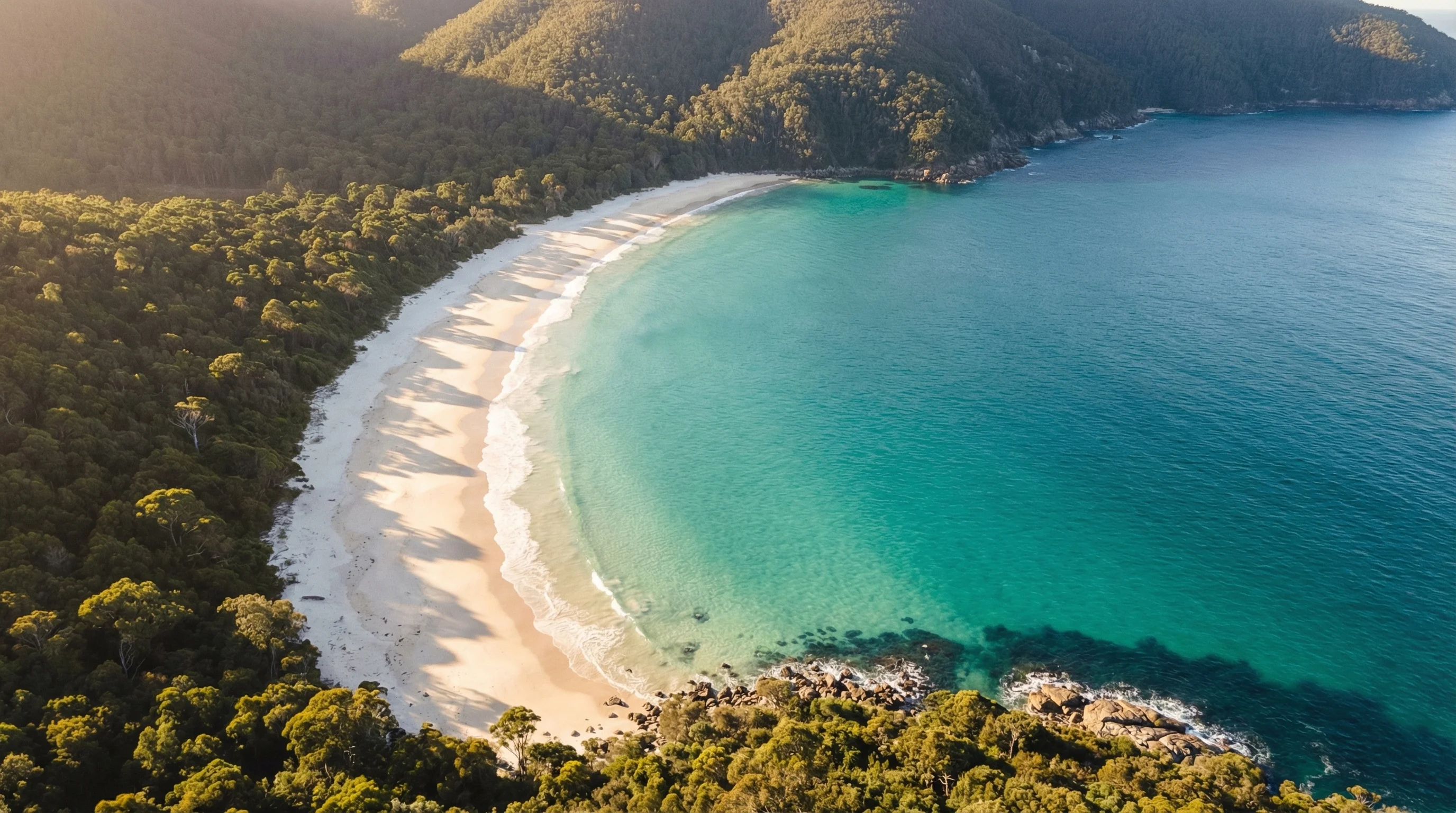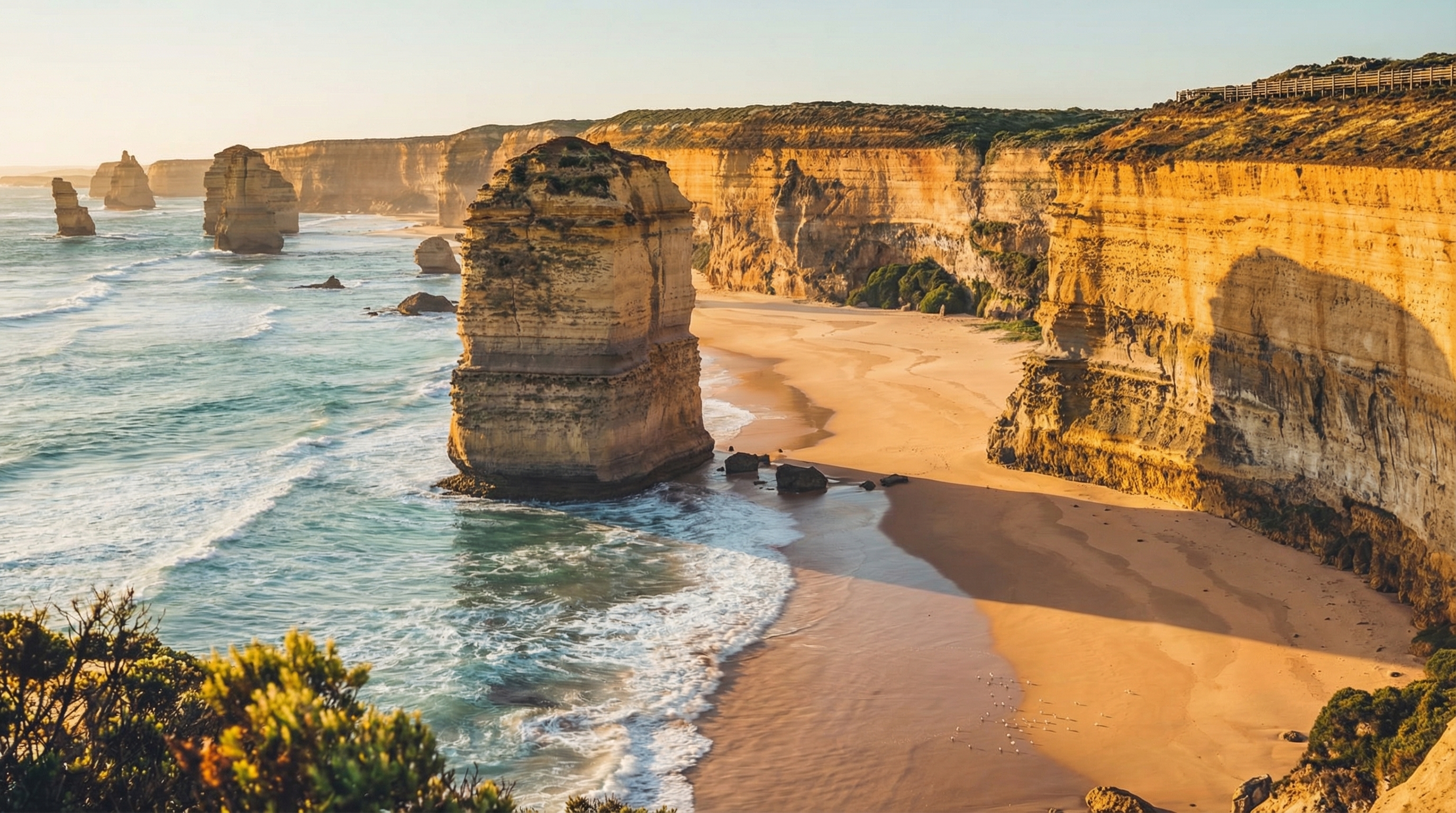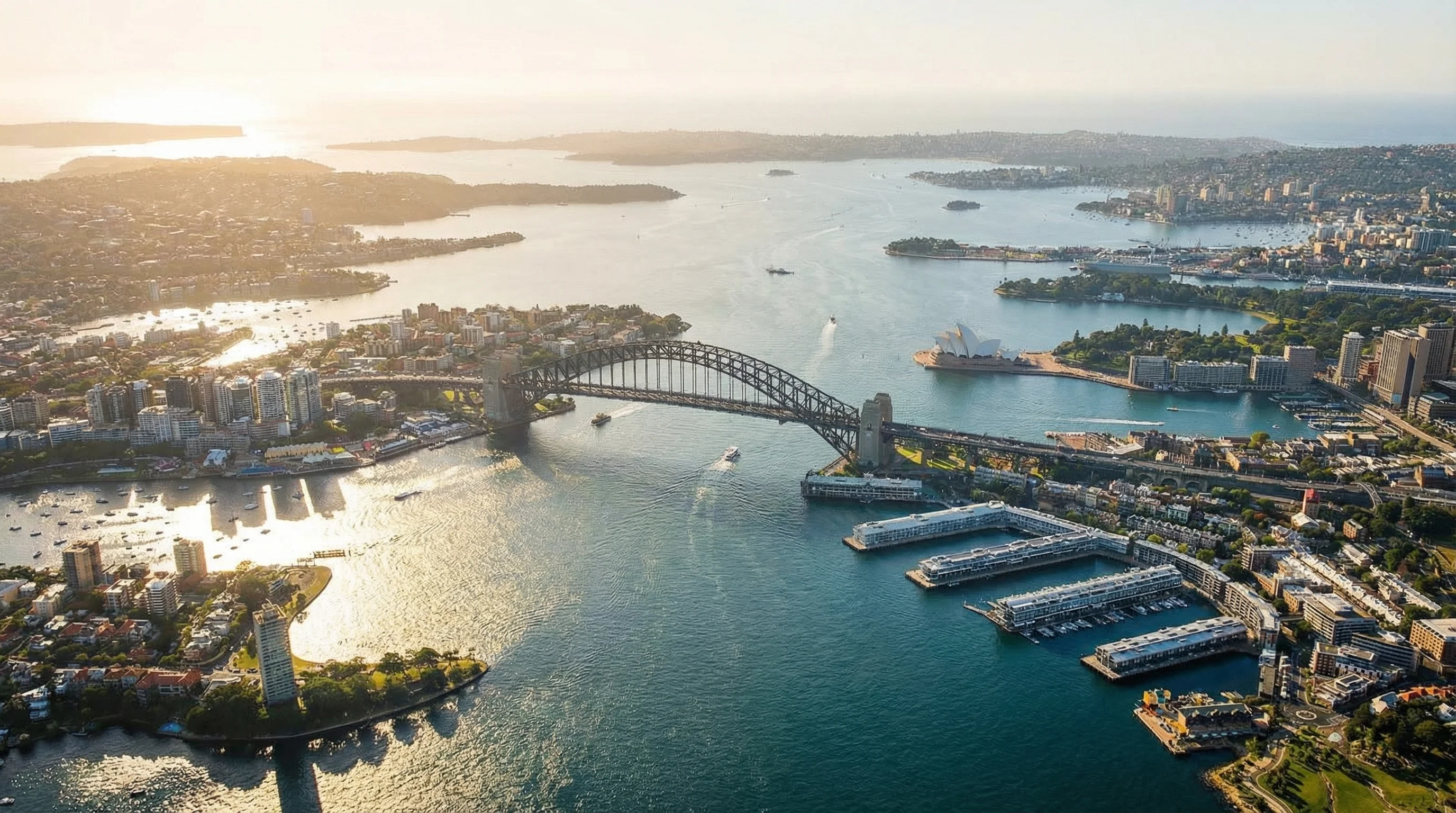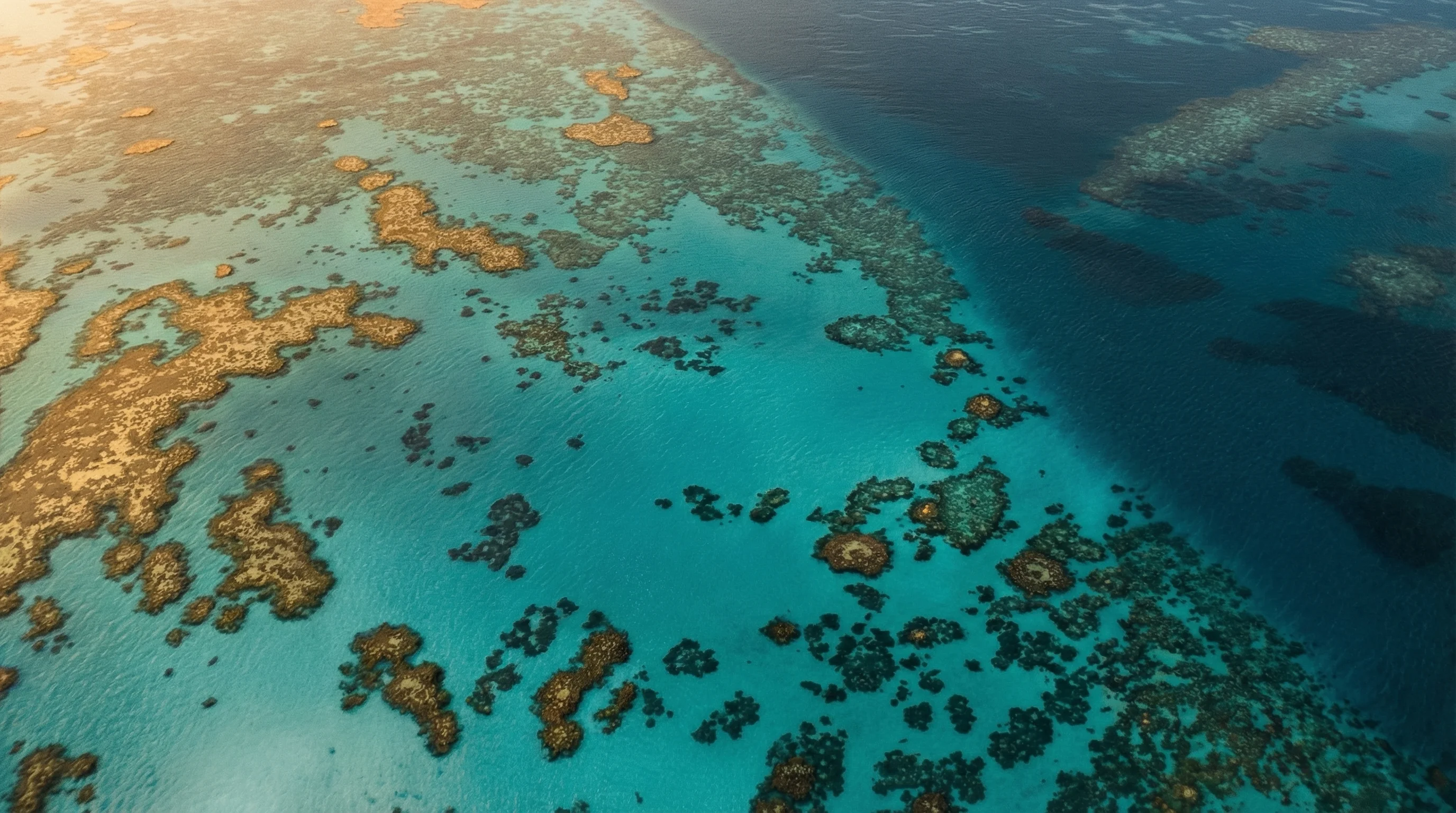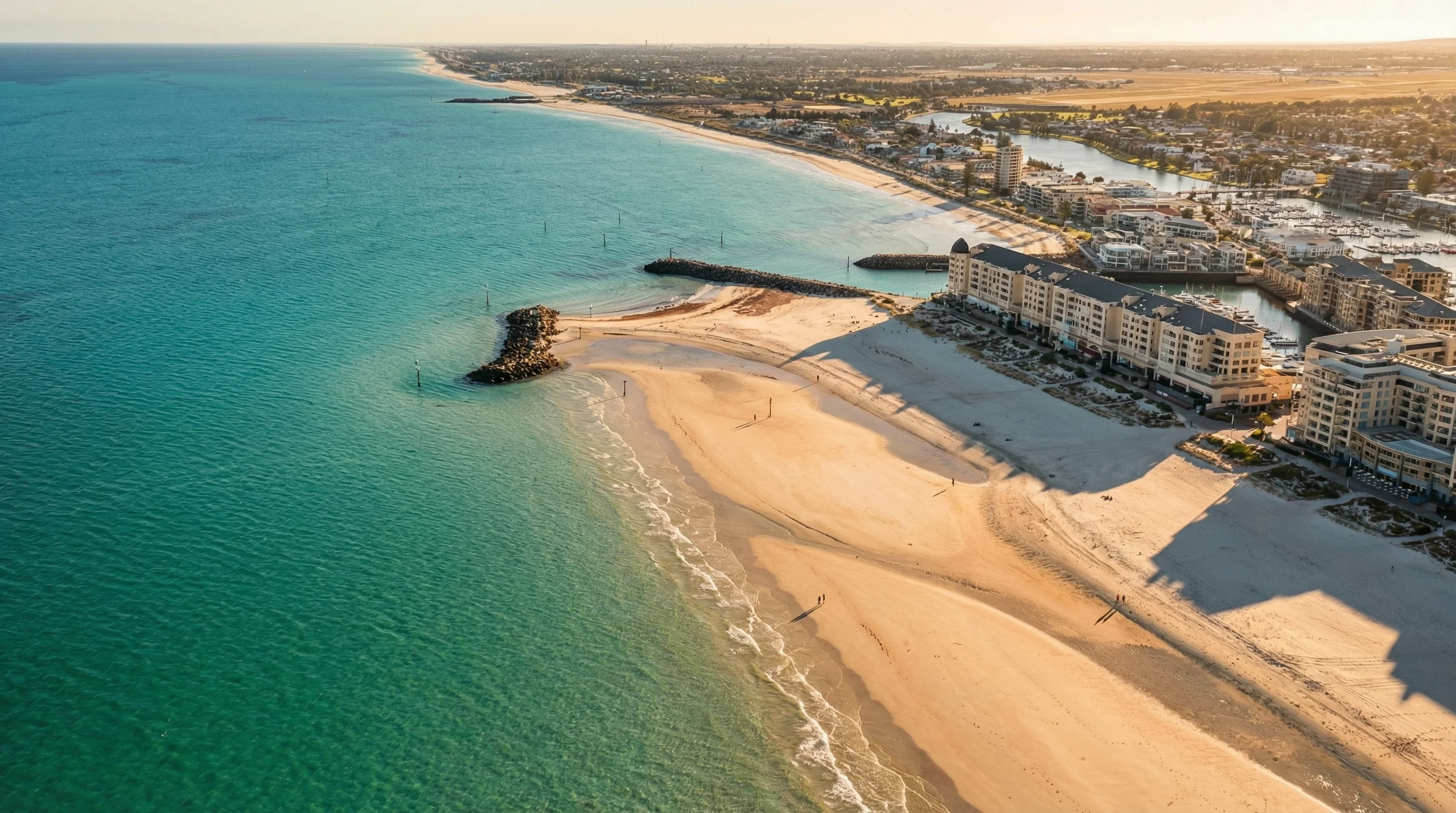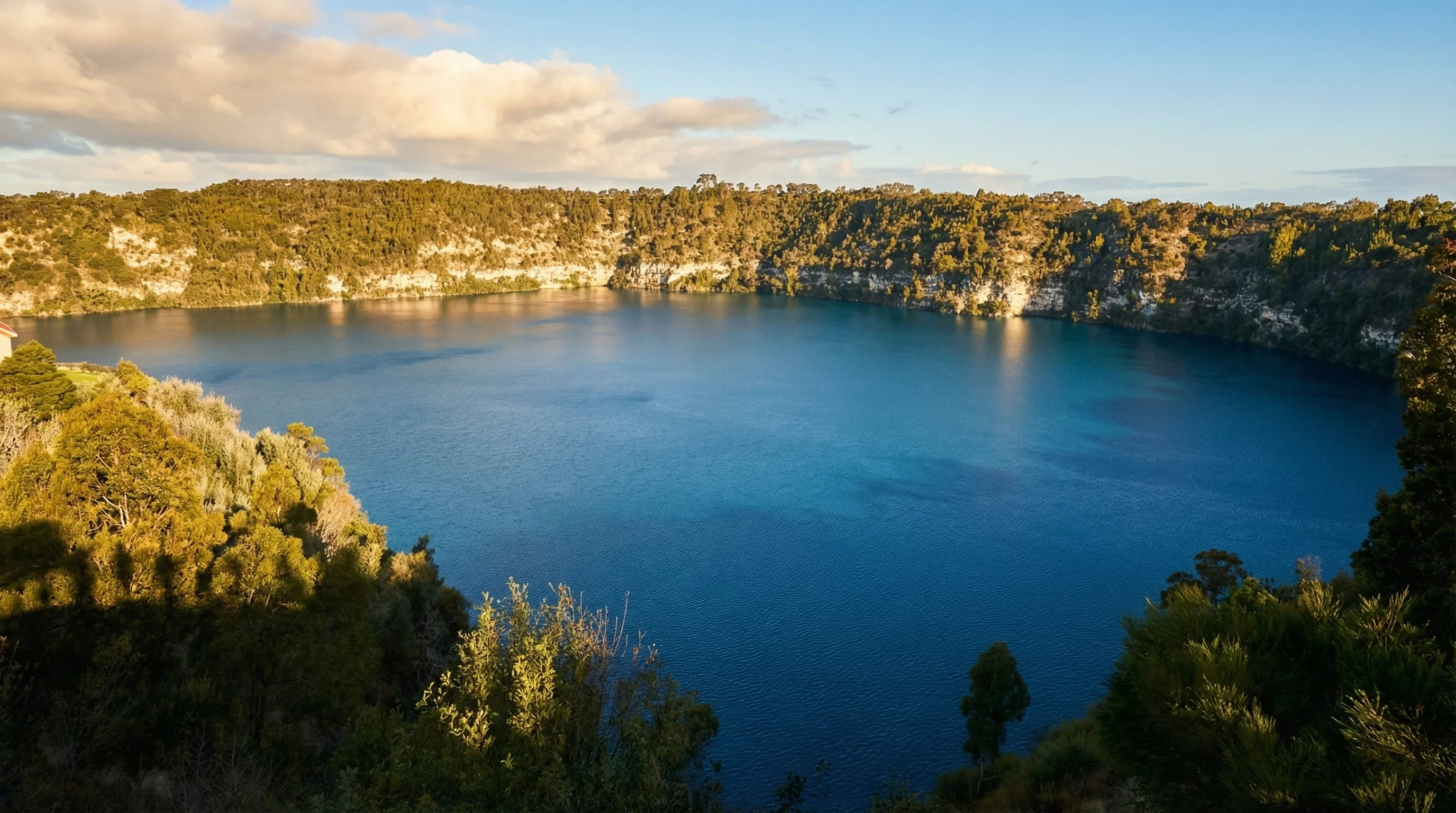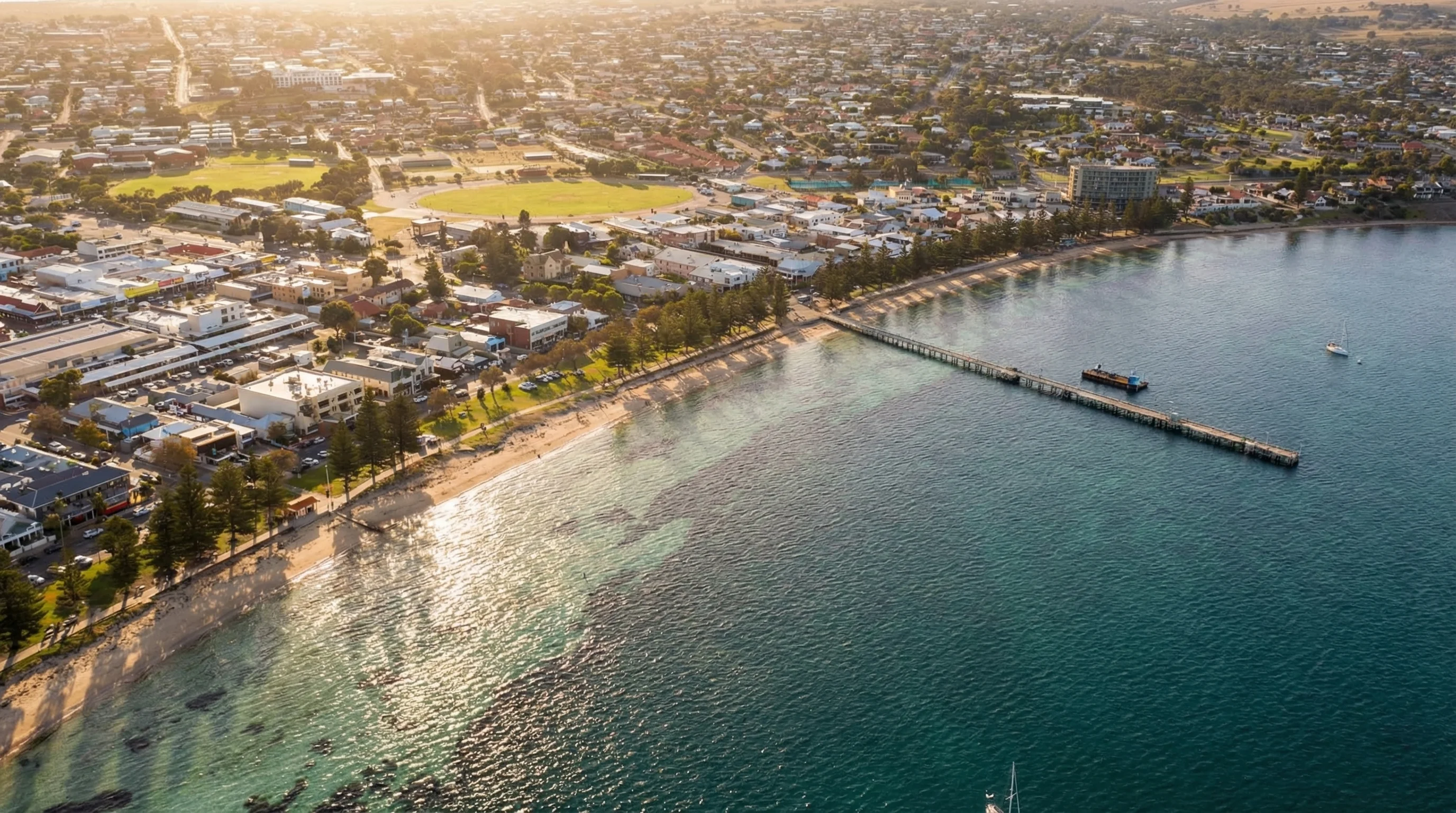
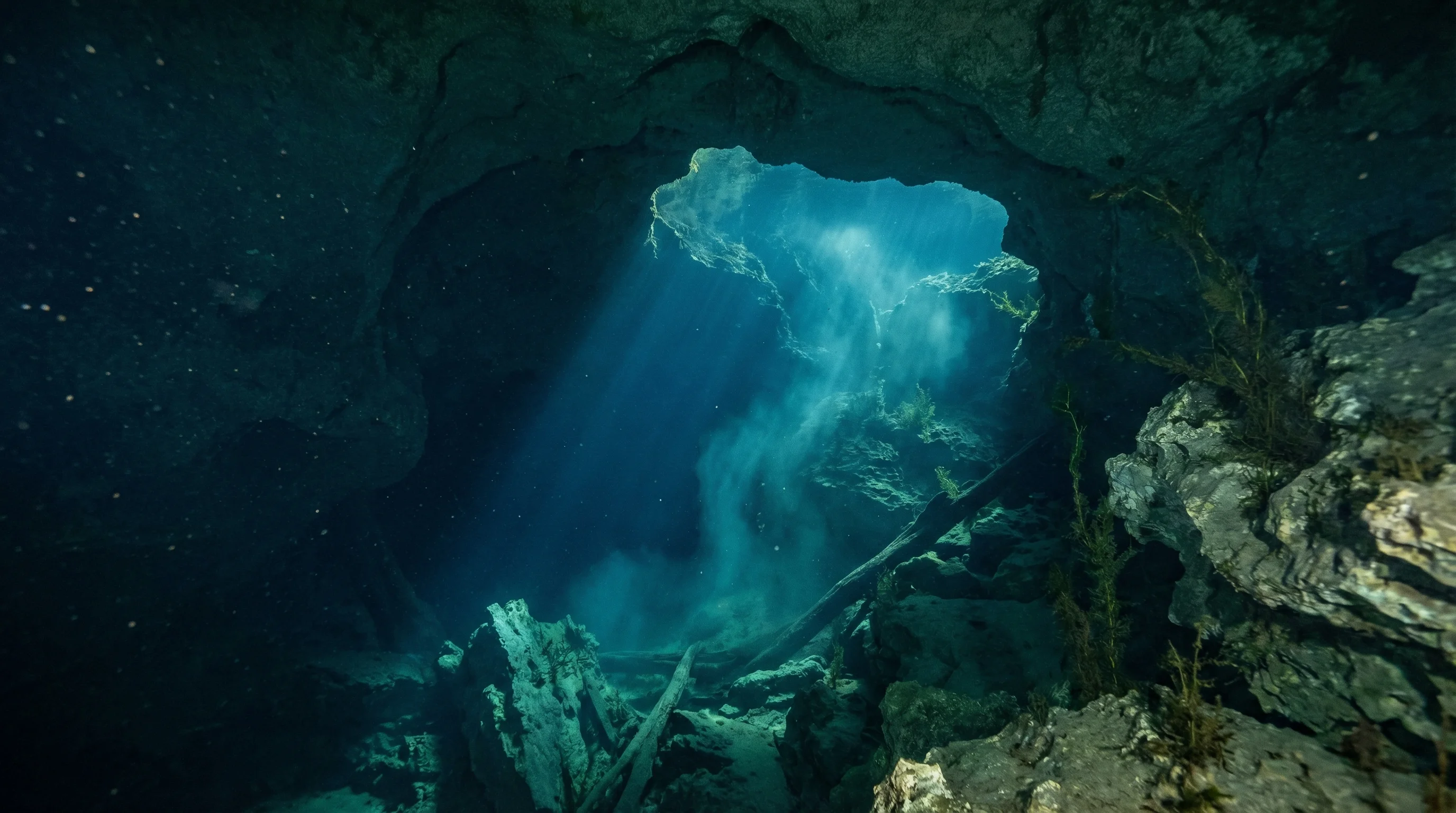
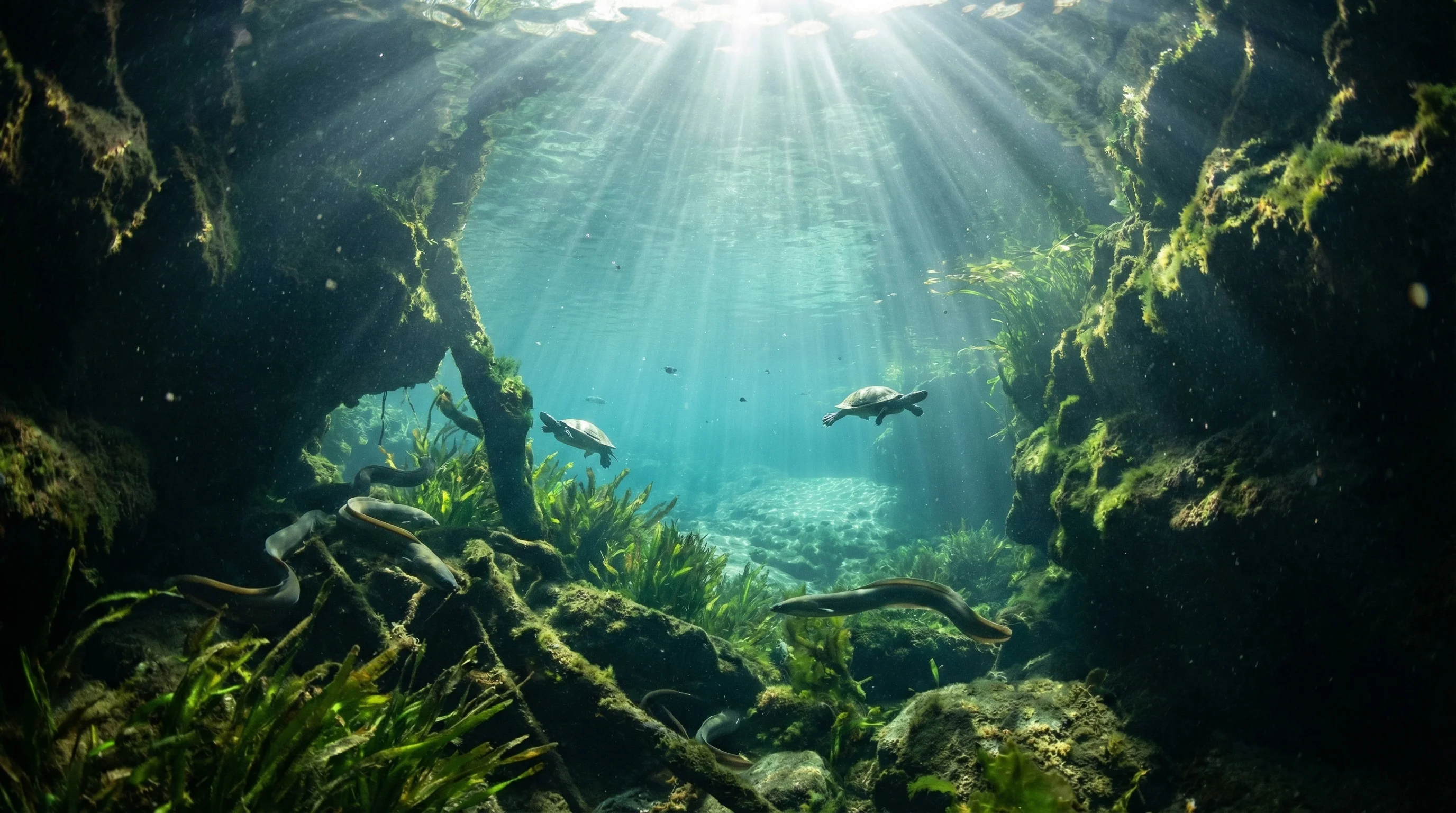
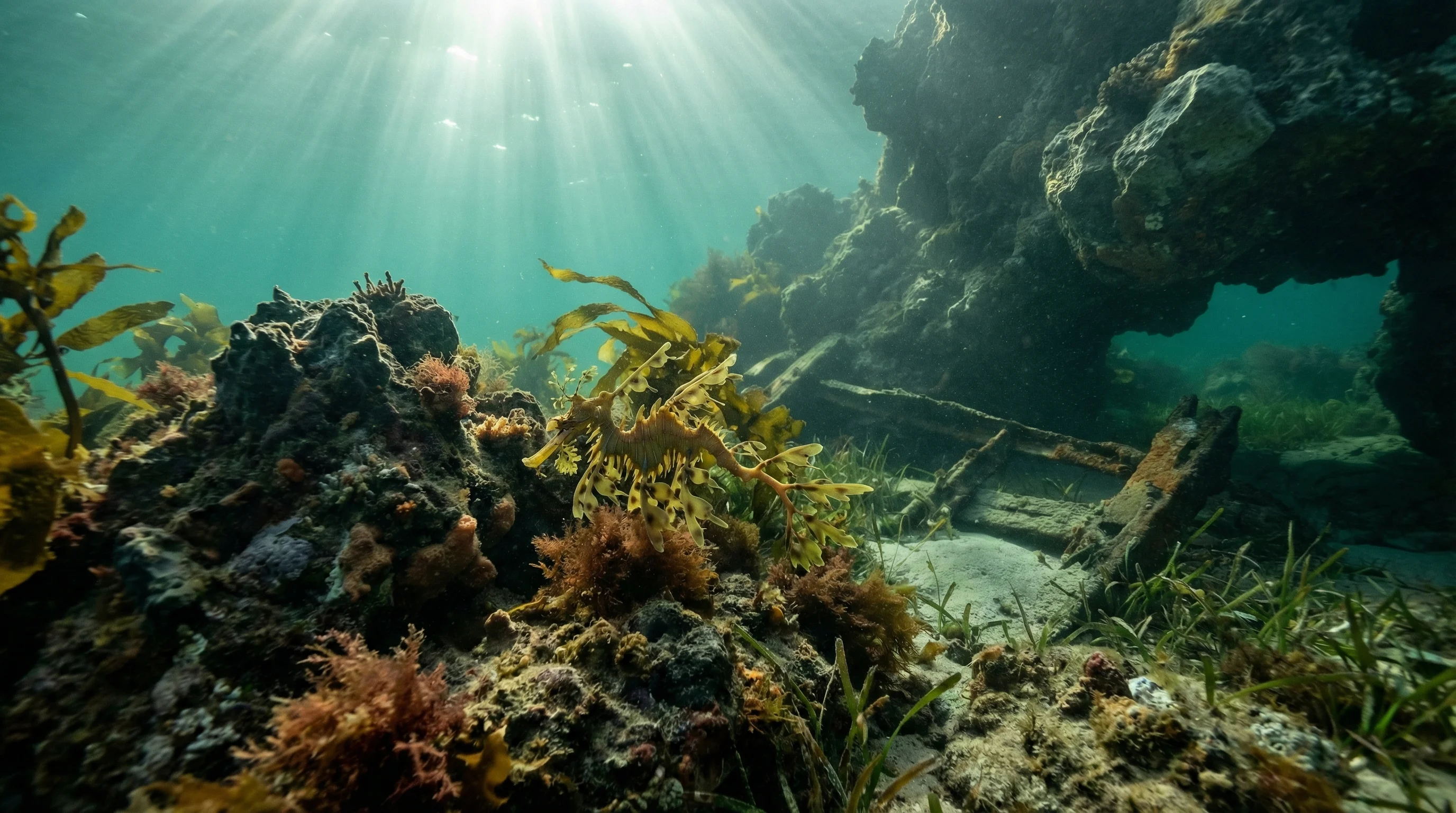
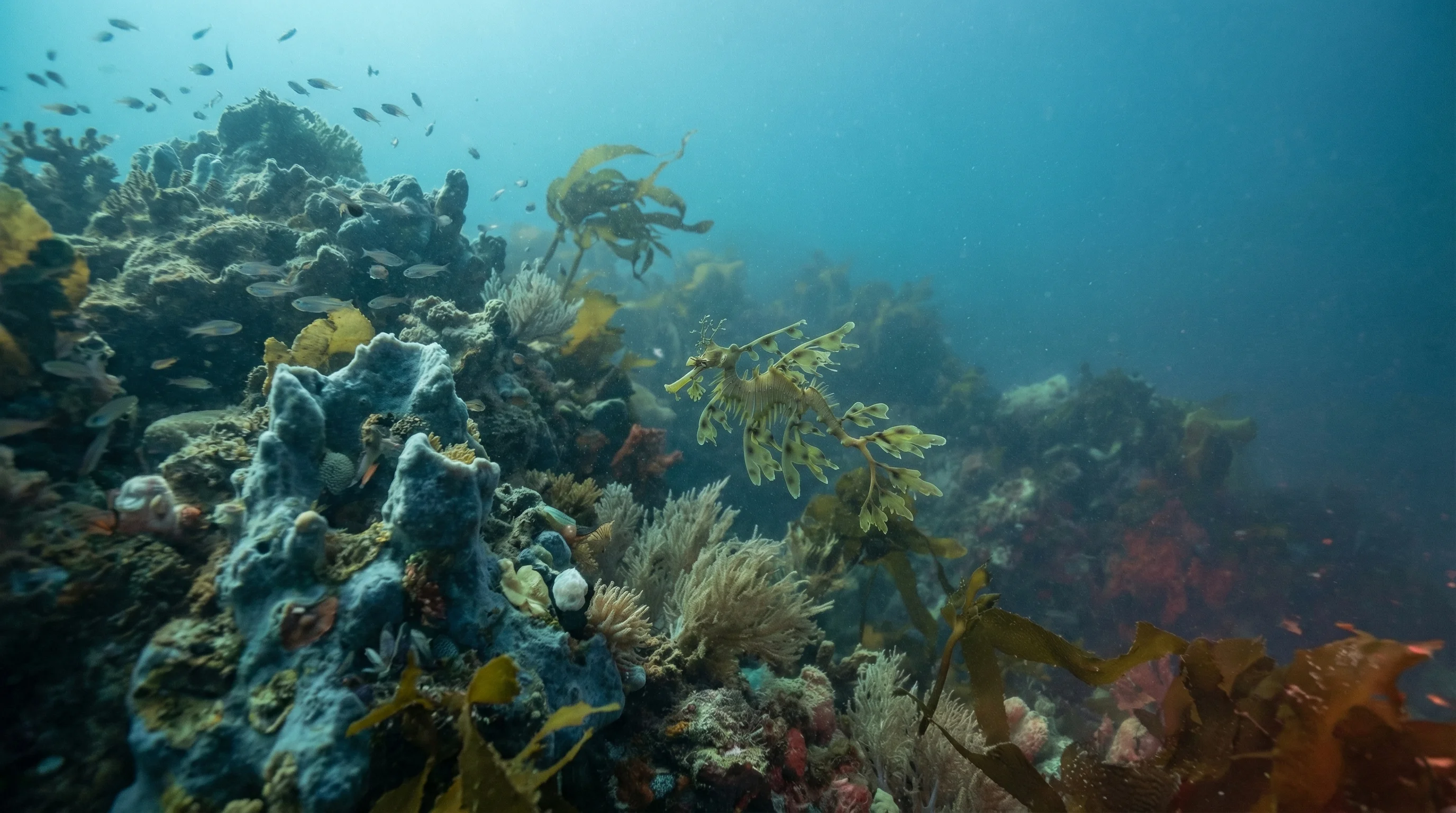
South Australia offers one of the most varied underwater landscapes in Australia, spanning marine reefs, jetty muck dives, open-water boat sites, and a remarkable concentration of freshwater cave systems in the Limestone Coast. The signature species list is distinctly temperate: Leafy Seadragon and Weedy Seadragon share territory with Port Jackson Shark, Australian Sea Lion, and Spotted Wobbegong. Sub-areas serve different appetites. Kangaroo Island and the Eyre Peninsula draw those chasing big marine life, while the Fleurieu Peninsula and Yorke Peninsula offer accessible shore entries. The Limestone Coast anchors technical cave diving, with sites ranging from beginner drift snorkels at Ewens Ponds to expert overhead environments at Fossils Cave.
6 areas
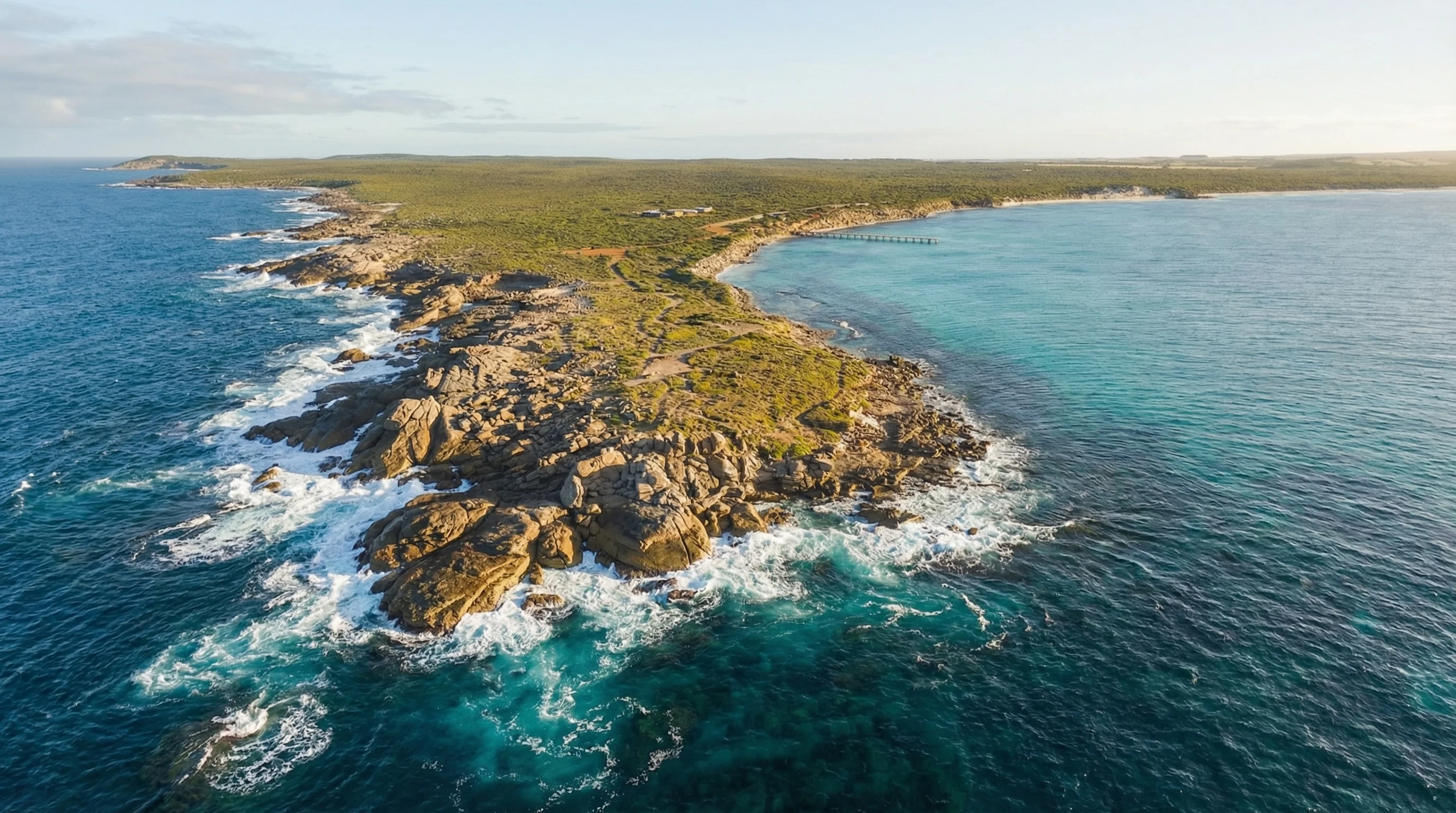 17
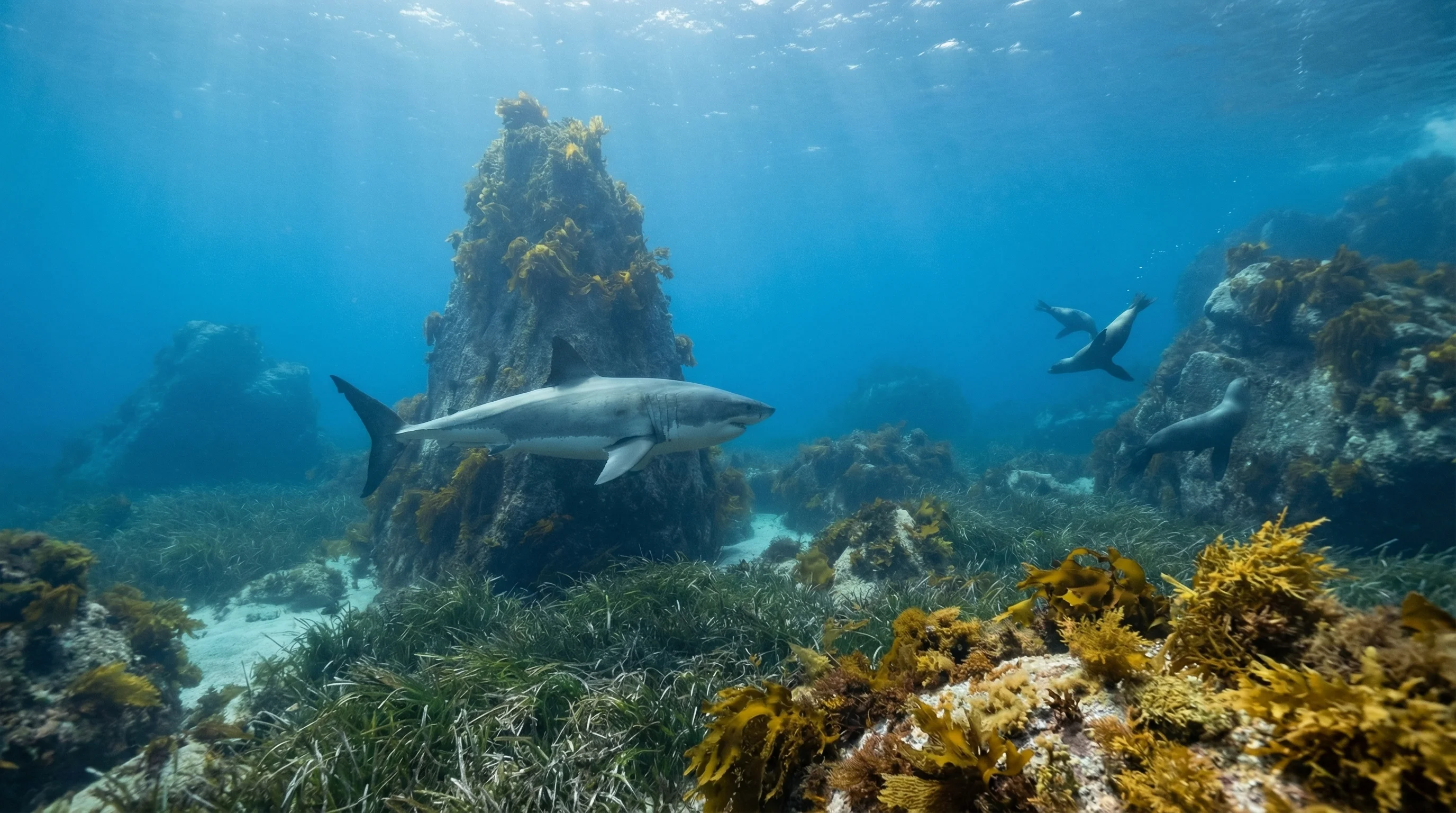
17Temperate reefs where Leafy Seadragon, sea lions and Port Jackson Shark are regularly spotted.
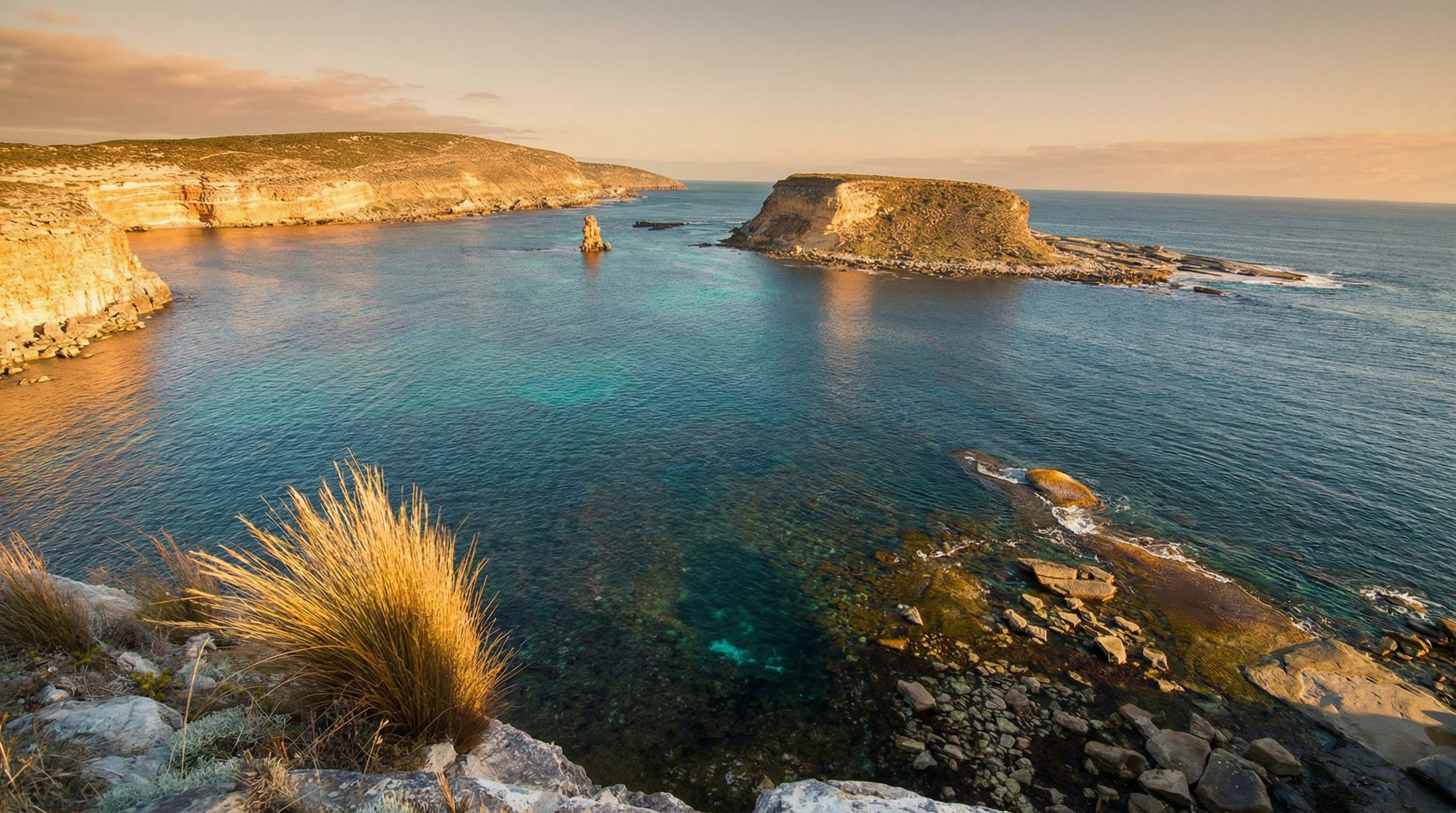 15
15Cage diving with Great White Shark at the Neptune Islands and shallow Leafy Seadragon encounters near Whyalla define this South Australian peninsula.
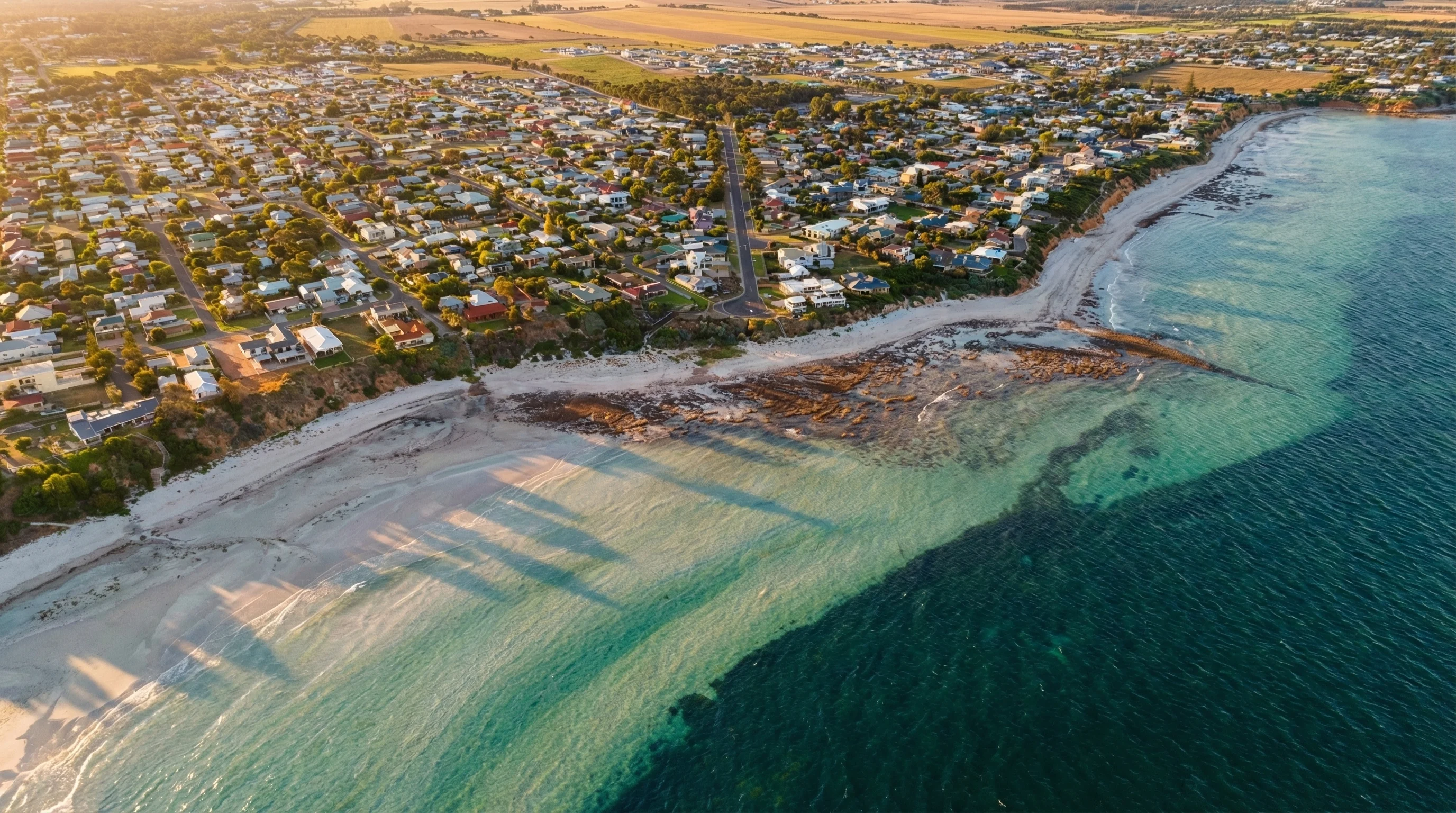 13
13Shore diving and snorkelling on South Australia's Yorke Peninsula, famous for Leafy Seadragon, Port Jackson Shark, and Pot-bellied Seahorse.
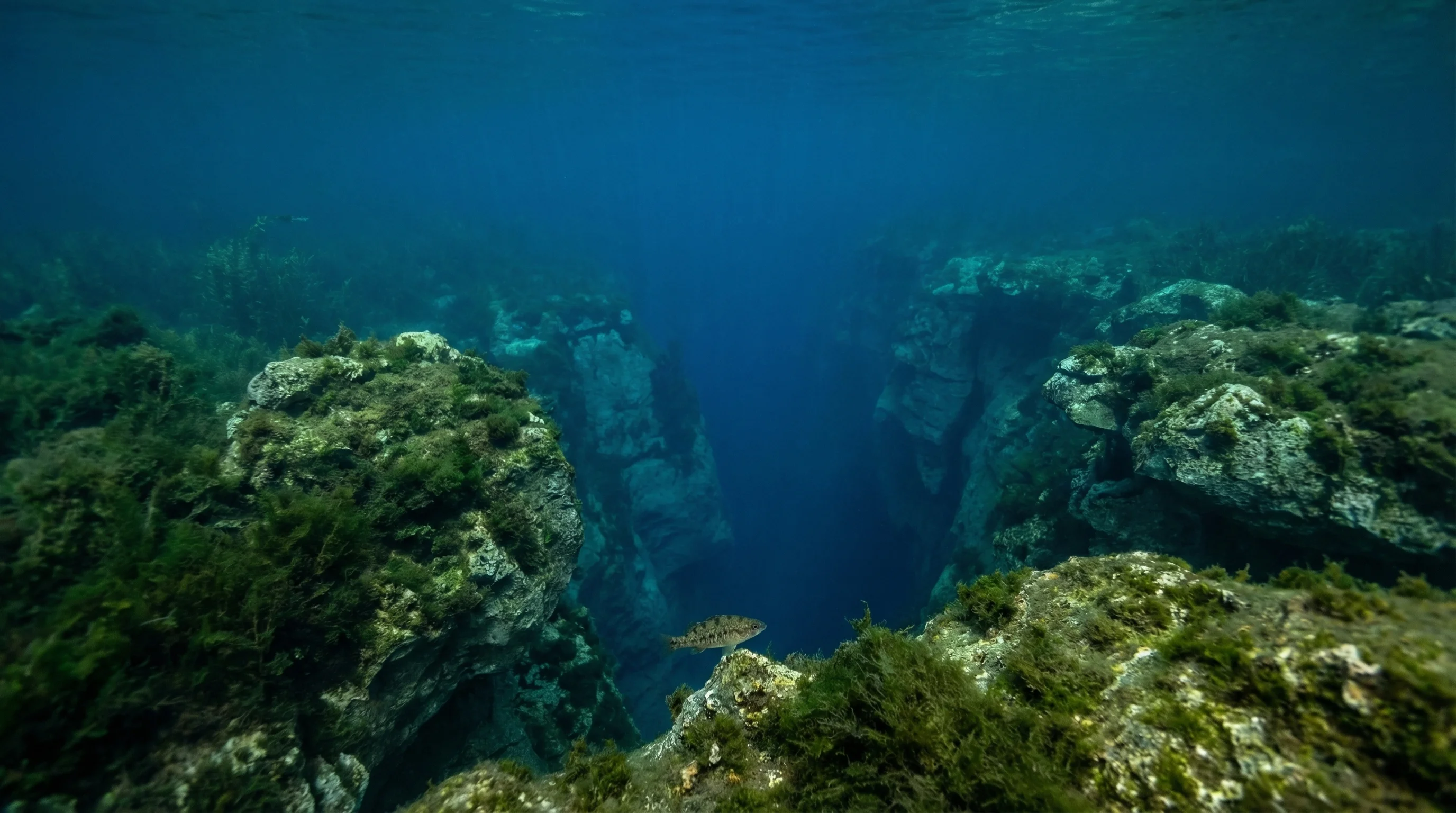
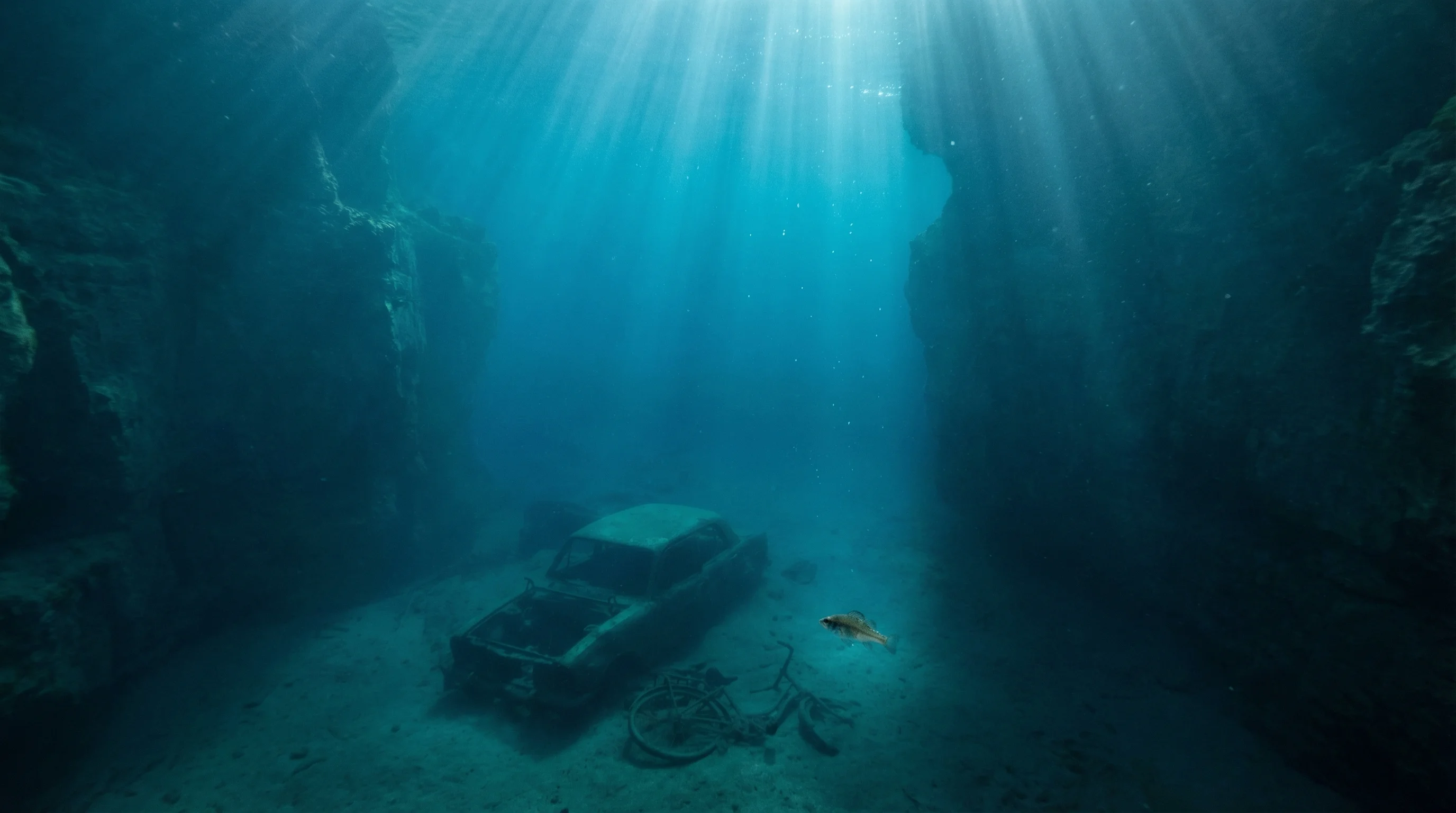
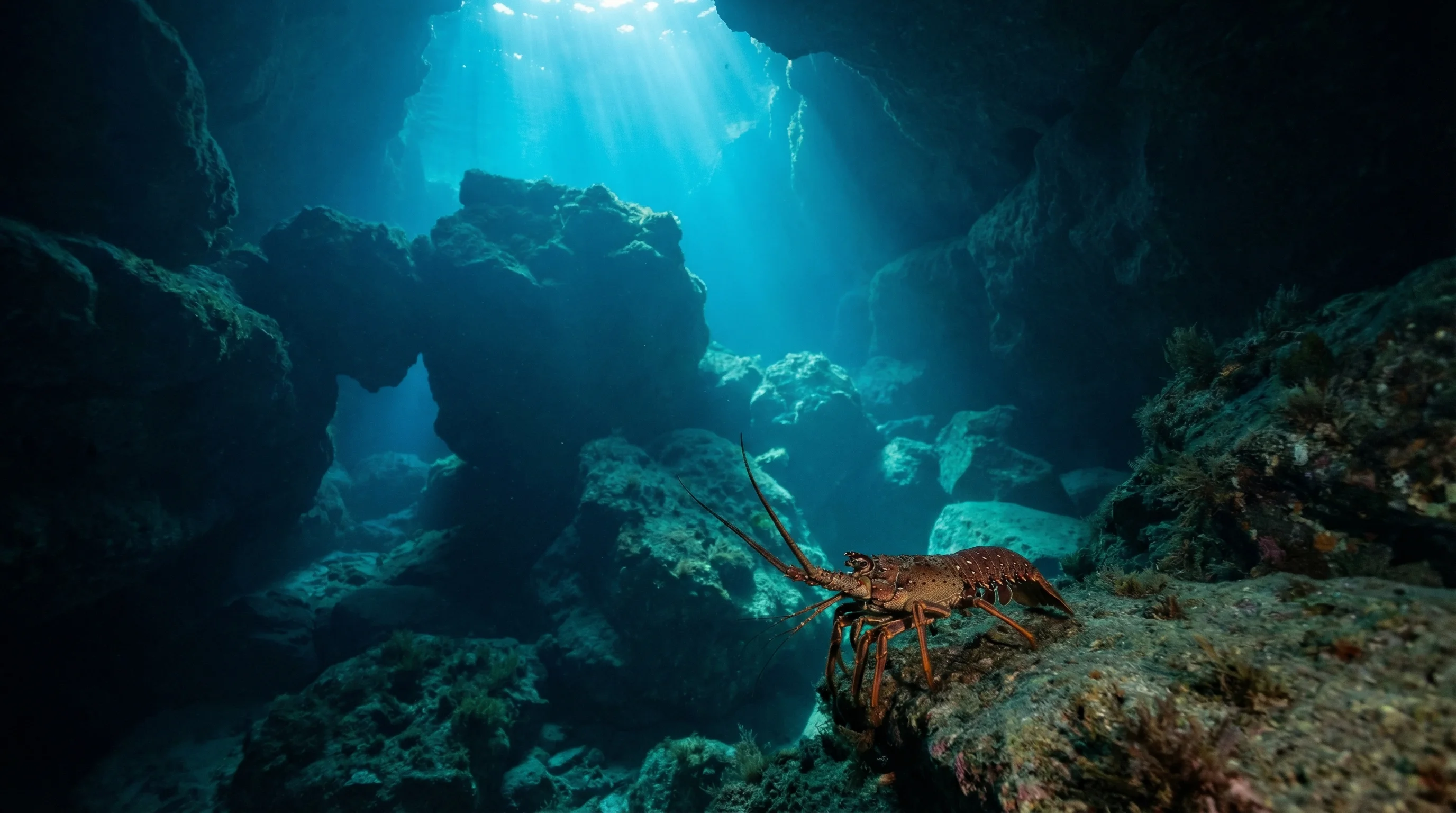
Monthly water temperature across South Australia's sites, from satellite sea-surface data corrected for depth. The band shows the site-to-site spread.
Water temperatures follow a clear seasonal curve, peaking in late summer and dropping to their coolest through late winter. The warmest months draw the highest diver activity and tend to offer the most settled conditions, particularly at exposed boat sites such as Neptune Islands. Cooler months still reward divers willing to layer up, especially at sheltered shore sites and the freshwater cave systems of the Limestone Coast, where visibility in the spring-fed ponds remains consistently excellent regardless of season.
18 operators

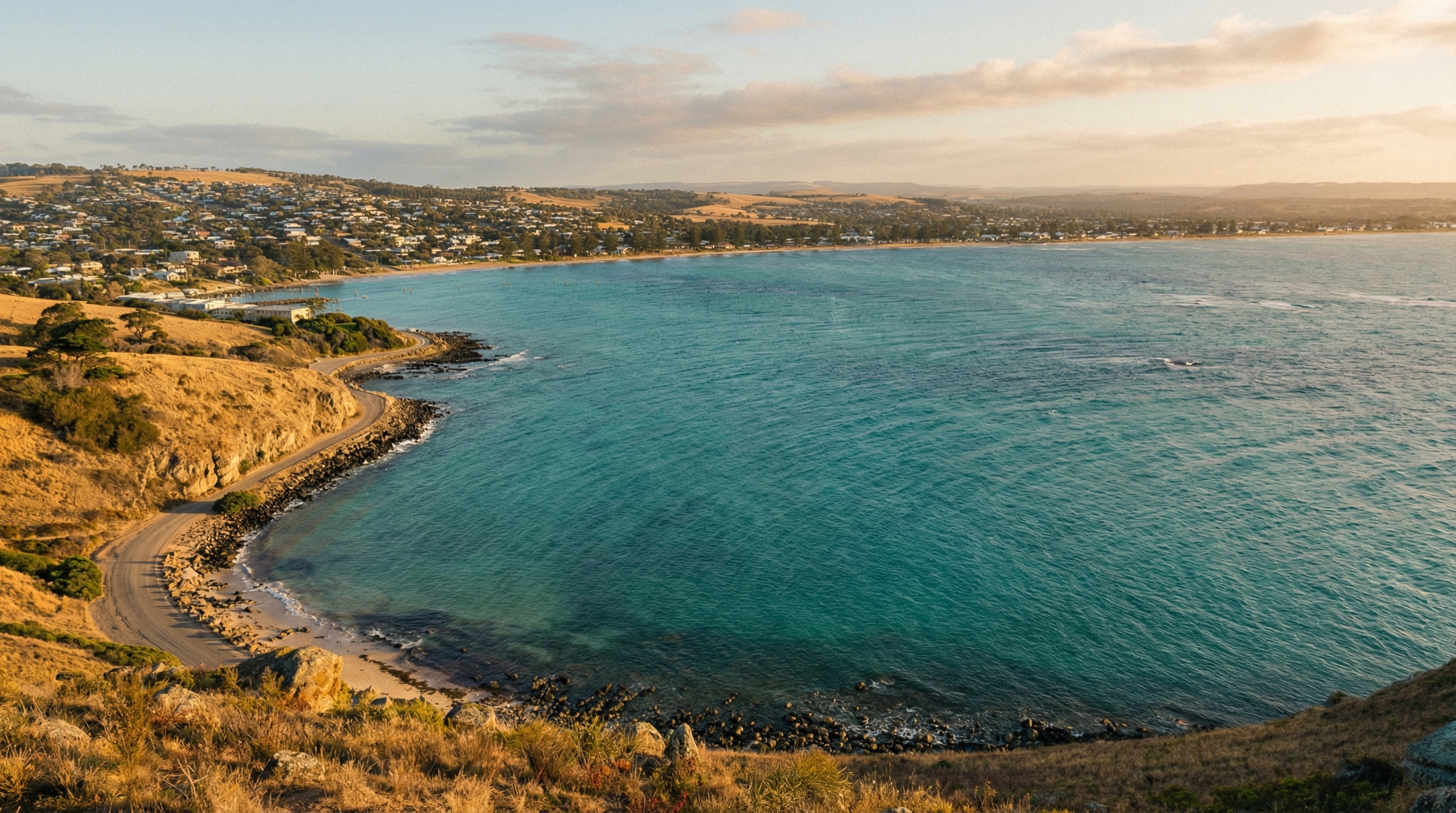
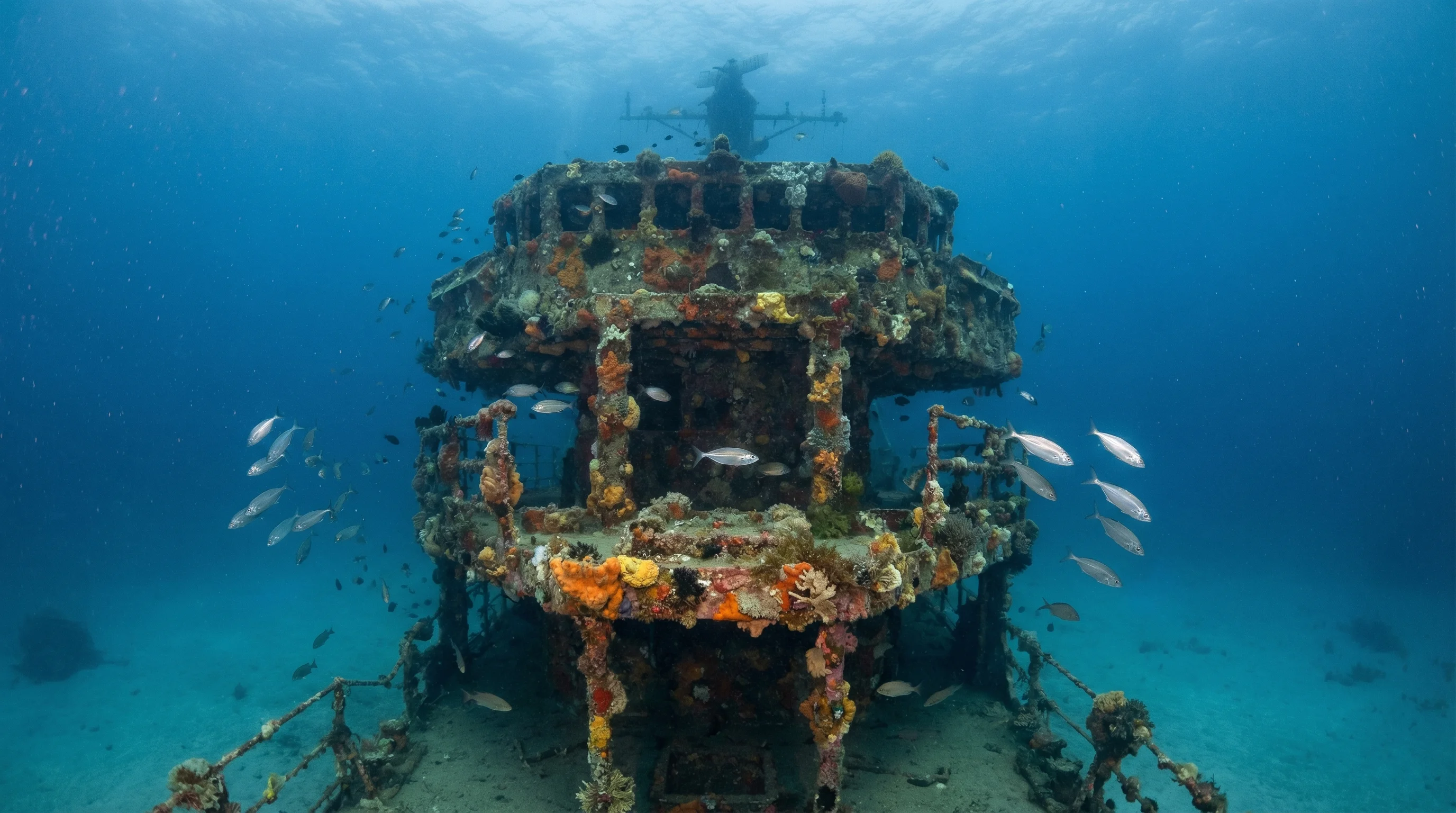
Shore reefs, a scuttled destroyer and seadragons define this South Australian peninsula, where fur seals and Port Jackson Shark share the water with divers year-round.
Water temperature around South Australia ranges from about 14°C in August to 20°C in February, based on satellite sea-temperature data for its dive sites.
In the warm season (about 20°C) a 5mm suit is comfortable in South Australia; in the coldest months (about 14°C) step up to a 7mm or semi-dry suit.
Fin maps 84 sites in South Australia (75 scuba diving sites and 37 snorkelling spots, with some suited to both), organised into 6 areas.
Across South Australia's dive sites, January, February, March, April, November and December are most often reported as the best months to visit.
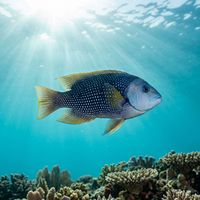
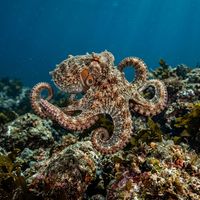
South Australia hosts an impressive range of temperate species confirmed by diver observations. Signature encounters include the Leafy Seadragon, Weedy Seadragon, Port Jackson Shark, Australian Sea Lion, and Spotted Wobbegong. Reef squid, Bobtail Squid, New Zealand Octopus, Smooth Ray, Fiddler Ray, and the vividly coloured Western Blue Devil are also commonly recorded across the region's sites.
A large portion of South Australia's sites are rated beginner-friendly, including popular spots such as Ewens Ponds, Second Valley, Edithburgh Jetty, and Kingscote Jetty. Shore entries are common and conditions at sheltered jetty and reef sites are generally forgiving. That said, the Limestone Coast cave systems and Neptune Islands require advanced, technical, or expert certification, so the region truly caters for all skill levels without beginners feeling excluded.
Each sub-area has a distinct character. Kangaroo Island leads on site count and is well suited to marine life encounters, while the Eyre Peninsula offers remote reef and sea lion diving. The Yorke Peninsula and Fleurieu Peninsula provide accessible shore-based reef dives, and Adelaide contributes urban wreck and jetty diving including the HMAS Hobart. The Limestone Coast is the destination for freshwater cave and cavern diving, ranging from gentle drift snorkels to demanding technical systems.
South Australia offers both shore and boat access across its sites. Shore entries dominate the freshwater cave systems of the Limestone Coast and many of the Fleurieu and Yorke Peninsula reefs. Boat access is required for highlights such as Neptune Islands and the HMAS Hobart wreck. Several operators, including Whyalla Dive Shop, Sea Dragon Dive Lodge, GO2DIVE, and Whyalla Dive Services, can facilitate boat charters and guided dives across the region.