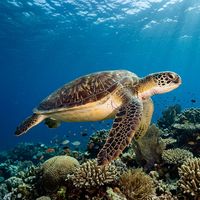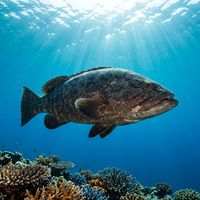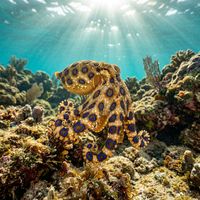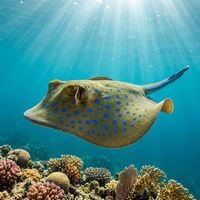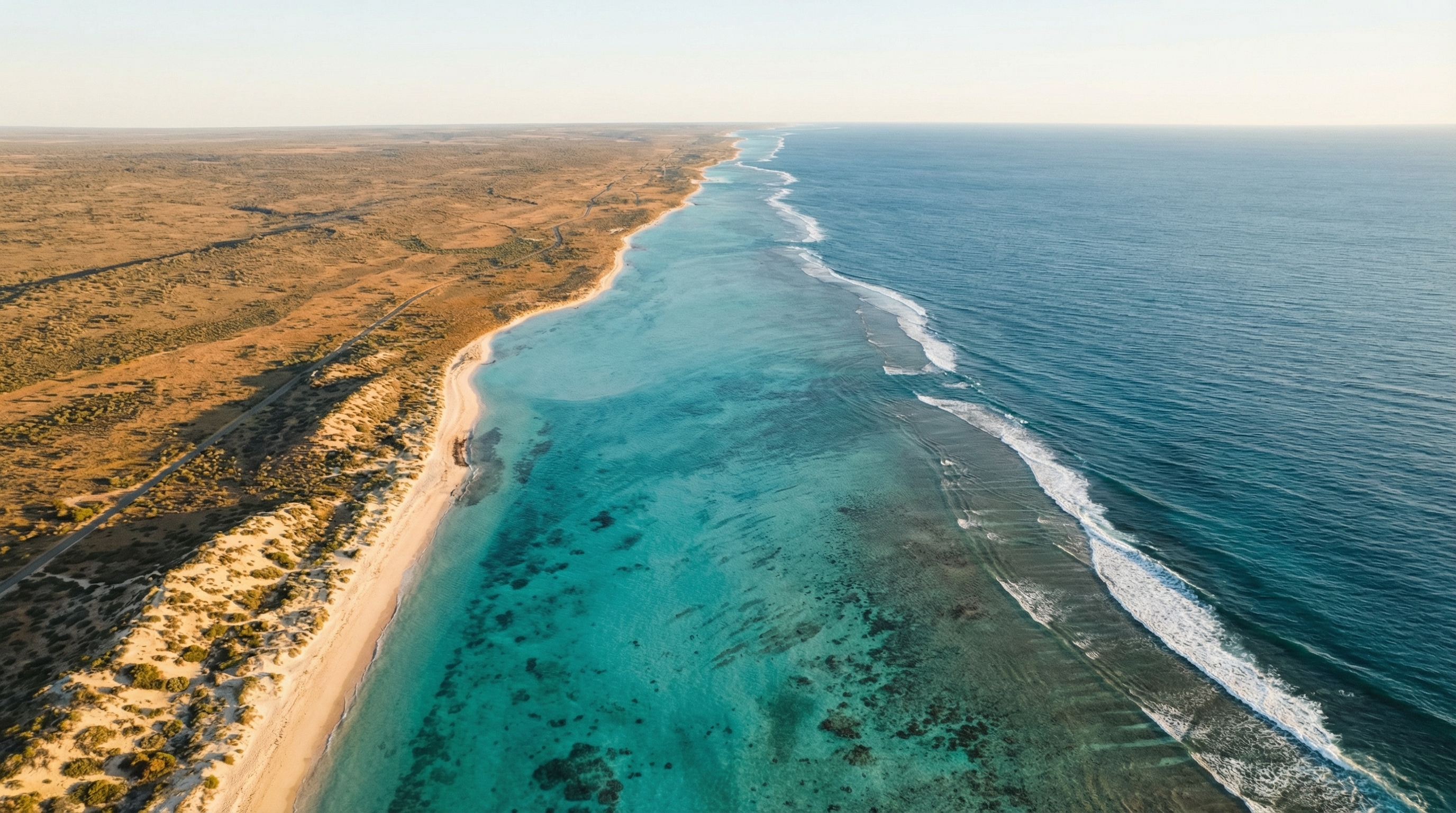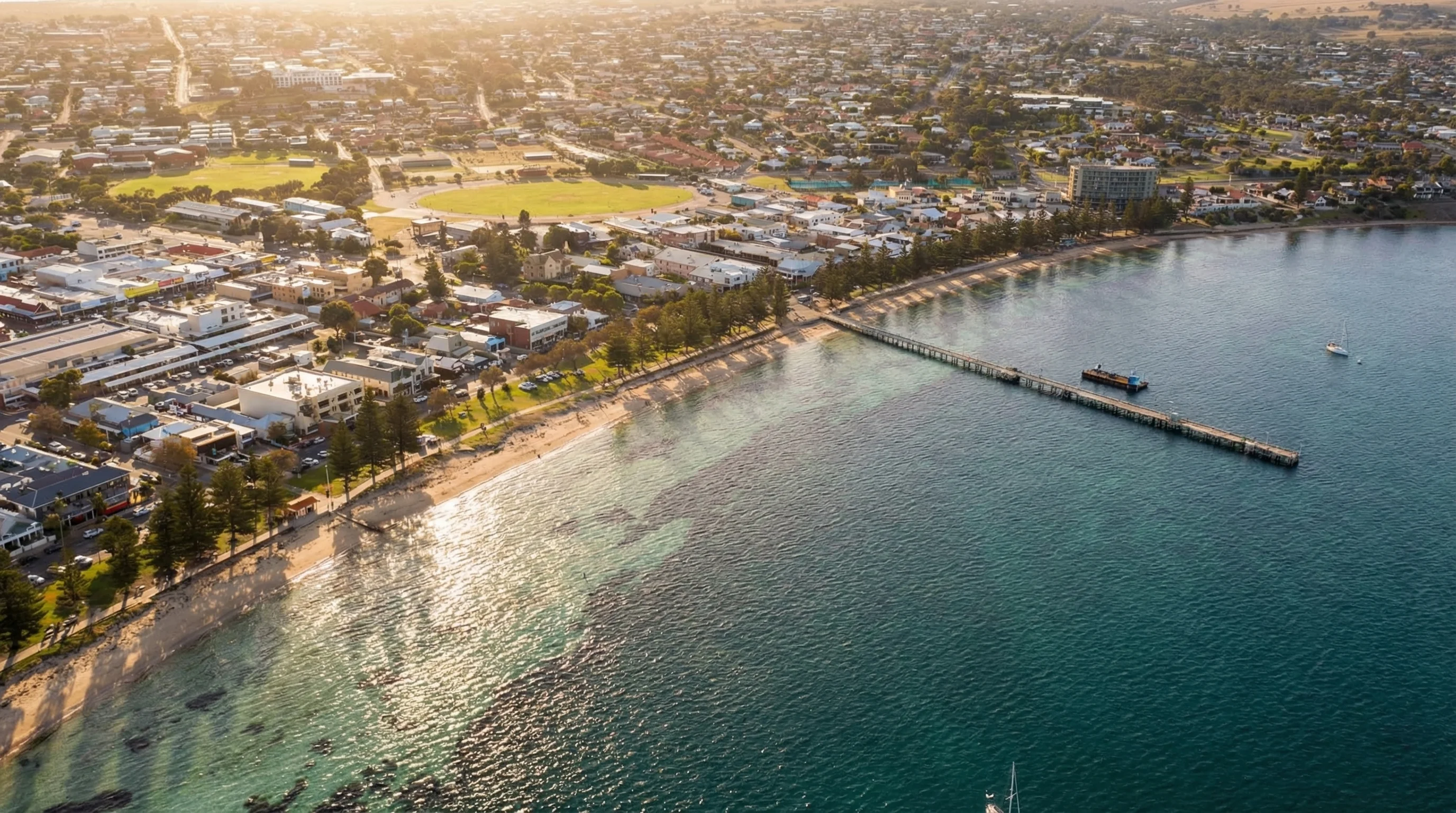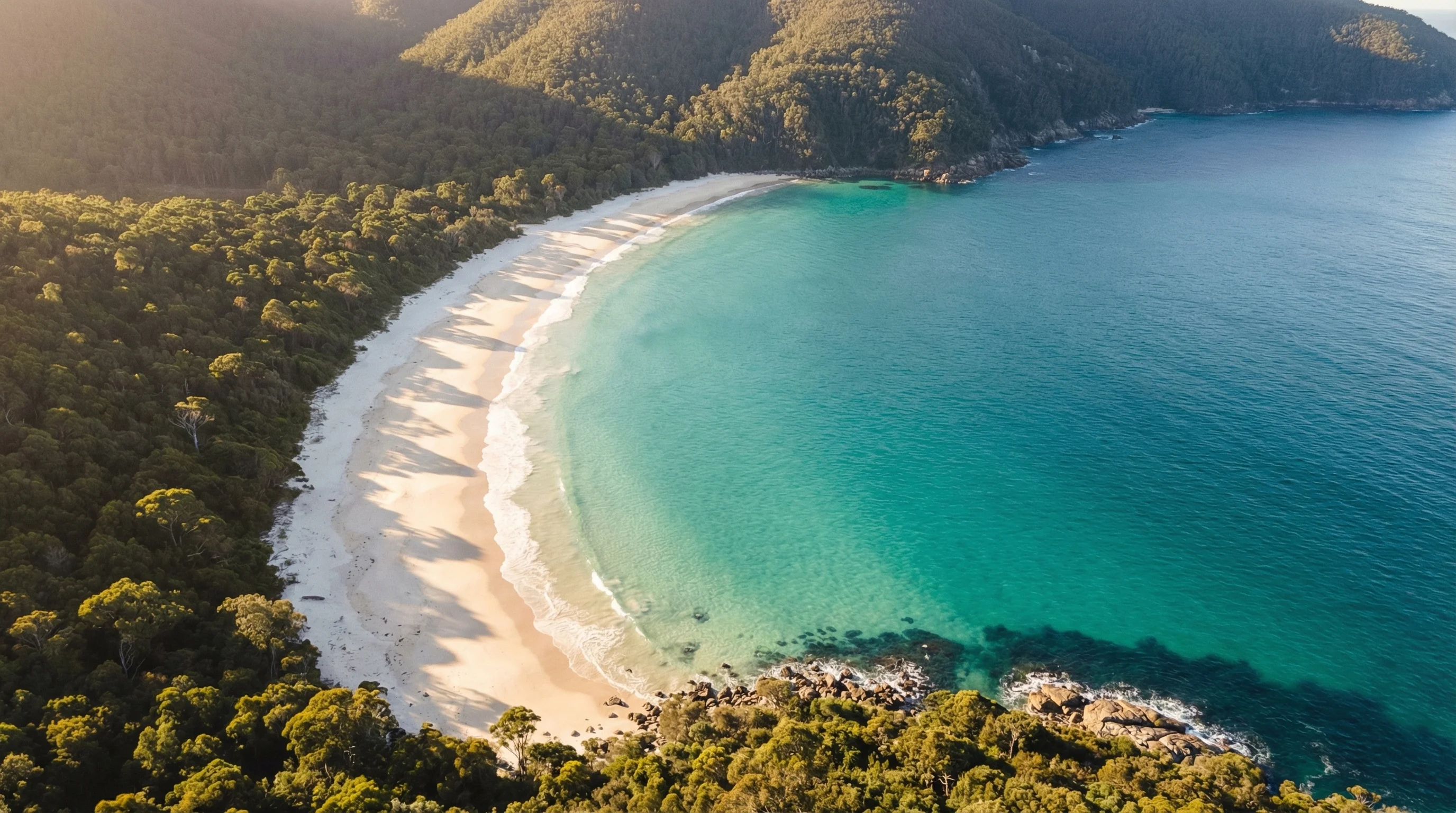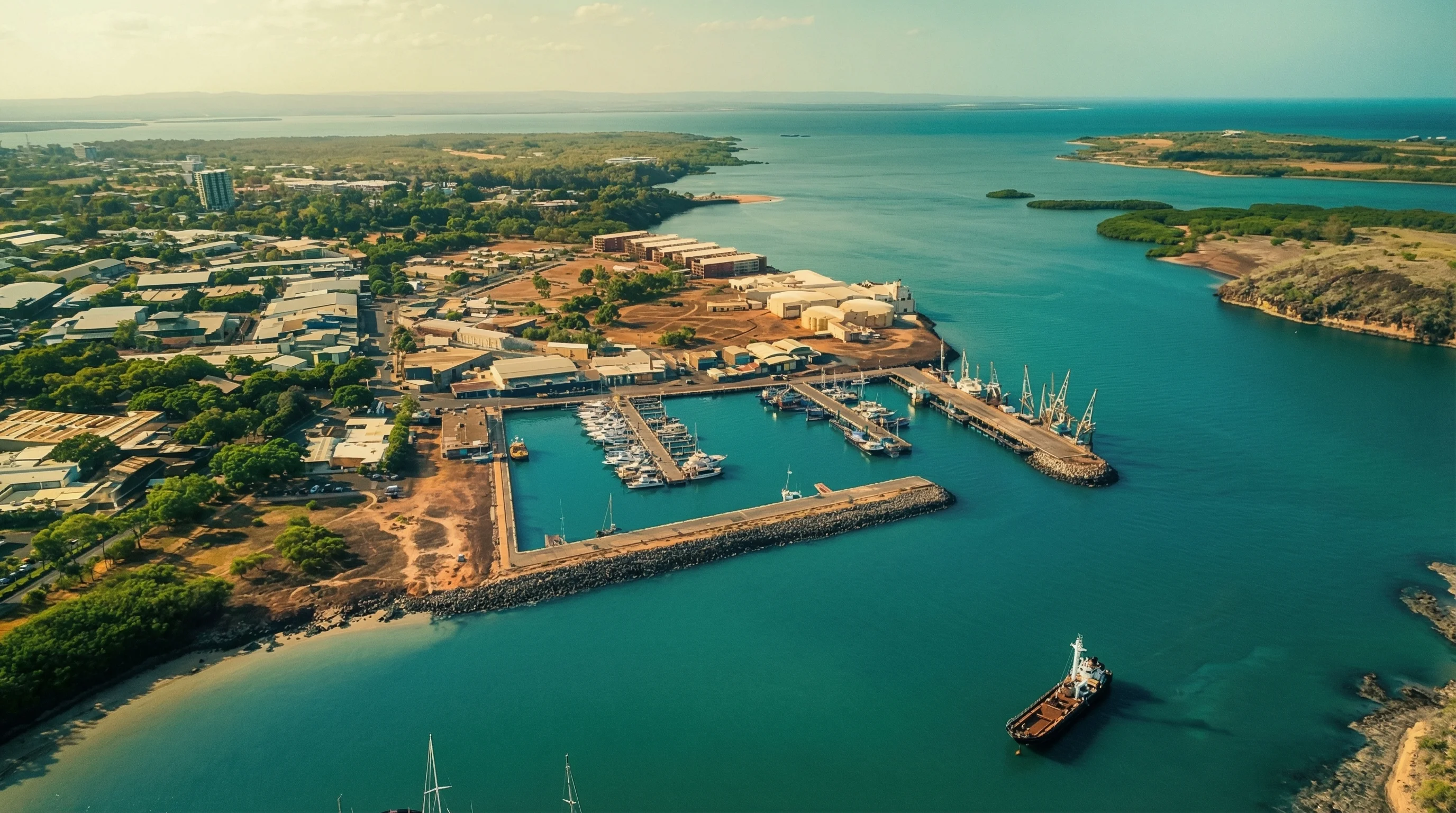
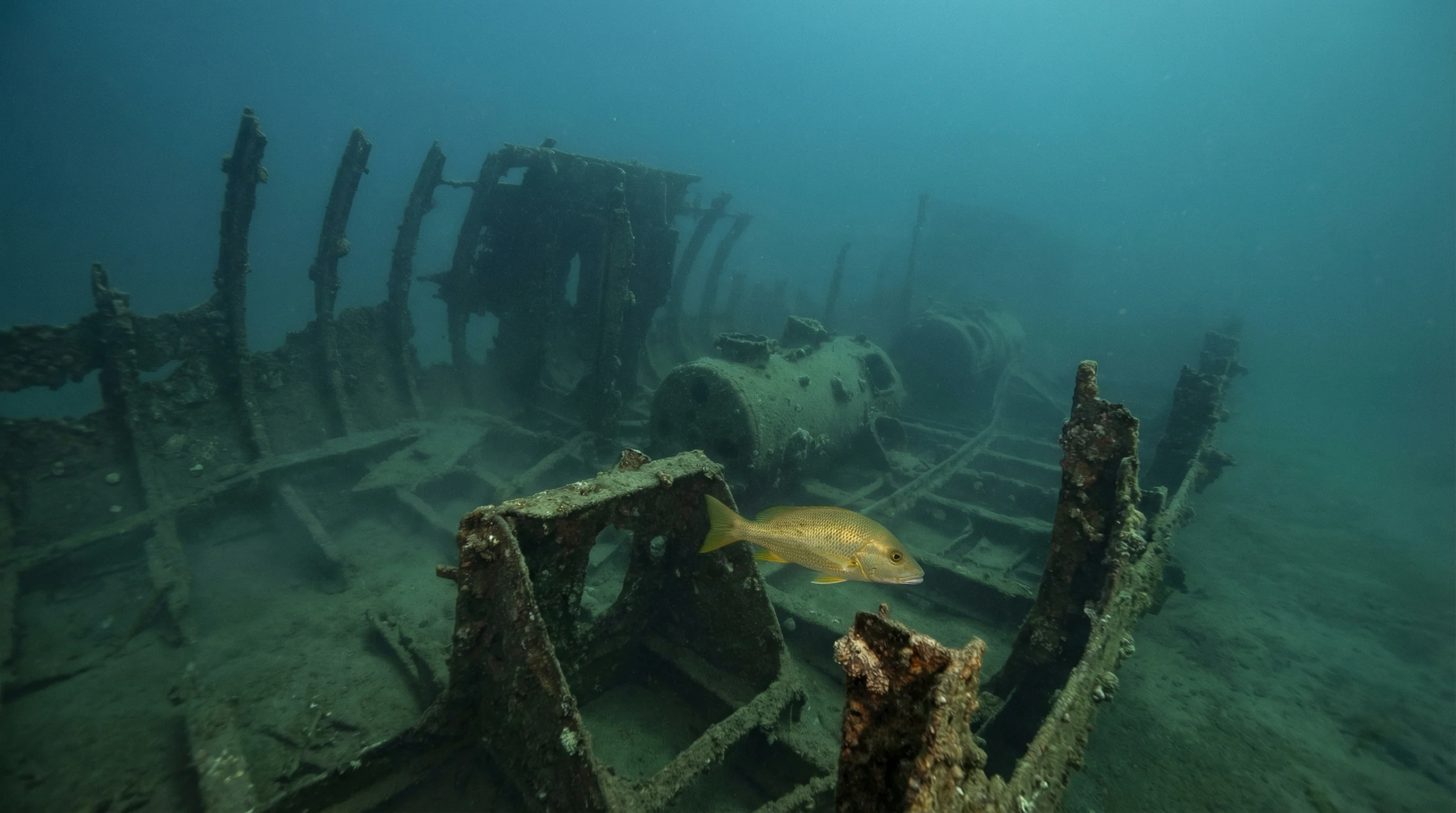
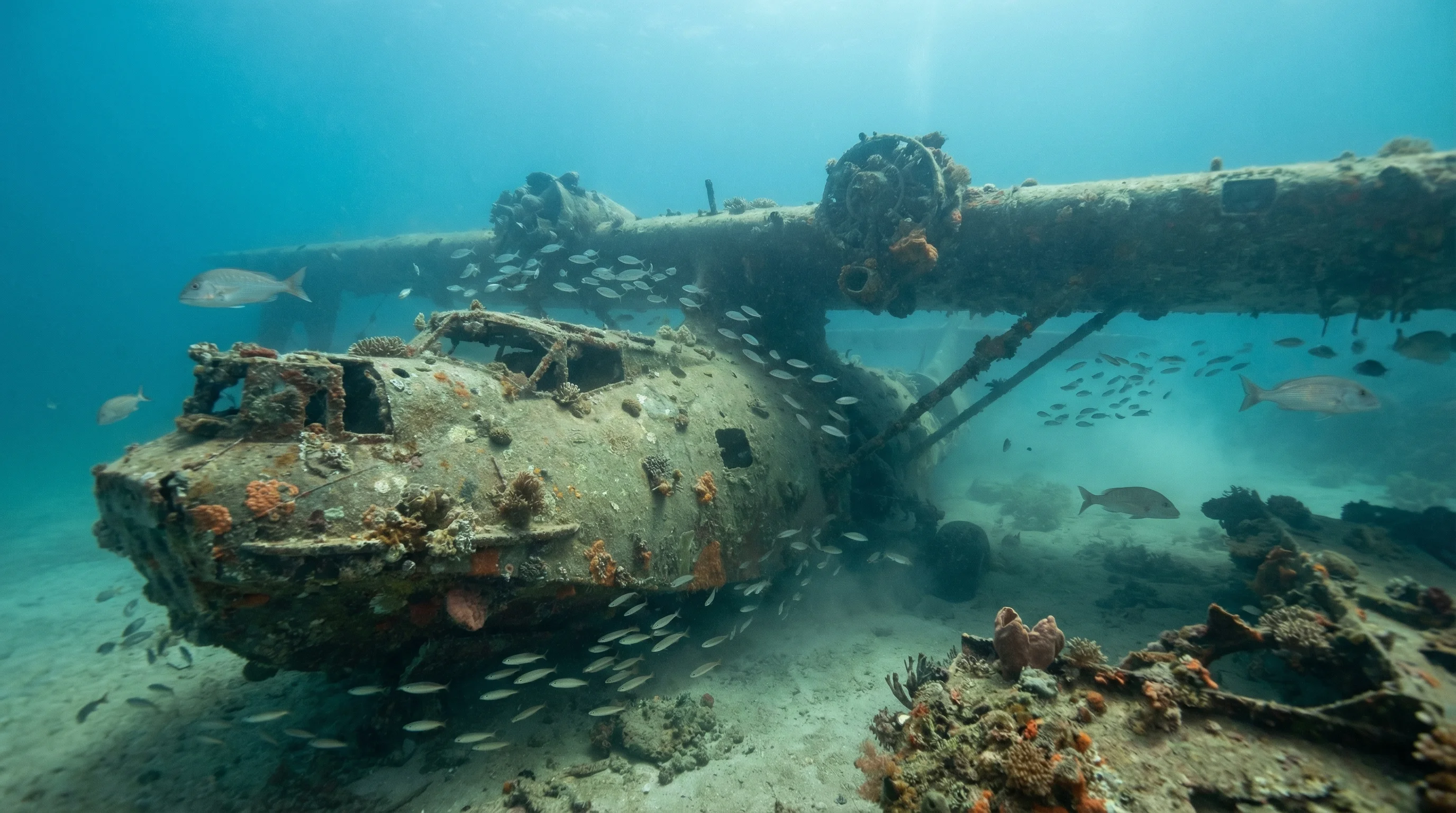
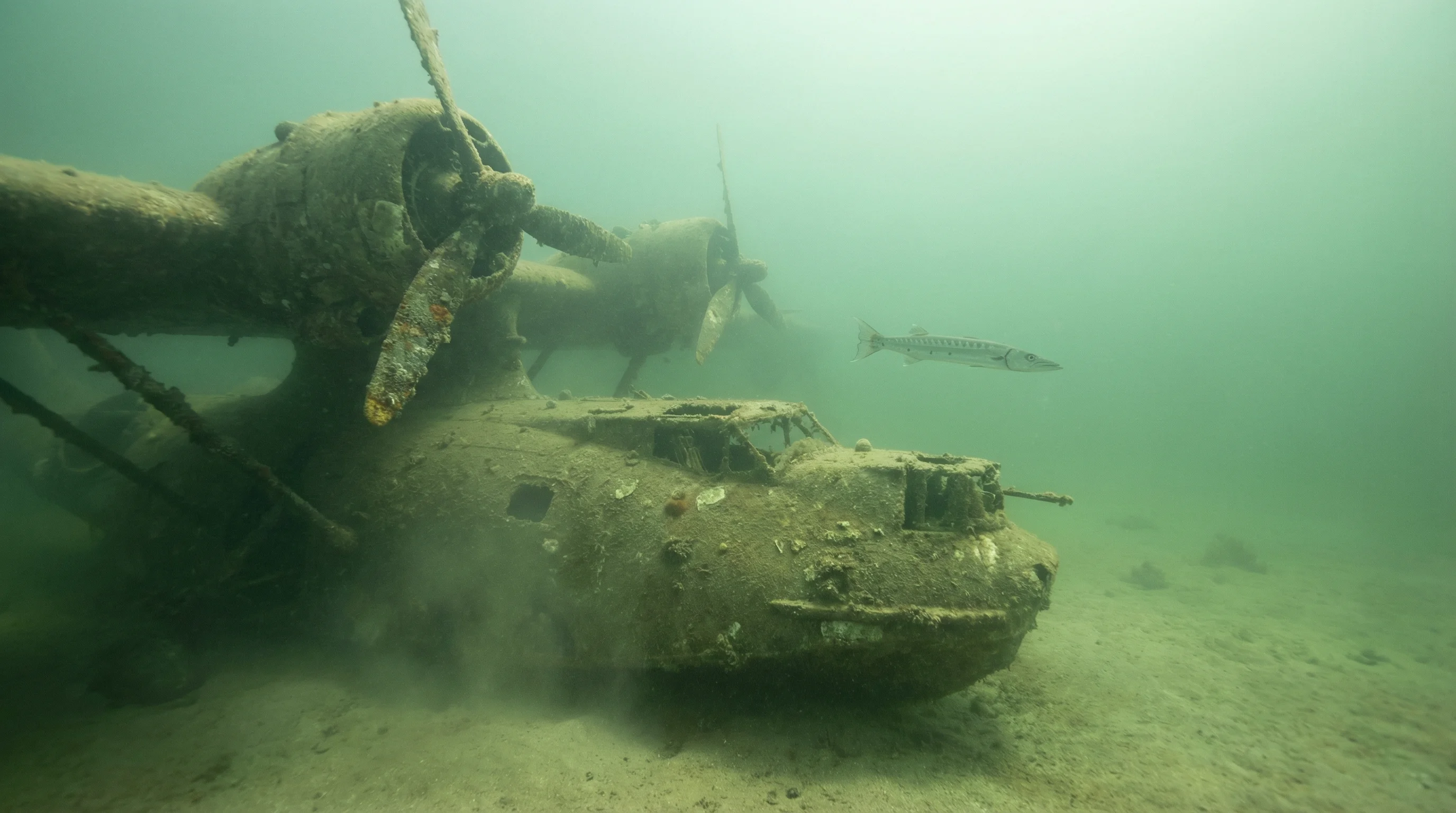
The Northern Territory offers a distinctive underwater character shaped by warm, tropical waters, a strong wreck-diving heritage, and a surprisingly diverse mix of site types. Darwin anchors the region with the largest concentration of sites, including the famous USS Peary and the Catalina wrecks that have matured into artificial reefs. Arnhem Land and the Cobourg Peninsula extend the offering into more remote coastal territory, while the Tiwi Islands add a further cluster of sites offshore. Across the region, divers regularly encounter the Bluespotted Fantail Ray, Queensland Grouper, Green Sea Turtle, and the notably common Blue-ringed Octopus. Freshwater sites such as Mataranka Springs and Wangi Wangi Falls broaden the experience for snorkellers.
4 areas
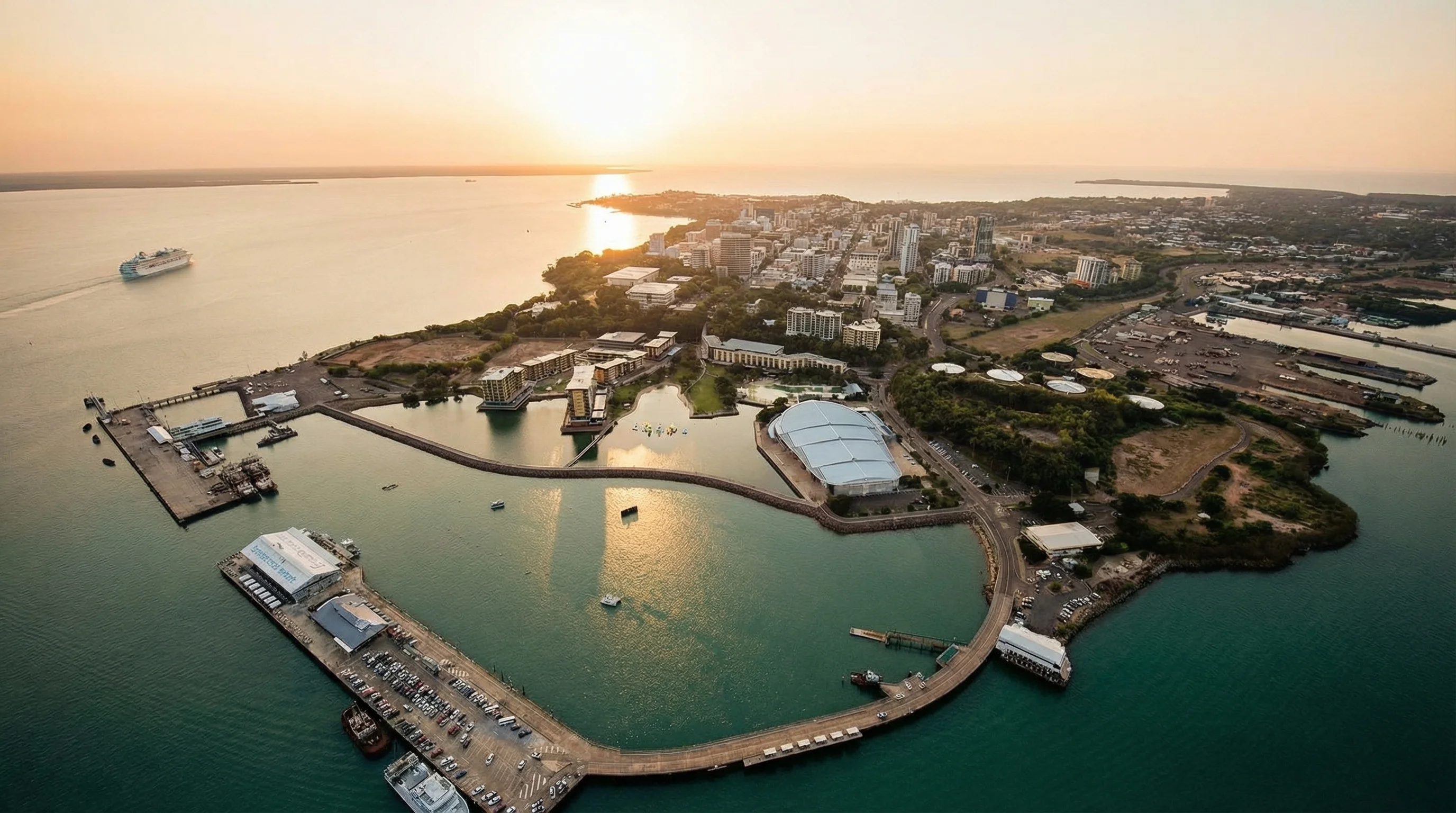 30
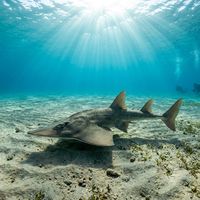
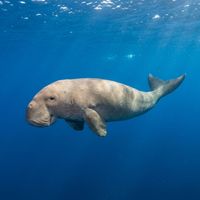
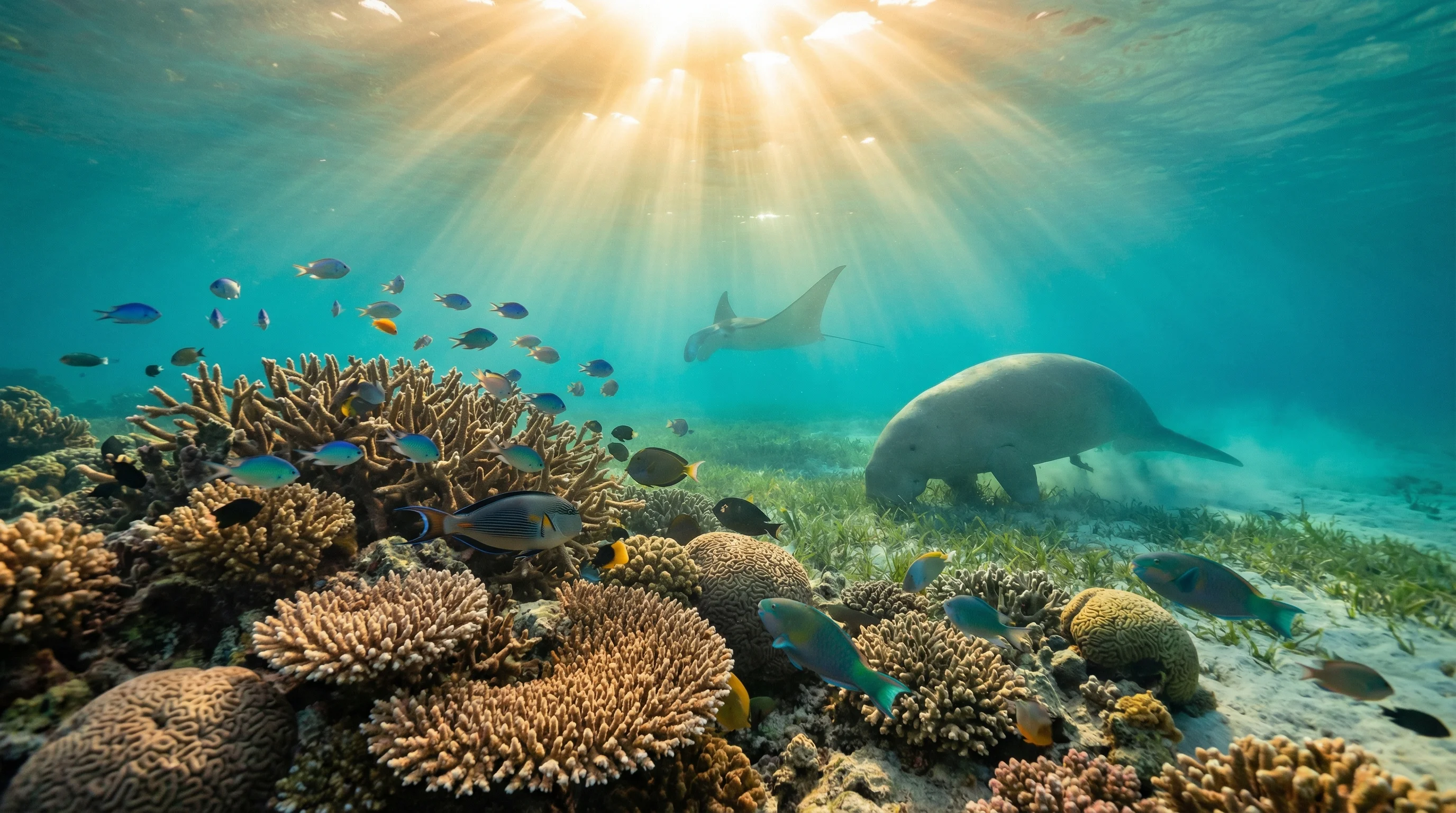
30Darwin delivers wreck diving and a rich cast of rays, with Dugong and Giant Guitarfish spotted across its harbour and coastal sites.
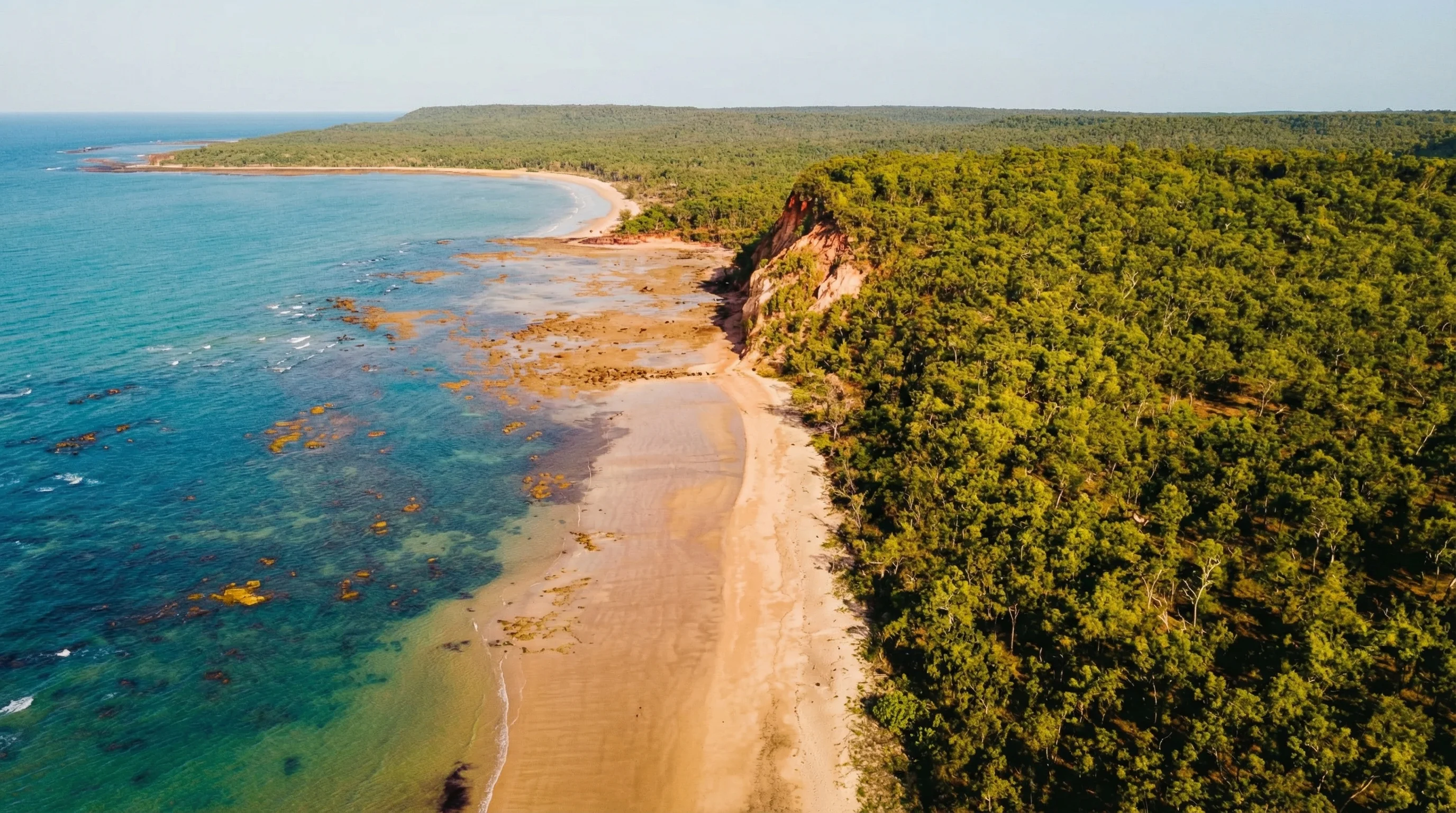 15
15Remote tropical diving and snorkelling anchored by consistent Green Sea Turtle sightings, split between the Nhulunbuy and Elcho Island sub-areas.
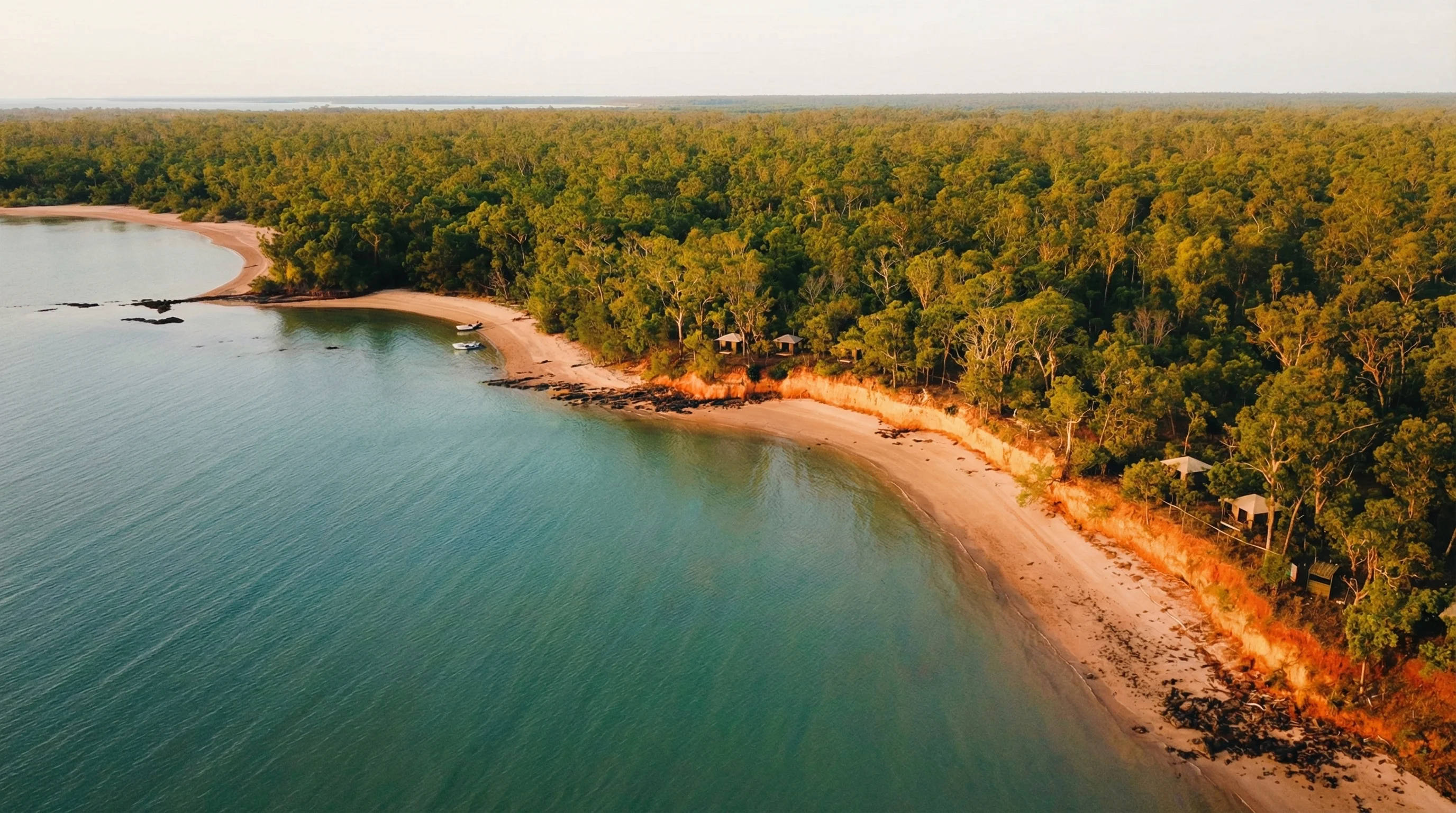 8
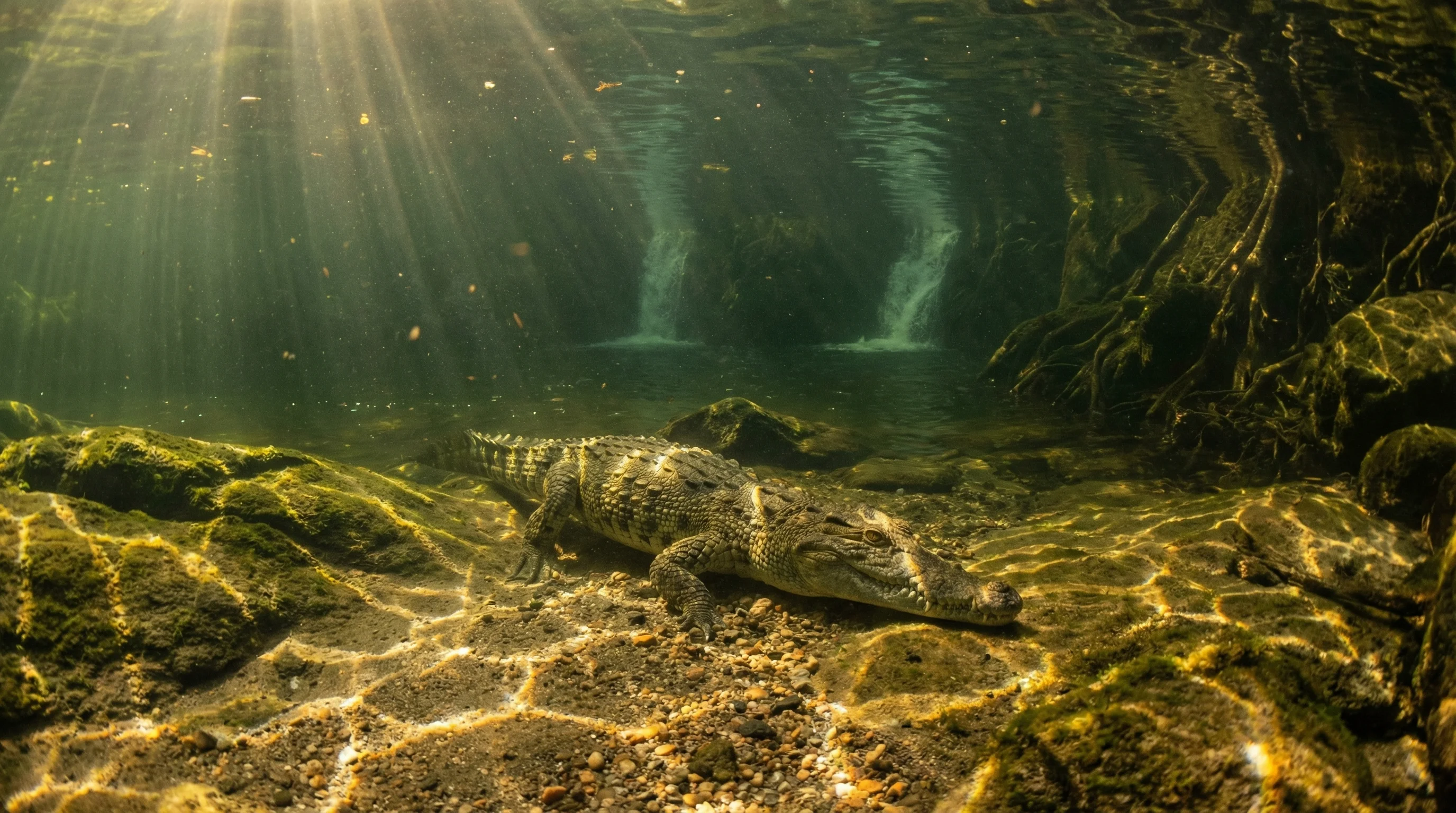
8Remote tropical reefs and seagrass in Garig Gunak Barlu National Park, where crocodile presence and dry-season access shape every dive.
Monthly water temperature across Northern Territory's sites, from satellite sea-surface data corrected for depth. The band shows the site-to-site spread.
Water temperatures sit at their warmest through the wet season months of November to April, then ease slightly through the dry season. The best-months data points firmly to May through October as the preferred diving window, when conditions stabilise, visibility tends to improve, and the wet-season rains and associated runoff subside. Exposed coastal sites, particularly around Arnhem Land and the Cobourg Peninsula, may be affected by seasonal swells and currents, so conditions vary by sub-area.
14 operators

Nightcliff, Australia
Australia
Australia
Tropical reef, wall, and cave diving off Bathurst and Melville Islands, with warm water year-round and strong tidal currents at many sites.
Water temperature around Northern Territory ranges from about 26°C in July to 31°C in November, based on satellite sea-temperature data for its dive sites.
In the warm season (about 31°C) a rash guard or 3mm shorty is comfortable in Northern Territory; in the coldest months (about 26°C) step up to a 3mm full suit.
Fin maps 59 sites in Northern Territory (47 scuba diving sites and 19 snorkelling spots, with some suited to both), organised into 4 areas.
Across Northern Territory's dive sites, May, June, July, August, September and October are most often reported as the best months to visit.
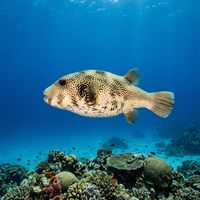
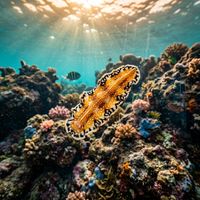
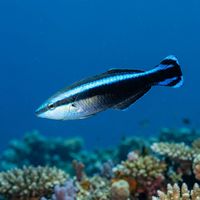
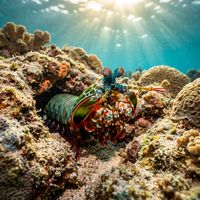
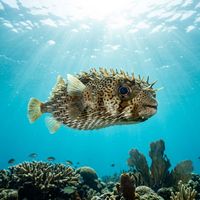
The region has a strong record of observed sightings across a wide range of species. The Bluespotted Fantail Ray, Starry Puffer, and Flatworm are among the most consistently seen, while the Queensland Grouper and Green Sea Turtle are common across many sites. The Blue-ringed Octopus appears with notable regularity, and Dugong sightings, though occasional, are backed by real observations. Guitarfish and Giant Guitarfish also feature across the site network.
Yes, several sites are rated at beginner level. The Catalina wrecks in Darwin Harbour are shallow boat dives well suited to newer divers building wreck experience in a forgiving depth range. Freshwater snorkel sites such as Mataranka Springs and Wangi Wangi Falls are also beginner-friendly, with shallow shore entries. The USS Peary, by contrast, is rated advanced due to its depth and the presence of sharp metal.
Darwin is the most site-dense sub-area and is home to the region's most accessible wreck diving, including the USS Peary and the Catalina sites. Arnhem Land offers a larger number of sites in a more remote coastal setting, while the Cobourg Peninsula is smaller still and likely sees fewer visiting divers. The Tiwi Islands form a separate offshore cluster with their own distinct character. Operators Dive Darwin and Wakatobi Divers are the listed providers for accessing these areas.