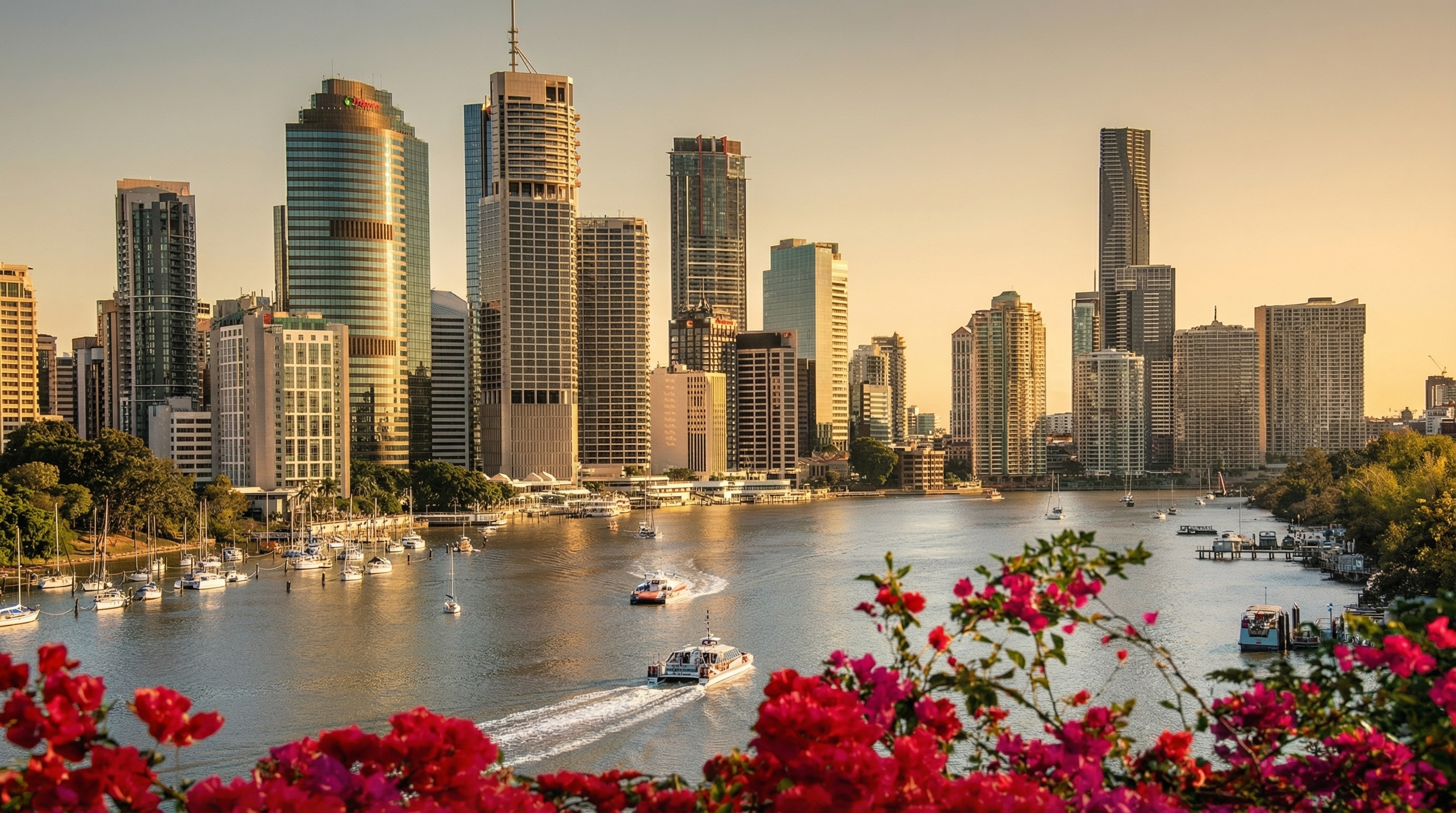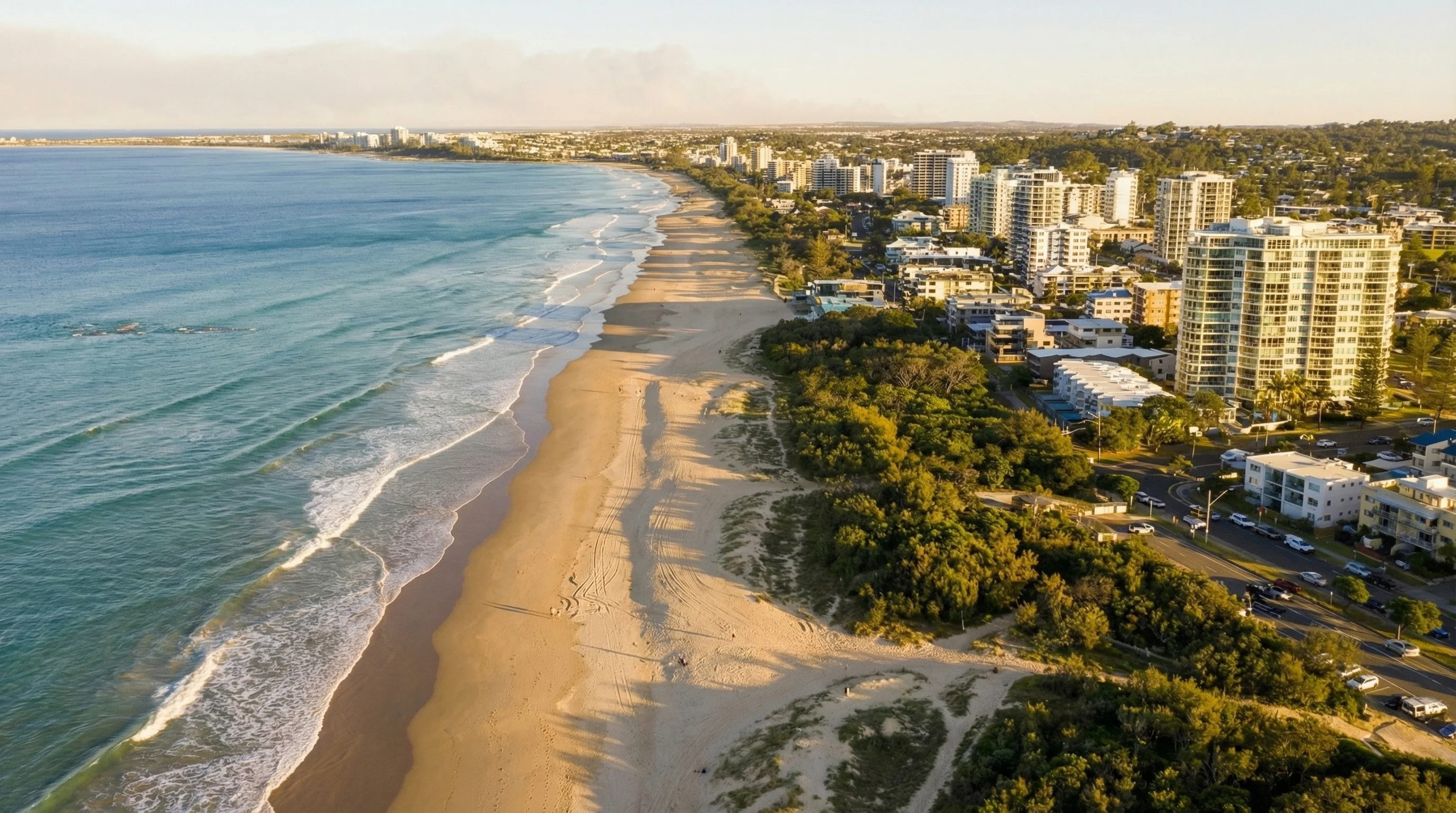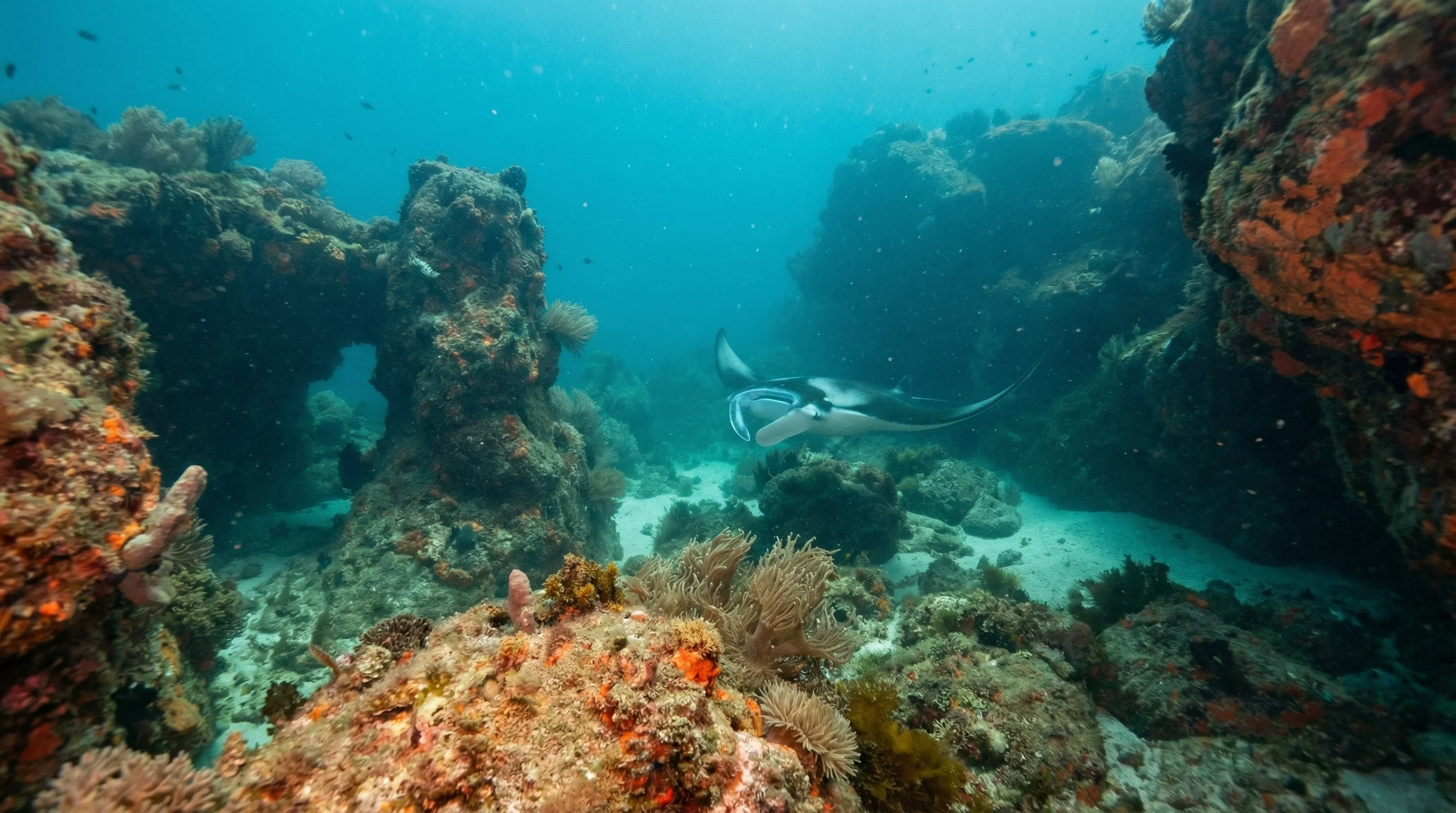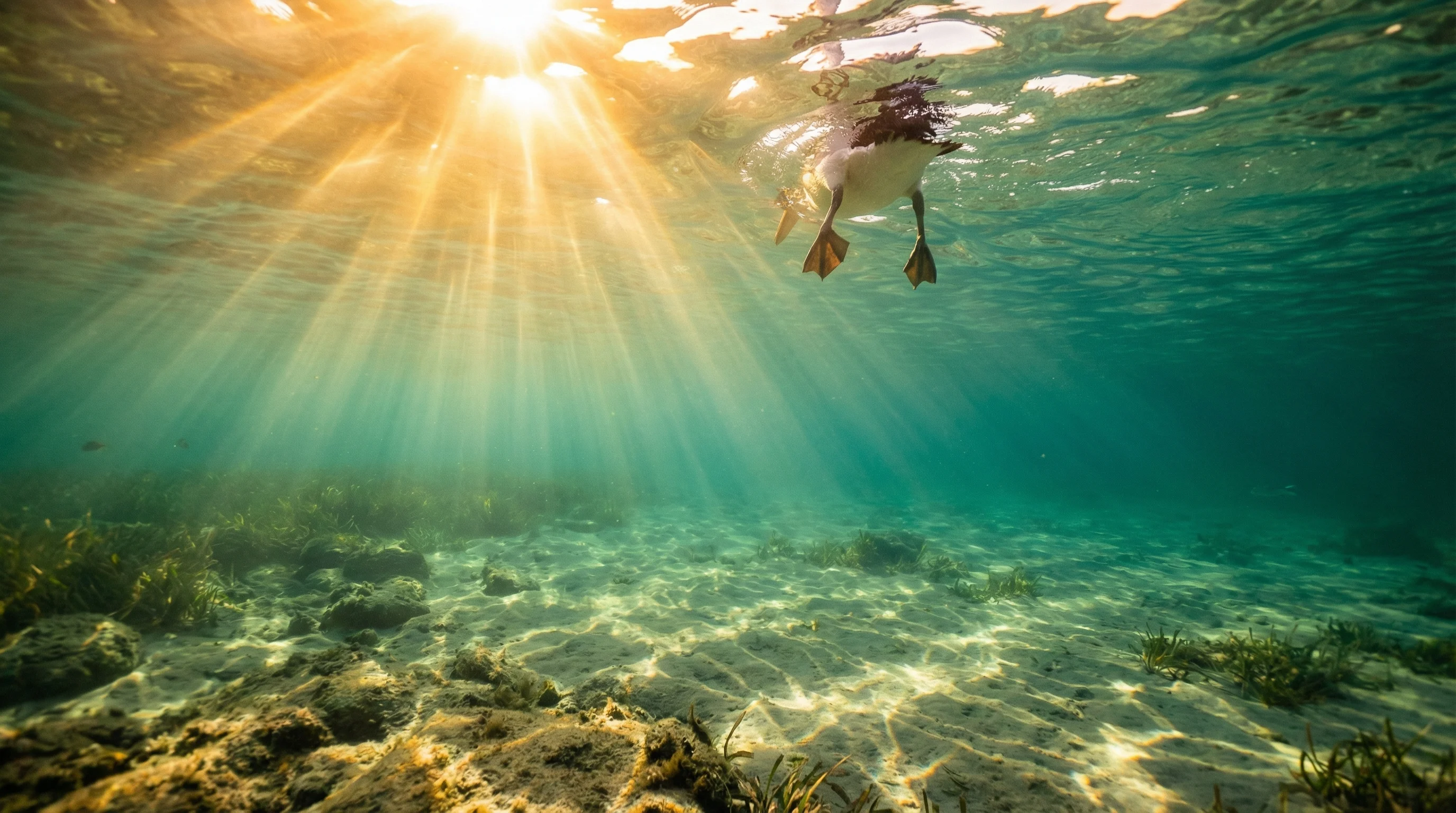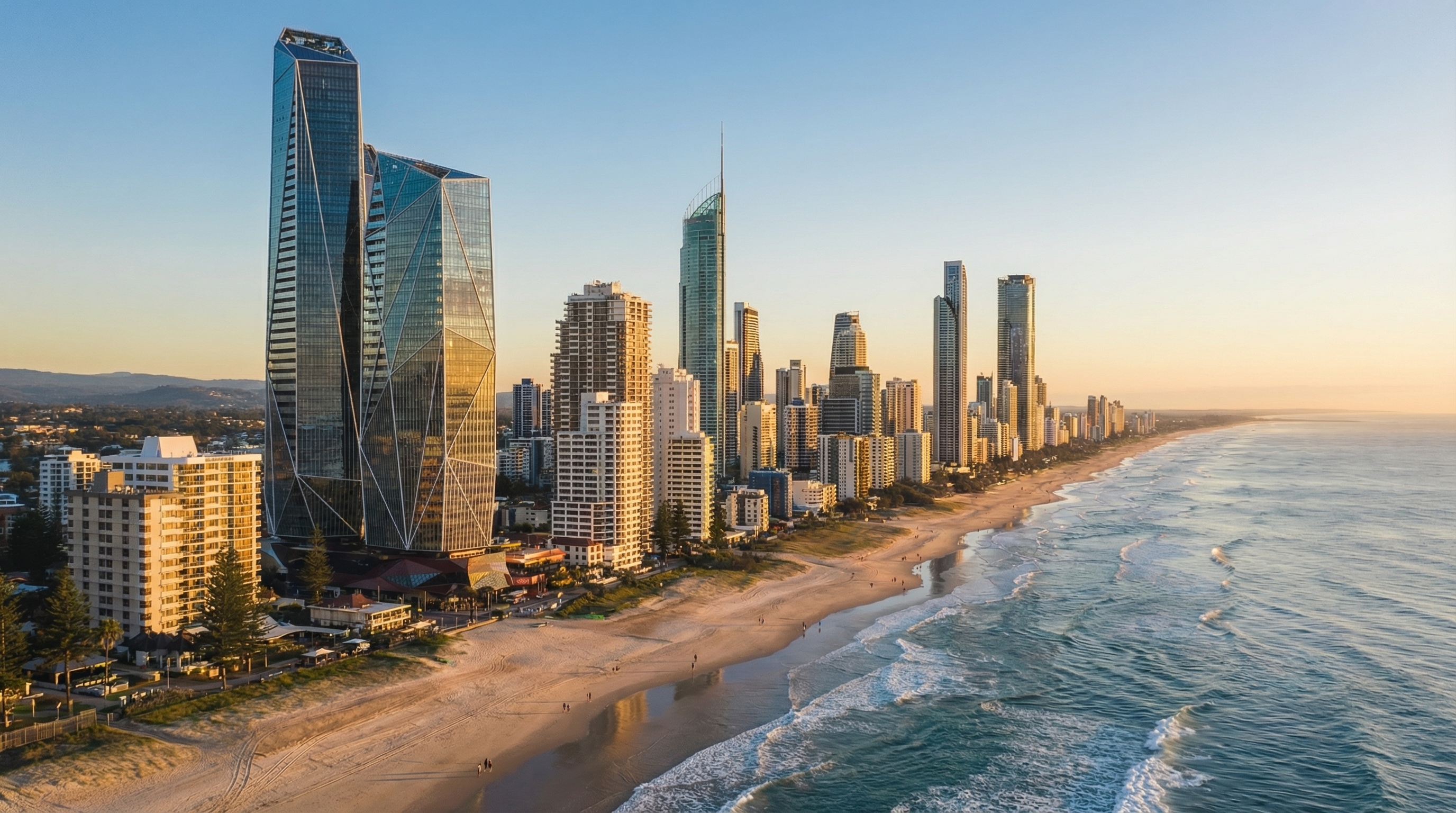
The Gold Coast underwater scene is built around artificial structures, natural reef, and a handful of real wreck sites, spread across three distinct sub-areas: Wonder Reef, Cook Island, and Palm Beach Reef. Most sites suit beginners, with shore and boat entries across a range of depths. The species list leans heavily on nudibranchs and bubble shells, with the Spotted Wobbegong a near-constant presence and the Green Sea Turtle reliably sighted across the area.
3 areas
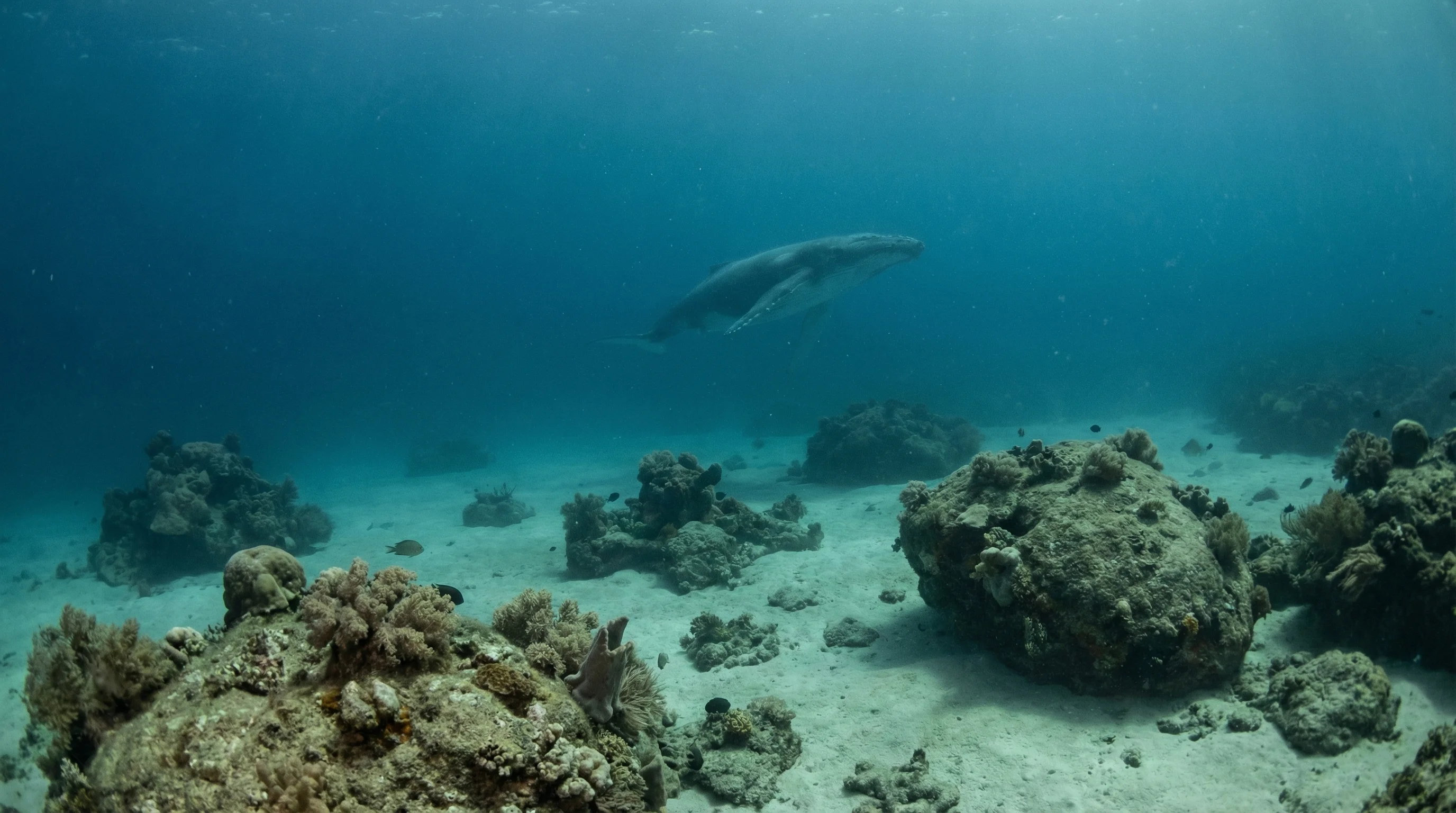 9
9Gold Coast diving across artificial reefs, wrecks, and shore dives in the Pacific Ocean, with varied conditions suiting beginners to advanced divers.
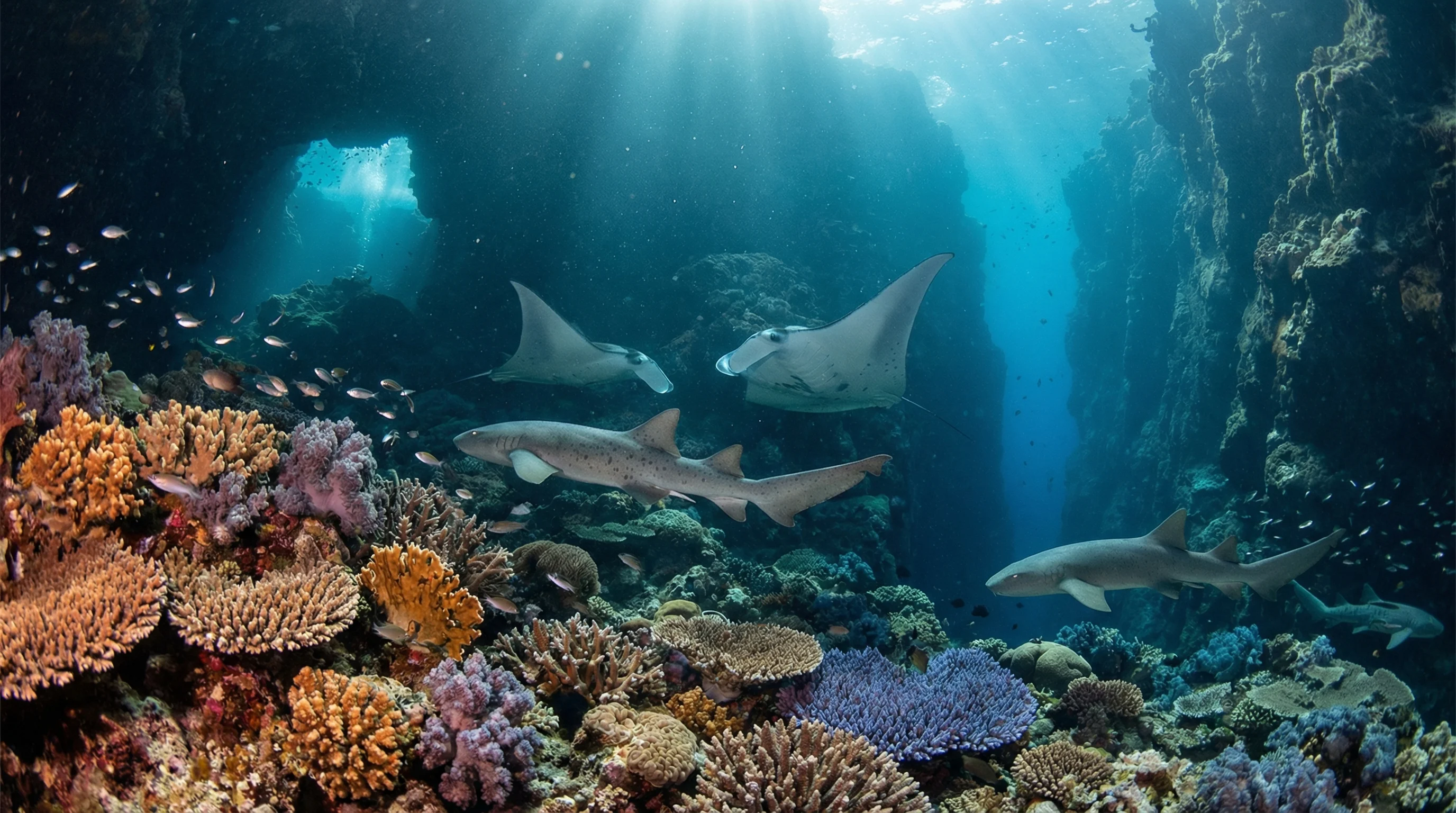 4
4Subtropical marine reserve off Tweed Heads with reef, cavern and drift diving for all levels, from sheltered estuary to open-ocean drop-offs.
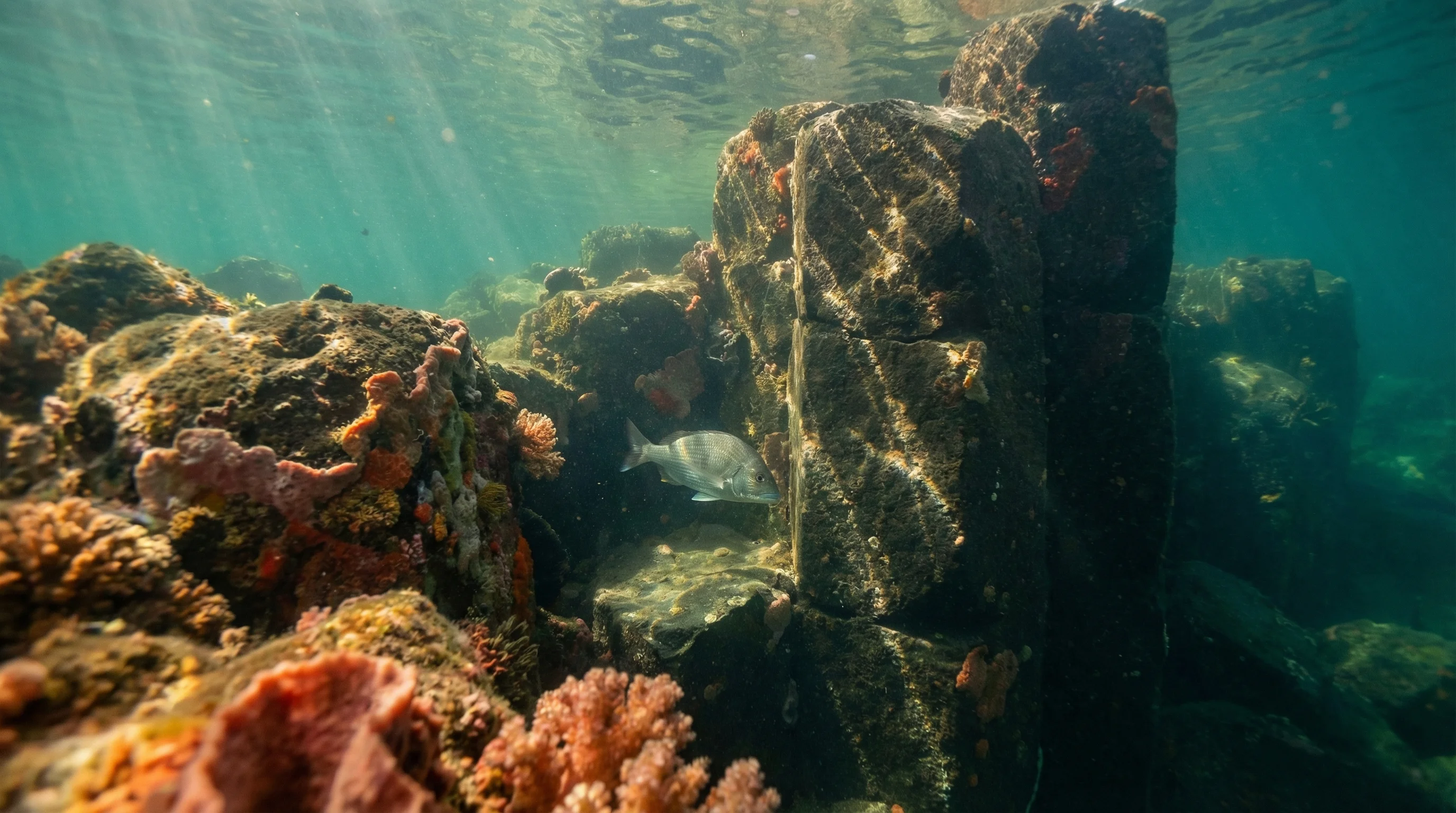 4
4A varied Gold Coast dive area mixing shore reefs, an artificial reef, and an estuary, with nudibranchs, Leopard Shark, and conditions ranging from calm to exposed.
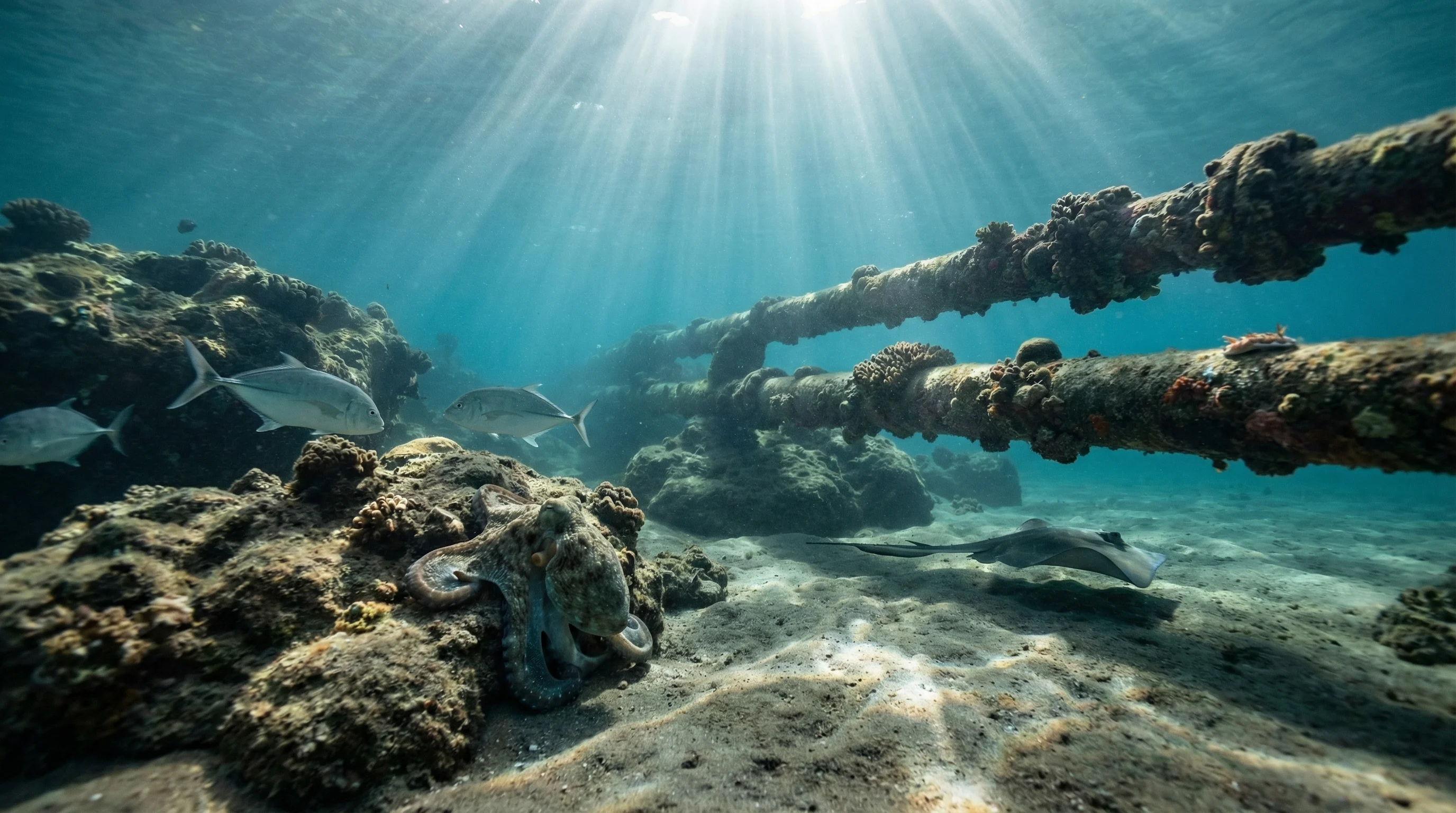
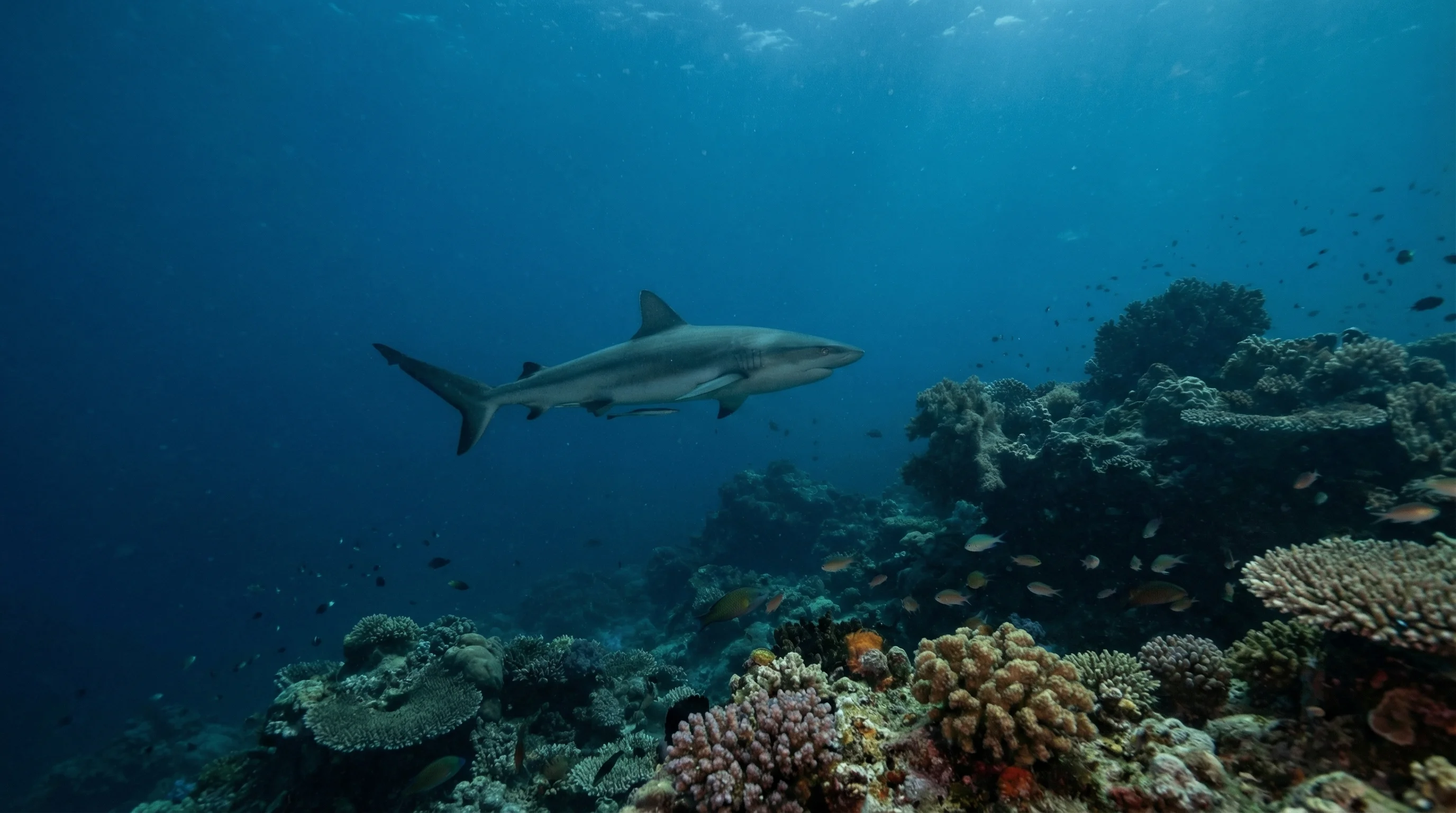
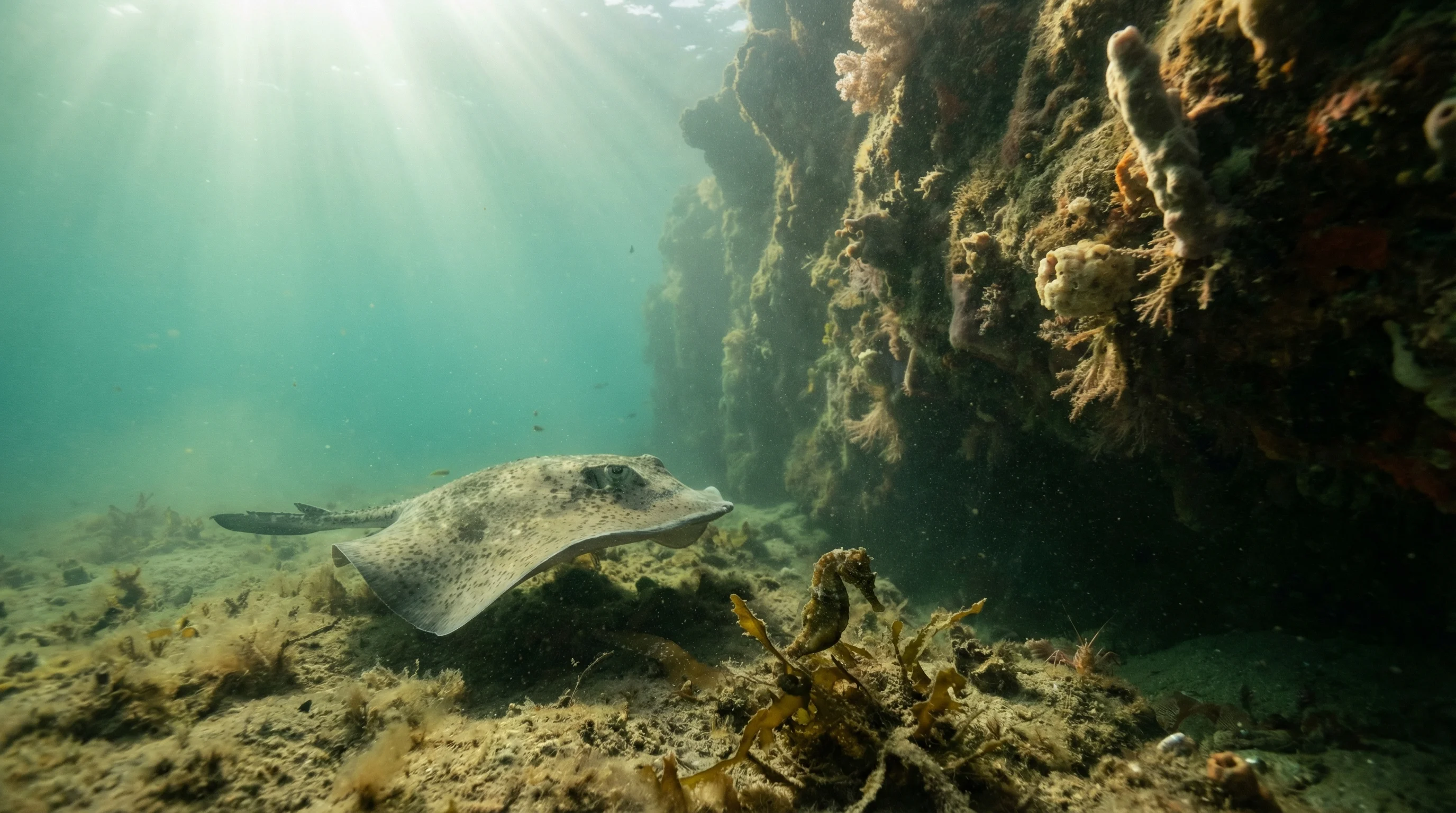
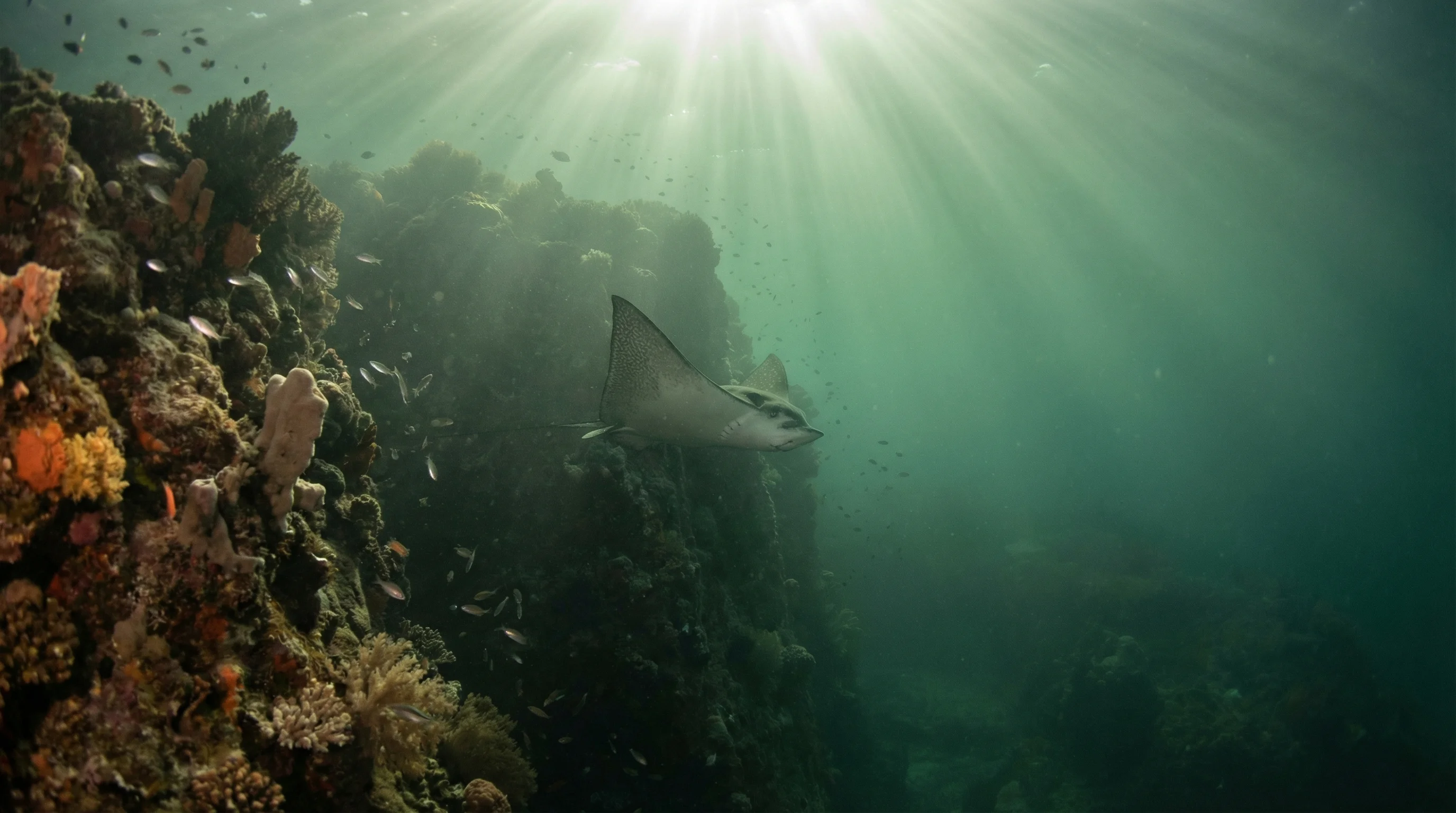
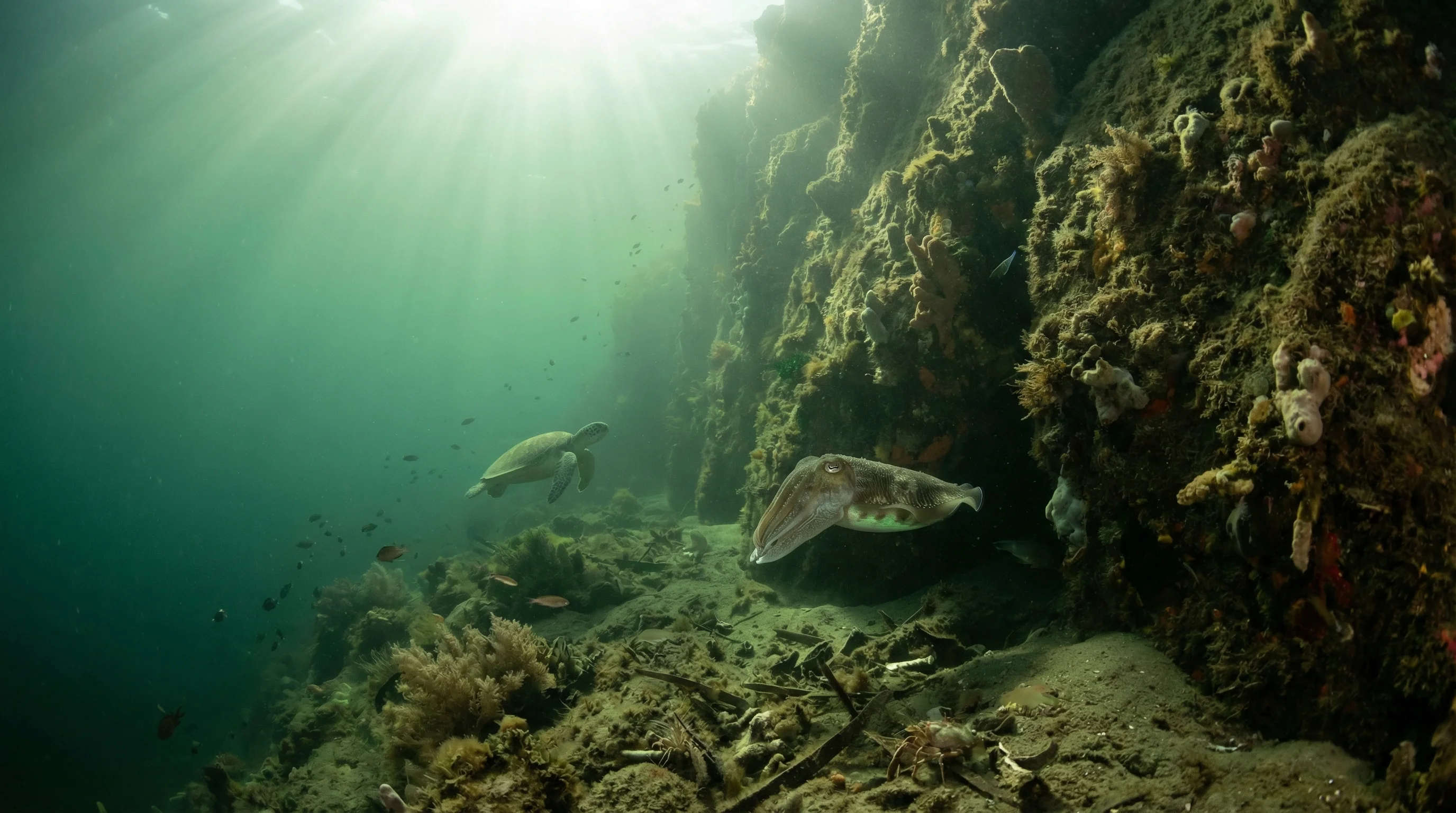
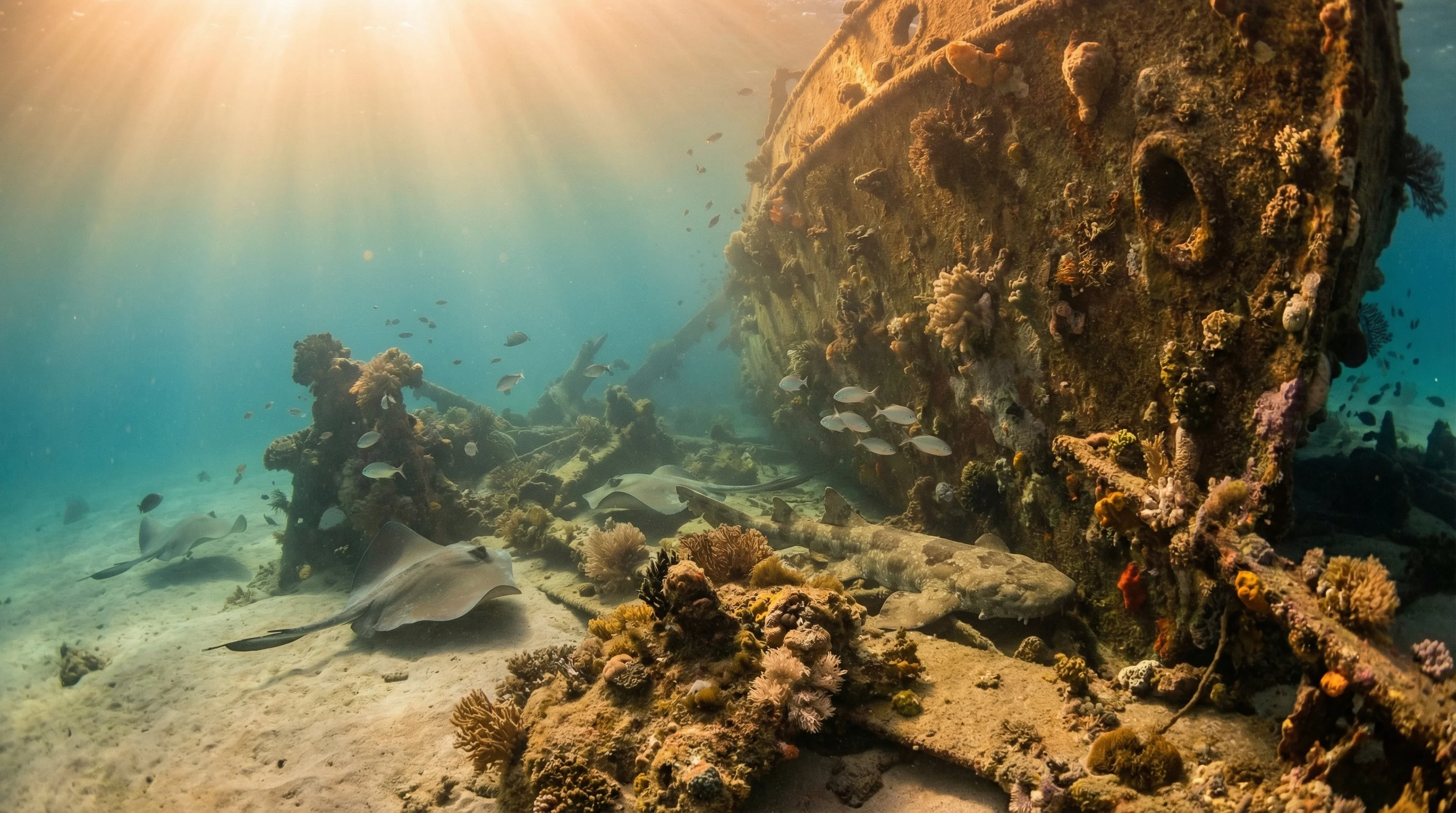
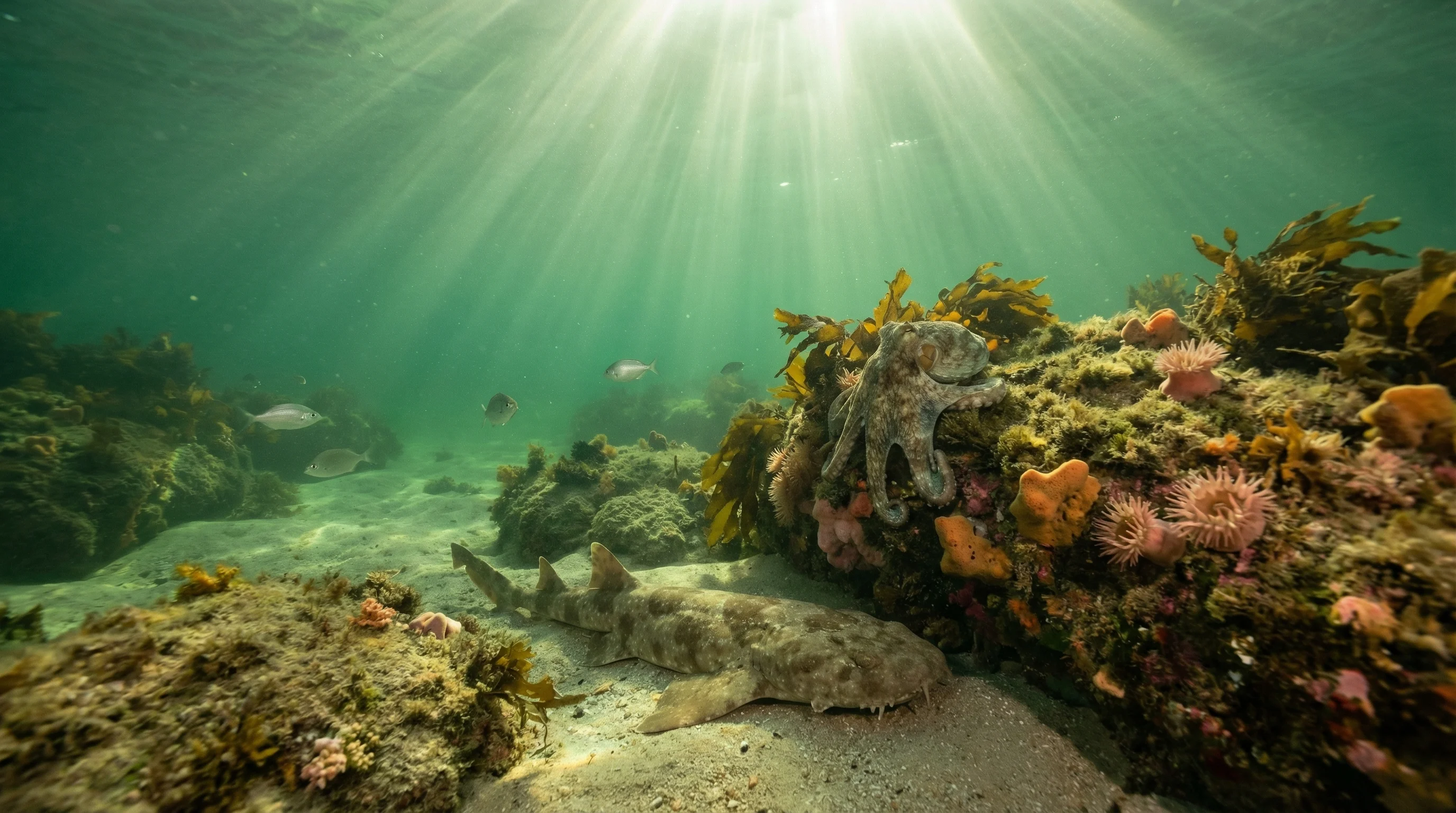
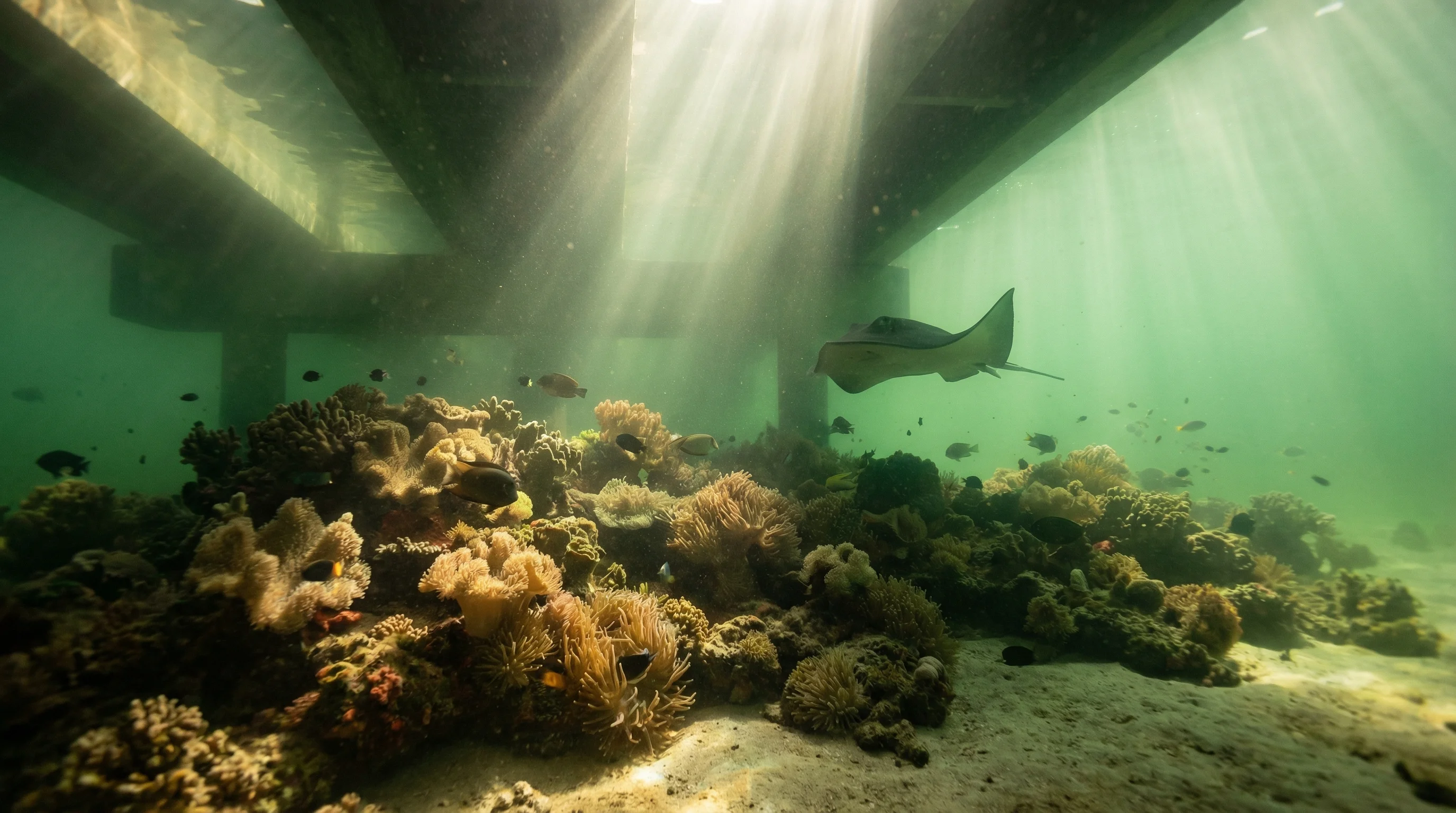
Monthly water temperature across Gold Coast's sites, from satellite sea-surface data corrected for depth. The band shows the site-to-site spread.
Water is warmest from late summer through autumn and cools noticeably through winter and early spring. The cooler months from June to September are actually rated highly by local divers, likely reflecting calmer, clearer conditions. Sites range from sheltered shore entries to drift dives, so exposure and current vary considerably depending on which sub-area you choose.
8 operators

Australia
9 more sites to explore
Water temperature around Gold Coast ranges from about 21°C in August to 27°C in February, based on satellite sea-temperature data for its dive sites.
In the warm season (about 27°C) a rash guard or 3mm shorty is comfortable in Gold Coast; in the coldest months (about 21°C) step up to a 5mm suit.
Fin maps 17 sites in Gold Coast (12 scuba diving sites and 7 snorkelling spots, with some suited to both), organised into 3 areas.
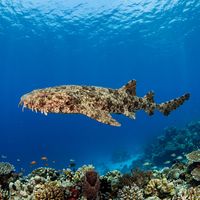
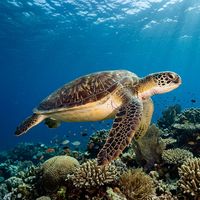
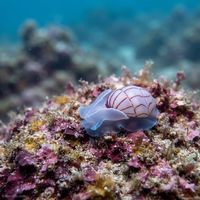
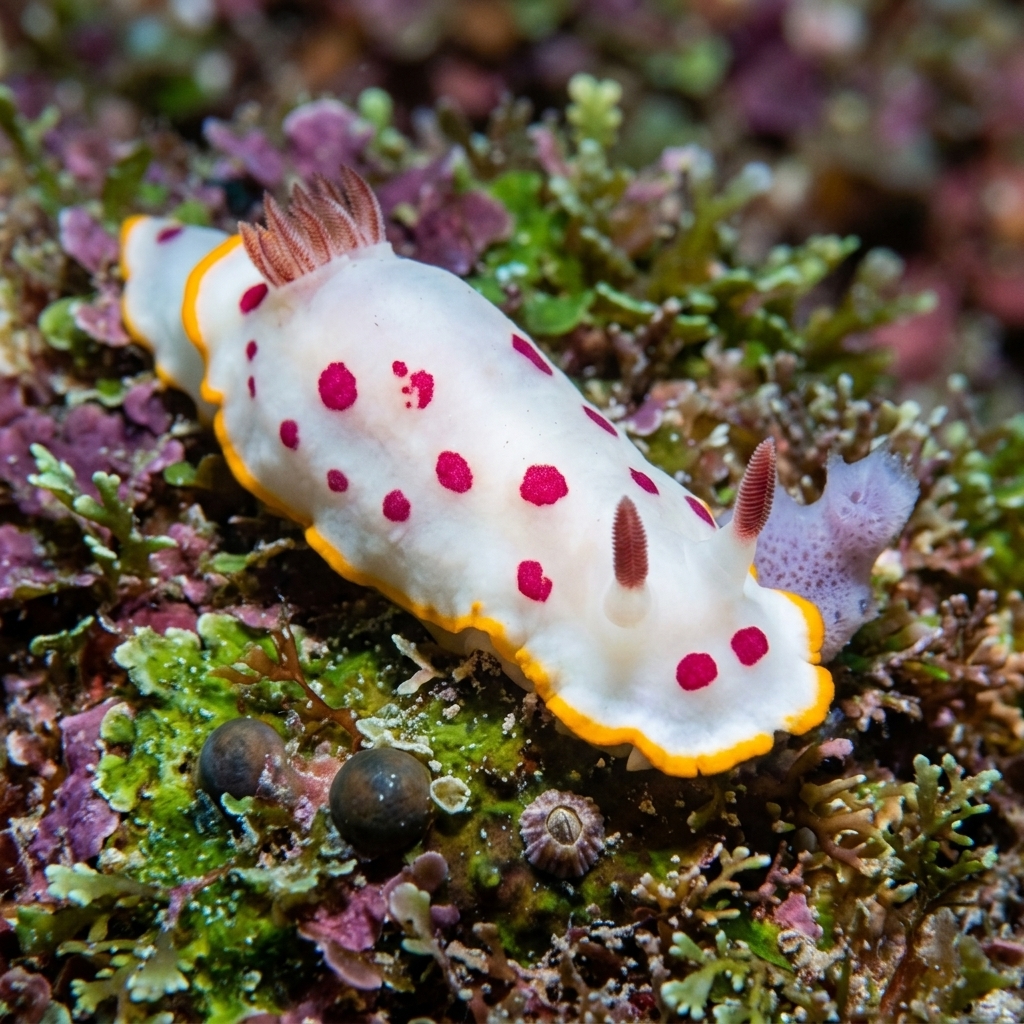
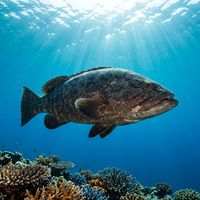
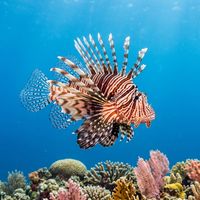
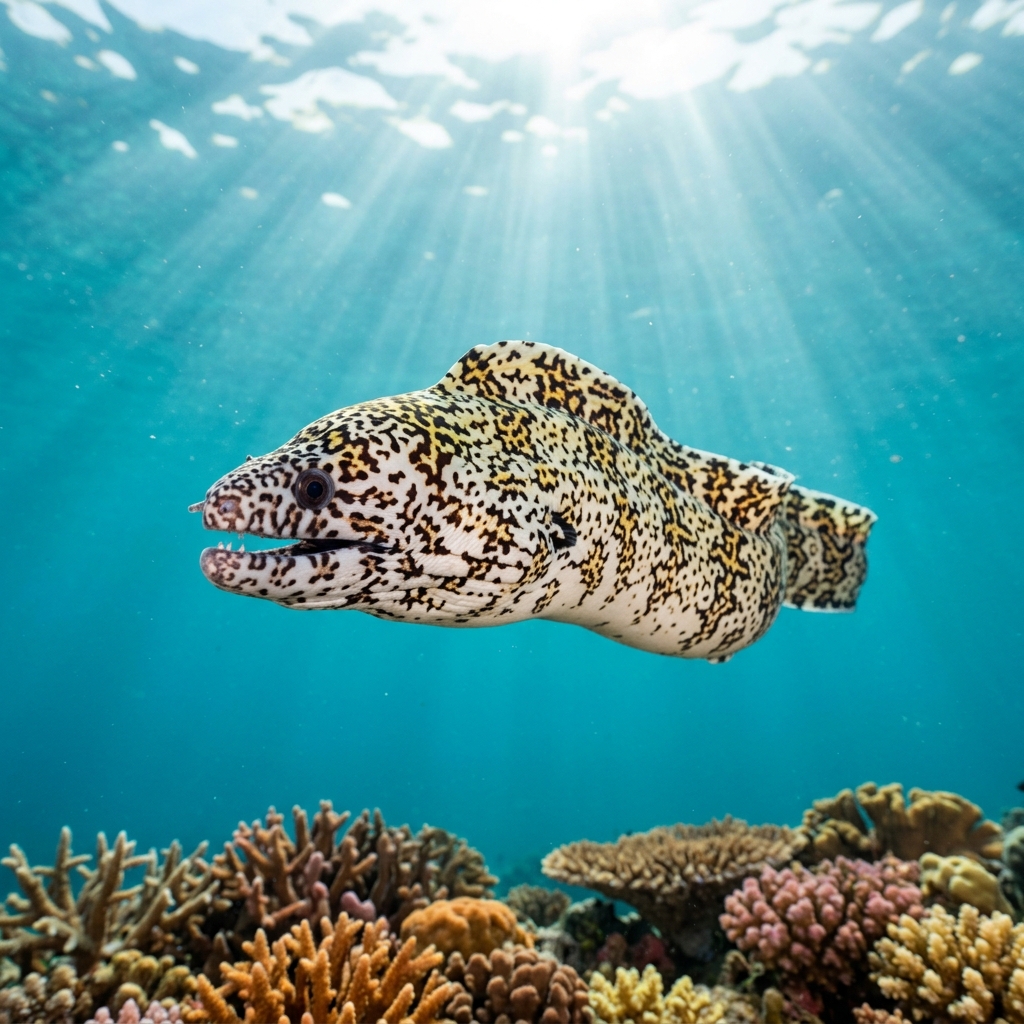
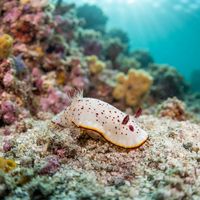
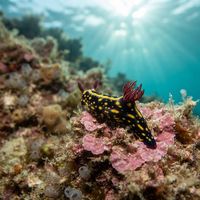
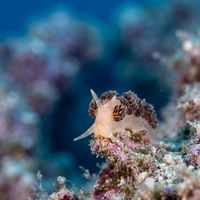
The Spotted Wobbegong is the area's most frequently observed species and turns up across nearly every site. Green Sea Turtle, Snowflake Moray, White Eyed Moray, Indian Lionfish, and Queensland Grouper are all regularly sighted. Nudibranch diversity is a particular highlight, with species including Splendid Goniobranch, Geometric Rainbow Dorid, and Ornate Ghostpipefish recorded across the sites.
The majority of sites across the Gold Coast are rated beginner level, including shore entries like Western Steps and South West Wall, as well as boat dives at Cook Island and Wave Break Island. Wonder Reef's main structure does extend to deeper water and is rated advanced, so more experienced divers have a dedicated challenge available too.
Wonder Reef centres on an artificial structure offshore from Main Beach, offering everything from shallow muck diving to deeper drift dives. Cook Island, near Tweed Heads, provides natural reef, walls, and caverns alongside snorkelling options in a more sheltered setting. Palm Beach Reef rounds out the region with its own distinct cluster of sites.
Both options exist across the region. Western Steps and South West Wall at Wonder Reef, as well as the Tweed River at Cook Island, are accessible directly from shore. Sites like Wonder Reef's main structure, the Scottish Prince wreck, and Cook Island itself require a boat, and several local operators including Kirra Dive and Gold Coast Dive Adventures run regular trips.