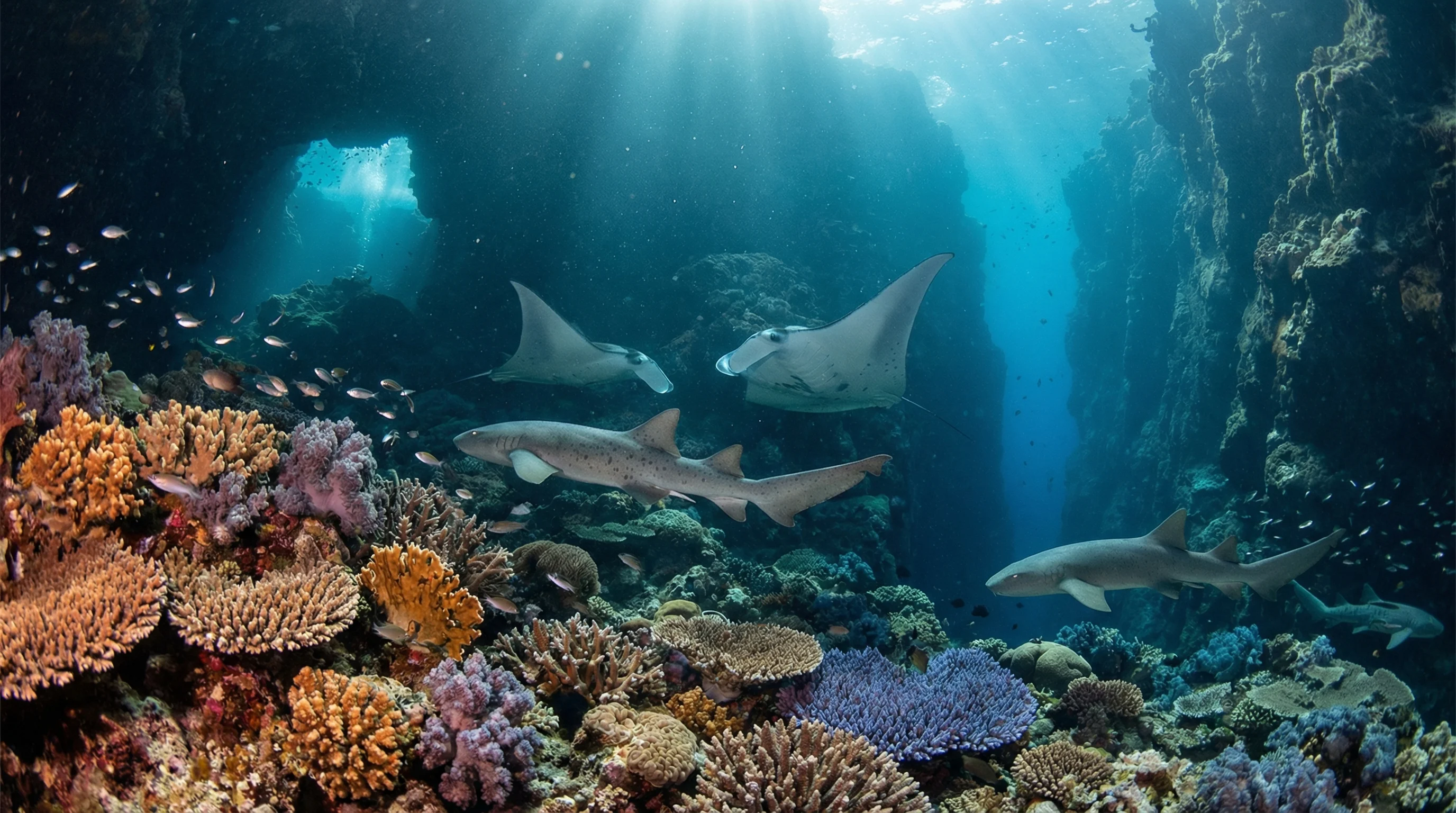
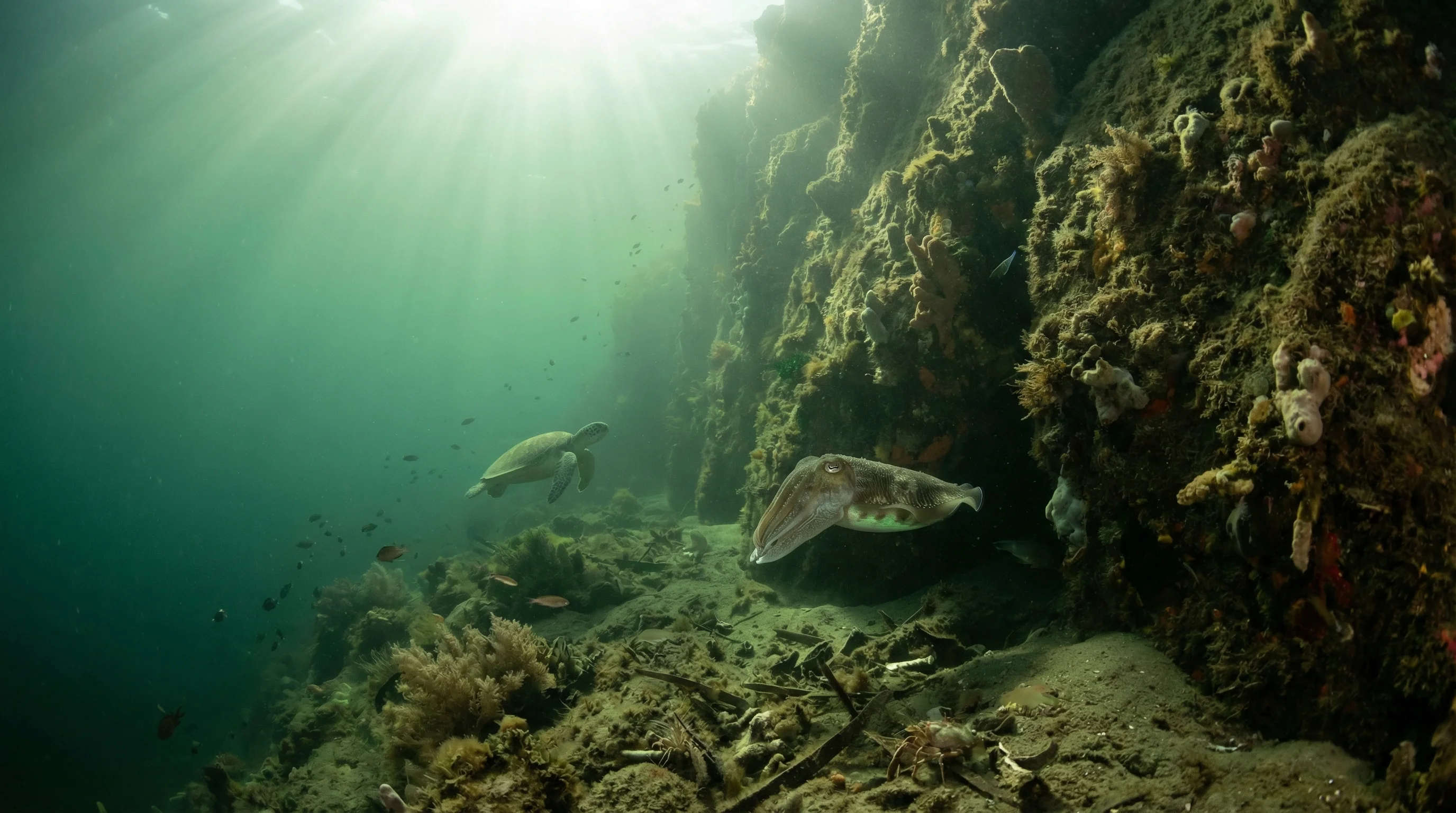
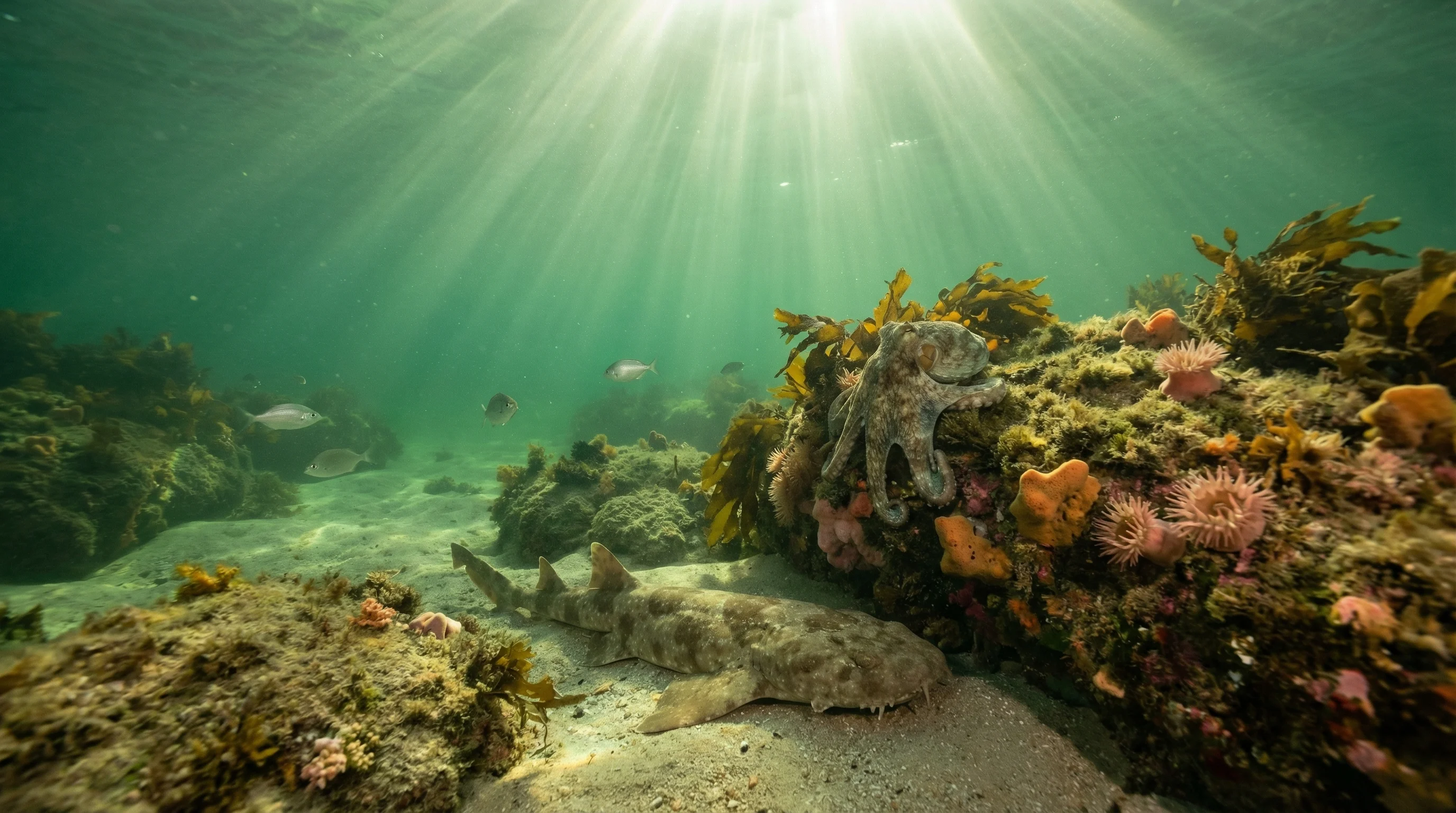
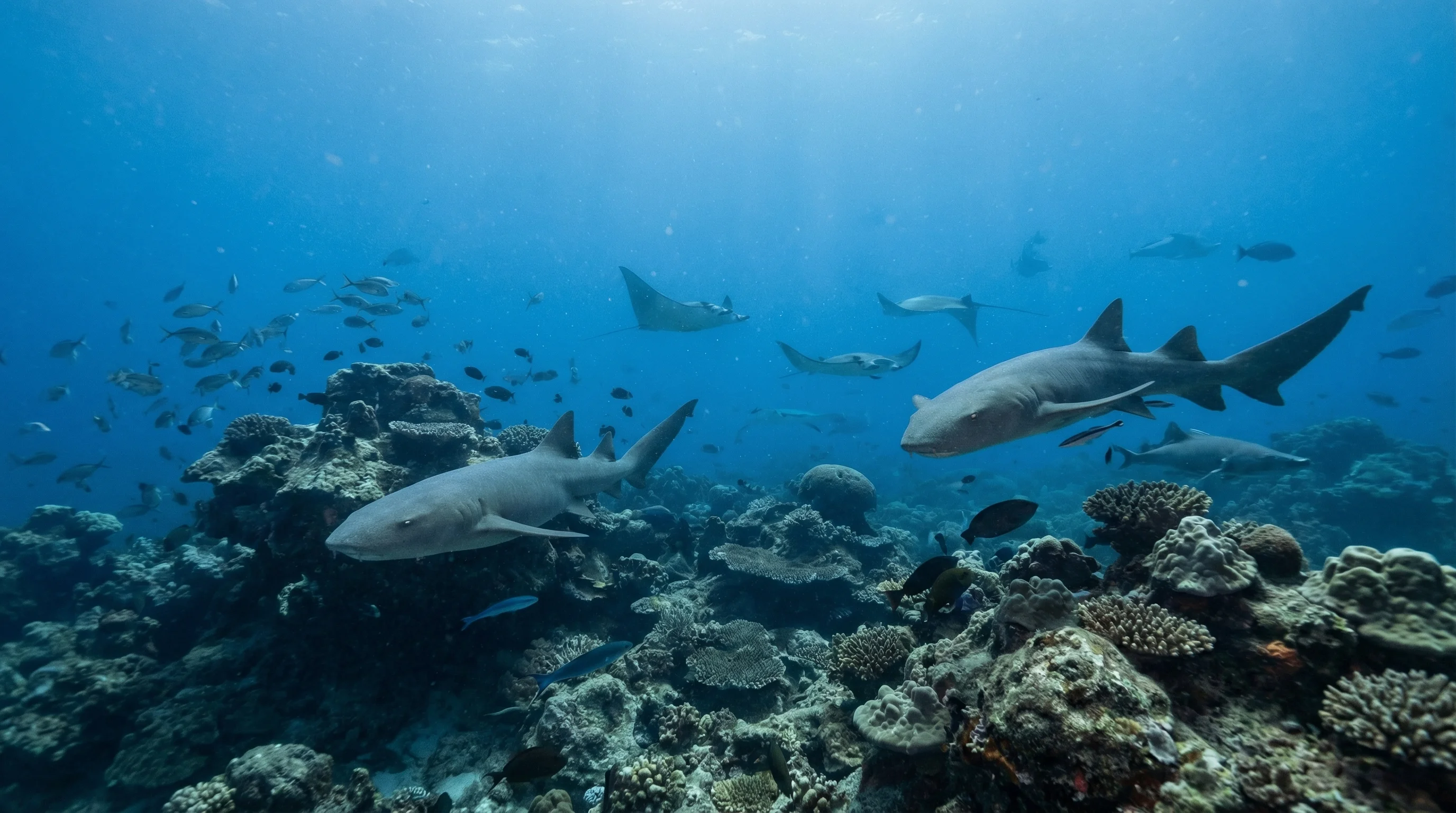
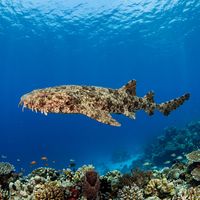
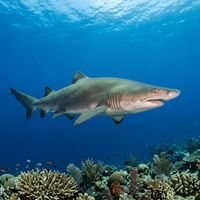
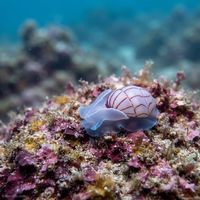
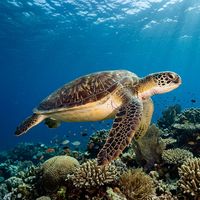
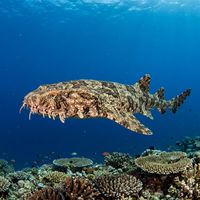
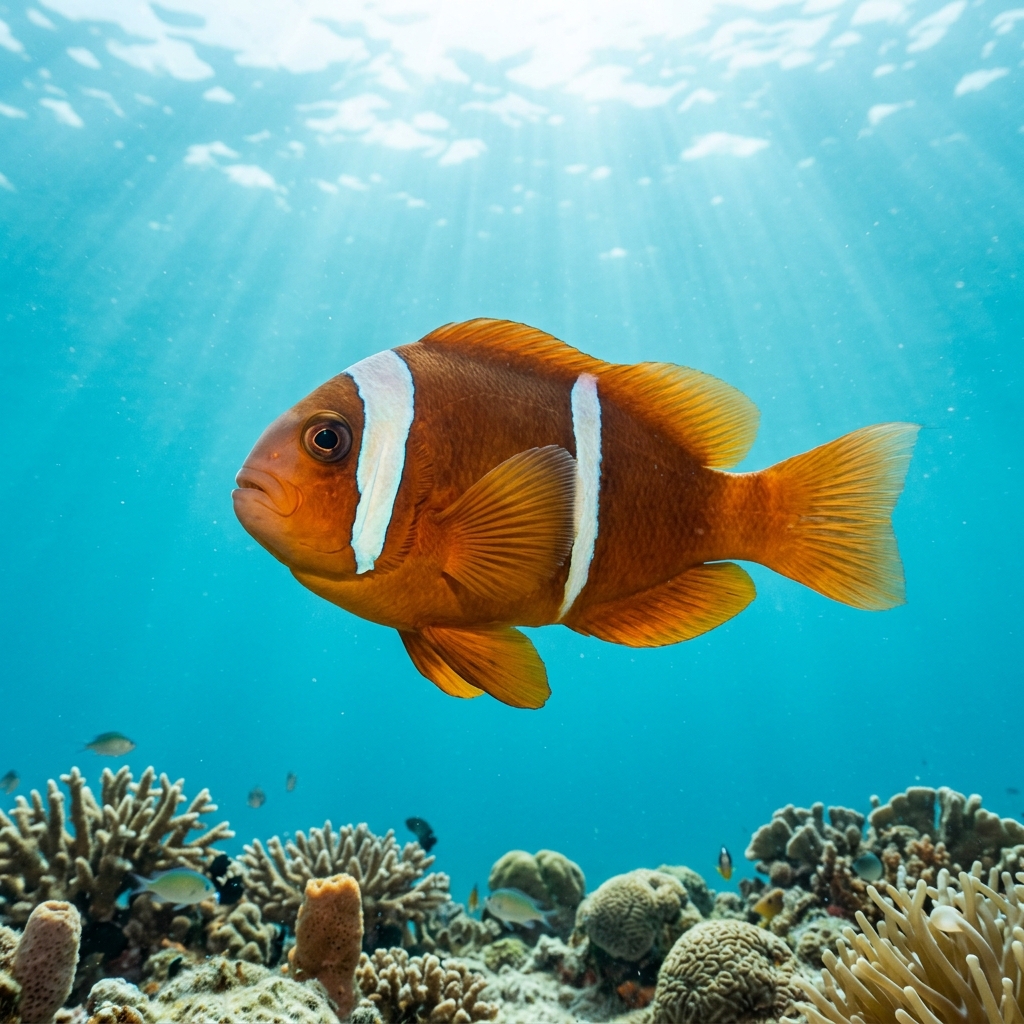
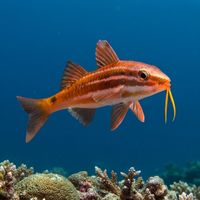
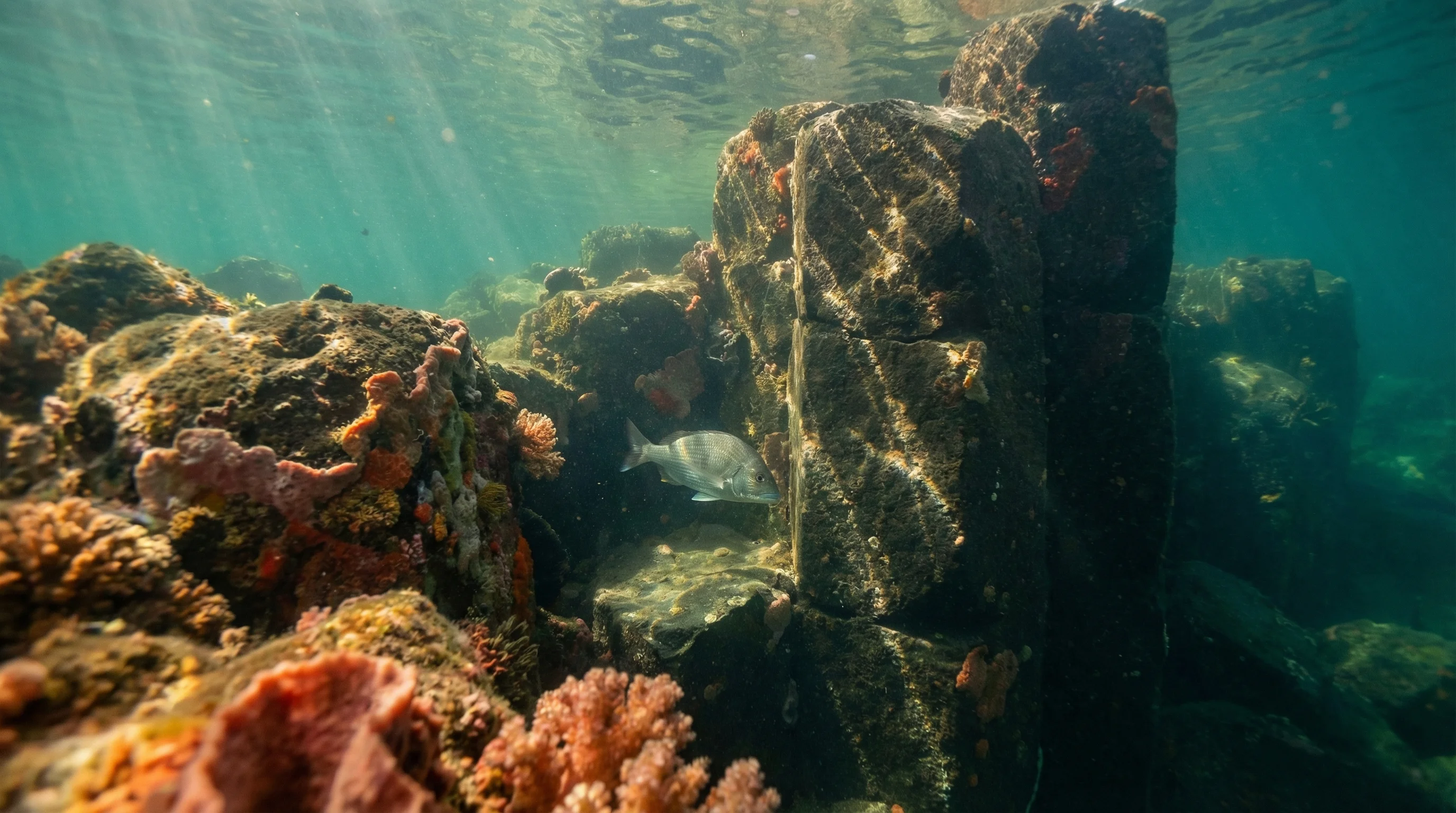
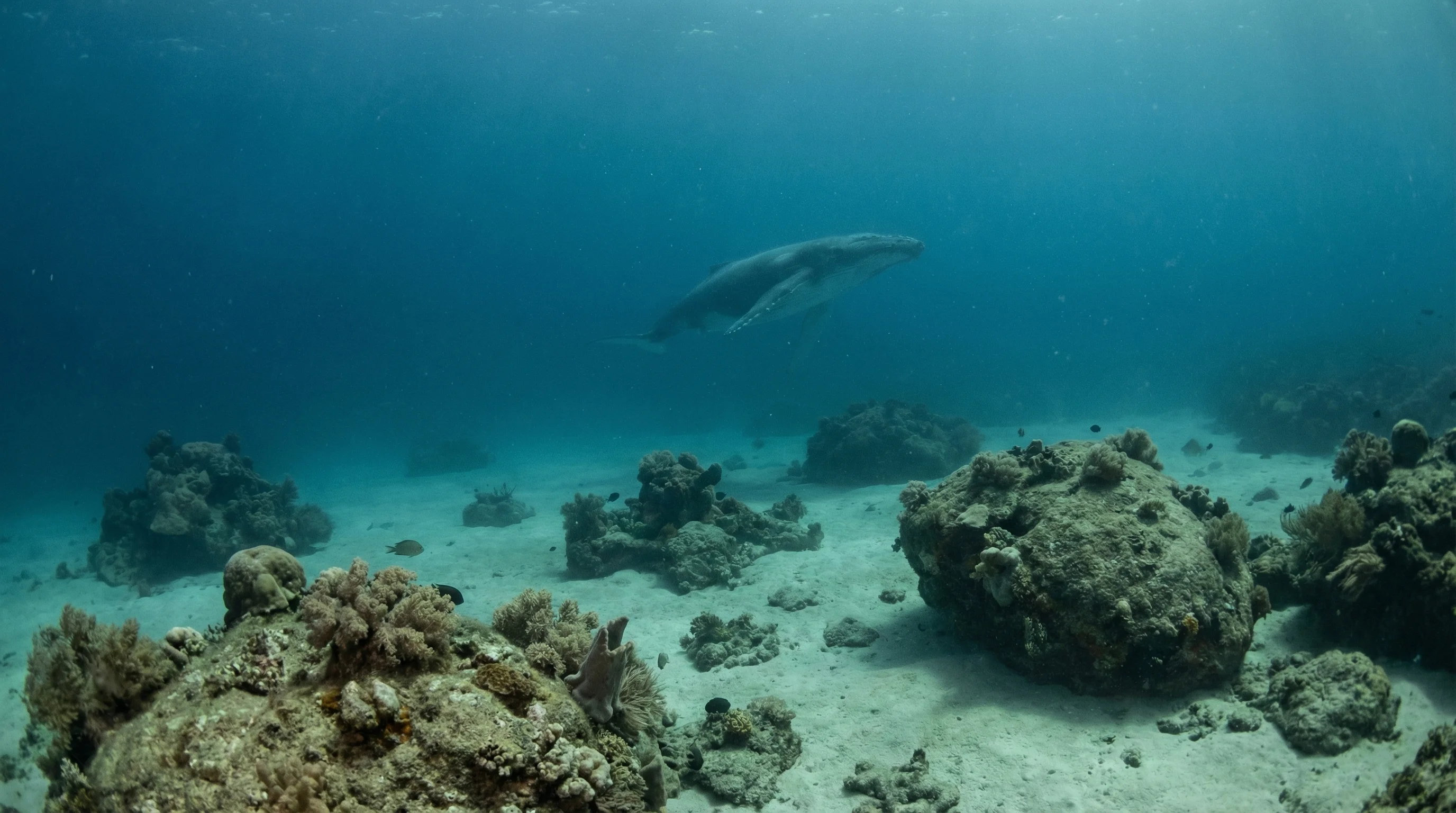
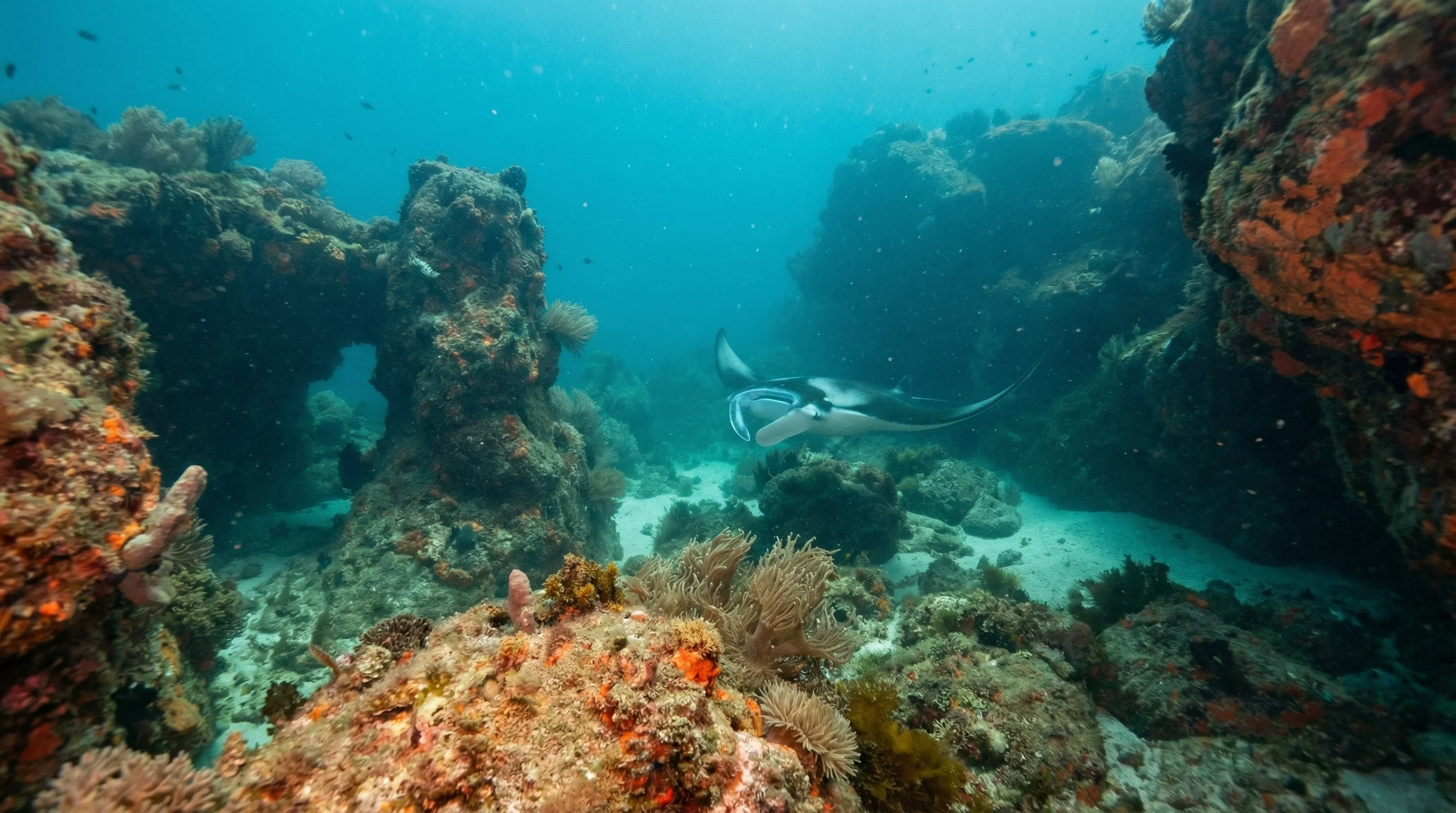
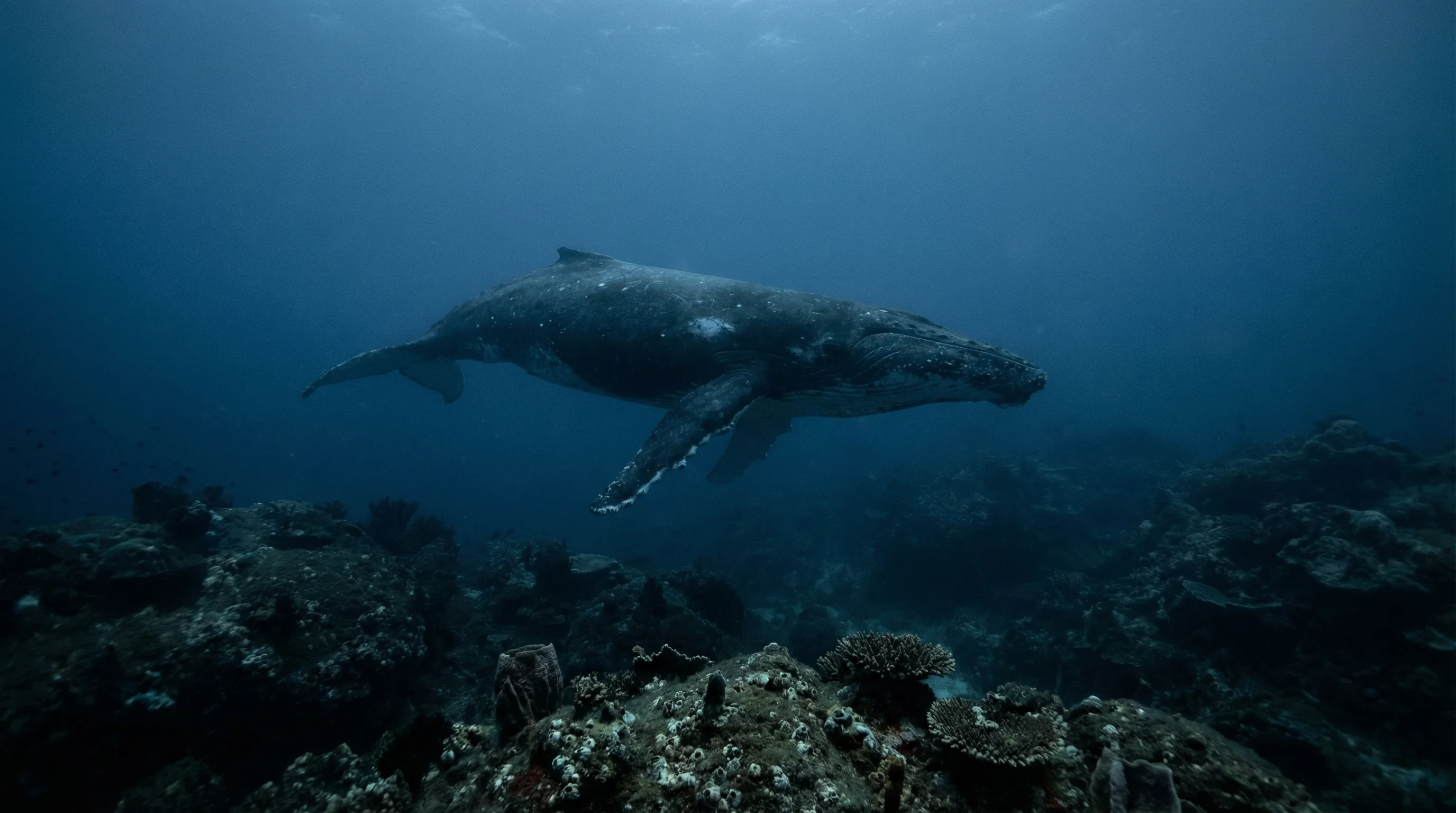
Cook Island is a marine reserve six hundred metres off Tweed Heads, sitting at the southern end of Queensland near the Gold Coast. The area mixes estuarine and open-ocean environments, with sites ranging from the sheltered estuary drift of the Tweed River through to the open-ocean drop-off of Nine Mile Reef. Water temperatures reach the high-twenties in late summer and fall to the low-twenties in winter, meaning a light wetsuit is useful for much of the year. The research notes visibility ranging from ten to twenty metres at the island itself. Skill levels range from beginner to advanced depending on the site: the Tweed River suits those new to drift diving, while Nine Mile Reef requires experience with strong and unpredictable currents. Recorded species include green sea turtles, grey nurse sharks, ornate wobbegongs, bronze whaler sharks, and a high diversity of nudibranchs.
Monthly water temperature across Cook Island's sites, from satellite sea-surface data corrected for depth. The band shows the site-to-site spread.
Water temperatures are warmest in late summer and drop to the low-twenties through winter, making a light wetsuit sensible for most of the year. Currents vary markedly between sites: the Tweed River is best at slack high tide, while Nine Mile Reef demands advanced drift skills at any time. Visibility at the island itself is generally good but variable across the region.
1 operator
Australia
Water temperature around Cook Island ranges from about 21°C in August to 27°C in February, based on satellite sea-temperature data for its dive sites.
In the warm season (about 27°C) a rash guard or 3mm shorty is comfortable in Cook Island; in the coldest months (about 21°C) step up to a 5mm suit.
Fin maps 4 sites in Cook Island (3 scuba diving sites and 3 snorkelling spots, with some suited to both).
2 more sites to explore