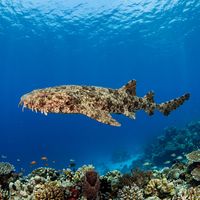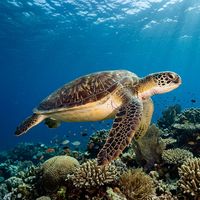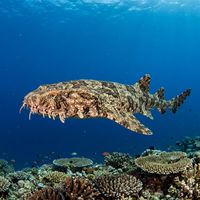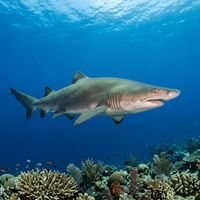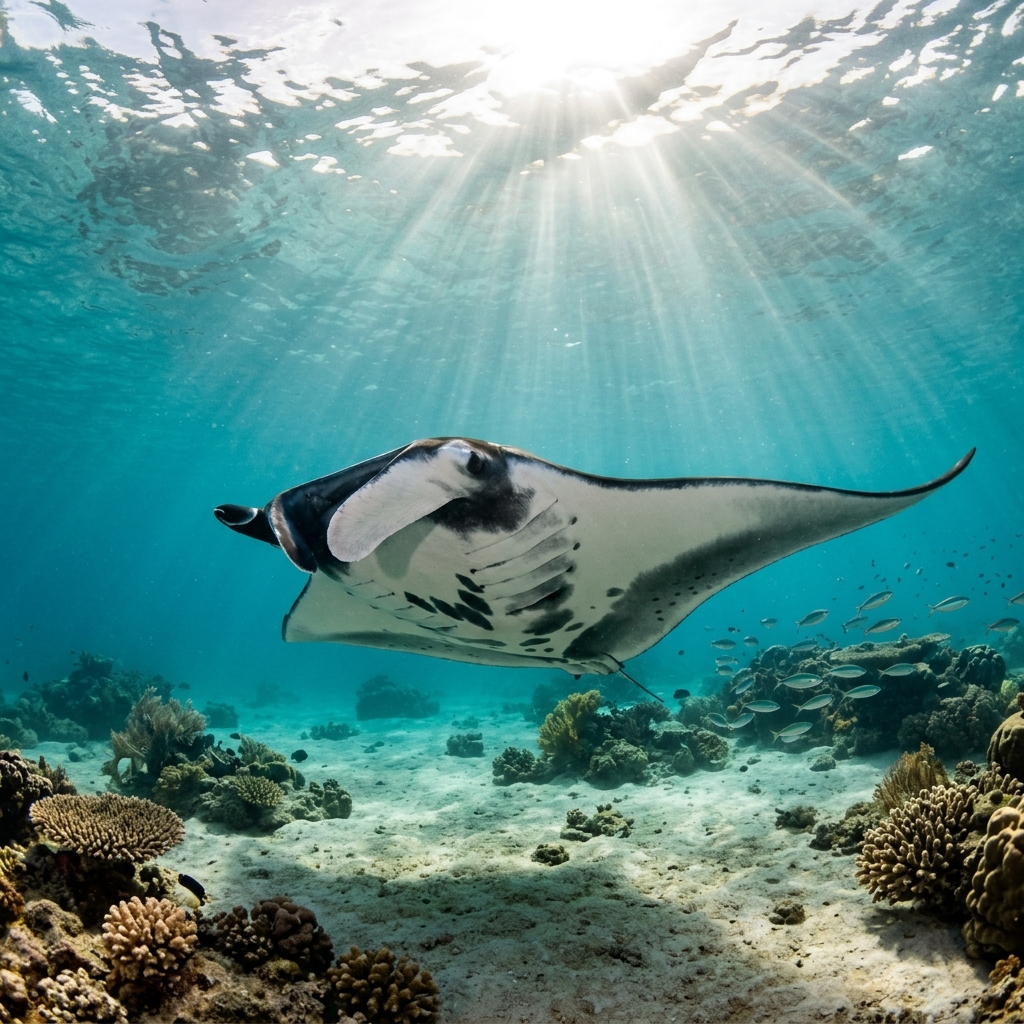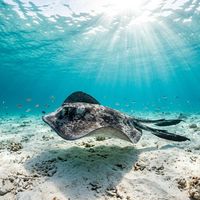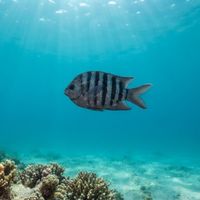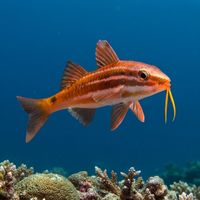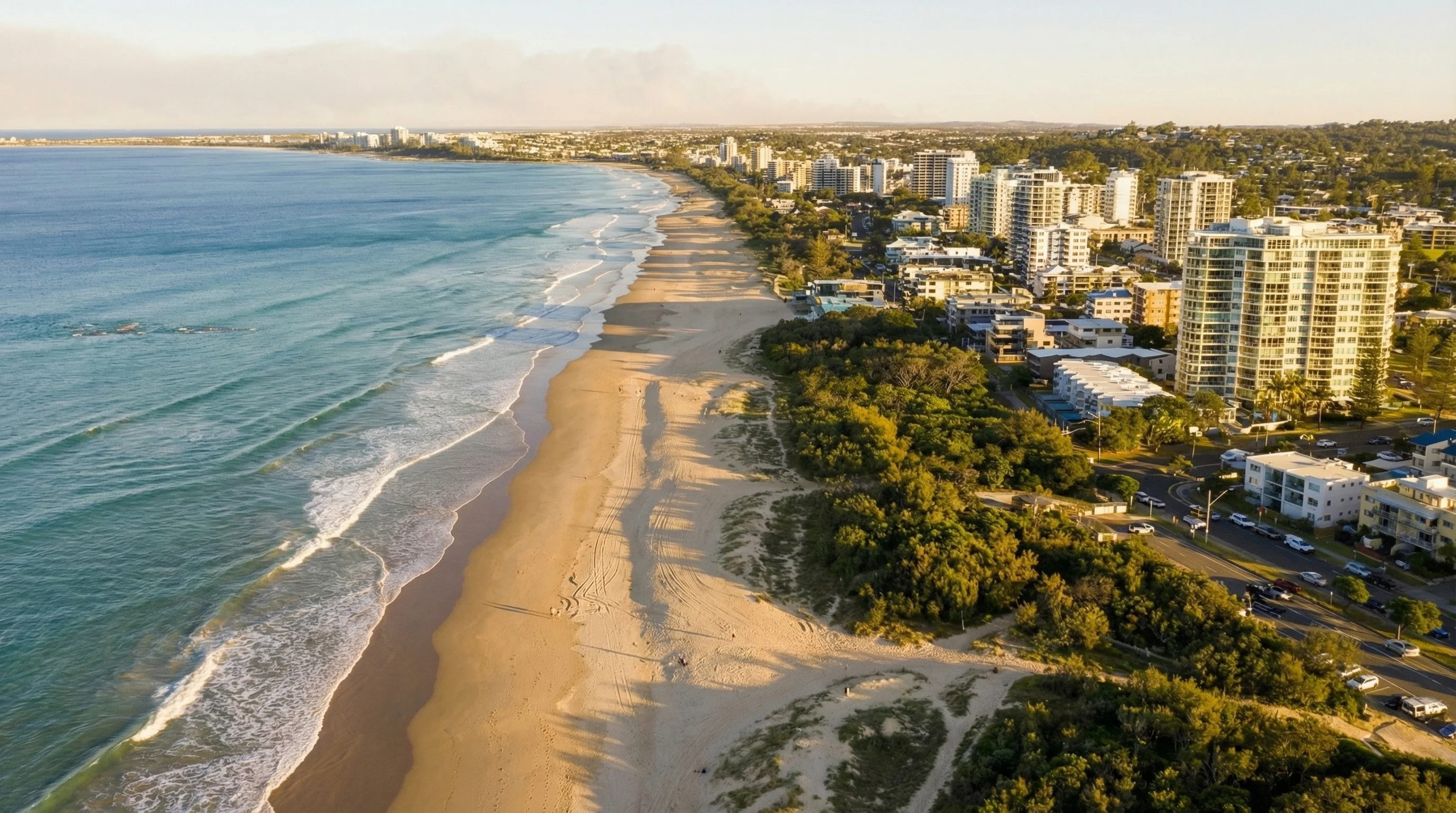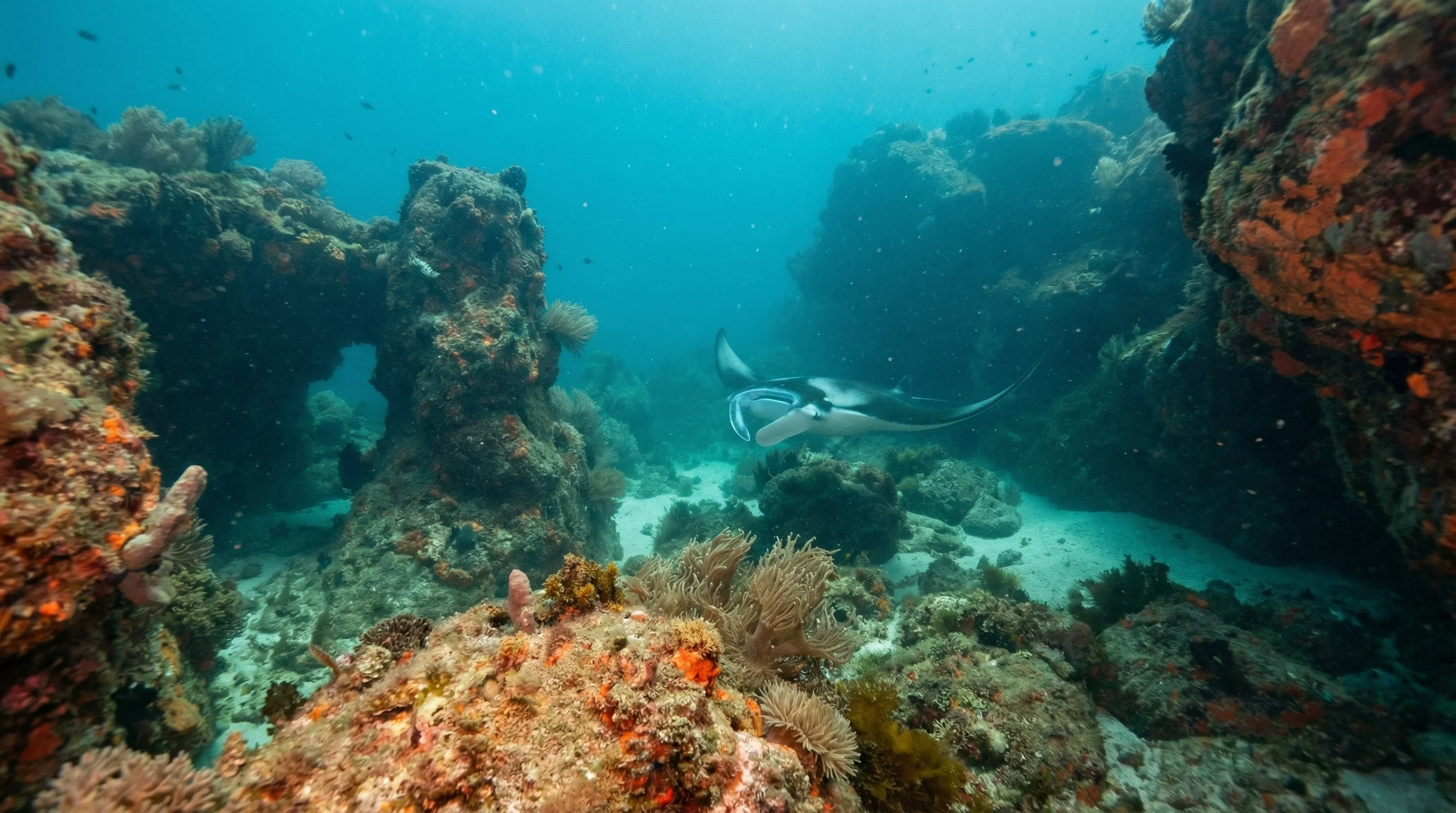
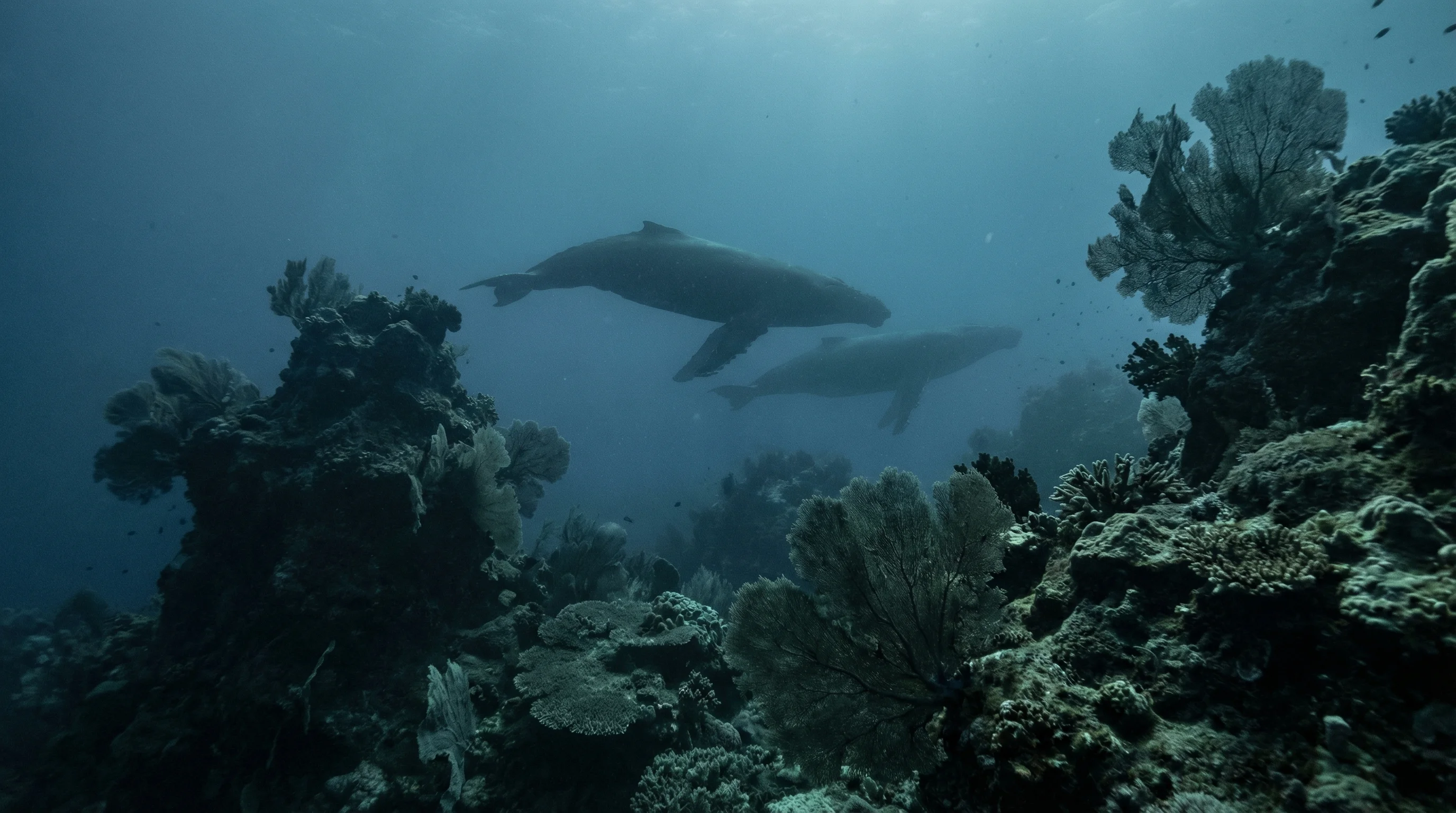
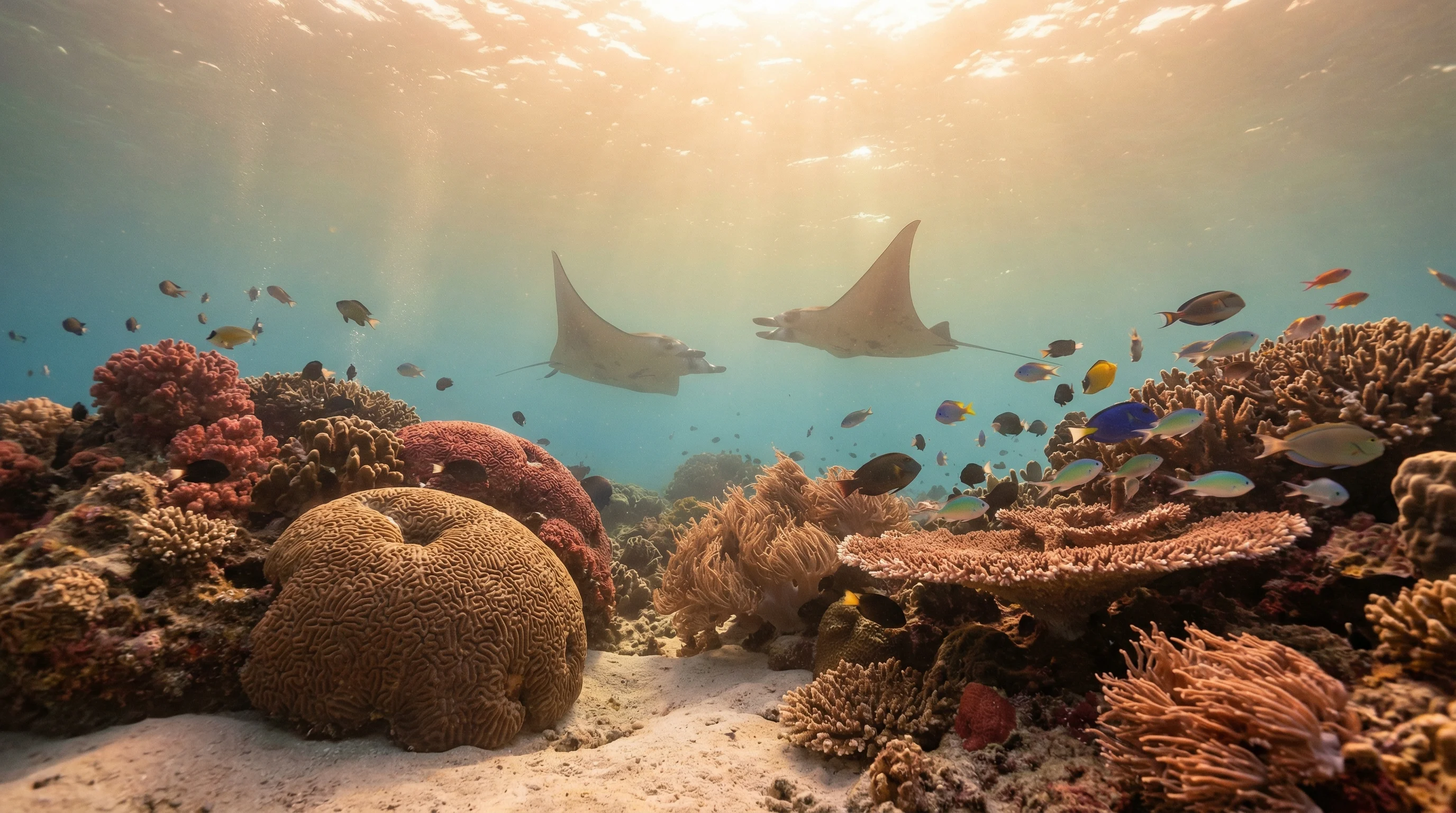
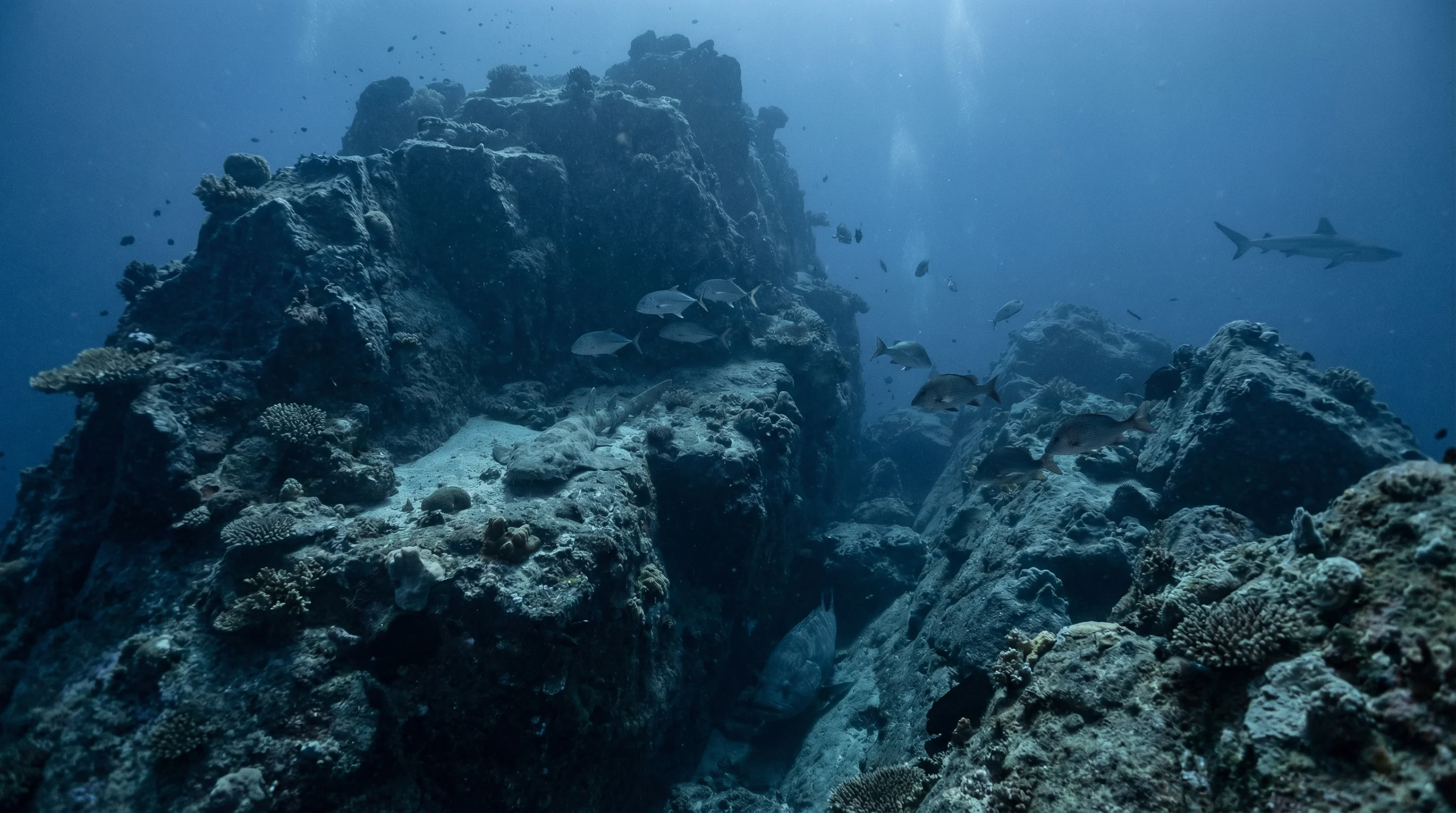
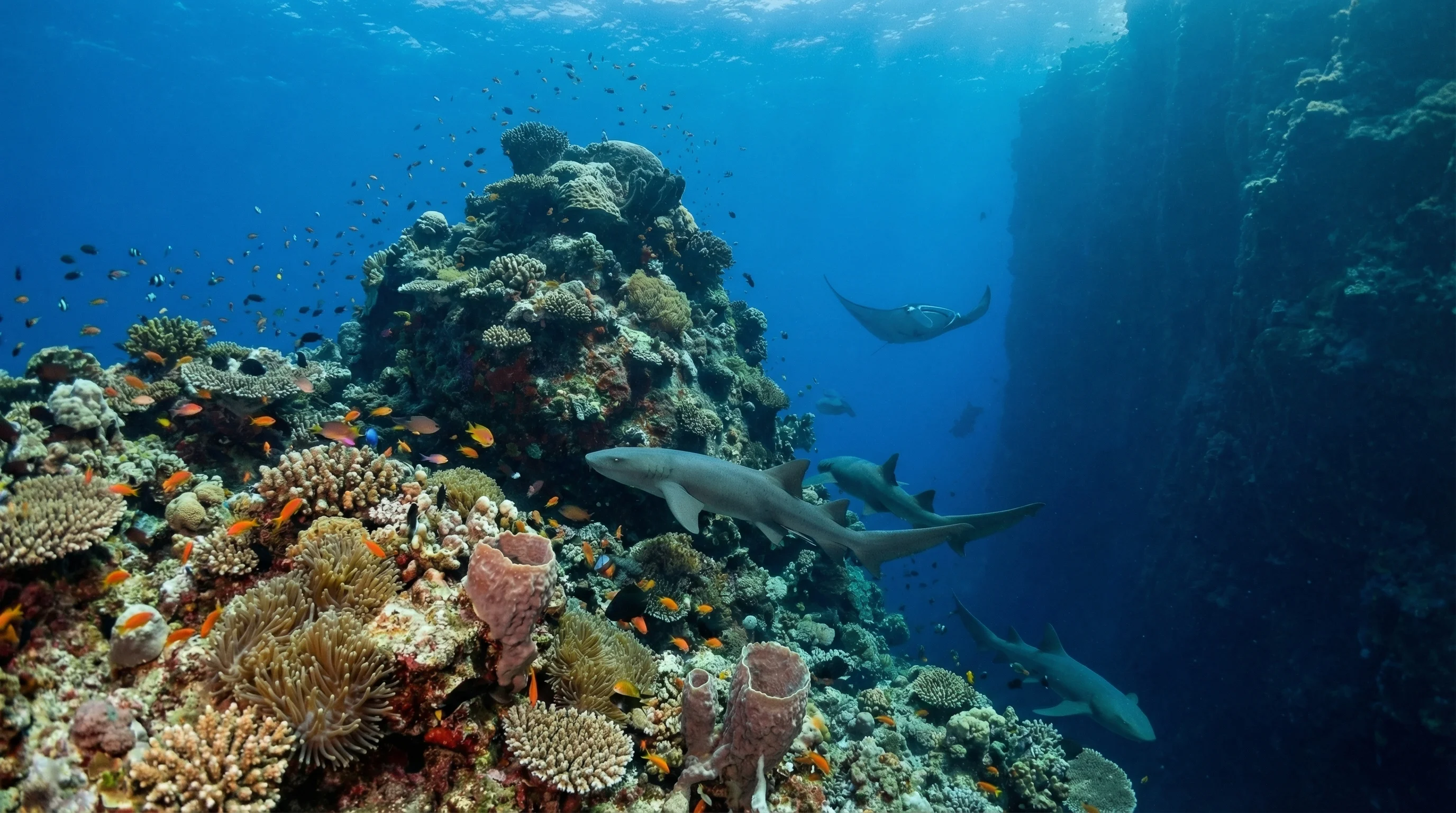
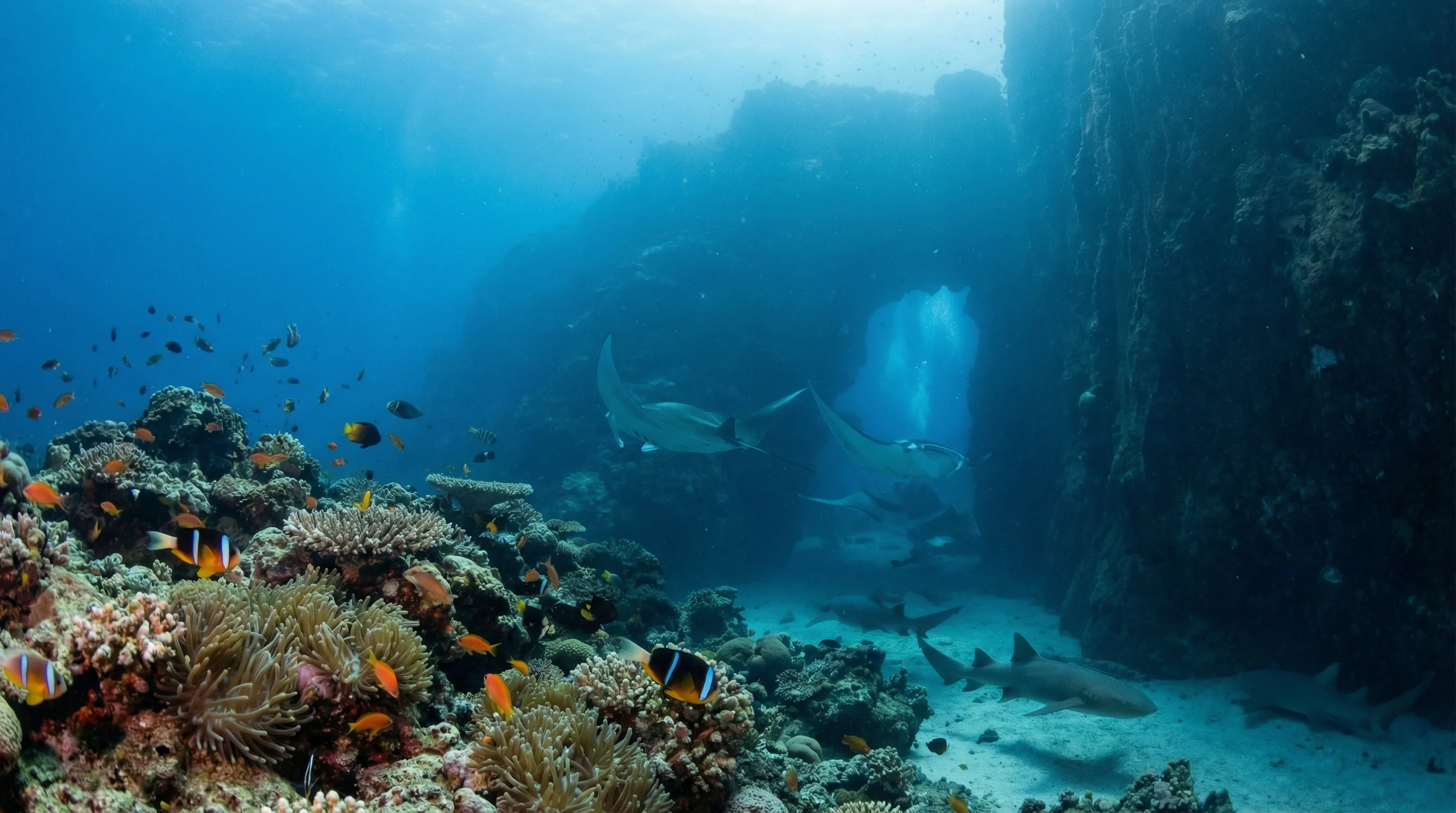
Brisbane's diving spreads across two island groups: Stradbroke Island, which holds the bulk of sites, and Moreton Island. The mix runs from shallow artificial reefs and beginner-friendly shore entries to deep drift dives and walls that demand advanced skills. Signature encounters include the Spotted Wobbegong, Grey Nurse Shark, Reef Manta Ray and Green Sea Turtle. Currents define many of the advanced sites, while sheltered beginner spots make the region accessible to a wide range of divers.
2 areas
 8
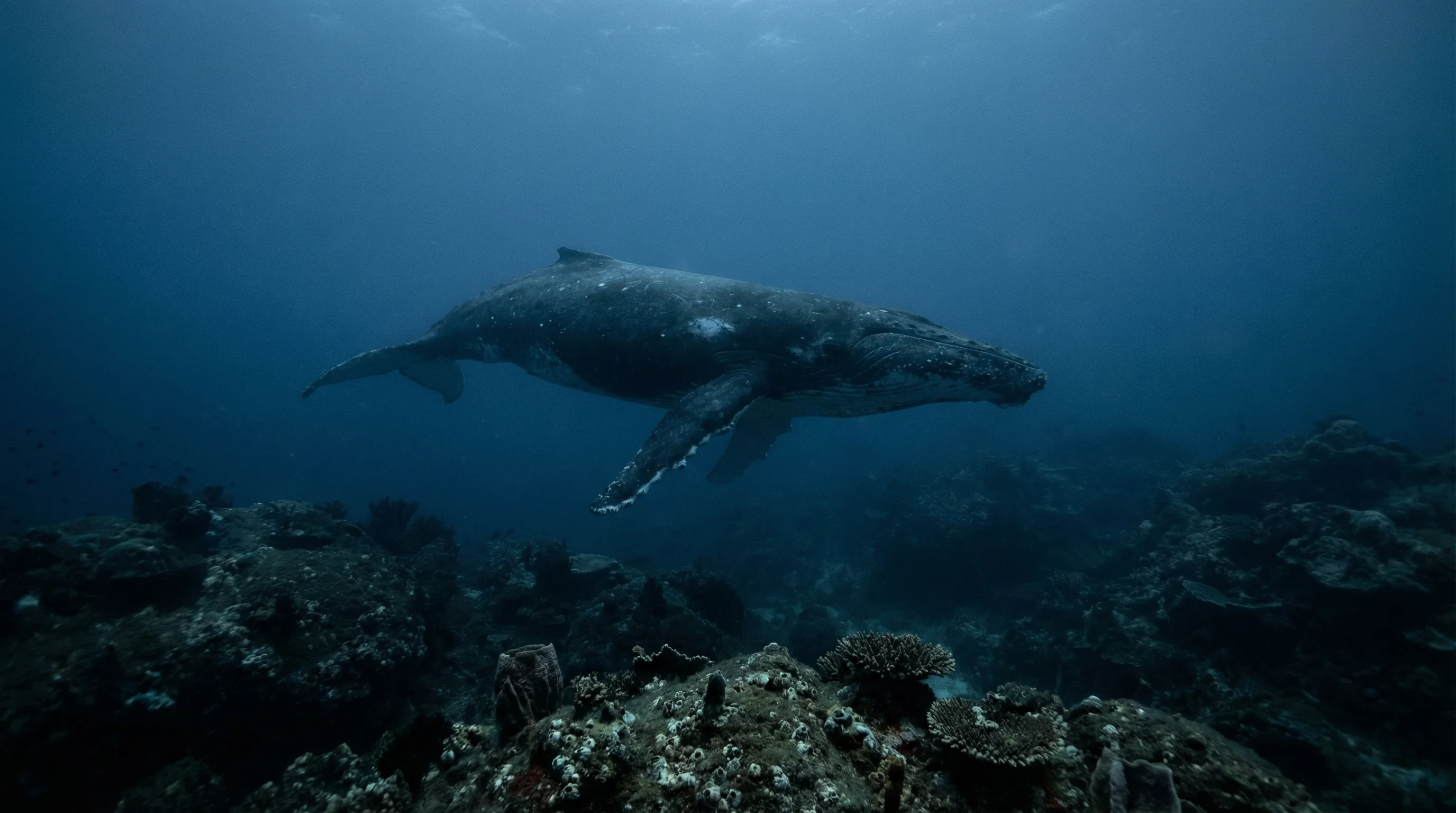
8Coral Sea diving off Brisbane accessible by ferry, with sites from beginner shore dives to advanced drift dives and species including whale sharks and manta rays.
 3
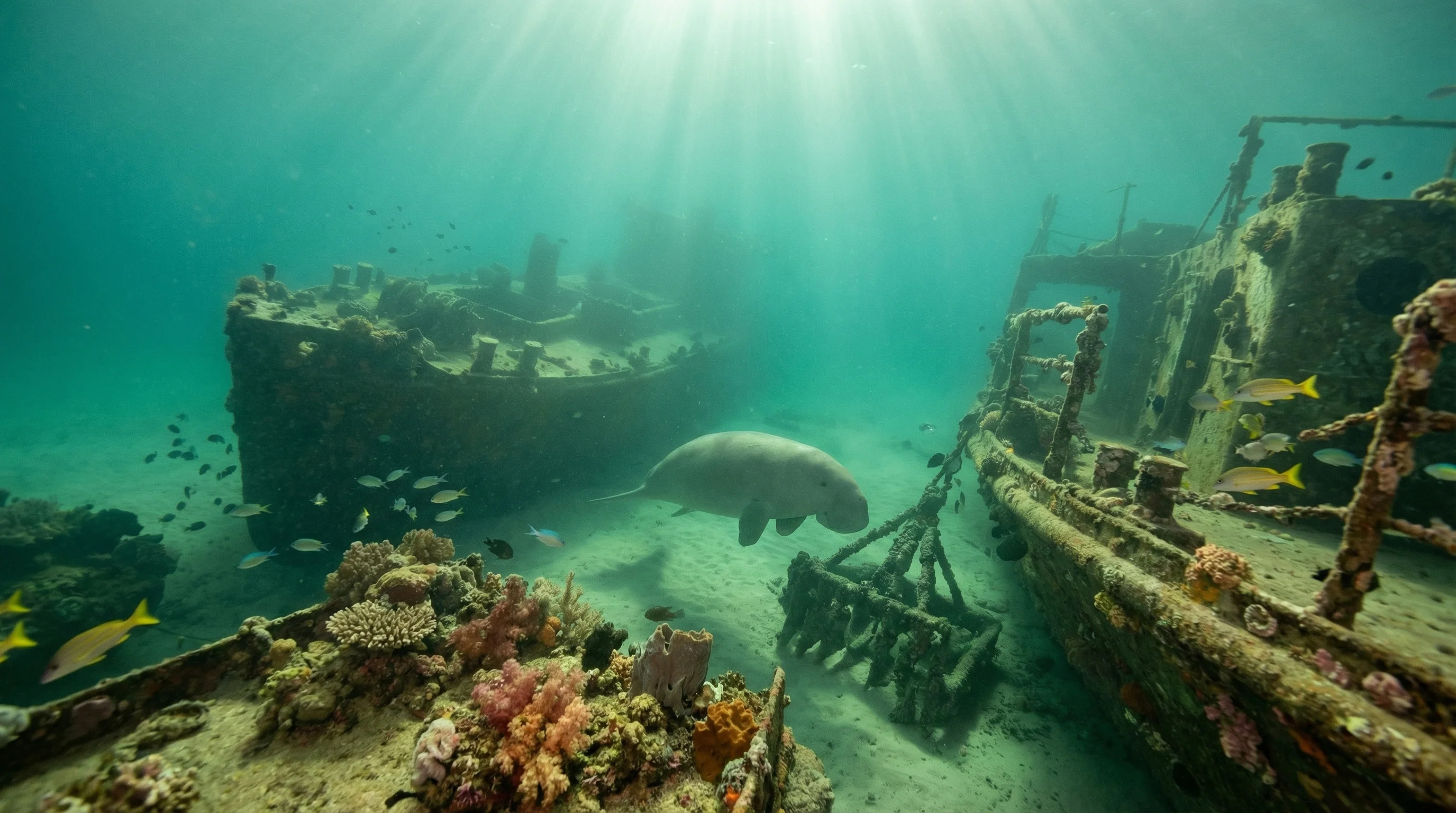
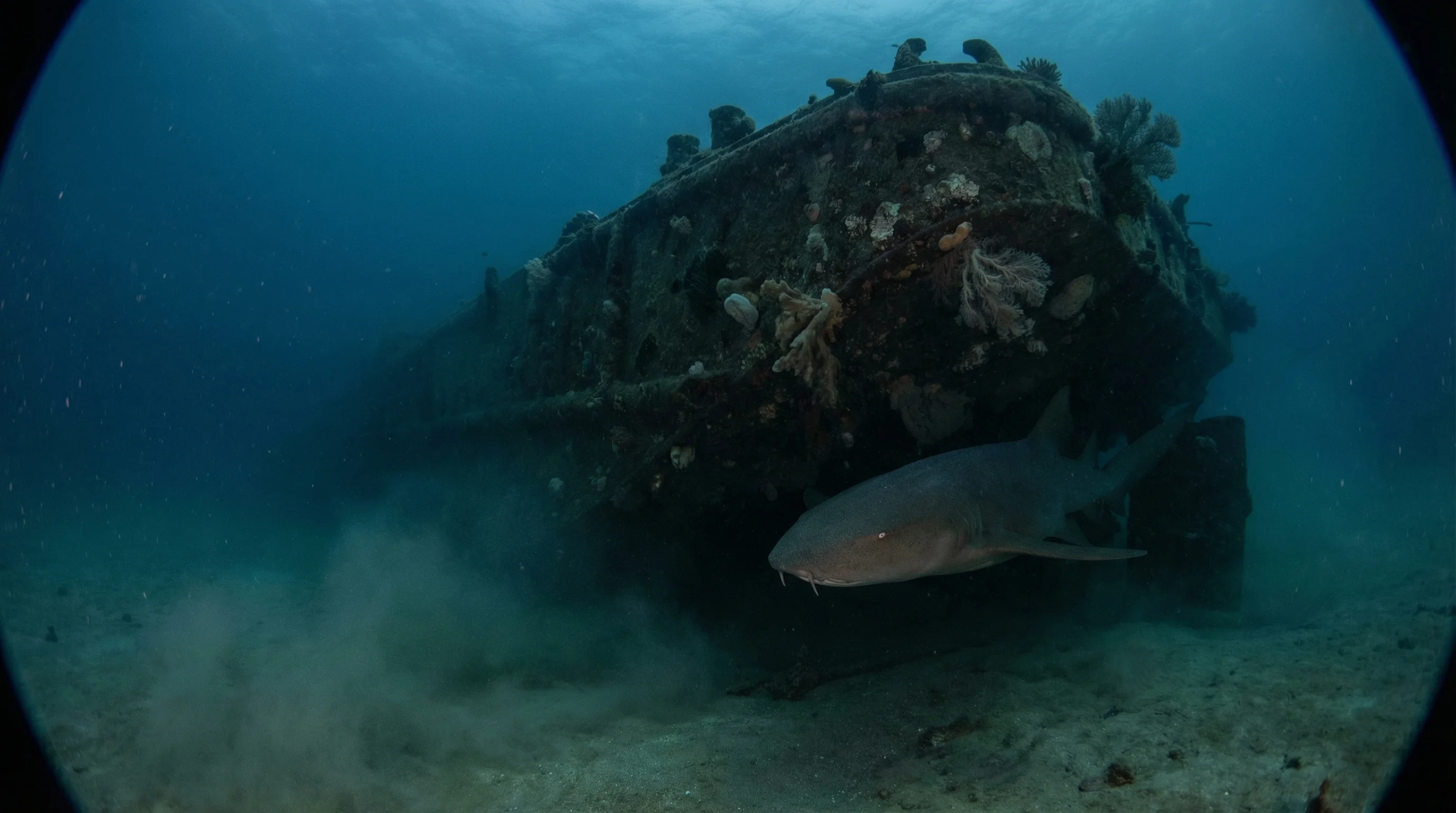
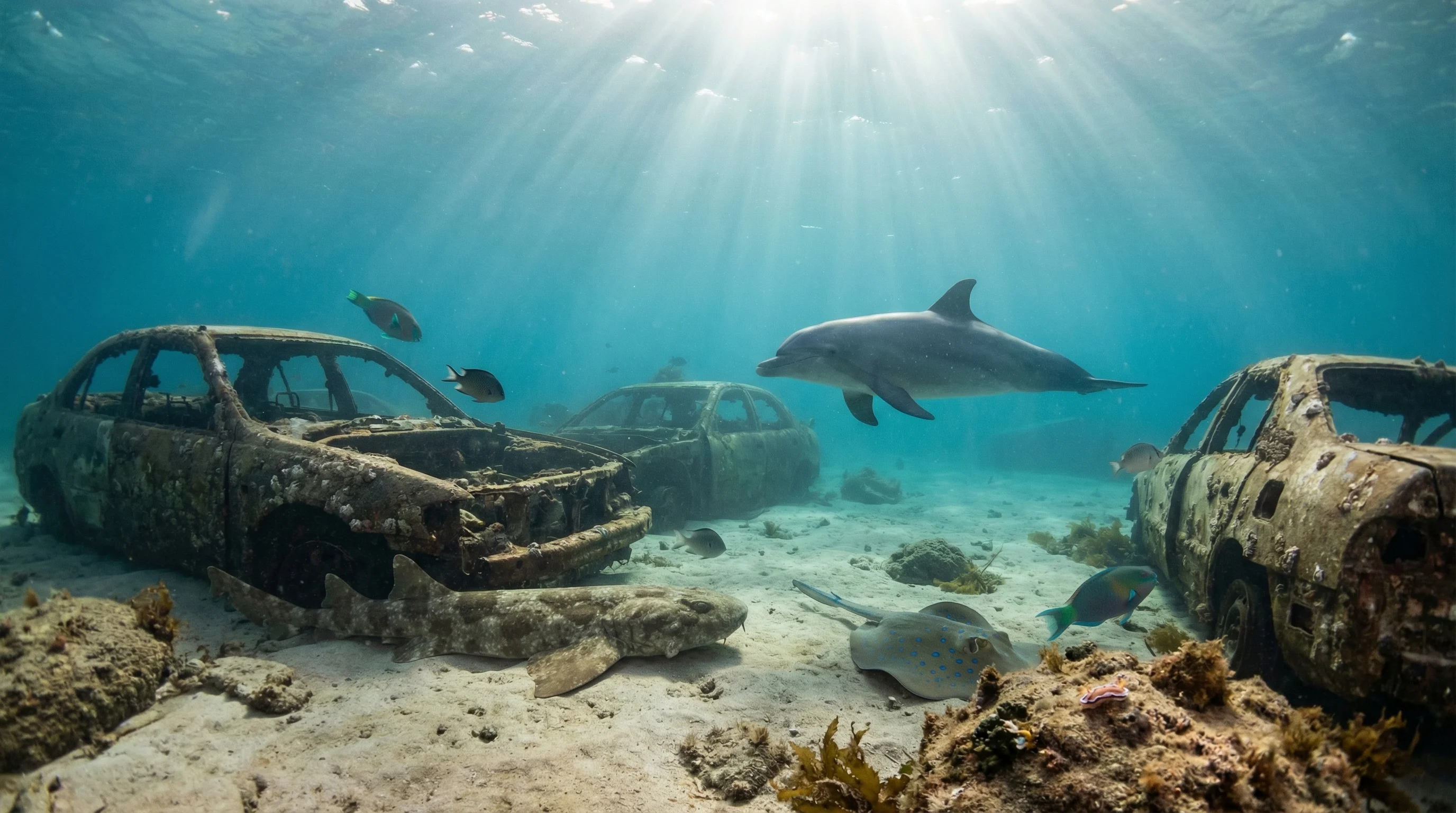
3Moreton Island near Brisbane combines wrecks, seagrass, and artificial reefs with wobbegong, grey nurse sharks, and turtles in tidal subtropical waters.
Monthly water temperature across Brisbane's sites, from satellite sea-surface data corrected for depth. The band shows the site-to-site spread.
Water is warmest through the warmer months of January to April, cooling noticeably through the middle of the year before rising again in spring. The cooler months from May through August tend to draw the best visibility ratings according to diver reports, making them popular despite the drop in temperature. Exposed sites off Stradbroke Island can carry strong currents year-round, so conditions vary considerably between sheltered and open-water sites.
5 operators

Australia
Water temperature around Brisbane ranges from about 21°C in August to 27°C in February, based on satellite sea-temperature data for its dive sites.
2 more sites to explore
In the warm season (about 27°C) a rash guard or 3mm shorty is comfortable in Brisbane; in the coldest months (about 21°C) step up to a 5mm suit.
Fin maps 12 sites in Brisbane (11 scuba diving sites and 2 snorkelling spots, with some suited to both), organised into 2 areas.
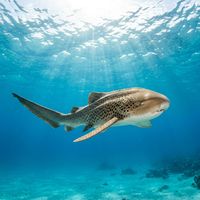
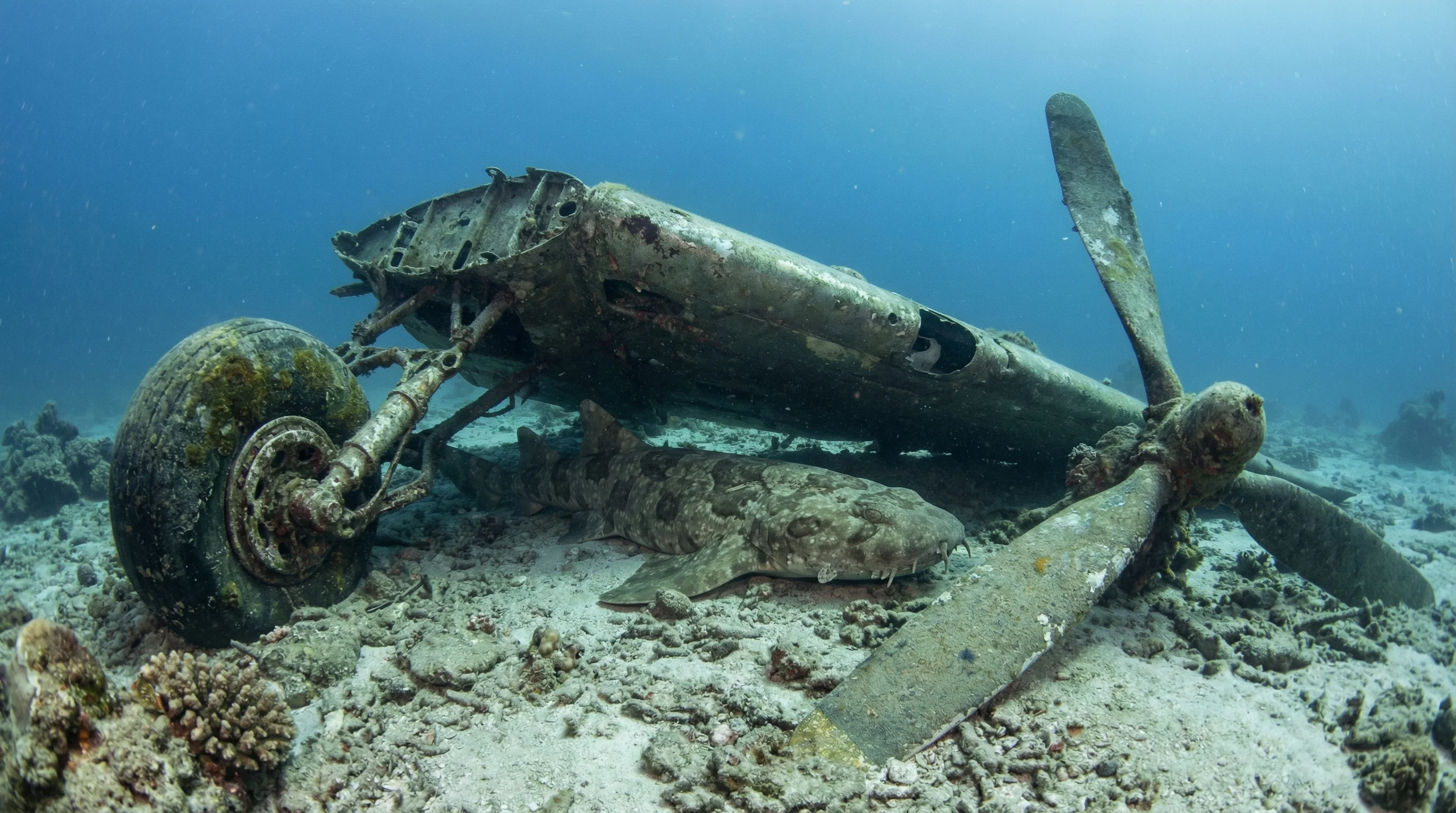
Grey Nurse Shark, Zebra Shark and Leopard Shark are all observation-backed species across Brisbane's dive sites. The Spotted Wobbegong and Ornate Wobbegong are the most frequently recorded, appearing at the vast majority of sites. Sites off Stradbroke Island, particularly drift and reef dives, offer the strongest chances of larger pelagic encounters.
Yes. The Tangalooma Wrecks on Moreton Island are rated beginner level and can be accessed from shore or by boat, sitting in very shallow water. Shag Rock and Amity Point on Stradbroke Island are also beginner-friendly, with Amity Point offering convenient shore entry. Intermediate and advanced sites such as Blue Corner and Boat Rock are best left until divers are comfortable with drift conditions.
Most Brisbane sites require a boat, and several local operators including Brisbane Scuba, Manta Lodge and Scuba Centre, and Tangalooma Island Resort run regular trips to both island groups. Amity Point on Stradbroke Island is a shore-entry option, and the Tangalooma Wrecks on Moreton Island can be reached from the beach as well as by boat. The Curtin Artificial Reef also offers both entry options.